
Last updated September 23, 2026
Free visual inspection and a written scope of work before any mitigation begins - photos, moisture readings, and drying logs go in your claim file
The scope we write is the scope we bill. Anything new gets shown to you, in writing, before we touch it.
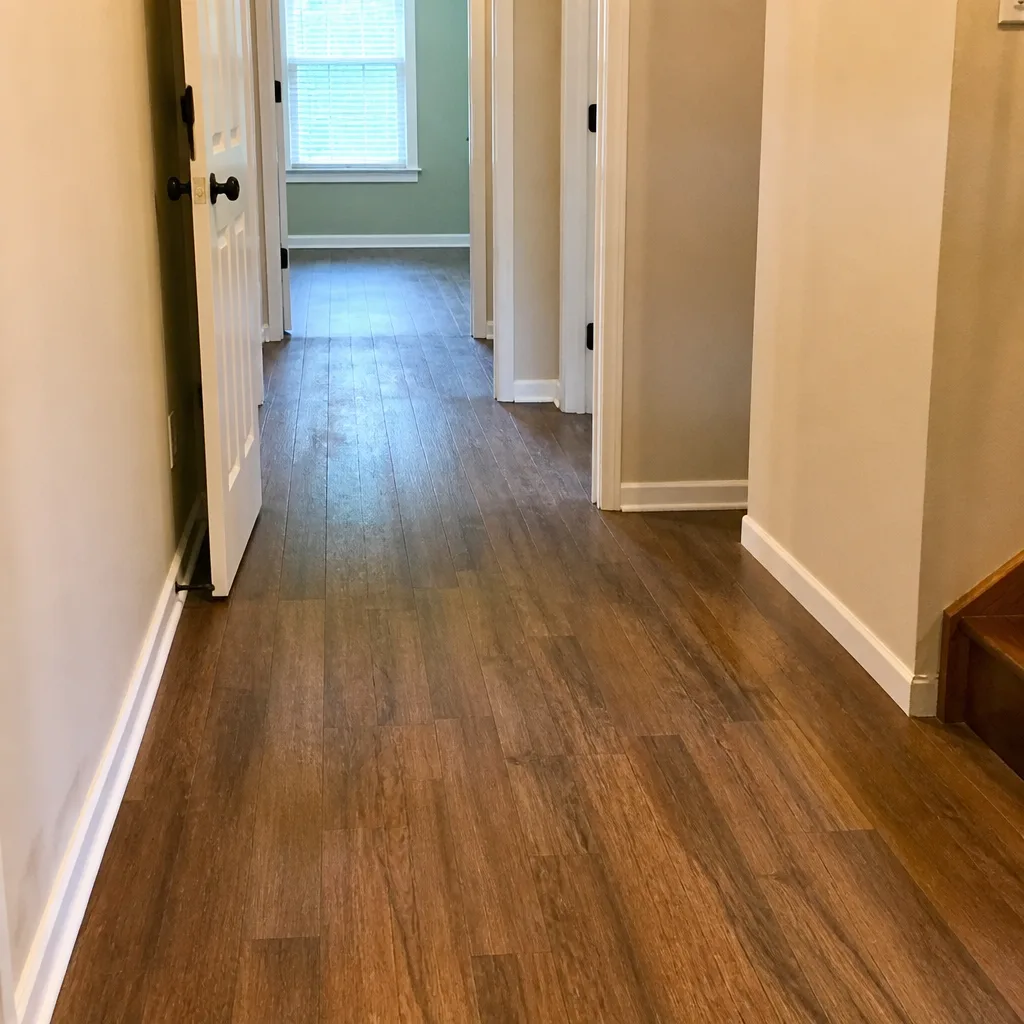
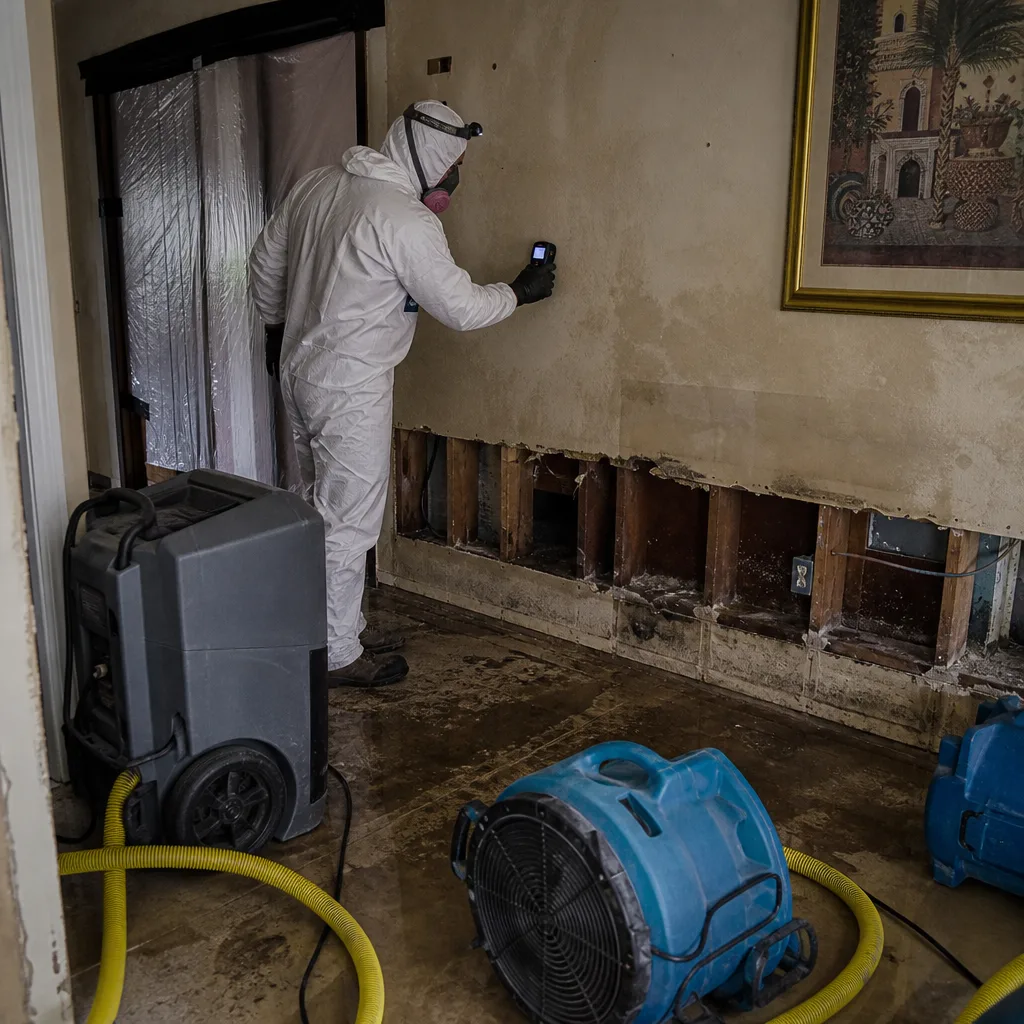 Before
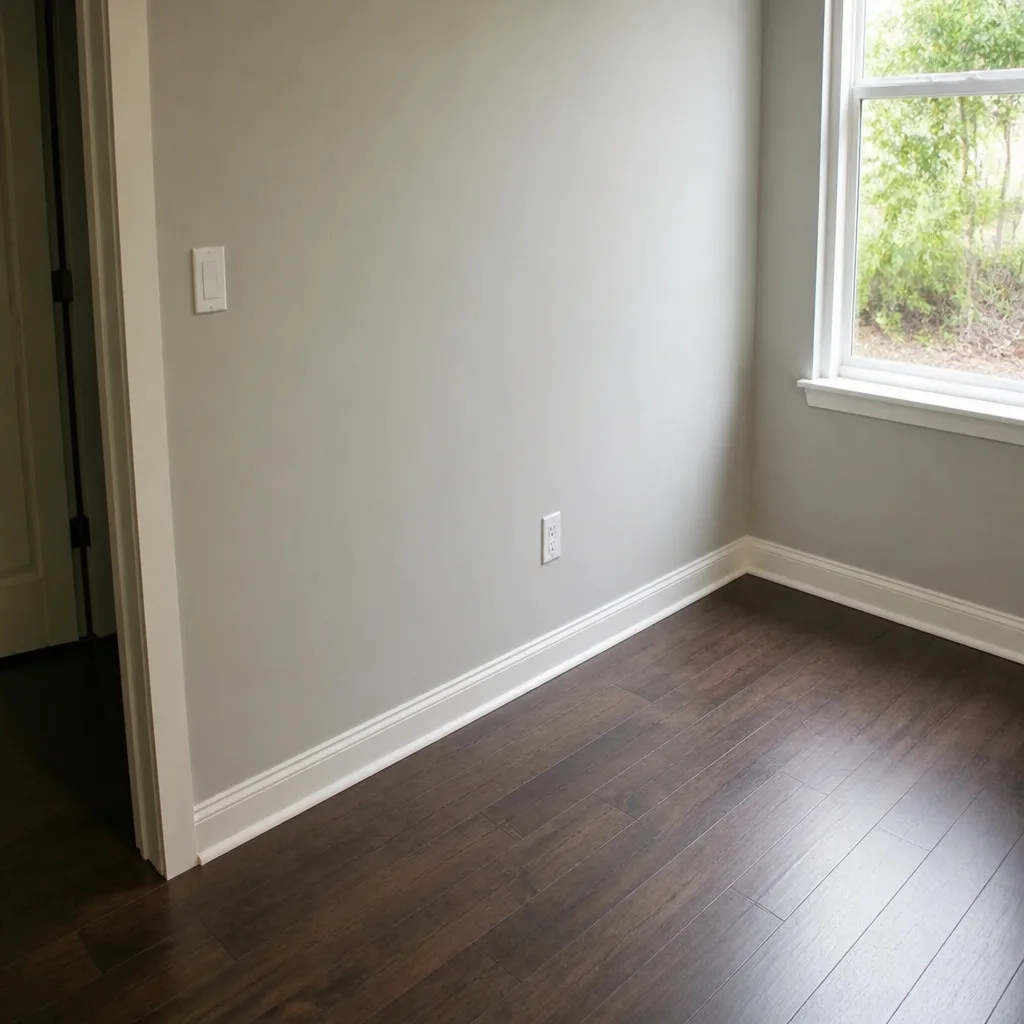 After
After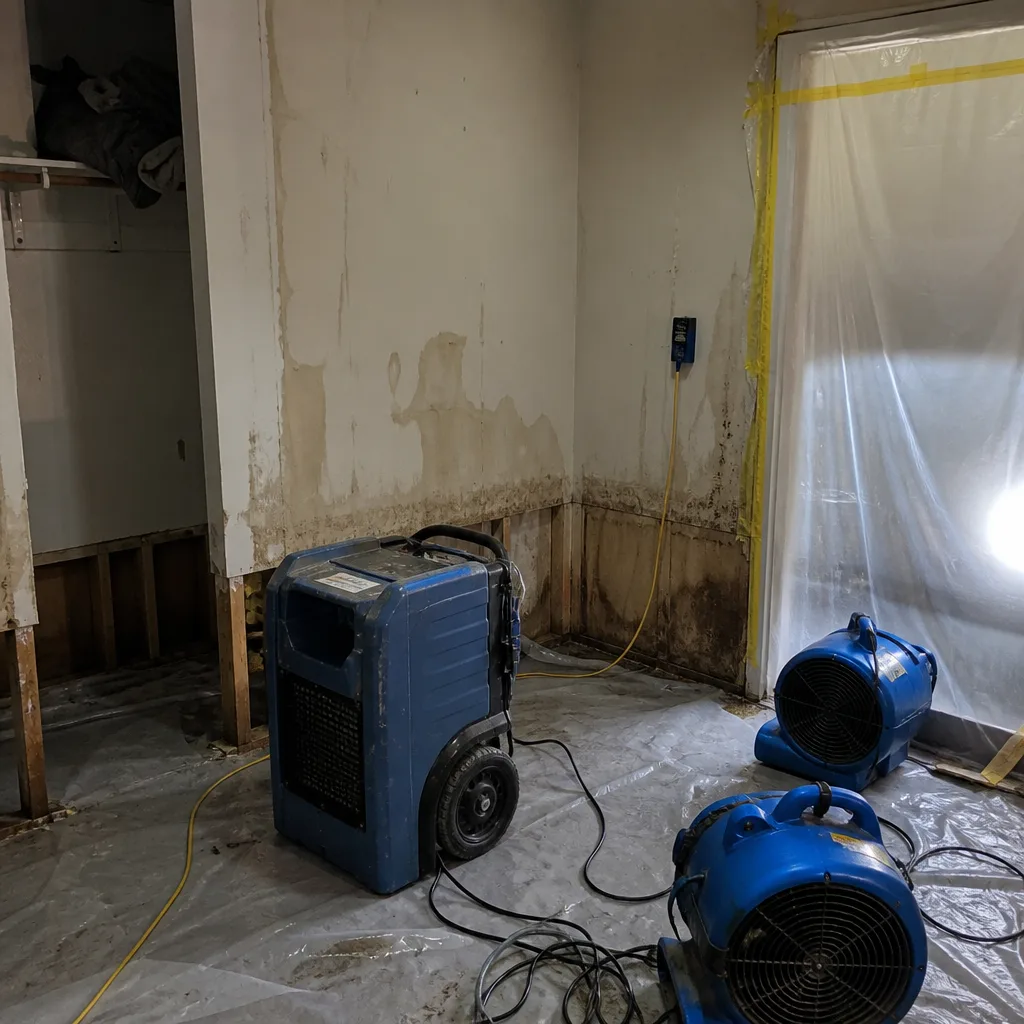 Before
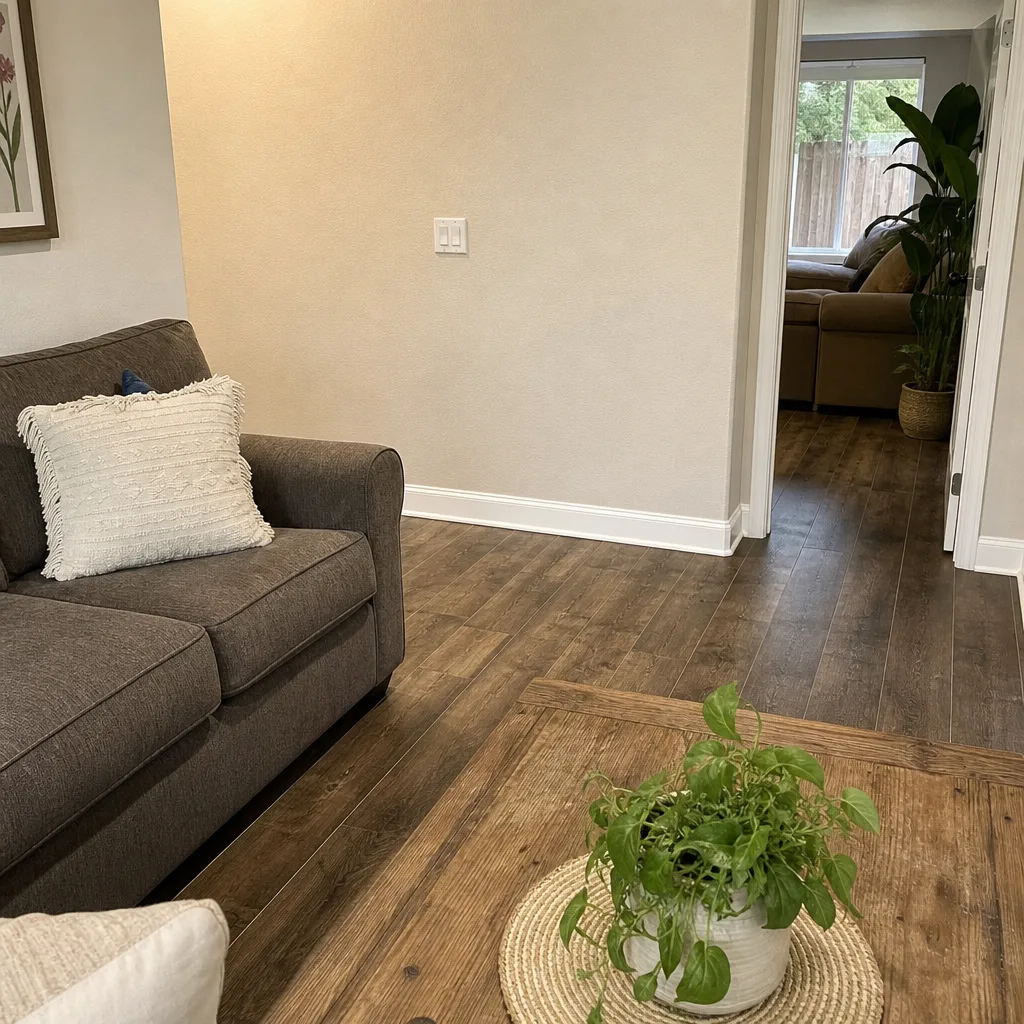 After
After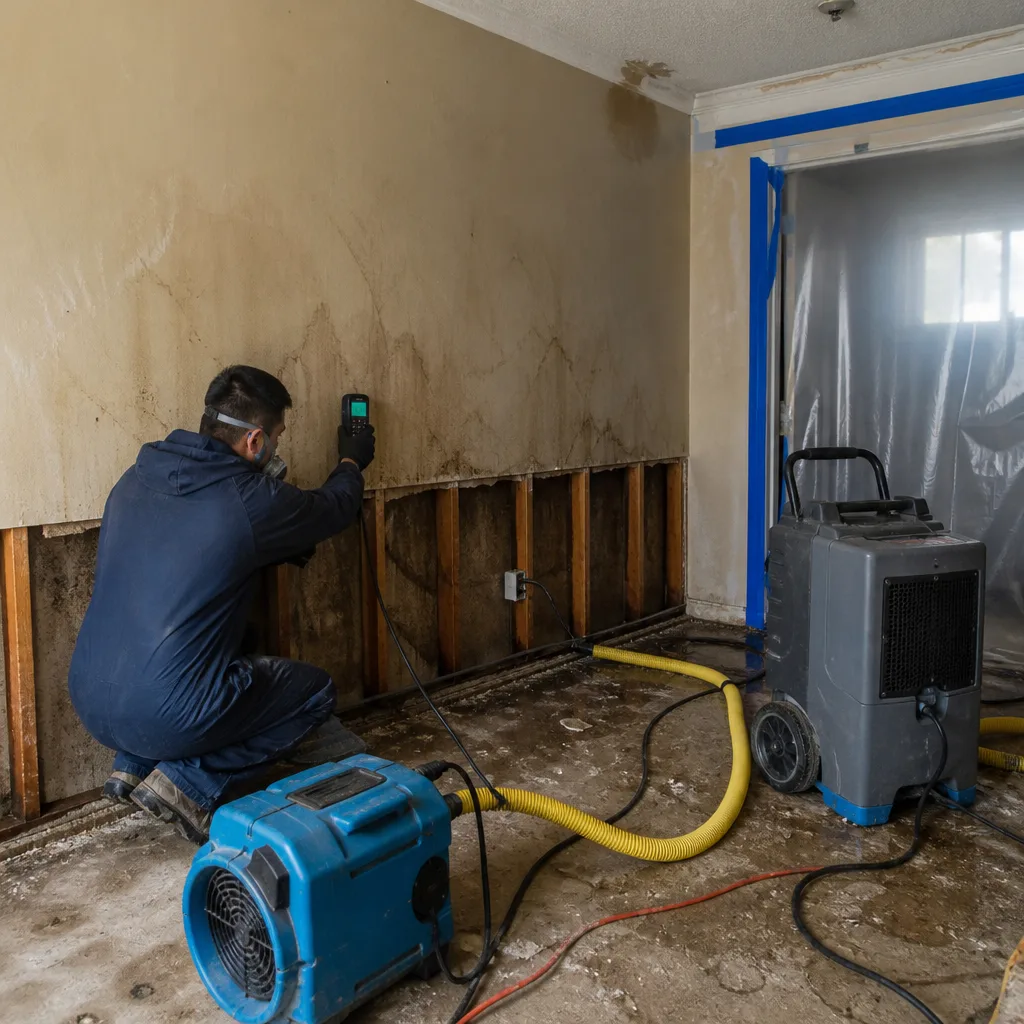 Before
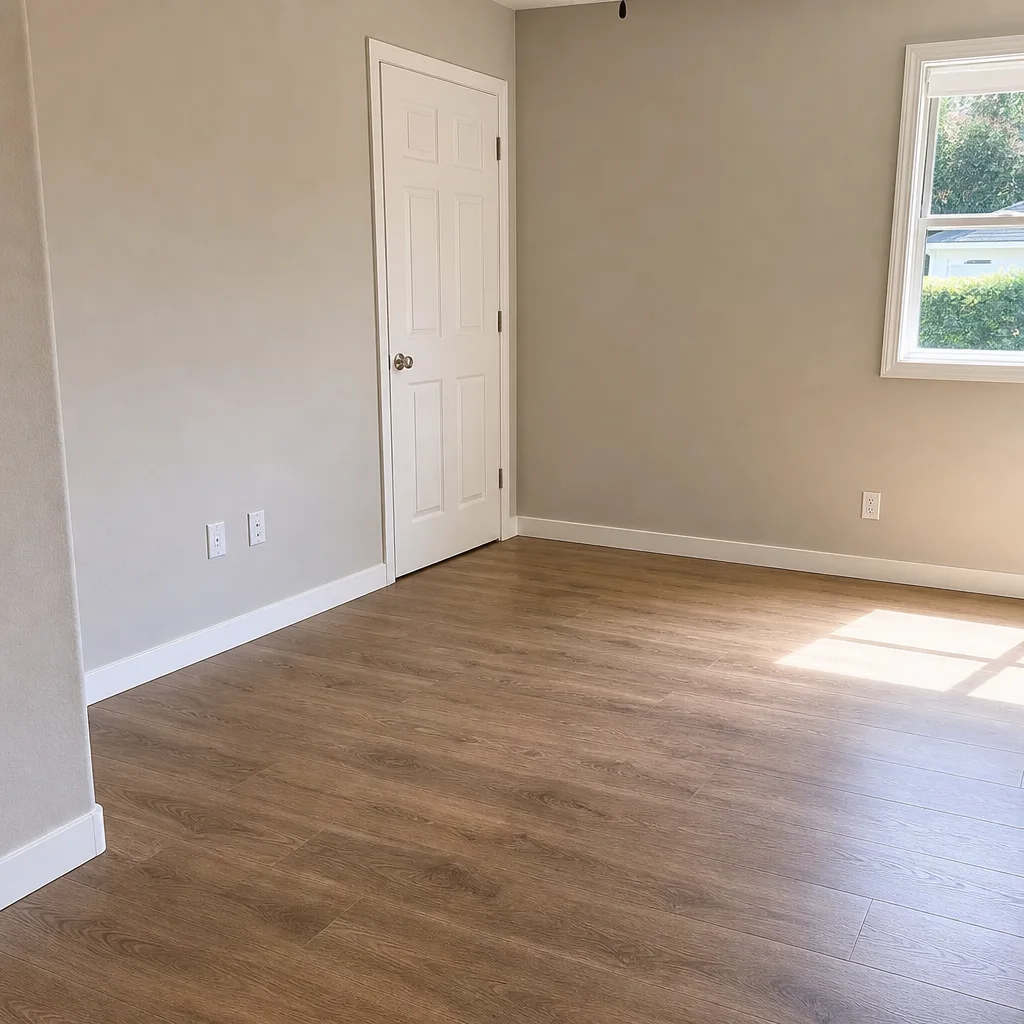 After
AfterHow to Hire a Damage Restoration Contractor in Fallbrook: A Step-by-Step Guide
A contractor who arrives in 45 minutes and starts tearing out drywall before producing a written scope has just handed the insurance adjuster every reason to dispute the invoice, and left the homeowner holding the gap. In Fallbrook, where the Santa Margarita River watershed and coastal marine layer create year-round humidity spikes that complicate drying protocols, this scenario plays out more often than you’d expect. Most hiring guides tell you to check reviews and compare prices. This one won’t. Instead, we’ll show you the five documents that predict whether your claim gets paid without a fight, how to verify them in under two minutes, and the specific questions about drying science that separate contractors who document from those who guess.
Quick Answer
To hire a damage restoration contractor in Fallbrook, request five documents before signing anything: a written scope of work, an itemized estimate with Xactimate line codes, proof of a current CSLB license, a certificate of insurance naming you as additional insured, and a clear payment policy. Then verify the license at cslb.ca.gov, ask to see redacted drying logs from a completed job, and confirm the contractor documents baseline moisture readings before deploying equipment.
Table of Contents
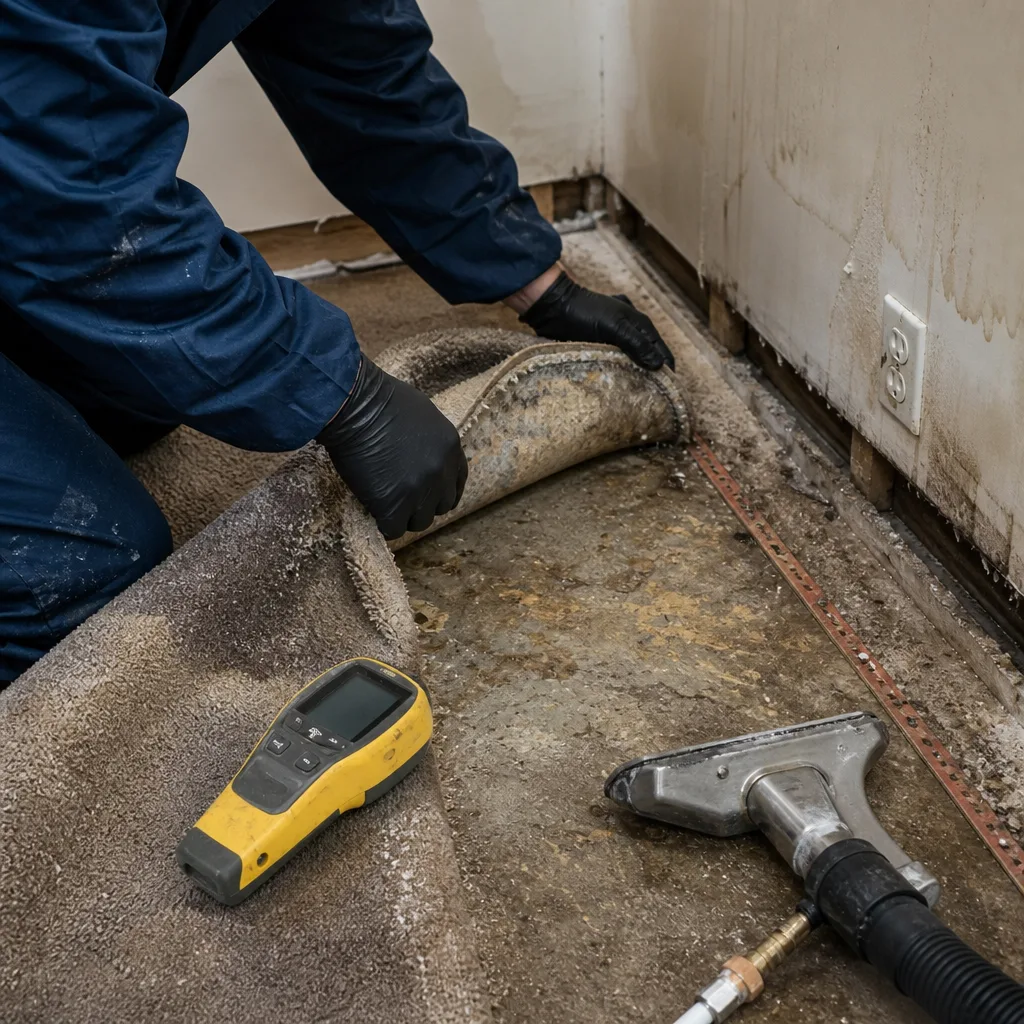
- Why Documentation Beats Speed Every Time
- The Five Documents to Request Before Signing Anything
- How to Verify a Fallbrook Contractor’s CSLB License in Under Two Minutes
- Red Flags That Appear Only in Emergency Situations
- Questions to Ask About Drying Protocol Before Equipment Starts
- How to Evaluate a Contractor’s Documentation Samples
- Fallbrook-Specific Considerations: Climate, Codes, and Common Scenarios
- Common Mistakes to Avoid
- When to Call a Professional
- Frequently Asked Questions
- The Bottom Line
BeforeAfterWhy Documentation Beats Speed Every Time
Speed matters in water damage. Mold colonizes wet drywall in 48 to 72 hours, and Category 3 water carries bacterial loads that multiply hourly. But speed without documentation is a liability dressed as a virtue.
We’ve reviewed thousands of denied insurance claims since 2011. The pattern is consistent: the contractor who arrived fastest, spoke loudest about urgency, and started demolition immediately is the same contractor whose invoice the adjuster reduced by 40% or rejected entirely. The adjuster’s objection is never about the work quality. It’s about missing documentation. No baseline moisture readings. No written scope signed before work began. No photo record proving the wall cavity was actually wet before it was removed.
Insurance companies pay for evidence, not effort. A psychrometric chart showing vapor pressure differential across three days of drying is worth more than a contractor’s verbal assurance that “we got it dry.” Psychrometric data, for readers unfamiliar with the term, is simply the measurement of how temperature, humidity, and air movement interact to remove moisture from materials. Vapor pressure differential is the engine that drives that removal: the difference between the moisture in the wet material and the moisture in the surrounding air. A contractor who can’t explain these terms in plain language, or who doesn’t log them daily, is practicing restoration without a map.
In Fallbrook specifically, the documentation gap costs homeowners more than in inland markets, which is why we published our Complete Guide to Damage Restoration in Fallbrook. The marine layer that rolls in from the Pacific keeps relative humidity elevated through June, and the clay-heavy soils around the Santa Margarita River basin slow foundation drainage. A contractor who doesn’t document grain-per-pound readings against outdoor ambient conditions may declare a structure dry when it’s simply equilibrated to Fallbrook’s naturally humid baseline. That structure will smell musty in three months, and the homeowner’s warranty claim will meet a documentation wall.
The hiring conversation should start with one question: “Can you show me a completed drying log from a job like mine?” Everything else follows.
The Five Documents to Request Before Signing Anything
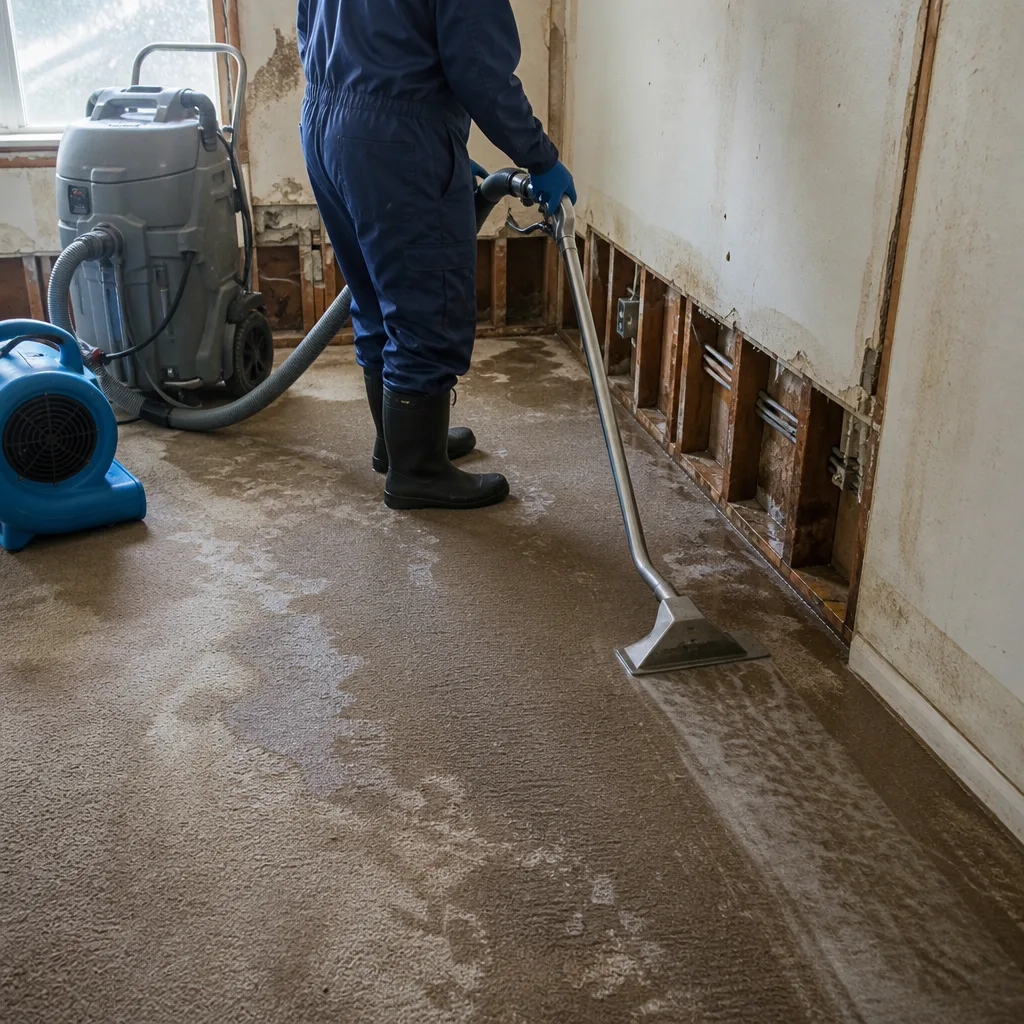
These five documents are non-negotiable. A contractor who treats any of them as optional is a contractor who has not yet learned what an adjuster requires to approve a claim.
1. Written Scope of Work
This is not an estimate. A scope defines exactly what will be done, in what sequence, with what materials, to what standard. It references the IICRC S500 (water damage) or S520 (mold remediation) standard that governs each action. Without a written scope signed by both parties, the contractor can expand work without authorization, and the homeowner has no basis to dispute additions.
Water damage restoration in Fallbrook should always begin with a scope that identifies: the water category (1, 2, or 3), the affected material classes (Class 1 through 4, from minimal absorption to deep saturation in low-permeance materials like hardwood and plaster), and the drying strategy (restrained, aggressive, or specialty systems for bound water in concrete or hardwood).
2. Itemized Estimate Referencing Xactimate Line Codes
Xactimate is the pricing database used by most insurance carriers. An estimate that references Xactimate line item codes (like WTR-DRY for drying equipment or WTR-WALL for wall removal) allows the adjuster to verify each charge against standardized pricing. An estimate without these codes, or with round-number lump sums like “$5,000 for drying,” invites scrutiny and reduction.
Ask the contractor to walk you through three line items and explain why each is necessary. This reveals whether they understand their own estimate or are presenting someone else’s template.
3. Proof of Contractor’s License (CSLB Verification)
The Contractors State License Board regulates who may perform structural drying, demolition, and reconstruction in California. We’ll cover verification in detail in the next section, but the document itself should show: the license number, the classification (B-General Building for most restoration work, C-36 Plumbing for water source repair, C-20 Warm-Air Heating for HVAC-related drying), current status as “Active,” and workers’ compensation insurance if the contractor employs anyone.
4. Certificate of Insurance Naming the Homeowner
General liability and pollution liability coverage are standard in restoration, but the certificate must name you as additional insured for the specific project. This is not the same as the contractor simply carrying insurance. A certificate naming you provides direct protection if a worker is injured on your property or if secondary damage occurs after the crew leaves. The certificate should show minimum $1 million per occurrence for general liability and $1 million for pollution liability, the latter being critical for sewage and mold work.
5. Clear Assignment-of-Benefits or Payment Policy Statement
Some contractors ask homeowners to sign an Assignment of Benefits (AOB), transferring insurance payment rights directly to the contractor. This is legal in California but heavily regulated and increasingly scrutinized by carriers. A trustworthy contractor explains the payment structure in writing: whether they bill you and you seek reimbursement, whether they bill the carrier directly, whether an AOB is required, and what happens if the carrier pays less than the invoice.
Haven Standard, Clause 1: a written price before work begins. This applies to payment policy too. The price and the payment path should be clear before any equipment enters your home.
How to Verify a Fallbrook Contractor’s CSLB License in Under Two Minutes
California makes license verification simple. Most homeowners never do it. Here’s the exact process.
- Navigate to cslb.ca.gov and click “Check a License” in the top navigation.
- Enter the contractor’s license number. If they won’t provide it, stop. This is a non-starter.
- Review the license status. It must read “Active.” “Inactive,” “Suspended,” or “Cancelled” means no legal work may proceed.
- Check the classification. For water damage restoration involving structural drying and demolition, the contractor needs a B-General Building classification or a C-61/D-64 (Non-Specialized) with appropriate experience. Mold remediation specifically requires documentation of training; while no separate CSLB classification exists for mold alone, the contractor must demonstrate IICRC WRT (Water Damage Restoration Technician) and AMRT (Applied Microbial Remediation Technician) certifications.
- Verify workers’ compensation coverage. If the contractor has employees and this field is blank, you could be held liable for job-site injuries.
- Review the bond history. A $25,000 contractor’s bond is required; verify it’s current.
- Check disciplinary actions. Any “Citation” or “Suspension” entries should be explained in writing before you proceed.
The entire process takes 90 seconds. We’ve seen contractors in Fallbrook and neighboring markets operate on expired licenses, expired bonds, or classifications that don’t cover the work they’re performing. The CSLB site exposes this instantly. A contractor who resents this verification is a contractor with something to hide.
One Fallbrook-specific note: contractors working in the unincorporated areas of northern San Diego County may also need county business licenses and, for work near the Santa Margarita River or its tributaries, may need to demonstrate awareness of watershed protection requirements. Ask whether they’ve worked in the De Luz, Rainbow, or Live Oak Canyon areas and how they handled sediment and debris containment.
Red Flags That Appear Only in Emergency Situations
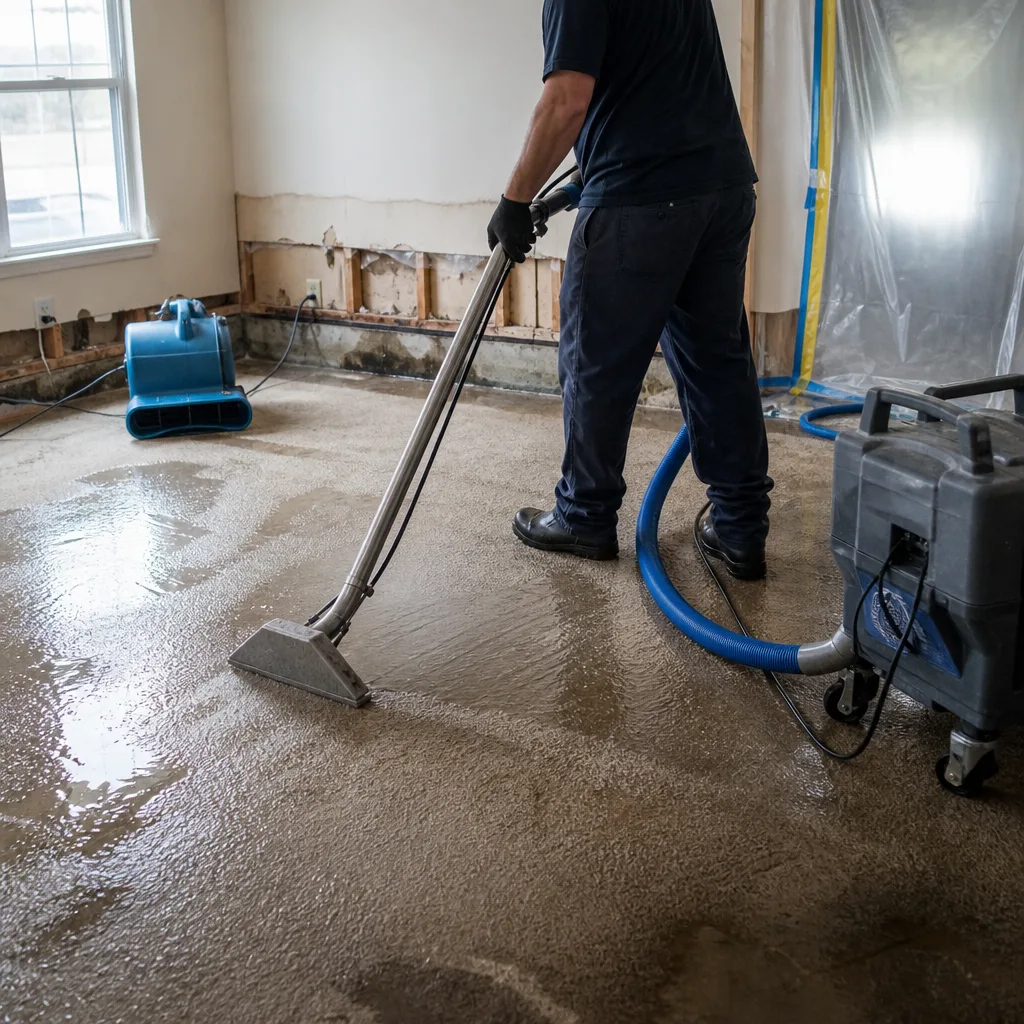
Emergencies suspend normal judgment. Contractors know this. These red flags appear when water is still spreading and the homeowner is most vulnerable.
Verbal-only pricing with “we’ll write it up later.” Later never comes, or it comes as a surprise. Haven Standard, Clause 1 exists because we’ve seen $3,000 verbal estimates become $12,000 invoices with no documentation of what changed. A written price before work starts is not bureaucratic delay. It is the only protection against scope creep.
Pressure to sign assignment-of-benefits forms before the scope is written. An AOB signed before the work is defined gives the contractor unchecked authority to bill the carrier without your review. California law requires specific disclosures in AOB agreements, including a 14-day rescission period for residential work. A contractor who rushes past these disclosures is not serving your interests.
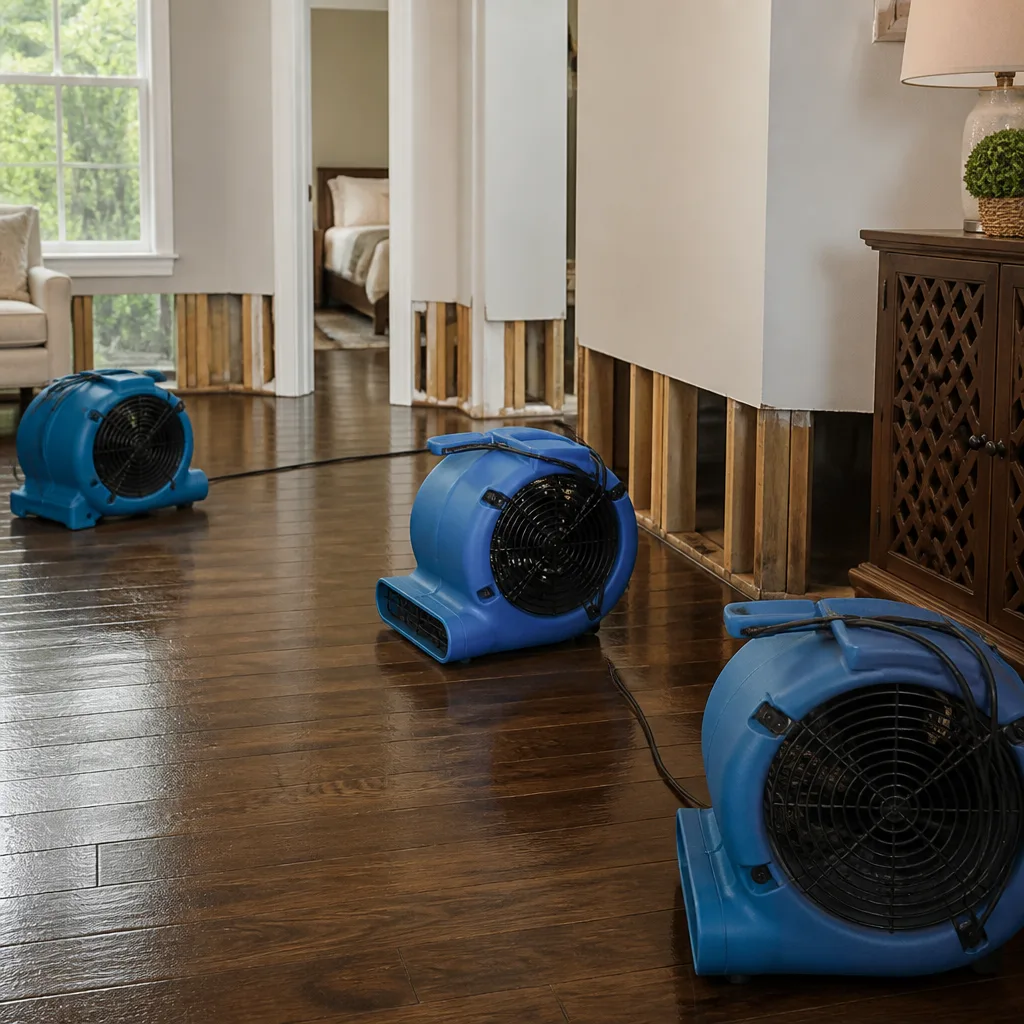
Equipment deployment before baseline moisture readings. This is the most common and most damaging red flag. A contractor who places Dri-Eaz or Phoenix dehumidifiers and air movers before documenting starting moisture content cannot prove the equipment was necessary, cannot prove it worked, and cannot justify the rental charges. The drying log begins with baseline readings: moisture content percentage in wood framing, relative humidity in air, and temperature. No baseline, no proof.
Refusal to explain the drying strategy in plain language. “We’ll dry it out” is not a strategy. A competent contractor explains: the target equilibrium moisture content for your specific materials (typically 12-16% for softwood framing in Fallbrook’s climate), the expected grain-per-pound reduction timeline, and the criteria for moving from aggressive drying to tertiary drying (the final phase where equipment is reduced and the structure stabilizes).
Demands for large upfront deposits on emergency work. Reputable restoration contractors bill through insurance or upon completion, with minimal deposits for non-emergency reconstruction. A demand for 50% upfront on a water mitigation job is a signal of financial instability or intent to perform minimal work and disappear.
Questions to Ask About Drying Protocol Before Equipment Starts
The equipment brand matters less than the protocol behind it. A contractor with Phoenix dehumidifiers who doesn’t log readings is less competent than one with basic equipment who documents everything. Ask these questions and judge the specificity of answers.
What are your target grain-per-pound readings, and how do they account for Fallbrook’s ambient humidity?
Grain-per-pound (GPP) measures the actual weight of moisture in air. Target GPP depends on the outdoor conditions: you cannot dry indoor air below what the dehumidifier can extract given the intake air’s starting point. In Fallbrook, where morning marine layer humidity often starts at 75-85% relative humidity, a contractor using inland desert targets will set unrealistic expectations and either over-promise or over-equip. Our Seasonal Damage Restoration Care for Fallbrook: Year-Round Homeowner’s Guide breaks down how these patterns shift month by month. The correct answer references adjusting targets based on daily psychrometric readings, not a fixed number from a manual.
How do you determine equipment placement and count?
Air movers are placed to create laminar airflow across wet surfaces, typically one per 50-100 square feet of affected area for Class 2-3 losses. Dehumidifier capacity is calculated based on the cubic feet of affected space and the Class of water loss. The contractor should explain the calculation, not guess. “We put in what looks right” is the wrong answer. “We calculate air changes per hour based on the LGR (low-grain refrigerant) dehumidifier’s rated CFM and the affected volume” is the right one.
How often will you log readings, and when will I see them?
Daily logging is the IICRC standard. The logs should include: date and time, equipment inventory and placement, temperature and relative humidity at multiple points, moisture content readings in affected materials, and GPP calculations. These should be shared with you in real time or at minimum every 24 hours, not presented as a surprise at invoice.
What triggers equipment removal, and how do you document that the structure is dry?
Equipment stays until materials reach their equilibrium moisture content, not until they “feel dry.” For most residential framing in Fallbrook, this means 12-16% moisture content in wood, verified with calibrated pin-type or pinless moisture meters, with readings taken at multiple depths and locations. Tertiary drying begins when primary targets are met: equipment is systematically reduced, and the structure is monitored for 24-48 hours without rebound. The final documentation should include a drying certificate with all readings, dates, and meter calibration records.
How do you handle bound water in materials like concrete or hardwood?
Bound water is moisture chemically held within material structure, not free water in pores or cavities. It requires specialty equipment: Injectidry systems for hardwood floor drying, desiccant dehumidifiers for concrete, or heat-based systems for dense materials. A contractor who doesn’t mention bound water when describing a slab leak or hardwood floor loss hasn’t assessed the job correctly.
How to Evaluate a Contractor’s Documentation Samples
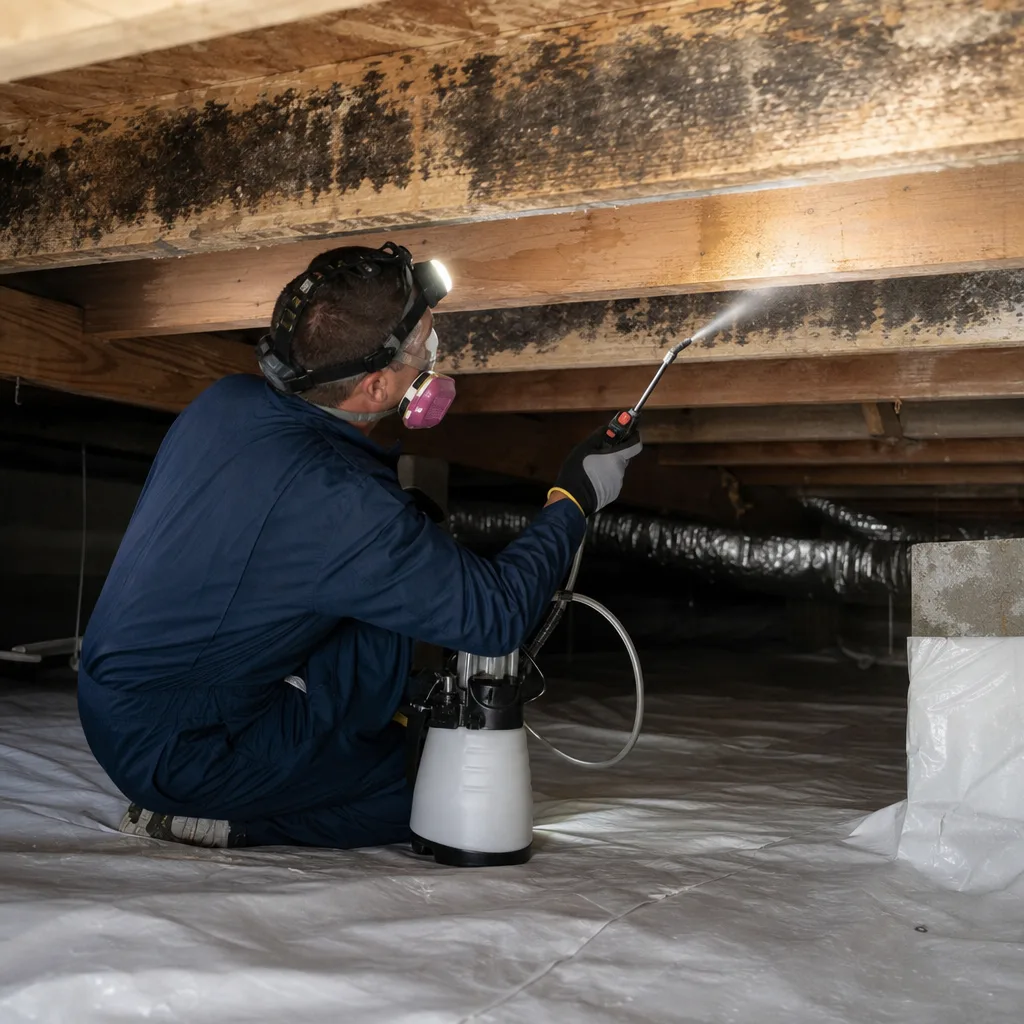
Every contractor claims to document. Few can show you what their documentation actually looks like. Request these two samples before committing.
Redacted Drying Log from a Completed Job
A proper drying log runs 10-30 pages for a typical residential water loss. It should include:
- Daily moisture mapping with room-by-room readings
- Equipment placement diagrams with serial numbers
- Psychrometric calculations showing progress toward targets
- Notes on any adjustments to the drying plan and why they were made
- Photographs with timestamps showing conditions at each visit
Review the log for consistency. Are readings taken at the same times each day? Do moisture content reductions follow a logical curve, or do they jump suspiciously? Are equipment changes explained? A log that shows identical readings for three days suggests either miraculous stability or fabricated data.
Redacted Final Scope and Invoice
The final scope should match the initial scope, with documented change orders for any additions. The invoice should reference Xactimate line items with quantities and unit prices. Compare the photo record to the scope: does the photo show the wall was removed, and does the scope charge for that removal, and does the photo timestamp precede the scope date? This alignment is what adjuster approval requires.
At Back to Dry, we provide these samples during our initial consultation. Not because we’re exceptional, but because documentation is the product. A contractor who treats samples as proprietary is a contractor whose documentation won’t survive scrutiny.
Fallbrook-Specific Considerations: Climate, Codes, and Common Scenarios
Fallbrook’s geography creates restoration challenges that inland contractors underestimate. Understanding these protects you from incomplete drying and denied claims.
Marine layer humidity. From May through August, Pacific moisture rolls inland overnight, keeping relative humidity above 70% until mid-morning. Contractors using standard inland drying targets will either fail to achieve them or will over-equip and over-bill. The correct protocol adjusts daily targets based on ambient conditions, not a fixed chart.
Clay soil and slow drainage. The soils in Fallbrook’s avocado-growing regions, particularly around De Luz and the Santa Margarita River canyon, are heavy clay that percolates water slowly. Slab leaks here wick laterally rather than draining downward, affecting larger areas than the leak location suggests. Baseline moisture mapping must extend well beyond the visible damage.
Agricultural water systems. Many Fallbrook properties, especially those on former grove land, have aging irrigation infrastructure that complicates water source identification. A contractor who doesn’t trace the source may miss a continuing leak that undermines drying efforts. Ask how they verify the source is stopped before declaring mitigation complete.
Wildfire smoke and ash. Fallbrook’s position in the wildland-urban interface means smoke damage from regional fires is a recurring issue, even when flames don’t reach the structure. Fire and smoke damage restoration in Fallbrook requires understanding of particulate size, acid residue from synthetic materials, and the difference between dry smoke (fast-burning, powdery) and wet smoke (slow-burning, smeary). Documentation here includes air quality readings, surface pH testing, and detailed cleaning protocols by material type.
Older construction in the historic district. Homes near Main Avenue and the original townsite may have lath-and-plaster construction, balloon framing, or unvented crawl spaces that complicate standard drying approaches. These require modified protocols and often longer drying times. A contractor who applies new-construction standards to historic materials will either fail to dry them or damage them in the process.
Mold in seasonal humidity. Fallbrook’s combination of winter rains and summer marine layer creates two annual mold pressure periods. Mold remediation in Fallbrook should include assessment of ventilation adequacy, not just removal of visible growth. Without addressing the humidity source, mold returns regardless of remediation quality.
Common Mistakes to Avoid
- Hiring based on arrival time alone. The contractor who reaches your Fallbrook home in 30 minutes may be the closest, not the most qualified. A 90-minute response with documentation equipment is preferable to immediate demolition without a scope.
- Accepting “insurance will cover it” as a pricing strategy. Insurance covers documented, necessary, and reasonably priced work. It does not cover whatever a contractor chooses to bill. The written scope and Xactimate-based estimate protect you whether the carrier pays directly or you seek reimbursement.
- Neglecting to verify the license classification matches the work. A C-36 Plumbing contractor can repair the pipe but cannot legally perform structural drying or reconstruction without additional classification. Verify before work starts, not when the adjuster asks.
- Allowing equipment rental without a removal protocol. We’ve seen dehumidifiers left running for weeks past dryness because no one checked readings. Daily logs with clear removal criteria prevent this.
- Signing documents under pressure without reading. California law gives you three business days to cancel most home improvement contracts, but emergency waivers complicate this. Read everything, photograph everything, and don’t sign what you don’t understand.
- Failing to document pre-existing conditions. Photograph your property before work begins. The contractor’s documentation covers their work; yours covers what existed before. This protects against disputes about whether damage was pre-existing or caused by the loss.
- Assuming all mold is treated the same. Fallbrook’s climate supports multiple mold species with different remediation requirements. Stachybotrys (black mold) requires containment and negative air pressure; Aspergillus and Penicillium may not. The contractor should identify the species through laboratory analysis, not visual guesswork.
When to Call a Professional
Some situations demand immediate professional intervention regardless of your DIY comfort level. Category 3 water (sewage, seawater, or ground water), any water affecting electrical panels or gas appliances, mold growth exceeding 10 square feet, and fire damage with structural compromise all require trained response. High-tension garage door springs, electrical panel work, and gas line repair are genuinely dangerous; leave them to licensed specialists.
Call immediately if: water is still flowing and you cannot locate the shutoff; you smell gas or see electrical arcing; the affected area includes your HVAC system (which can distribute contaminants throughout the structure); or anyone in the home has respiratory conditions that mold exposure could aggravate.
DryMark Restoration Fallbrook offers free estimates in Fallbrook. Our live phone coverage is available 24 hours a day, 7 days a week with no voicemail on emergency lines. Every job is quoted in writing before work begins, documented with a photo record on every visit, and covered by the 365-Day Done Right Promise under The Haven Standard. Call (760) 421-5658.
Frequently Asked Questions
Water damage mitigation in Fallbrook typically ranges from $1,200 for a contained Class 1 loss affecting a single room with clean water, to $8,000-$15,000 for a Class 3 or 4 loss with Category 2 or 3 water affecting multiple rooms and requiring structural drying, demolition, and reconstruction. Reconstruction costs are additional and scoped separately. Call (760) 421-5658 for a written estimate - estimates are free, and Haven Standard, Clause 1 applies to every job.
Insurance covers sudden, accidental water damage from covered perils, less your deductible, provided the work is documented as necessary and reasonably priced. It typically does not cover damage from long-term leaks (considered maintenance), flooding from outside rising water (requires separate flood insurance), or sewage backup without specific endorsement. The key to full coverage is documentation: baseline readings, daily logs, photo records, and Xactimate-based pricing. Contractors who document poorly produce invoices that adjusters reduce. Call (760) 421-5658 and we can review your policy coverage and explain what documentation your carrier will require.
For active water emergencies, DryMark Restoration Fallbrook maintains live phone coverage 24 hours a day, 7 days a week with no voicemail, and dispatches crews based on availability and proximity. Response time varies by current demand and your location within Fallbrook’s spread-out geography - from the historic district near Main Avenue to outlying areas near De Luz or Rainbow. We do not promise impossible arrival times. We do promise that when we arrive, we arrive with documentation equipment and a commitment to written scope before work begins. Call (760) 421-5658 for current availability.
Surface mold growth under 10 square feet on non-porous materials may be addressed with proper PPE, containment, and EPA-registered antimicrobial products. Growth exceeding 10 square feet, growth on porous materials like drywall or insulation, growth resulting from Category 2 or 3 water, or any growth in HVAC systems requires professional remediation. In Fallbrook’s humid climate, visible mold often indicates hidden colonization in wall cavities. A professional assessment with moisture mapping and air sampling determines the true extent. Call (760) 421-5658 for a free assessment - we provide a written scope before any remediation begins.
This depends on your agreement. Without an Assignment of Benefits, you remain the point of contact and the contractor bills you. With an AOB, the contractor may communicate directly with the adjuster but you retain the right to review all documentation. At DryMark Restoration Fallbrook, we provide complete documentation packages - photo records, drying logs, Xactimate estimates - that you or we can submit, depending on your preference. We also offer direct adjuster coordination as a service, not a requirement. The choice is yours, and it’s documented in writing before work starts.
For structural drying, demolition, and reconstruction, a B-General Building license is standard. Water source repair requires C-36 Plumbing. HVAC-related drying may require C-20 Warm-Air Heating. Mold remediation itself has no separate CSLB classification, but the contractor must demonstrate IICRC WRT and AMRT certifications. Always verify at cslb.ca.gov that the license is active, the classification covers the proposed work, and workers’ compensation insurance is current if employees are involved.
The Bottom Line
The contractor you hire in Fallbrook will determine whether your insurance claim is paid in full, reduced, or denied. The deciding factor is not their speed, their equipment brand, or their review count. It is their documentation: the written scope before work starts, the daily drying logs with psychrometric data, the photo record on every visit, and the Xactimate-based estimate that an adjuster can verify line by line.
Verify the CSLB license. Request redacted samples of actual documentation. Ask specific questions about drying protocol and judge whether the answers reference measurable targets or vague assurances. And never sign anything until the written price, the payment path, and the work scope are clear.
Back to Dry Restoration has operated under The Haven Standard since 2011, founded by a former claims adjuster who built the company around the documentation gap that costs homeowners their claims. We’ve restored 12,000+ homes, every one with a written price before work started and a documented record when the crew left. Our equipment includes professional-grade drying systems from Dri-Eaz, Phoenix, and XPOWER, documented to IICRC, RIA, and IFA standards. We offer a Free Second Opinion on any competitor’s written estimate, and every job carries the 365-Day Done Right Promise.
Written by Alicia Brennan, Owner at DryMark Restoration Fallbrook, serving Fallbrook since 2011.