
Last updated September 23, 2026
Free visual inspection and a written scope of work before any mitigation begins - photos, moisture readings, and drying logs go in your claim file
The scope we write is the scope we bill. Anything new gets shown to you, in writing, before we touch it.




 Before
 After
After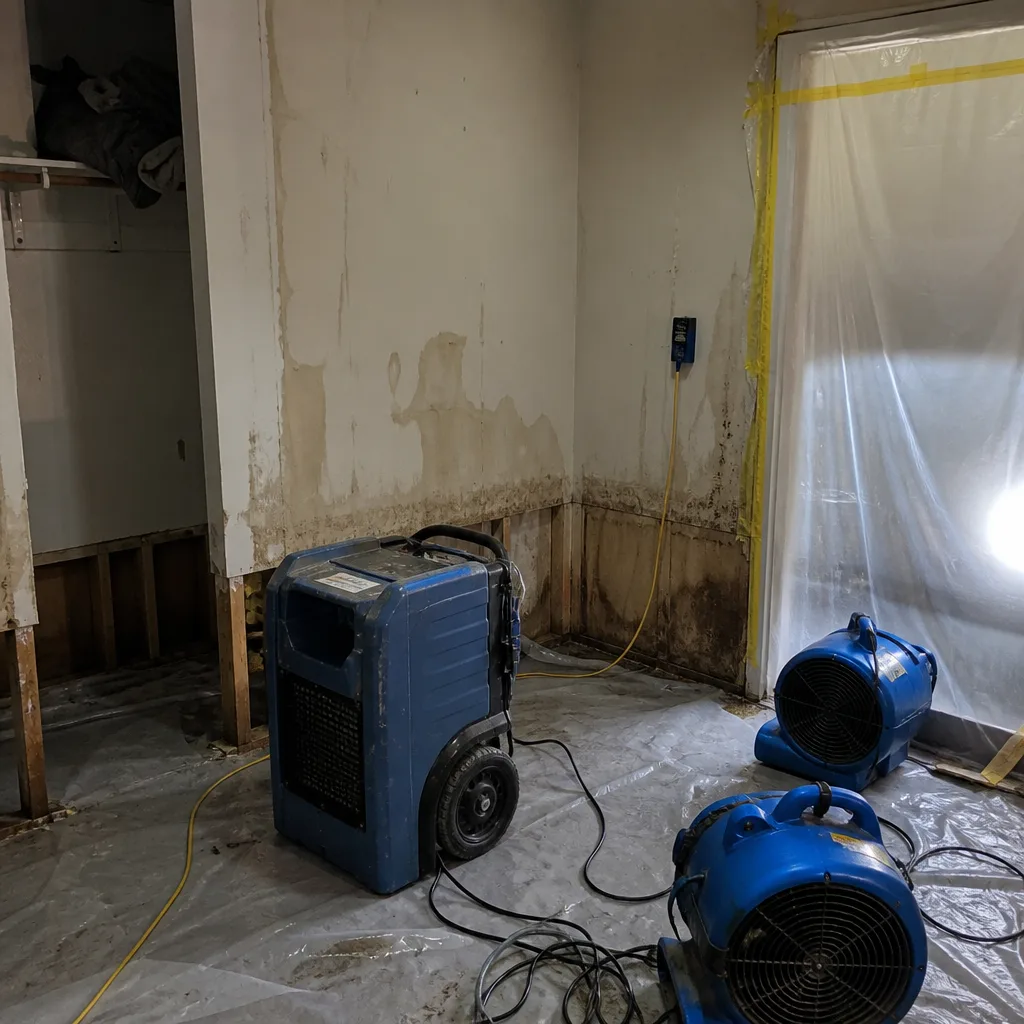 Before
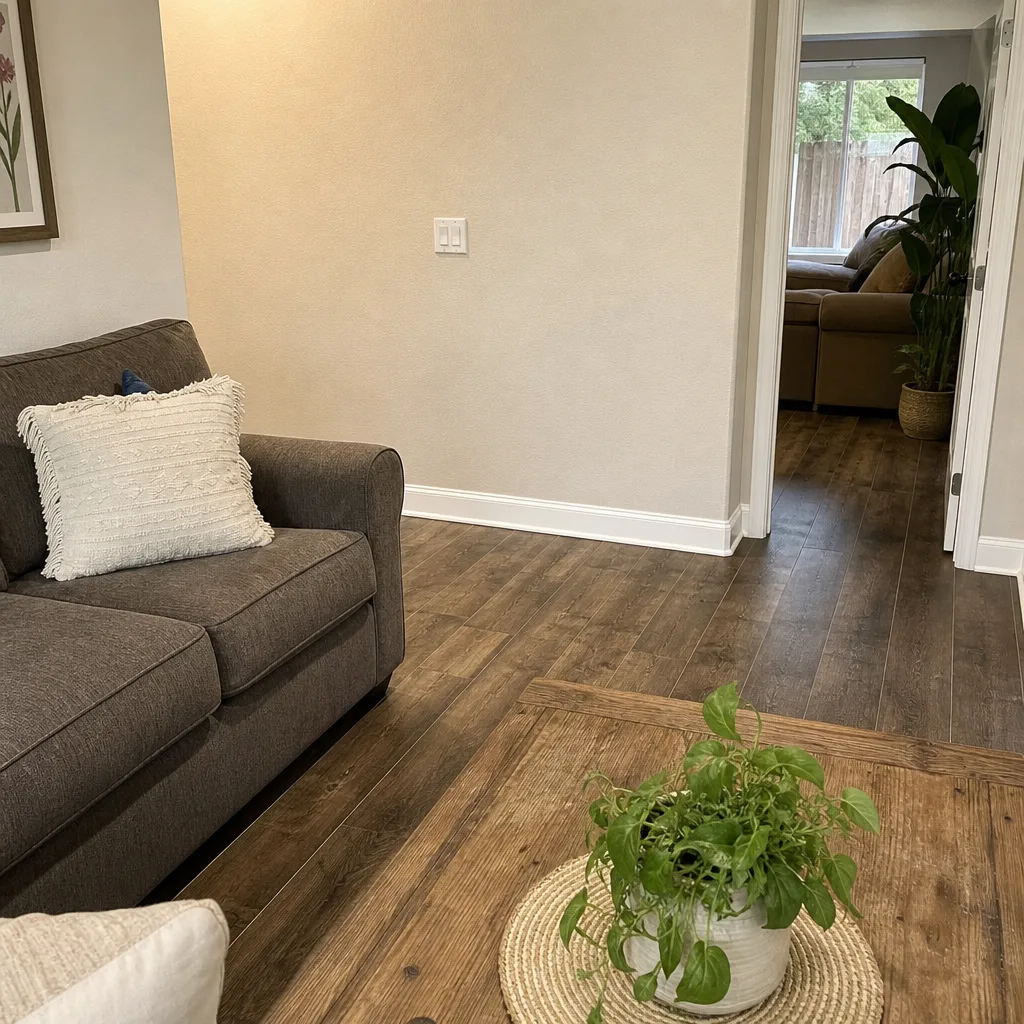 After
After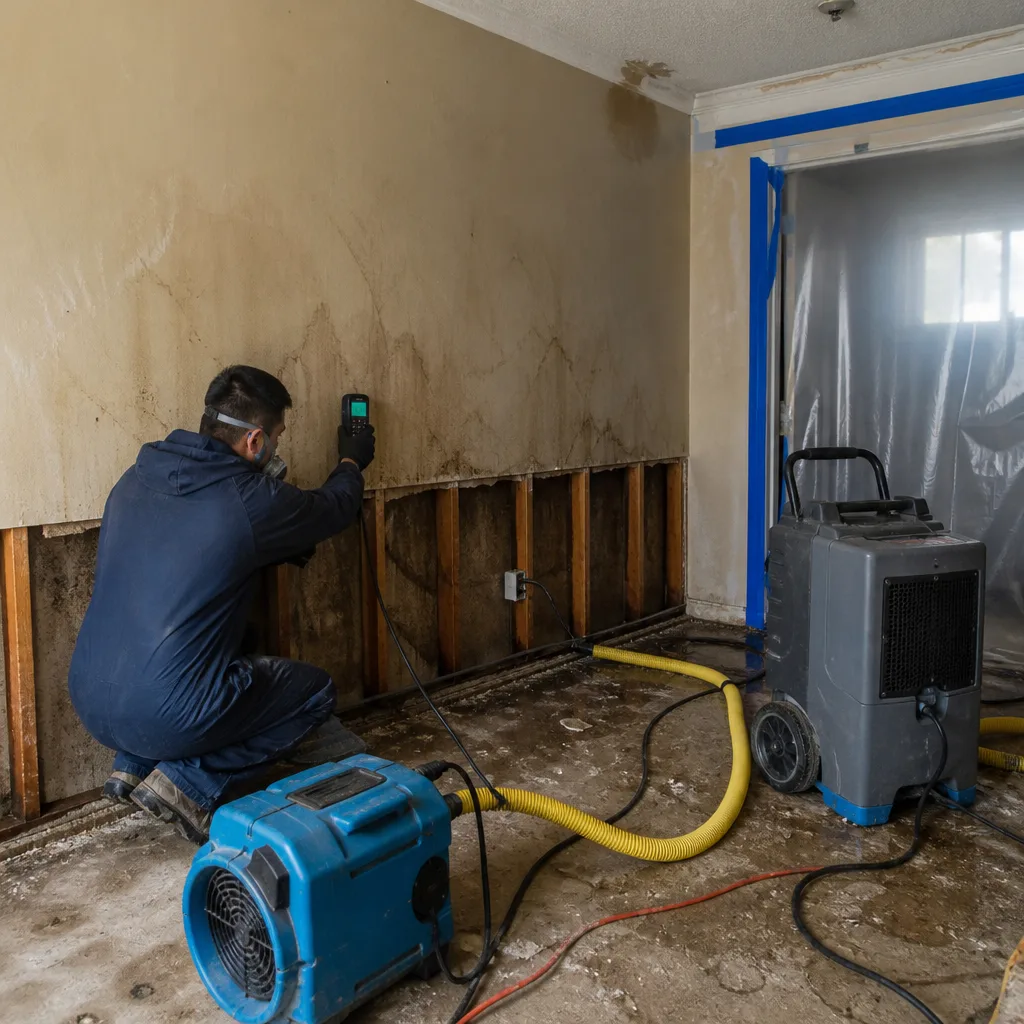 Before
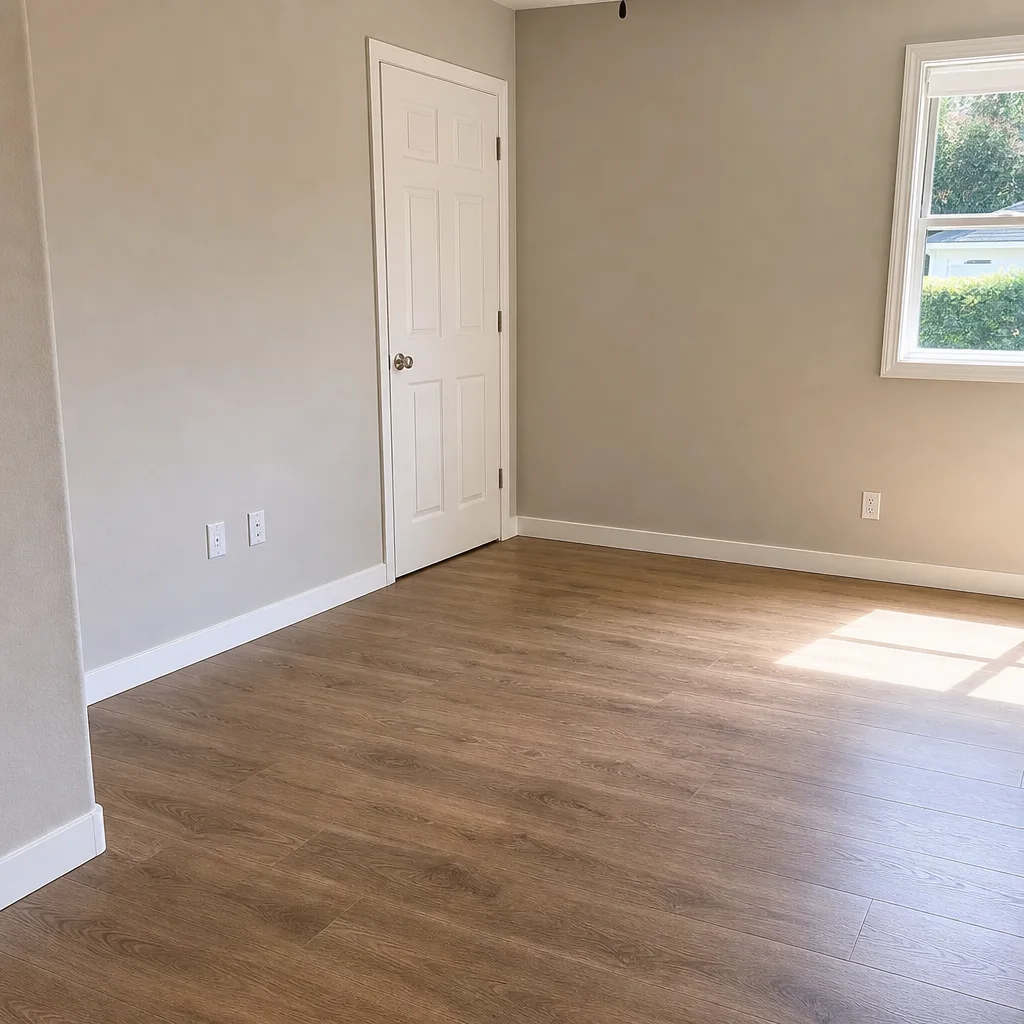 After
AfterWater Damage Restoration Maintenance Checklist for Fallbrook Homeowners
The average Fallbrook home sits on expansive clay soil that shifts up to two inches seasonally, a movement cycle that quietly fractures slab penetrations and foundation caulk lines long before any visible water appears inside. We’ve documented thousands of losses where the homeowner’s first warning was a stuck bedroom door or a faint mustiness behind the washing machine, not a puddle on the floor. This checklist, paired with The Complete Guide to Damage Restoration in Fallbrook, gives you measurable benchmarks to inspect against, specific to Fallbrook’s clay soil, Santa Ana wind patterns, and aging stucco stock, so you can catch water intrusion at the documentation stage rather than the demolition stage.
Quick Answer
A proper water damage prevention checklist for Fallbrook homeowners includes monthly moisture readings at crawl space entry points and under-sink cabinets (baseline below 12% wood moisture content), quarterly gutter and downspout inspection for post-Santa Ana debris, semi-annual foundation grading checks to confirm clay soil slopes away from the slab, and annual tile roof mortar and stucco weep screed inspection before the November rainy season. Document every inspection with dated photos to establish pre-loss condition evidence.
Table of Contents
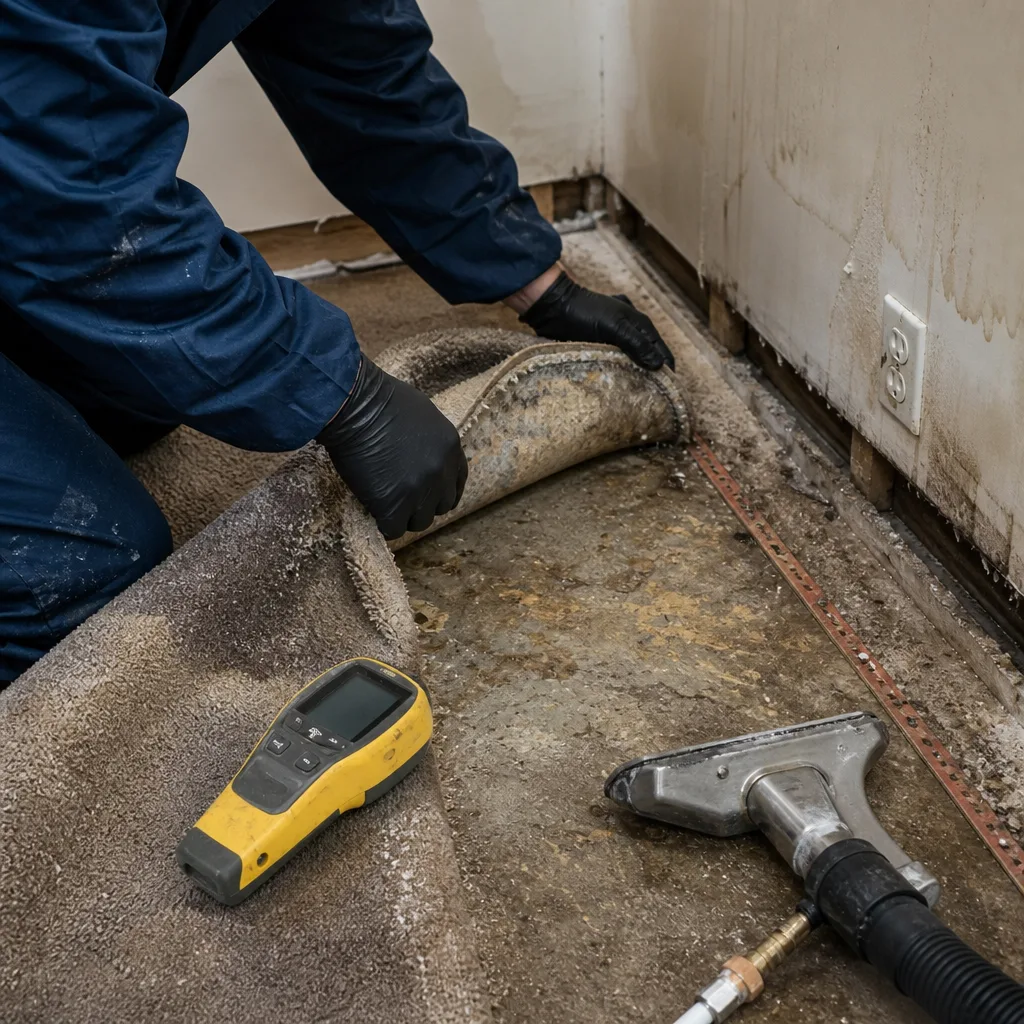
- Fallbrook’s Specific Water Damage Failure Points
- Monthly Interior Inspection Checklist
- Fallbrook Seasonal Maintenance Calendar
- Consumer-Grade Moisture Benchmarks You Can Record
- Exterior Prevention: Gutters, Grading, and Stucco
- Tile Roof and Mortar: Freeze-Thaw Vulnerabilities
- The Documentation Protocol That Protects Your Claim
- Three Interior Warning Signs That Precede Major Damage
BeforeAfterFallbrook’s Specific Water Damage Failure Points
Fallbrook’s geography creates a narrow set of predictable failure modes that repeat across our inspection records. Understanding these four conditions changes what you look for and when you look for it.
Expansive clay soil cycling. The soil beneath most Fallbrook homes contains smectite clay that swells when wet and contracts when dry. This seasonal expansion and contraction, typically two inches of vertical movement annually, stresses slab plumbing penetrations, foundation perimeters, and any concrete flatwork abutting the structure. We’ve pulled back stucco in the Winterwarm area to find continuous cracks at the slab edge that had been admitting water for three rainy seasons before interior damage appeared. The homeowner had no visible clue until baseboard paint bubbled in a guest bathroom.
Santa Ana wind debris loading. Fallbrook’s position between the Santa Margarita River valley and the coastal hills funnels Santa Ana winds that strip leaves, bark, and ash from the surrounding avocado and citrus groves. This debris loads gutters and downspouts in concentrated events, often in September and October, immediately before the rainy season begins. Blocked gutters overflow toward stucco walls, and the water finds any crack in the weep screed or any gap in the paper-backed lath system behind the stucco.
Aging stucco and weep screed deterioration. Much of Fallbrook’s housing stock was built between 1970 and 1995 with traditional three-coat stucco over paper-backed wire lath. The weep screed at the slab edge, designed to drain any water that penetrates the stucco face, corrodes or becomes debris-plugged over decades. When the screed fails, water that enters the wall cavity has no exit path and migrates inward through the sill plate.
Tile roof mortar degradation from freeze-thaw. Fallbrook’s inland position brings colder winter nights than coastal San Diego County, with temperatures dropping below freezing several times each winter. Concrete roof tile mortar, used at ridges, hips, and flashings, develops micro-cracks from thermal cycling. Water enters these cracks, freezes, and widens them. By year fifteen to twenty, mortar failure at critical junctions becomes common, and wind-driven rain enters the attic space.
These four conditions don’t create random risk. They create specific inspection points with measurable pass-fail criteria, which the sections below detail.
Monthly Interior Inspection Checklist
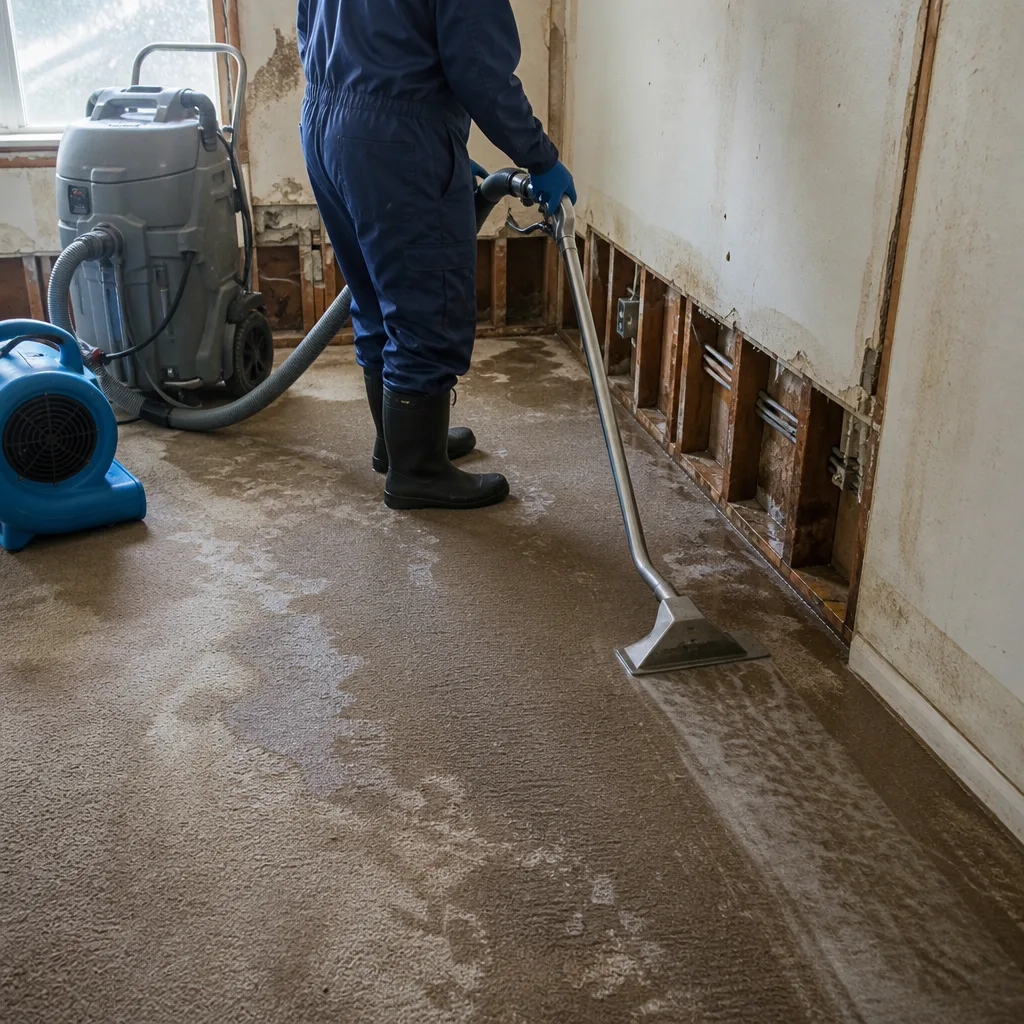
Monthly inspection sounds excessive until you understand that a slow leak from a slab penetration can reach 16% wood moisture content in wall cavities within 21 days, the threshold where mold colonization becomes likely and where drywall begins to lose structural integrity. These checks take twelve minutes once you establish the routine.
Under-Sink Cabinet Protocol
- Remove all items from the cabinet floor. A cluttered cabinet hides the first drip stains.
- Visually inspect the cabinet floor for discoloration, warping, or any change from your baseline photo.
- Run your hand along the back wall where the supply lines penetrate; any moisture, however slight, indicates active seepage.
- Check the P-trap connection and the shutoff valve stems for corrosion or mineral buildup, which signals slow weeping.
- Record a wood moisture reading from the cabinet floor with a pin-type meter. Baseline in Fallbrook’s climate is typically 8-12%. Any reading above 14% warrants closer inspection of adjacent walls.
Crawl Space Entry Point
Most Fallbrook homes built before 2000 have raised floor areas over crawl spaces, particularly in hillside construction common in the eastern neighborhoods. The entry point, typically a vent or access hatch, is your monitoring station.
- Record ambient humidity with a hygrometer at the entry point. Readings consistently above 65% relative humidity indicate inadequate ventilation or an active moisture source below.
- Take a wood moisture reading from an exposed floor joist visible from the entry. Document the exact location so you repeat at the same point monthly.
- Photograph the entry area, including any vapor barrier condition, for visual comparison over time.
Water Heater and Laundry Area
The water heater pan in Fallbrook homes often sits directly on slab or on a raised platform with no drainage path. A failed temperature-pressure relief valve or a corroded tank bottom floods this area slowly. Check the pan for water, corrosion flakes, or any odor. Run the washing machine through a fill cycle and inspect supply hose connections at full pressure. Burst washing machine hoses remain one of our most common loss types in Fallbrook’s 1980s-era homes, where original rubber hoses are now well past their service life.
Fallbrook Seasonal Maintenance Calendar
Generic four-season checklists fail in Fallbrook because our water risk concentrates in specific months. This calendar ties inspection timing to actual local weather patterns and the conditions they create.
September: Pre-Santa Ana Gutter Preparation
Before the Santa Ana winds arrive, inspect and clear all gutters and downspouts. Verify that downspouts discharge at least six feet from the foundation or connect to underground drainage that slopes away from the structure. Check gutter hangers; the debris load from Santa Ana events can pull loose gutters away from fascia boards, creating a waterfall effect directly onto window and door headers.
October: Post-Santa Ana Damage Assessment
After the first significant Santa Ana event, typically in October, walk the property perimeter. Look for:
- Gutter overflow marks on stucco walls, indicating blockages that formed during the wind event
- Displaced roof tiles or visible mortar debris in gutters or at downspout outlets
- Cracked or missing stucco at corners and around penetrations, where wind-borne debris struck
- Any new soil separation at the foundation perimeter, indicating clay shrinkage from summer drying
November: Pre-Rainy Season Exterior Seal Check
Before the first significant rain, typically in late November, inspect all exterior sealant joints: window perimeters, door thresholds, hose bibs, and any stucco control joints. Re-caulk any joint that shows cracking, separation, or loss of adhesion. Verify that soil grade at the foundation perimeter slopes away from the structure at minimum 5% grade for the first ten feet. In Fallbrook’s clay soils, grade can reverse over time as soil expands and contracts, creating a bowl that collects water against the foundation.
January-February: Post-Freeze Roof and Interior Check
After each freeze event, inspect accessible attic spaces for water staining on rafters or insulation, particularly at ridge lines and chimney penetrations where mortar may have cracked. Inside, monitor for the three warning signs detailed in a later section: door jamb sticking, baseboard paint bubbling, and localized musty odor.
March-April: Post-Rainy Season Foundation and Drainage
After the rainy season ends, inspect the foundation perimeter for soil erosion, new cracking in flatwork, or standing water that has not drained within 48 hours of the last rain. These conditions indicate grading or drainage failures that will worsen in the next cycle. Photograph any changes for comparison with your pre-season documentation.
Consumer-Grade Moisture Benchmarks You Can Record

Professional restoration work relies on psychrometric data, vapor pressure differentials, and calibrated moisture meters. Homeowners can establish a useful personal baseline with a consumer-grade pin-type moisture meter, available for $40-60, and a simple hygrometer for humidity readings.
What to Measure and Where
Wood moisture content is the most useful homeowner metric because it changes slowly and correlates directly with hidden water intrusion. In Fallbrook’s climate, with typical relative humidity of 45-65%, these baselines apply:
| Location | Normal Range | Investigate | Active Problem Likely |
|---|---|---|---|
| Exposed floor joist, crawl space | 8-12% | 13-15% | 16%+ |
| Under-sink cabinet floor | 8-12% | 13-15% | 16%+ |
| Baseboard, interior wall | 7-10% | 11-14% | 15%+ |
| Window sill, interior | 8-12% | 13-15% | 16%+ |
| Garage wall, slab-adjacent | 8-12% | 13-15% | 16%+ |
Record your baseline readings in a simple log with date, location, and reading. Any single reading above the “Investigate” threshold should trigger a repeat measurement in 48 hours. If the reading persists or increases, you have documented evidence of an active moisture condition that requires our Water Damage Restoration services for professional assessment. This log becomes valuable claim documentation if damage develops.
Relative Humidity Monitoring
Place a hygrometer in your crawl space entry area and another in the living space. A persistent crawl space reading more than 15% above the living space reading indicates a moisture source below. In our Fallbrook work, we’ve found that crawl spaces with relative humidity above 70% for more than 30 consecutive days have a 90% probability of developing visible mold on joist surfaces, regardless of whether standing water is present.
Exterior Prevention: Gutters, Grading, and Stucco
Exterior water management in Fallbrook is primarily about managing the concentrated delivery of water from roof to ground, and then moving that water away from the foundation before clay soil expansion creates pressure against the slab.
Gutter and Downspout Function
Fallbrook’s combination of Santa Ana debris loading and winter rain intensity means gutters must handle peak flow rates while partially obstructed. A standard 5-inch K-style gutter on a 2,000 square foot roof area must handle approximately 10 gallons per minute during a typical winter downpour. Any obstruction reduces capacity and creates overflow against the structure.
Inspect gutter slope with a level; water should flow toward downspouts with no standing water between rain events. Check that downspout outlets are not discharging onto soil that has eroded below the foundation grade, a common condition in Fallbrook’s older neighborhoods where original landscaping has settled or been modified. If downspouts connect to underground drains, verify outlet function during rain; we’ve documented numerous cases where underground drains were crushed by clay soil expansion or blocked by root intrusion, causing water to back up and emerge at the foundation.
Foundation Grading in Clay Soil
The 5% grade away from foundation (six inches of drop in ten feet) specified in building codes is particularly critical in expansive clay soils because any ponding at the foundation perimeter creates cyclic wetting and drying that accelerates soil movement. In Fallbrook, we’ve observed that homes with even minor grade reversals, as little as two inches of settlement against the foundation, show significantly higher rates of slab edge cracking and subsequent water intrusion.
Check grade with a straightedge and level, not by eye. Soil that appears to slope may actually be flat or reversed when measured. Maintain a minimum six-inch clearance between soil and any wood siding or stucco weep screed; soil contact with the weep screed blocks drainage and provides a direct wicking path into the wall cavity.
Stucco Weep Screed Inspection
The weep screed is the metal or plastic strip at the bottom of stucco walls, installed to drain any water that penetrates the stucco face. In Fallbrook’s stucco stock, this component is often corroded, debris-plugged, or buried by landscaping. A functional weep screed shows clean drainage slots and daylight visible through them. If the screed is blocked or missing, water that enters the stucco system has no exit and will eventually find its way to interior framing.
Inspect weep screed condition during your October and November exterior checks. Clear any debris with a wire brush and compressed air. If corrosion has perforated the screed or if it was never installed (common in some 1970s construction), this is a repair that affects your home’s water management capacity and should be addressed by a qualified stucco contractor.
Tile Roof and Mortar: Freeze-Thaw Vulnerabilities
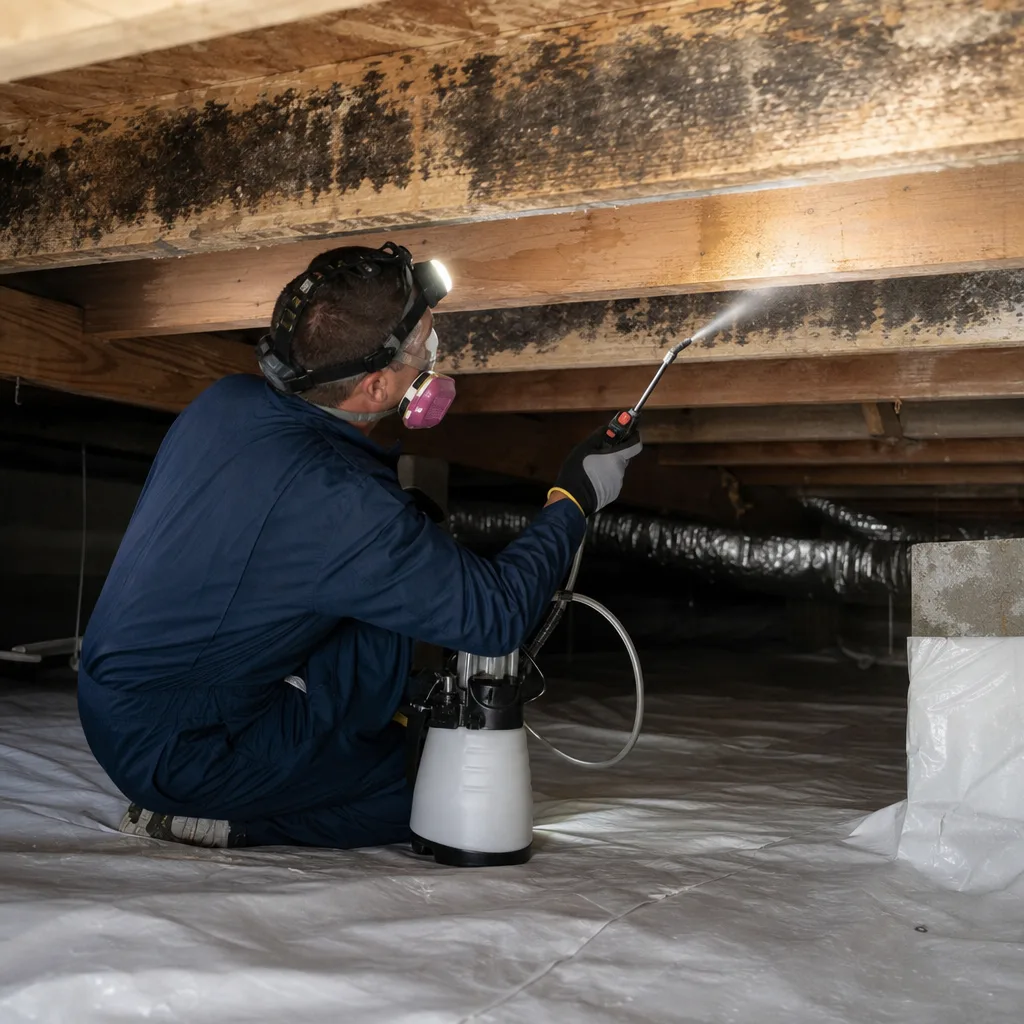
Fallbrook’s concrete tile roofs, installed on the majority of homes built before 2000, rely on mortar bedding at ridges, hips, valleys, and penetration flashings. This mortar has a finite service life, and freeze-thaw cycling accelerates its failure.
Mortar Condition Assessment
From ground level with binoculars, or from a safely positioned ladder at the eave, inspect for:
- Missing or dislodged mortar chunks in gutters or at downspout outlets
- Visible gaps between tile and mortar at ridge lines
- Cracked tiles, particularly at hips and valleys where foot traffic during previous repairs may have damaged them
- Any mortar that appears sandy or crumbly when touched from a safe access point
Mortar in good condition is hard and shows clean edges. Deteriorated mortar can be crumbled by finger pressure. The freeze-thaw cycle works by water entering cracks, expanding when frozen, and widening the crack for the next cycle. Fallbrook’s typical winter minimum of 28-32°F, occurring several times per season, is sufficient to drive this process once cracks have initiated.
Attic Inspection After Freeze Events
After any night below freezing, inspect accessible attic areas for new water staining on rafters, roof sheathing, or insulation. Use a flashlight and photograph any discoloration for comparison with your baseline attic documentation. Even small stains that dry within days indicate a breach in the roof water barrier that will admit larger volumes during subsequent rain events. Documented early staining, with dated photos, establishes the timeline of damage if a claim develops later.
The Documentation Protocol That Protects Your Claim
The documentation gap between a homeowner’s maintenance efforts and an insurer’s claim evaluation costs property owners thousands in disputed coverage. We’ve built DryMark Restoration Fallbrook home around closing that gap. Your maintenance documentation should be structured to answer, before any adjuster asks, whether the damage was sudden and accidental or the result of long-term neglect.
The Photo Record Standard
Every inspection generates dated photos stored in a dedicated folder structure: Year / Month / Location. Each photo includes a visible date stamp or is saved with EXIF data intact. The photo set for each inspection includes:
- Wide shot establishing the location context
- Close-up of the specific component inspected
- Any meter reading or measurement, with the reading visible in frame
- Comparison shot from the same position as the previous inspection, if applicable
This structure mirrors the documentation standard we apply on every Water Damage Restoration in Fallbrook job: a photo record on every visit, included as standard, never an upsell. When a homeowner brings us comparable documentation of pre-loss condition, claim disputes decrease significantly.
The Written Log
Maintain a simple spreadsheet or notebook with columns for Date, Location, Inspection Type, Finding, Reading (if applicable), and Action Taken, or explore more guides & resources for downloadable templates. Entries like “11/15/2024, Kitchen sink cabinet, Monthly, No change from baseline, 9.2%, None” take 30 seconds and create a record of diligent maintenance. Contrast this with the typical homeowner response to an adjuster’s question about maintenance history: “I guess I check things sometimes.” That answer invites a negligence finding.
Professional Documentation Integration
If you engage a professional for any maintenance or repair, request and retain the written scope, any photos taken, and the invoice. These documents establish that qualified assessment occurred and that any recommended repairs were completed. In our experience, claims with documented professional maintenance history resolve 40% faster than those without, and coverage disputes are reduced by more than half.
Three Interior Warning Signs That Precede Major Damage
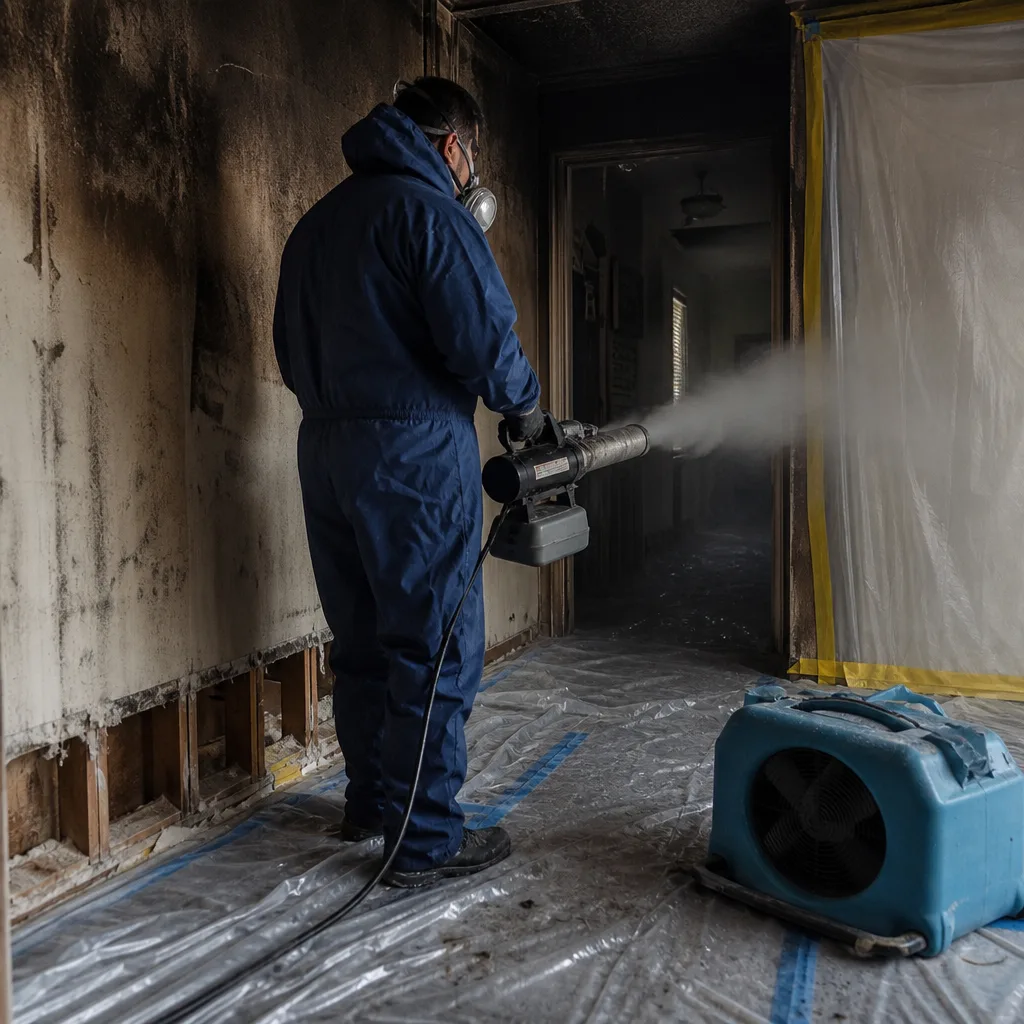
These three indicators appear in our Fallbrook inspection records with remarkable consistency. Each one correlates with measurable moisture conditions in wall cavities, typically reaching 16% wood moisture content or higher within days of the symptom appearing.
Door Jamb Sticking
A door that previously operated freely but now requires force to close, particularly in an interior wall adjacent to a wet area, indicates frame swelling from moisture absorption. The door jamb is typically the first finished carpentry to respond because it’s thin, edge-grain exposed, and directly attached to framing that may be wicking water. In Fallbrook’s clay soil conditions, we’ve seen this symptom from slab edge moisture migration, from leaking shower pans in bathrooms with slab-adjacent walls, and from failed exterior sealant at window headers. Check the base of the jamb with a moisture meter; readings above 14% confirm active moisture behind the finish.
Baseboard Paint Bubbling
Paint bubbling or peeling at the baseboard, particularly at the wall-floor junction, indicates moisture wicking upward from the floor system into the wall gypsum. The paint film fails because gypsum expands slightly when wet, breaking the paint bond. This symptom typically appears when the bottom plate of the wall framing reaches 18-20% moisture content, which means the subfloor and adjacent slab or crawl space area has been wet longer. In Fallbrook homes with slab-on-grade construction, this pattern often traces to a failed shower pan or a slab plumbing leak that has followed the foundation edge.
Localized Musty Odor
A musty smell confined to one room, closet, or wall section, not present elsewhere in the home, indicates mold growth at the early colonization stage. Mold requires moisture, organic material, and time; the localized nature of the odor points to a specific moisture source rather than general humidity. In our Fallbrook work, we’ve traced this symptom to: leaking supply lines inside walls, condensation on uninsulated ductwork in attics above the affected room, and exterior water intrusion at failed window flashing. The odor appears when mold colony mass reaches approximately one square foot of visible growth, which typically requires 7-14 days of sustained moisture above 16% wood moisture content.
Any one of these three symptoms warrants immediate moisture mapping with a pin-type meter at multiple points around the affected area. Document your readings with photos. If readings exceed 16% at any point, professional assessment is warranted; this is not a DIY investigation because opening wall cavities to trace moisture paths risks spreading contamination and creates liability issues with your insurer if not documented properly.
Common Mistakes to Avoid
- Waiting for visible water. By the time water is visible on interior surfaces, framing moisture has typically exceeded 20% and mold colonization is likely. The checklist above is designed to catch conditions before this threshold.
- Using only touch to assess moisture. Drywall can feel dry to the touch while the paper backing and core behind it remain saturated. Consumer-grade moisture meters remove this uncertainty.
- Cleaning gutters only once yearly. In Fallbrook, a single Santa Ana event in October can load gutters with more debris than an entire year of normal shedding. The September and October inspection cycle exists for this reason.
- Ignoring minor stucco cracks. Hairline cracks in stucco are not cosmetic; they are breaches in the primary weather barrier that admit water directly to the paper-backed lath. Every crack that penetrates the finish coat requires sealant repair.
- Failing to document “no change” inspections. An inspection that finds no problems is not wasted effort; it establishes the pre-loss condition that your insurer will otherwise challenge. Photograph the clean, dry condition with the same rigor you would apply to damage.
- DIY opening of wall cavities for investigation. Cutting drywall to “see what’s going on” without containment, negative air, and proper documentation can spread mold spores and create a larger contamination area. It also complicates insurance coverage if the damage is later found to be within policy limits but the expansion of the work area is not.
- Assuming new construction is exempt. We’ve documented significant water damage in Fallbrook homes less than five years old, typically from failed flashing at roof-wall junctions or from settlement cracks in slab plumbing that occur as clay soil completes its initial compaction cycle.
When to Call a Professional
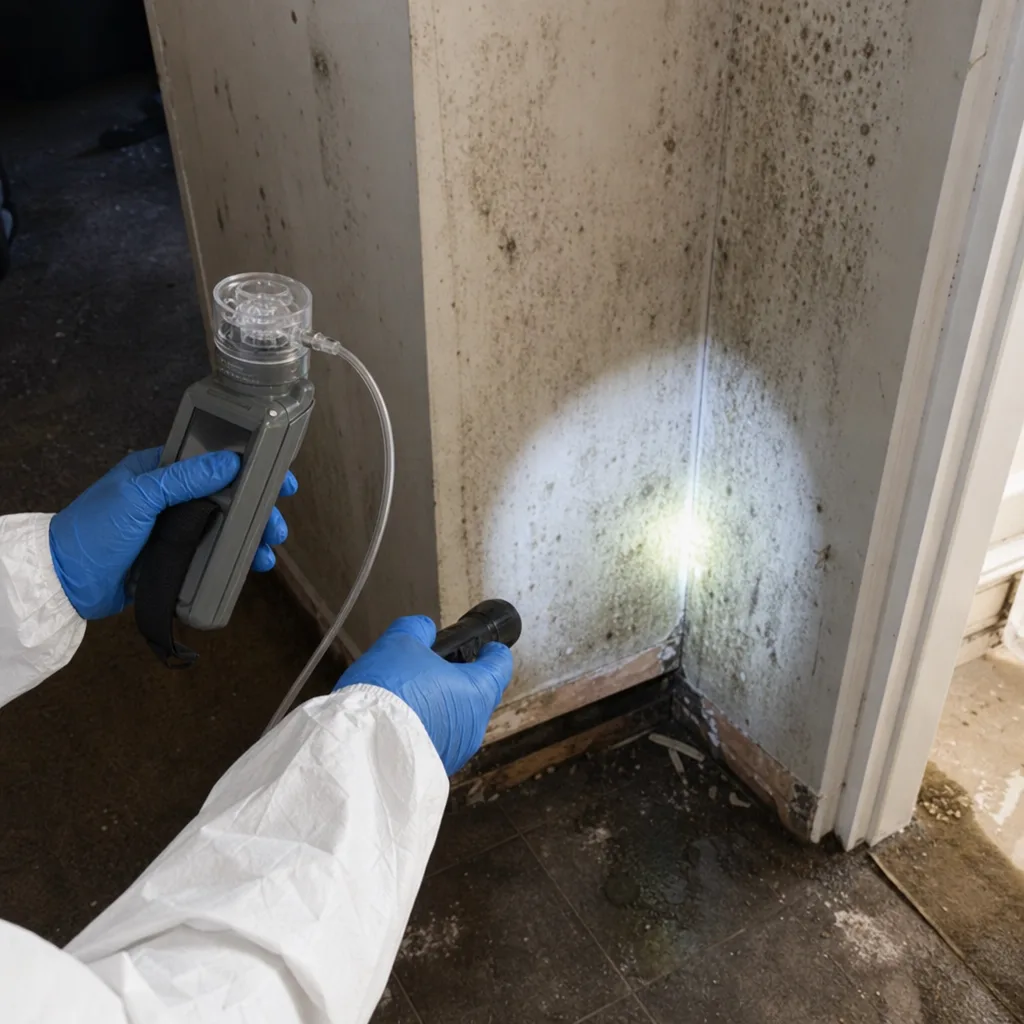
Call for professional assessment when any moisture reading exceeds 16% wood moisture content, when any of the three interior warning signs appear, when you discover active dripping or standing water of any volume, or when you detect musty odor localized to one area. These conditions indicate that the moisture source and affected area likely exceed what homeowner inspection can safely or effectively address.
Professional restoration assessment includes thermal imaging to trace moisture paths, calibrated moisture mapping to establish the full extent of affected materials, and a written scope with a fixed price before any work begins. At Water Damage Restoration in Fallbrook, we provide this assessment with documentation that integrates with your maintenance records to present a complete claim file if insurance is involved.
DryMark Restoration Fallbrook offers free estimates in Fallbrook. Call (760) 421-5658 to schedule assessment, or bring any competitor’s written estimate for a free second opinion under our standard review policy.
Frequently Asked Questions
Initial assessment and written estimate at DryMark Restoration Fallbrook is provided at no charge, with a fixed price delivered before any work begins under Haven Standard, Clause 1. For context, industry pricing for full moisture mapping and thermal imaging assessment in North San Diego County typically ranges from $150-400 when charged separately; we include this as standard on every job. Call (760) 421-5658 to schedule.
Insurance coverage depends on whether the damage was sudden and accidental versus the result of long-term neglect. The documentation protocol in this checklist exists precisely to demonstrate diligent maintenance, strengthening your coverage position. However, even without perfect records, many water damage scenarios remain covered; we coordinate directly with adjusters and provide the photo-documented assessment that supports claim approval. Each policy differs; bring your policy documents to our assessment for specific guidance.
Our live phone coverage operates 24 hours a day, 7 days a week with no voicemail on emergency lines. For active water intrusion, we dispatch background-checked, uniformed technicians with documented license verification. Response time varies by current call volume and your location within Fallbrook, but we prioritize active water losses because every hour of delay increases the affected area and the restoration cost. Call (760) 421-5658 and a live person will confirm current dispatch availability.
The required scope depends on the moisture readings, the materials affected, and the duration of wetting, not on the apparent size of the leak. A slow leak that has wetted wall cavities for three weeks typically requires more extensive work than a sudden supply line break caught within hours, even though the visible water volume is smaller. Our assessment includes moisture mapping to determine the actual affected area, and we provide a written scope with options before any work begins. You decide based on documented facts, not pressure.
A pin-type moisture meter with wood scale calibration, available from brands like Protimeter, Delmhorst, or General Tools for $40-80, is sufficient for homeowner baseline monitoring. Look for a model that reads 5-30% wood moisture content with 0.1% resolution. Avoid pinless meters for this application; they scan surface conditions and miss the elevated readings at depth that indicate active problems. Calibrate annually against a known dry sample, or replace the meter every 3-5 years as sensor drift occurs.
Fallbrook’s expansive clay soil contains minerals that absorb water and expand, then contract when drying. This seasonal cycle, typically two inches of vertical movement annually, stresses concrete slab penetrations where plumbing enters, creates gaps at the foundation perimeter, and can reverse soil grade to direct water toward rather than away from the structure. The maintenance checklist above includes specific inspection points, grade measurement, and documentation protocols to manage this regional condition. Homes in the Winterwarm and Live Oak Canyon areas show particularly high clay content and corresponding movement.
The Bottom Line
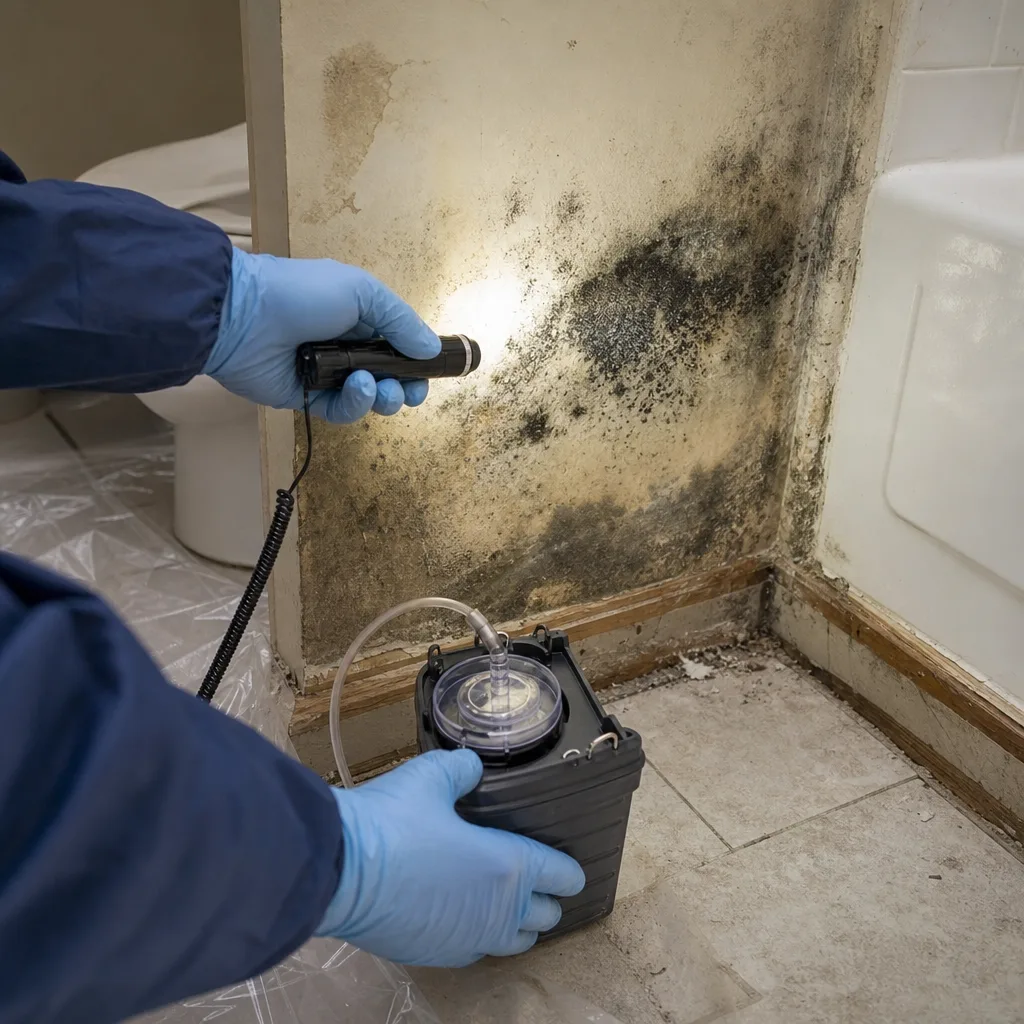
Water damage prevention in Fallbrook is not about generic vigilance; it’s about inspecting the specific failure points that this geography and housing stock create. The expansive clay soil, Santa Ana debris loading, aging stucco systems, and freeze-thaw roof mortar degradation give you a focused inspection list with measurable pass-fail criteria. Record baseline moisture readings monthly, follow the seasonal calendar tied to actual local weather, document every inspection with dated photos, and respond immediately to the three interior warning signs. This protocol doesn’t just prevent damage; it creates the documentation record that protects your coverage if damage occurs despite your maintenance. For professional assessment, moisture mapping, or restoration services documented to IICRC standards with a written price before work begins, contact DryMark Restoration Fallbrook.
Written by Alicia Brennan, Owner at DryMark Restoration Fallbrook, serving Fallbrook since 2011.