
Last updated September 23, 2026
Free visual inspection and a written scope of work before any mitigation begins - photos, moisture readings, and drying logs go in your claim file
The scope we write is the scope we bill. Anything new gets shown to you, in writing, before we touch it.
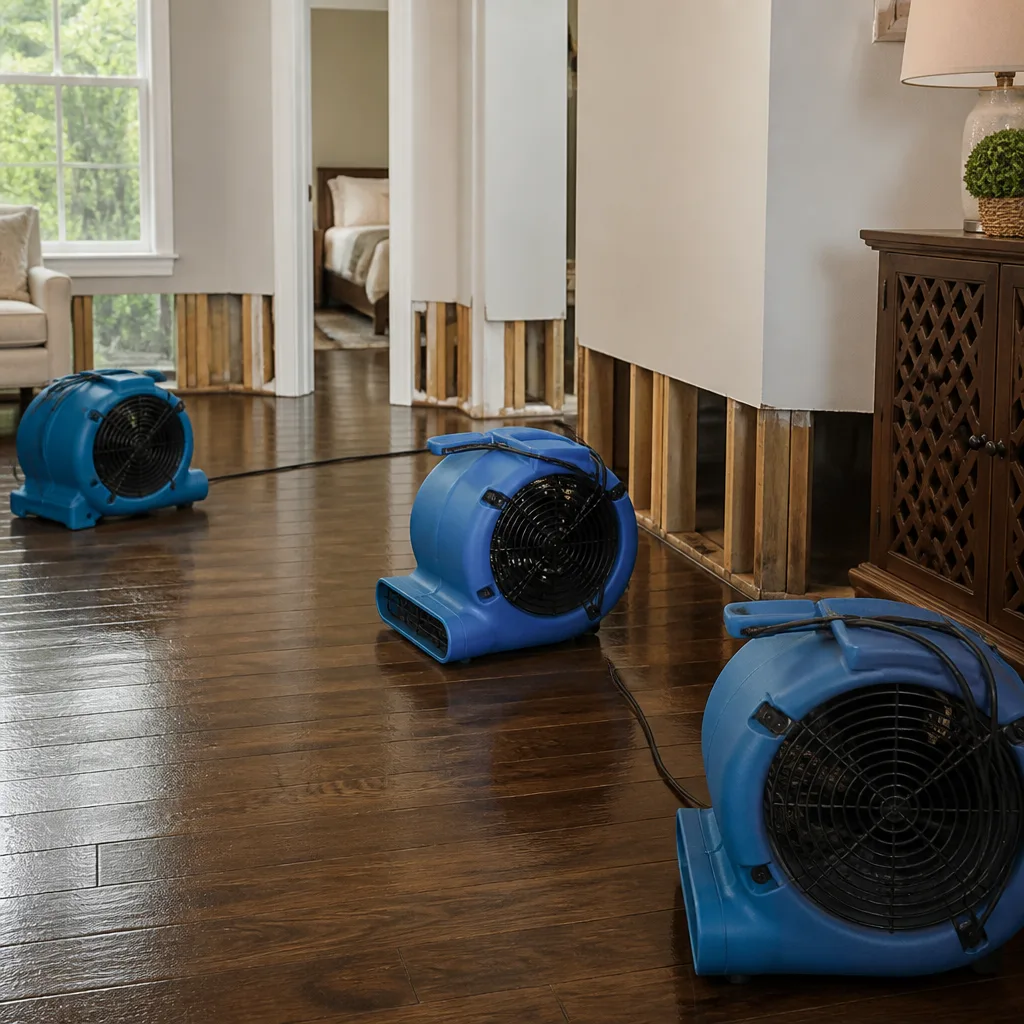
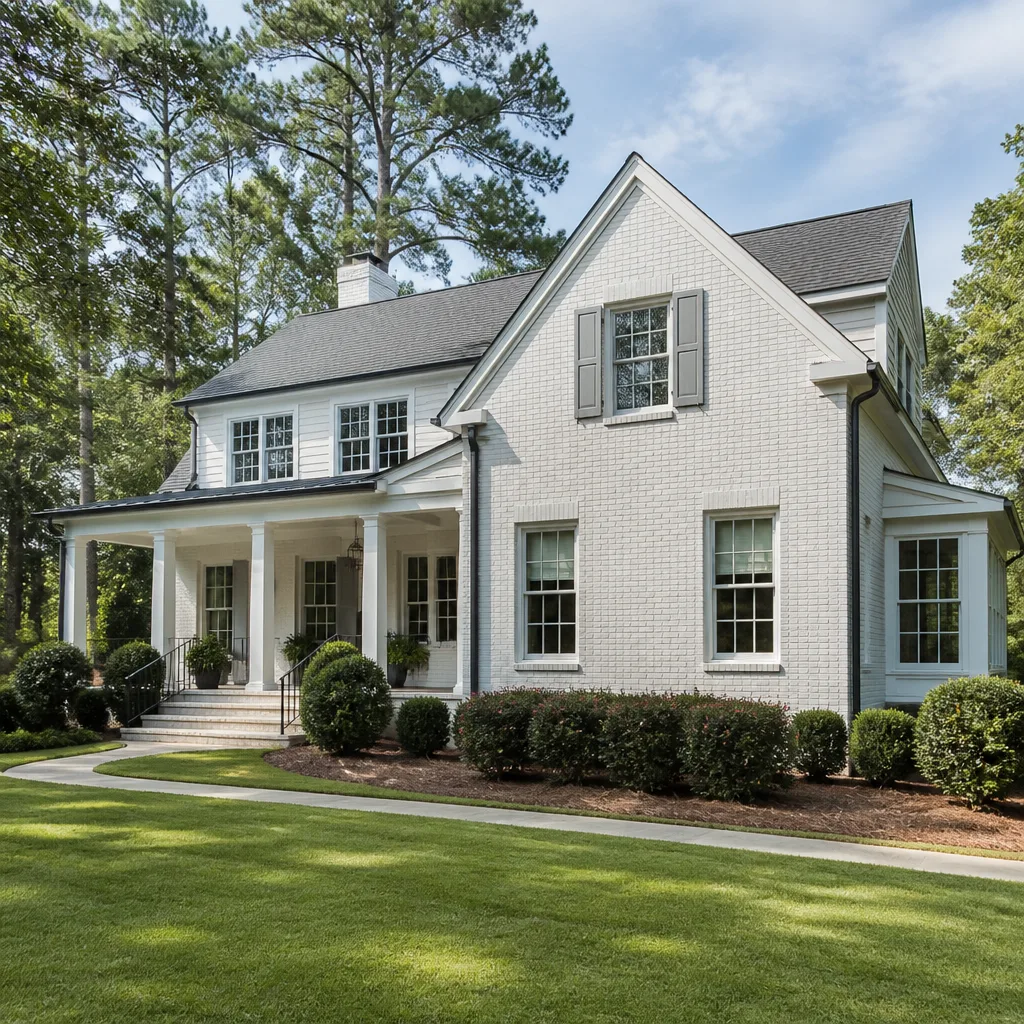
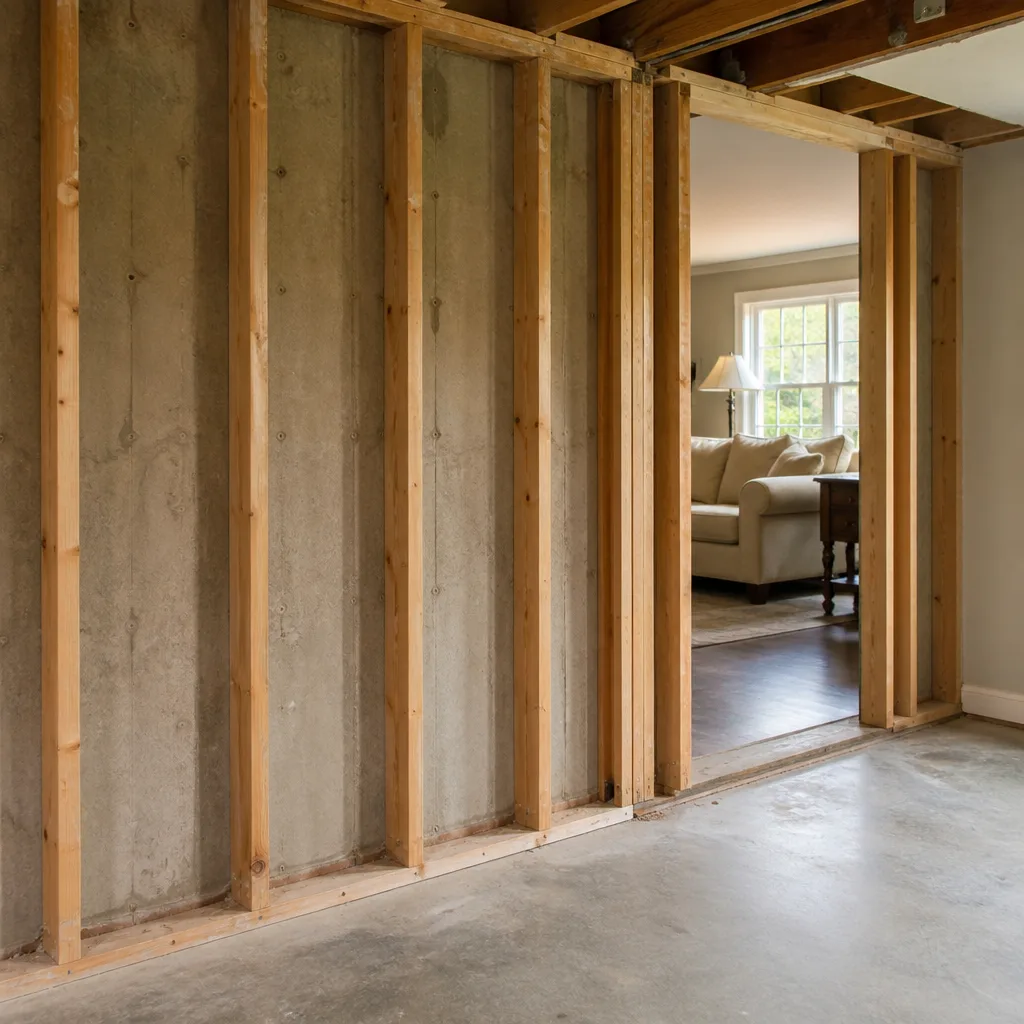
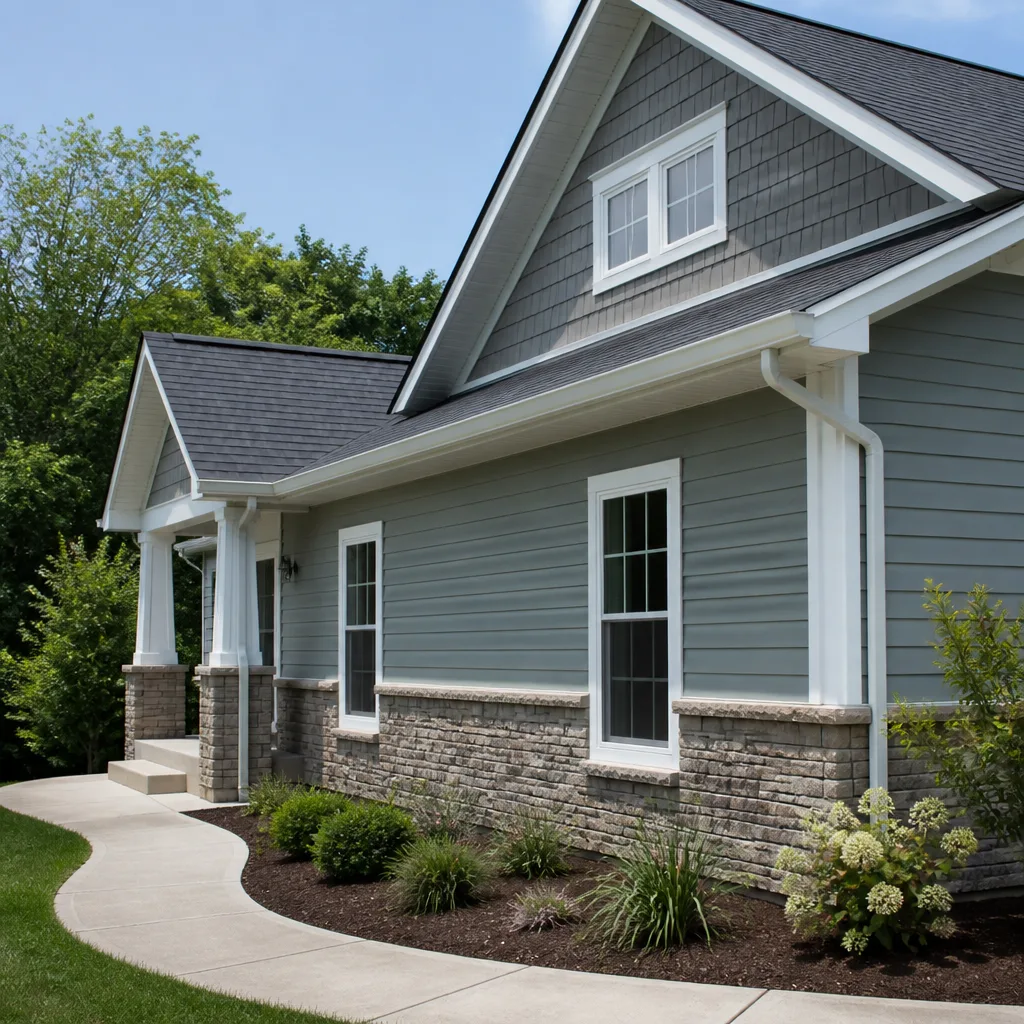
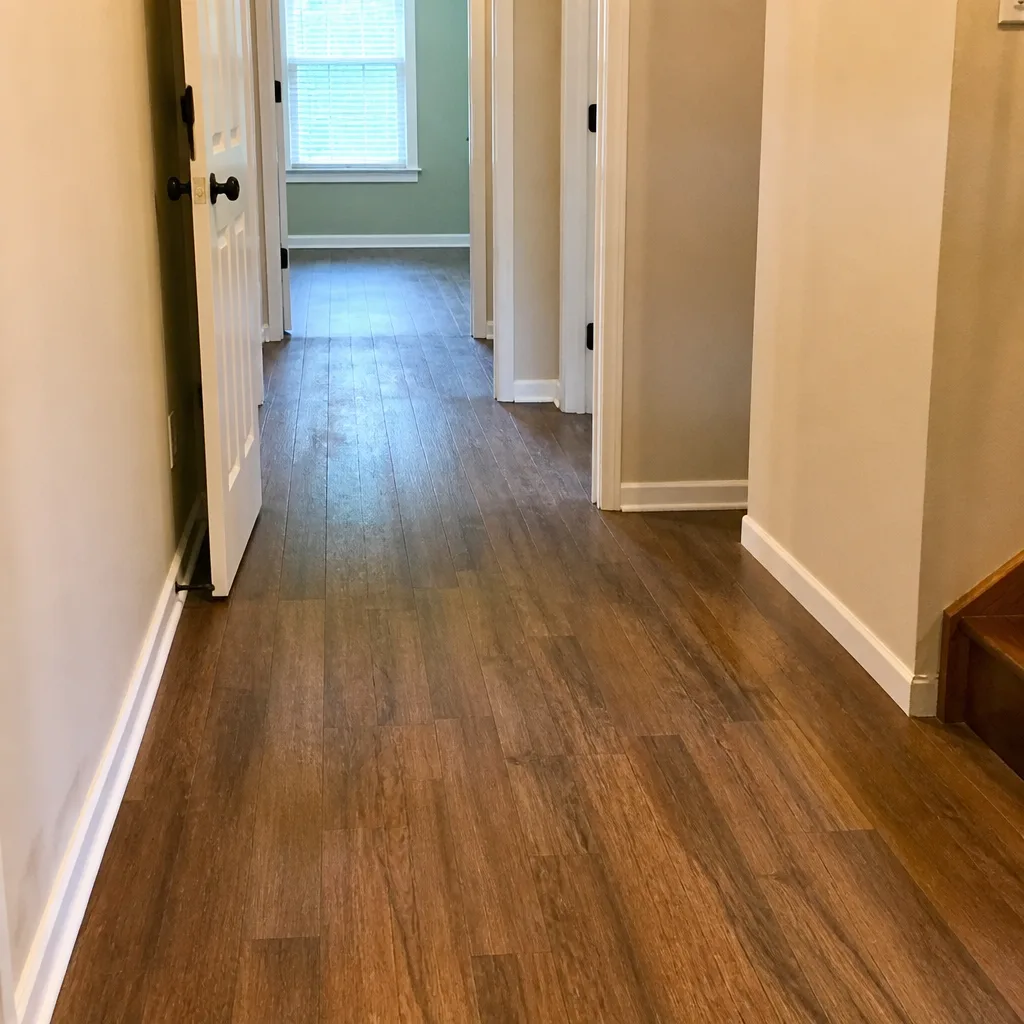
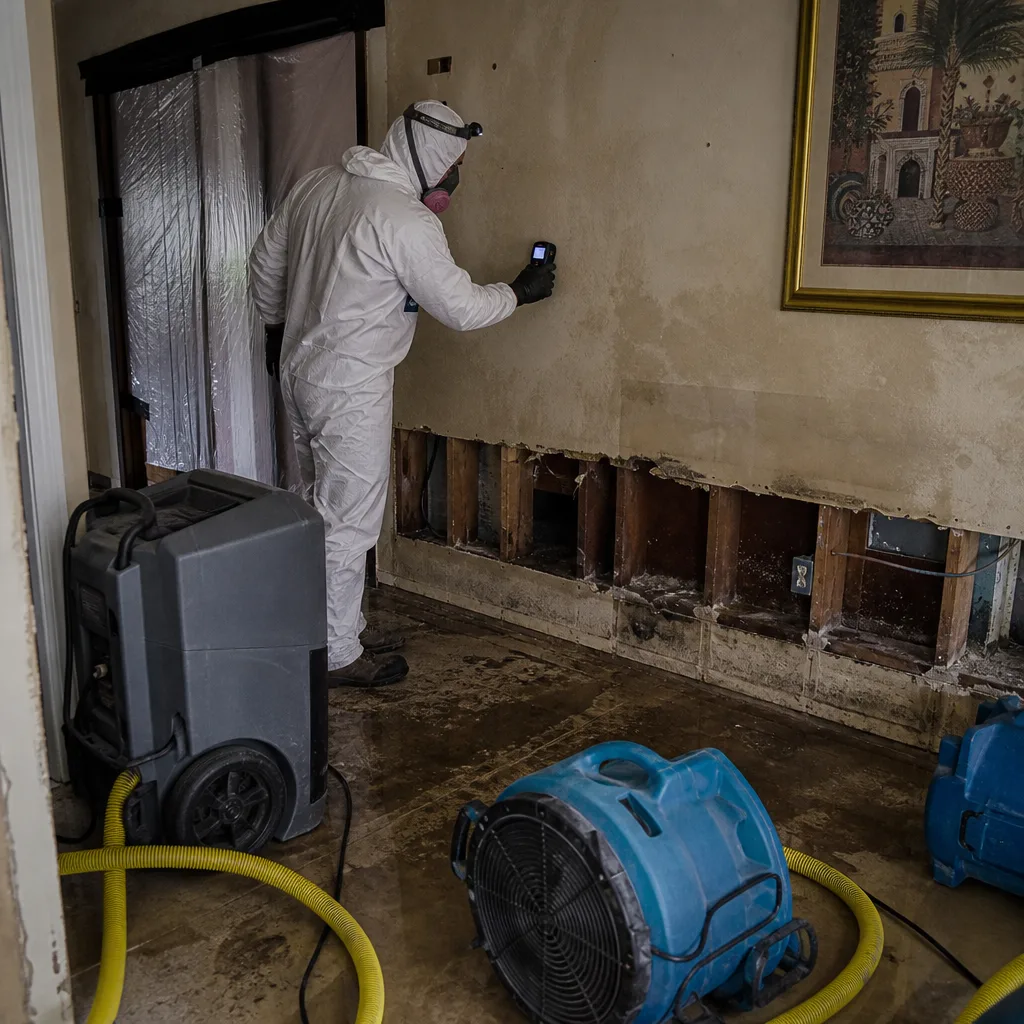 Before
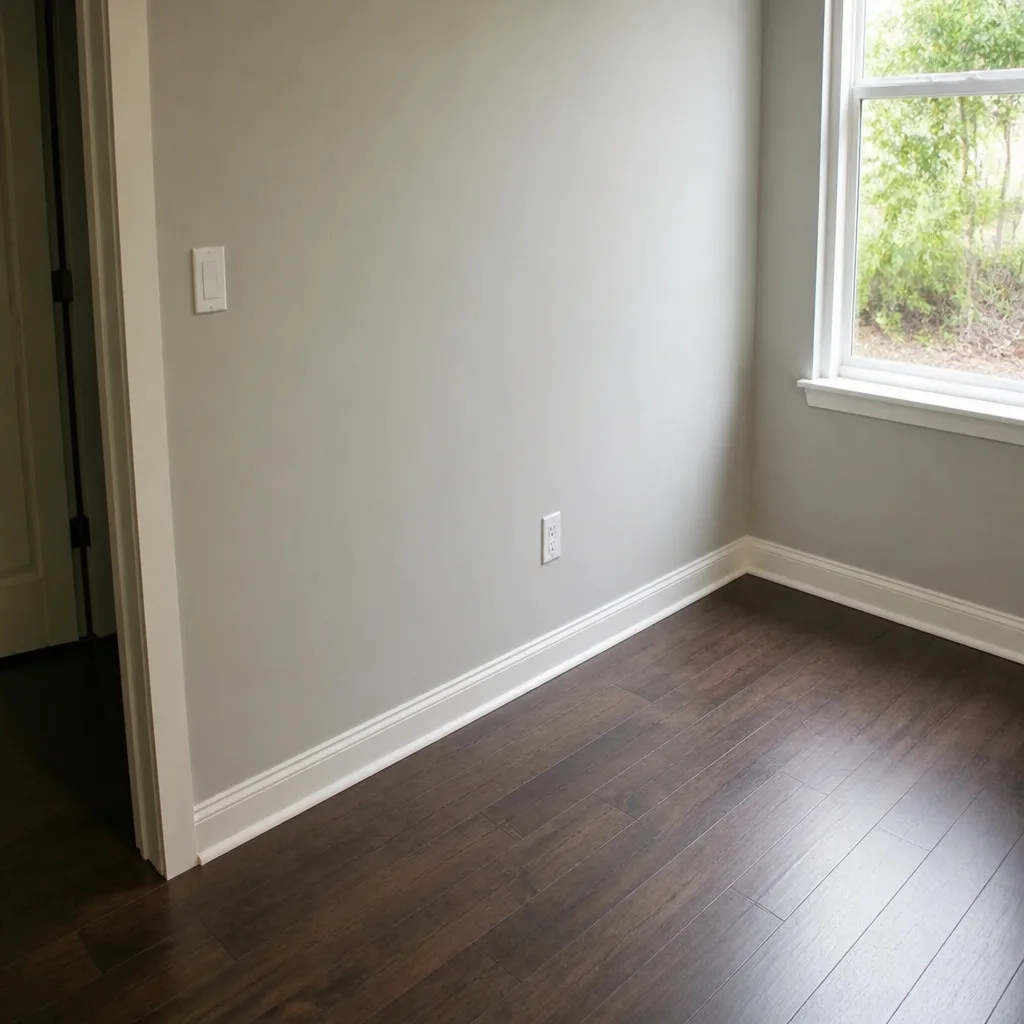 After
After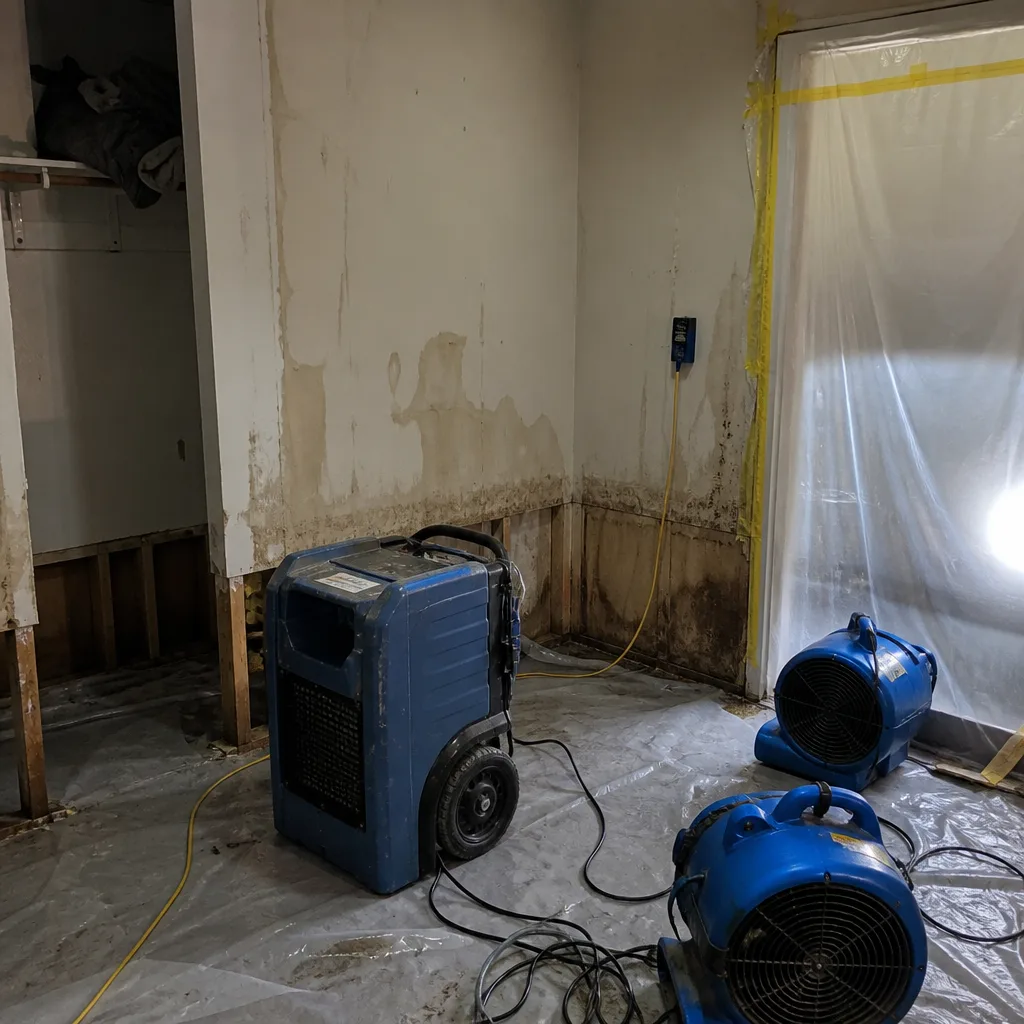 Before
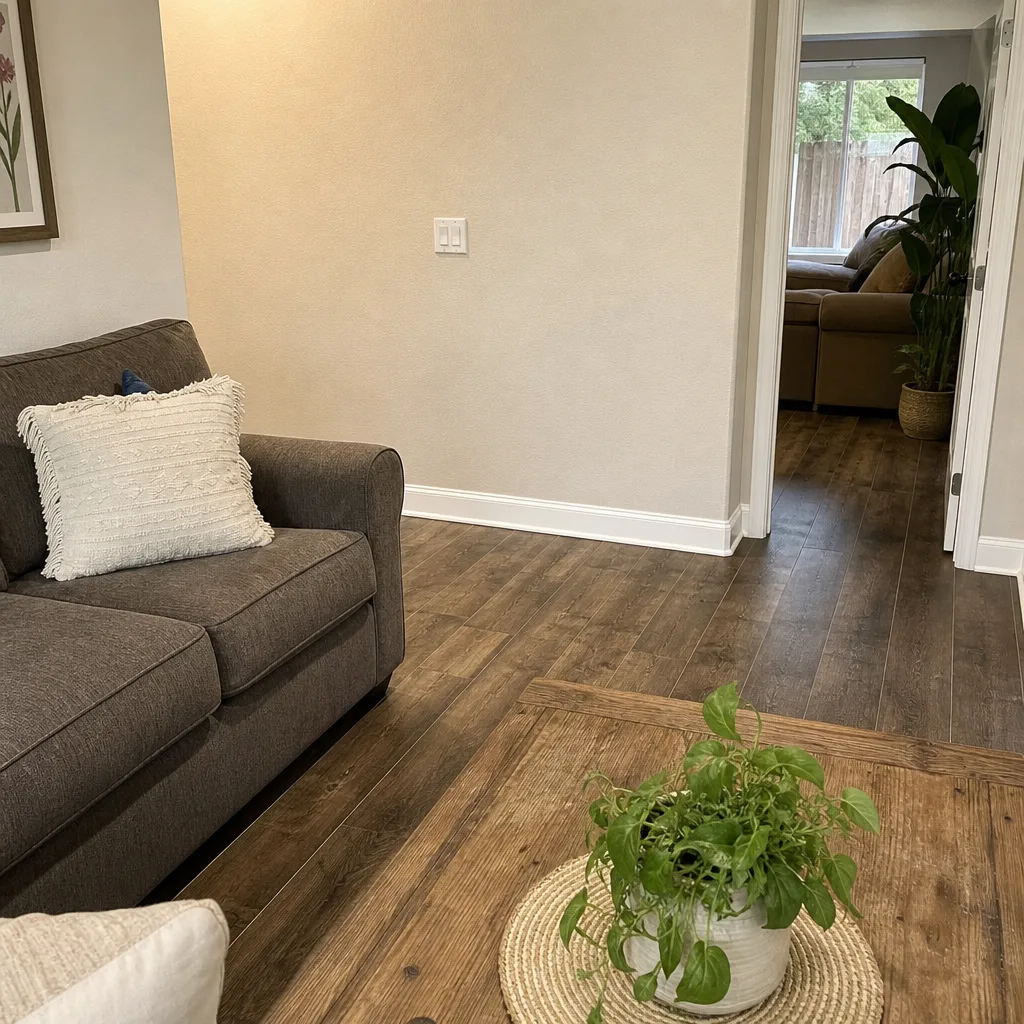 After
After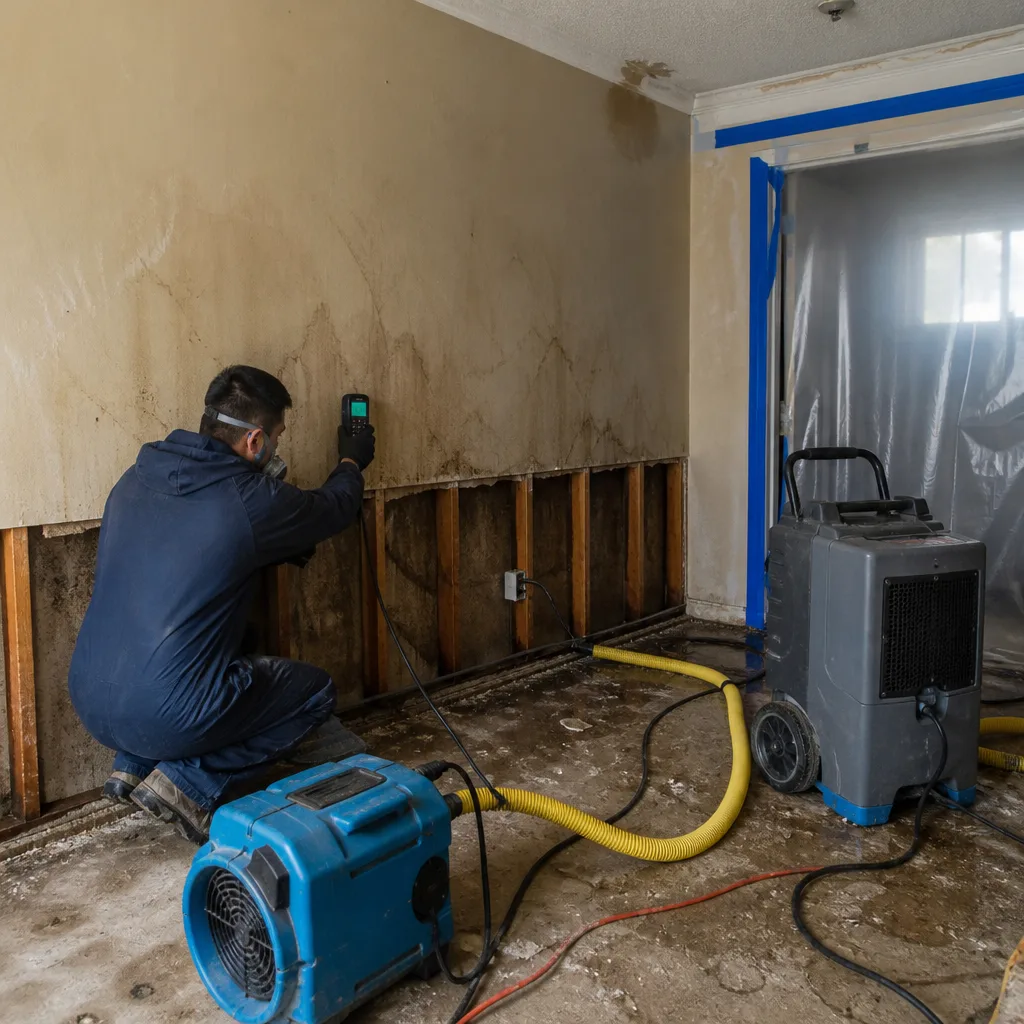 Before
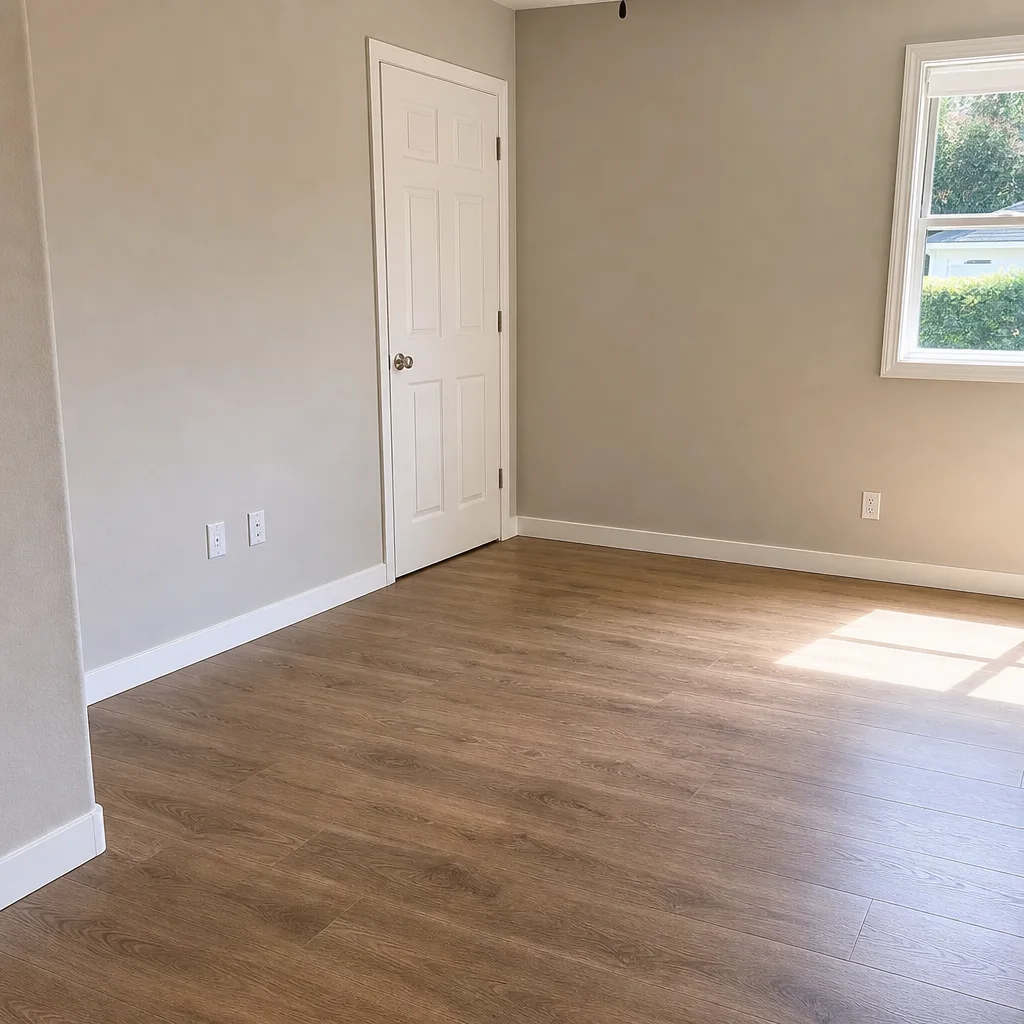 After
AfterThe Complete Guide to Damage Restoration in Fallbrook
Insurance carriers deny or underpay an estimated 40% of water damage claims - not because the damage wasn’t real, but because the contractor’s paperwork couldn’t prove it was. In Fallbrook, where clay-heavy soil traps moisture against foundations and seasonal Santa Ana winds drive rain sideways into stucco walls, the gap between visible damage and documented damage is where homeowners lose thousands. This guide treats restoration as a records project with a construction component. You’ll learn how Fallbrook’s specific geography creates unique damage patterns, what documentation sequence protects your claim, and how to read the paperwork that determines whether your insurer pays in full or stalls for months. For damage restoration warning signs every Fallbrook homeowner should know, see our companion guide.
Quick Answer
Damage restoration in Fallbrook is the process of documenting, mitigating, and remediating property damage from water, fire, mold, storm, or biohazard events, with full structural reconstruction when needed. Because Fallbrook’s clay soil and Santa Ana wind patterns create moisture intrusion risks distinct from coastal San Diego County, successful restoration requires local knowledge paired with IICRC-documented drying protocols, written scopes with line-item pricing before work begins, and daily photo records that turn invoices into payable claims. A properly documented restoration in Fallbrook typically spans 3-14 days for mitigation and 2-8 weeks for full reconstruction, with costs ranging from $1,200 for contained water extraction to $45,000+ for whole-home fire remediation with rebuild. See our Damage Restoration Cost Breakdown: The Fallbrook Homeowner’s Reference for 2026 for detailed pricing variables.
Table of Contents
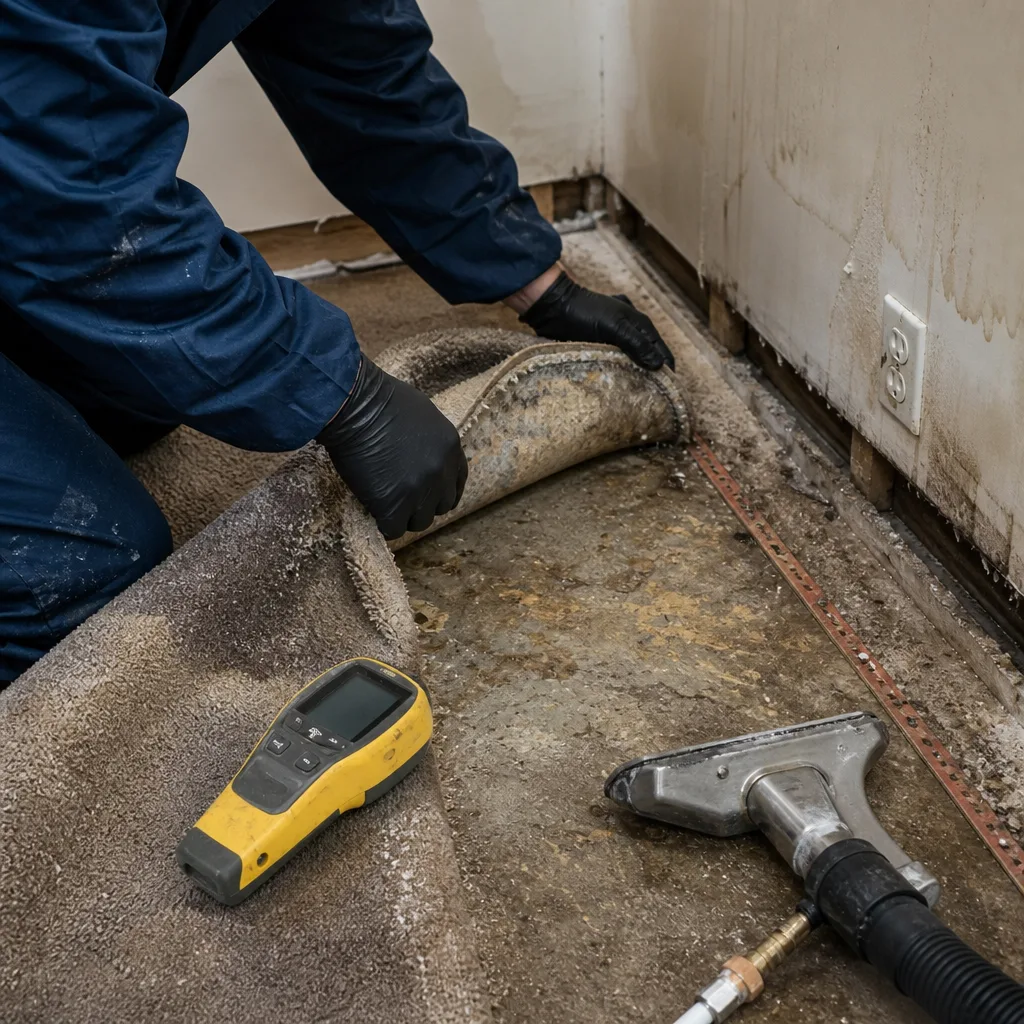
- Why Fallbrook Properties Need Specialized Restoration
- The Documentation Sequence That Saves Claims
- Mitigation vs. Remediation: Why the Distinction Matters
- Reading a Drying Log: What Homeowners Should Verify
- Water Damage Restoration in Fallbrook
- Mold Remediation and Fire Damage Considerations
- Cost Ranges and What Drives Pricing
- Choosing a Restoration Contractor in Fallbrook
BeforeAfterWhy Fallbrook Properties Need Specialized Restoration
Fallbrook sits on a geological and meteorological fault line that most restoration contractors from coastal San Diego don’t account for. The town’s clay-heavy soil, known locally as the Fallbrook soil series, expands when saturated and contracts during dry spells. This seasonal heaving cracks slab foundations, separates stucco from framing, and creates pathways for water that don’t exist in sandy coastal zones. We’ve documented cases in the Mission Road corridor where clay expansion lifted patios 2 inches, shearing water supply lines beneath slab floors.
The Santa Ana wind events compound this. From October through April, these hot, dry winds can push relative humidity below 15% for days, then reverse into winter storms that drive rain horizontally against north-facing walls. In the De Luz canyon properties and along the Santa Margarita River drainage, we’ve seen wind-driven rain penetrate stucco that appeared intact, saturating wall cavities for weeks before interior drywall showed stains. By then, secondary mold growth is already established in the insulation layer.
Fallbrook’s building stock adds complexity. The avocado ranch era left thousands of homes built between 1960 and 1990 with galvanized steel plumbing now reaching failure age. In the Winterwarm neighborhood and along Reche Road, we’ve replaced entire copper systems compromised by electrolysis from clay soil contact. These aren’t generic “old pipe” failures - they’re Fallbrook-specific patterns that a contractor without local tenure misdiagnoses as simple leaks.
Finally, Fallbrook’s position at the edge of San Diego County means emergency response times from coastal-based franchises often exceed the critical first hour. Water travels horizontally at approximately 1 foot per hour through carpet and pad, and vertically through wall cavities faster than most homeowners realize. A contractor based in Oceanside needs 35-50 minutes to reach central Fallbrook; one based in Temecula faces Rainbow Gap traffic variables. Local dispatch capacity matters because documentation can’t begin until someone is on site with a moisture meter and camera.
The Documentation Sequence That Saves Claims
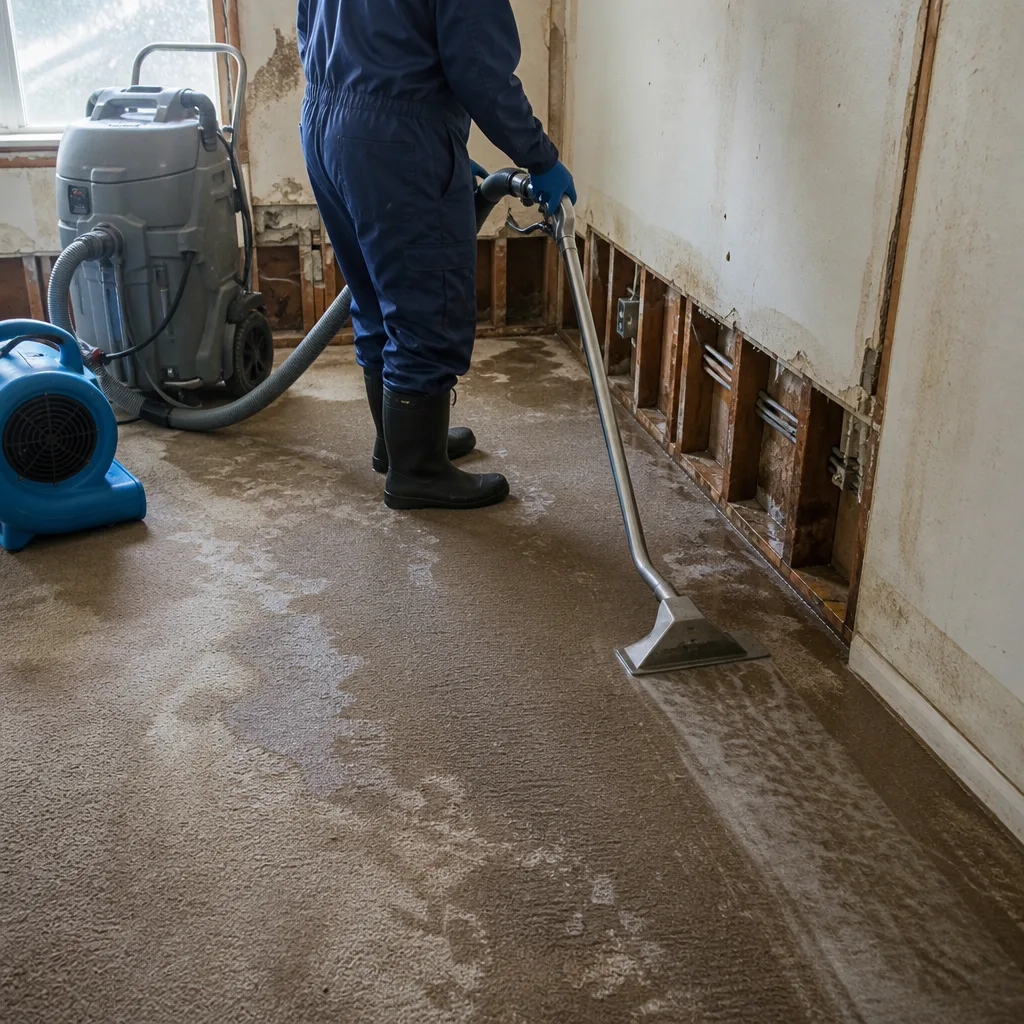
The single biggest predictor of a clean insurance settlement is whether the contractor created a complete documentation chain before touching anything. Here’s the sequence we’ve refined across 12,000+ jobs since 2011, and why each step must precede the next.
- Intake photography: Every affected room, every angle, before any equipment arrives or any material is moved. These establish the baseline condition and prove that subsequent damage wasn’t pre-existing. We shoot with date-stamped metadata, store RAW files, and deliver watermarked PDF contact sheets to the homeowner and adjuster within 24 hours.
- Moisture mapping: Non-invasive scanning with penetrating and non-penetrating meters to establish the full extent of water migration, not just visible wet spots. In Fallbrook’s hillside homes along Stage Coach Lane and the Gird Road ridges, we’ve found water traveled 40 feet from the source point through slab ductwork. Without mapping, you’d demolish the wrong walls and leave saturated cavities behind.
- Psychrometric calculation: The science of drying. We measure temperature, relative humidity, and vapor pressure to determine the exact dehumidification capacity needed, measured in pints per day. This prevents the common error of undersized equipment that runs continuously without reaching target moisture content, or oversized equipment that dries too fast and cracks hardwood.
- Written scope with line-item pricing: Haven Standard, Clause 1. Every task, every material, every labor hour, with unit prices, before demolition begins. This document is what the adjuster compares against their estimating software. When it’s delivered after work starts, the comparison becomes adversarial. When it’s delivered before, it becomes the benchmark.
- Daily drying logs: Moisture readings at the same points, same meters, same time daily, until materials reach their species-specific equilibrium moisture content. Hardwood flooring targets 6-9%; drywall 12% or below; structural lumber 15% or below. The log proves the drying happened, not that equipment merely ran.
- Completion photography and signed warranty: The 365-Day Done Right Promise under The Haven Standard, delivered as a signed document, not a verbal assurance. This closes the documentation loop and gives the homeowner recourse if concealed damage emerges.
Skip any step and the claim becomes negotiable. We’ve reviewed competitor estimates where the scope was verbal, the drying log was a single end-of-job reading, and the adjuster cut the invoice by 60% for “insufficient documentation of necessity.” The homeowner paid the difference out of pocket.
Mitigation vs. Remediation: Why the Distinction Matters
Insurance adjusters scrutinize invoices that conflate these terms because they represent different coverage categories with different documentation requirements. Understanding the distinction protects your claim from the first phone call.
Mitigation is emergency work to stop ongoing damage and prevent secondary loss. It happens in the first 72 hours. Examples: water extraction, containment barrier installation, initial dehumidification, board-up after fire, temporary roof tarping. Mitigation is typically covered under “additional living expense” or emergency provisions with less pre-authorization friction, but it requires proof that delay would have increased the loss. Your documentation must show why each action was time-critical.
Remediation is the complete restoration of affected materials to pre-loss condition. It follows mitigation and includes controlled demolition, material replacement, structural repairs, and finishing work. Remediation requires detailed scope documentation because it’s where most claim disputes arise - whether oak flooring needs refinishing or replacement, whether cabinets can be dried in place or must be removed, whether smoke odor requires sealant or full gutting.
Reconstruction is the rebuild phase after remediation, often treated as a separate claim segment with its own deductible implications. In Fallbrook’s unincorporated areas and county jurisdiction zones, reconstruction triggers permit requirements that mitigation and remediation don’t. We’ve handled jobs on the East Fallbrook mesa where reconstruction required San Diego County grading permits due to hillside stability concerns - a $4,200 permit cost that wasn’t in the initial emergency scope. For details on regulatory requirements, see Damage Restoration Permits, Codes & Inspections in CA: What You Need to Know.
The critical error is contractors who bill everything as “emergency mitigation” to avoid scope pre-approval, then face audit clawbacks when the carrier’s desk reviewer reclassifies the work. Our approach: document each phase separately, with distinct photo sets, distinct logs, and distinct written scopes. The Haven Standard requires this separation because it’s how claims get paid without dispute.
Reading a Drying Log: What Homeowners Should Verify
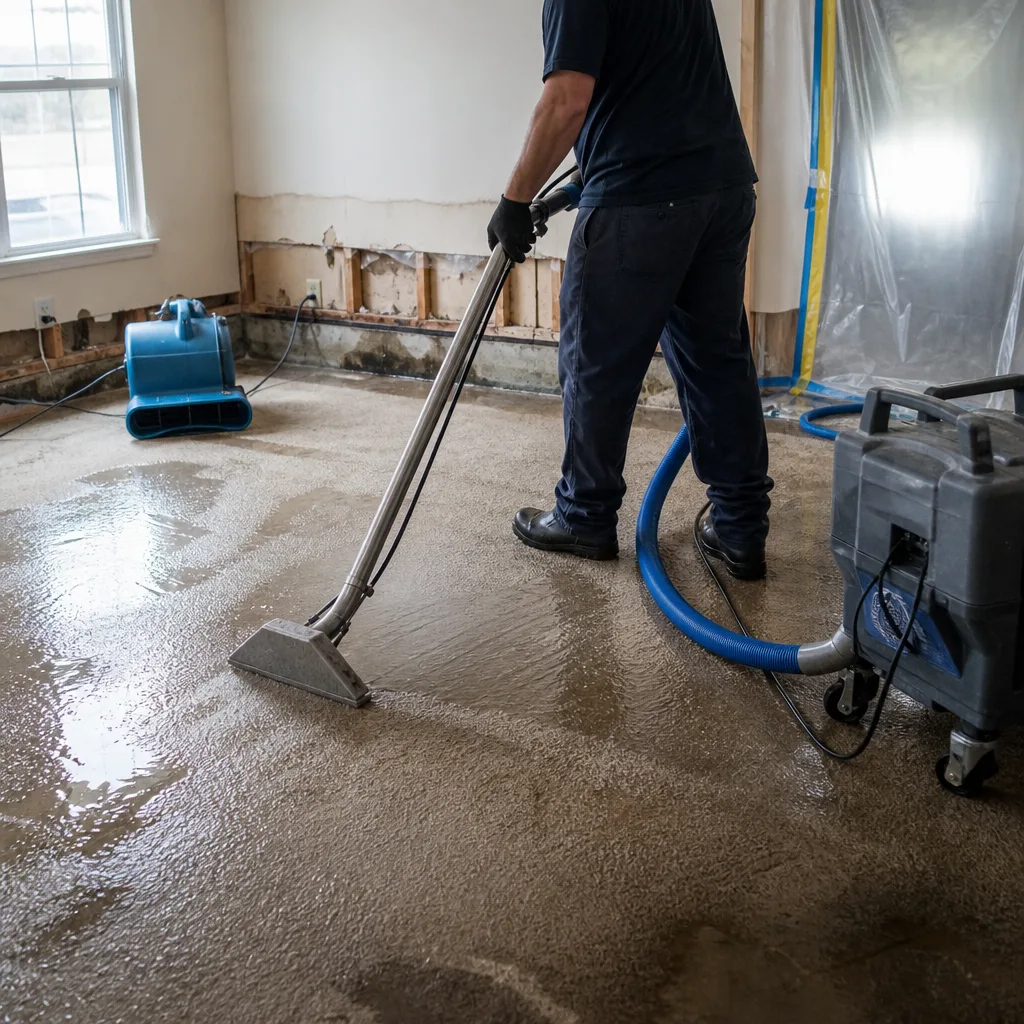
A drying log is the contractor’s proof that equipment actually dried the structure, not merely ran up the electric bill. Most homeowners never see the complete log, or don’t know what to verify when they do. Here’s what the document should contain, and what approximate numbers mean in Fallbrook conditions.
Equipment inventory: Each dehumidifier, air mover, and axial fan listed by manufacturer, model, and serial number. We deploy Dri-Eaz and Phoenix LGR dehumidifiers, XPOWER and B-Air air movers, with serials logged to the job file. This prevents the common practice of “phantom equipment” - billing for units never on site.
Daily atmospheric readings: Temperature in Fahrenheit, relative humidity as percentage, and dew point calculation. In Fallbrook during Santa Ana events, indoor relative humidity can drop to 20% naturally; during winter storms, it can hold above 70% in closed structures. The log should show the equipment achieving and maintaining target ranges, not just operating.
Material moisture content (MMC): Readings at identical locations daily, with meter type noted. Pin meters for wood; pinless for drywall and masonry. Target MMC for structural materials in Fallbrook’s climate: framing lumber 15% or below, plywood subfloor 12% or below, drywall 12% or below. These targets account for our moderate coastal influence; inland desert contractors use lower targets that can over-dry and damage materials.
Vapor pressure differential: The difference between vapor pressure in the material and vapor pressure in the air, measured in inches of mercury. Positive differential means moisture is moving from material to air; negative means it’s moving back in. Effective drying maintains positive differential throughout the cycle. We calculate this using psychrometric charts and document the result - most competitors don’t measure it at all.
Tertiary drying verification: After primary (liquid extraction) and secondary (surface evaporation) phases, tertiary drying removes bound moisture from within materials. The log should show a clear transition: air mover count reduces, dehumidifier capacity adjusts, and readings stabilize rather than spike. Without this phase, materials appear dry on the surface while harboring moisture that feeds mold.
Red flags in any log: identical readings day after day (meter not moved or faked), missing dates or times, no equipment serials, target achievement declared without supporting numbers, or “dry” declared on materials still above target MMC. We’ve reviewed logs from Fallbrook competitors where drywall read 18% at “completion” - six points above mold risk threshold. The homeowner discovered mold 90 days later, outside warranty, with no documentation to support a supplemental claim.
Water Damage Restoration in Fallbrook
Water damage restoration in Fallbrook follows IICRC S500 standards, but Fallbrook’s specific conditions require local adaptations that generic contractors miss.
Category 1 (clean water): Broken supply lines, tub overflows, rainwater intrusion. In Fallbrook’s hard water zones, particularly the eastern agricultural areas, mineral content accelerates corrosion in copper lines. We’ve documented Category 1 events in the Morro Hills area where the water source was clean but the line failure was caused by electrolysis from clay soil contact - a pattern the adjuster initially classified as “long-term maintenance neglect” until we provided soil chemistry reports and corrosion documentation.
Category 2 (gray water): Washing machine discharge, dishwasher leaks, sump pump failures. Fallbrook’s older ranch homes often have original galvanized drain lines now thinned to failure. In the Winterwarm and Fallbrook Street corridors, we’ve replaced entire DWV systems where a single gray water backup saturated crawl spaces with detergent-laden water that required antimicrobial treatment beyond standard Category 1 protocols.
Category 3 (black water): Sewage, flooding, rising groundwater. Fallbrook’s position in the Santa Margarita River watershed means seasonal flooding affects properties in the river bottom and tributary canyons. The 2005 and 2017 flood events established baseline contamination patterns; post-fire debris flows from the 2014 Tomahawk Fire added ash and chemical contamination to standard sewage categories. Documentation must specify contaminant sources because remediation scope varies dramatically.
Our water damage process: emergency extraction within 90 minutes of call, moisture mapping with FLIR thermal imaging and Protimeter Surveymaster dual-mode meters, psychrometric calculation for equipment sizing, containment with 6-mil polyethylene barriers when Category 2 or 3, HEPA air filtration during demolition, and daily drying logs until targets are achieved. Equipment is Dri-Eaz and Phoenix LGR units for dehumidification, XPOWER and B-Air axial fans for air movement, with Injectidry systems for hardwood and tile drying when subfloor injection is indicated.
Fallbrook-specific consideration: many homes in the De Luz and Rainbow Crest areas are on septic systems, not sewer. A backed-up main line may be a septic field failure requiring county environmental health notification. We’ve coordinated with San Diego County DEH on jobs where standard water damage protocols required modification for septage contamination - documentation that prevented a $12,000 claim denial for “improper remediation scope.”
Mold Remediation and Fire Damage Considerations
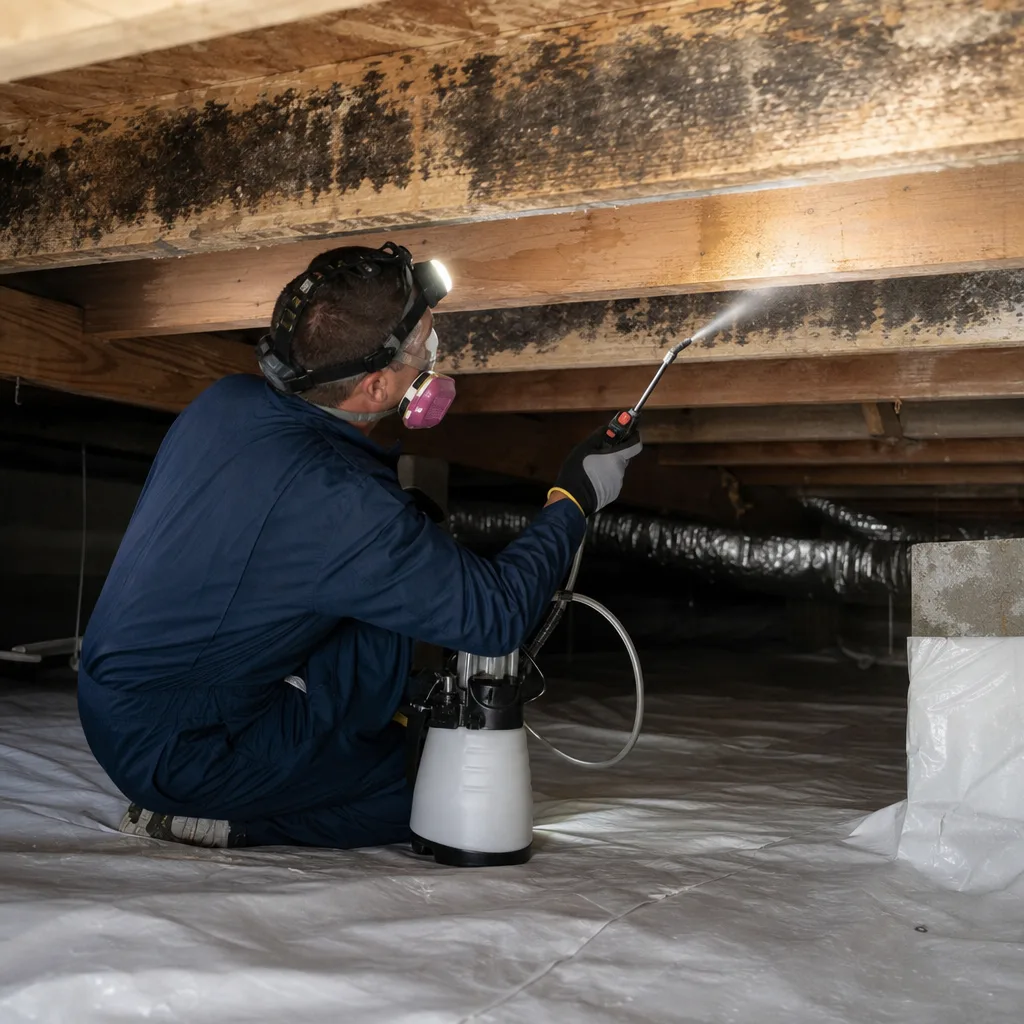
Mold remediation in Fallbrook and fire & smoke damage restoration in Fallbrook present distinct documentation challenges that overlap in post-fire water damage scenarios.
Mold remediation documentation: California’s SB 655 and the Mold Disclosure Act require specific protocols. Before remediation begins, we document: visual assessment with photography, air sampling with spore trap analysis (outdoor baseline plus minimum three indoor locations), moisture source identification and correction plan, and containment design with negative air pressure calculation. The scope must specify: square footage of affected area, material classification (Category 1: non-porous; Category 2: semi-porous; Category 3: porous), removal versus cleaning determination, and post-remediation verification method.
Fallbrook’s mold patterns differ from coastal zones. Santa Ana winds create rapid surface drying that masks subsurface moisture, leading to “hidden” mold in wall cavities. In the Live Oak Canyon and Monserate Hill areas, we’ve found Stachybotrys growth behind apparently dry stucco where wind-driven rain penetrated hairline cracks and the exterior dried before the interior showed symptoms. Standard visual inspection misses this; thermal imaging and moisture mapping catch it.
Post-fire water damage creates compound documentation requirements. Fire suppression introduces Category 1 or 2 water into structures with Category 3 contamination from smoke and soot. The fire & smoke damage restoration in Fallbrook process must address: smoke residue classification (dry, wet, protein, or complex), odor source identification, structural integrity assessment from heat exposure, and water damage documentation as a separate but simultaneous stream. We’ve handled Fallbrook wildfire-adjacent losses where the home didn’t burn but sustained smoke infiltration and water damage from sprinkler activation - claims initially denied because the adjuster couldn’t separate the coverages.
Critical documentation for fire claims: pre-cleaning photography of all affected surfaces, residue sampling for pH and chloride content (corrosive smoke detection), inventory of damaged contents with replacement versus restoration determination, and air quality testing before re-occupancy. The Haven Standard requires signed acknowledgment of each documentation deliverable; no verbal “it’s fine” substitutes for a documented clearance.
Cost Ranges and What Drives Pricing
Restoration pricing in Fallbrook reflects San Diego County labor rates, material costs, and the documentation intensity that protects your claim. Below are typical ranges for jobs we’ve completed since 2011, with the variables that move costs within each band.
| Service Category | Typical Range | Primary Cost Drivers |
|---|---|---|
| Water extraction & initial drying (Category 1, contained area) | $1,200 - $3,800 | Square footage affected, flooring type, crawl space vs. slab access |
| Category 2/3 water damage with demolition | $4,500 - $12,000 | Contamination level, wall cavity count, contents handling, antimicrobial treatment |
| Whole-home water damage with pack-out | $15,000 - $35,000 | Contents inventory and storage, hardwood flooring, custom cabinetry, secondary damage extent |
| Mold remediation, contained area (< 100 sq ft) | $2,500 - $5,500 | Lab testing, containment complexity, HVAC contamination, post-verification method |
| Extensive mold remediation with reconstruction | $8,000 - $25,000 | Structural member replacement, whole-home decontamination, permit requirements |
| Fire & smoke damage, kitchen/single room | $12,000 - $28,000 | Soot residue type, odor penetration depth, contents restoration vs. replacement, electrical/plumbing damage |
| Major fire with structural rebuild | $45,000 - $150,000+ | Framing replacement, roof rebuild, code upgrade triggers, full interior finish |
| Biohazard/crime scene cleanup | $3,500 - $15,000 | Contaminant type, porous surface extent, disposal requirements, scene hold time |
What moves pricing outside these ranges: hillside foundation work in the De Luz or Gird Road areas, historical home requirements in the downtown Fallbrook village zone, asbestos or lead discovery in pre-1978 construction, and code upgrade triggers when rebuild exceeds 50% of structure value. We identify these variables in the initial scope and document them before work begins - Haven Standard, Clause 1 - so no homeowner faces a mid-project cost surprise.
Insurance factors: carriers typically cover direct damage and necessary remediation, but dispute “improvement” costs like full granite replacement when laminate was original. Our written scopes specify like-kind-and-quality replacement with code-required upgrades separated as line items, giving the adjuster clear decision points rather than blanket approval or denial.
Choosing a Restoration Contractor in Fallbrook
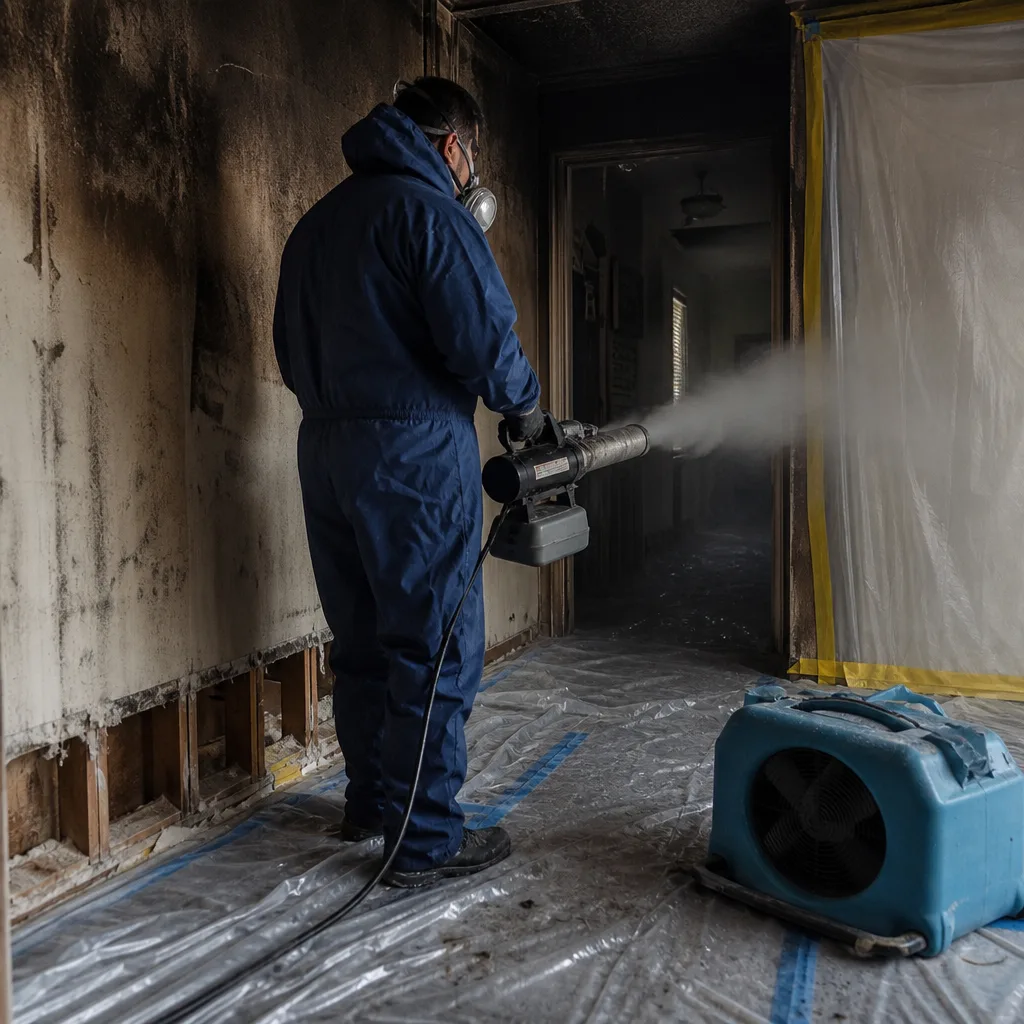
The contractor you choose determines whether your restoration becomes a documented claim or a disputed invoice. Here’s what to verify before signing any authorization.
- Written price before work starts: Not an “estimate range,” not “we’ll bill time and materials.” A fixed-price scope with line-item breakdown, signed by both parties, before equipment enters your home. Haven Standard, Clause 1. We’ve reviewed too many Fallbrook competitor contracts with open-ended authorization language that exposes homeowners to unlimited liability.
- Documentation deliverables specified in writing: What photos you receive, in what format, when. What drying logs look like and how often they’re updated. What warranty document you’ll sign at completion. Vague promises of “we’ll keep you informed” mean nothing when the adjuster asks for proof.
- Local response capacity, not just local marketing: Ask where the crew dispatches from, not where the sales office is. Verify 24/7 live phone coverage - call the number at 11 PM and see who answers. DryMark Restoration Fallbrook maintains live dispatch with no voicemail trees; some competitors route emergency calls to answering services with next-business-day callbacks.
- Equipment specificity: The brand and model of dehumidifiers, air movers, and meters matter for documentation credibility. We specify Dri-Eaz, Phoenix, XPOWER, B-Air, and Injectidry systems because adjusters recognize these brands in estimating software. Generic “industrial equipment” claims raise suspicion.
- Insurance coordination experience: Ask how many claims they’ve handled with your specific carrier, and whether they provide direct adjuster coordination with photo documentation. We offer direct billing to most major carriers and provide the documented evidence package that accompanies our invoice - the daily logs, the moisture maps, the completion photos, the signed warranty.
- Free second opinion on competitor estimates: If another contractor has already provided a scope, we’ll review it at no charge. We’ve identified scope gaps, missing documentation requirements, and inflated line items in competitor estimates that would have cost Fallbrook homeowners thousands in uncovered costs or unnecessary work.
Alicia Brennan founded Back to Dry Restoration in 2011 after working as a claims adjuster and witnessing the documentation gap that cost homeowners their settlements. That origin shapes every process we’ve built. The Haven Standard isn’t marketing language - it’s the operating system that prevents the failures we documented from the other side of the desk.
Common Mistakes to Avoid
- Waiting for the insurance adjuster before calling a contractor. In Fallbrook’s Santa Ana wind season, a roof leak can saturate insulation for days before the adjuster arrives. Mitigation duty requires you to prevent further damage; waiting breaches that duty and gives the carrier grounds to deny secondary loss.
- Authorizing work without a written scope. Verbal authorizations create he-said/she-said disputes when the invoice arrives. Haven Standard, Clause 1 exists because we’ve seen homeowners sign blank work authorizations and face $40,000 bills with no recourse.
- Accepting “dry” without reading the drying log. Moisture meters don’t lie, but contractors who don’t use them do. Verify target moisture content was reached at multiple points, not just one convenient location.
- Assuming all water is Category 1. That supply line may have been clean when it broke, but if it ran across contaminated soil in your crawl space for 48 hours, it’s Category 3. Misclassification leads to inadequate remediation and future mold claims denied as “pre-existing.”
- Neglecting permit requirements in unincorporated Fallbrook. San Diego County requires permits for reconstruction exceeding specific thresholds, and work without permits voids some insurance coverage. We handle permit identification and application as part of our remediation scope.
- Choosing the lowest estimate without comparing documentation deliverables. A cheaper scope with no drying log, no photo record, and no warranty costs more when the adjuster cuts the payment by half for “insufficient documentation of necessity.”
- Failing to document pre-existing conditions. Photograph everything before work starts, especially in older Fallbrook homes with prior repairs. The adjuster will attribute new damage to old if you can’t prove the distinction.
When to Call a Professional
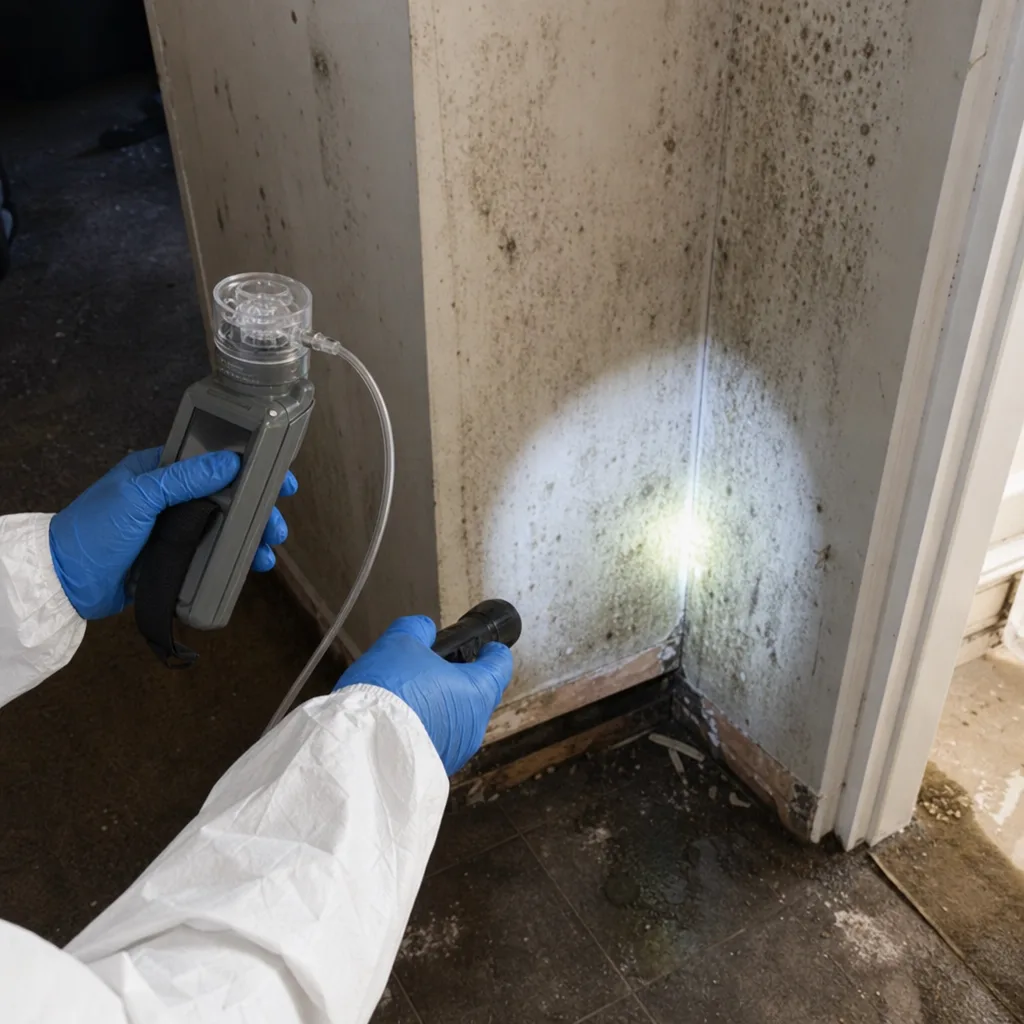
Call immediately when: water is actively flowing and you cannot locate the shutoff; sewage or gray water is present; mold is visible or you detect musty odor after recent water exposure; fire damage has affected structural elements or electrical systems; or wind or storm damage has compromised your roof or exterior envelope. These scenarios worsen with delay, and documentation quality degrades as materials dry unevenly or contamination spreads.
For contained, Category 1 water damage under 10 square feet with no structural involvement, prompt extraction and drying may suffice - but verify with moisture mapping that subsurface materials reached target levels. We’ve been called to Fallbrook homes where DIY drying appeared successful until mold emerged six months later in wall cavities that never got documented.
DryMark Restoration Fallbrook offers free estimates in Fallbrook - call (760) 421-5658. Every estimate includes a preliminary moisture assessment, documentation of visible damage, and a written scope with line-item pricing if work is indicated. The estimate is free; the documentation it provides is invaluable if you later need to file or supplement a claim. Browse more guides & resources on protecting your Fallbrook property.
Frequently Asked Questions
Contained Category 1 water damage with extraction and drying typically runs $1,200-$3,800 in Fallbrook, while extensive Category 2 or 3 damage with demolition and antimicrobial treatment ranges $4,500-$12,000. Whole-home losses with pack-out and reconstruction can reach $15,000-$35,000 or more depending on finish materials and structural involvement. Call (760) 421-5658 for a written estimate with exact line-item pricing - estimates are free under Haven Standard, Clause 1.
Insurance typically covers direct damage from sudden, accidental events when the homeowner has fulfilled mitigation duties and the contractor provides sufficient documentation. The 40% of claims that are denied or underpaid fail on documentation, not damage validity. Our documented photo records, daily drying logs, and written scopes are designed specifically to meet carrier evidentiary standards. We also offer direct adjuster coordination and photo-documented assessments to streamline approval.
DryMark Restoration Fallbrook maintains 24/7 live dispatch with no voicemail trees, and our crews dispatch from within Fallbrook’s service area. Response time depends on current emergency volume and your location within the Fallbrook zone, but we prioritize active water flow and safety hazards. For non-emergency assessments, we typically schedule within 24 hours. Call (760) 421-5658 to confirm current availability.
Visible mold exceeding 10 square feet, mold in HVAC systems, or mold resulting from Category 2 or 3 water damage requires professional remediation under IICRC S520 standards and California disclosure requirements. DIY cleaning of porous materials like drywall and carpet typically spreads spores and drives growth deeper. We provide air sampling, containment design, and post-remediation verification documentation that protects your health and your property disclosure obligations.
We provide direct adjuster coordination as a standard service, not an upsell. This includes: photo documentation formatted to carrier specifications, drying logs with required psychrometric data, written scopes in Xactimate-compatible line-item format, and supplemental documentation when hidden damage is discovered during remediation. You remain the policyholder and final decision-maker, but you don’t have to translate restoration terminology into insurance language.
The 365-Day Done Right Promise under The Haven Standard is a signed, written guarantee - not a verbal assurance - that if any aspect of our work fails within one year, we return and correct it at no charge. It covers workmanship, materials we installed, and documentation accuracy. Standard contractor warranties often exclude consequential damage, require homeowner proof of defect, or contain deductible clauses. Our promise is stamped on every job file and transferable if you sell the property.
Fallbrook’s moderate coastal influence with Santa Ana wind events creates variable drying conditions. Santa Ana winds can drop relative humidity to 15%, accelerating surface drying but risking over-drying of hardwoods if not monitored. Winter marine layers and storm periods can hold humidity above 70%, extending dehumidification runs. Our psychrometric calculations account for these fluctuations, and our daily logs verify that target moisture content is reached regardless of ambient conditions - not estimated based on equipment runtime.
The Bottom Line
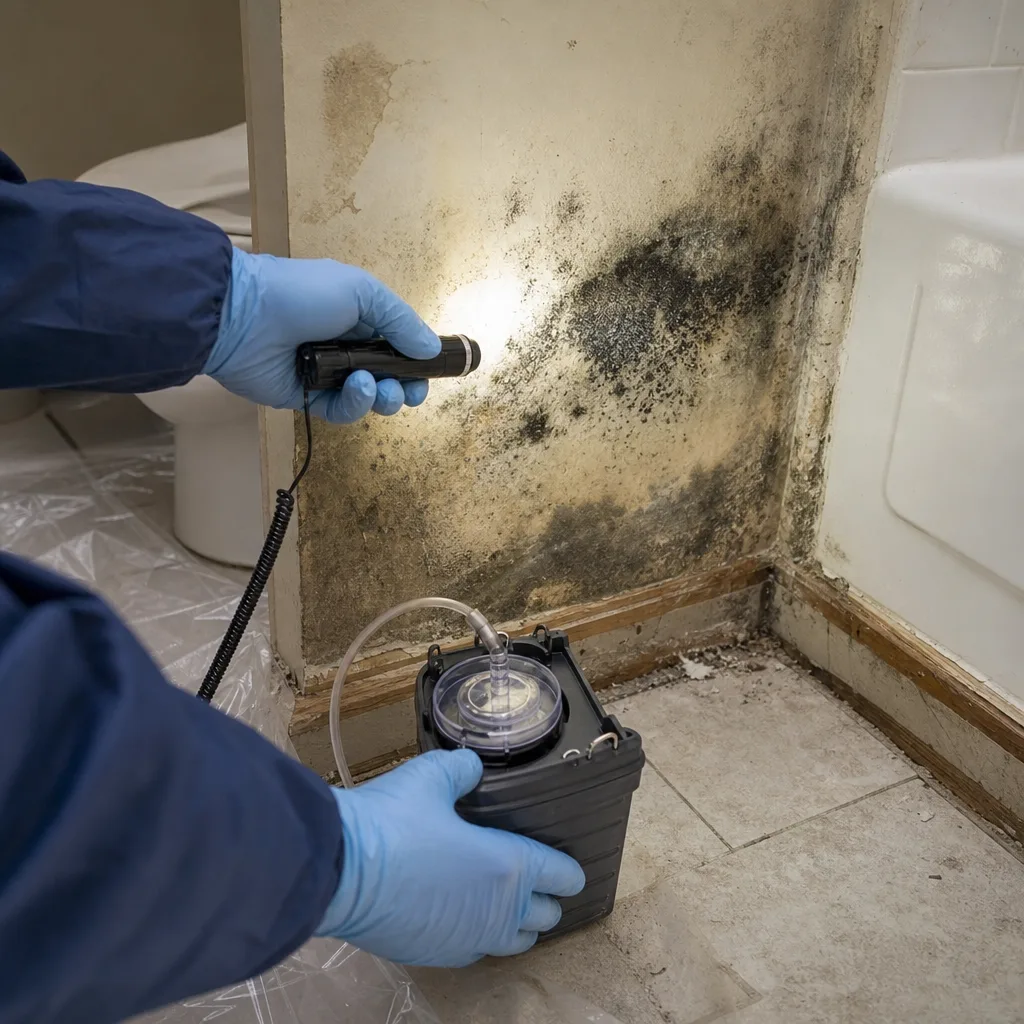
Damage restoration in Fallbrook is a documentation project that happens to involve construction. The clay soil, Santa Ana winds, and specific building stock create damage patterns that generic contractors misdiagnose, but the real risk isn’t the initial damage - it’s the documentation gap that lets insurers deny the claim. Every step in this guide, from intake photography through the signed 365-Day Done Right Promise, exists to close that gap. The homeowners who recover fully are those who treat the paperwork with the same urgency as the water extraction, who verify drying logs rather than trust verbal assurances, and who choose contractors with documented processes over contractors with reassuring promises. DryMark Restoration Fallbrook built its systems from the adjuster’s side of the desk; we know what documentation turns an invoice into a payment, and we deliver it on every job.
Written by Alicia Brennan, Owner at DryMark Restoration Fallbrook, serving Fallbrook since 2011.