
Last updated September 23, 2026
Free visual inspection and a written scope of work before any mitigation begins - photos, moisture readings, and drying logs go in your claim file
The scope we write is the scope we bill. Anything new gets shown to you, in writing, before we touch it.
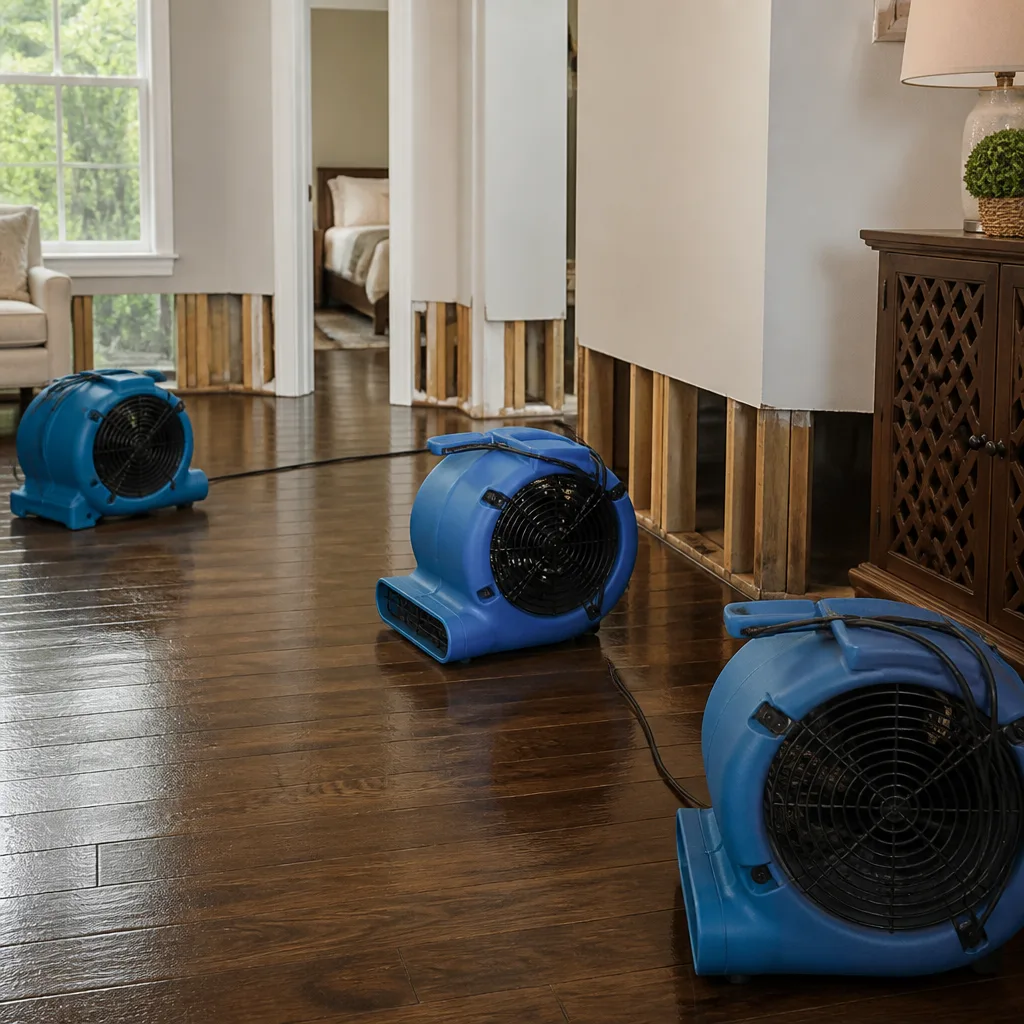
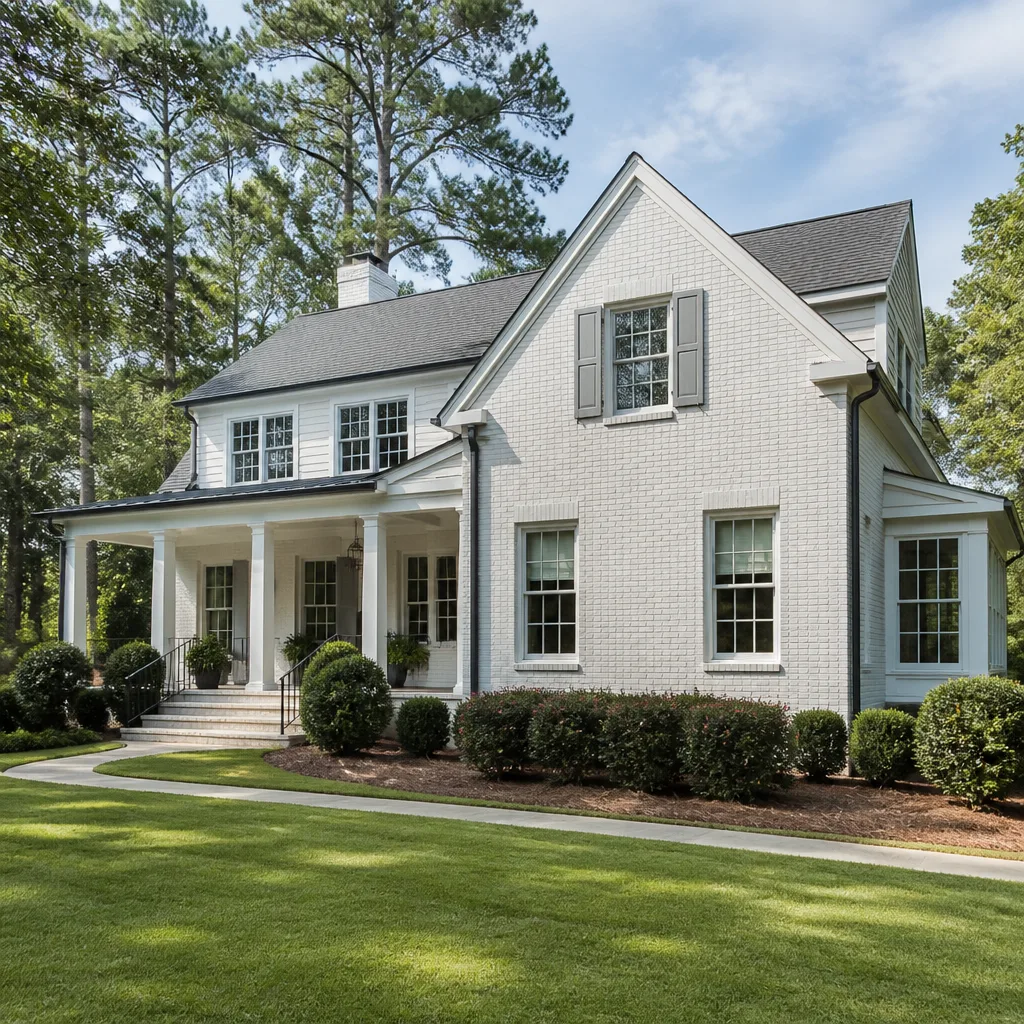
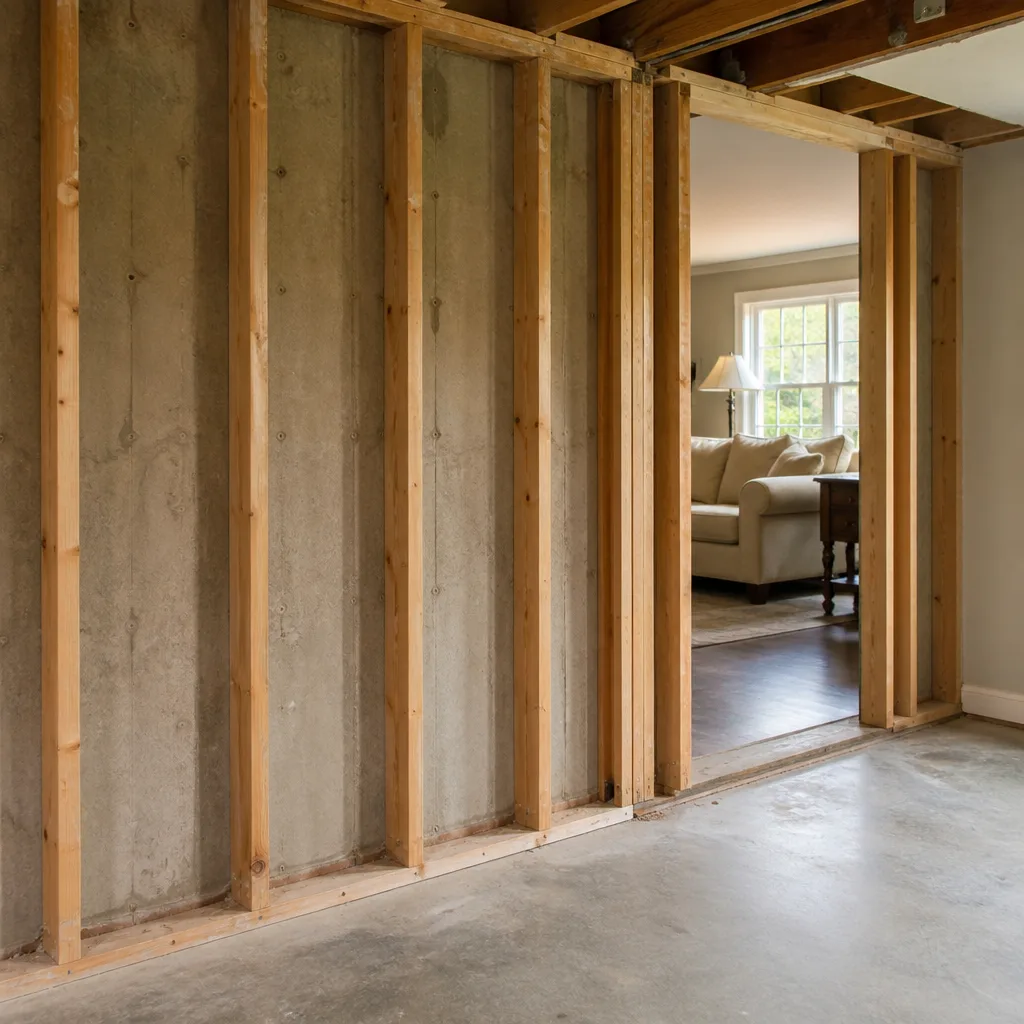
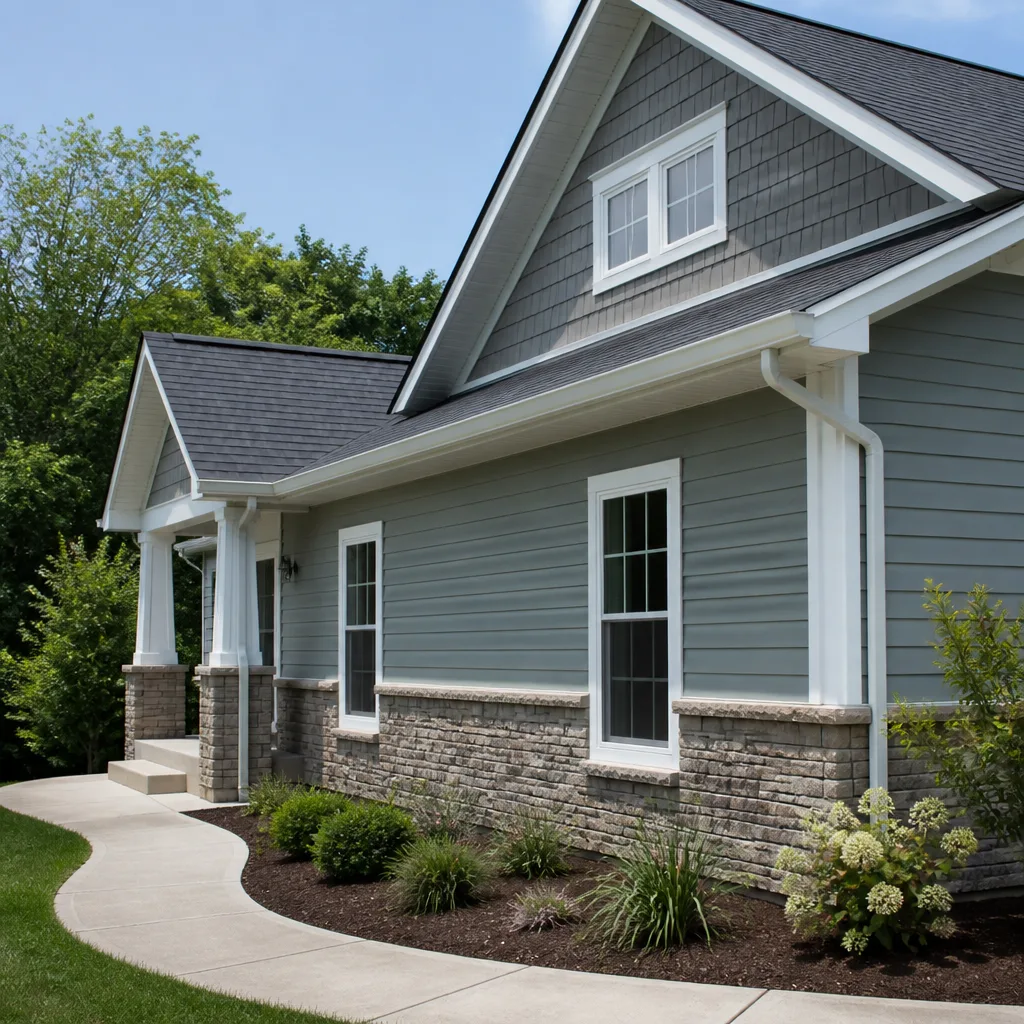
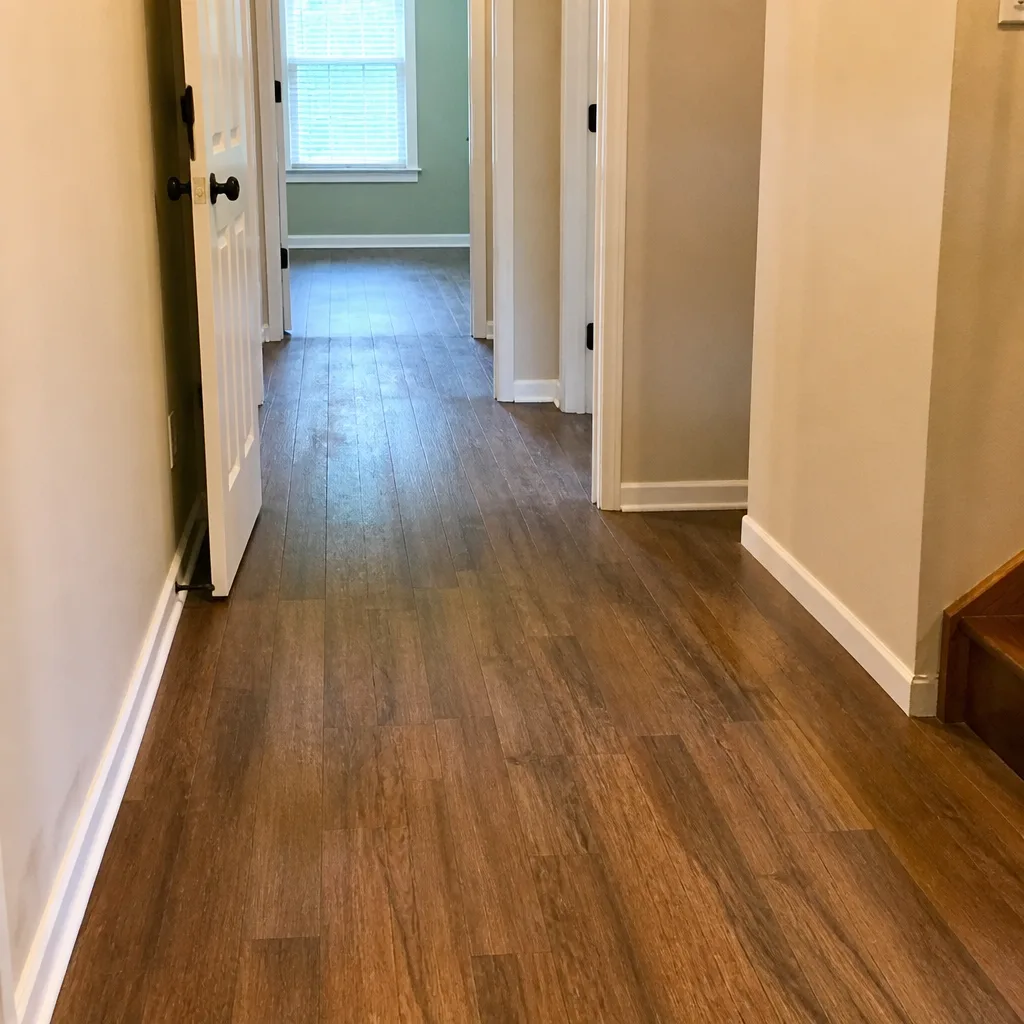

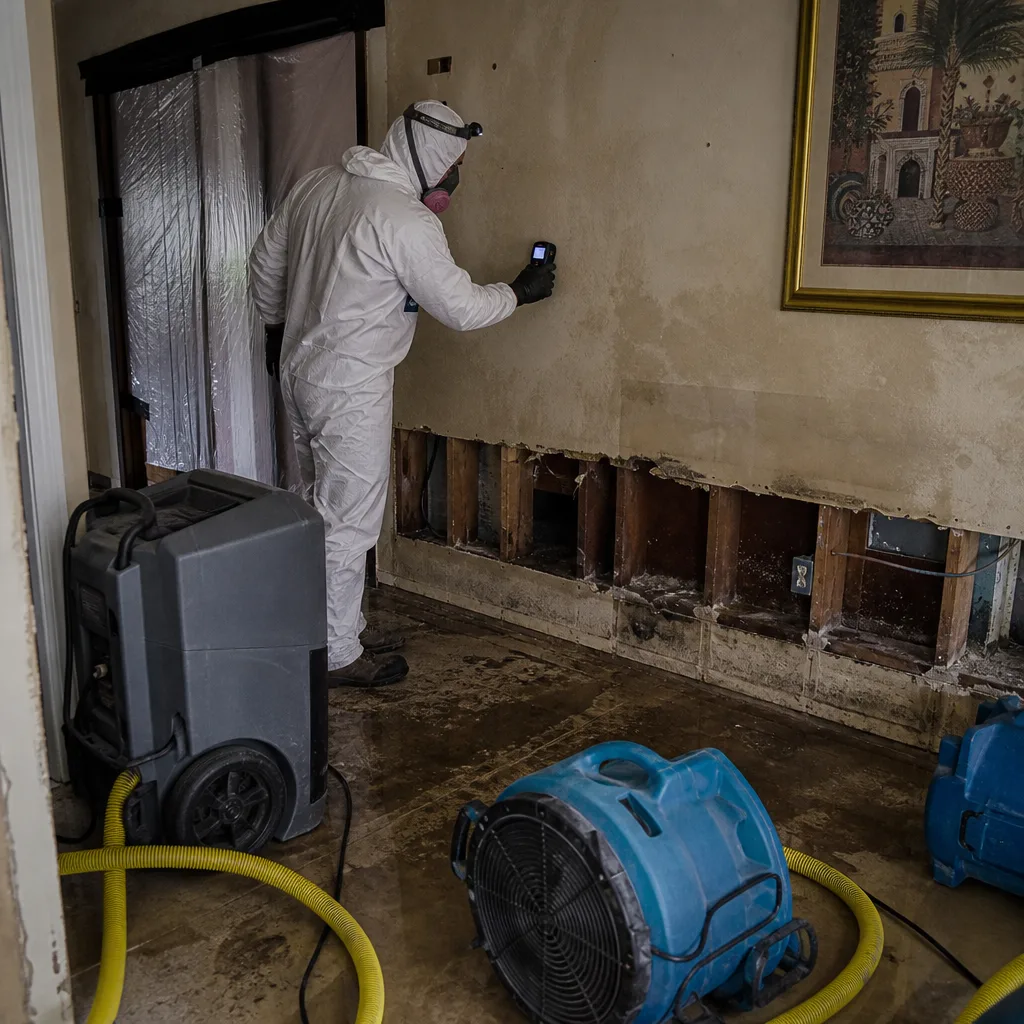 Before
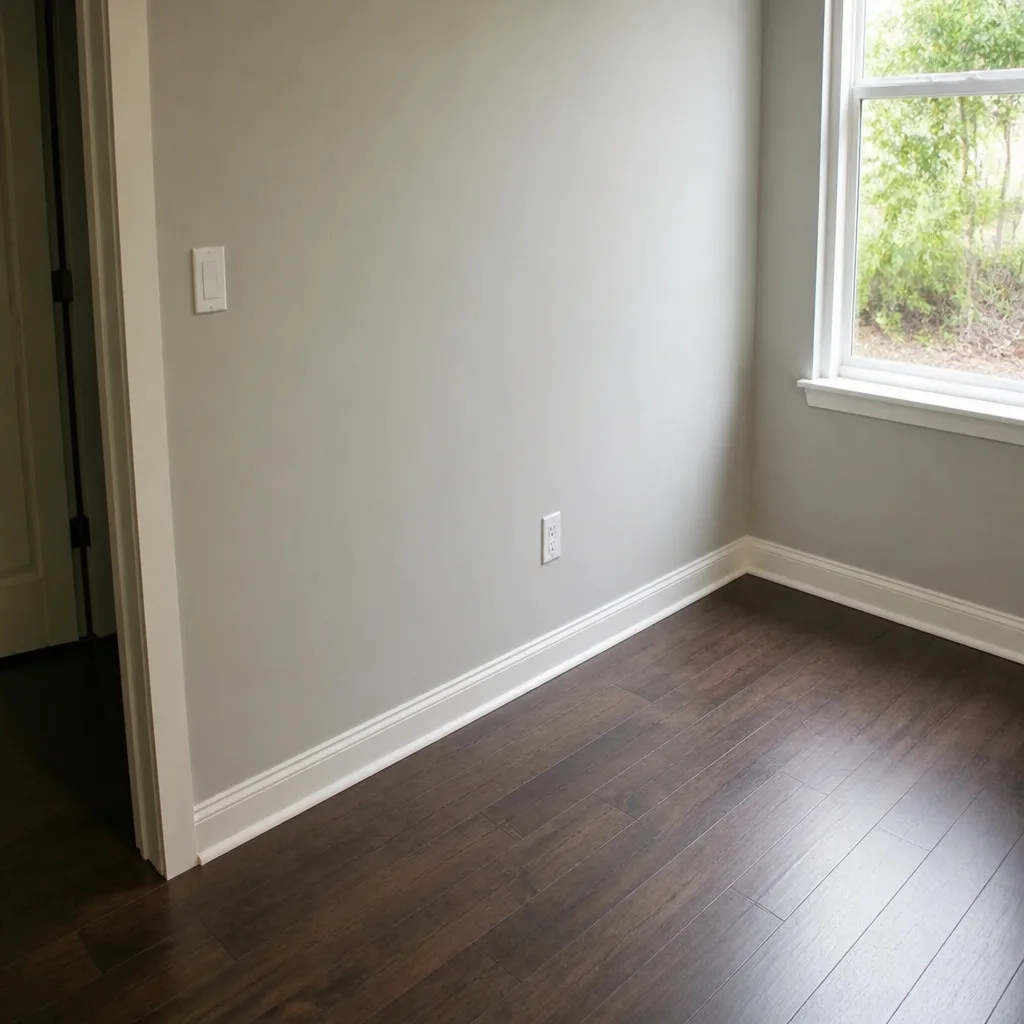 After
After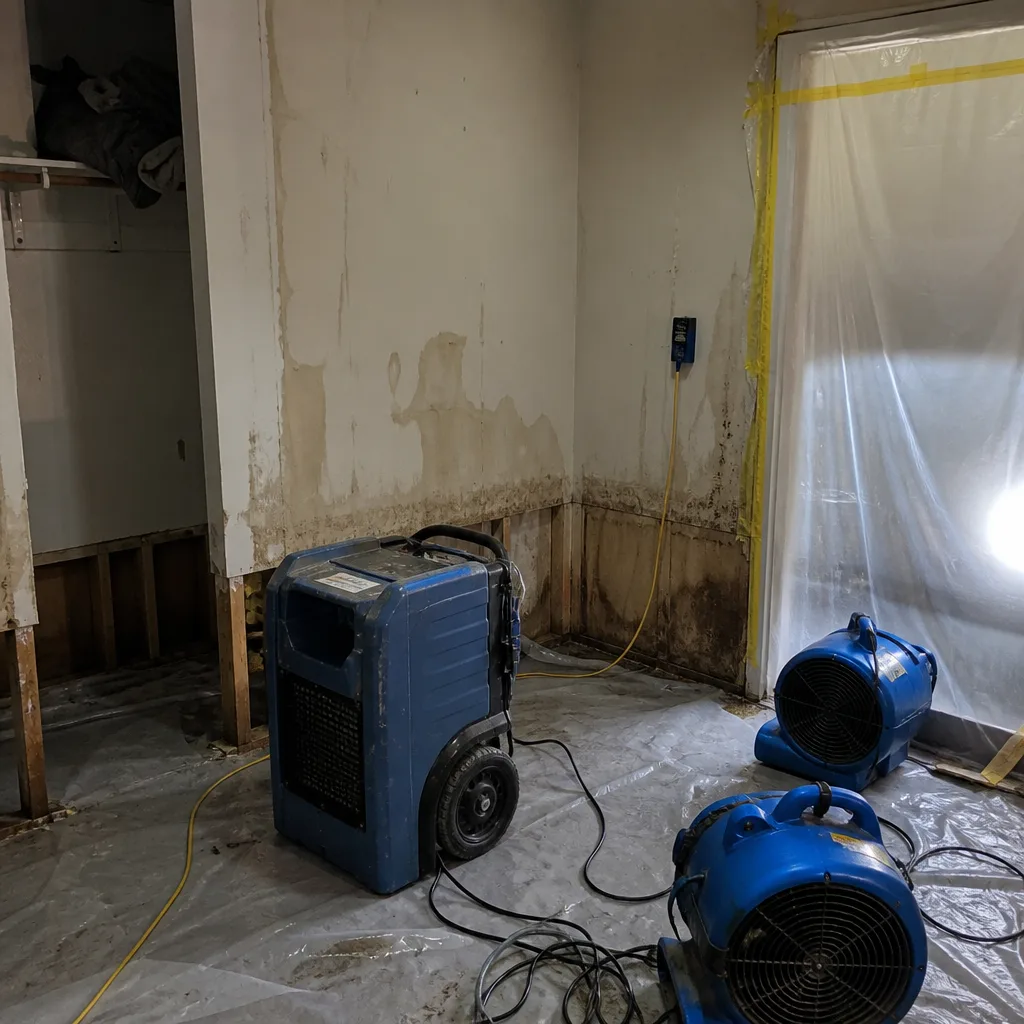 Before
 After
After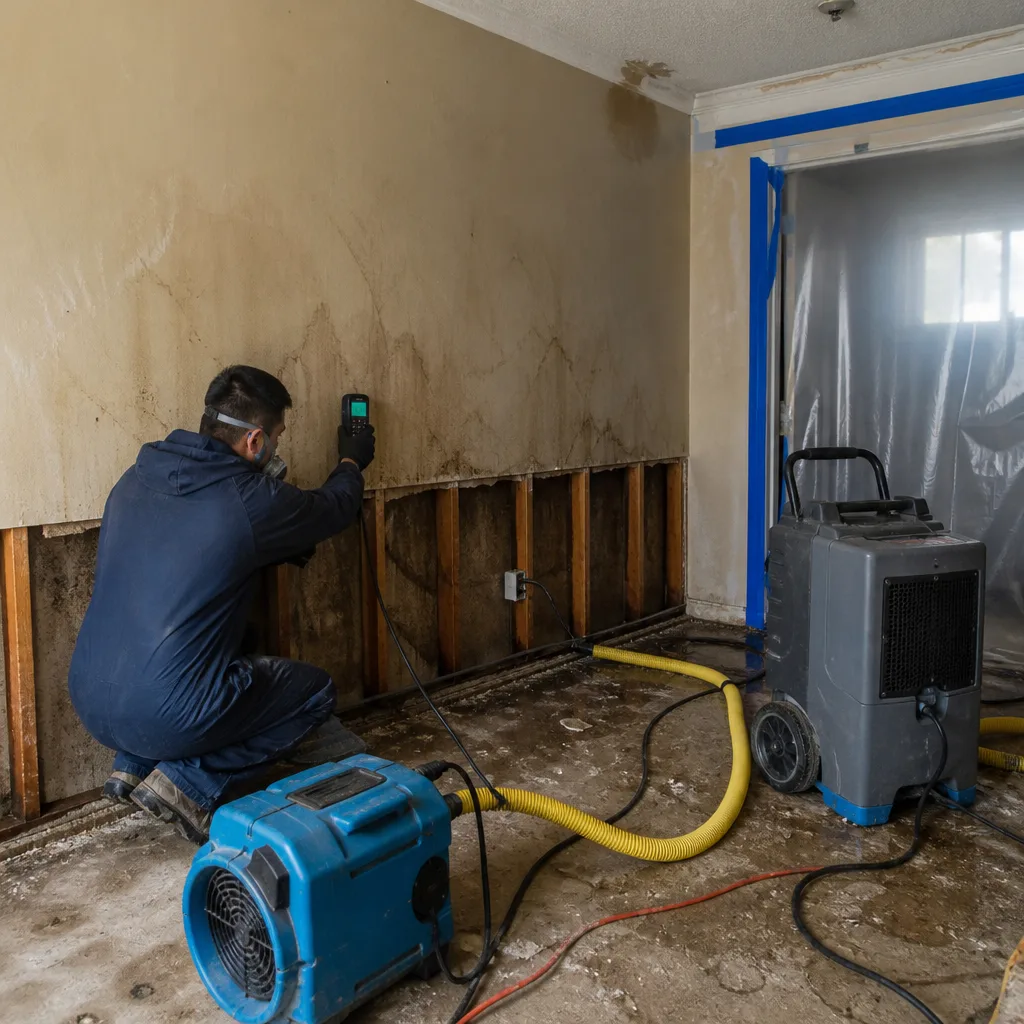 Before
 After
AfterSeasonal Damage Restoration Care for Fallbrook: Year-Round Homeowner’s Guide
Most Fallbrook homeowners assume water damage risk peaks during January storms. In our experience since 2011, the costliest claims we document often trace back to conditions set months earlier, during Santa Ana wind events that compromise building envelopes before rain ever arrives. The Lilac Fire of 2017 reshaped water runoff patterns across hundreds of Fallbrook parcels; homeowners in affected watersheds still see accelerated erosion and foundation saturation in wet years that their neighbors on unaffected lots do not. This guide maps the five-phase damage calendar that actually governs Fallbrook properties, with specific inspection tasks, documentation protocols, and the photo-archive system that turns pre-loss condition records into payable insurance claims. For a deeper dive, see our Complete Guide to Damage Restoration in Fallbrook.
Quick Answer
Fallbrook homes face a five-phase damage risk calendar driven by Santa Ana winds (September through December), clay soil moisture cycles (January through March), and post-fire watershed runoff that can persist for years after a burn. Year-round protection requires season-specific inspections of attic ventilation, foundation drainage, and exterior envelope integrity, with time-stamped photos taken from the same angles annually to establish pre-loss documentation. Our Water Damage Restoration Maintenance Checklist for Fallbrook Homeowners provides the full task list by season. Homes within one mile of the 2017 Lilac Fire burn scar need monthly downslope drainage checks during any rain event.
Table of Contents
- Pre-Santa Ana Preparation: September to October
- Active Wind Season: October to December
- Rainy Season & Clay Soil Saturation: January to March
- Post-Rain Drying Assessment: April to May
- Summer Dry-Check & Documentation: June to August
- Building Your Seasonal Photo Archive
- Common Mistakes to Avoid
- When to Call a Professional
- Frequently Asked Questions
BeforeAfterPre-Santa Ana Preparation: September to October
Fallbrook’s damage year begins not with moisture, but with desiccation. Santa Ana winds typically arrive between late September and mid-October, with sustained speeds of 25 to 45 mph and gusts exceeding 60 mph in the De Luz and Live Oak Canyon corridors. These winds pull moisture from building materials, create negative pressure in attic spaces, and deliver the kinetic energy that fractures compromised stucco, tile, and roofing before rain exposes the gaps.
We document dozens of Fallbrook claims each November where the actual water intrusion occurred weeks earlier, during wind events that displaced ridge vents or cracked stucco. The homeowner discovers the problem only when the first storm arrives. By then, secondary damage has spread through wall cavities and insulation.
Pre-Santa Ana Inspection Checklist
- Attic vent inspection: Check all gable, soffit, and ridge vents for cracked flanges, missing fasteners, or degraded sealant. Santa Ana winds can lift improperly secured ridge vents like sails, creating entry points for wind-driven rain. Document each vent with a dated photo.
- Stucco condition survey: Walk the exterior with a camera, capturing hairline cracks, previous patch areas, and any chalking or delamination. In Fallbrook’s inland climate, elastomeric coatings on south and west exposures degrade faster than shaded north faces. Note the location of each crack relative to windows, doors, and roof intersections.
- Roofing edge and flashing: Inspect tile rake edges, valley metal, and pipe penetrations. Wind uplift forces concentrate at roof perimeters. If you can slide a business card under a tile at the edge, the fastening system has failed.
- Window and door seal verification: Check weatherstripping compression and caulking continuity. Santa Ana winds force fine dust through gaps as small as 1/16 inch, which indicates a pathway for wind-driven rain.
- Document everything before the wind arrives: Store photos with date stamps in a dedicated folder. This is your pre-loss condition record. Water damage restoration in Fallbrook claims succeed or fail based on this documentation.
The clay soils in Fallbrook’s hillside neighborhoods, particularly east of Interstate 15 and in the Gird Valley area, shrink dramatically during this pre-rain dry phase. Foundation settlement cracks that open in September and October become direct water pathways in January if not sealed and monitored. We recommend measuring crack widths with a simple crack monitor gauge, available at most hardware stores, and photographing the gauge in place. A crack that widens from 1/8 inch to 3/16 inch between September and November indicates active foundation movement that requires structural evaluation before rain arrives.
Active Wind Season: October to December
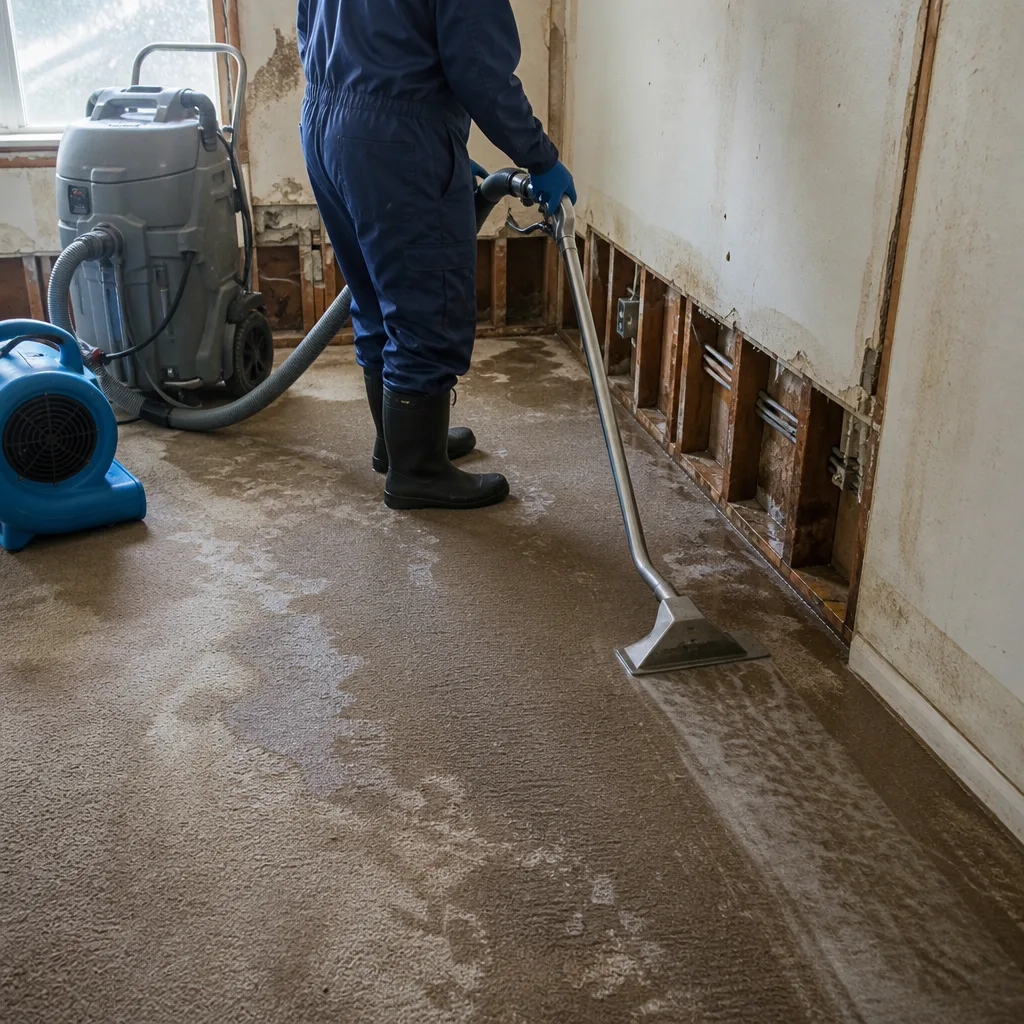
Once Santa Ana winds activate, inspection shifts from prevention to real-time monitoring. Fallbrook experiences an average of 10 to 15 Santa Ana events per season, with the most destructive typically occurring in November and December when offshore pressure gradients peak.
During active wind events, most homeowners focus on visible debris and downed limbs. The critical damage we document is typically hidden: lifted ridge vents that resettle slightly askew, stucco cracks that propagate from existing stress points, and attic intake vents that reverse airflow due to pressure differentials. Each of these creates a moisture pathway that remains latent until rain arrives.
Wind-Event Response Protocol
- During the event: Note wind direction, duration, and any audible impacts to the structure. If safe, observe from inside for attic access panel movement, window frame flex, or door seal whistle. These indicate pressure differential that may have displaced ventilation components.
- Within 24 hours after: Walk the exterior with your pre-event photo set for comparison. Look for fresh stucco cracks, displaced tiles, debris impact marks, and any sealant that has pulled away from substrates. Photograph changes from the same angles as your baseline.
- Attic inspection within 48 hours: Check for daylight visible through vent openings that should be sealed, dislodged insulation indicating air movement paths, and any debris that entered through compromised screening. In Fallbrook’s oak woodland areas, leaf and acorn debris in the attic often indicates a vent breach that water will follow.
The documentation priority during this phase is establishing causation. Insurance adjusters reviewing DryMark Restoration Fallbrook home claims need to distinguish wind damage from pre-existing conditions. Your dated photo sequence, showing intact conditions in September and new damage in November, provides the evidentiary chain that supports coverage.
For homes in exposed locations, particularly those on ridge lines above the Santa Margarita River valley or along the crest of the hills separating Fallbrook from Camp Pendleton, we recommend temporary protective measures during forecast severe wind events. Plywood covers for vulnerable gable vents, secured with exterior-grade screws into framing members, can prevent the vent displacement that leads to cascading water damage. Remove these covers immediately after the event to restore ventilation and prevent condensation buildup.
Rainy Season & Clay Soil Saturation: January to March
Fallbrook’s official rainy season runs January through March, with average rainfall of 10 to 14 inches concentrated in 15 to 25 discrete events. The critical variable is not total rainfall but intensity and soil moisture state. After Santa Ana desiccation, clay soils absorb initial rainfall slowly, then rapidly saturate once the moisture front penetrates the desiccation cracks. This creates a narrow window, typically 24 to 72 hours into a multi-day rain event, when surface water ponds and foundation perimeters flood.
Clay soil lots in Fallbrook present a specific diagnostic challenge. When saturated, clay expands and can create positive hydrostatic pressure against foundation walls. When it dries, it contracts and can crack slab perimeters. The same property may experience both conditions in a single year, with different damage mechanisms each time.
Foundation Drainage Inspection for Clay-Soil Lots
- Measure standing water duration: During any rain event, check the perimeter within 10 feet of the foundation at 2-hour intervals. Record standing water depth with a ruler and photograph with time stamp. Water that persists more than 4 hours indicates inadequate surface drainage or compromised French drain function.
- Verify downspout discharge: Each downspout must discharge at least 6 feet from the foundation, with water flowing away from the structure on a positive grade. In Fallbrook’s hillside construction, downspouts often terminate at uphill foundations, concentrating water at the most vulnerable point.
- Inspect catch basin and area drain inlets: Remove grates and photograph sediment accumulation. In post-fire watersheds, sediment volume often exceeds design capacity. A catch basin that fills with sediment during a single storm will backflow toward the foundation in subsequent events.
- Document moisture intrusion indicators: Check garage slab perimeters, interior baseboards, and closet floors at exterior walls for dampness, efflorescence, or musty odor. These are early indicators of foundation water entry that thermal imaging can confirm before visible damage develops.
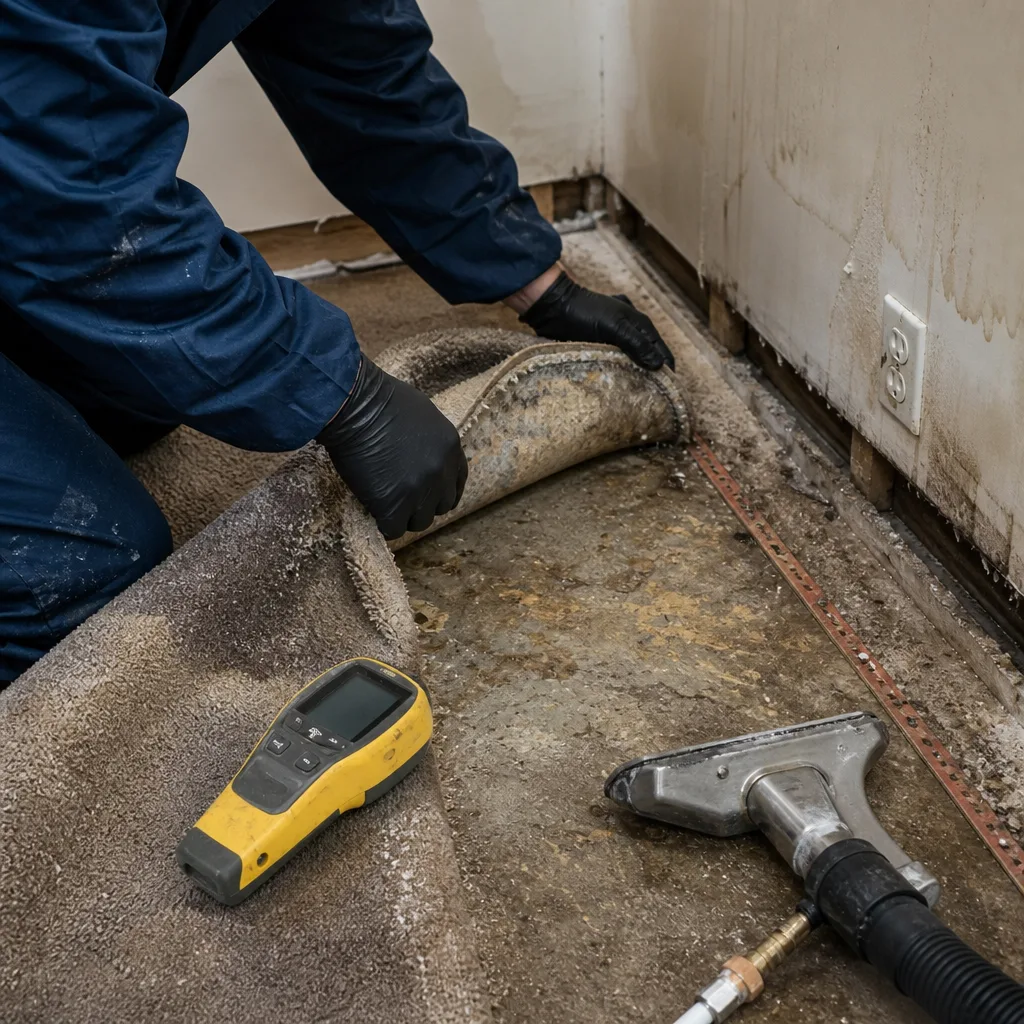
The 10-foot perimeter zone is critical in Fallbrook’s clay soils because capillary moisture migration in compacted clay can extend 8 to 12 feet horizontally from a surface water source. A puddle that appears harmless at 9 feet from the foundation is actively saturating the soil beneath the slab edge. We use moisture meters with probe attachments to document sub-surface moisture content at 6-inch and 12-inch depths; readings above 20 percent moisture content by weight at 12 inches indicate active water migration toward the foundation.
Homes in the Reche Road corridor and along the lower reaches of the Santa Margarita River have additional vulnerability: alluvial soils with clay lenses that create perched water tables. These properties may show no surface water but experience hydrostatic pressure from subsurface flow. In these locations, we recommend annual inspection of sump pump function before January, with a documented pump test that records flow rate and discharge distance.
Post-Rain Drying Assessment: April to May
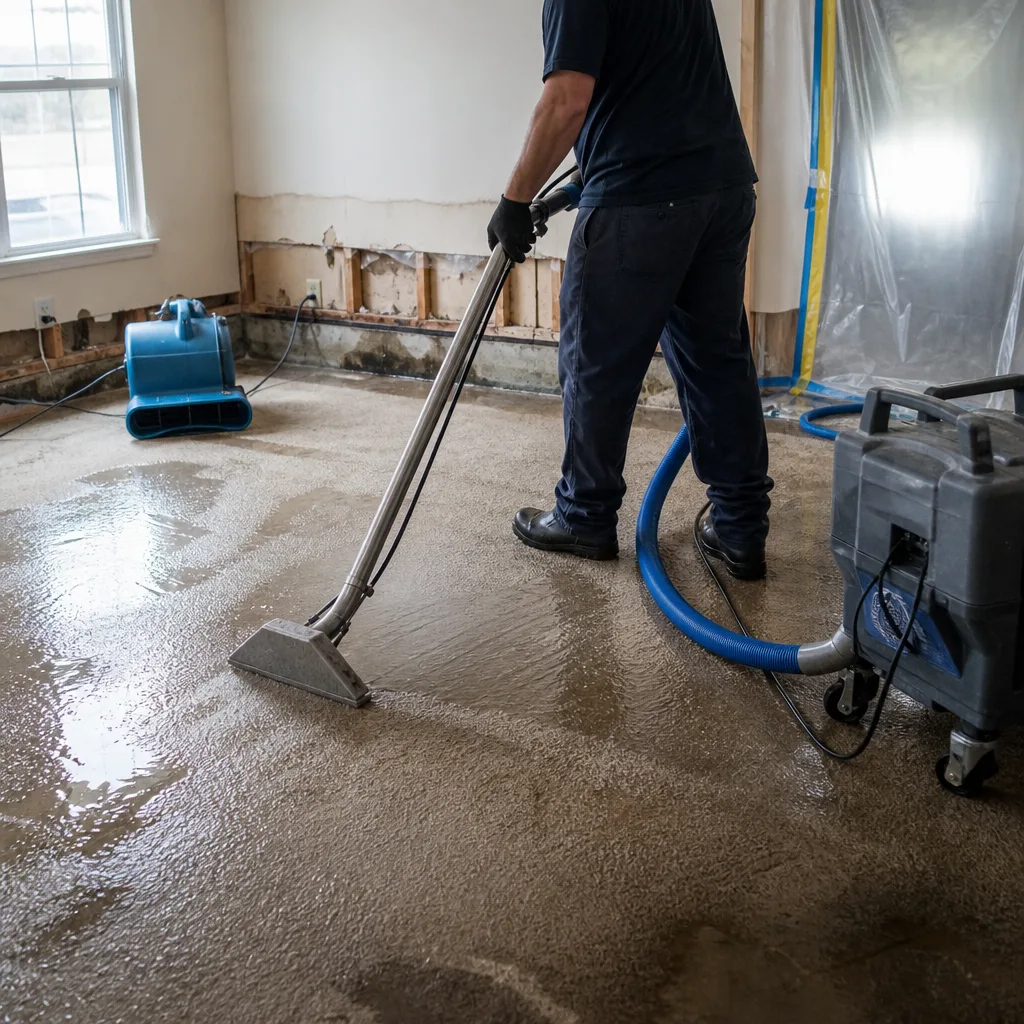
By April, most Fallbrook homeowners have shifted attention to spring projects. This is precisely when residual moisture from winter rains activates the damage that becomes visible in summer: mold amplification in wall cavities, wood decay in sill plates, and foundation settlement as clay soils dry unevenly.
The post-rain assessment is a drying verification, not a damage search. Its purpose is to confirm that materials that absorbed moisture during winter have returned to equilibrium moisture content before warm temperatures accelerate biological activity.
Post-Rain Moisture Verification Protocol
- Attic moisture mapping: Inspect attic sheathing and rafters for staining, then verify with a pin-type moisture meter. Wood moisture content above 16 percent indicates incomplete drying and elevated mold risk. In Fallbrook’s climate, attic moisture content should reach 10 to 12 percent by late April.
- Crawl space or slab perimeter inspection: Check for efflorescence on foundation walls, musty odors, or visible mold on framing. Even slab-on-grade construction in Fallbrook often has perimeter footings with exposed stem walls that wick moisture from saturated soil.
- Exterior wall cavity probing: At windows and doors where wind-driven rain may have penetrated, remove outlet cover plates and inspect cavity conditions with a borescope camera. Rust on electrical box screws or insulation discoloration indicates historical moisture entry.
- HVAC condensate and duct inspection: Verify that condensate drains flow freely and duct insulation remains dry. Systems that ran in heating mode through winter may have accumulated moisture at cool duct surfaces that becomes apparent when cooling starts.
We document many mold remediation in Fallbrook claims that originate in April and May, when homeowners first notice musty odors or surface mold. In most cases, the moisture source was a winter rain event that introduced water into a wall cavity or subfloor space, where it remained through March. The mold growth that becomes visible in April started in February. Early detection through systematic moisture verification prevents the extensive remediation that delayed intervention requires.
For properties with documented winter moisture intrusion, we recommend professional drying verification using psychrometric data, the measurement of air temperature, relative humidity, and vapor pressure that determines whether materials are actually dry or merely surface-dry. Surface dryness is not sufficient; vapor pressure differential between wall cavities and ambient air drives hidden moisture migration that sustains mold growth. Professional-grade drying systems from Phoenix and B-Air, deployed with moisture sensors and daily logging, document the tertiary drying phase that insurance adjusters require for claim closure.
Summer Dry-Check & Documentation: June to August
Fallbrook’s summer dry season, with daytime temperatures routinely exceeding 85°F and relative humidity dropping below 40 percent, creates conditions that reveal structural vulnerabilities invisible in other seasons. Clay soil contraction, thermal expansion of roofing materials, and the first sustained HVAC operation since winter all stress building systems that moisture may have compromised.
The summer dry-check serves two purposes: identifying damage that winter moisture caused but dry conditions now expose, and completing the annual documentation cycle that establishes your pre-loss condition baseline before the next Santa Ana season begins.
Summer Inspection Focus Areas
- Foundation and slab perimeter: Measure crack widths at locations documented in September. Summer clay shrinkage often widens cracks that winter saturation closed. A crack that cycles between 1/8 inch (winter) and 3/16 inch (summer) indicates active soil movement that requires engineered stabilization, not merely cosmetic repair.
- Roofing thermal stress inspection: Check tile, shingle, and flat roof conditions during peak afternoon temperatures. Thermal expansion can displace previously wind-loosened tiles, and UV-degraded underlayment becomes brittle and prone to fracture. Document with photos from the same angles as your September baseline.
- HVAC system load testing: Run cooling continuously for 24 hours during a hot period and monitor supply air temperature, condensate volume, and any moisture accumulation at duct connections. Systems with compromised condensate drainage or leaking ductwork will show stress under sustained load that intermittent operation masks.
- Exterior envelope seal verification: Check caulking and sealant continuity at maximum thermal expansion. Gaps that open in summer will close in winter, but the cyclic stress degrades adhesion and creates progressive failure. Re-seal any gap exceeding 1/8 inch.
The summer documentation cycle completes your annual photo archive. By photographing the same structural elements from the same angles in June or July, you create a timestamped condition record that pre-dates the coming Santa Ana season. If wind or rain damage occurs in the following cycle, this archive provides the pre-loss evidence that insurance carriers require for coverage verification.
In Fallbrook’s warmer microclimates, particularly the south-facing slopes below Mount Olympus and the exposed ridges above Mission Road, summer heat can accelerate degradation of previously moisture-compromised materials. Wood rot organisms that established in winter may progress rapidly in warm, initially dry conditions before moisture returns. Tap-test suspect framing members with a screwdriver handle; the dull, hollow sound of decayed wood differs distinctly from solid lumber. Document locations for professional evaluation.
Building Your Seasonal Photo Archive
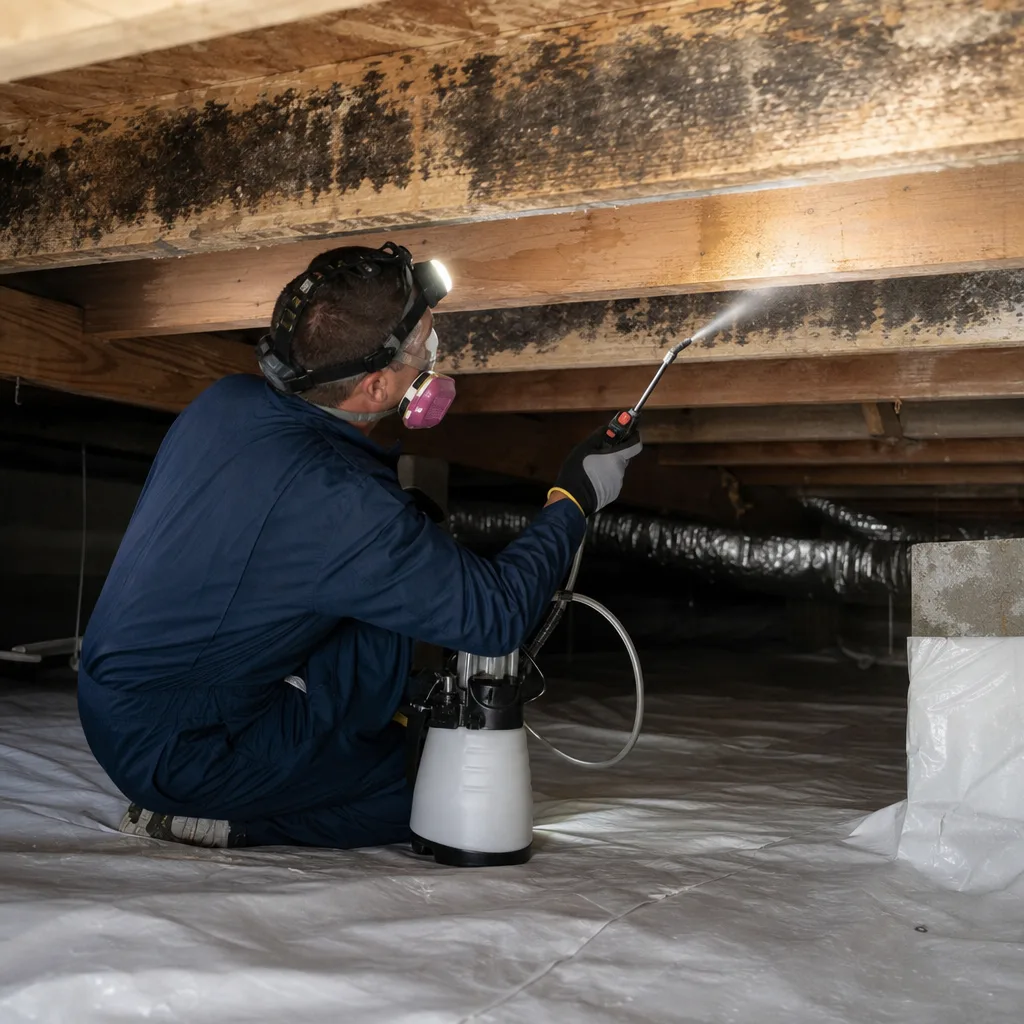
The photo archive is not a convenience. In our experience with 12,000+ homes restored since 2011, the claims that resolve fastest and most completely are those with documented pre-loss condition. Adjusters facing disputed causation questions default to the policyholder with dated, consistent photographic evidence. The seasonal inspection cycle described in this guide produces that evidence as a byproduct of routine maintenance.
Archive Structure and Standards
- Fixed camera positions: Establish 8 to 12 standard photograph locations per property: four corners of the exterior at oblique angle to show walls and roof; one straight-on elevation of each facade; attic access point showing ventilation components; garage interior showing slab and water heater location; any prior damage or repair areas. Mark ground positions with landscape features or temporary markers.
- Consistent date protocol: Photograph each position within the same two-week window annually. We recommend the third week of September (pre-Santa Ana), the first week of January (mid-rainy season, for active conditions), and the second week of June (summer dry-check). Set calendar reminders.
- Metadata preservation: Ensure camera date-time settings are accurate and location services record GPS coordinates. Copy files to cloud storage with folder naming: PropertyAddress_YYYY_MM_Position. Do not rely on social media uploads, which strip metadata.
- Written condition log: Accompany photos with a brief text note: “North ridge vent intact, sealant continuous, no debris.” This contemporaneous documentation carries more weight than later recollection.
The Haven Standard requires that DryMark Restoration Fallbrook document every job with a photo record on every visit. We extend this standard to our advisory relationship with Fallbrook homeowners. Bring your seasonal archive to any estimate consultation; we will review it at no charge and identify conditions that warrant preventive action. This review is not a sales opportunity; it is documentation verification, the same service we provide adjusters reviewing our restoration claims.
For homeowners in Fallbrook’s post-fire watershed zones, the archive should include additional documentation: downslope drainage paths, catch basin conditions, and any sediment accumulation after rain events. The Lilac Fire burn scar continues to produce sediment loads that exceed pre-fire drainage design capacity. A photo sequence showing progressive catch basin sedimentation establishes the maintenance burden that justifies drainage system upgrades and supports insurance claims when systems fail under extraordinary load.
Common Mistakes to Avoid
- Waiting for visible water to inspect: By the time stains appear on drywall or baseboards, water has typically been present in wall cavities for 30 to 90 days. The inspection that prevents major damage happens before any visible sign, not after.
- Treating all Fallbrook properties with the same protocol: A home on sandy loam in the Mission Road corridor faces fundamentally different drainage behavior than a clay-soil property in De Luz. Soil type determines inspection priority, not geography alone.
- Photographing without measuring: Photos without scale references or quantitative data, crack widths, moisture meter readings, standing water depth, provide limited evidentiary value. Include a ruler, coin, or calibrated gauge in every documentation photo.
- Ignoring the Santa Ana wind phase: Many homeowners focus entirely on rainy season preparation, missing the wind damage that creates entry points. The October ridge vent inspection prevents the January wall cavity claim.
- Discarding old photos when repairs are made: Pre-repair photos document original construction methods and concealed conditions that may affect future claims. Maintain archive continuity across repair cycles with dated before-and-after sequences.
- Assuming burn scar effects are temporary: In Fallbrook’s Lilac Fire watershed, altered hydrology persists for years. Properties that showed no drainage problems before 2017 may experience sustained changes in runoff patterns. Annual documentation reveals trends that single-season observation misses.
When to Call a Professional
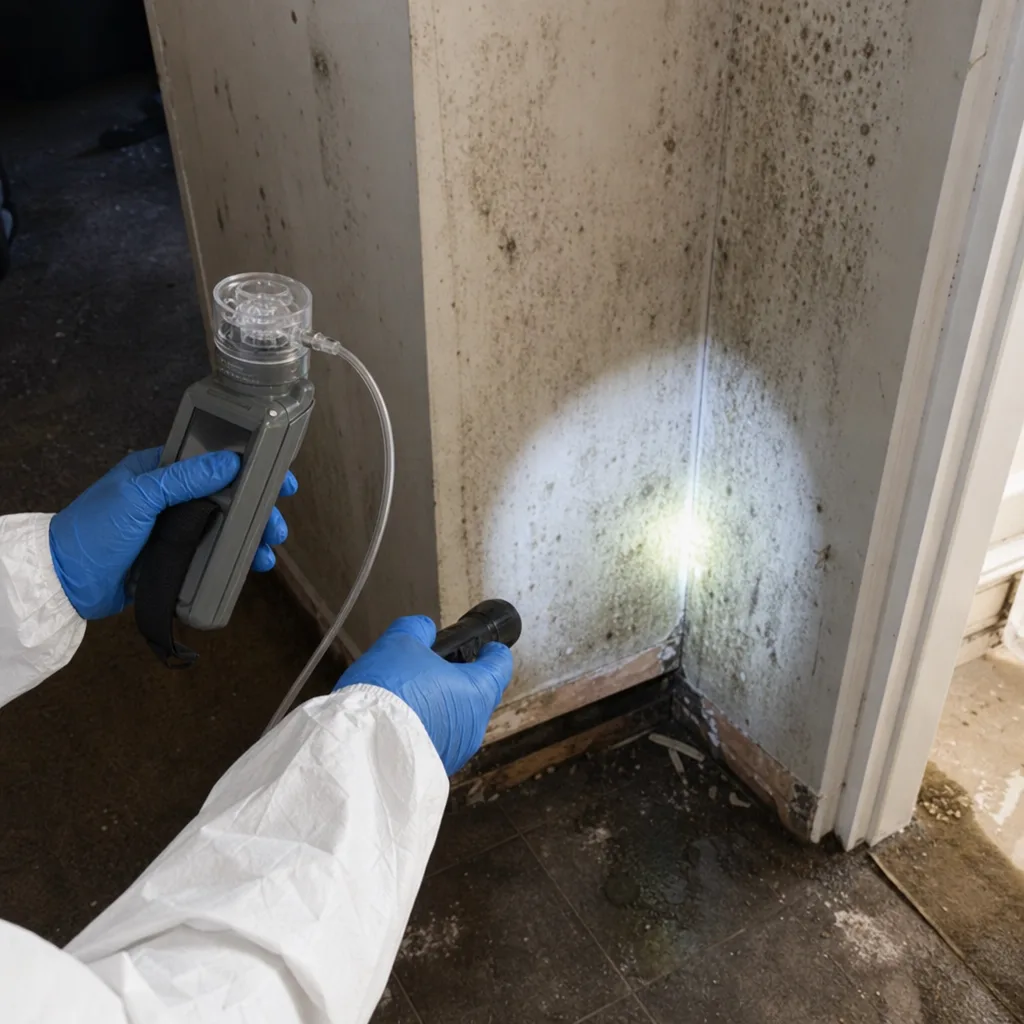
Some conditions require professional assessment regardless of homeowner capability. Active water intrusion during a rain event, visible mold growth exceeding 10 square feet, structural cracks that widen measurably within a single season, or any condition where insurance coverage may apply, these scenarios benefit from documented professional evaluation.
DryMark Restoration Fallbrook offers free estimates in Fallbrook. Our assessment includes moisture mapping with documented readings, a written scope of any recommended work with price, and a photo record of conditions observed. All work is quoted in writing before it begins, with no exceptions, Haven Standard, Clause 1. We provide a Free Second Opinion on any competitor’s written estimate at no charge. Call (760) 421-5658 to schedule.
Frequently Asked Questions
Professional moisture and structural inspection in Fallbrook typically ranges from $250 to $600 for a single-family residence, depending on property size, accessibility, and the scope of documentation required. See our Damage Restoration Cost Breakdown: The Fallbrook Homeowner’s Reference for 2026 for detailed pricing factors. DryMark Restoration Fallbrook provides free estimates that include moisture mapping, photo documentation, and a written condition assessment. Call (760) 421-5658 to schedule, estimates are free.
Most standard homeowners policies cover sudden, accidental wind-driven rain damage but exclude damage from maintenance-related conditions such as deteriorated sealant or pre-existing cracks. Coverage determination depends on documented causation: your dated photo archive showing intact conditions before the wind event and new damage afterward supports covered loss classification. We coordinate directly with adjusters and provide the documented photo record and drying logs that facilitate claim approval. Call (760) 421-5658 if you are filing or disputing a claim.
For active water intrusion, DryMark Restoration Fallbrook maintains live phone coverage 24 hours a day, 7 days a week with no voicemail on emergency lines. Dispatch response depends on current event volume and your location within our Fallbrook service area; we provide an estimated arrival window when you call. For non-emergency assessments, we typically schedule within 48 hours. Reconstruction and rebuild work is scoped, scheduled, and priced in writing like any remodel, not dispatched for same-day service. Call (760) 421-5658 for current availability.
Musty odor indicates active microbial growth, which requires source elimination, not surface cleaning alone. Professional assessment determines whether the growth is accessible and limited, suitable for contained remediation, or whether it has spread through HVAC systems or wall cavities, requiring more extensive scope. We provide moisture readings and a written scope before recommending any work, Haven Standard, Clause 1. A Free Second Opinion on any competitor’s written estimate is available at no charge. Call (760) 421-5658.
Water standing within 10 feet of your foundation for more than 4 hours after rain stops indicates inadequate drainage that warrants corrective action. In Fallbrook’s clay soils, shorter durations may still indicate risk if water reaches the foundation perimeter. Document depth and duration with time-stamped photos; this record supports both insurance claims and contractor scope development if professional grading or drainage installation becomes necessary. Call (760) 421-5658 for documented assessment.
DryMark Restoration Fallbrook coordinates directly with adjusters as a standard service, not an upsell. We provide the documented photo record, daily drying logs with psychrometric data, and written scope that adjusters require for claim processing. Our documentation protocols follow IICRC and RIA standards, producing the evidence-based claim files that resolve without dispute. Alicia Brennan founded the company in 2011 specifically to address the documentation gap that costs homeowners their claims. Call (760) 421-5658 to discuss your claim status.
The Bottom Line
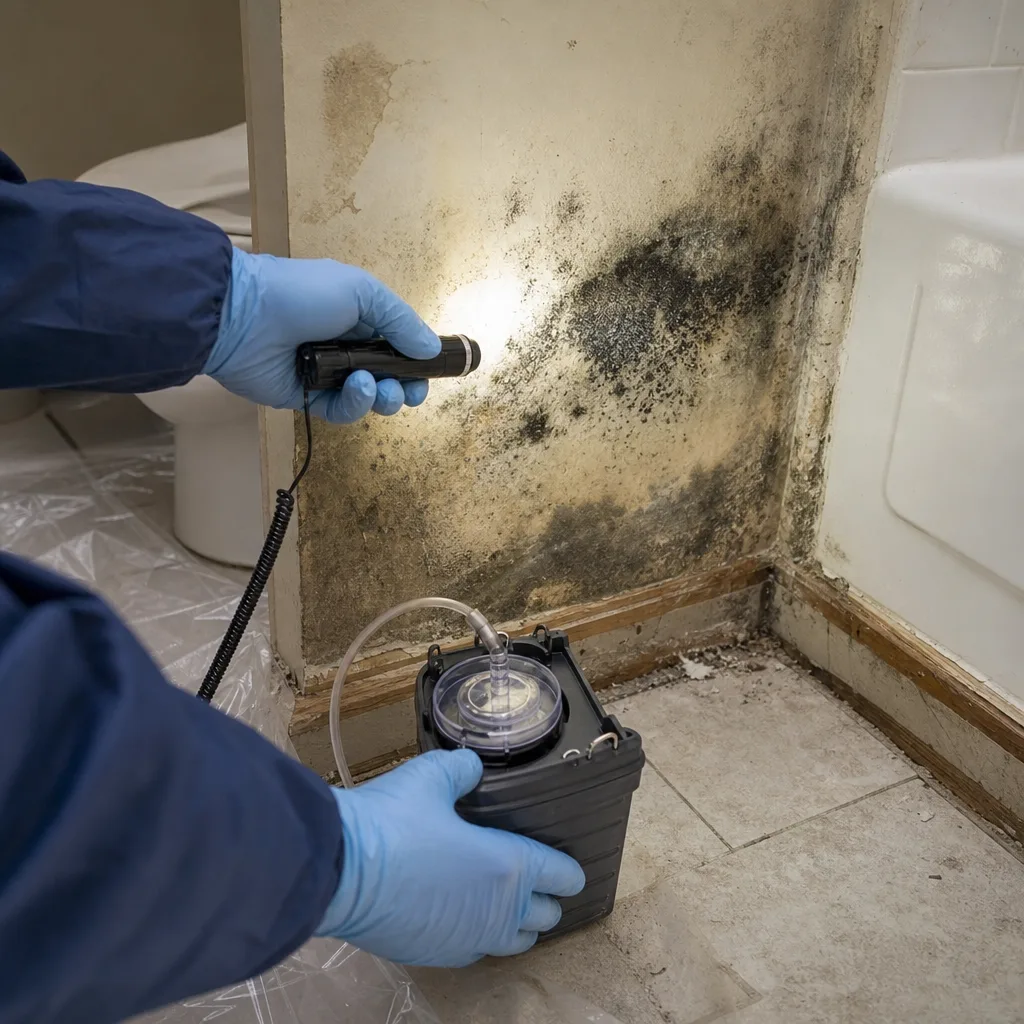
Fallbrook’s damage risk follows a five-phase calendar that begins with Santa Ana wind preparation in September, continues through active wind monitoring, clay-soil rainy season management, post-rain drying verification, and summer documentation completion. The Lilac Fire watershed alteration means some properties face persistent drainage changes that require ongoing attention. The seasonal photo archive, maintained with consistent positions, dates, and measurements, transforms routine maintenance into pre-loss documentation that insurance claims require. Professional assessment with documented moisture readings and written scope, provided before any work begins, separates preventable damage from covered loss. Explore more guides & resources on protecting your Fallbrook property year-round. The investment is time and systematic attention; the return is claim documentation that protects your property investment.
Written by Alicia Brennan, Owner at DryMark Restoration Fallbrook, serving Fallbrook since 2011.