
Last updated September 23, 2026
Free visual inspection and a written scope of work before any mitigation begins - photos, moisture readings, and drying logs go in your claim file
The scope we write is the scope we bill. Anything new gets shown to you, in writing, before we touch it.
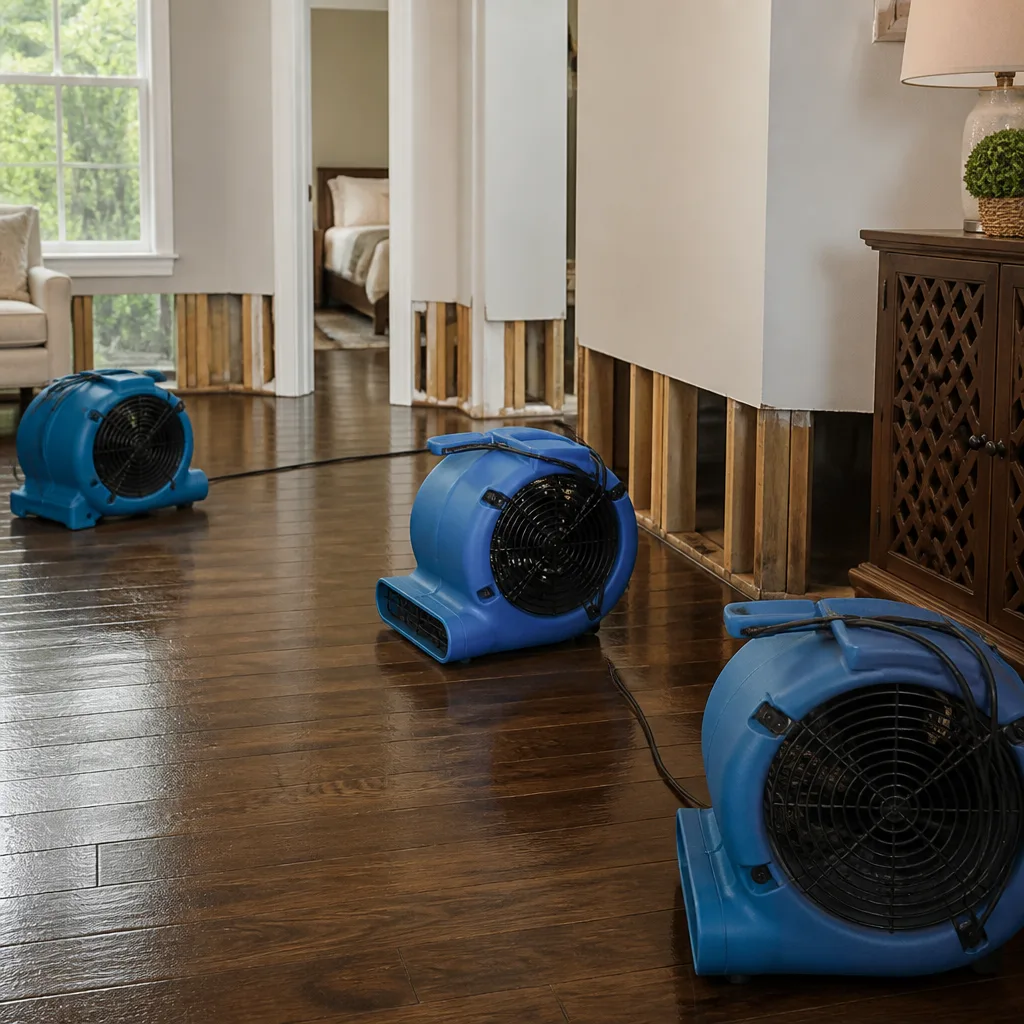
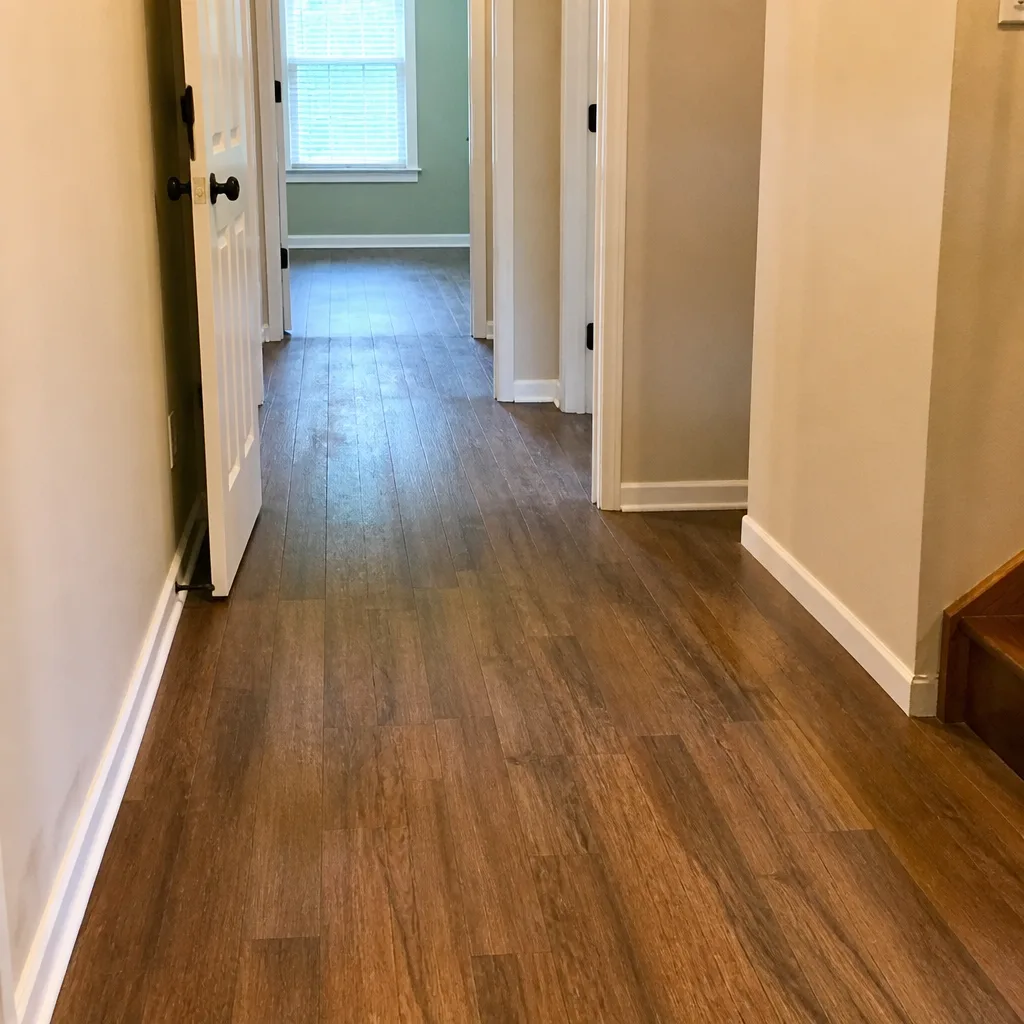
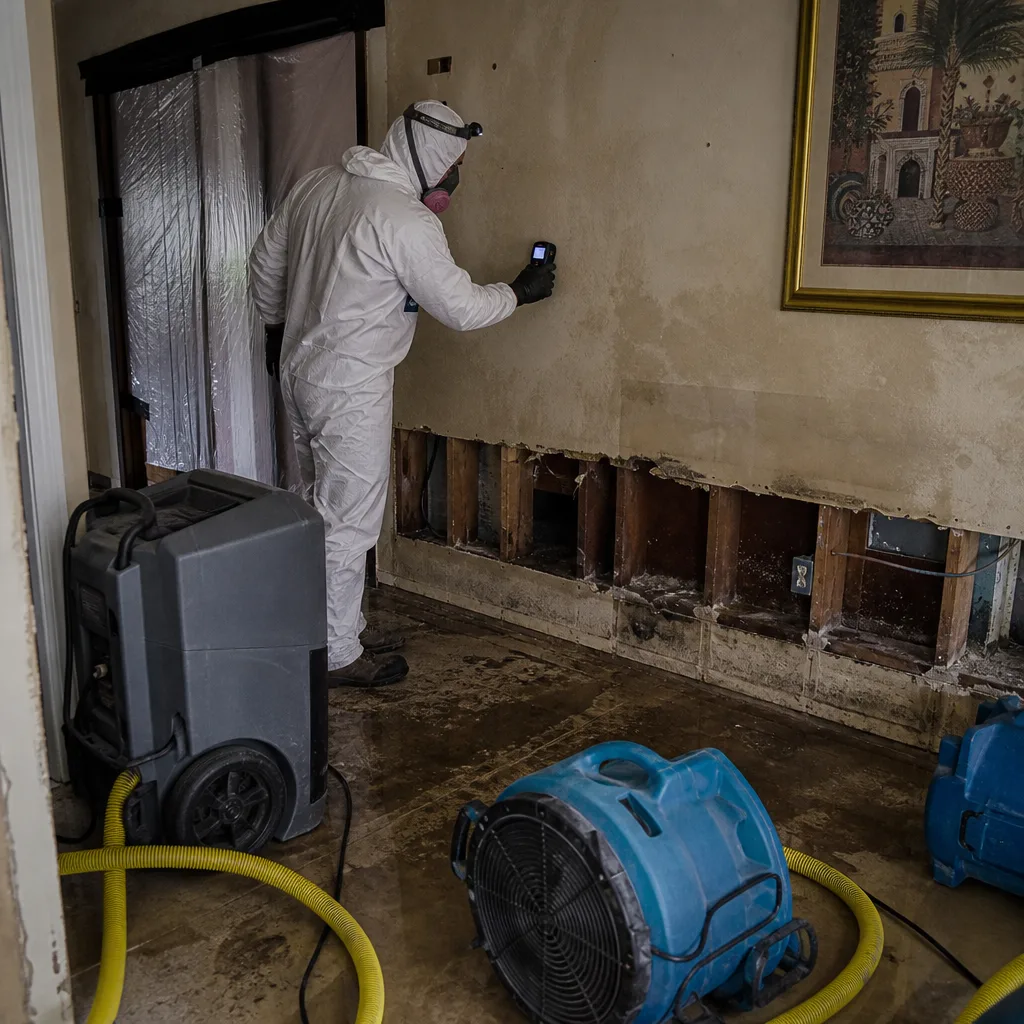 Before
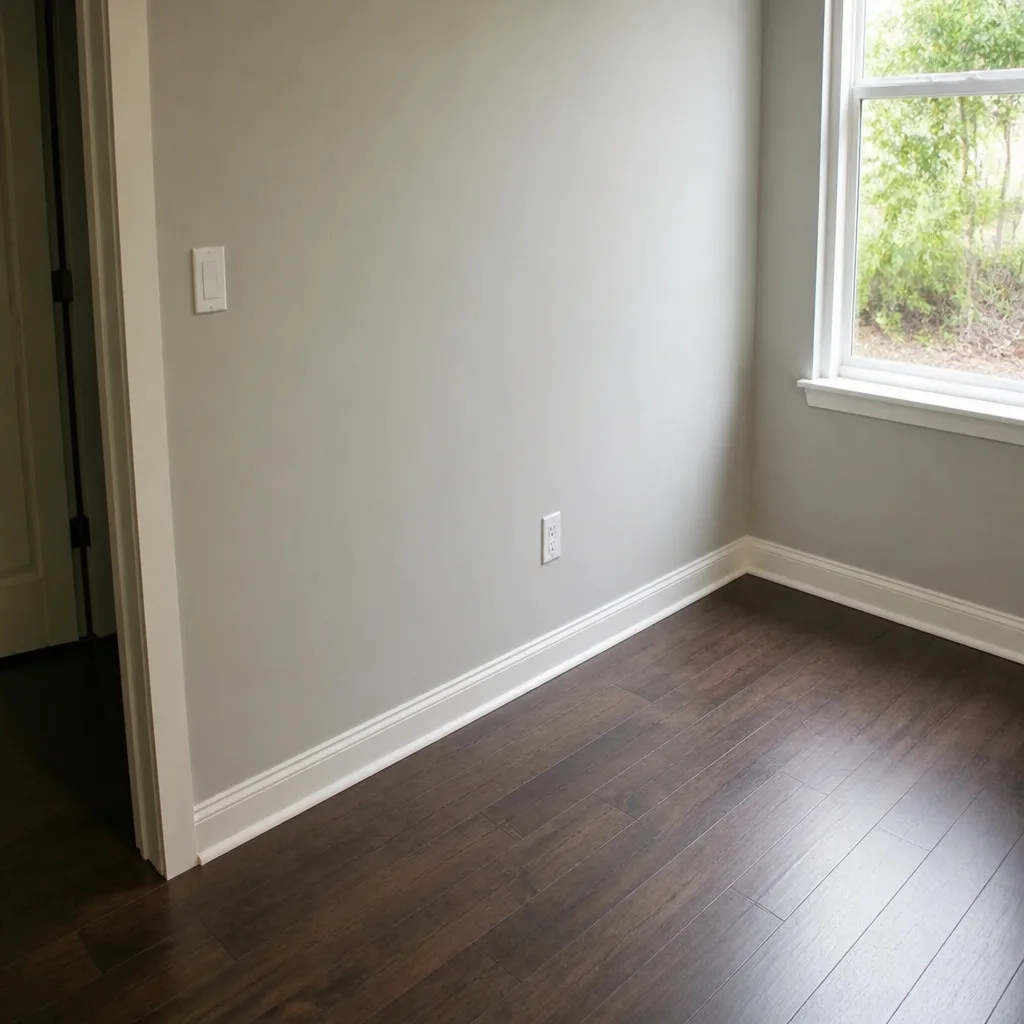 After
After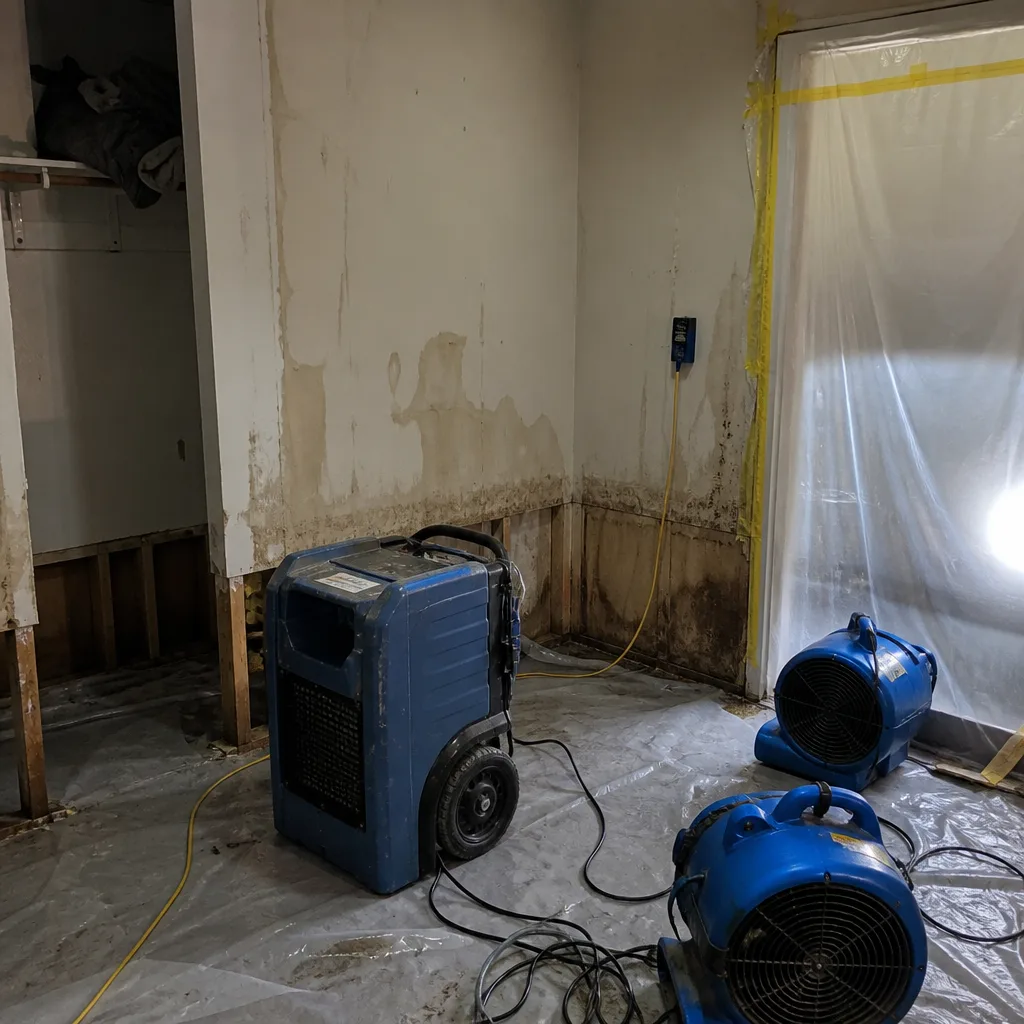 Before
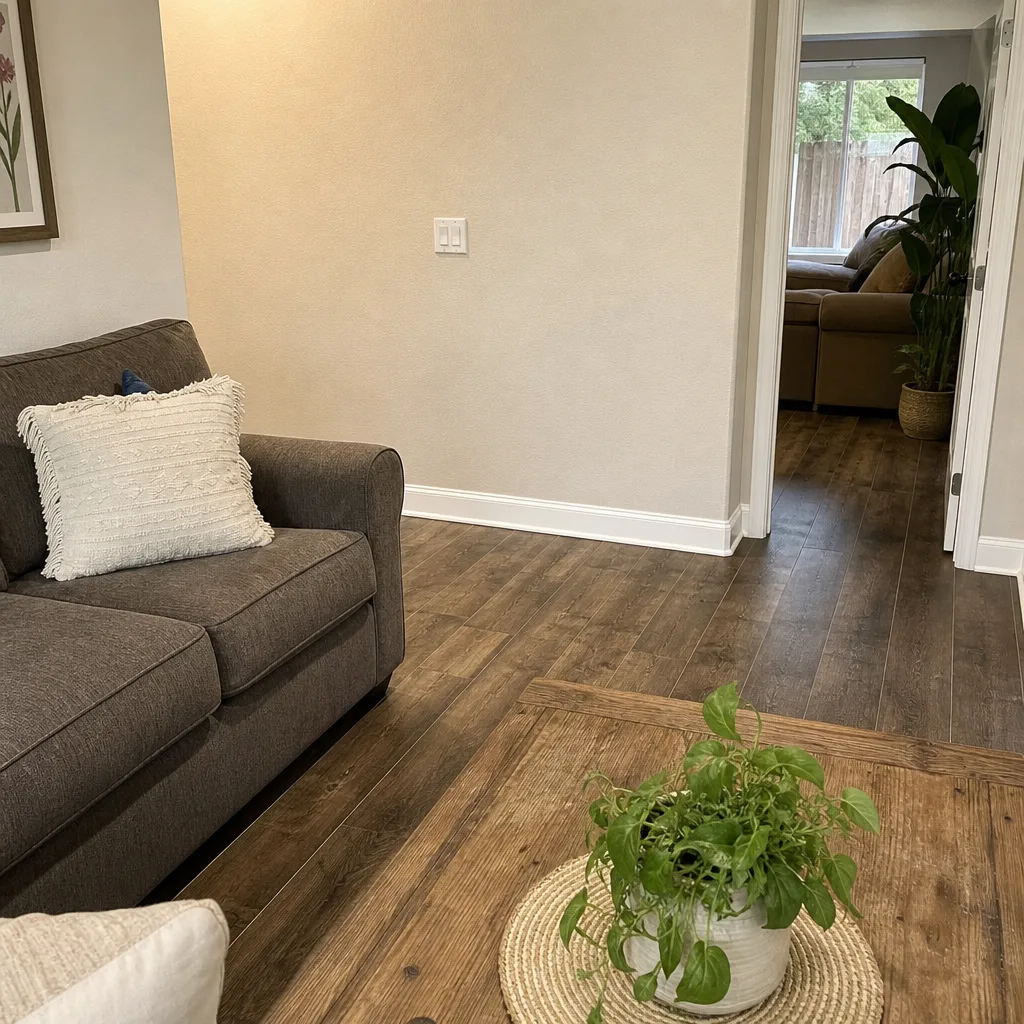 After
After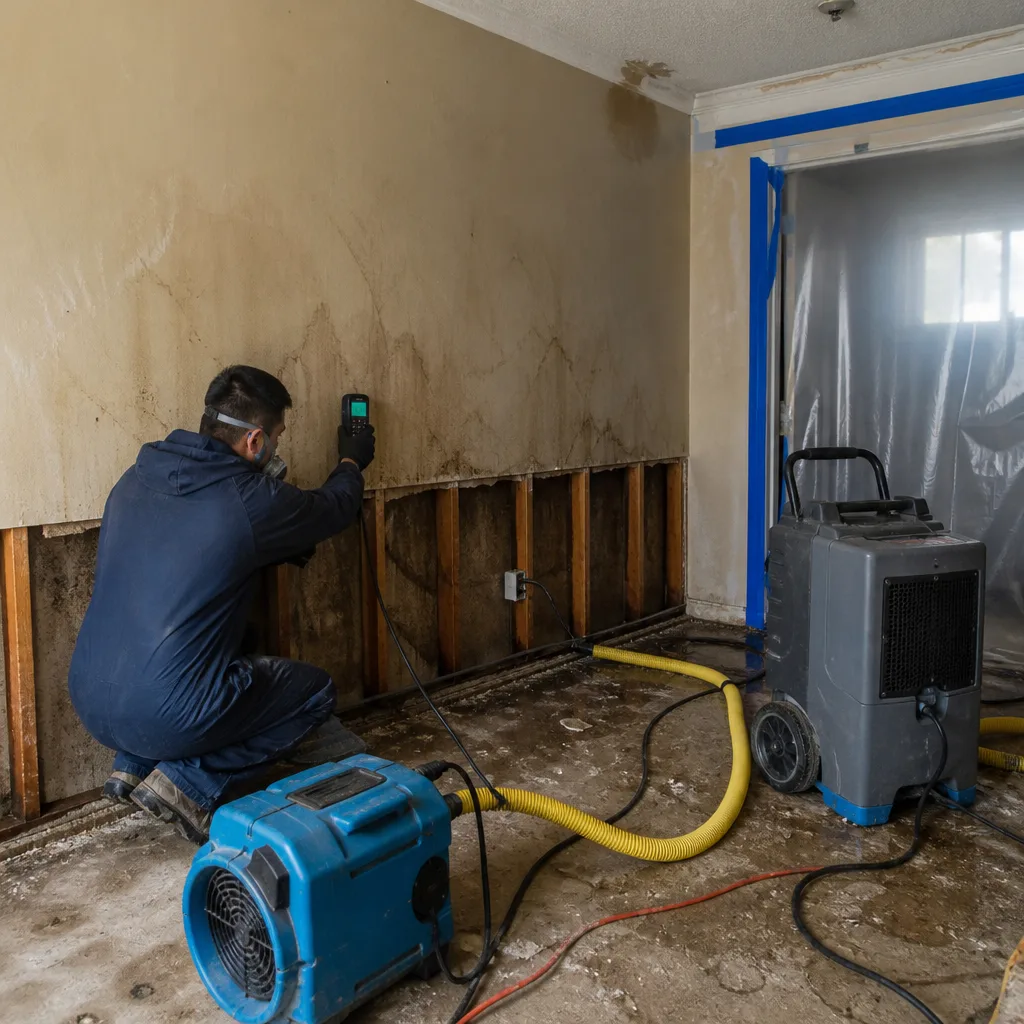 Before
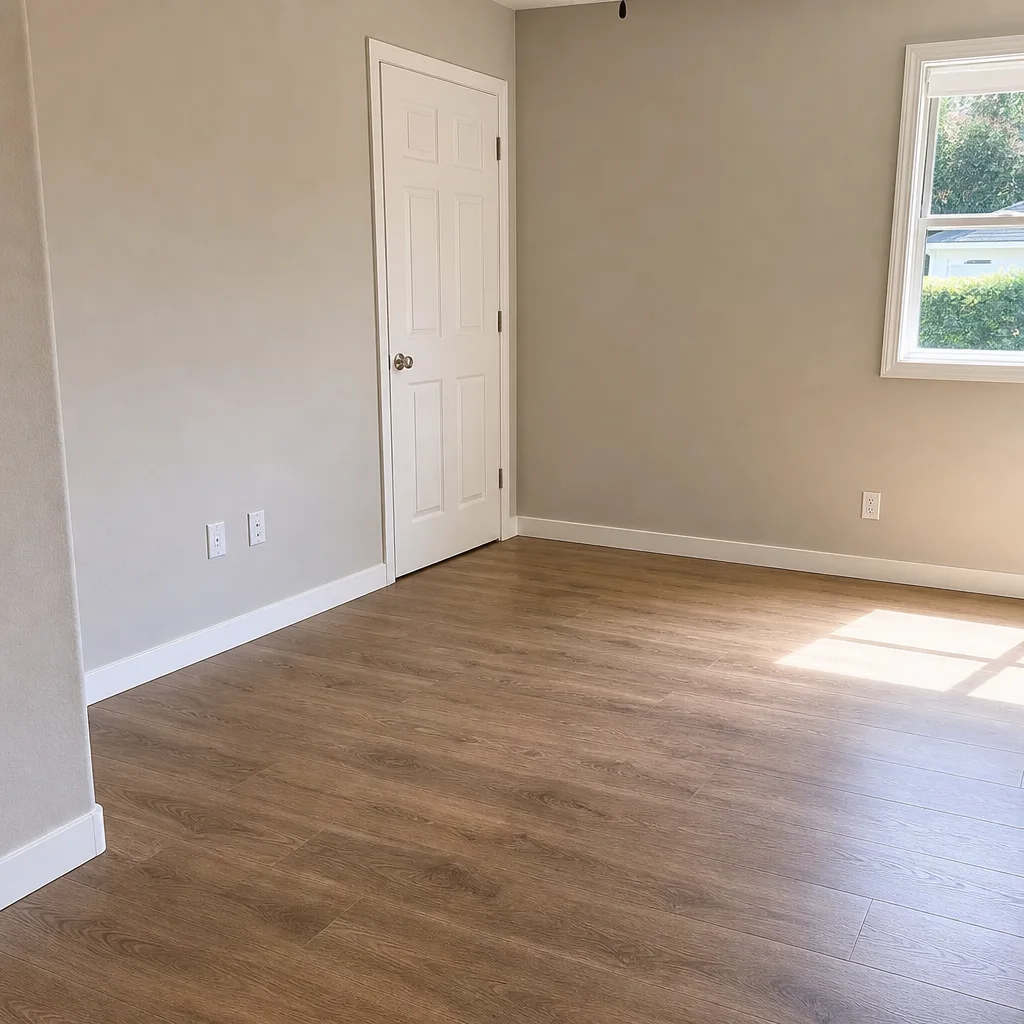 After
AfterDIY vs Professional Damage Restoration: The Fallbrook Homeowner’s Decision Guide
Here’s a scenario we’ve documented dozens of times: a Fallbrook homeowner rents three air movers and a dehumidifier from a big-box store, spends a weekend drying a flooded bathroom, and the room looks perfect. Six months later, mold appears behind the vanity. The insurance claim is denied. Why? No baseline moisture reading, no daily psychrometric log, no dated photo record, and no final clearance documentation. The adjuster is not obligated to pay for damage that cannot be proven to have originated from the covered loss. In this guide, we’ll show you exactly where DIY restoration succeeds, where it fails catastrophically, and how to make the decision based on documentation requirements rather than confidence in your own skills. For more guides & resources on protecting your Fallbrook home, explore our blog.
Quick Answer
DIY damage restoration is appropriate only for Category 1 water losses under 25 square feet with no cavity saturation, provided you photograph everything before starting and accept that your insurance claim may be disputed without professional documentation. For all other scenarios in Fallbrook, including any gray or black water, mold over 10 square feet, or fire and smoke damage, hiring a professional damage restoration contractor is required for both health-code compliance and insurance recoverability.
Table of Contents
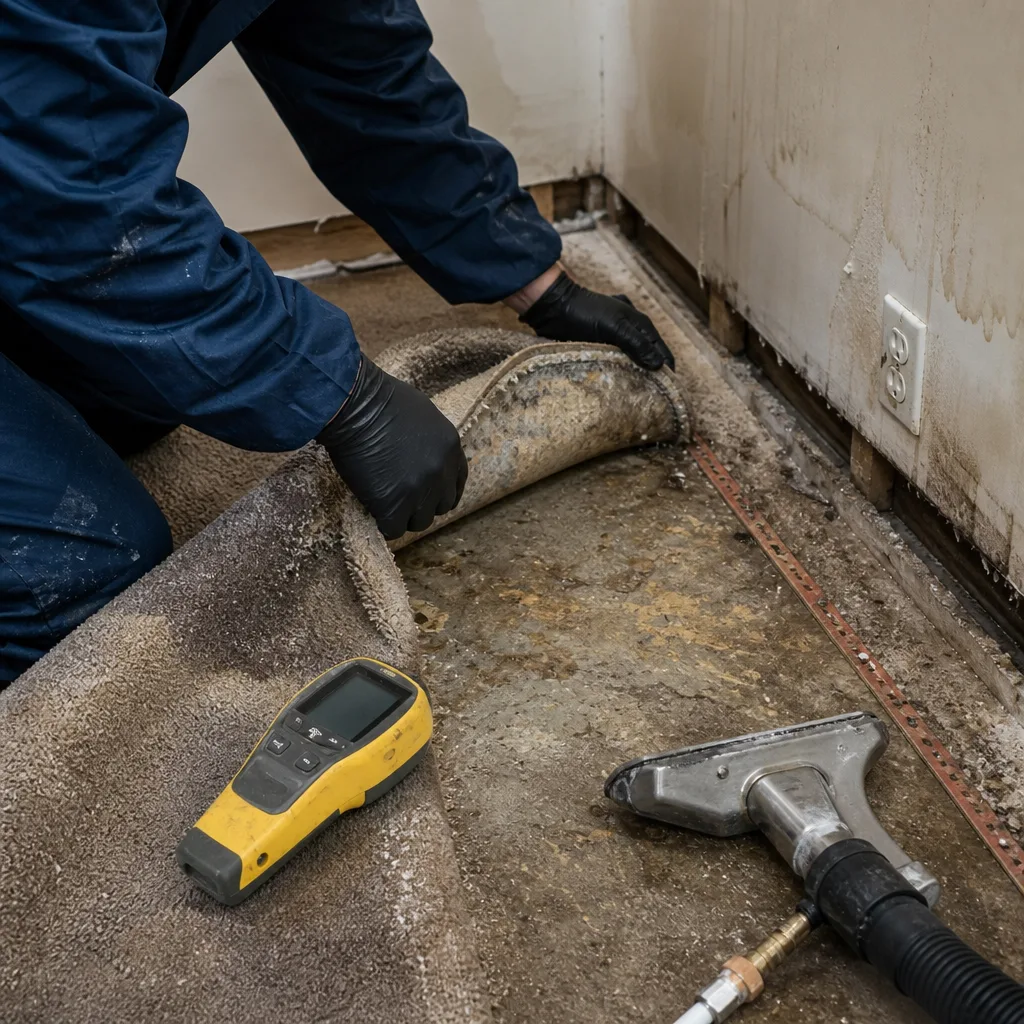
- The Documentation Gap: Why DIY Fails at Insurance
- Three Measurable Criteria for DIY Eligibility
- What Homeowners Can Safely Do Themselves
- Legal and Health Thresholds That Rule Out DIY
- The True Cost of a Failed DIY Attempt
- What Professional Documentation Actually Includes
- How to Evaluate a Restoration Contractor’s Documentation
- Fallbrook-Specific Considerations
BeforeAfterThe Documentation Gap: Why DIY Fails at Insurance
The central misconception about DIY restoration is that it’s a question of capability. Most homeowners can operate a wet-vac, position fans, and remove damaged drywall. The real question is whether the resulting documentation will satisfy an insurance adjuster’s evidentiary standard.
Insurance claims operate on a principle of demonstrable causation. The carrier must verify that the damage being claimed resulted from the covered peril, was mitigated promptly, and was restored to pre-loss condition. Without documentation, the carrier can argue that subsequent damage - mold, structural decay, odor - resulted from inadequate drying rather than the original loss itself. This is not a theoretical risk. We’ve reviewed denied claims where the homeowner’s work was physically adequate but documentation was absent.
The documentation threshold insurers require includes:
- Baseline moisture readings taken before any drying equipment is placed, establishing the severity of the loss at the moment of discovery
- Daily psychrometric logs tracking temperature, relative humidity, and specific humidity to prove the drying environment was controlled
- Equipment placement records showing which machines ran where, for how many hours, and at what settings
- Material moisture content readings taken at standard intervals (typically every 24 hours) until materials return to equilibrium moisture content
- A final clearance reading with dated photo documentation proving pre-loss moisture levels were achieved
- A written scope of work with line-item pricing agreed to before work began
Rental equipment from hardware stores does not generate these records automatically. Some dehumidifiers display relative humidity, but this is not psychrometric data. No rental unit produces a daily log stamped with time and date. No rental agreement includes a final clearance protocol. The homeowner who completes the physical work successfully still faces a documentation failure that can cost thousands in uncovered subsequent damage.
At DryMark Restoration Fallbrook home, we built our entire operation around this gap. Alicia Brennan founded the company in 2011 after working as a claims adjuster and repeatedly seeing homeowners lose legitimate claims due to documentation failures they didn’t know existed. The Haven Standard was designed specifically to produce the record that turns a restoration invoice into a payable claim.
Three Measurable Criteria for DIY Eligibility
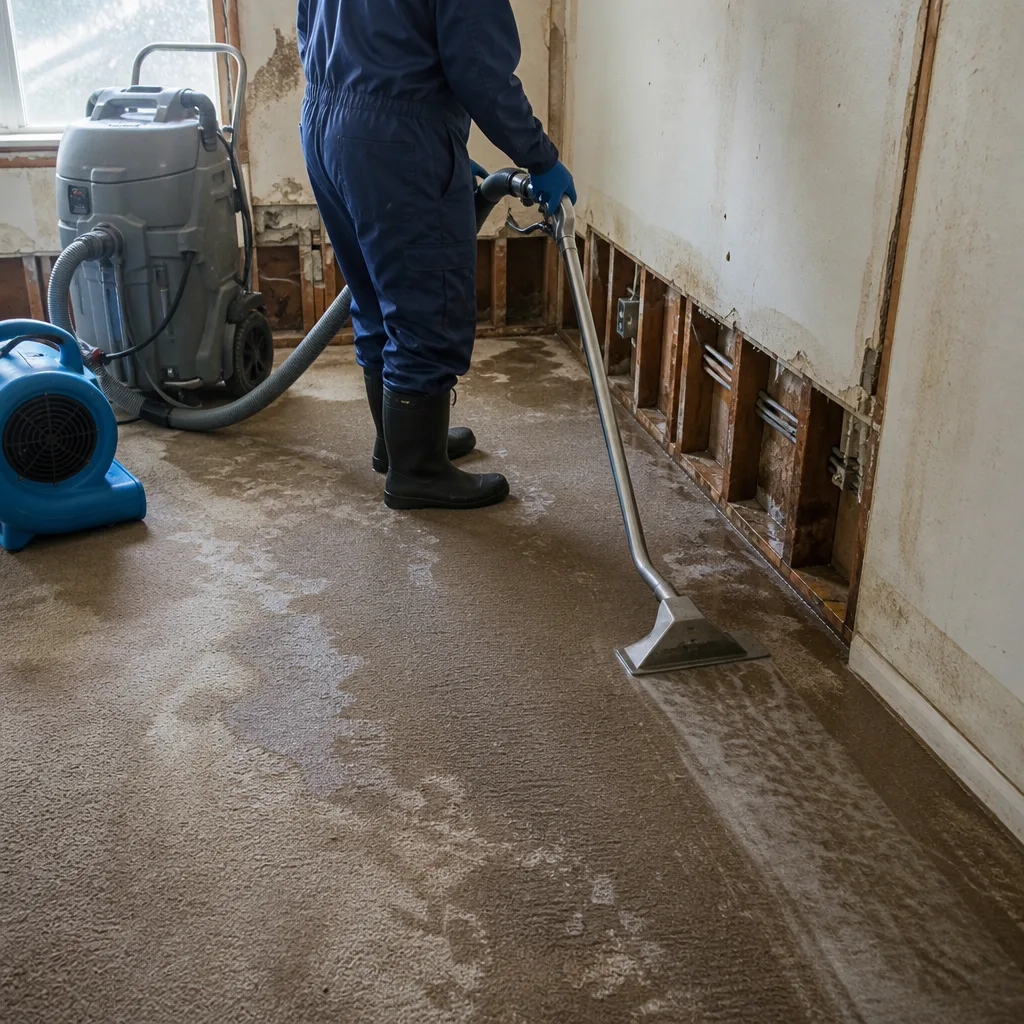
Not every water loss requires professional intervention. We use three measurable criteria to determine whether a homeowner can safely attempt DIY without automatically voiding their insurance position. All three must be met. Missing any one means professional documentation is advisable.
Criterion 1: Confirmed Category 1 Water Source
Water damage is classified by contamination level under IICRC S500 standards. Category 1 is clean water from a broken supply line, sink overflow with no contaminants, or rainwater intrusion. Category 2 is gray water with chemical or biological contamination - dishwasher discharge, washing machine overflow, sump pump failures. Category 3 is black water: sewage, seawater flooding, or any water that has passed through the ground or building envelope.
DIY is only appropriate for confirmed Category 1 losses. Category 2 and 3 losses require professional handling for health-code compliance alone. In Fallbrook, where many homes sit on septic systems rather than municipal sewer, a backed-up drain can escalate from Category 2 to Category 3 rapidly. If you cannot confirm the water source with certainty, assume it is not Category 1.
Criterion 2: Affected Area Under 25 Square Feet
This measurement refers to the wetted surface area, not the room size. A bathroom flood that covers 30 square feet of tile but only wets 15 square feet of drywall and baseboard meets this criterion. A kitchen leak that runs under cabinets, saturates subfloor, and wicks up wall cavities does not, even if the visible water spot is small.
The 25-square-foot threshold matters because larger areas require equipment capacity and placement strategy that rental units typically cannot provide. Professional drying systems from Dri-Eaz, Phoenix, and B-Air are sized to specific air-volume calculations. A homeowner guessing at equipment placement often creates microclimates - areas that dry too slowly or too fast, causing secondary damage.
Criterion 3: No Cavity Saturation Above Ambient EMC
Equilibrium moisture content (EMC) is the moisture level a material stabilizes at given the surrounding temperature and humidity. In Fallbrook’s coastal-influenced climate, ambient EMC for wood framing typically runs 10-12%. If wall cavities, subfloor, or structural materials are saturated above this level, professional drying with cavity injection systems like Injectidry is required.
Detecting cavity saturation requires a pinless moisture meter with depth-sensing capability, not the surface-only meters commonly available for rent. Without this reading, a homeowner cannot know whether criterion 3 is met. If you do not own or cannot rent a depth-sensing meter, you cannot verify this criterion and should default to professional assessment.
When all three criteria are met, DIY is a legitimate option. When any criterion is unmet or unverifiable, the documentation risk outweighs the cost savings.
What Homeowners Can Safely Do Themselves
Even when professional restoration is ultimately required, there are specific actions homeowners can take immediately after discovery that improve outcomes without compromising their claim position. These actions are universally safe and, when documented properly, support rather than undermine the professional record.
- Photograph and video the loss scene before touching anything. Take wide shots showing the water source, affected materials, and any visible damage. Then take close-ups of specific wet areas, water lines on walls, and damaged contents. Include a timestamp method - newspaper date, phone timestamp, or video narration stating date and time. This creates the baseline record that even professionals will need.
- Extract standing water with a wet-vac or pump. Removing bulk water reduces migration and limits the area that requires professional drying. Do not move furniture into dry areas without photographing its original position first. Insurers have denied contents claims where the homeowner’s mitigation efforts obscured the original damage pattern.
- Remove portable contents from the affected area. Wet textiles, rugs, and movable furniture should be taken to a dry location. Photograph each item before moving it. If an item is already damaged, photograph the damage specifically. This prevents the adjuster from claiming pre-existing condition.
- Increase ventilation if outdoor conditions permit. In Fallbrook’s dry summer months, opening windows can reduce humidity. In winter or during Santa Ana wind conditions, outdoor air may be too dry or too dusty - use judgment. Never direct fans directly at microbial growth, as this disperses spores.
- Call your insurance carrier to report the loss. Do not delay reporting to attempt DIY first. Most policies require prompt notice, and delayed reporting can be grounds for denial regardless of the quality of your mitigation efforts.
These five steps position the homeowner as a responsible policyholder who took reasonable immediate action while preserving the documentation chain. They do not replace professional drying, but they do not harm the claim position either.
What homeowners should not do: cut drywall without photographing the cut line and the cavity behind it; apply bleach to mold (this masks the problem without eliminating it and can damage materials); discard damaged materials before the adjuster inspects them; or sign any release or settlement before the full scope of damage is documented. Water damage restoration in Fallbrook requires specific documentation protocols that DIY efforts rarely satisfy.
Legal and Health Thresholds That Rule Out DIY
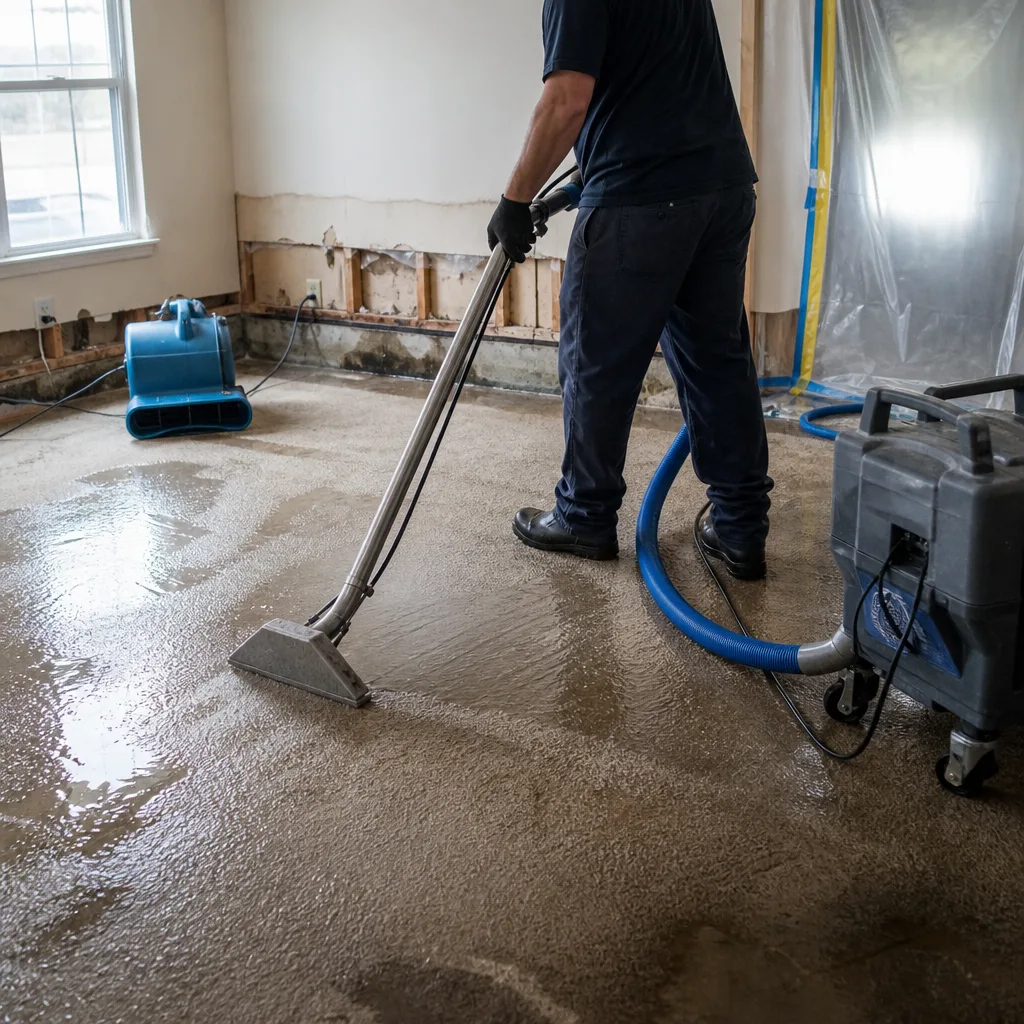
Certain damage scenarios are categorically inadvisable for DIY handling due to legal liability, health code requirements, or both. These are not judgment calls. They are thresholds established by regulation or professional consensus that homeowners ignore at significant risk.
Category 2 or 3 Water Losses
Any water containing chemical, biological, or pathogenic contamination requires professional handling under Cal/OSHA and IICRC standards. Category 2 water can become Category 3 if left untreated for 48 hours. In Fallbrook’s warm climate, this transition often occurs faster than homeowners expect. Professional restoration includes antimicrobial application, controlled demolition with containment, and proper disposal documentation that DIY cannot replicate.
Structures Built Before 1981
California regulations presume asbestos-containing materials (ACMs) in buildings constructed before 1981. Disturbing drywall, joint compound, flooring, or insulation in these structures without testing and abatement protocol can create federal and state liability. A homeowner who removes water-damaged drywall from a 1975 Fallbrook ranch house without ACM testing has potentially violated EPA NESHAP regulations and created a personal liability exposure that insurance will not cover.
Visible Mold Exceeding 10 Square Feet
Cal/OSHA establishes 10 square feet of visible mold growth as the threshold requiring professional remediation with containment, negative air pressure, and worker protection. This is not a suggestion. Homeowners who attempt larger mold removals without these controls spread spores throughout the HVAC system and create cross-contamination that multiplies remediation costs. At mold remediation in Fallbrook, we regularly encounter DIY attempts that expanded a contained 15-square-foot colony into whole-house contamination.
Fire and Smoke Damage
Smoke damage involves acid residues that continue degrading surfaces until chemically neutralized. DIY cleaning methods often set these residues permanently. Additionally, fire damage frequently compromises structural elements that require engineering assessment. No homeowner should attempt structural evaluation or smoke residue treatment without professional training. Fire & smoke damage restoration in Fallbrook requires specialized equipment and documentation for both insurance and safety compliance.
Sewage and Biohazard Losses
These are Category 3 water losses by definition and require bloodborne pathogen training, PPE protocols, and regulated waste disposal. The health risk to untrained individuals is severe, and the liability for improper disposal is criminal in some circumstances.
The True Cost of a Failed DIY Attempt
The financial analysis of DIY versus professional restoration often stops at the equipment rental fee versus the contractor’s invoice. This comparison is incomplete. The relevant calculation includes the probability and cost of subsequent damage, the insurance recoverability of that damage, and the time value of the homeowner’s labor.
In San Diego County, secondary mold remediation following inadequate DIY drying averages $2,800-$7,500. This range reflects containment setup, HEPA air filtration, antimicrobial treatment, controlled removal, and clearance testing. Critically, this cost is rarely covered by insurance when the carrier can demonstrate that the initial drying was inadequate and undocumented.
The mechanism of denial is straightforward. The homeowner’s policy covers damage from the original peril - the pipe break, the storm intrusion - but not damage caused by the homeowner’s own negligence or inadequate mitigation. Without documentation proving that drying met professional standards, the carrier can argue that the mold resulted from the homeowner’s failure to mitigate properly, not from the original water loss. This argument succeeds frequently enough that we treat it as a standard risk.
Additional costs of DIY failure include:
- Extended displacement from the home during secondary remediation
- Replacement of materials that could have been salvaged with proper drying
- Health costs from mold exposure or contaminated water contact
- Legal costs if regulatory violations (asbestos, waste disposal) are discovered
- Increased future premiums due to claim history, even for denied claims
The equipment rental that seemed to save $1,500 can produce a net loss of $5,000-$10,000 when subsequent damage is uncovered and uncovered by insurance. This is not hypothetical. We have documented these outcomes in claims reviews for Fallbrook homeowners who attempted DIY before calling us.
What Professional Documentation Actually Includes
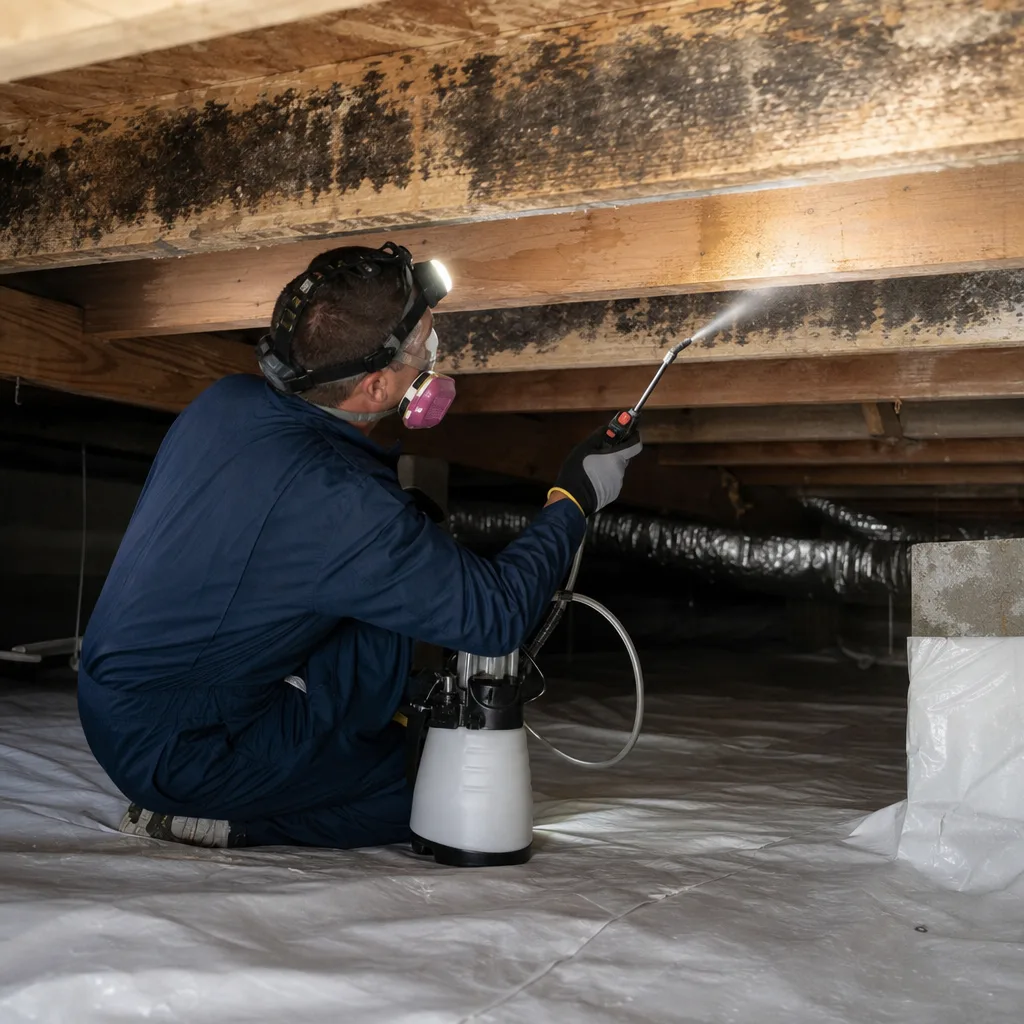
Understanding what professional restoration documentation entails clarifies why DIY cannot replicate it. At DryMark Restoration Fallbrook, every job produces the following deliverables under The Haven Standard:
- Written price before work begins. Haven Standard, Clause 1 requires a line-item scope with fixed pricing signed by both parties before any equipment is placed or material removed. This prevents scope creep and provides the insurer with a pre-established cost basis.
- Baseline moisture assessment. Pin and pinless moisture readings taken at multiple depths and locations, recorded with room identifiers and material specifications. This establishes the severity of the loss at the moment professional intervention began.
- Daily psychrometric logs. Temperature, relative humidity, and specific humidity readings taken at consistent intervals, with equipment settings and placement noted. These logs prove that the drying environment was scientifically controlled, not guessed at.
- Equipment placement records. Serial numbers or asset tags of each Dri-Eaz, Phoenix, B-Air, or Injectidry unit, with placement diagrams showing air mover angles, dehumidifier capacity calculations, and cavity injection port locations.
- Progress moisture readings. Material moisture content checked every 24 hours until equilibrium is achieved, with readings mapped to the baseline assessment to show progress.
- Photo record on every visit. Time-stamped, geotagged photographs of the loss area, equipment placement, moisture meter displays, and any changes in condition. This visual record supplements the numerical data and provides adjuster-ready evidence.
- Final clearance documentation. Moisture readings confirming return to ambient EMC, visual inspection notes, and any recommended repairs beyond the drying scope. This closes the documentation loop and supports final payment.
- 365-Day Done Right Promise. A signed warranty under The Haven Standard stating that if any covered issue recurs within one year due to our work, we return at no charge. This is a written guarantee, not a verbal assurance, and it is stamped on every job file.
This documentation package transforms a restoration invoice from a demand for payment into a justified claim with evidentiary support. No rental equipment produces this automatically. No homeowner’s notebook replicates its authority with adjusters.
How to Evaluate a Restoration Contractor’s Documentation
Not all restoration contractors produce documentation equal to The Haven Standard. When evaluating professionals, homeowners should ask specific questions about deliverables, not general questions about experience or quality.
Ask these questions and expect specific answers:
- “Will you provide a written price before any work begins, with line-item scope?” If the answer involves “estimates” that change after work starts, this is not Haven Standard compliance.
- “What moisture reading equipment do you use, and will I receive a copy of all readings?” Professional-grade meters from brands like Protimeter or Delmhorst should be named. The deliverable should be confirmed in writing.
- “Do you produce daily drying logs, and what data do they include?” Look for psychrometric data, not just humidity percentages.
- “Will I receive photos from every visit, and how are they delivered?” Cloud-based galleries with timestamp verification are standard for documentation-first companies.
- “What is your final clearance protocol?” There should be a defined moisture threshold and a written sign-off.
- “Do you offer a written warranty, and what does it cover?” Verbal assurances are not documentation. The 365-Day Done Right Promise is our standard; any competitor should have a comparable written guarantee.
Contractors who hesitate on these questions, who describe their process in vague terms, or who require payment before providing documentation should be viewed with caution. The entire purpose of professional restoration is to produce a recoverable claim. A contractor who cannot articulate their documentation protocol is not selling restoration; they are selling labor.
At DryMark Restoration Fallbrook, we also offer a Free Second Opinion on any competitor’s written estimate. Bring another contractor’s scope and we will review it for completeness, accuracy, and documentation adequacy at no charge. This service exists because incomplete competitor scopes are a common source of denied claims.
Fallbrook-Specific Considerations
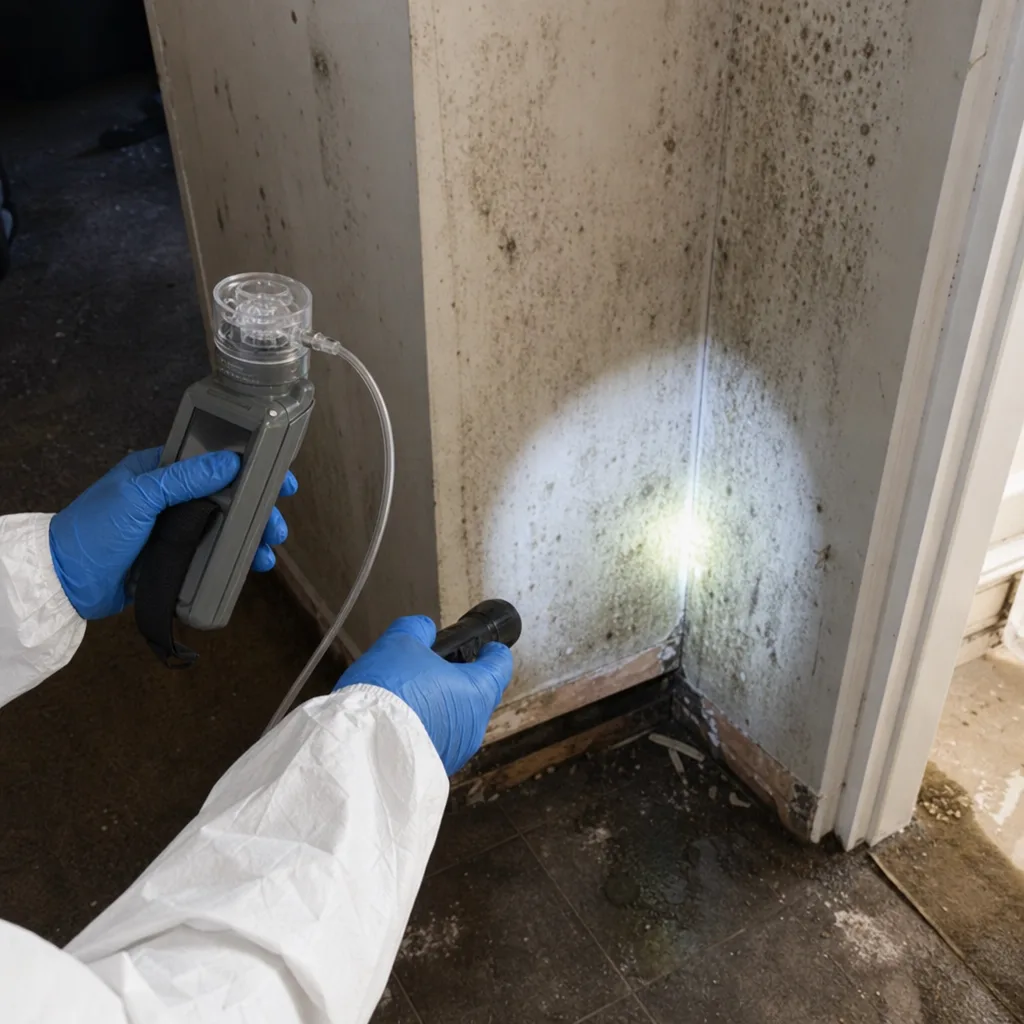
Fallbrook’s geography and climate create restoration conditions that differ from inland San Diego County and require local knowledge.
The Santa Margarita River watershed and surrounding avocado groves produce high ambient humidity in winter months, slowing natural drying and increasing the risk of secondary mold if equipment is undersized. Summer Santa Ana winds create the opposite problem: extremely dry air that can over-dry materials, causing hardwood shrinkage and drywall cracking. Professional drying in Fallbrook requires equipment with humidistat control and daily adjustment, not set-it-and-forget-it operation.
Many Fallbrook homes, particularly in the historic district and along Mission Road, were built between the 1950s and 1970s. These structures frequently contain asbestos-containing materials and lack modern vapor barriers. Water intrusion in these homes almost always involves regulatory considerations that DIY cannot address.
Septic systems are common in Fallbrook’s outlying areas, including portions of De Luz and Live Oak Canyon. A backed-up drain or failed leach field can introduce Category 3 contamination where a homeowner might assume Category 1. Professional assessment includes water source verification that homeowners typically cannot perform.
Finally, Fallbrook’s insurance market includes both standard carriers and California FAIR Plan policies for wildfire-prone areas. Documentation requirements vary by carrier, and local restoration companies with adjuster relationships understand these variations. A homeowner’s generic documentation may satisfy one carrier and fail another.
Common Mistakes to Avoid
- Starting work before photographing the loss scene. Every action taken before documentation destroys evidence. The adjuster’s first question is often “What did it look like when you found it?” If you cannot show this, the carrier can dispute the original scope.
- Assuming dry surface means dry structure. Drywall can feel dry to the touch while maintaining 80% moisture content in the paper backing and core. Without pin-meter verification, surface assessment is meaningless.
- Using household fans instead of air movers. Ceiling fans and box fans move air but do not create the high-velocity airflow at the material surface that drives evaporation. They also lack the positioning flexibility of axial or centrifugal air movers designed for restoration.
- Discarding damaged materials before adjuster inspection. Insurers require verification that materials were actually damaged and could not be restored. Premature disposal converts recoverable replacement costs into uncovered expenses.
- Neglecting to check wall cavities and subfloor. Water wicks upward in wall cavities through capillary action and spreads laterally in subfloor. These hidden reservoirs sustain mold growth for weeks after visible surfaces appear dry.
- Failing to verify contractor documentation standards before hiring. Many restoration companies produce minimal documentation, leaving homeowners with the same claim vulnerability they would have faced with DIY. Always confirm deliverables in writing.
- Waiting to report the loss to insurance. Policy language typically requires “prompt” notice, and some policies specify 72 hours. Delayed reporting, even for legitimate mitigation efforts, can be grounds for denial.
When to Call a Professional
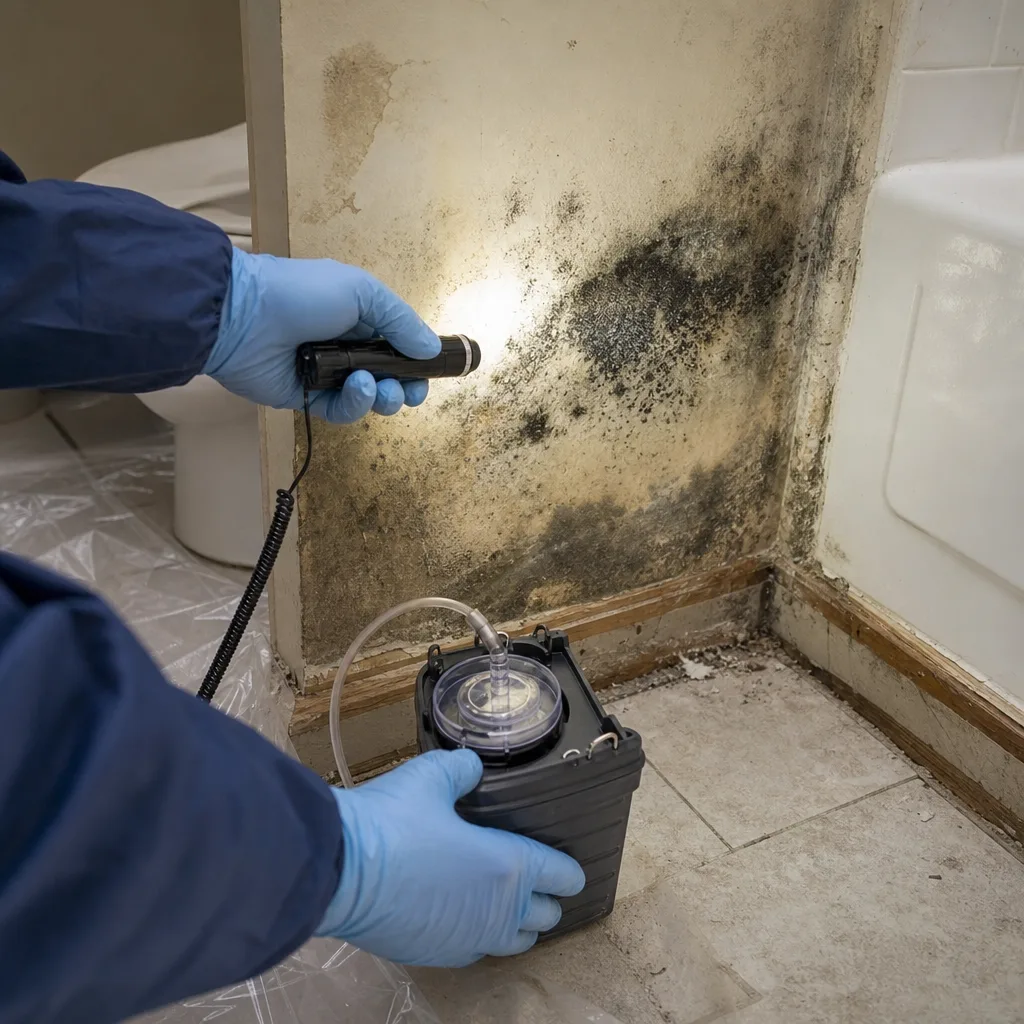
Call a professional restoration contractor immediately when: the water source is unknown or potentially contaminated; the affected area exceeds 25 square feet; wall cavities, subfloor, or structural materials are involved; mold is visible on more than 10 square feet; the structure was built before 1981; fire, smoke, or sewage is present; or you need the work documented for insurance submission.
These are not preferences. They are thresholds where DIY creates health risk, legal liability, or financial exposure that exceeds any potential savings.
DryMark Restoration Fallbrook offers free estimates in Fallbrook. Every estimate includes a written scope with line-item pricing before any work begins, Haven Standard, Clause 1. Call (760) 421-5658 to schedule assessment or to request a Free Second Opinion on any competitor’s written estimate.
Frequently Asked Questions
Professional water damage restoration in Fallbrook typically ranges from $1,200 for limited Category 1 drying to $6,500+ for whole-house Category 2 or 3 losses with cavity drying and material removal. These ranges reflect San Diego County labor rates, equipment mobilization, and documentation requirements. Every job is quoted in writing before work begins under Haven Standard, Clause 1. Call (760) 421-5658 for an exact quote - estimates are free.
Insurance may cover the original loss but can deny subsequent damage caused by inadequate DIY mitigation. Without a water damage restoration maintenance checklist that includes baseline moisture readings, daily drying logs, and final clearance documentation, the carrier can argue that mold or structural damage resulted from your drying efforts rather than the original water loss. Professional documentation protects your recoverability.
Consumer-grade dehumidifiers typically extract 30-50 pints per day, while professional units from Dri-Eaz and Phoenix extract 100-130 pints under restoration conditions. For losses under 25 square feet with no cavity saturation, consumer equipment may suffice if you document readings manually. For larger or complex losses, equipment capacity and placement strategy require professional calculation.
DryMark Restoration Fallbrook maintains live phone coverage 24 hours a day, 7 days a week with no voicemail on emergency lines. Response time depends on current deployment, but emergency water losses receive priority dispatch. For reconstruction and non-emergency work, scheduling is arranged after written scope and pricing are agreed.
Visible mold exceeding 10 square feet requires professional remediation under Cal/OSHA standards. Below this threshold, surface cleaning may be adequate for non-porous materials if the moisture source is eliminated. However, mold on porous materials like drywall, insulation, or carpet typically requires removal regardless of area, as hyphae penetrate the material and surface cleaning does not eliminate the colony.
At DryMark Restoration Fallbrook, we coordinate directly with your adjuster, providing the documented photo record, daily drying logs, and written scope that adjusters need to process payment. This direct coordination is included as a standard service, not an upsell. Our documentation-first approach was built specifically to streamline adjuster review and reduce payment delays.
Photograph everything before touching anything. Then extract standing water if you have the equipment, remove portable contents to a dry area, and call your insurance carrier to report the loss. These three actions - document, mitigate, report - protect your claim position while limiting damage spread. Do not begin cutting or removing materials before photographing.
Yes. Every job is covered by the 365-Day Done Right Promise under The Haven Standard: if it’s not done right, we make it right. This is a written, signed guarantee, not a verbal assurance. The warranty is stamped on every job file and transferable if the property sells within the coverage period.
The Bottom Line
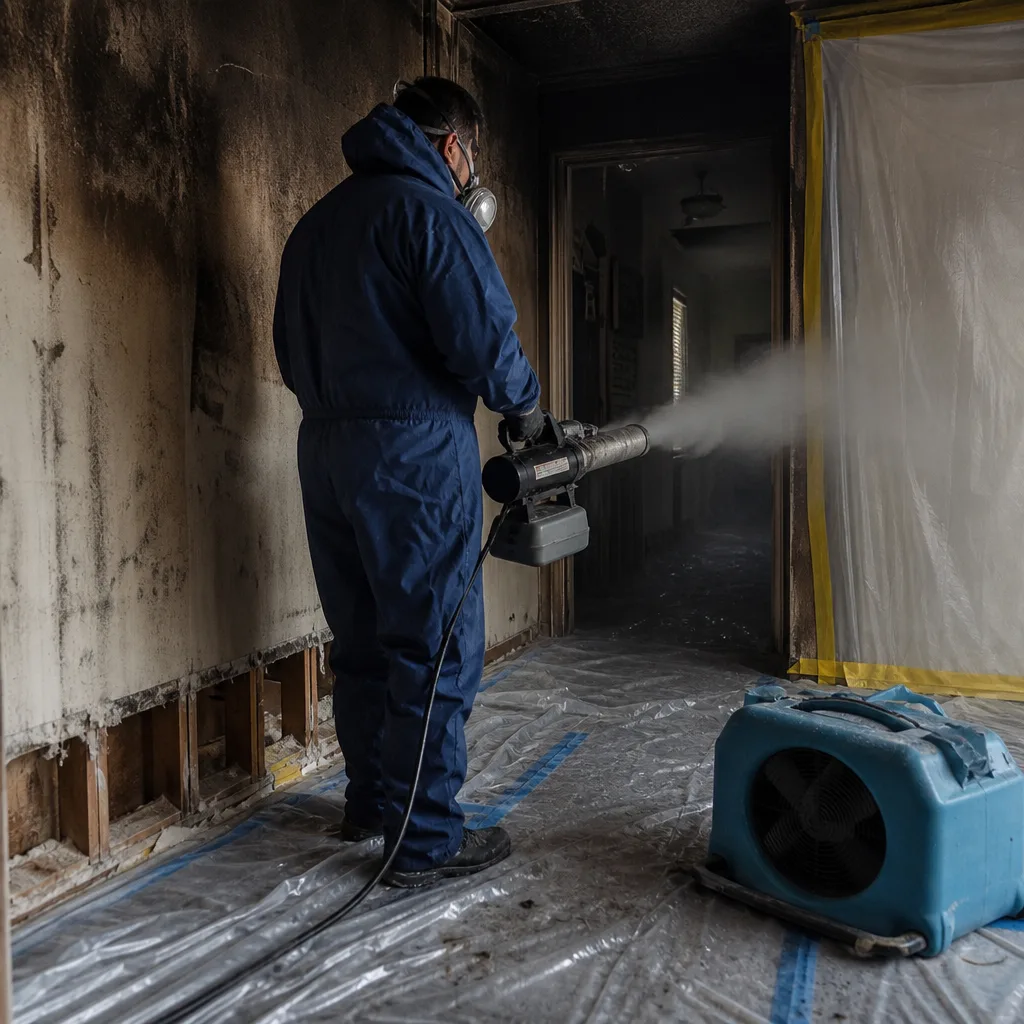
The DIY versus professional restoration decision is ultimately a documentation decision. Most homeowners possess the physical capability to dry a small, clean water loss. Few possess the equipment, training, and protocol to produce the documentation that insurance adjusters require for full claim payment. In Fallbrook’s specific climate and regulatory environment, the documentation gap creates financial exposure that frequently exceeds any DIY savings.
When all three criteria are met - confirmed Category 1 source, under 25 square feet, no cavity saturation - DIY is a legitimate option with proper self-documentation. When any criterion fails, or when fire, smoke, mold, or contaminated water is present, professional restoration is required for health, legal, and financial reasons. The question is not whether you can do the work. It is whether you can prove you did it right.
Written by Alicia Brennan, Owner at DryMark Restoration Fallbrook, serving Fallbrook since 2011.