
Last updated September 23, 2026
Free visual inspection and a written scope of work before any mitigation begins - photos, moisture readings, and drying logs go in your claim file
The scope we write is the scope we bill. Anything new gets shown to you, in writing, before we touch it.
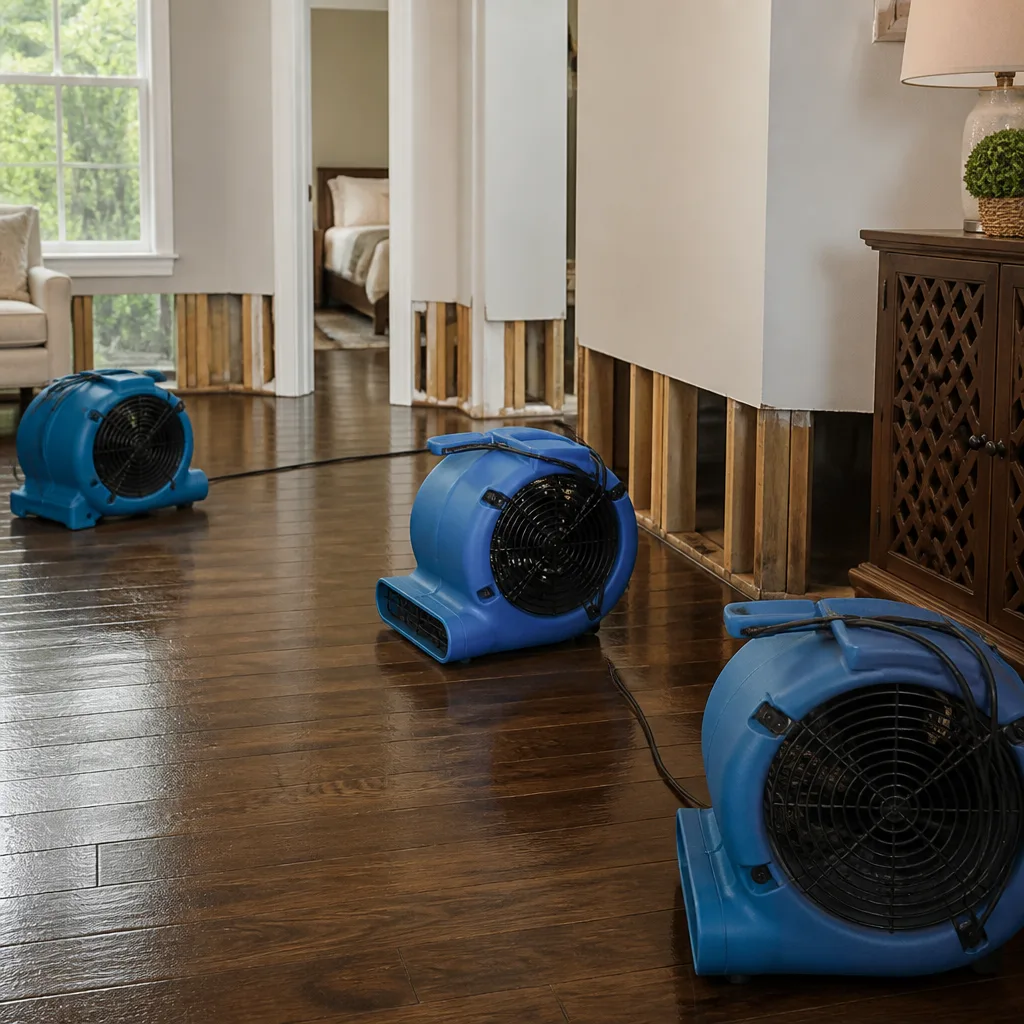

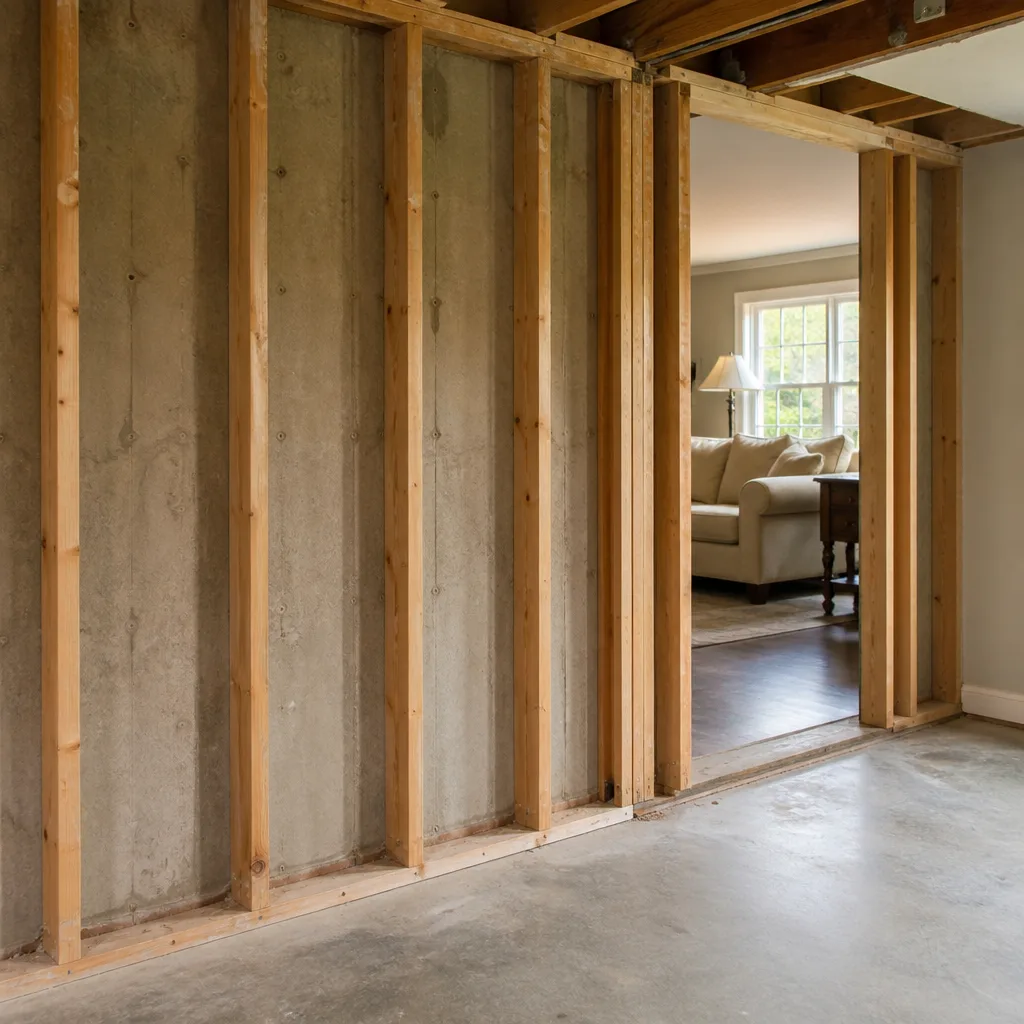

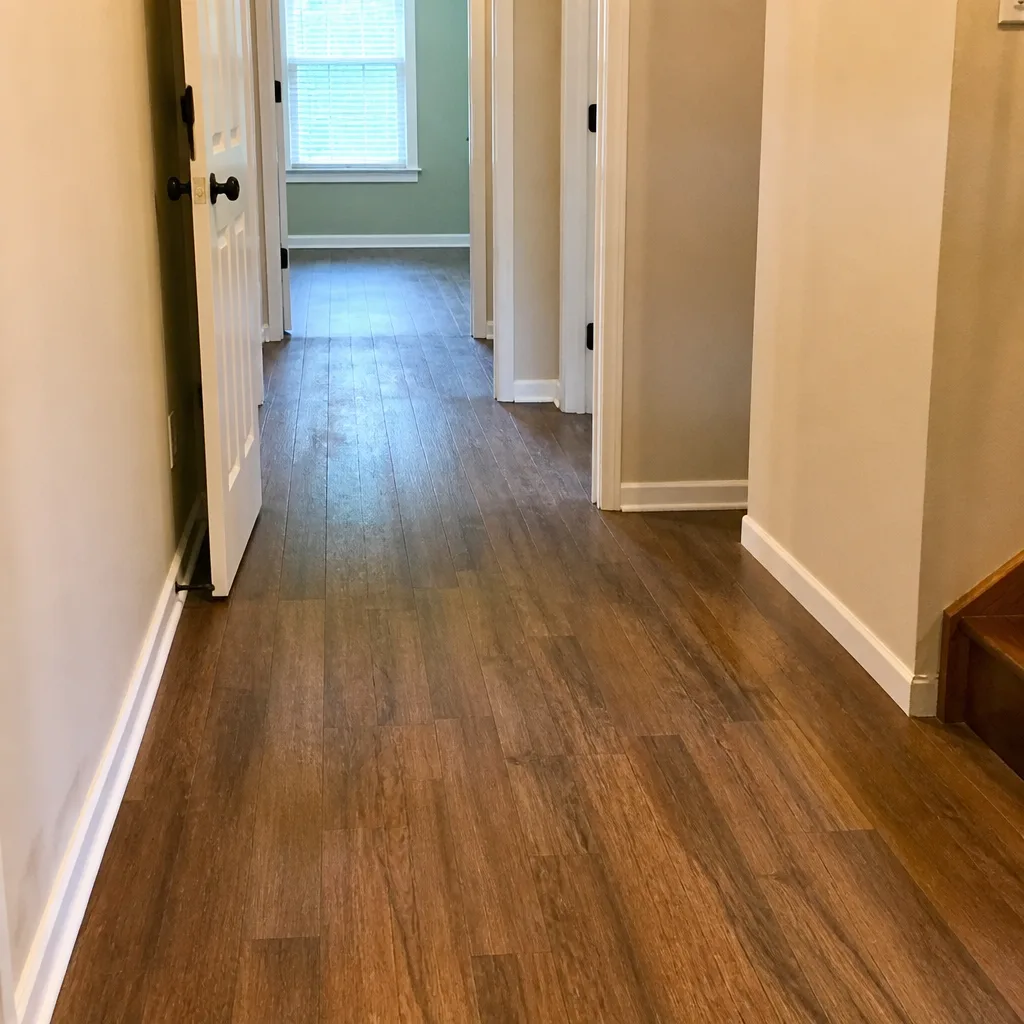

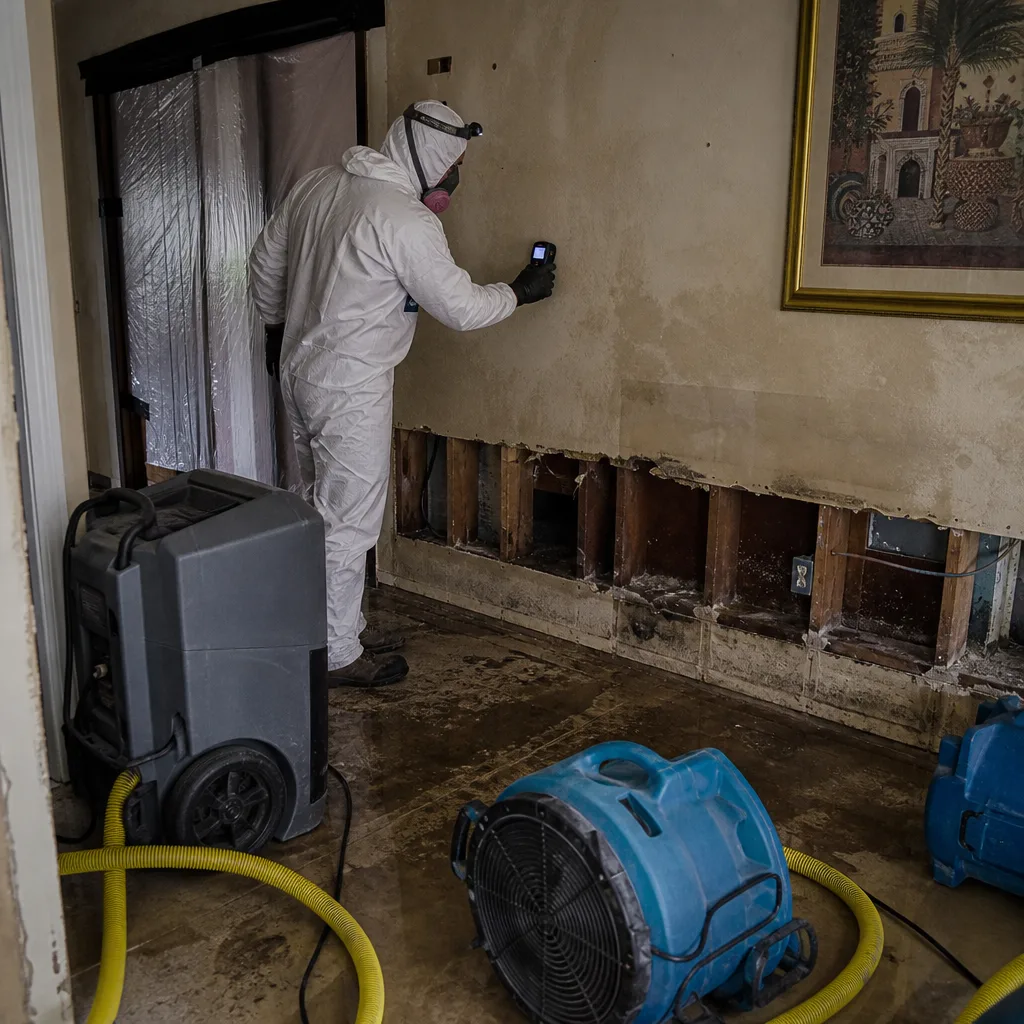 Before
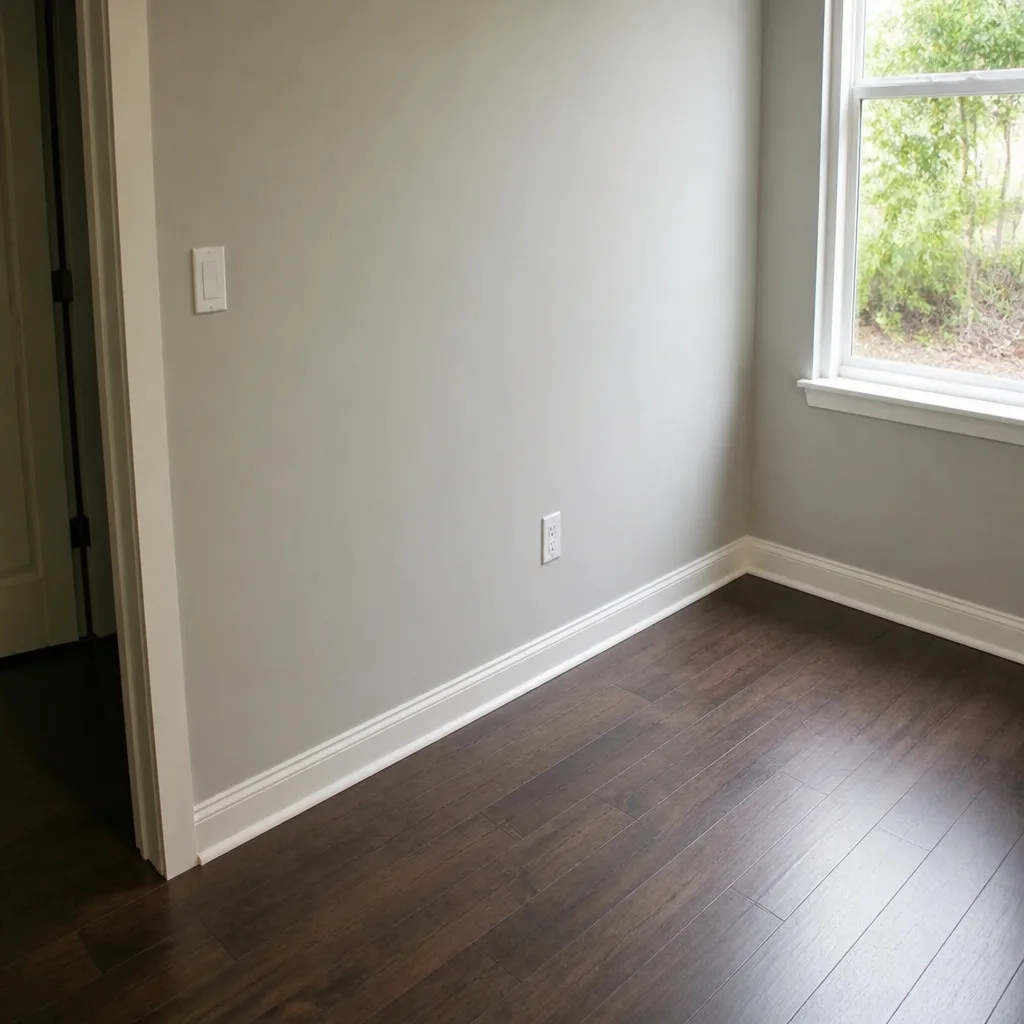 After
After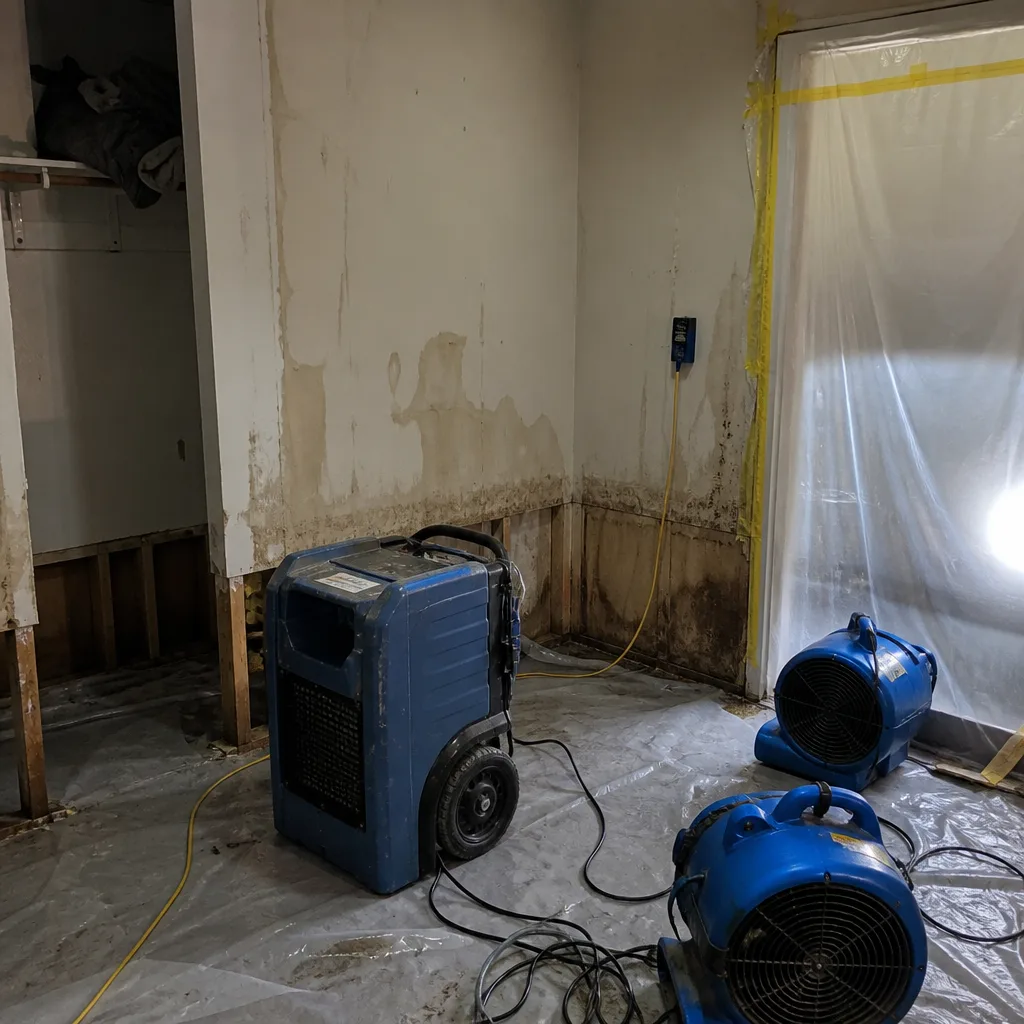 Before
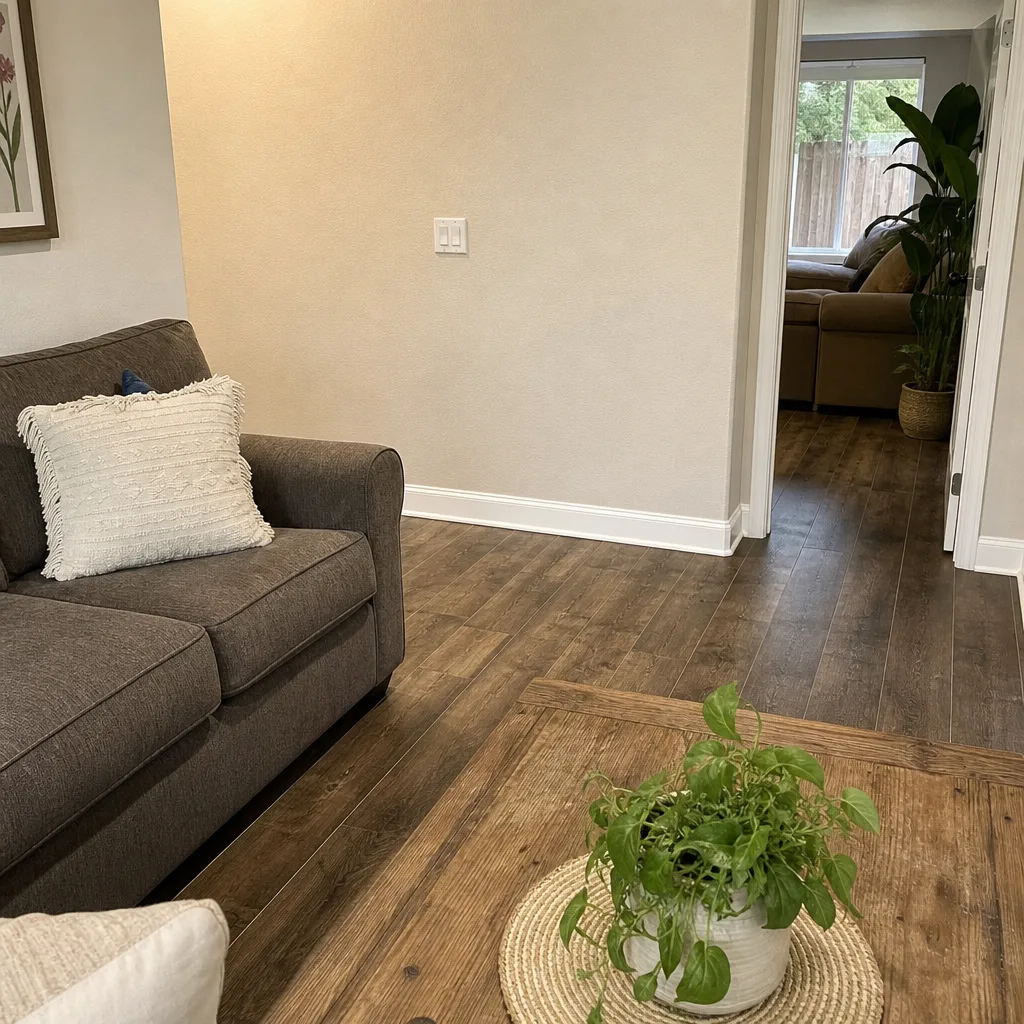 After
After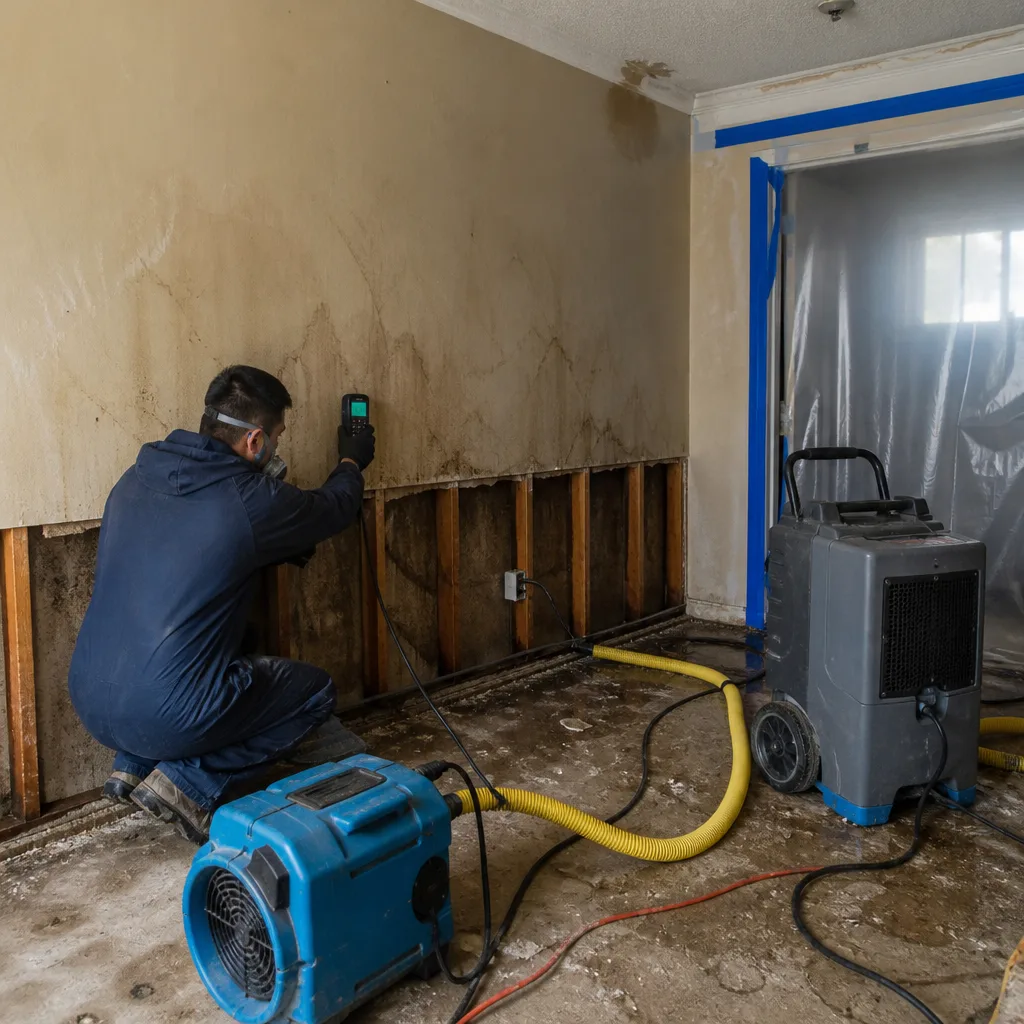 Before
 After
AfterDamage Restoration Warning Signs: A Fallbrook Homeowner’s Reference Guide
A moisture reading of 17% in a wood stud reads as unremarkable on a coastal job site. In Fallbrook, where ambient equilibrium moisture content rarely pushes past 10%, that same number signals active intrusion that will support mold growth within 72 hours. Most warning-sign guides fail here: they list symptoms without pairing them to measurable thresholds or to the specific building materials common in Fallbrook’s mix of 1970s ranch homes, clay-brick construction, and newer stucco-over-CMU builds. This guide pairs each warning sign to a number you can verify, a photo protocol you can execute today, and a decision threshold for when professional documentation becomes necessary. For additional guidance, see our DIY vs Professional Damage Restoration: The Fallbrook Homeowner’s Decision Guide.
Quick Answer
Homeowners in Fallbrook should watch for moisture meter readings above 12% in wood framing, stucco efflorescence that reappears within 30 days of cleaning, door misalignment that worsens rather than cycles seasonally, and three distinct odor signatures that map to specific contamination sources. Each warning sign demands a dated photo with a measurement reference object, not just a mental note. When readings exceed 17% or odors persist beyond 48 hours after source removal, professional assessment and documented drying logs become warranted under IICRC standards. If you’re at this stage, read our How to Hire a Damage Restoration Contractor in Fallbrook: A Step-by-Step Guide before calling anyone.
Table of Contents
- Moisture Readings That Matter in Fallbrook’s Climate
- Stucco Efflorescence: Cosmetic or Structural?
- Reading Door and Window Misalignment
- The Three Odor Signatures and What They Reveal
- How to Document Warning Signs Like a Professional
- Hidden Mold: Where Fallbrook Homes Conceal It
- Fire and Smoke Damage: Early Indicators
- Storm and Sewage: When Water Becomes Hazardous
BeforeAfterMoisture Readings That Matter in Fallbrook’s Climate
Fallbrook sits in a transitional zone between coastal marine influence and inland aridity. Summer afternoons drop relative humidity into the teens. Winter mornings push it toward 70% with fog intrusion from the Santa Margarita River basin. This swing creates a narrow band of “normal” for building materials, and readings outside that band carry specific meaning. Our Seasonal Damage Restoration Care for Fallbrook: Year-Round Homeowner’s Guide breaks down what to watch each season.
We use three thresholds on every Fallbrook assessment, documented to IICRC S500 standards:
| Reading | Material State | Action Threshold |
|---|---|---|
| Below 10% | At or below equilibrium moisture content (EMC) for Fallbrook’s ambient conditions | Normal; no action |
| 10% - 16% | Elevated above ambient EMC; indicates recent water exposure or chronic humidity elevation | Investigate source; begin photo documentation |
| 17% - 24% | Active moisture intrusion; mold spore germination probable within 72-96 hours on organic substrates | Professional assessment with written scope; drying protocol required |
| 25% and above | Saturated; structural degradation risk; fungal growth likely established | Immediate mitigation; full documentation for insurance |
The 17% threshold deserves emphasis. In San Diego’s coastal neighborhoods, 17% might reflect normal seasonal fluctuation. In Fallbrook’s drier baseline, it almost always means water is entering from somewhere: roof penetration, plumbing leak, foundation wicking, or condensation at thermal bridges. We’ve documented this discrepancy repeatedly in Fallbrook’s De Luz and Live Oak Canyon properties, where coastal-built assumptions lead homeowners to delay action that inland drying data would have triggered immediately.
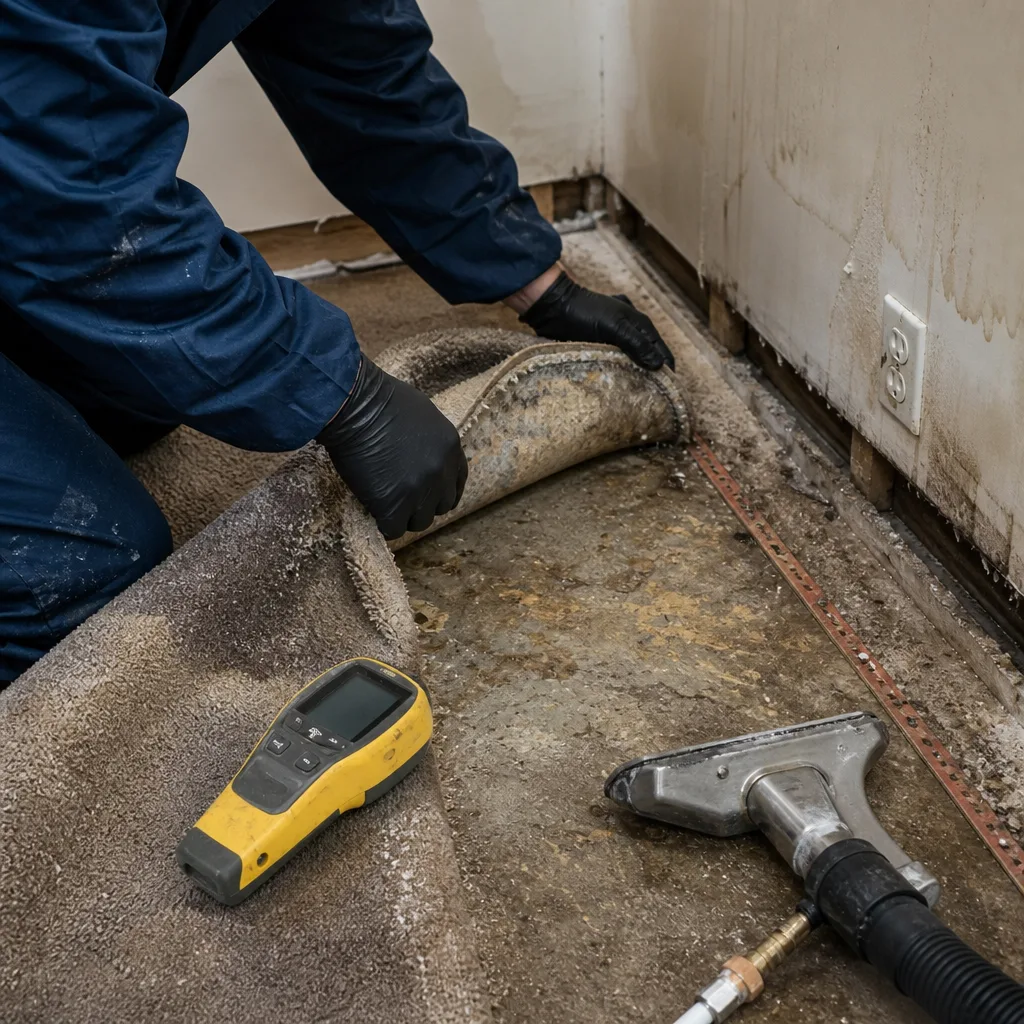
Pin-type meters and pinless electromagnetic meters read differently. Pin meters penetrate the surface and measure resistance between electrodes; they excel at framing lumber and subfloors. Pinless meters read to a depth of approximately 3/4 inch and work well for drywall and finished surfaces without surface damage. For Fallbrook homes with lath-and-plaster or multiple stucco coats, we typically use both and record the differential. A 6-point spread between pin and pinless readings on the same wall section indicates moisture trapped behind a finish layer, a pattern we see in pre-1985 Fallbrook construction where stucco was applied directly to board sheathing without adequate drainage plane.
Vapor pressure differential adds another layer. Even when surface readings appear normal, a vapor pressure differential of more than 0.5 inches of mercury between interior and exterior wall cavities indicates moisture movement through the assembly. We measure this with thermo-hygrometers placed in the cavity and reference against exterior conditions. In Fallbrook’s Santa Margarita River-adjacent lots, seasonal groundwater rise can create this differential without any visible interior sign, a pattern that explains many “mystery” mold discoveries during renovation.
Stucco Efflorescence: Cosmetic or Structural?
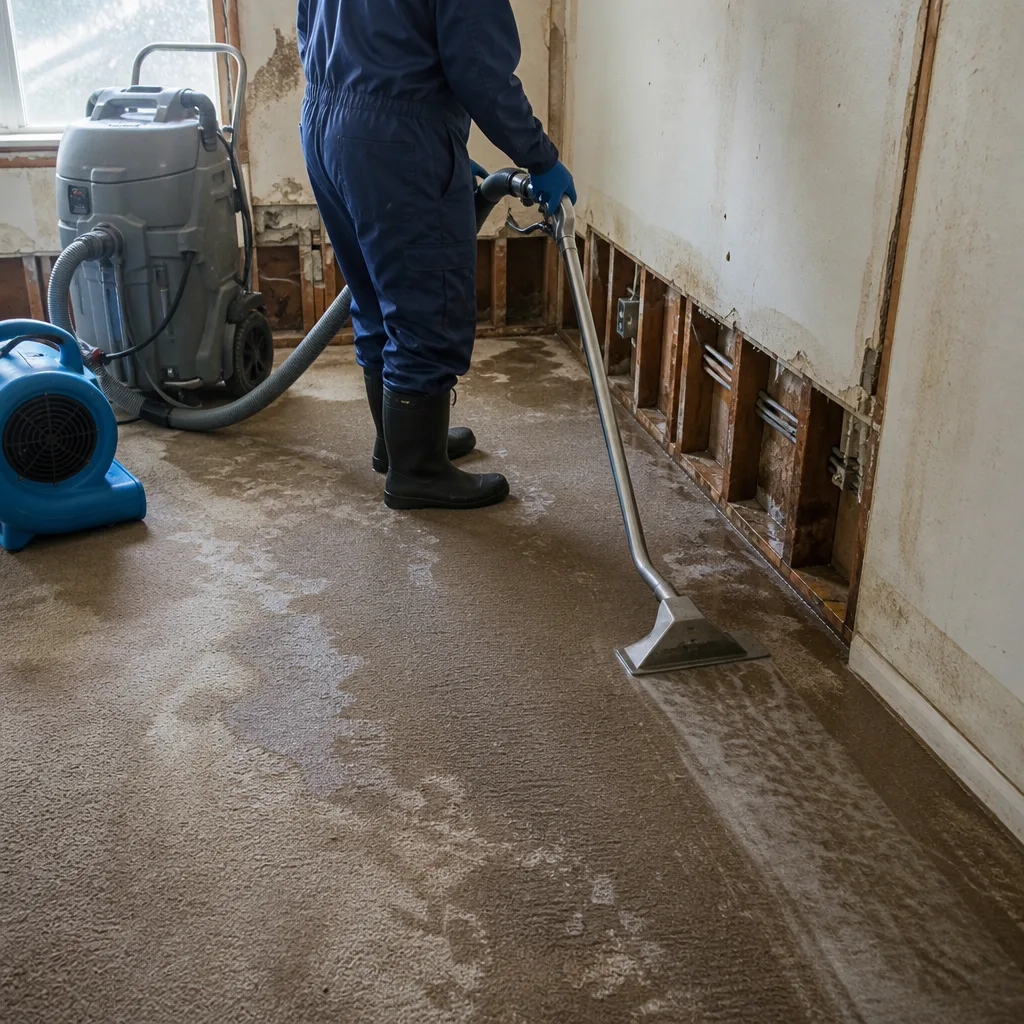
Fallbrook’s housing stock includes significant clay-brick and concrete masonry unit (CMU) construction from the 1960s through 1980s, particularly in the older neighborhoods east of Mission Road. These assemblies develop efflorescence, the white crystalline deposit that appears on stucco surfaces. Not all efflorescence means the same thing.
Cosmetic efflorescence appears after initial construction or after pressure washing. It is primarily calcium carbonate, wipes away with a dry brush, and does not recur within 30 days. It indicates soluble salts migrating with normal construction moisture, not ongoing intrusion.
Active moisture efflorescence reappears within 7-30 days after cleaning, often with a denser, more granular texture. This indicates ongoing water movement through the masonry, carrying new salt loads to the surface. In Fallbrook’s clay-brick construction, this pattern typically traces to failed coping caps, inadequate through-wall flashing, or irrigation overspray against the foundation, a common issue in the avocado grove conversions where drip lines were retrofitted without regard to grade drainage.
Structural concern efflorescence appears with spalling, cracking in a stair-step pattern, or softening of the stucco itself. This indicates saturation of the masonry core, freeze-thaw cycling (rare but present in Fallbrook’s canyon elevations above 1,200 feet), or alkali-silica reaction in the aggregate. The wall is actively degrading.
We document efflorescence with three photos minimum: wide context showing the wall’s relationship to grade and roofline; medium showing the pattern’s extent with a tape measure in frame; close-up with a coin or key for scale reference. The date stamp and measurement reference let us compare rate of change on return visits, a documentation practice that has resolved numerous insurance disputes where carriers initially classified active efflorescence as “pre-existing maintenance.”
In Fallbrook’s newer stucco-over-CMU construction, particularly the 1990s-2000s builds in Bonsall-adjacent areas, we also watch for efflorescence at weep screed locations. The weep screed at grade level is designed to drain incidental moisture. When efflorescence appears above the weep screed but not below it, the drainage plane is compromised and water is pooling behind the stucco rather than exiting. This is a pattern that moisture meters often miss until saturation is advanced, because the stucco itself reads as “dry” while the CMU core is saturated.
Reading Door and Window Misalignment
Doors stick. Windows drag. In Fallbrook’s clay-soil lots, particularly the expansive soils of the eastern mesas and the San Luis Rey River floodplain, some seasonal movement is normal. The distinction between normal and structural warning lies in the pattern, not the symptom.
Seasonal movement follows a predictable cycle. Doors stick in winter when soil moisture swells the clay, release in summer as desiccation shrinks it. The same door that binds in January operates freely in August. This pattern, while annoying, does not indicate progressive foundation distress.
Progressive settlement from moisture intrusion shows different signatures: a door that stuck last winter and sticks worse this winter; a window that developed a diagonal crack in the drywall above it; a gap between baseboard and floor that widens in one corner and never fully closes. These patterns indicate soil volume change beneath the foundation that is not recovering, typically from a plumbing leak, broken drainage, or irrigation saturation that has altered the soil’s moisture profile permanently.
We assess foundation-related moisture with three measurements: floor level at 2-foot intervals using a laser level; door frame squareness measured at the corners; and exterior grade elevation relative to the foundation sill. In Fallbrook’s clay soils, a grade elevation that places soil within 4 inches of the sill creates chronic wicking risk, a condition we see frequently in properties where landscaping was installed without regard to foundation clearance.
The photo protocol for alignment issues: photograph the binding door from inside the room, showing the gap variation between door and frame; place a carpenter’s square in the frame corner and photograph the reveal; photograph the exterior grade relationship with a tape measure showing soil-to-sill distance. Date each image. Progressive settlement shows in comparison over 90-day intervals, a documentation interval that aligns with most insurance claim windows.
The Three Odor Signatures and What They Reveal
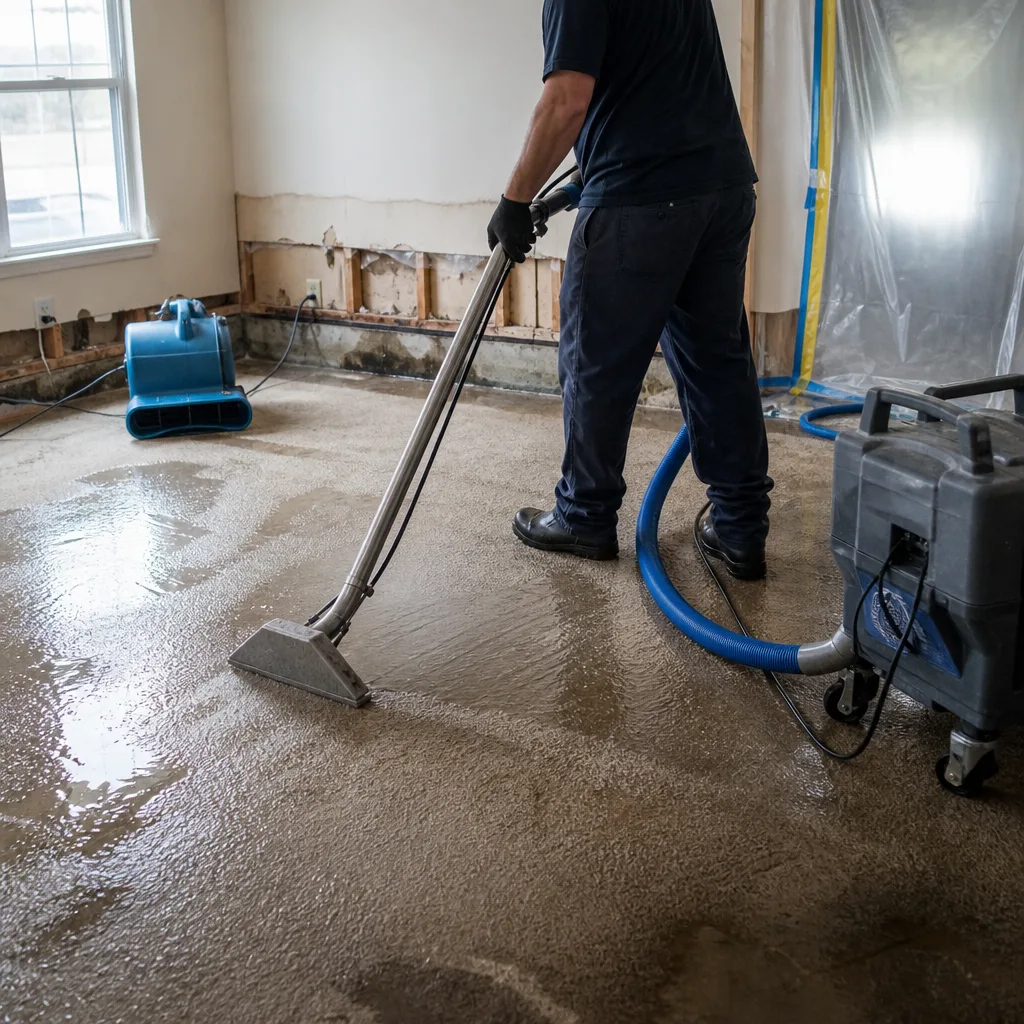
Odor is the most reported and least accurately described warning sign. Homeowners use “musty” for everything, but distinct sources produce distinct volatile organic compound (VOC) profiles. Learning to distinguish them narrows the search area before any meter comes out.
Musty-earthy: The classic mold odor, often described as “wet newspaper” or “forest floor after rain.” This indicates active fungal metabolism on cellulose materials: drywall paper, wood framing, subfloor, or carpet padding. The source is typically Category 1 or 2 water that has remained in contact with organic material beyond 48 hours. In Fallbrook homes, we trace this most often to slab leaks in the copper plumbing era (pre-1995), roof leaks at tile penetration points, or condensation in unventilated crawl spaces. The odor intensifies with temperature and humidity, so a faint musty note in morning fog may become pronounced by afternoon if the HVAC system is recirculating air from a contaminated crawl space.
Sulfurous-rotten egg: This indicates Category 3 water, or “black water”: sewage intrusion, septic backup, or groundwater contamination with organic waste. The hydrogen sulfide and mercaptan compounds are distinct and persistent. In Fallbrook’s rural-interface properties with septic systems, this odor demands immediate evacuation of the space and professional handling under IICRC S500 Category 3 protocols. Do not attempt source identification beyond locating the general area; the biological hazard requires full PPE and documented decontamination. We’ve responded to multiple Fallbrook properties where homeowners attempted DIY cleanup of what they assumed was “dirty water,” only to discover later that the contamination had spread through the HVAC system.
Sweet-chemical: Often described as “like wet paint” or “fruity,” this indicates mold species on cellulose behind sealed surfaces, typically Stachybotrys or Chaetomium. These species produce trichothecene mycotoxins and prefer very wet, dark, undisturbed environments: the back side of drywall after a slow leak, the interior of water-damaged cabinetry, or the paper facing of insulation in a roof leak zone. The sweet note distinguishes them from the earthier Penicillium and Aspergillus species. This odor is a warning sign for hidden contamination that will not appear on surface moisture readings; it requires invasive inspection with containment.
Document odors with location, time of day, weather conditions, and HVAC status. “Musty smell in northeast bedroom, stronger at 2 PM than 8 AM, HVAC fan on continuous, outdoor temp 78°F, RH 45%” gives a restoration professional more diagnostic information than “bedroom smells weird.” We include this level of detail in every assessment report, and homeowners who arrive with similar documentation receive faster, more accurate scope development.
How to Document Warning Signs Like a Professional
Insurance adjusters and restoration contractors assess rate of change, not just current state. A photo of a water stain dated today is evidence; a photo of that stain with a ruler in frame, dated today, compared to a photo from 30 days ago, is a claim. The difference determines whether coverage applies and whether the scope addresses the full damage path.
- Include a measurement reference object in every frame. A tape measure, a coin, or a standard sheet of paper (8.5 × 11 inches) provides scale that “looks about six inches” cannot. For moisture readings, photograph the meter display with the probe in contact with the material; the reading, location, and date are then inseparable.
- Shoot three distances for every finding. Wide context: the room or wall section, showing the finding’s relationship to windows, doors, plumbing fixtures, and grade. Medium: the finding itself with measurement reference. Close-up: texture, color variation, or material detail that indicates age or progression. This sequence lets a remote reviewer reconstruct the scene without visit.
- Record ambient conditions. Note temperature, relative humidity, and weather for every documentation session. Fallbrook’s 30% morning-to-afternoon humidity swing can change surface readings significantly; without ambient data, two readings taken hours apart appear contradictory.
- Name the finding precisely. “Water stain on ceiling” is inadequate. “Brown, irregular stain, 14 × 8 inches, on living room ceiling 3 feet from north wall, below second-floor bathroom, with slight blistering at center” permits accurate mapping to the likely source and communicates to any subsequent inspector what was present at this date.
- Store with cloud backup and local redundancy. Email the dated set to yourself; save to cloud storage; maintain a physical binder for the property file. We’ve seen claims denied because the homeowner’s phone failed between documentation and adjuster visit.
- Repeat at 30-day intervals until resolved. Active problems change; stable findings do not. The comparison drives both insurance coverage decisions and contractor scope accuracy.
We provide this documentation as a standard deliverable on every DryMark Restoration Fallbrook engagement, not as an upsell. The photo record, drying log, and written scope together form the evidence package that turns a restoration invoice into a payable claim. Water Damage Restoration in Fallbrook begins with this documentation protocol.
Hidden Mold: Where Fallbrook Homes Conceal It
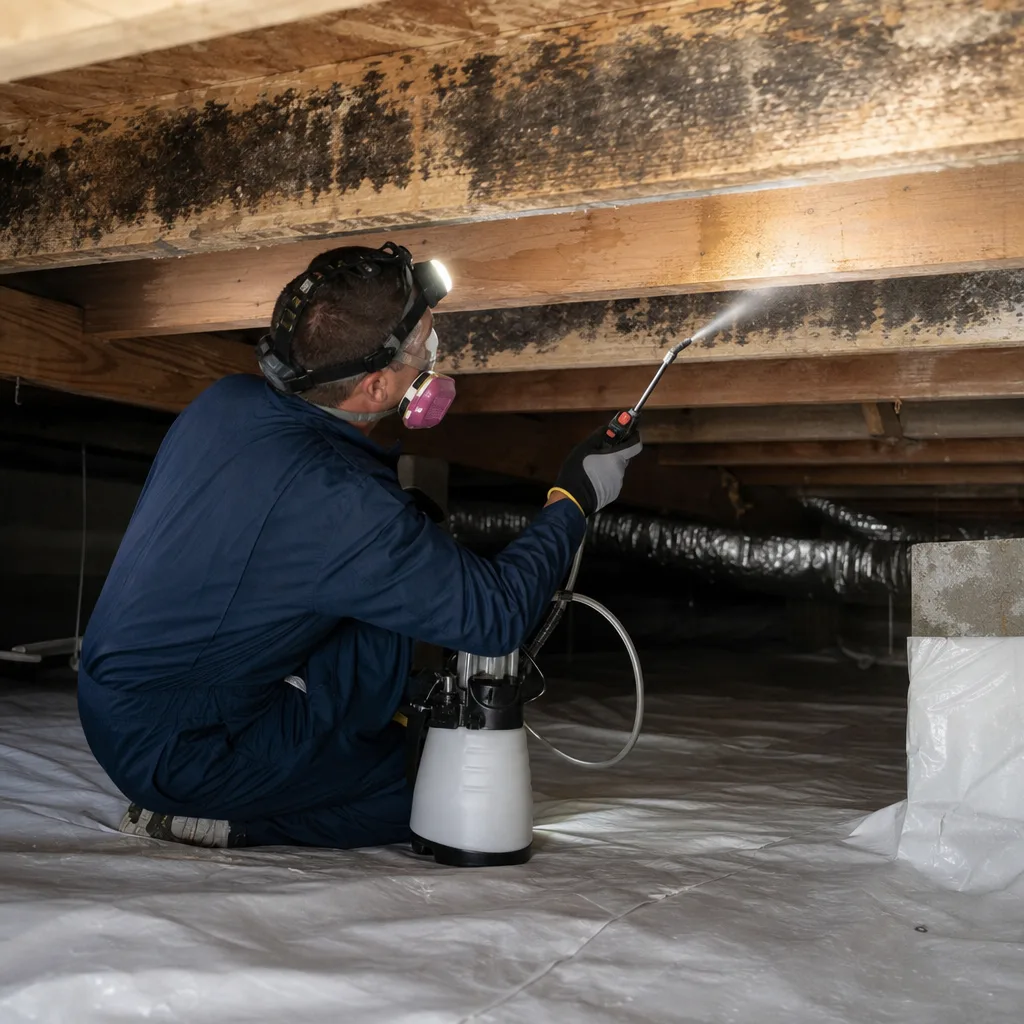
Mold requires moisture, organic material, and time. Fallbrook’s construction methods and climate create specific concealment patterns that generic guides miss.
Tile shower surrounds in pre-1990 construction: Cement board or mortar-bed showers without modern waterproofing membranes allow chronic moisture migration into wall cavities. The tile surface appears sound; the back side of the cement board and adjacent framing are saturated. We find this pattern in Fallbrook’s original ranch and split-level stock, particularly where bathrooms back to exterior walls with inadequate ventilation. The warning sign is not visible mold but persistent grout discoloration that reappears within weeks of cleaning, or a musty odor that intensifies after shower use.
HVAC condensate drains in attic installations: Fallbrook’s summer temperature differential between 100°F attic air and 55°F supply air creates significant condensate load. When primary drains clog and overflow pans are absent or cracked, water saturates ceiling insulation and drywall below. The first sign is often a circular stain on the ceiling below the air handler, but by that point the insulation above is typically contaminated. We document these with borescopic inspection through a 1/2-inch access hole, photographing the cavity without destructive opening when possible.
Slab-edge wicking in uninsulated slab construction: Fallbrook’s 1970s-1980s slab-on-grade homes often lack perimeter insulation. During winter fog events, the slab edge remains below dew point while interior heating drives moisture outward. The result is mold at baseboard level, typically misdiagnosed as a plumbing leak. Moisture meter readings at the slab perimeter show the pattern: elevated at the bottom plate, normal at mid-wall, a gradient that plumbing leaks do not produce.
Mold Remediation in Fallbrook under The Haven Standard includes full cavity inspection with photo documentation, not just surface treatment. Surface cleaning without source elimination is the most common mold remediation failure we encounter in Fallbrook properties, typically from contractors who did not inspect beyond the visible stain.
Fire and Smoke Damage: Early Indicators
Not all fire damage announces itself with flames. The warning signs of pre-loss conditions and post-event hidden damage require specific attention in Fallbrook’s construction context.
Pre-loss electrical indicators: Discoloration at outlet faceplates, particularly around the grounding hole, indicates resistive heating from loose connections. This is not cosmetic; it is a precursor to ignition. In Fallbrook’s older homes with aluminum branch-circuit wiring (common 1965-1973), this pattern demands immediate electrician evaluation. We document with thermal imaging, which reveals temperature differentials invisible to standard inspection.
Smoke odor persistence after “cleaning”: Smoke particulate is 0.1-4.0 microns and penetrates porous materials deeply. Surface cleaning of drywall, unfinished wood, or insulation removes odor temporarily; re-emission occurs with humidity or temperature increase. Persistent smoke odor after DIY cleaning indicates that hydroxyl or ozone treatment, plus sealant application, is necessary. In Fallbrook’s climate, where summer attic temperatures exceed 140°F, smoke-impacted insulation in roof assemblies re-emits odor predictably each summer until properly remediated.
Soot tagging on walls: The black lines that appear at stud locations after a fire, often called “ghosting,” indicate that smoke followed the thermal bypass at the stud cavity. This pattern maps the full extent of smoke travel and reveals insulation pathways that standard visual inspection misses. We photograph soot tagging with raking light to emphasize the pattern, then use this mapping to scope both cleaning and sealing.
Fire & Smoke Damage Restoration in Fallbrook requires this level of diagnostic documentation to satisfy both IICRC S730 standards and insurance scope requirements. The written price before work begins, under Haven Standard Clause 1, includes full photo documentation of these patterns so the scope addresses all affected areas, not just the visibly burned ones.
Storm and Sewage: When Water Becomes Hazardous
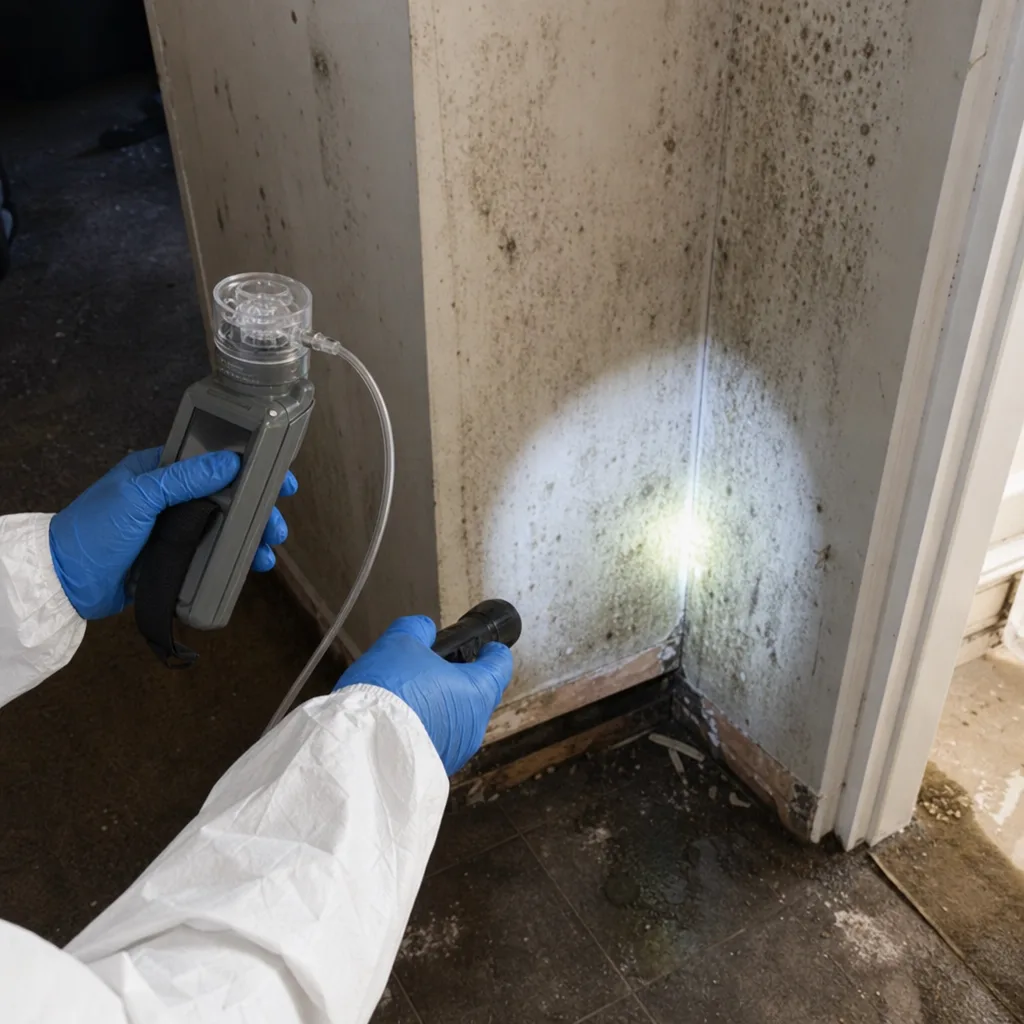
Category 1 clean water degrades to Category 2 gray water within 48-72 hours, and to Category 3 black water within 72-120 hours, depending on temperature and contamination exposure. Fallbrook’s warm climate accelerates this timeline. The warning sign is not the water’s origin but its current classification, which determines both safety protocol and insurance coverage.
Storm intrusion in Fallbrook’s canyon properties: De Luz, Live Oak Canyon, and the Santa Margarita River-adjacent lots face debris flow and overland flooding risk during winter storm events. The water enters as Category 1 or 2, but carries sediment, agricultural chemicals, and biological material from upstream. By the time it reaches interior spaces, it often requires Category 3 handling. The warning sign is not clear water but water with visible particulate, odor, or known upstream source. Document with wide shots showing the water path from entry point to interior; this mapping determines whether coverage applies under standard policies versus flood-specific coverage.
Sewage backup indicators: Multiple drains backing up simultaneously, particularly lowest-level fixtures first, indicates main line blockage rather than isolated drain issue. In Fallbrook’s older septic systems, this may indicate drain field failure rather than pipe blockage. The warning sign is the pattern, not the volume. Stop using water immediately; continued use pressurizes the system and increases contamination spread. We respond with full PPE, containment, and documented decontamination to IICRC S500 Category 3 standards.
Groundwater intrusion in finished basements: Rare in Fallbrook but present in some Bonsall-adjacent properties with daylight basements. Groundwater is Category 3 by definition, regardless of apparent clarity, due to soil contamination potential. The warning sign is water entry after extended rain, without roof or plumbing source, typically at the slab-wall joint. Sump pump installation without proper discharge routing often moves the problem rather than solving it; we assess the full hydraulic gradient before scoping remediation.
Common Mistakes to Avoid
- Assuming coastal moisture standards apply inland. A reading that reads normal in Oceanside is often abnormal in Fallbrook. Verify thresholds against local EMC data, not generic charts.
- Cleaning efflorescence without identifying source. The white deposit is a symptom, not the disease. Removing it without addressing the moisture driving it guarantees recurrence and may accelerate masonry degradation by trapping salts below the surface.
- Attributing all door binding to “the house settling.” Seasonal binding releases; progressive binding worsens. The distinction determines whether you’re facing a $200 adjustment or a $20,000 foundation repair with associated water damage remediation.
- Using bleach on mold. Bleach does not penetrate porous materials and leaves water behind that feeds deeper growth. It also degrades cellulose fibers, weakening the substrate. IICRC S520 specifies appropriate antimicrobial application, not bleach.
- Delaying documentation until “we see how bad it gets.” Insurance coverage often depends on demonstrating that the loss was sudden and accidental, not long-term maintenance neglect. Early documentation protects coverage; delayed documentation risks denial.
- Ignoring odor because “we got used to it.” Olfactory fatigue is real and rapid. A visitor’s reaction to your home’s air quality is often more accurate than your own. Invite honest feedback and document it.
When to Call a Professional
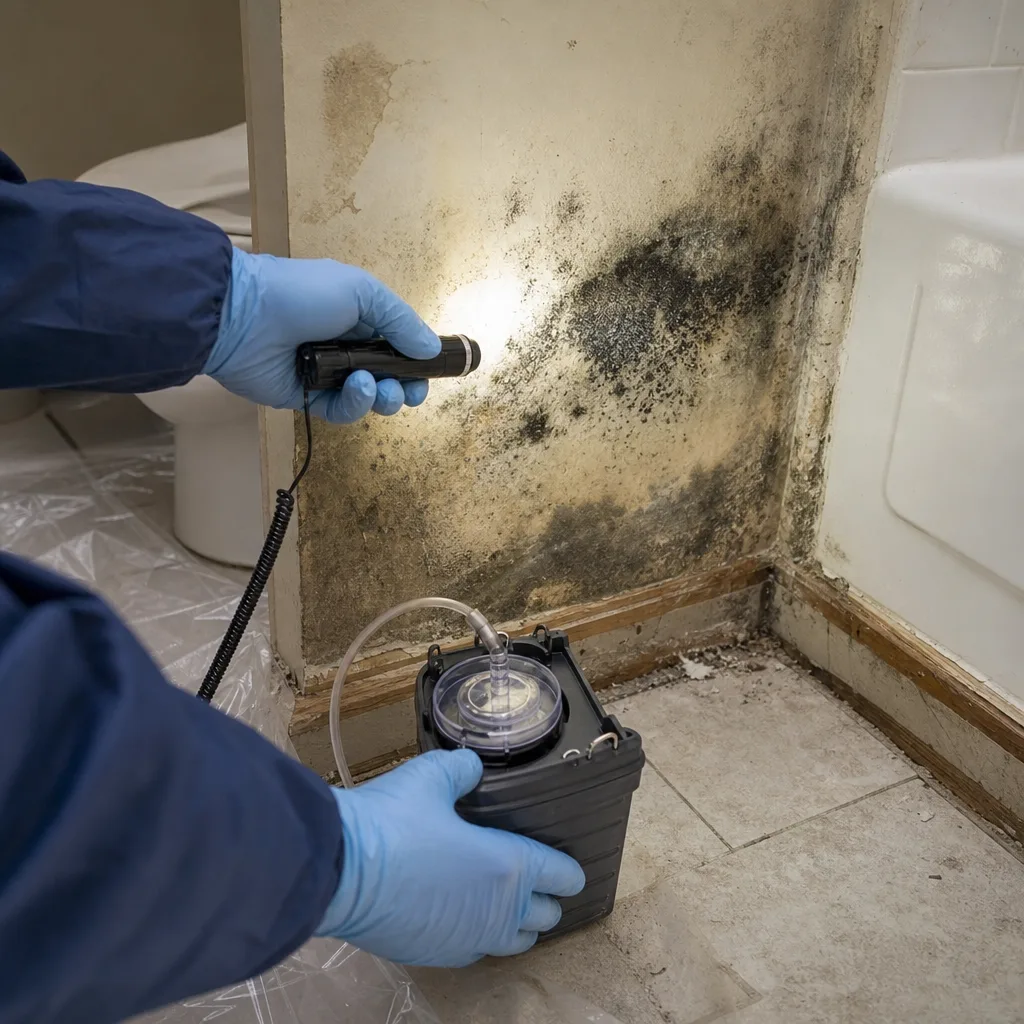
Call when moisture readings exceed 17% in any wood-based material, when efflorescence recurs within 30 days, when door or window misalignment progresses rather than cycles, or when any of the three odor signatures persist beyond 48 hours after apparent source removal. Call when you cannot identify the water source, when the water is Category 2 or 3, or when mold is visible on more than 10 square feet. Call before demolition, not after, so documentation captures the full damage path. DryMark Restoration Fallbrook home provides free estimates in Fallbrook - call (760) 421-5658. Every assessment includes a written scope and price before work begins, under Haven Standard, Clause 1, with full photo documentation and a 365-Day Done Right Promise backed by The Haven Standard.
Frequently Asked Questions
Readings above 17% in wood framing or 1% above drywall gypsum core indicate active moisture intrusion in Fallbrook’s climate, where ambient EMC rarely exceeds 10%. These thresholds trigger professional assessment under IICRC standards, not just continued monitoring. Browse more guides & resources to stay ahead of problems. Call (760) 421-5658 for a documented reading and written scope.
Coverage depends on demonstrating that the damage was sudden and accidental, not long-term neglect. Dated photo documentation with measurement references, moisture logs showing progression, and a written scope from a licensed restoration contractor significantly improve claim acceptance. We coordinate directly with adjusters and provide the documentation package that supports coverage determinations.
Live phone coverage is available 24 hours a day, 7 days a week with no voicemail on emergency lines. For active water intrusion, we dispatch for assessment with documented moisture readings and a written scope, typically same-day for Fallbrook properties. Reconstruction scheduling follows scope approval, with start dates determined by material lead times and permit requirements, not artificial urgency.
Visible mold on less than 10 square feet in a single location may be addressed with surface remediation if the source is identified and eliminated. Visible mold exceeding 10 square feet, or any mold with associated odor or moisture readings above 17% in adjacent materials, requires full containment and air filtration under IICRC S520. We provide free second opinions on competitor estimates to confirm appropriate scope.
Our standard deliverable includes a dated photo record on every visit, daily moisture logs with psychrometric data, and a written scope with price before work begins - all under The Haven Standard, not as optional add-ons. This documentation package is designed specifically to turn restoration invoices into payable insurance claims, addressing the documentation gap that costs homeowners their claims. It is the founding purpose of the company, established in 2011 by a former claims adjuster.
Bring any competitor’s written estimate to DryMark Restoration Fallbrook for a free second opinion. We review scope, pricing, and documentation requirements at no charge, with no obligation. Haven Standard, Clause 1 requires our own written price before any work starts; the second opinion service extends that transparency to estimates you’ve already received.
The Bottom Line
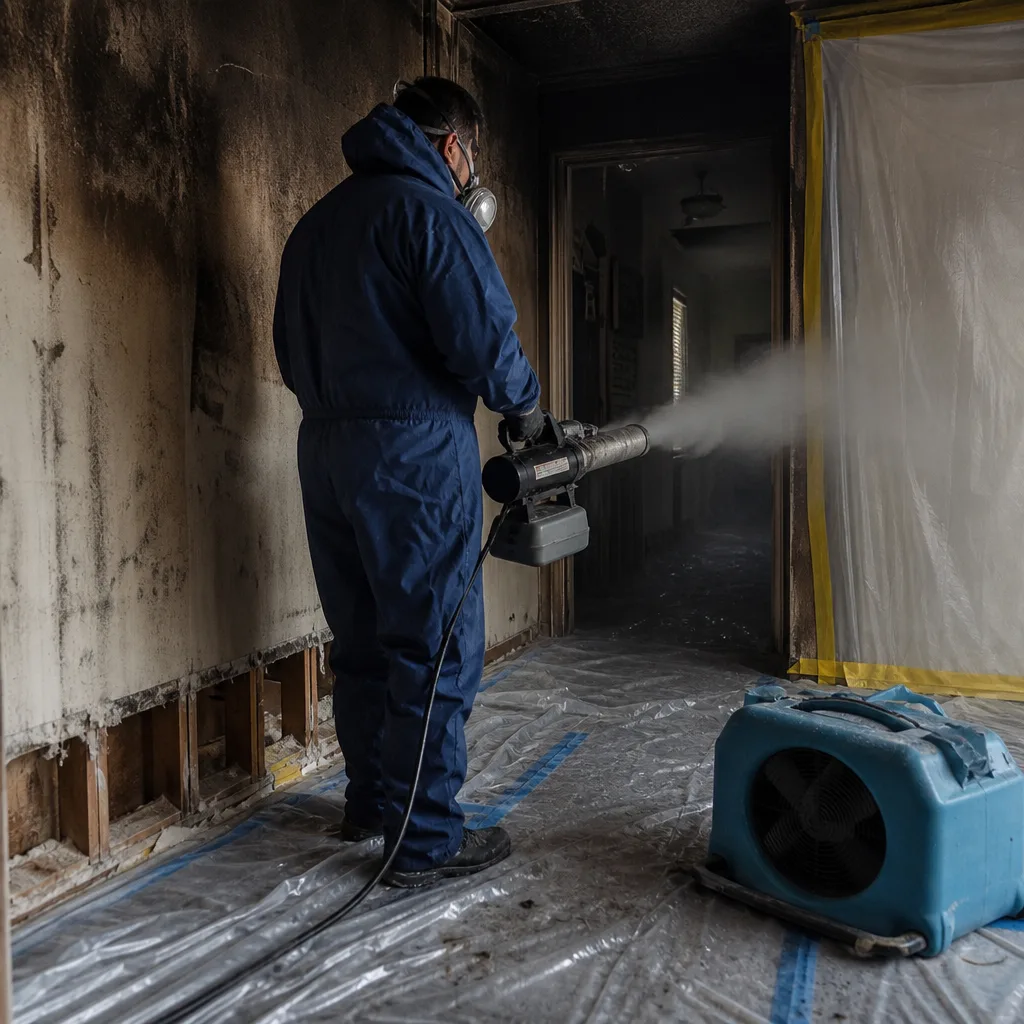
Warning signs become actionable when paired to measurable thresholds and documented with date, location, and scale reference. In Fallbrook’s specific climate and construction context, the numbers that matter are 10% EMC baseline, 17% active intrusion threshold, and 72-hour mold germination window. The practices that matter are photo documentation with measurement reference, written scope before work begins, and daily drying logs that create an evidence trail. Generic symptom lists fail because they omit these specifics. This guide exists to close that gap, giving Fallbrook homeowners the same diagnostic framework we apply on every DryMark Restoration Fallbrook assessment.
Written by Alicia Brennan, Owner at DryMark Restoration Fallbrook, serving Fallbrook since 2011.