
Free visual inspection and a written scope of work before any mitigation begins - photos, moisture readings, and drying logs go in your claim file
The scope we write is the scope we bill. Anything new gets shown to you, in writing, before we touch it.
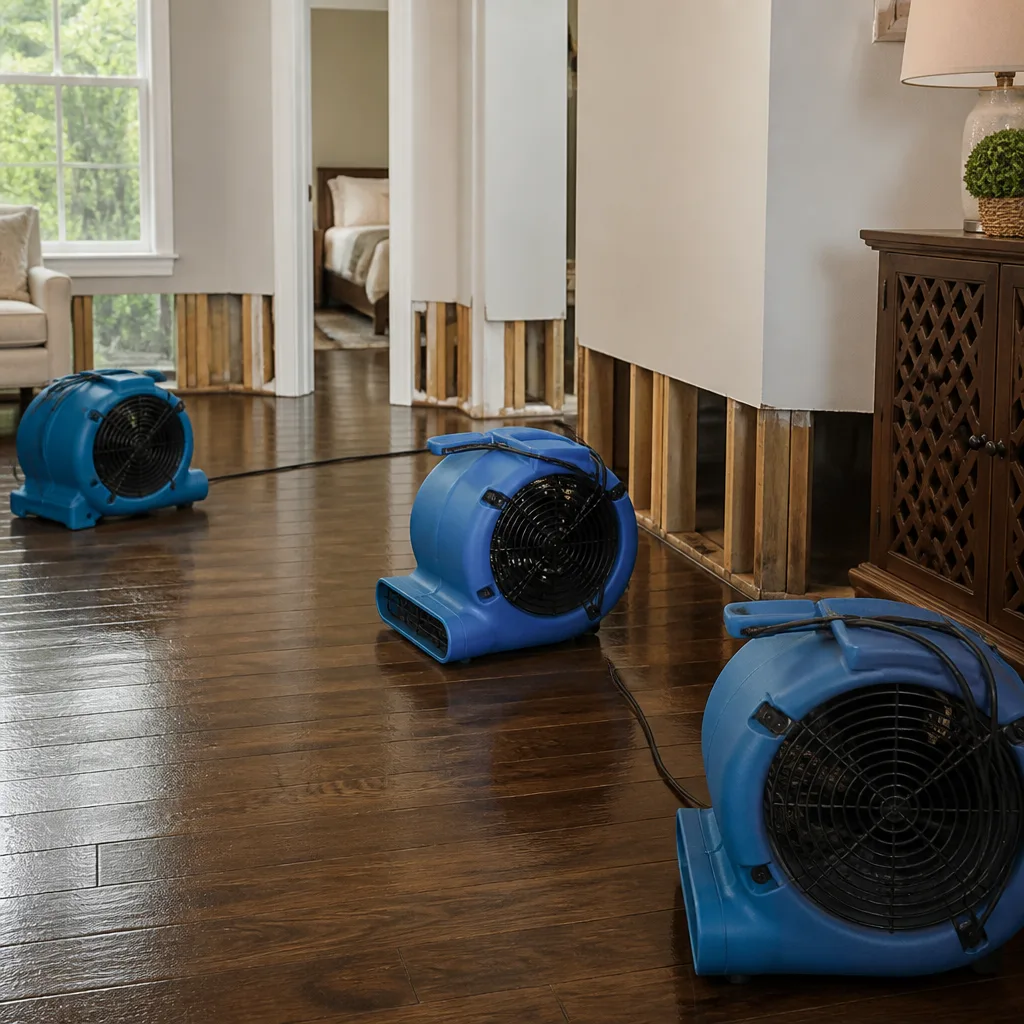
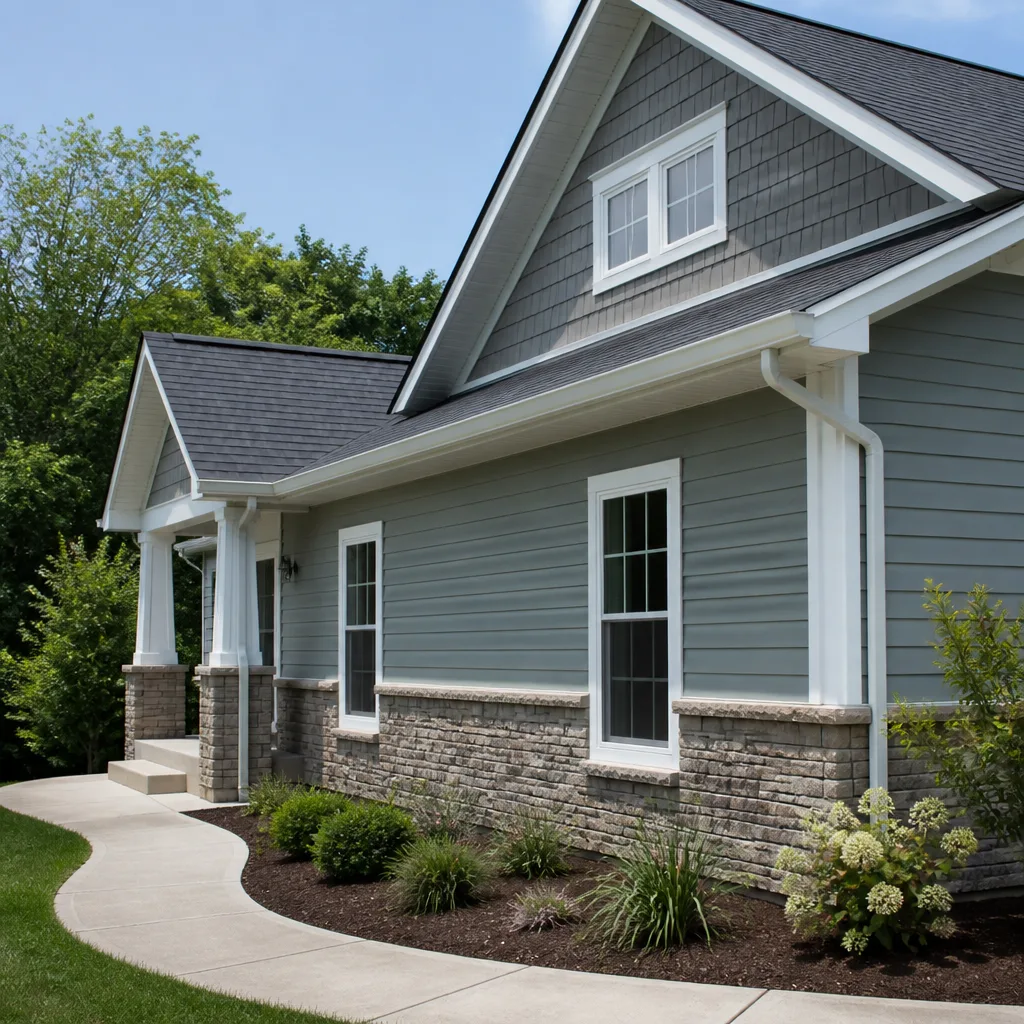
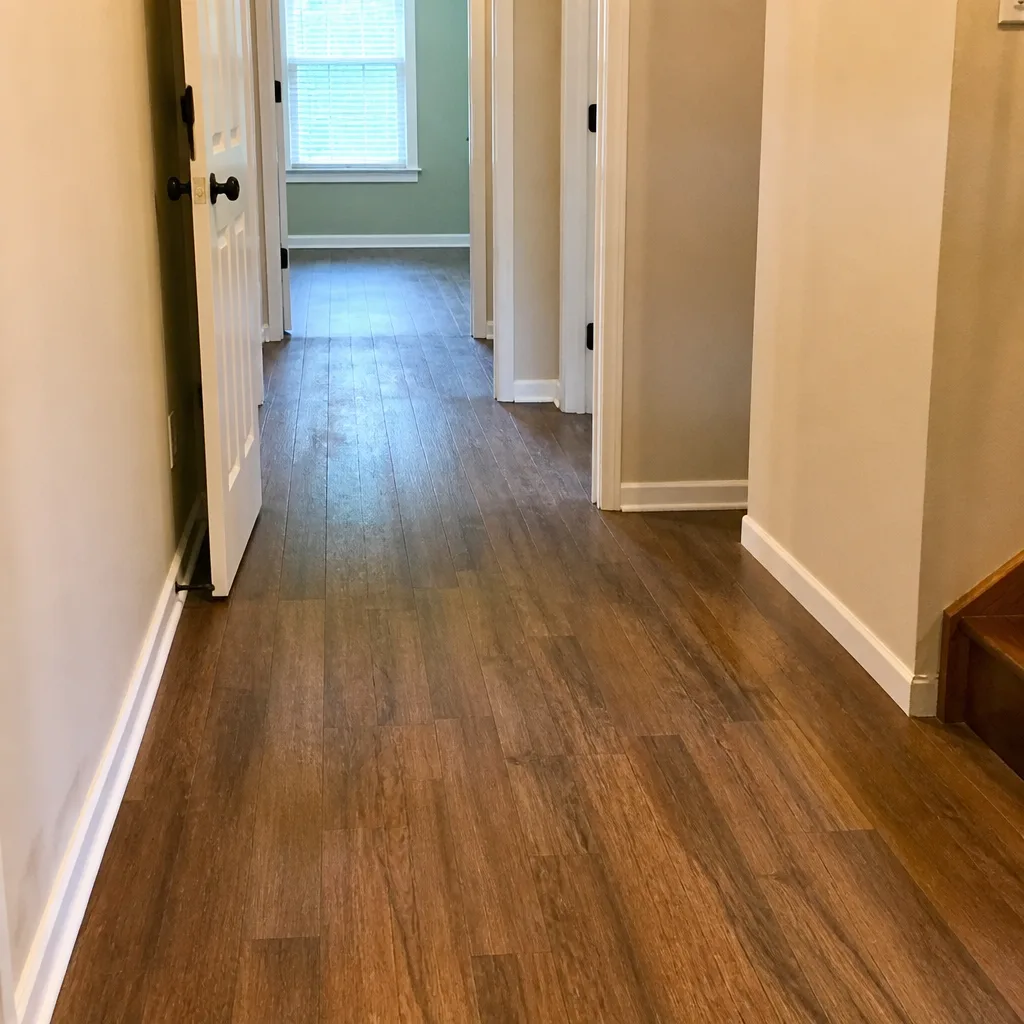

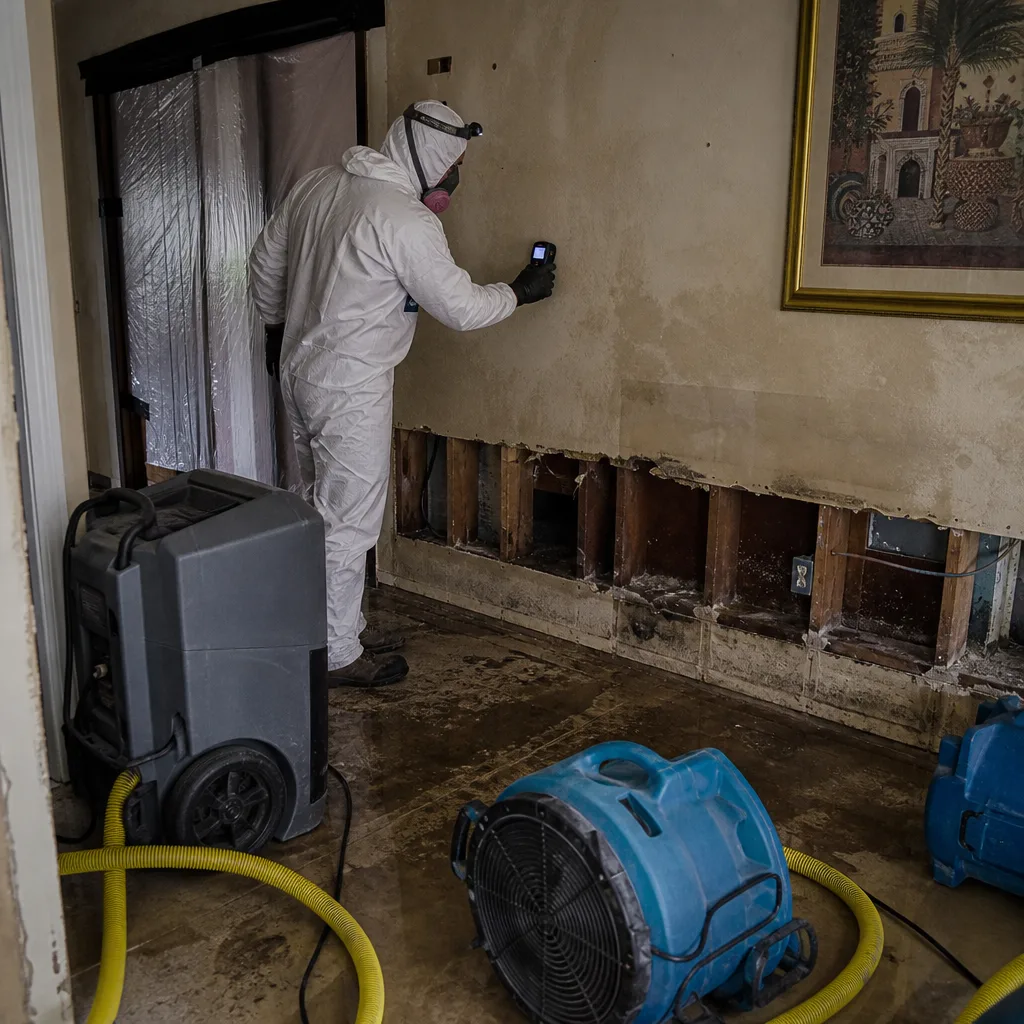 Before
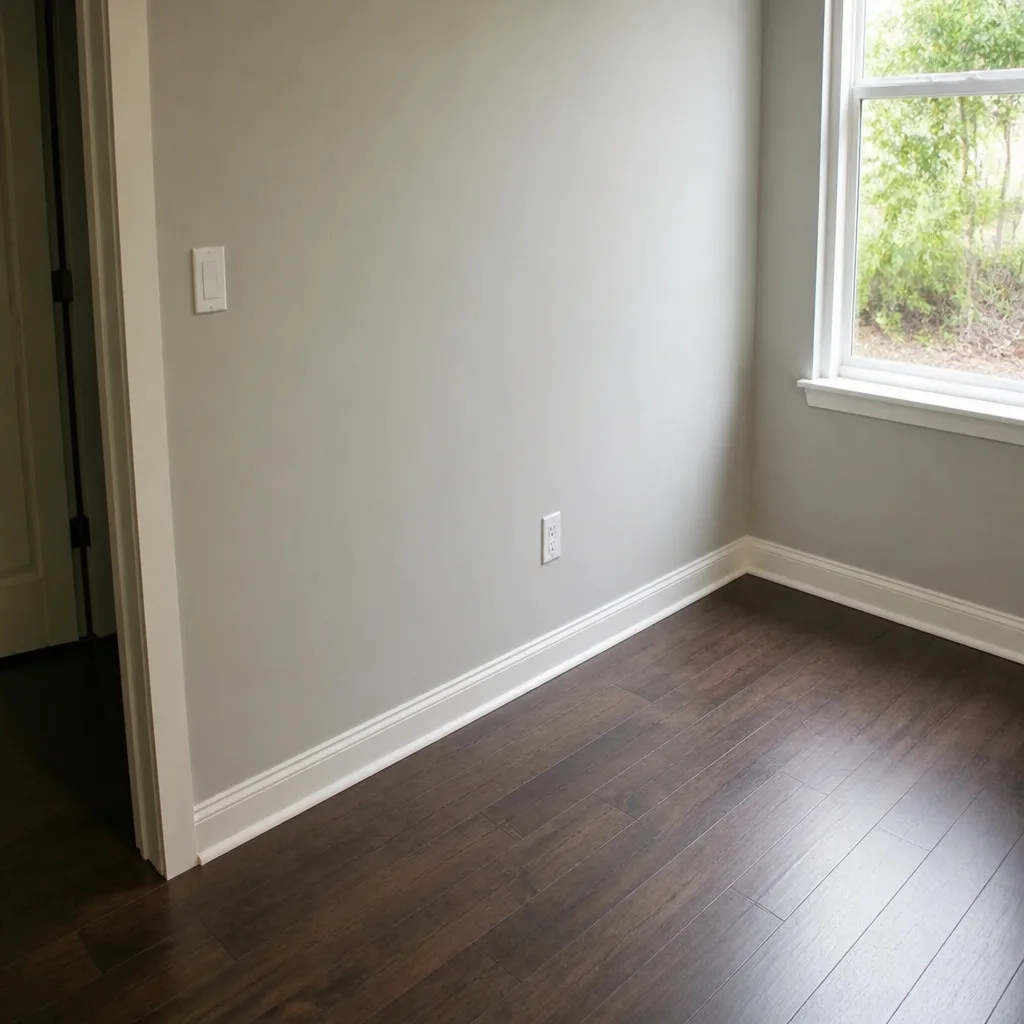 After
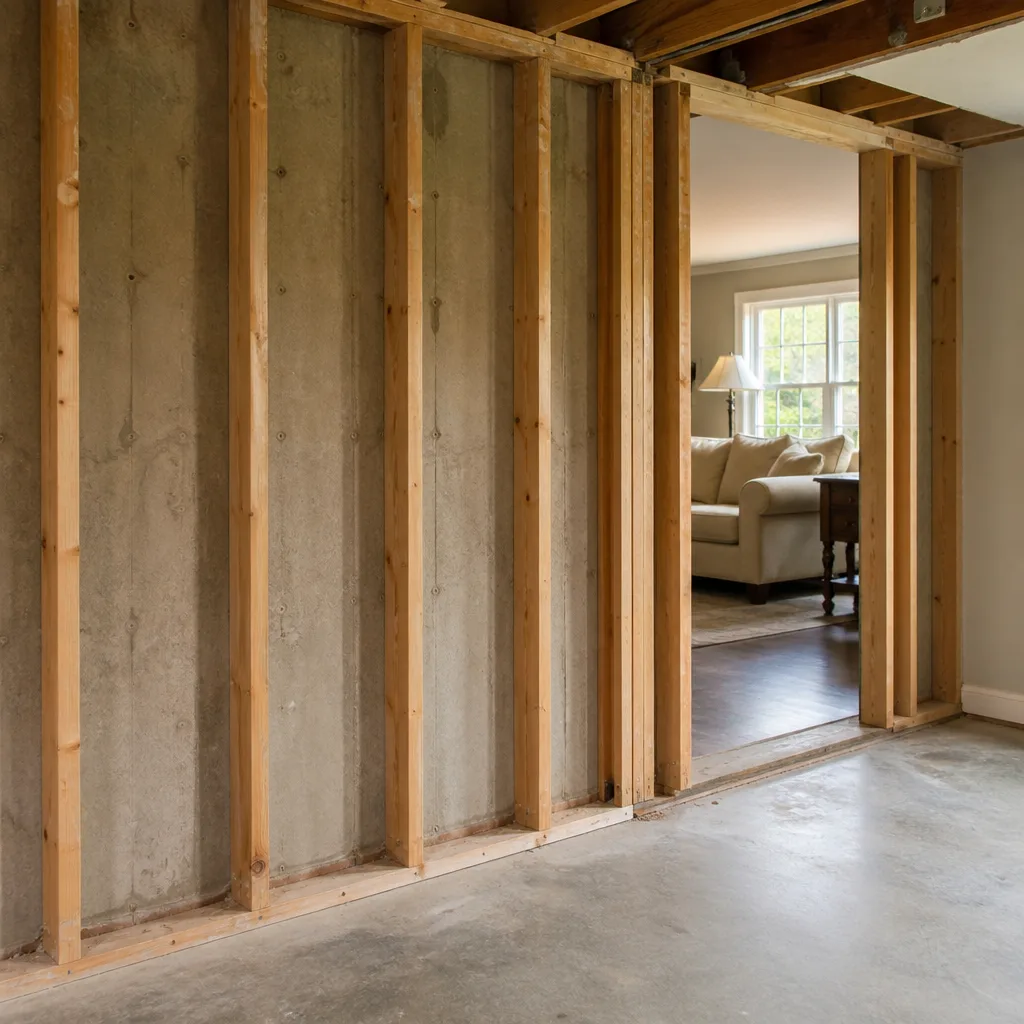
After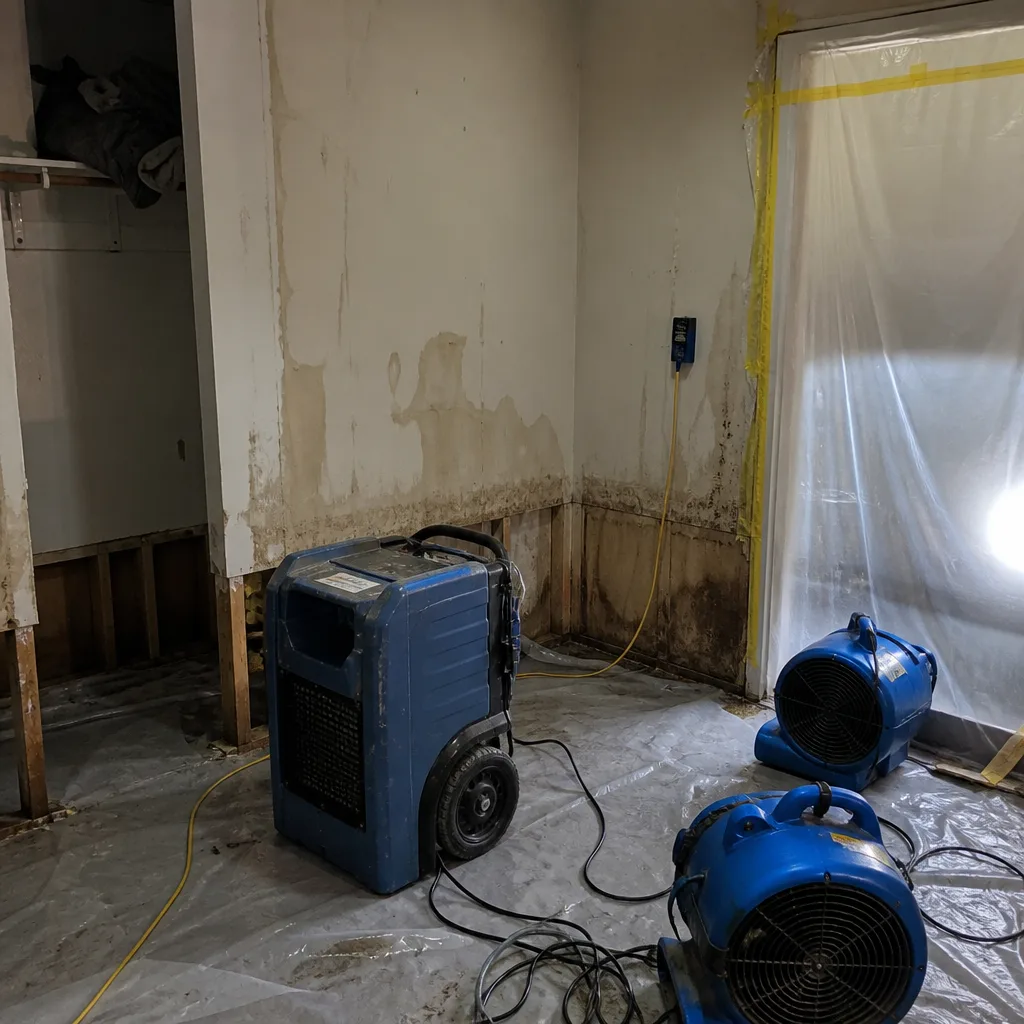 Before
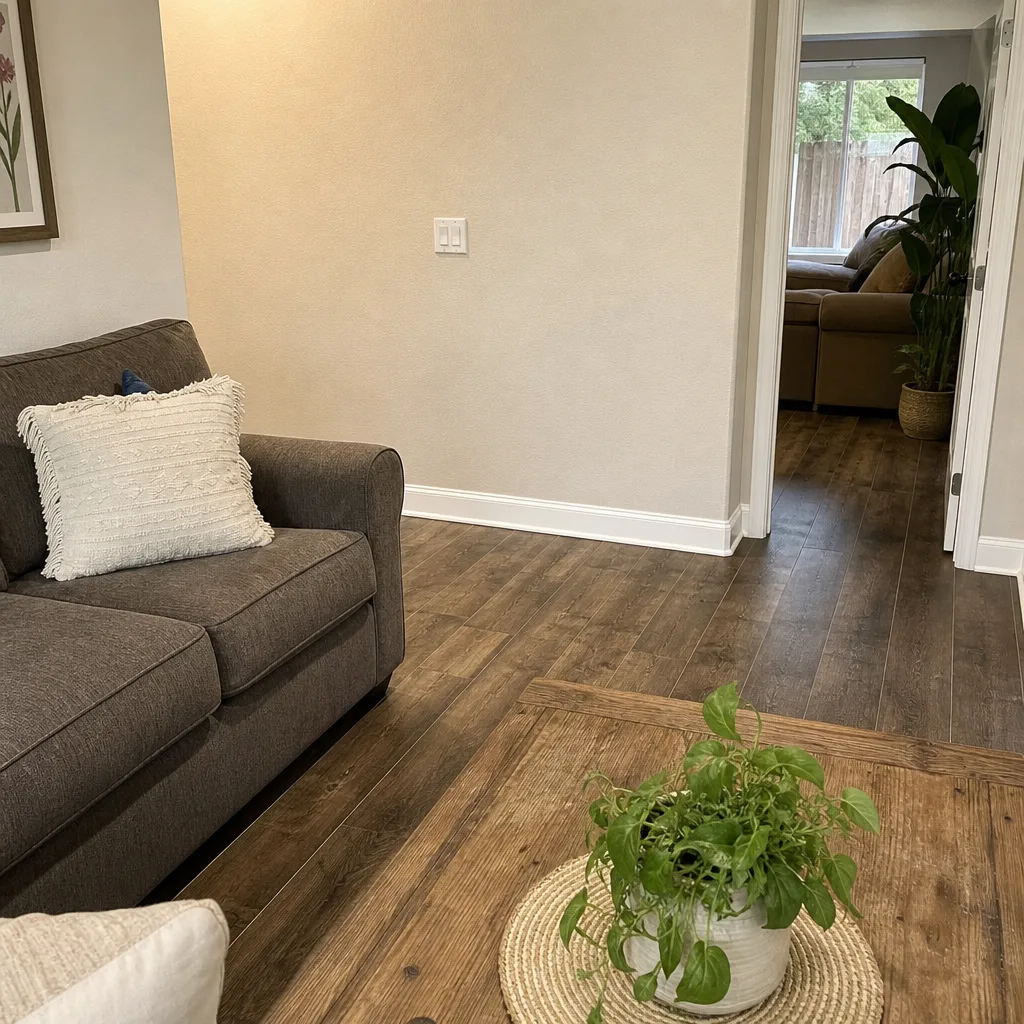 After
After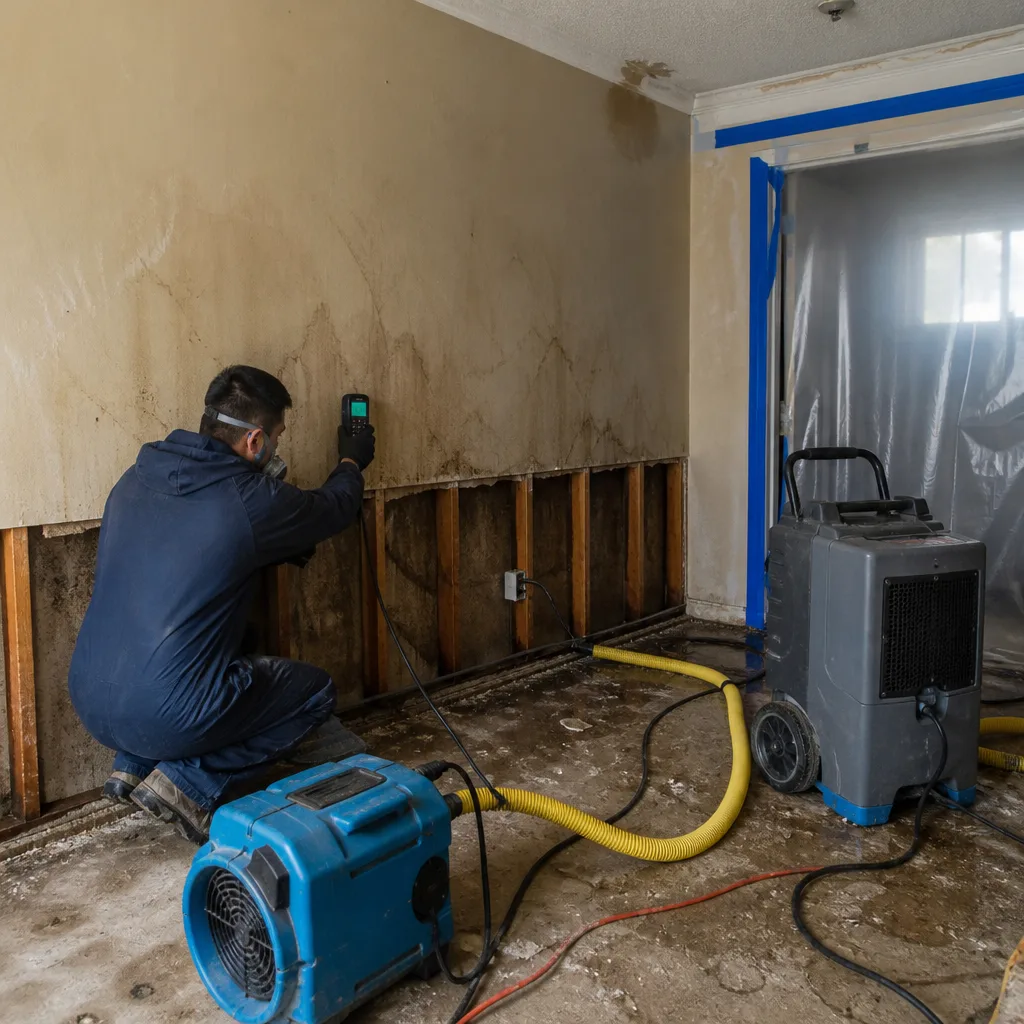 Before
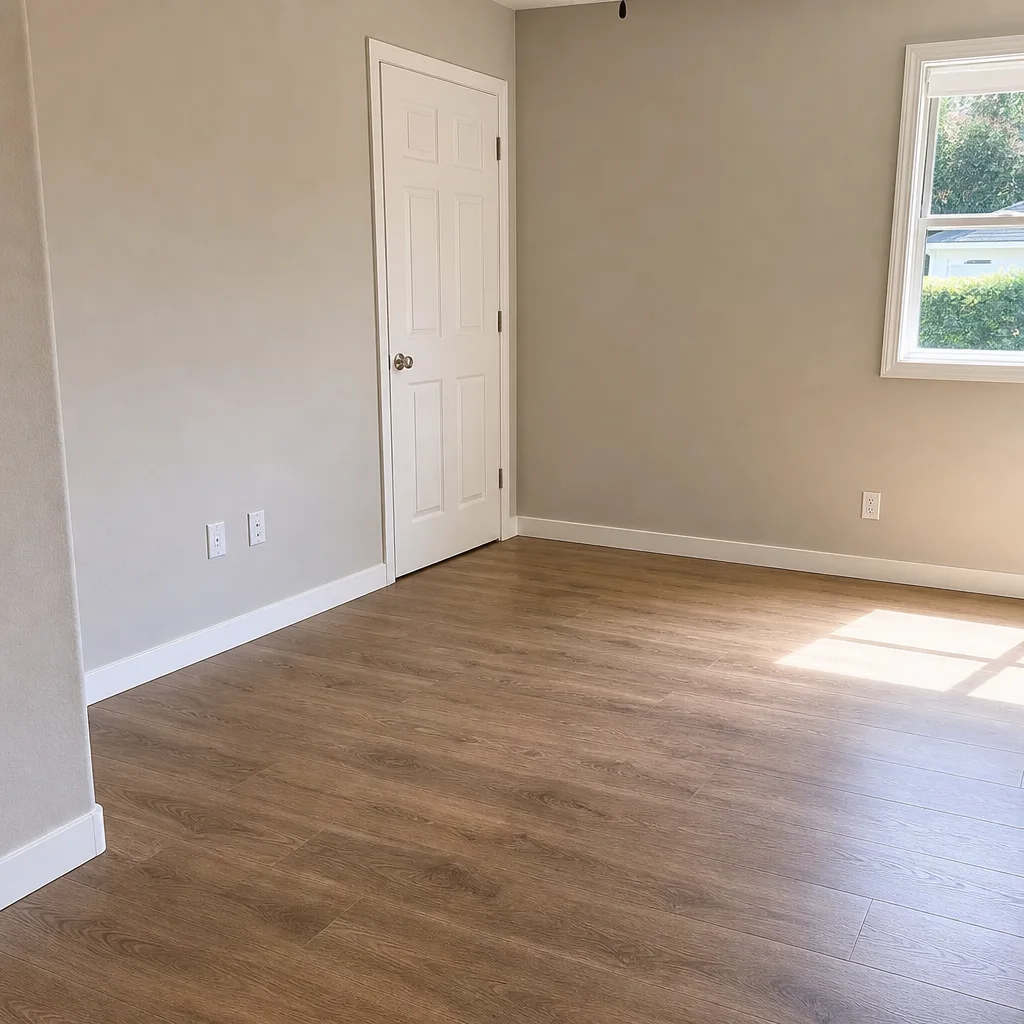 After
After24/7 Emergency Water Damage Restoration in Escondido
Water damage restoration in Escondido typically costs $2,800-$6,500 for a standard residential drying job, with emergency extraction adding $800-$1,800 depending on affected square footage and water category. Most Escondido homeowners with burst pipe or supply line failures see insurance cover the full scope minus deductible, provided documentation starts within the first 24 hours. Our crews dispatch throughout the Escondido area within 45 minutes of your call to (760) 421-5658, and a live person answers every emergency line - no voicemail, no callbacks tomorrow while water keeps moving.
The first hour determines whether you’re looking at three days of drying or three weeks of reconstruction. In Escondido’s inland valley, where summer temperatures run 15-20°F hotter than coastal San Diego, wet drywall and framing hit mold growth thresholds in 24 to 48 hours - sometimes faster. Water doesn’t wait. Neither do we.
Understanding Water Damage Restoration Severity in Escondido Properties
Water damage jobs sort into three categories under IICRC standards, and the distinction matters for both health and insurance coverage. Category 1 is clean water from a supply line or faucet - safe at first, but it degrades to Category 2 within 24 to 48 hours of contact with building materials. Category 2, gray water, carries chemical or biological contamination from sources like dishwasher discharge or sump pump failures. Category 3, black water, includes sewage, ground surface water, or any water that has passed through soil or unsanitary materials.
Escondido’s housing stock creates unique category escalation risks. The 1950s-1970s tract homes in the central city core - concentrated around the historic downtown corridor and neighborhoods like Old Escondido and East 7th Avenue - have raised foundations with crawlspaces that often sit below grade. When Escondido Creek rises during El Niño rain years, clean Category 1 water from a burst pipe becomes Category 2 the moment it contacts soil, insulation, or decades-old foundation wood. Our moisture mapping protocol, using thermal imaging and non-penetrating hygrometers, traces exactly where the water traveled so we classify it correctly from day one. Misclassification is what gets claims denied.
Why Escondido Property Owners Choose DryMark Restoration Fallbrook
- 45-minute response commitment to Escondido addresses - our San Diego office dispatches crews directly, no third-party routing.
- 24/7 live answer: a real person, never an automated system or voicemail tree, on every emergency call.
- IICRC-certified crews holding WRT (Water Damage Restoration Technician) and AMRT (Applied Microbial Remediation Technician) credentials.
- Free visual inspection with moisture readings and thermal imaging before any work is authorized.
- Direct insurance billing with photo-documented scopes delivered to your adjuster in industry-standard format.
- One team from extraction through reconstruction - no handoffs between mitigation and rebuild contractors.
BeforeAfterOur Water Damage Restoration Process
1. Inspection & Assessment
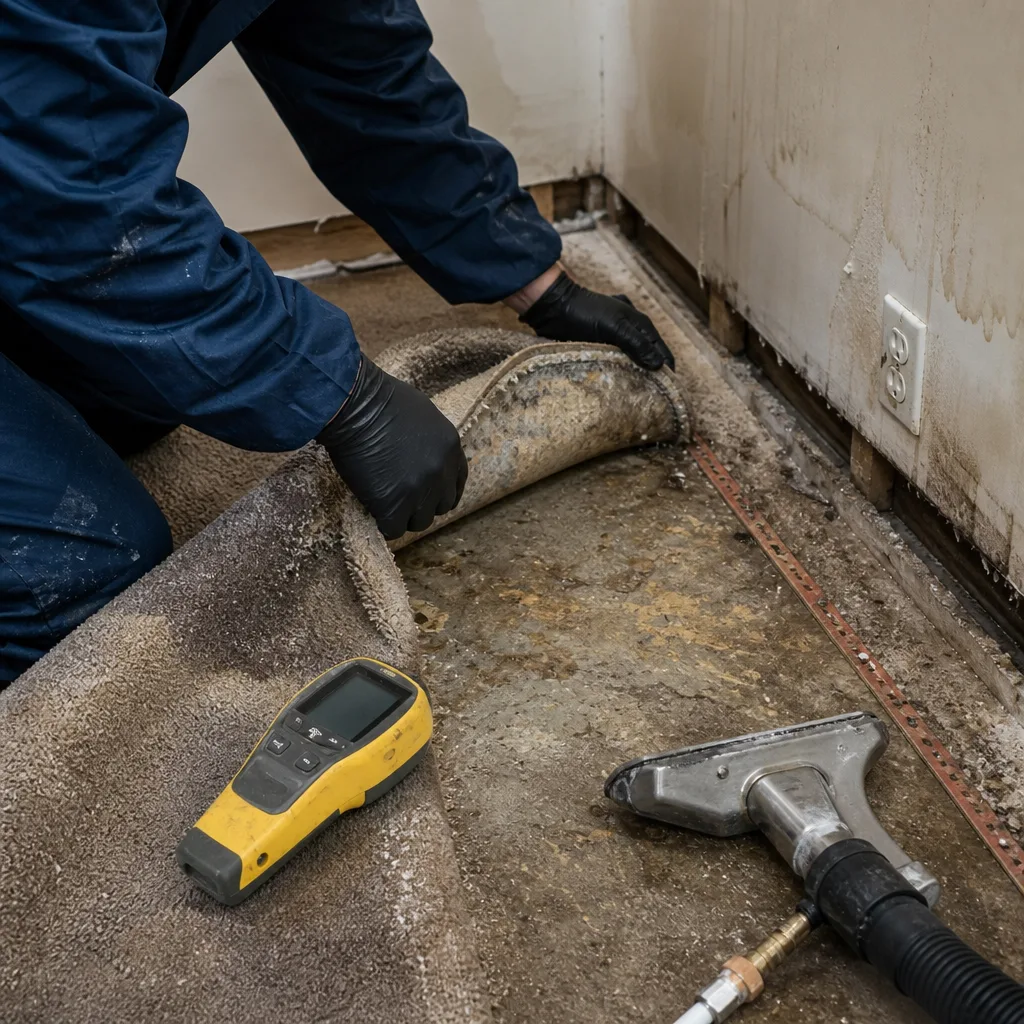
We document the water category, map moisture migration with FLIR thermal imaging, and measure affected materials with penetrating and non-penetrating moisture meters. Every reading is logged to the drying record that your insurer will review. You get a written scope and price before any equipment runs - Haven Standard, Clause 1.
2. Water Extraction & Stabilization
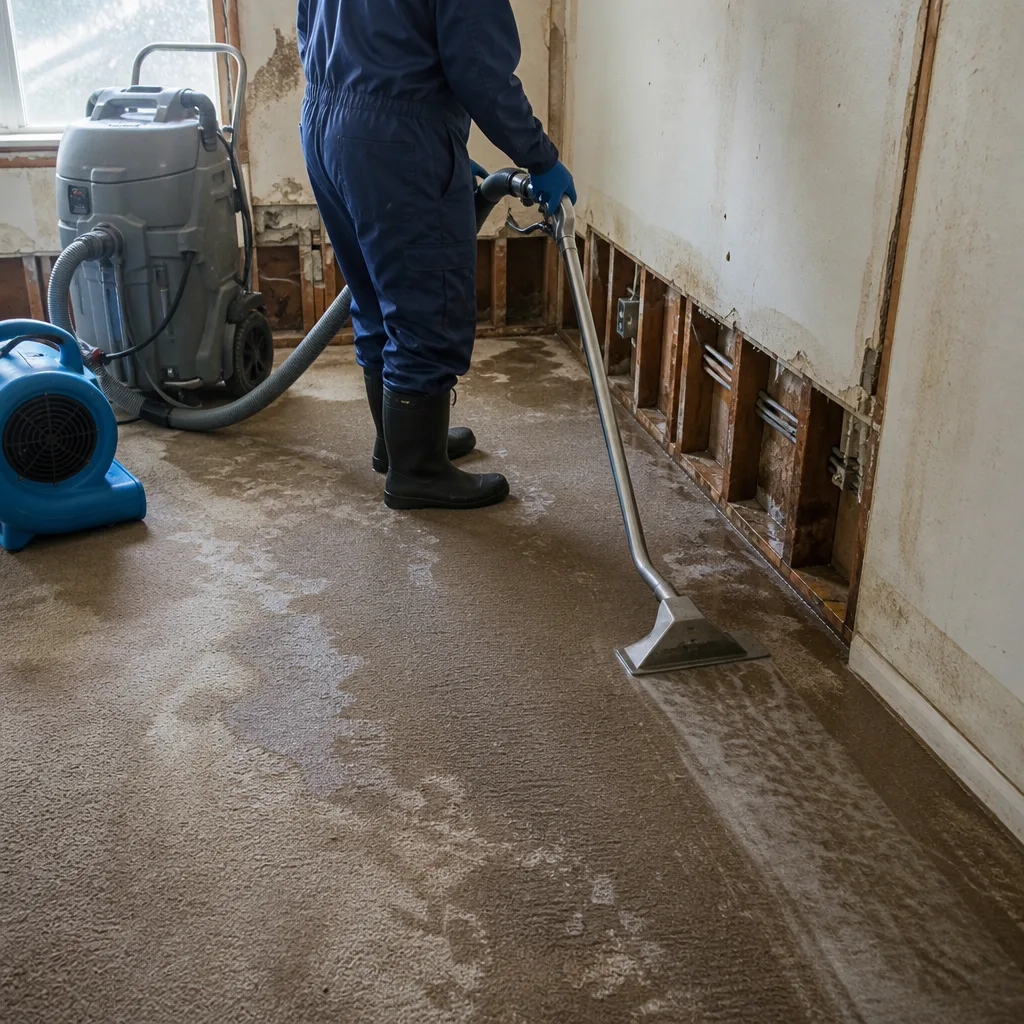
Standing water comes out first. We deploy truck-mounted extractors for large volumes and portable units for confined spaces like Escondido’s older crawlspaces. The goal is to remove liquid water before it becomes vapor that loads the structure - extraction is ten times faster than evaporation.
3. Structural Drying & Dehumidification
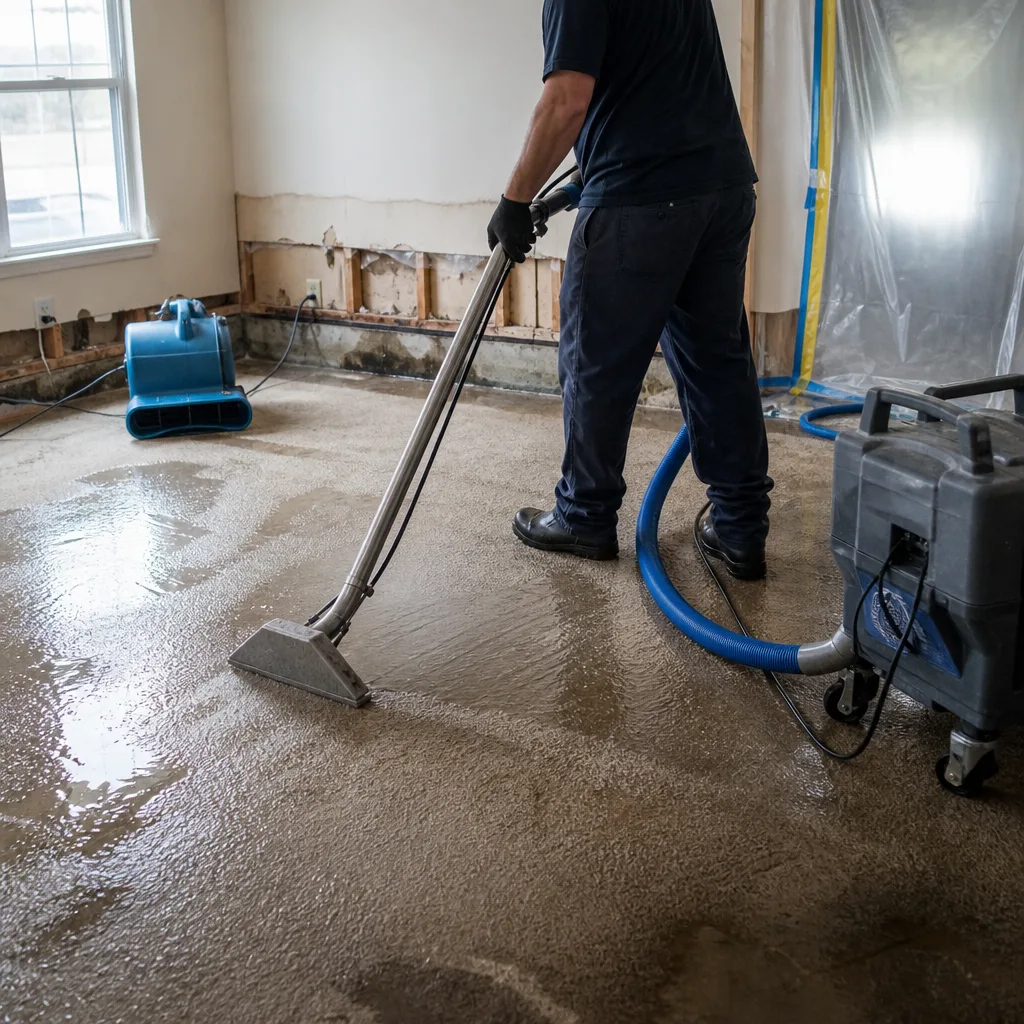
We size the drying system to the job: Dri-Eaz and Phoenix LGR dehumidifiers pull vapor from the air, while XPOWER and B-Air air movers create controlled airflow across wet surfaces. In wall cavities, Injectidry panel systems deliver directed drying without unnecessary demolition. Psychrometric data - temperature, relative humidity, and vapor pressure differential - is recorded twice daily.
4. Cleaning & Sanitization
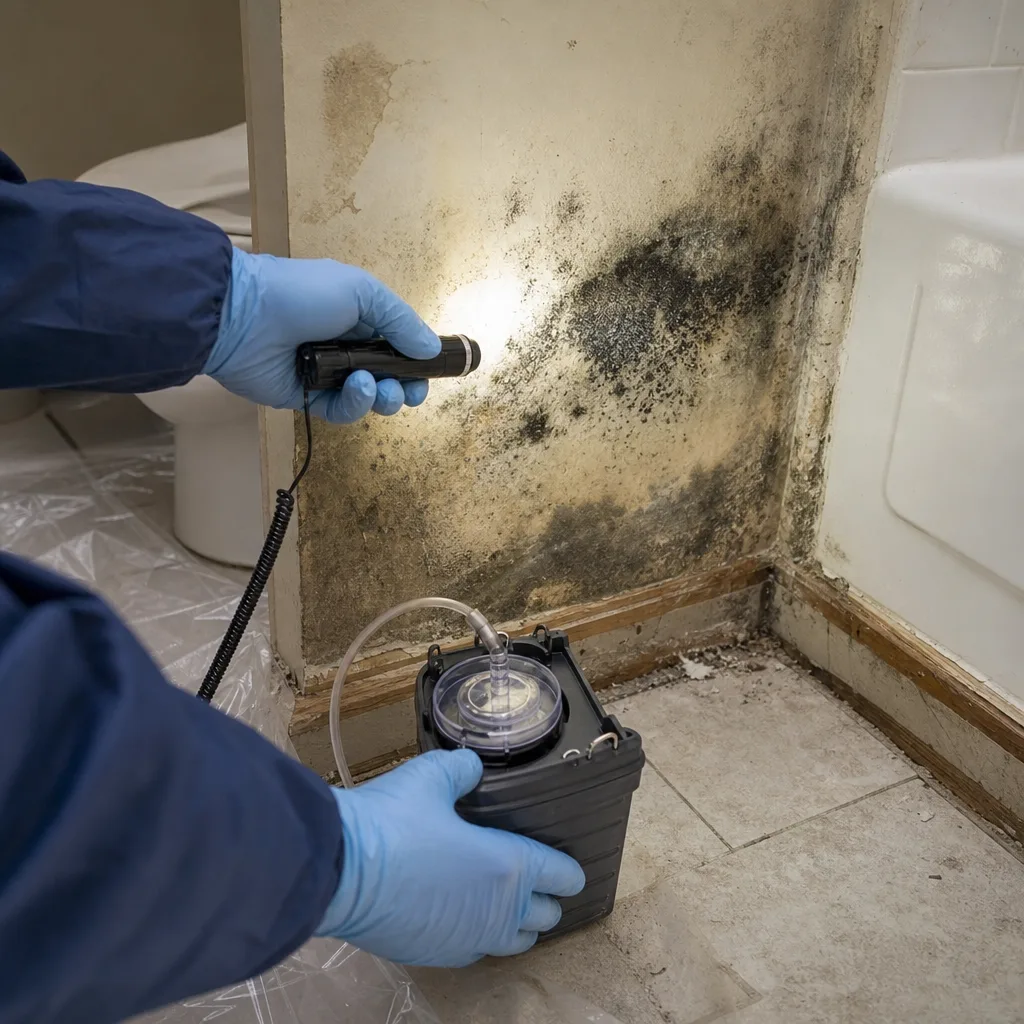
Category 2 and 3 jobs get antimicrobial treatment of affected surfaces. HEPA air scrubbers run during work to capture airborne particles. On Escondido jobs with wildfire ash infiltration combined with water damage, we treat soot residue before it sets permanently into porous materials.
5. Mold Prevention & Tertiary Drying
Escondido’s inland heat demands extended monitoring. We continue readings past the apparent dry point to catch tertiary moisture - bound water deep in wood cells that standard meters miss. If mold risk is elevated, we set containment and run air scrubbers until clearance criteria are met.
6. Repairs & Restoration
Our crew returns affected areas to pre-loss condition: drywall replacement, flooring repair, cabinet reinstallation, paint. The same team that dried your house rebuilds it, with the same photo documentation at every stage. The 365-Day Done Right Promise applies to all work.
Need Emergency Water Damage Restoration in Escondido Now?
Crews minutes away, answering live 24 hours a day. The sooner we start, the less it costs.
Working With Your Insurance Company
Insurance claims succeed or fail on documentation. We start building your file the moment we arrive: date-stamped photos of every affected room, moisture readings with equipment serial numbers, and a line-item scope written to Xactimate or Symbility standards. Your adjuster receives the same packet we give you - nothing hidden, nothing summarized after the fact.
We coordinate directly with carriers on coverage questions, code-upgrade requirements, and supplemental requests. If your Escondido home needs repiping after a galvanized line failure, we document the original material, the failure mode, and the replacement specification so your policy’s ordinance-and-law coverage can be evaluated properly. Direct billing is available with most major carriers.
What We Provide Your Insurer
- Thorough documentation of the loss
- Photos of all damage, room by room
- Moisture readings and drying logs
- A detailed, line-item scope of work
- Direct coordination with your carrier
Built for Escondido’s Loss Calendar
Escondido’s water damage season doesn’t follow the coastal pattern. January through March brings El Niño-driven rain events that push Escondido Creek over its banks, flooding crawlspaces in the lower-lying historic downtown corridor and neighborhoods near Grape Day Park. The 1950s-1970s tract homes in these areas have original galvanized supply lines that have been heat-cycling for sixty-plus years - the inland valley’s 90-100°F summer highs expand the metal, winter contraction stresses the corrosion pits, and the first sustained cold snap of January triggers the failure chain.
April through June is dry, but it’s when we handle the most mold calls: homeowners who ignored a winter leak discover colony growth when the heat returns. July through October is wildfire season, and while our Water Damage Restoration team focuses on water, the smoke damage that accompanies fire season often involves suppression water or burst sprinkler lines. November brings the first cold nights and the next wave of pipe failures. We schedule Escondido crews year-round because the work never stops.
Water Damage Restoration Across Escondido’s Neighborhoods
Old Escondido, the historic district centered around Grand Avenue, holds some of the city’s oldest housing stock - 1920s bungalows and post-war tract homes with raised foundations, original galvanized plumbing, and crawlspaces that flood when Escondido Creek rises. Our crews know the access points on these properties: narrow side yards, original basement stairs that don’t meet current code, foundation vents that have been painted shut for decades.
The neighborhoods along East 7th Avenue and the streets radiating from the historic downtown corridor see the highest concentration of burst galvanized line calls. These homes were built fast in the 1950s and 1960s, and the plumbing is reaching end-of-life simultaneously. We got a call from a homeowner on East 7th Avenue after a mid-January El Niño rain - an original 1/2-inch galvanized line behind the kitchen wall had finally given out, and water had been wicking into a 1950s raised foundation subfloor for what looked like a week. Our techs ran thermal imaging and moisture mapping to trace the migration before cutting drywall, then set up an Injectidry panel system and Dri-Eaz dehumidification with air movers to pull the wall cavity and subfloor down to pre-loss condition. The homeowner opted to repipe the branch in PEX rather than patch the galvanized, and we logged every drying day with readings so the claim was closed without pushback.
Newer hillside subdivisions on the eastern and northern edges - the developments pushed against the wildland-urban interface - face different risks. These homes have modern plumbing but are exposed to flash runoff during heavy rain events. The chaparral-covered slopes shed water fast, and drainage systems installed during construction often clog with debris. We handle extraction and drying in these properties with particular attention to engineered wood flooring, which delaminates quickly if water sits.
The commercial corridor along Centre City Parkway and the industrial areas near the 78 freeway see their own pattern: slab-on-grade construction with polybutylene or early PEX that fails at junctions, flooding tenant spaces before anyone arrives for work. Our 24/7 live dispatch gets crews there before the morning shift discovers standing water.
Specialized Water Damage Restoration Services We Offer in Escondido
Emergency Water Extraction
Standing water removal is time-critical in Escondido’s heat. We deploy truck-mounted and portable extractors to remove bulk water before it vaporizes and loads the structure. For the raised foundations common in central Escondido, we use specialized crawlspace extraction wands that reach where standard equipment won’t.
Structural Drying & Dehumidification
Our drying systems are sized to the job using psychrometric calculations, not guesswork. In Escondido’s inland climate, we often run dehumidifiers at higher capacity than coastal jobs demand - the hot, dry air accelerates surface evaporation but can trap moisture deep in wood assemblies. Daily moisture logs document progress to IICRC standards.
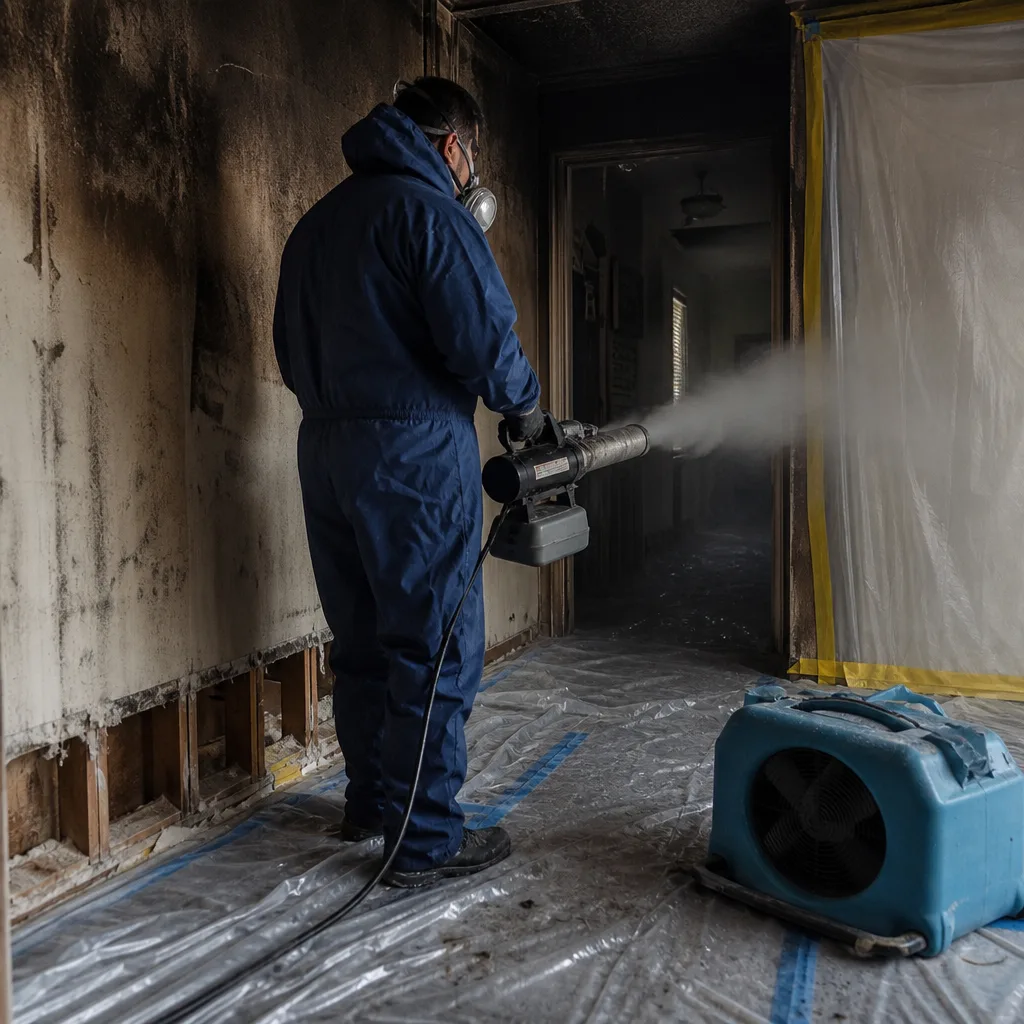
Flood Cleanup
Escondido Creek flooding and flash runoff from hillside developments create Category 2 and 3 water scenarios. We treat these as contamination events from arrival: full PPE, antimicrobial application, and HEPA air scrubbing. Soil contact means the water is never “clean” regardless of its original source.
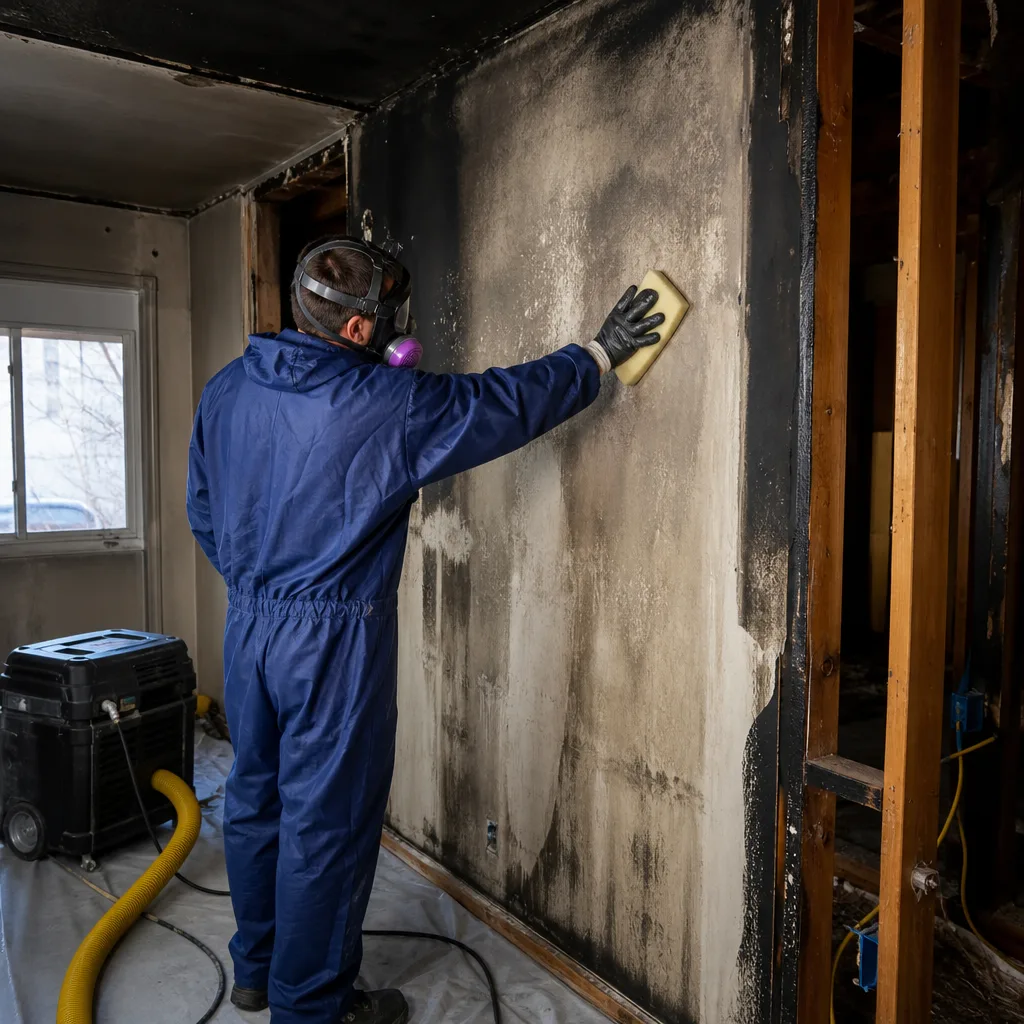
Burst Pipe Restoration
The galvanized-steel failure chain dominates our Escondido pipe calls. Original supply lines in 1950s-70s tract homes pit internally, then let go suddenly - often discovered only after a floor or baseboard warps. We trace the full extent of migration with thermal imaging before opening walls, then scope both the drying and the repipe options.
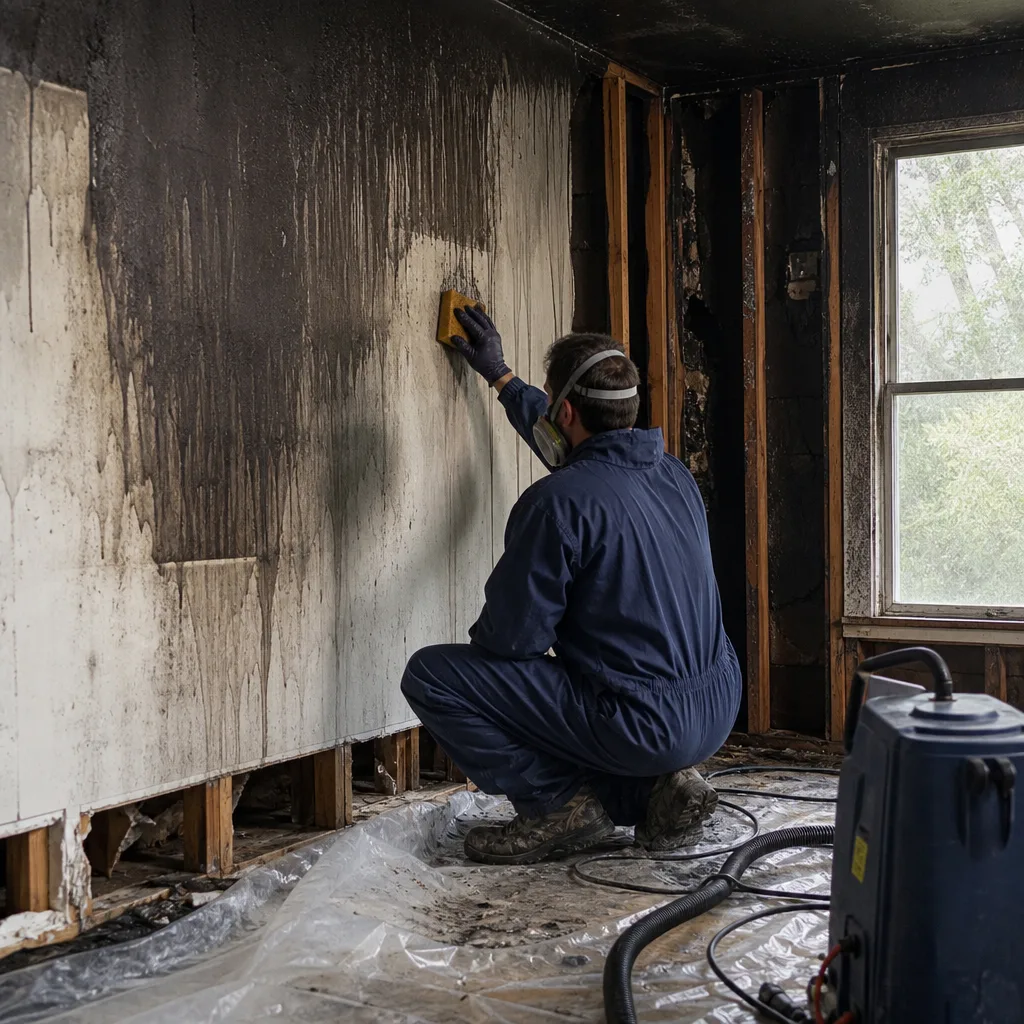
Basement Water Removal
True basements are rare in Escondido, but partial basements and converted crawlspaces in older central-city homes present similar challenges: limited access, low clearance, and ventilation that doesn’t meet modern standards. We use low-profile air movers and remote monitoring to dry these spaces without constant technician entry.
Ceiling & Roof Leak Water Damage
Santa Ana wind events damage roofing and flashing, allowing water intrusion that homeowners discover as ceiling staining. We trace the leak path, document roof damage for your insurance scope, and dry affected attic assemblies and ceiling cavities with Injectidry or direct drying as appropriate.
What happens when you call
- 1
A real person answersNo phone trees - you reach a local pro.
- 2
You get an upfront price rangeHonest numbers before anyone is dispatched.
- 3
A background-checked tech heads outLicensed & insured, dispatched right away.
- 4
You approve before work beginsNothing starts until you say go.
Water Damage Restoration Costs in Escondido, CA
Typical residential water damage drying in Escondido runs $2,800-$6,500 for a standard three-room job with Category 1 or 2 water. Emergency extraction adds $800-$1,800. Category 3 sewage or ground water jobs start higher due to contamination protocols: $4,500-$9,500 for equivalent scope. Mold remediation, when needed, runs $1,200-$3,800 per contained area.
What moves the price: affected square footage, water category, access difficulty (crawlspaces add labor), and whether materials can be dried in place or require removal. The 1950s-1970s Escondido homes we work in most often need more demolition than newer construction - plaster and lath, non-removable cabinets, and asbestos-containing materials in pre-1980 builds all add steps.
Insurance typically covers sudden and accidental water damage from burst pipes or appliance failures, less commonly from long-term leaks or maintenance issues. We provide a free visual inspection with written scope and price before any work begins - Haven Standard, Clause 1 - so you know your out-of-pocket exposure before authorizing. Call (760) 421-5658 for your estimate.
We Also Serve Cities Near Escondido
Our crews respond throughout inland North County from our San Diego office, including Water Damage Restoration in Escondido and neighboring communities. We regularly handle jobs in San Marcos, Poway, Valley Center, and Vista - the same documentation standards, the same live dispatch, the same written price before work begins.
Serving Escondido, CA - Our Local Coverage Area
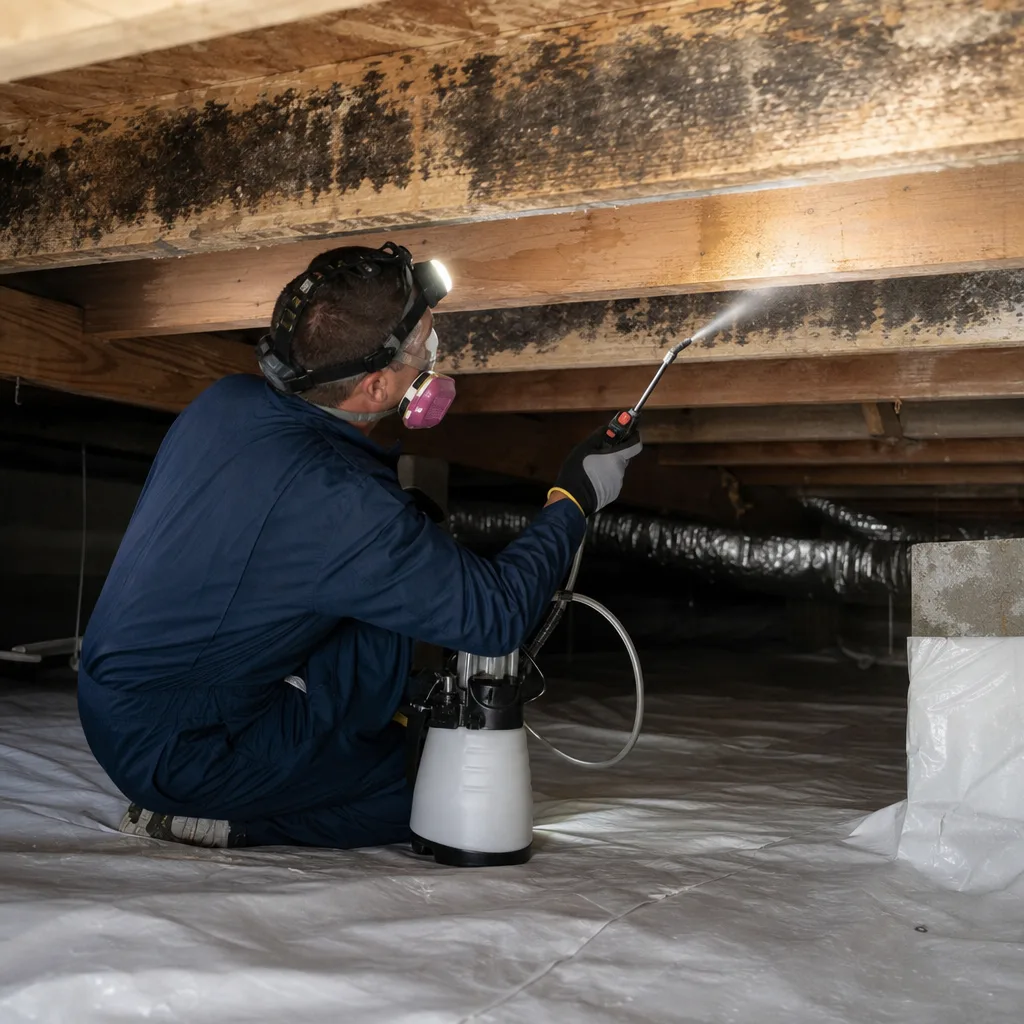
We’re based in the Escondido area and know this community well. Use the map below to see our service coverage - if you’re nearby, we can almost certainly help.
Escondido Water Damage Restoration Questions, Answered
Does Escondido’s hot inland valley really make mold faster after a water leak?
Yes - Escondido’s summer temperatures, regularly 15-20°F hotter than coastal San Diego, compress the mold growth window from the textbook 48-72 hours to as little as 24 hours on warm days. Wet drywall and studs in an unconditioned Escondido home in July can show active colony growth before a coastal job would even register elevated humidity. We treat every delayed call in Escondido as a category escalation and inspect for microbial growth during initial assessment. Call (760) 421-5658 if you suspect water damage - waiting costs more here than almost anywhere in San Diego County.
My Escondido home has original galvanized pipes - should I repair the leak or repipe?
Repipe the branch at minimum, and consider full replacement if your home is 1950s-1970s construction in central Escondido. Galvanized steel has a 50-70 year service life; most of these lines are past it. A patch on a corroded line fails again, often within months, and insurers increasingly deny repeated leak claims as maintenance issues. We document the original material and failure mode for your claim file, then scope both patch and repipe options so you can make the decision with real numbers. Our written price covers either path - no scope creep once we start.
How do you handle water damage in a raised-foundation house near the historic downtown corridor?
Raised foundations in this area typically have 18-36 inches of crawlspace clearance with original foundation vents that may be painted shut or screened with degraded mesh. We start with crawlspace extraction if water has pooled, then set low-profile air movers and dehumidifiers with ducting to the living space above. Moisture mapping traces migration into subfloor and wall baseplates. The 1950s construction in this corridor often means no vapor barrier or an degraded original - we note this in our scope and documentation for your insurer, as code-upgrade coverage may apply. Every step is photo-documented.
What’s the difference between category 1, 2, and 3 water on a water damage job?
Category 1 is clean water from a supply line, faucet, or rainwater - safe initially, but it becomes Category 2 within 24-48 hours of contact with building materials. Category 2, gray water, carries contamination from sources like dishwasher discharge, washing machine overflow, or sump pump failures. Category 3, black water, includes sewage, ground surface water, or any water that has passed through soil or unsanitary materials. In Escondido, Category 1 burst pipe water often becomes Category 2 when it reaches a crawlspace with soil contact - we test and classify correctly from arrival to protect your health and your claim.
Does my homeowner’s insurance cover water damage from a burst pipe in Escondido?
Usually yes, for sudden and accidental failures. Standard HO-3 policies cover burst supply lines, appliance failures, and storm damage that breaches the building envelope. They typically exclude long-term leaks, maintenance issues, and flooding from exterior rising water without separate flood coverage. The key is documentation: we photo-document the failure point, the water category, and all affected materials to establish that the loss was sudden, not gradual. We coordinate directly with your adjuster and provide Xactimate-formatted scopes. Call (760) 421-5658 and we’ll review your situation at no charge.
How fast can your crew actually get to my Escondido address?
We commit to 45 minutes from call to arrival for Escondido addresses, dispatched from our San Diego office. Live answer 24/7 means no delay for voicemail callbacks. During major El Niño events or regional wildfire seasons, response may extend slightly, but we communicate arrival time when you call and update if conditions change. The sooner we extract standing water and begin drying, the less reconstruction you’ll need.
How long does structural drying take in Escondido’s climate?
Standard residential drying runs 3-5 days in Escondido’s hot, dry conditions, but inland heat can be deceptive - surface dryness happens fast while bound moisture remains in wood framing. We run daily moisture readings until materials reach pre-loss equilibrium, not until they feel dry. Tertiary drying in dense assemblies may extend to 7-10 days. We don’t remove equipment until the data says we’re done, and you receive the complete drying log for your records.
Can my family stay in the home during water damage restoration?
Often yes for Category 1 jobs limited to one or two rooms, provided we can contain the work area and maintain safe air quality. Category 2 and 3 jobs, or any job with active mold growth, typically require temporary relocation for health reasons. We set containment barriers with negative air pressure and HEPA scrubbing when occupants remain. For Escondido’s older homes with open floor plans or degraded HVAC sealing, we may recommend relocation even for smaller jobs to prevent cross-contamination. We discuss this during initial assessment and document the decision for your insurer.
Water damage in Escondido moves fast - the inland heat, the aging galvanized plumbing, and the flash flood risk in lower-lying neighborhoods all compress your response window. We’re available now: live answer at (760) 421-5658, crews dispatched within 45 minutes, and a written price before any work begins. Free inspection, free second opinion on any competitor’s estimate, and every job backed by our 365-Day Done Right Promise under The Haven Standard.
Written by Alicia Brennan, Owner at Back to Dry Restoration, serving Escondido since 2011.
Water Damage Restoration in Nearby Areas