

Free visual inspection and a written scope of work before any mitigation begins - photos, moisture readings, and drying logs go in your claim file
The scope we write is the scope we bill. Anything new gets shown to you, in writing, before we touch it.


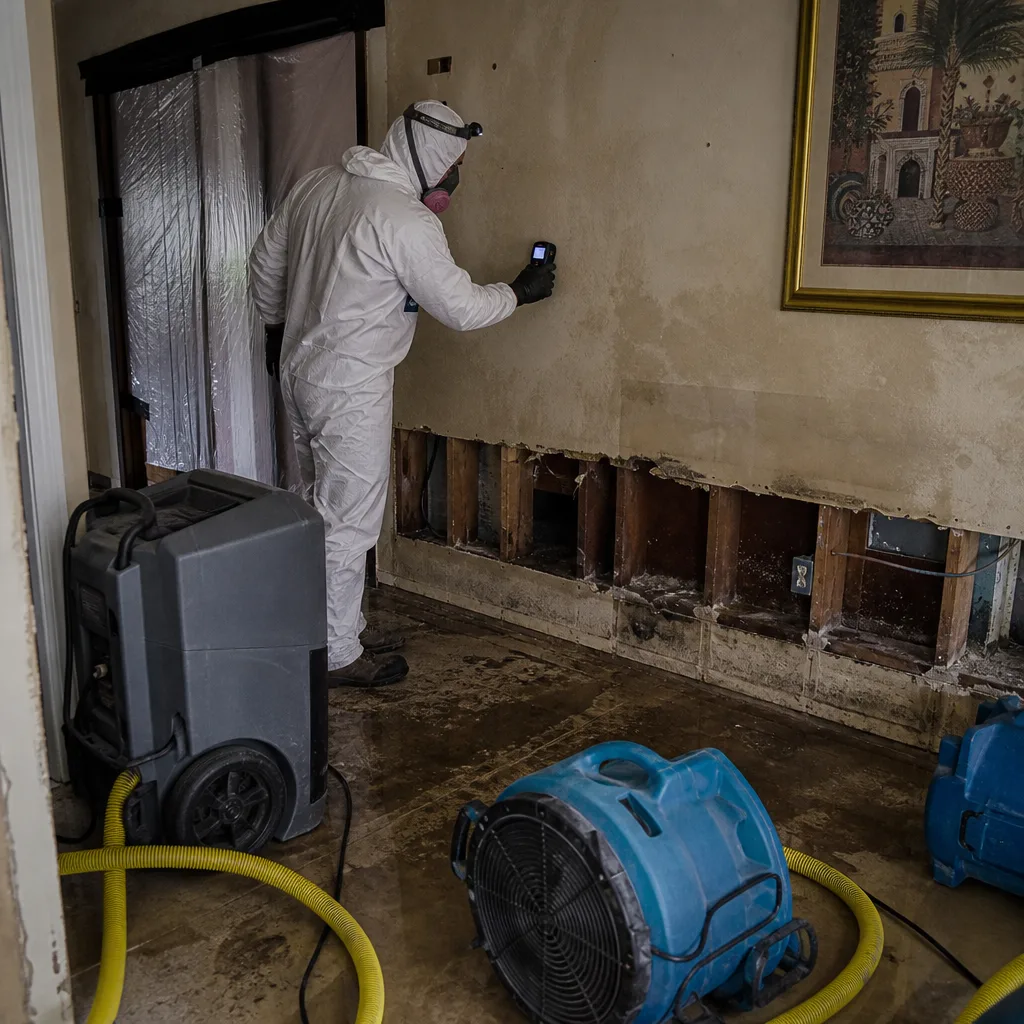 Before
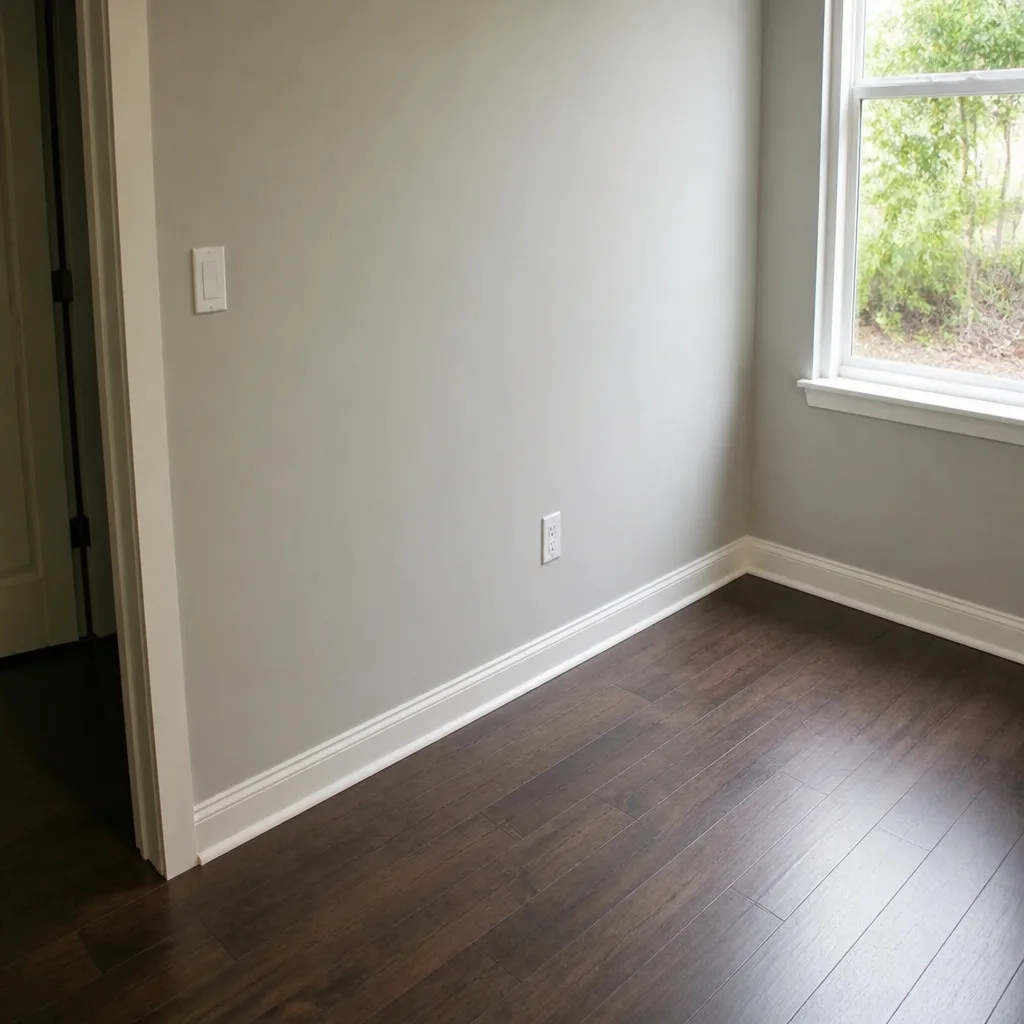 After
After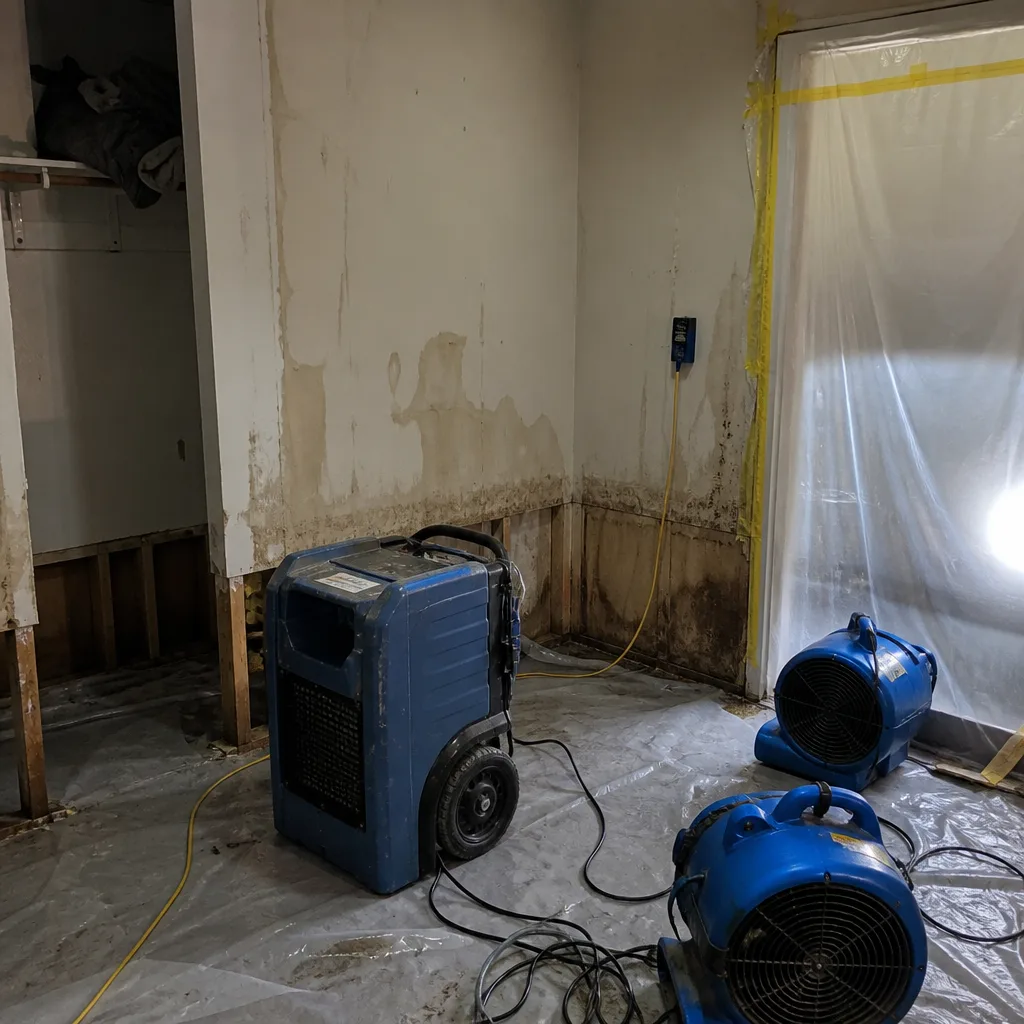 Before
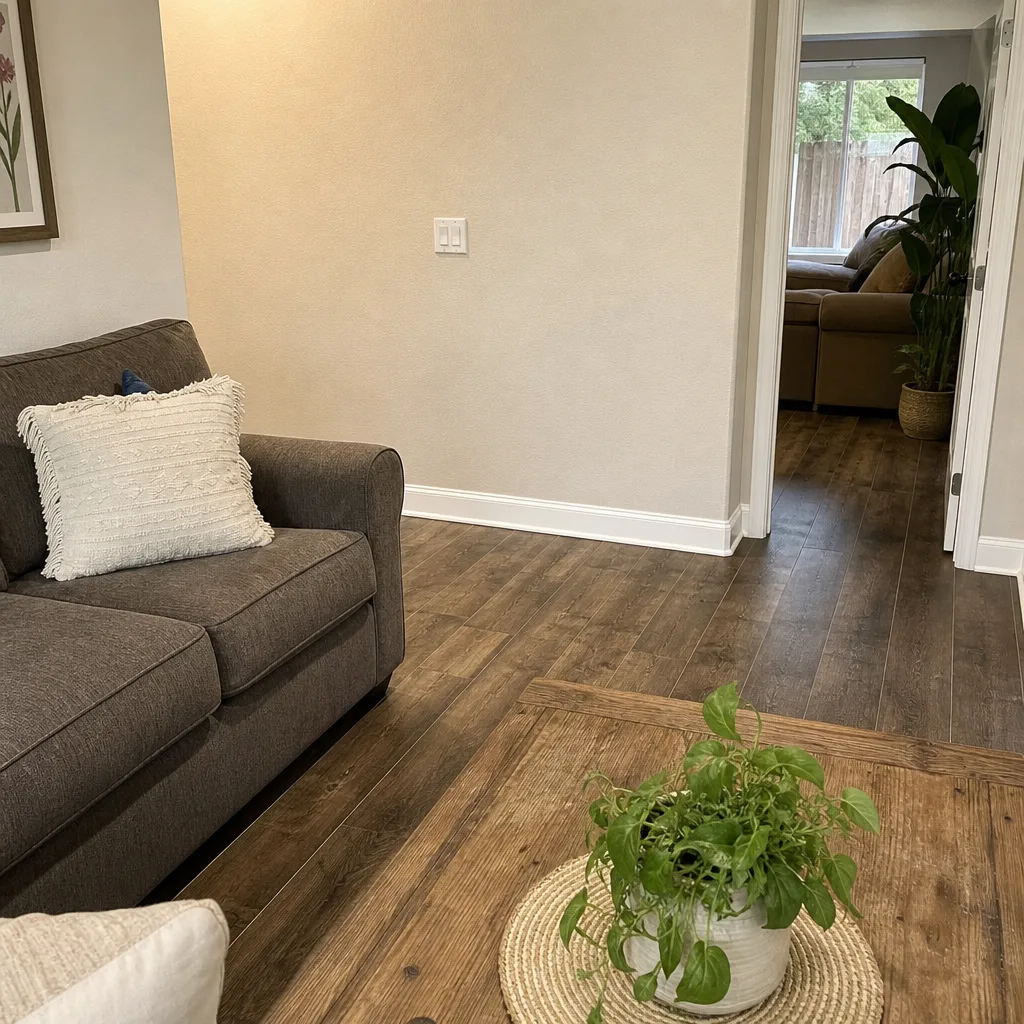 After
After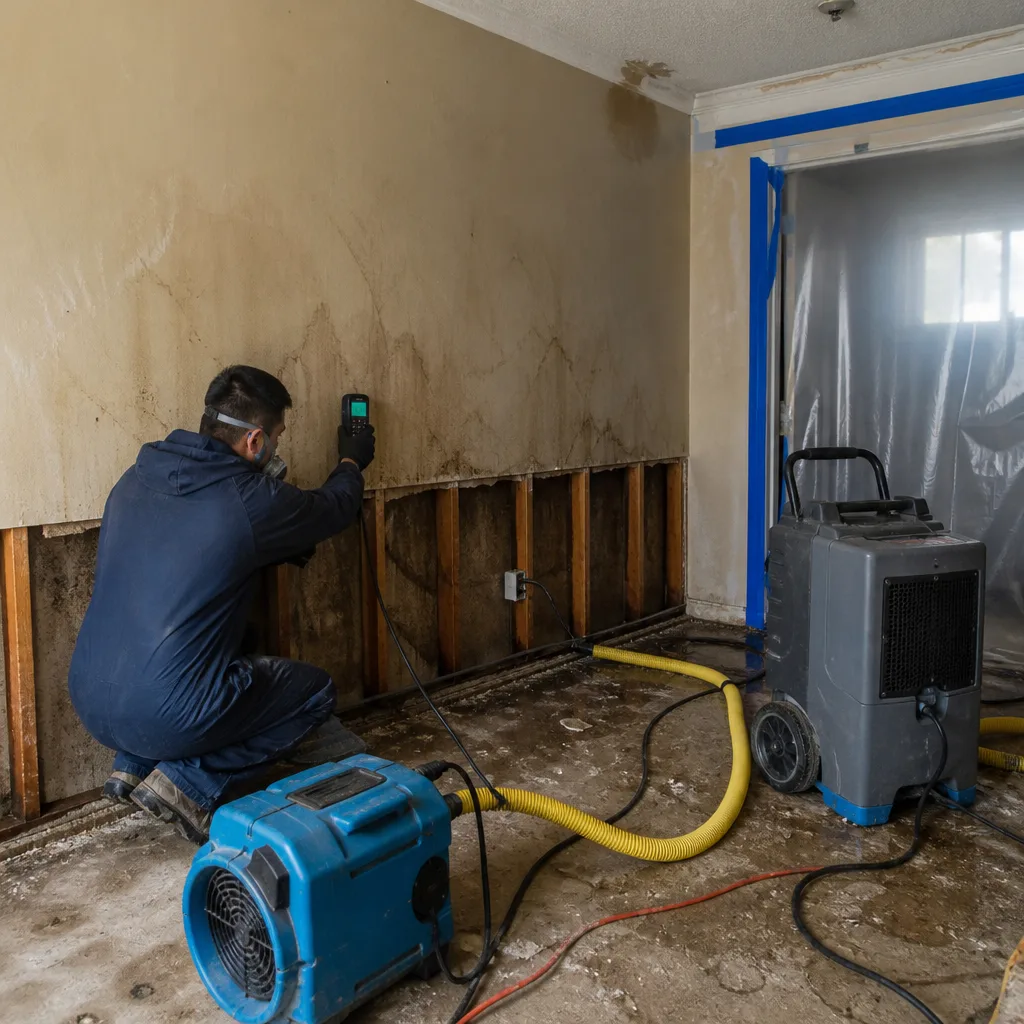 Before
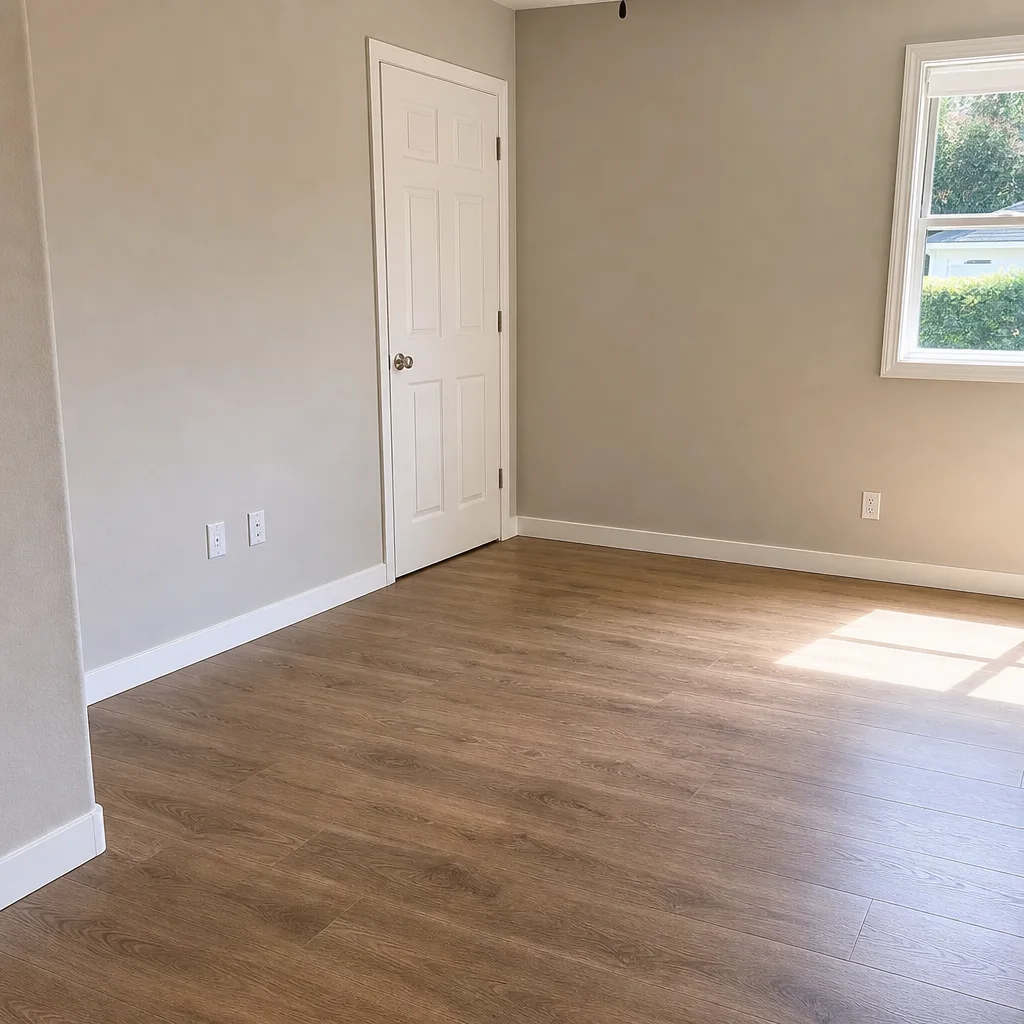 After
After24/7 Emergency Water Damage Restoration in Poway
Water damage restoration in Poway typically runs $2,800-$6,500 for a standard single-family extraction and drying job, with emergency response available now at (760) 421-5658. Crews dispatch from our San Diego office and reach most Poway neighborhoods within 45 minutes. The first hour determines whether you’re looking at a three-day dryout or a three-week reconstruction, because water moves through stucco wall cavities and into attic insulation faster than it pools on tile or concrete.
We answer live, 24 hours a day, 7 days a week. No voicemail trees. No “we’ll call you back tomorrow.” A real person takes your call, confirms your Poway address, and dispatches a crew with moisture meters, thermal imaging, and extraction equipment already loaded. Our Water Damage Restoration team includes IICRC-certified technicians who document every reading from arrival to final walkthrough.
Understanding Water Damage Restoration Severity in Poway Properties
Water damage breaks into three categories, and Poway’s housing stock makes each one behave differently than it would in newer construction. Category 1 water, clean supply-line failures, stays Category 1 for roughly 24 hours in a climate-controlled home. But in Poway’s 1970s-1990s wood-frame stucco builds, that timeline shortens. Unrated attic vents, wood eave assemblies, and the stucco itself wick water laterally into wall cavities where temperature swings drive condensation cycles. Category 2, gray water from appliance drains or sump failures, carries microbial loads that accelerate in those same cavities. Category 3, black water from sewage backup or flood intrusion, demands full removal of porous materials in these older homes because the gypsum board and insulation lack the moisture barriers found in post-2008 Wildland-Urban Interface construction.
Moisture mapping, the process of measuring hidden humidity in building materials with penetrating and non-penetrating meters, is where Poway jobs separate from coastal work. A reading of 16% moisture content in oak flooring or 100% relative humidity inside a wall cavity tells us exactly where the water traveled, not just where it landed. Structural drying then targets those specific readings with calculated airflow, temperature, and vapor pressure differential, the measurable force that pulls moisture from wet materials into the air where dehumidifiers capture it.
Why Poway Property Owners Choose DryMark Restoration Fallbrook
- 45-minute response commitment to Poway addresses, because water doesn’t wait for business hours and neither do we.
- 24/7 live answer - a real person, never an automated system, picks up every call and dispatches immediately.
- IICRC-certified crews holding WRT (Water Damage Restoration Technician), FSRT (Fire & Smoke Restoration Technician), and AMRT (Applied Microbial Remediation Technician) credentials.
- Free visual inspection with moisture readings and a documented photo record before any work is proposed.
- Direct insurance billing with adjuster coordination, daily drying logs, and line-item scopes that get claims paid without dispute.
- One team from extraction to reconstruction - no handoffs between contractors, no gaps in documentation.
BeforeAfterOur Water Damage Restoration Process
1. Inspection & Assessment
We arrive with thermal imaging cameras, penetrating moisture meters, and hygrometers to map the full extent of water migration. In Poway’s stucco-clad homes, we pay particular attention to wall cavities and attic spaces where the 30-40°F daily temperature swing hides secondary moisture. You receive a written scope and firm price before any equipment runs.
2. Extraction & Stabilization
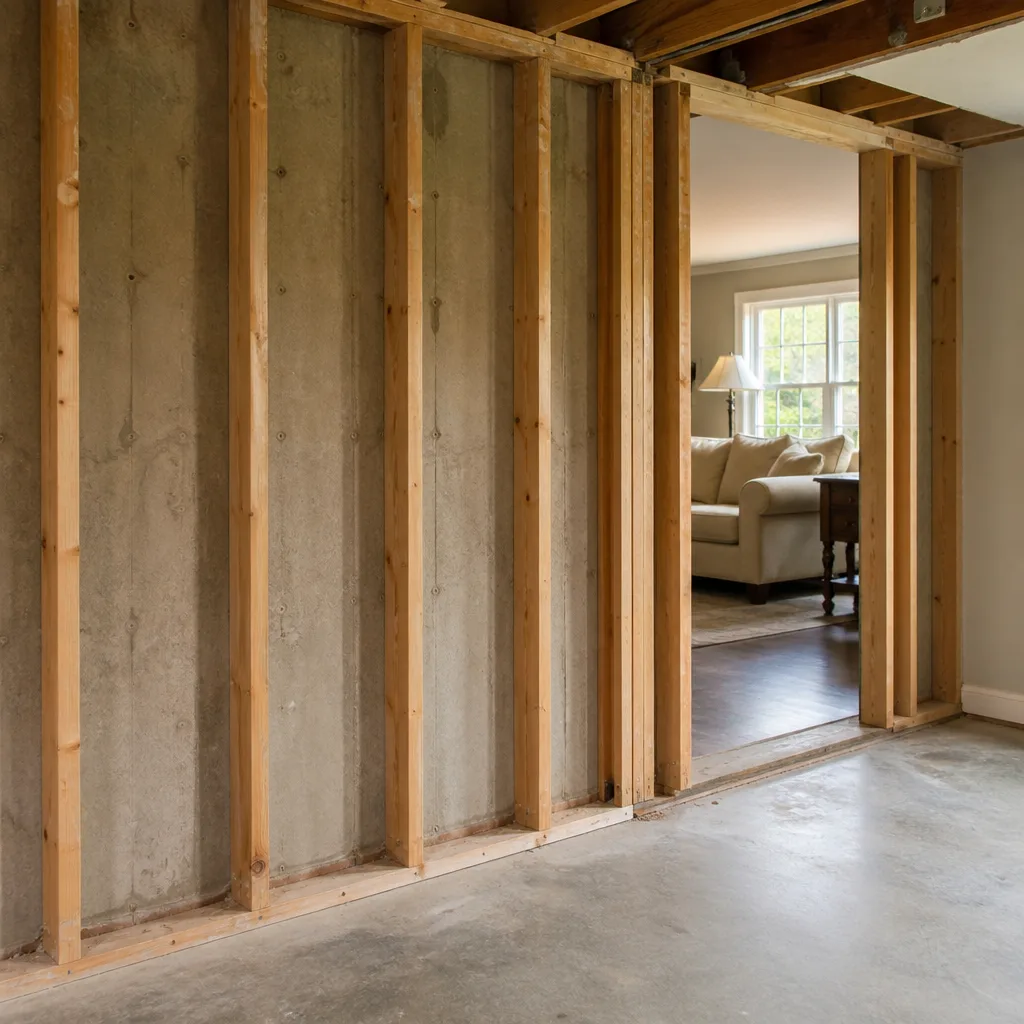
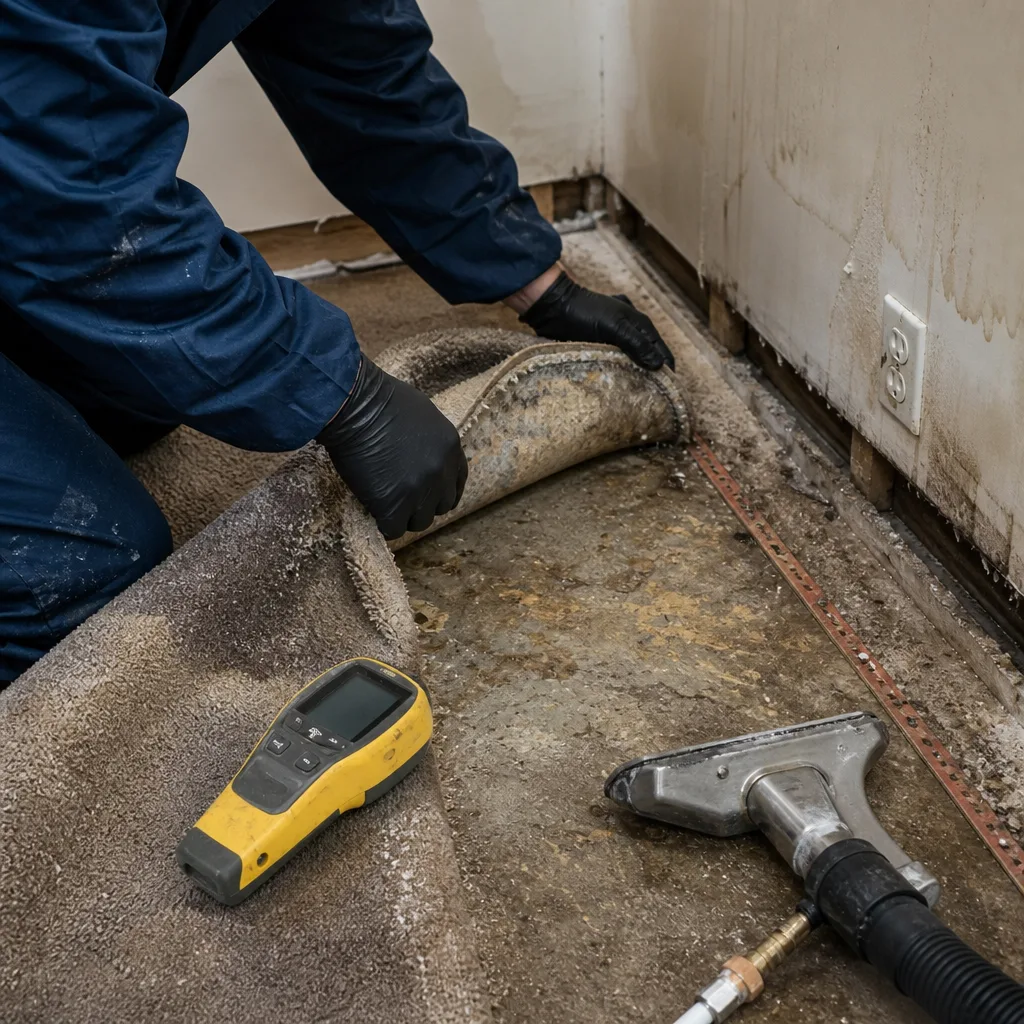
Truck-mounted and portable extraction systems remove standing water from flooring, carpet pad, and hard surfaces. For slab leaks in Poway’s older homes, we may need to remove baseboards and drill minimal access points to release trapped water from stucco cavities.
3. Drying & Dehumidification
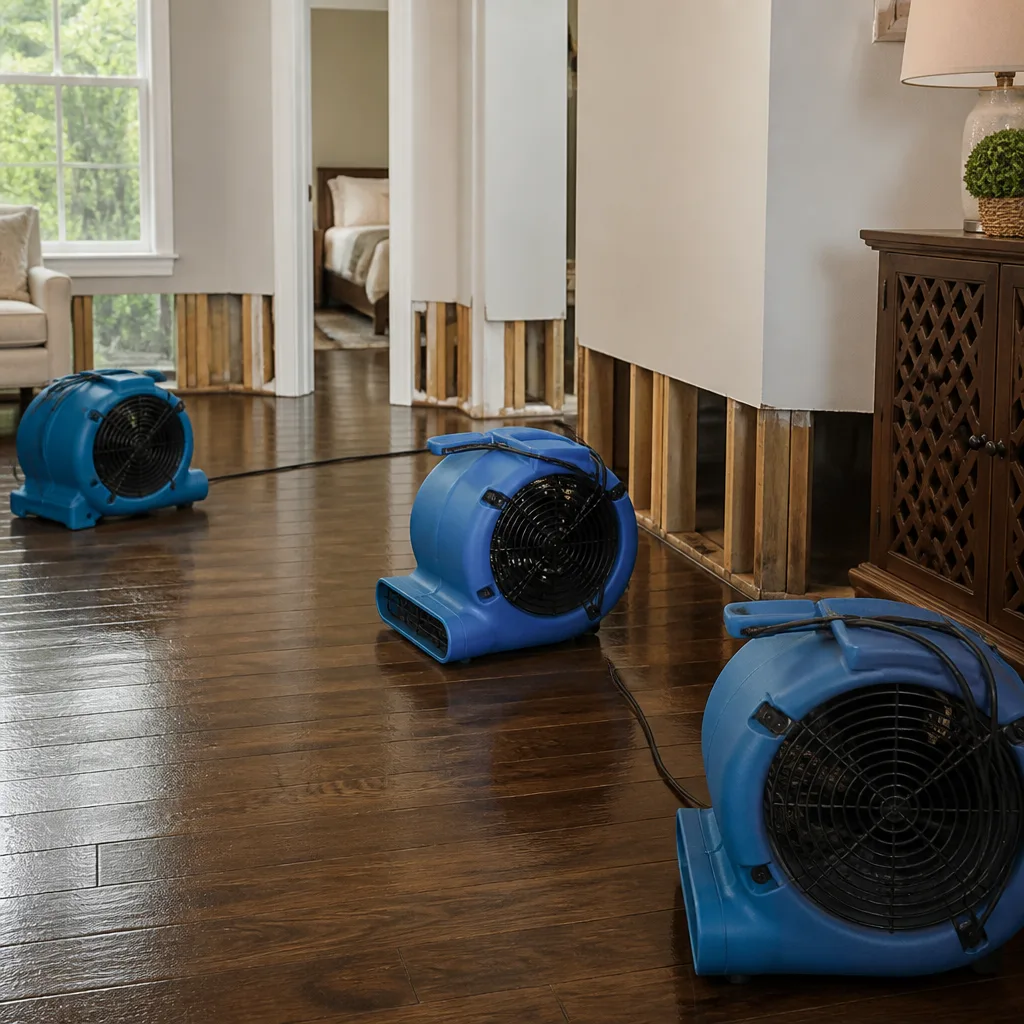
We deploy Dri-Eaz and Phoenix LGR dehumidifiers alongside axial and centrifugal air movers positioned for optimal vapor pressure differential. Equipment is sized for Poway’s inland climate, not coastal assumptions, because the temperature swing changes how moisture releases from materials overnight.
4. Cleaning & Sanitization
HEPA air scrubbers run continuously during drying to capture airborne particles. Affected surfaces receive antimicrobial treatment appropriate to the water category, with full documentation of products used and areas treated for your insurer’s file.
5. Moisture Verification & Documentation
Daily moisture readings are logged until materials return to pre-loss equilibrium moisture content, typically 10-12% for wood framing in Poway’s dry climate. The drying log becomes part of your claim documentation, proving the scope was necessary and complete.
6. Repairs & Restoration
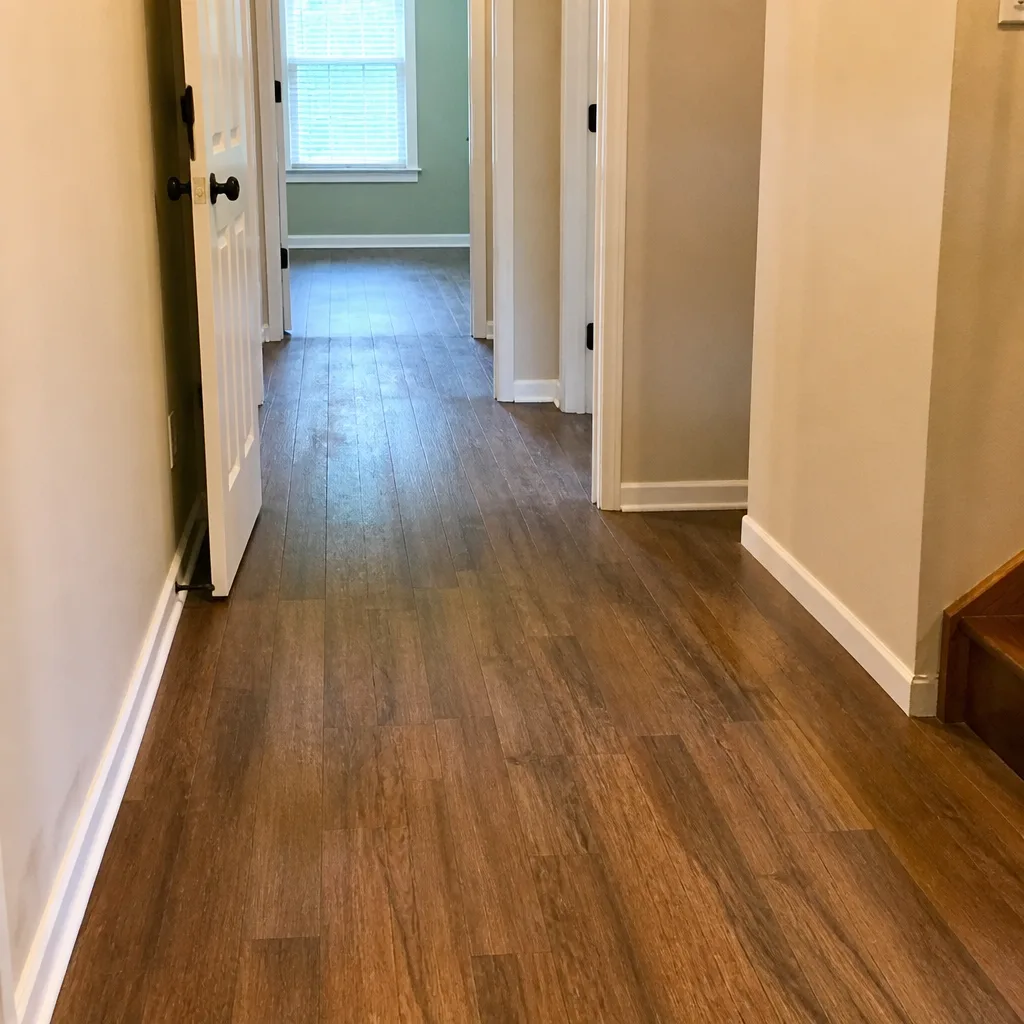
Once dry, we replace removed materials, restore finishes, and return your home to pre-loss condition. All work is backed by our 365-Day Done Right Promise under The Haven Standard.
Need Emergency Water Damage Restoration in Poway Now?
Crews minutes away, answering live 24 hours a day. The sooner we start, the less it costs.
Working With Your Insurance Company
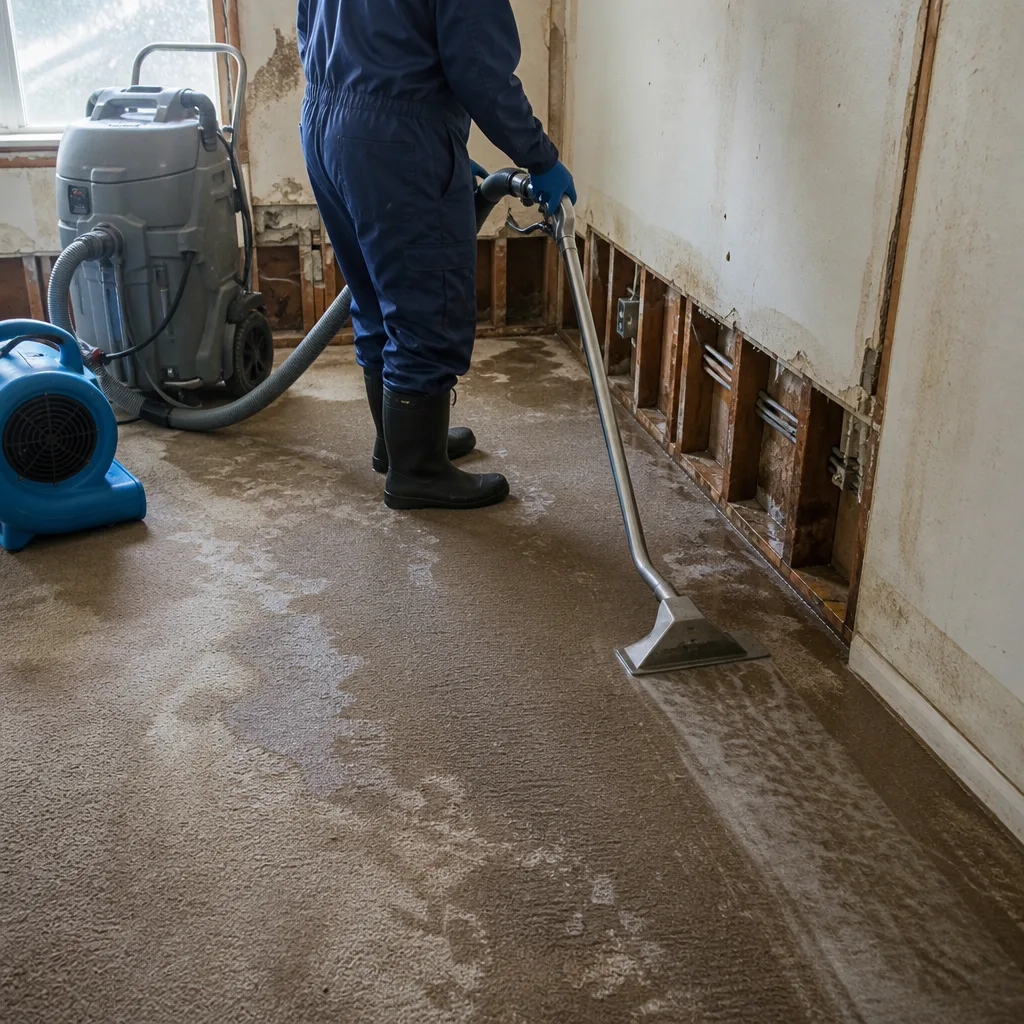
Insurance claims succeed or fail on documentation. We know this because our founder, Alicia Brennan, spent years on the adjuster side of the desk before building Back to Dry around the documentation gap that denies homeowners their coverage. From the first hour on your Poway property, we photograph every affected room, log every moisture reading, and record every piece of equipment deployed. Your adjuster receives a complete file, not a verbal summary.
We write industry-standard estimates using the same pricing databases insurers recognize. Direct adjuster communication means no telephone game between you, us, and your carrier. When questions arise, we answer them with data: timestamps, photos, psychrometric readings, and the written scope signed before work began.
What We Provide Your Insurer
- Thorough documentation of the loss
- Photos of all damage, room by room
- Moisture readings and drying logs
- A detailed, line-item scope of work
- Direct coordination with your carrier
Built for Poway’s Loss Calendar
Poway’s water damage season runs inverse to what coastal San Diego expects. January through March brings the heaviest rain and the deepest temperature swings, when 45°F nights follow 80°F days and slab foundations contract enough to stress aging copper and galvanized supply lines. The 2007 Witch Creek Fire and subsequent firefighting saturation established a pattern we still see: homes near Espola Road and the Blue Sky Ecological Reserve corridor that took firefighting water through ridge vents now develop delayed mold in attic insulation during the first wet season after the burn.
September through November is Santa Ana wind season, the driest and most dangerous period. Water damage during these months often comes from fire suppression, not weather, and the extreme dryness actually accelerates hidden moisture damage because homeowners don’t detect dampness in walls that would feel obvious in humid conditions. December rains then hit those compromised structures. Our crews carry both drying and fire-smoke documentation protocols on every Poway dispatch during this window.
Water Damage Restoration Across Poway’s Neighborhoods
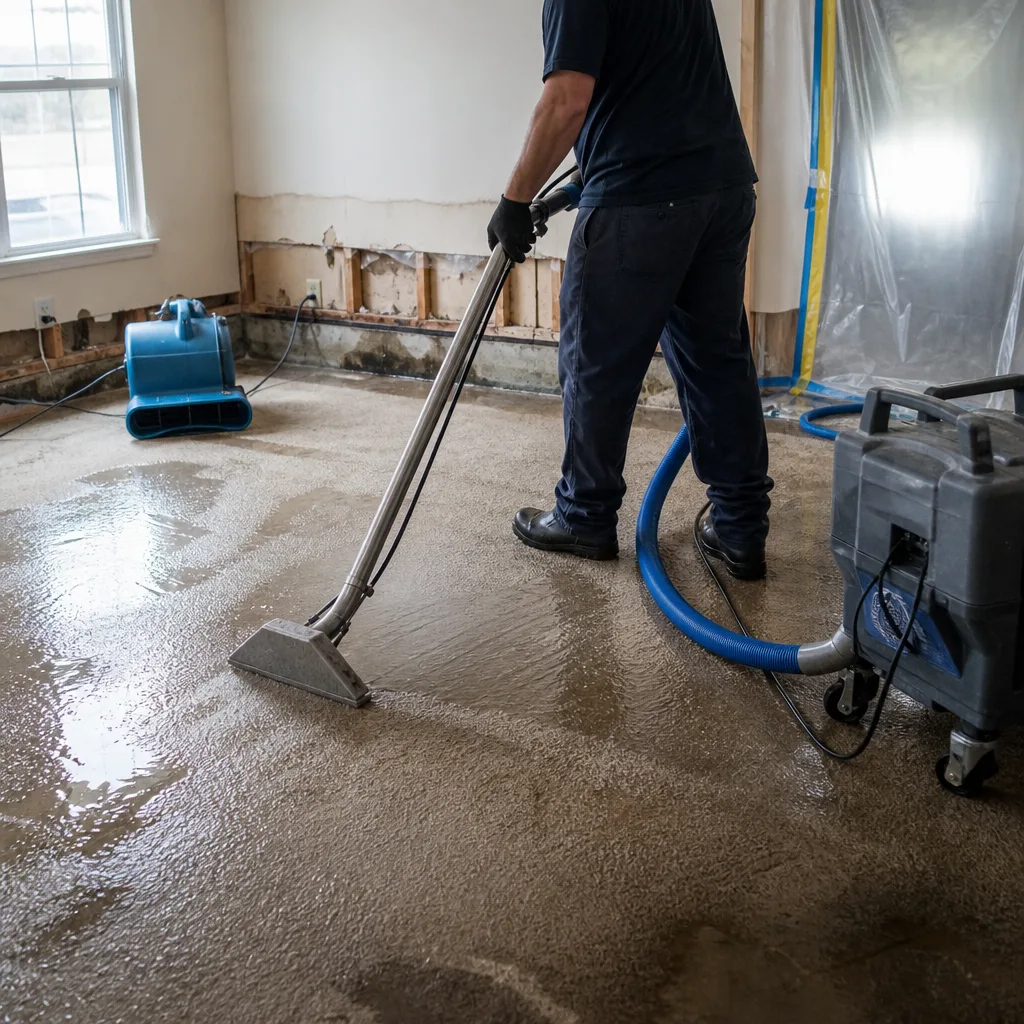
Old Poway, the historic district near Midland Road, mixes 1940s-1960s construction with newer infill. Water damage here often involves original galvanized plumbing and shallow foundations where slab leaks surface as warm spots on tile rather than visible water. Our moisture mapping protocol catches these before they undermine foundation pads.
The Sabre Springs corridor, built heavily in the 1980s and 1990s, features the wood-frame stucco homes that define Poway’s risk profile. We see supply-line failures in original copper, polybutylene transitions, and the occasional nail-pipe contact from construction-era shortcuts. The hillside grading in this area also means water that enters at street level may travel downhill through shared wall cavities before appearing in a lower unit.
Green Valley, south of Twin Peaks Road, sits at slightly higher elevation with more exposed ridge lines. Wind-driven rain penetrates older window flashing and stucco cracks here with particular efficiency. We’ve documented cases where a single failed window seal saturated an entire wall cavity over one storm night, with no interior puddle until the drywall failed.
The Rancho Bernardo border tracts near Espola Road back directly onto the Blue Sky Ecological Reserve corridor. These homes face the dual exposure of wildfire smoke infiltration through unscreened vents followed by water intrusion from firefighting or seasonal rain. Our field vignette from this corridor, a 1970s wood-frame stucco home where supply-line failure led to hidden cavity moisture, illustrates why we never treat Poway water damage as surface-only. We ran water extraction on the visible zone, then moisture mapping showed elevated readings inside a stucco cavity far from the wet carpet. Containment, Dri-Eaz and Phoenix air movers with dehumidification, temporary ridge vent cover, and four days of logged structural drying brought readings back to pre-loss condition. The written summary closed the scope.
Specialized Water Damage Restoration Services We Offer in Poway
Emergency Water Extraction
Standing water removes in minutes, not hours, when truck-mounted extraction meets portable units for tight spaces. In Poway’s older homes with smaller doorways and original floor plans, our portable equipment accesses areas truck mounts can’t reach. We extract from carpet, pad, hardwood, tile, and concrete substrates.
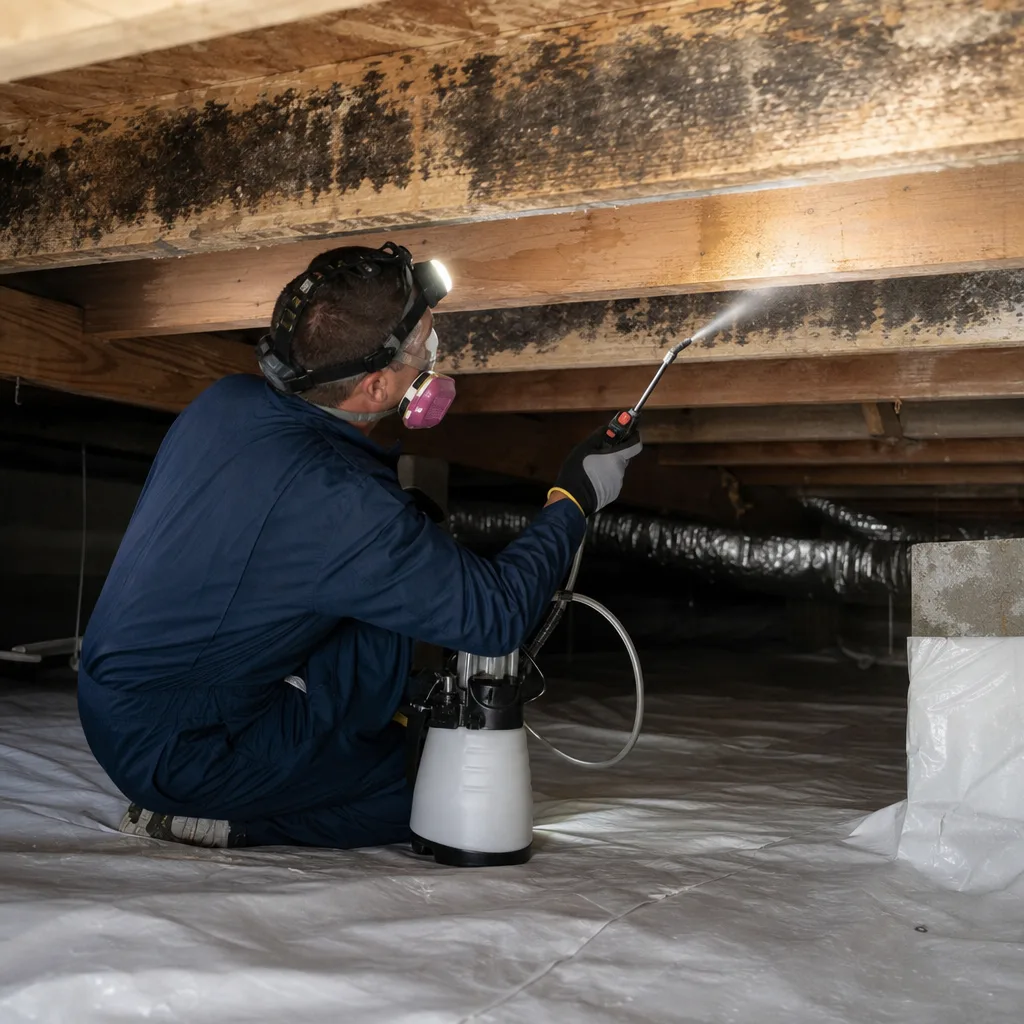
Structural Drying & Dehumidification
This is where Poway’s inland climate demands precision. Equipment sized for coastal humidity levels leaves cavities damp overnight when temperatures drop 30-40°F. We calculate vapor pressure differential for your specific structure, deploy LGR dehumidifiers rated for low-grain conditions, and position air movers to drive airflow into wall cavities through strategic access points. Every 24 hours, we log moisture readings and adjust the drying plan.
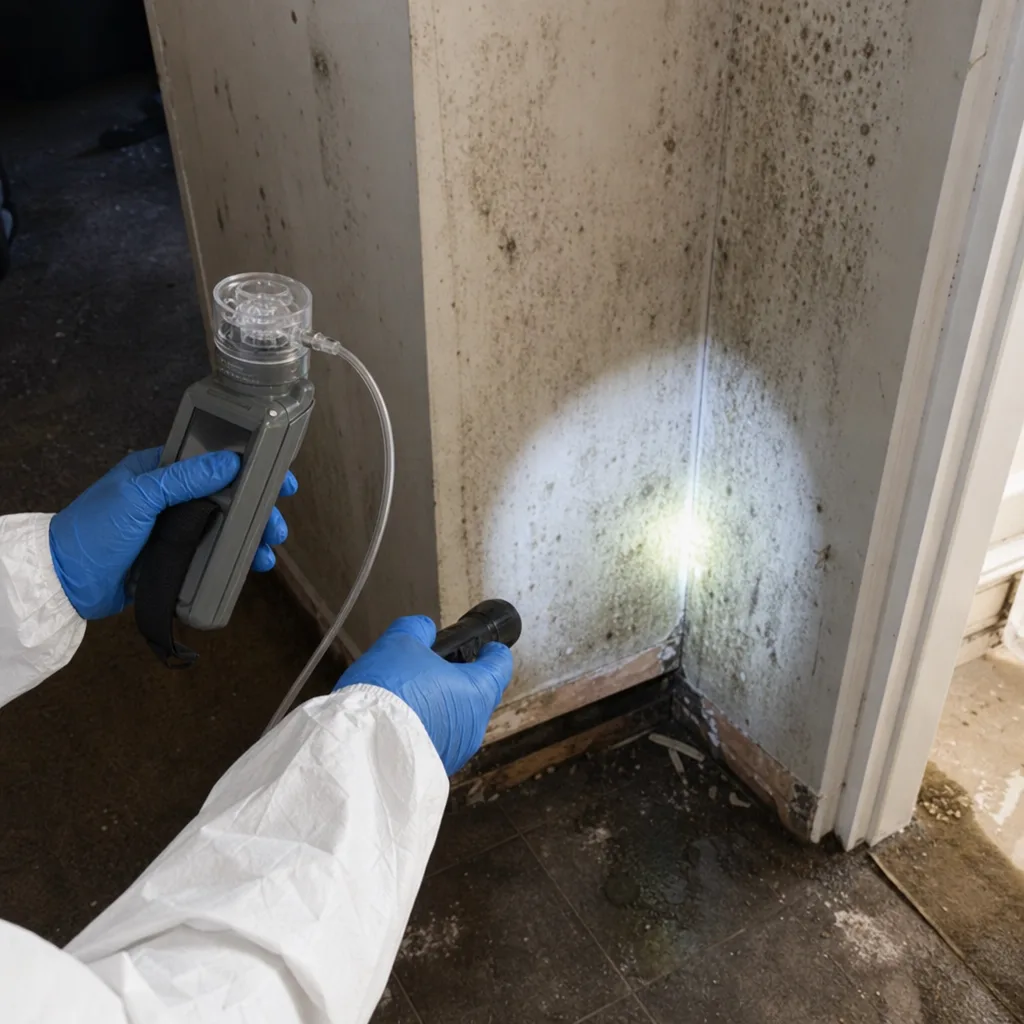
Flood Cleanup
Poway’s flash flood risk concentrates in canyon drainage paths and hillside homes with inadequate grading. Flood water carries Category 3 contamination, requiring removal of porous materials and full sanitization of structural elements. We document contamination levels photographically and coordinate with your adjuster on scope before removal begins.
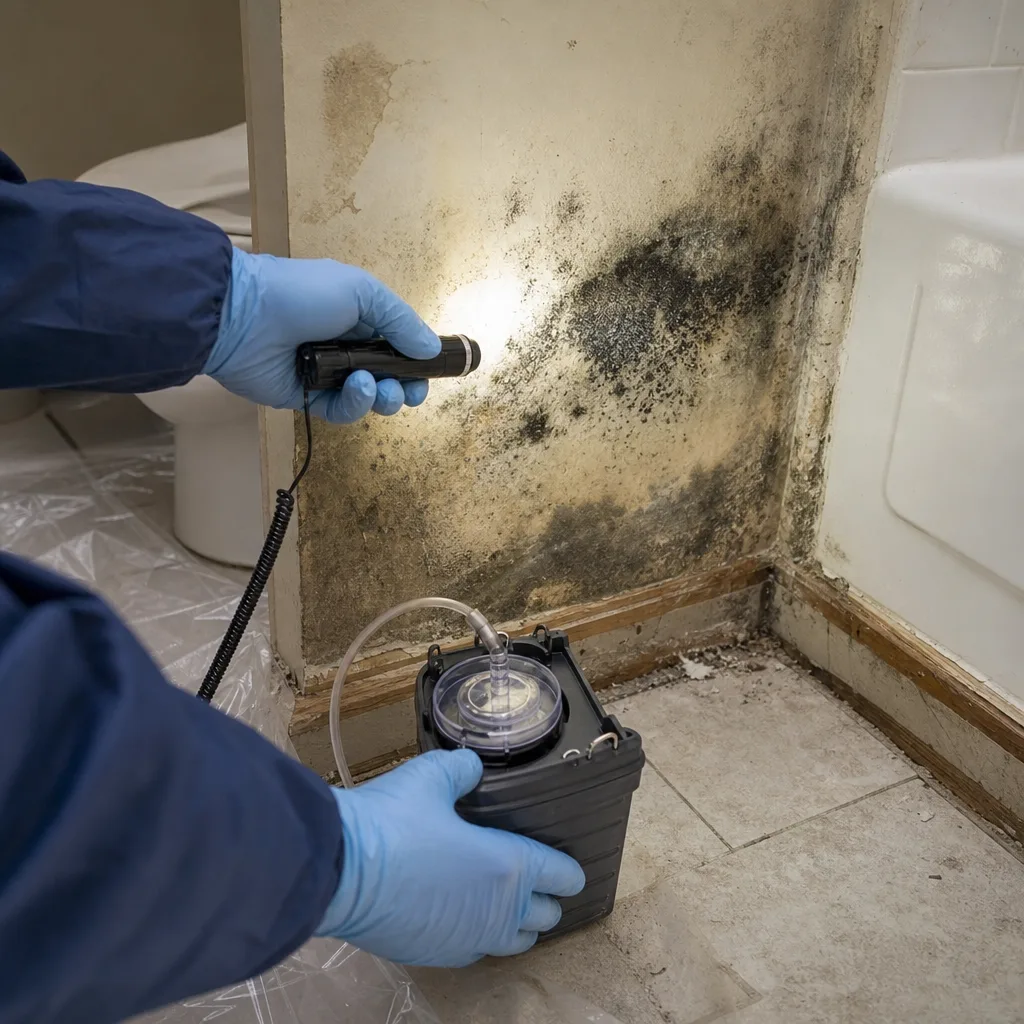
Burst Pipe Restoration
Poway’s 1970s-1990s housing stock contains original copper approaching fatigue failure, polybutylene where it was retrofitted, and modern PEX in limited renovation work. Each material fails differently: copper splits at joints, polybutylene degrades from chlorine, PEX fails at crimp connections. We identify the failure mode, document it for your insurer, extract the water, dry the structure, and coordinate plumber replacement before restoration.
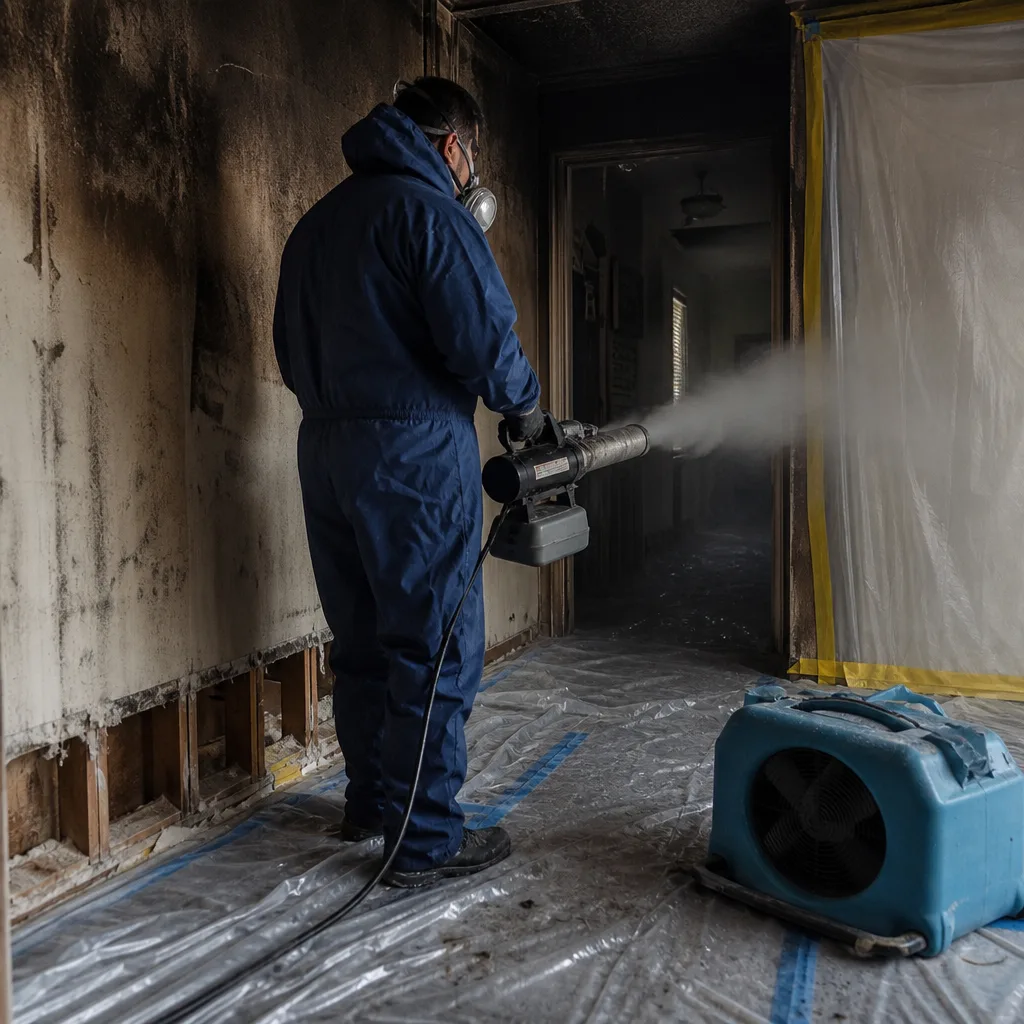
Basement Water Removal
Poway’s limited basement stock concentrates in newer hillside builds with walk-out designs. These spaces face hydrostatic pressure from upslope drainage and require submersible extraction, sump pump evaluation, and often French drain inspection before drying begins.
What happens when you call
- 1
A real person answersNo phone trees - you reach a local pro.
- 2
You get an upfront price rangeHonest numbers before anyone is dispatched.
- 3
A background-checked tech heads outLicensed & insured, dispatched right away.
- 4
You approve before work beginsNothing starts until you say go.
Water Damage Restoration Costs in Poway, CA
Here’s what water damage restoration actually costs in Poway’s market, based on jobs we’ve scoped and completed:
| Service | Typical Range in Poway |
|---|---|
| Emergency water extraction (up to 1,000 sq ft) | $1,200-$2,400 |
| Structural drying & dehumidification (3-5 day standard) | $1,800-$3,600 |
| Category 1 clean water, full dryout and minor repairs | $2,800-$4,500 |
| Category 2 gray water with pad removal and sanitization | $3,500-$6,000 |
| Category 3 black water with porous material removal | $5,500-$10,000+ |
| Burst pipe with cavity drying and access repair | $3,200-$7,500 |
What moves the price: square footage affected, water category, how long water sat before extraction started, whether demolition is needed to access cavities, and whether mold remediation joins the scope. Insurance typically covers sudden and accidental water damage from supply lines, appliance failures, and weather intrusion, but not long-term leaks or maintenance issues. We provide a free visual inspection with a written, line-item scope and firm price before any work begins, Haven Standard, Clause 1. Bring a competitor’s written estimate and we’ll review it at no charge.
We Also Serve Cities Near Poway
Our crews respond throughout northern San Diego County, including Water Damage Restoration in Poway and surrounding communities: Escondido to the north, Ramona to the northeast through the San Pasqual Valley corridor, Del Mar to the west, and Solana Beach along the coastal transition zone. Each area carries distinct climate and housing factors that change how we scope drying and documentation.
Serving Poway, CA - Our Local Coverage Area
We’re based in the Poway area and know this community well. Use the map below to see our service coverage - if you’re nearby, we can almost certainly help.
Poway Water Damage Restoration Questions, Answered
Why does water damage in Poway sometimes show up in a room that never looked wet?
Poway’s inland valley location produces daily temperature swings of 30-40°F in fall and winter, so water that wets carpet by day condenses inside wall cavities overnight.
Moisture mapping with thermal imaging and penetrating meters finds these hidden zones before they grow mold. If you’ve noticed musty odors or wall discoloration in a room that never flooded, call (760) 421-5658 for a free inspection.
Poway homes sit in a Very High Fire Hazard Severity Zone - does that change water damage restoration?
Yes, because fire-damaged or fire-exposed structures contain compromised attic vents, unrated wood eave assemblies, and smoke residues that change how water behaves in the building.
Post-fire water intrusion from suppression or seasonal rain often infiltrates through vent openings that would have shed water before the fire event. We inspect vent integrity as part of every water assessment in Poway’s VHFHSZ areas. Call for a scope that addresses both exposures.
How fast do you need to start drying after a burst pipe in a Poway home?
Within 24 hours for Category 1 water, sooner for Category 2 or 3, because microbial growth begins at 24-48 hours and Poway’s temperature swings accelerate hidden cavity colonization.
We answer live and dispatch crews within 45 minutes to most Poway addresses. The first hour of extraction saves days of drying and thousands in reconstruction. Call (760) 421-5658 now.
What equipment do you use for structural drying and dehumidification in Poway?
We deploy Dri-Eaz and Phoenix low-grain refrigerant dehumidifiers, XPOWER and B-Air axial and centrifugal air movers, and Injectidry cavity drying systems for wall and ceiling voids.
Equipment selection depends on your home’s specific moisture readings, not a standard kit. Daily logs track psychrometric data, the measurable relationship between temperature, humidity, and vapor pressure that tells us when materials are truly dry, not just surface-dry.
Do you handle category 1, 2, and 3 water in Poway?
Yes, our IICRC WRT and AMRT-certified crews are trained and equipped for all three categories, with distinct protocols, protective equipment, and disposal requirements for each.
Category 1 clean water from supply lines requires extraction and drying. Category 2 gray water from appliances or sump failures adds sanitization. Category 3 black water from sewage or flooding requires removal of porous materials and full structural disinfection. We document the category determination photographically for your insurer. Call for assessment.
Will my insurance cover water damage restoration in Poway?
Most homeowner policies cover sudden and accidental water damage from burst pipes, appliance failures, and weather intrusion, but exclude gradual leaks and maintenance issues.
We document the loss from hour one with photos, moisture readings, and a written scope that aligns with standard policy language. Direct adjuster coordination and daily drying logs turn restoration invoices into payable claims. Bring your policy declaration page to our free inspection and we’ll review coverage specifics.
How long does structural drying take in a typical Poway home?
Three to five days for standard Category 1 extraction and drying, longer for Category 2 or 3, deep cavity saturation, or when temperature swings require equipment recalibration.
We don’t guess at completion. Daily moisture readings against pre-loss benchmarks determine when equipment comes out, not a calendar. You’ll receive the drying log showing each day’s progress. Call (760) 421-5658 for timeline specifics on your situation.
Can we stay in our home during water damage restoration?
Sometimes, for contained Category 1 drying in limited areas with no demolition, but usually not for Category 2 or 3, extensive cavity access, or when air movers and dehumidifiers raise noise and disrupt sleep.
We evaluate livability at inspection and note it in your written scope. If relocation is advisable, we document the recommendation for possible additional living expense coverage under your policy. Call to discuss your specific layout and contamination level.
Water damage in Poway doesn’t stay where it lands. The temperature swings, the stucco cavities, the wildfire-compromised vents, they all move water and hide it from view until the damage is structural. We find it, document it, dry it, and prove it was done right. Call (760) 421-5658 for a free visual inspection with a written scope and firm price before any work begins. Haven Standard, Clause 1.
Written by Alicia Brennan, Owner at Back to Dry Restoration, serving Poway since 2011.
Water Damage Restoration in Nearby Areas