
Free visual inspection and a written scope of work before any mitigation begins - photos, moisture readings, and drying logs go in your claim file
The scope we write is the scope we bill. Anything new gets shown to you, in writing, before we touch it.
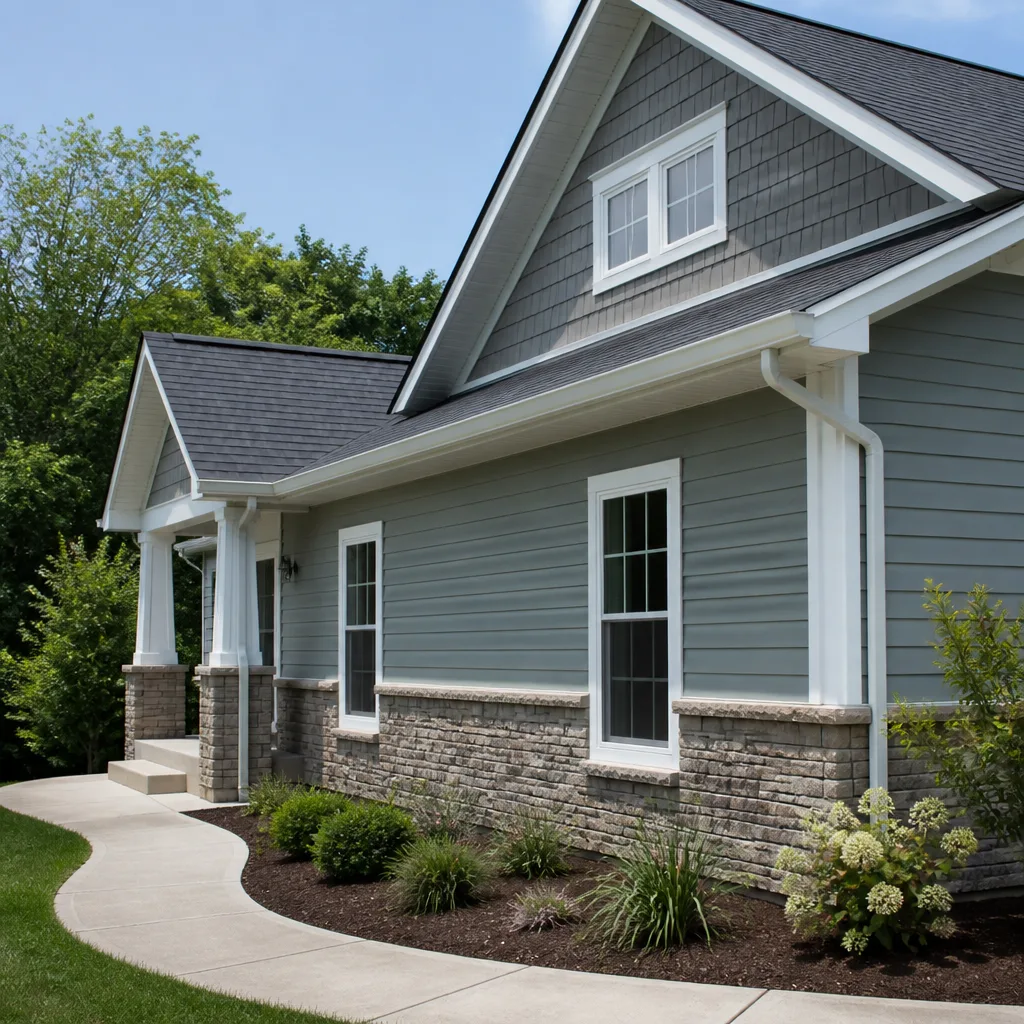
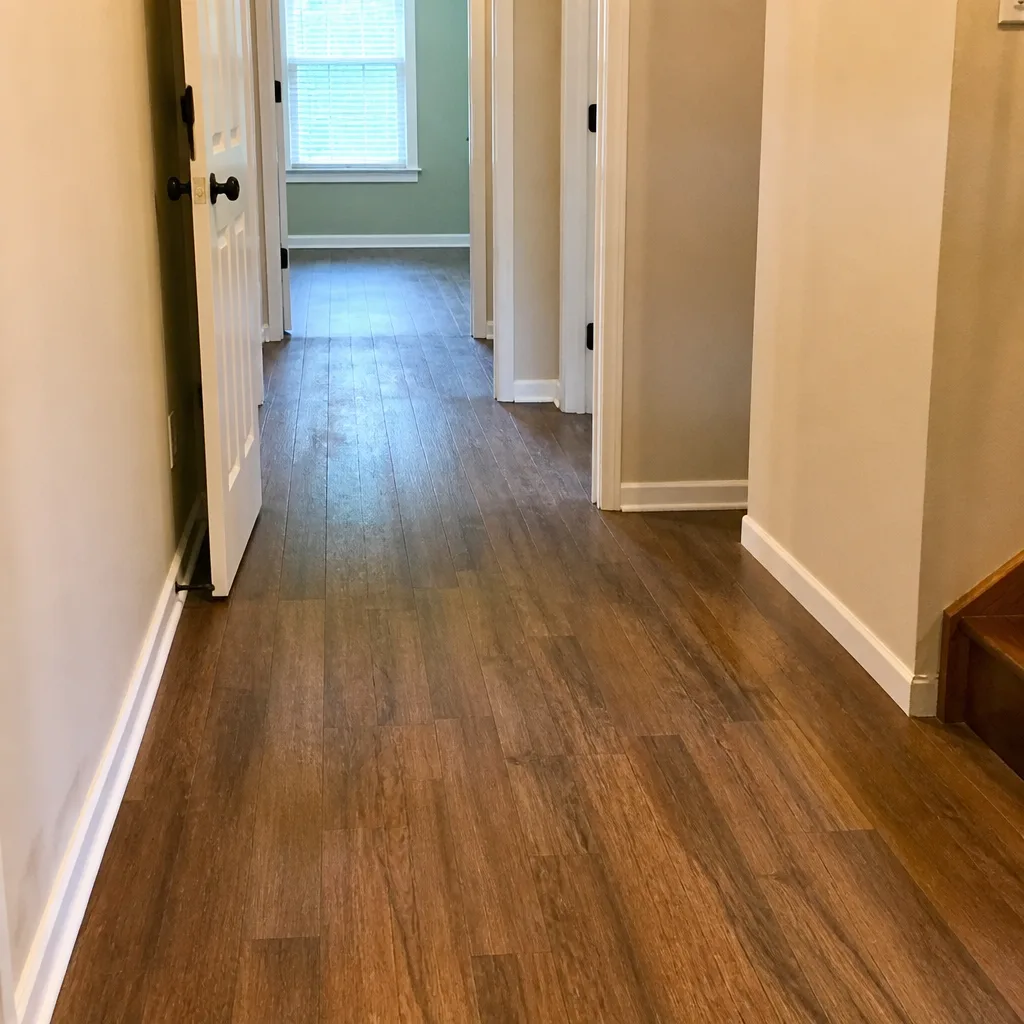

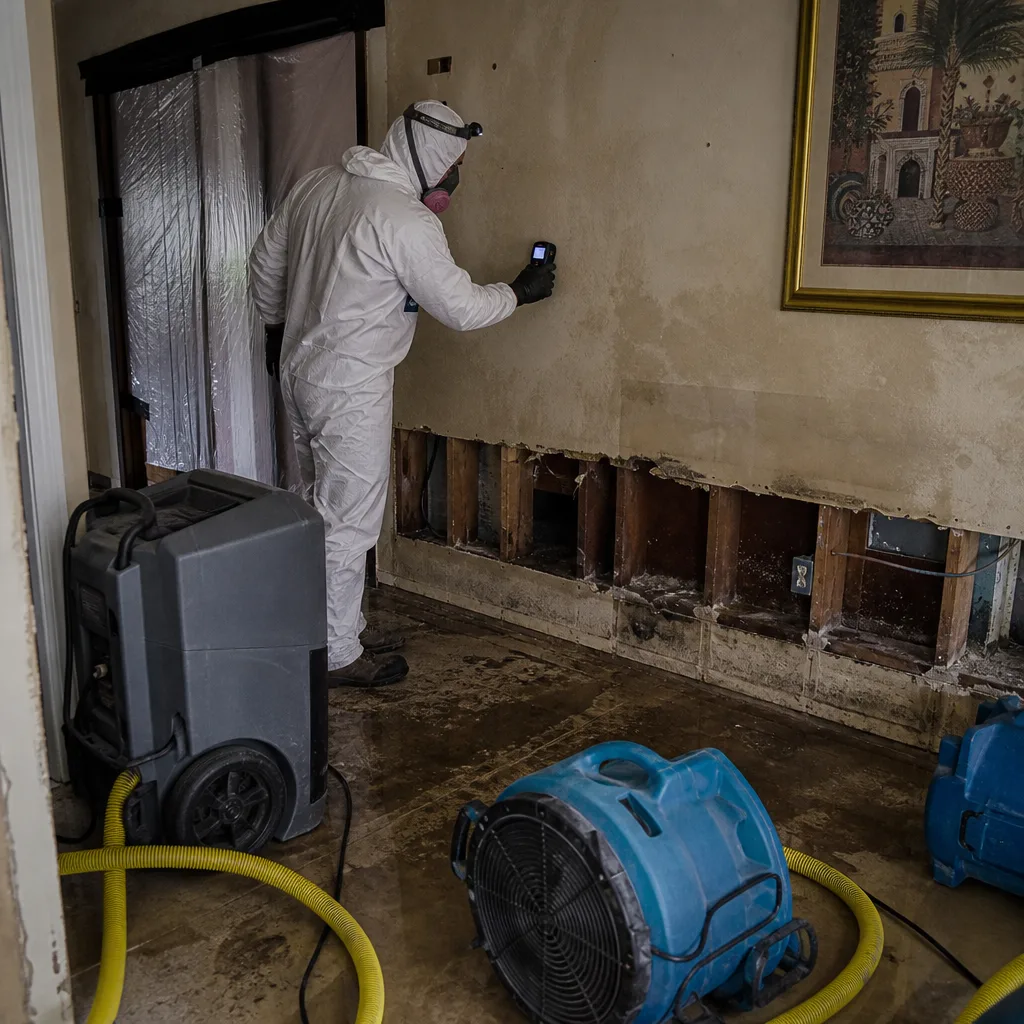 Before
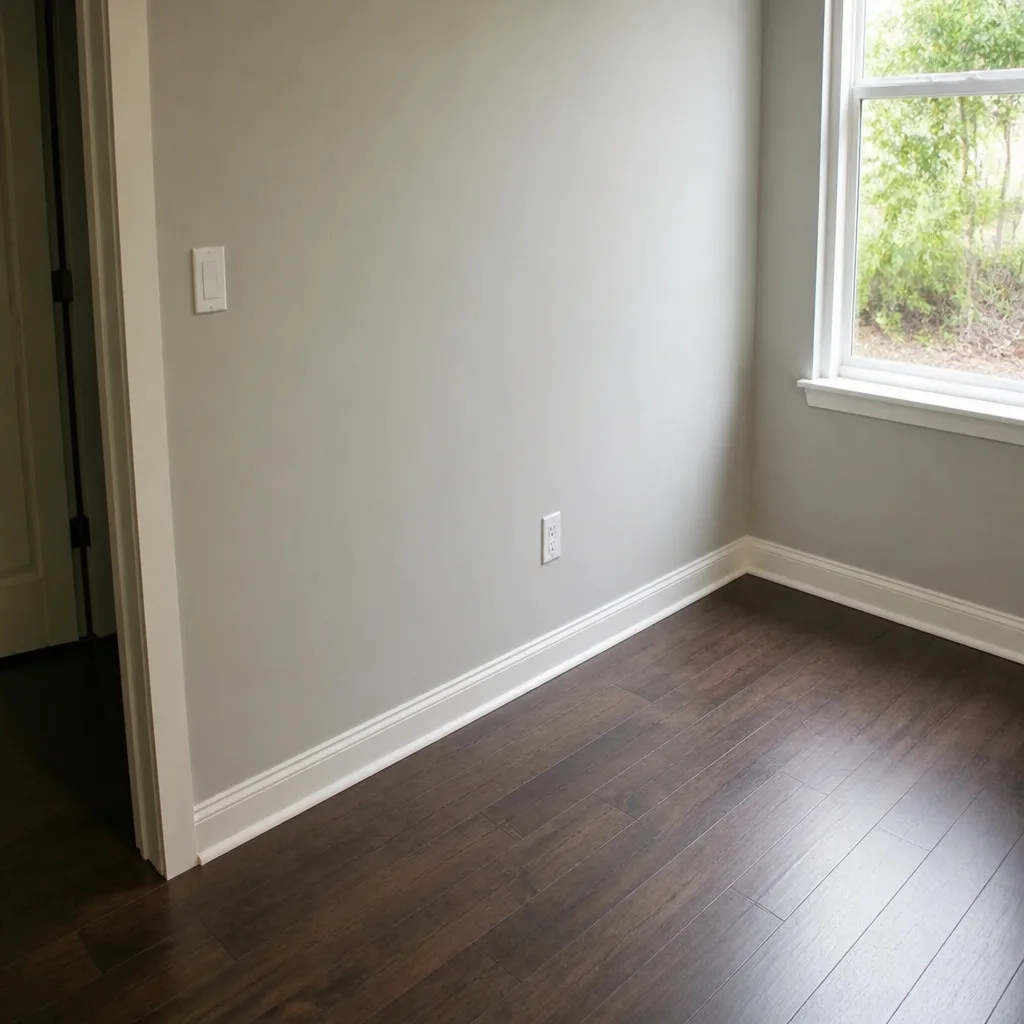 After
After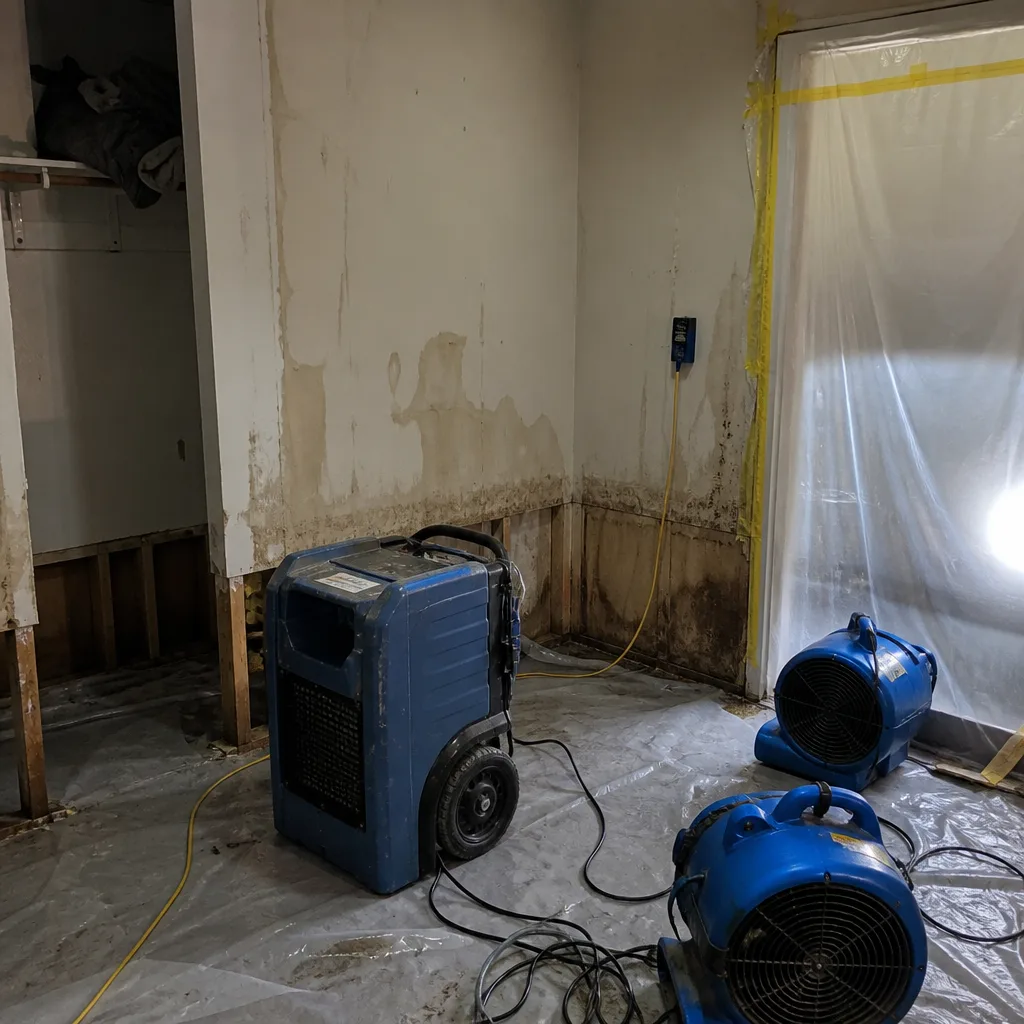 Before
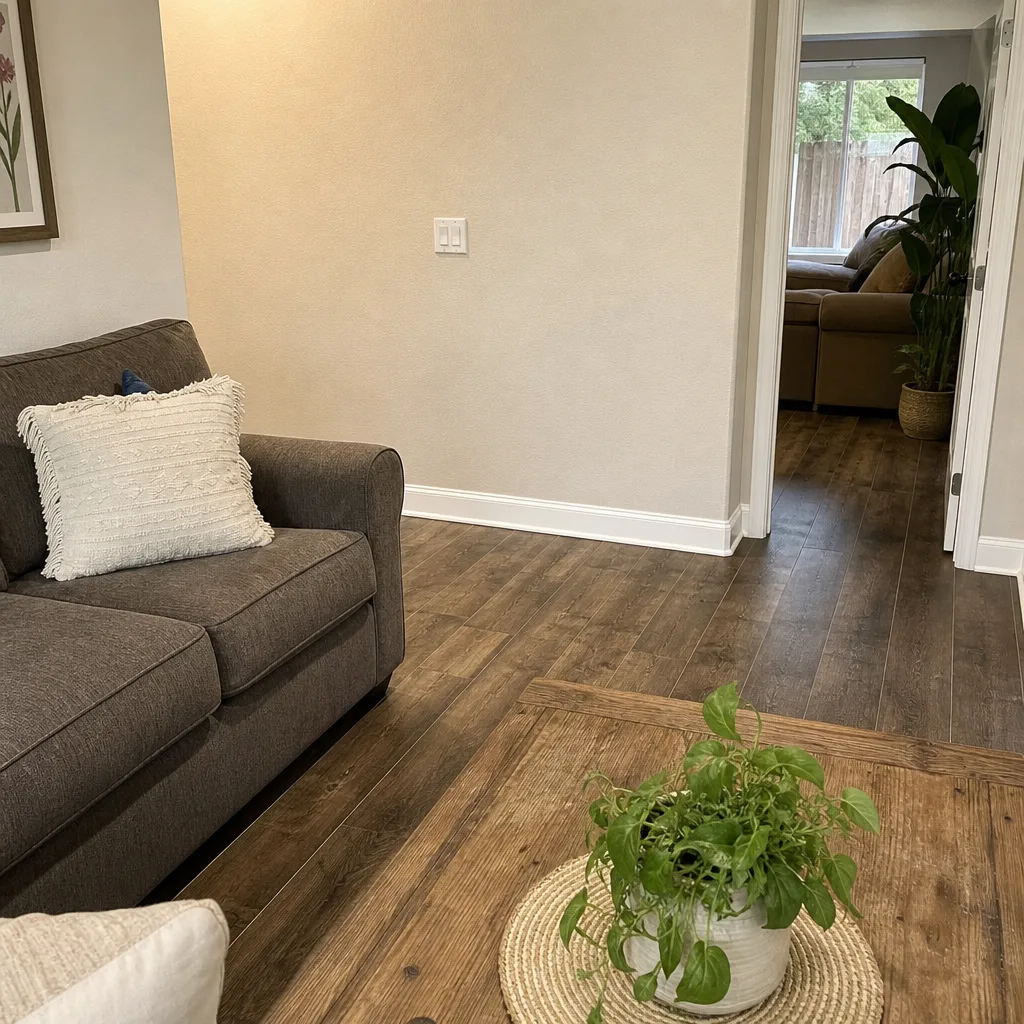 After
After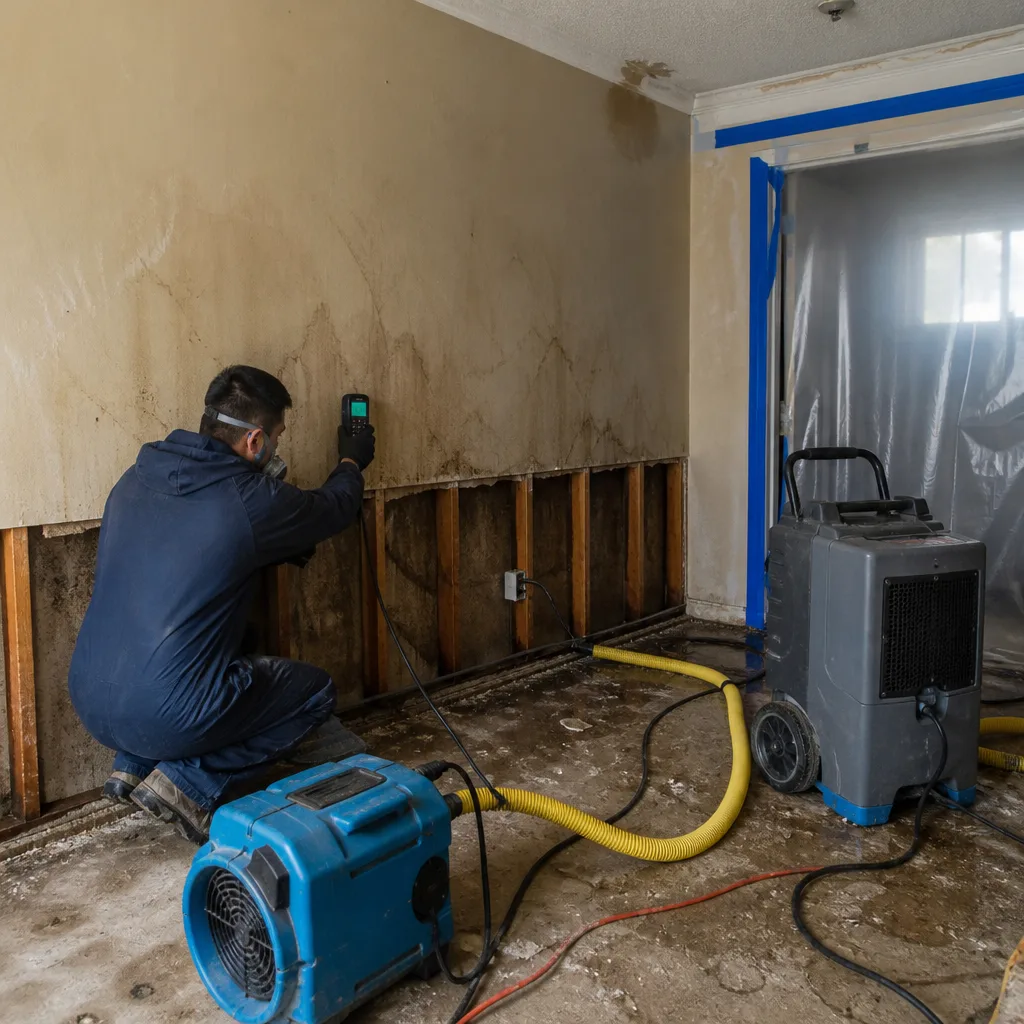 Before
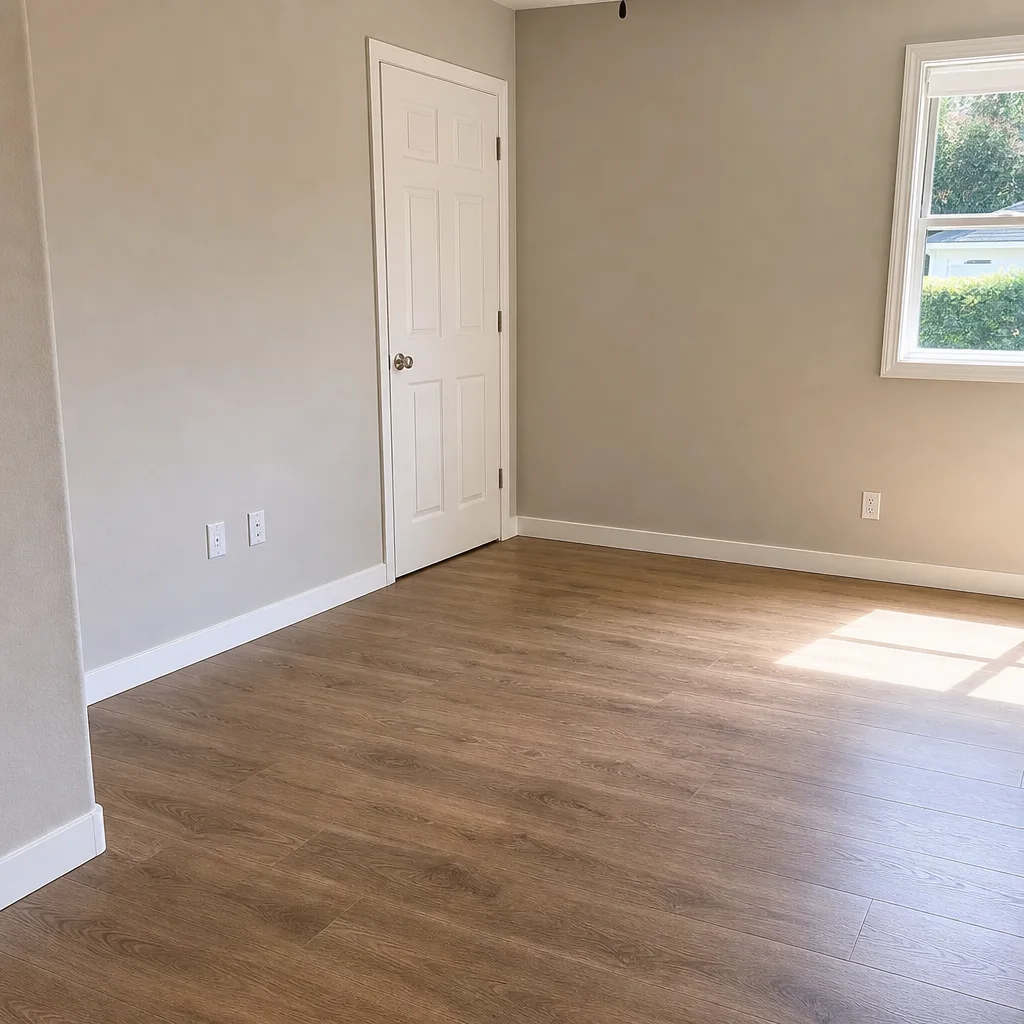 After
After24/7 Emergency Water Damage Restoration in Valley Center
Water damage in Valley Center demands a crew that understands rural properties and private wells. Call (760) 421-5658 now - a live person answers, 24 hours a day, every day. We dispatch crews throughout Valley Center and can typically be on-site within 45 minutes of your call.
The first hour matters more than most homeowners realize. Standing water wicks upward into drywall at a rate of about one inch per hour. On Valley Center’s larger ranch parcels, that delay compounds because crews often drive winding private roads to reach the structure. By the time we arrive, a Category 1 clean water leak from a failed well pressure tank can already be pushing Category 2 - especially if the home’s crawl space sits low along the Moosa Creek drainage where clay soils slow drainage and hold humidity against floor joists.
Our Water Damage Restoration team starts every emergency with a free visual inspection, moisture mapping, and a written scope before any equipment runs. No exceptions.
Understanding Water Damage Restoration Severity in Valley Center Properties
Water damage classification follows IICRC standards: Category 1 is clean water from a supply line or well tank; Category 2 carries significant contamination from appliances or groundwater intrusion; Category 3 is grossly contaminated, typically sewage or floodwater that has crossed soil. The category determines everything - equipment selection, antimicrobial protocol, whether materials can be dried in place or must be removed.
Valley Center’s housing stock complicates these categories. The community’s ranch homes and custom estates, many built from the 1970s through the 2000s, often have original copper or galvanized supply lines now past their service life. A burst pipe in a 1980s ranch off Valley Center Road isn’t just Category 1 water - it’s Category 1 water hitting thirty-year-old particleboard subflooring that delaminates on contact. Manufactured homes common in the area present their own challenges: limited crawl space, vapor barriers that trap moisture against the chassis, and repairs that must meet HUD foundation standards.
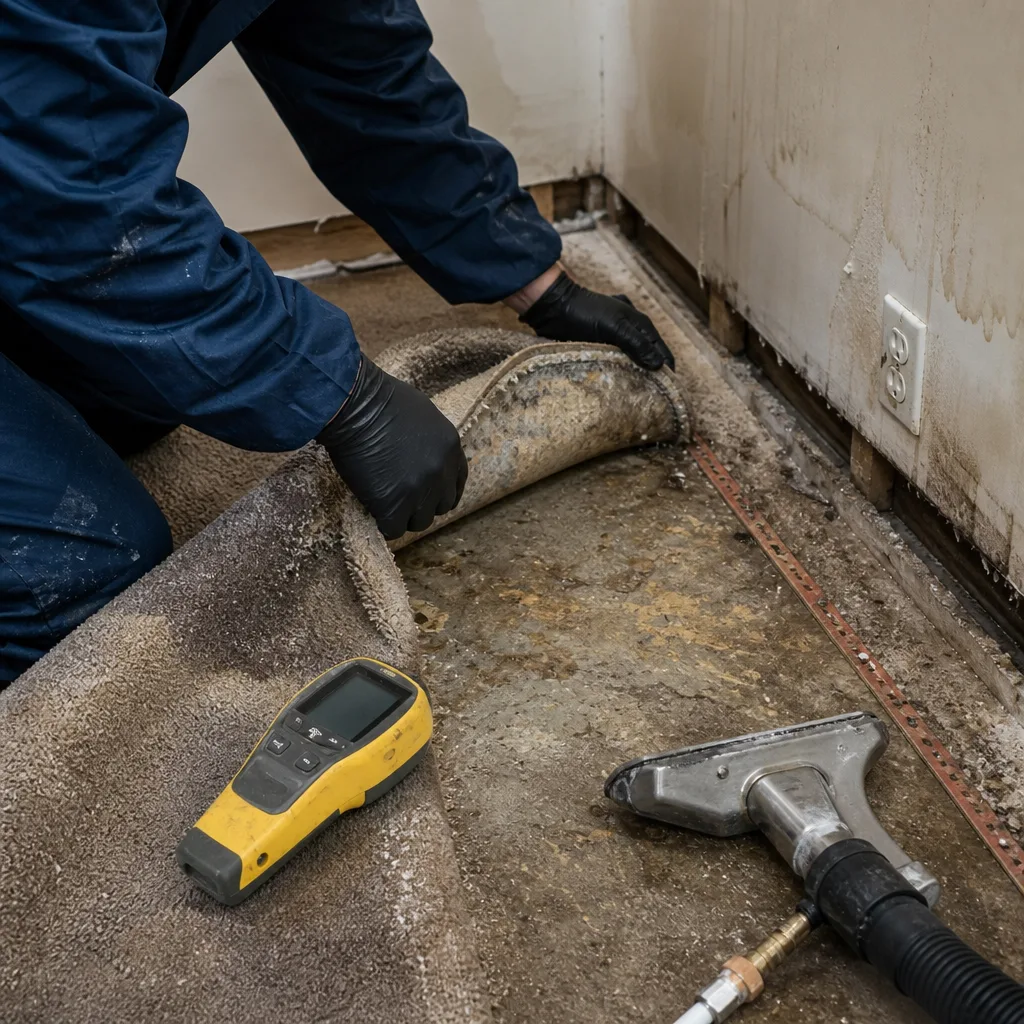
Moisture mapping with thermal imaging finds what the eye misses. We document psychrometric data - temperature, relative humidity, and vapor pressure differential, which is the force that actually drives moisture out of materials - at every visit. This produces the drying logs that turn your restoration invoice into a claim your adjuster pays without dispute.
Why Valley Center Property Owners Choose DryMark Restoration Fallbrook
- 45-minute response commitment to Valley Center addresses, though large-acreage parcels with gated access may add a few minutes - we call ahead to coordinate entry.
- 24/7 live answer - a real person, never an automated system or voicemail tree, because water doesn’t wait for business hours.
- IICRC-certified crews holding WRT (Water Damage Restoration Technician) and ASD (Applied Structural Drying) certifications, with FSRT and AMRT cross-training for fire and mold scenarios common in Valley Center’s High Fire Hazard Severity Zone.
- Free visual inspection and written scope before any work begins, every time - Haven Standard, Clause 1.
- Direct insurance billing with photo-documented estimates and adjuster coordination from day one.
- One team from extraction to reconstruction - no handoffs to unknown subcontractors, no gaps in documentation.
BeforeAfterOur Water Damage Restoration Process
1. Inspection & Assessment
We arrive with moisture meters, thermal imaging cameras, and hygrometers to map the full extent of water migration. On Valley Center’s rural properties, this includes checking the well pressure tank, supply lines, and any septic components that may have been compromised. You receive a written scope and price before we start - Haven Standard, Clause 1.
2. Water Extraction & Stabilization
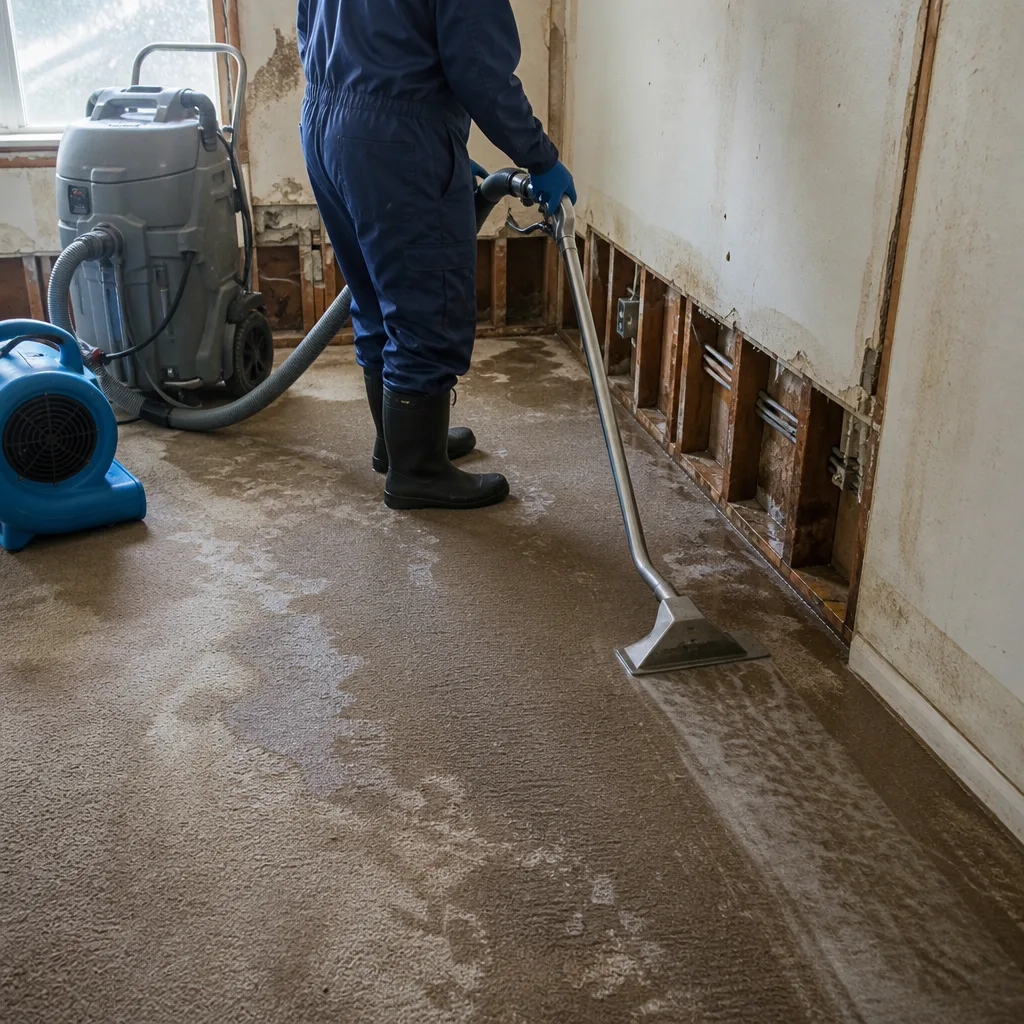
Truck-mounted extraction removes standing water; portable units reach tight crawl spaces and second stories. For slab leaks on well-fed properties, we extract from the surface while marking the sub-slab moisture profile for later verification.
3. Structural Drying & Dehumidification
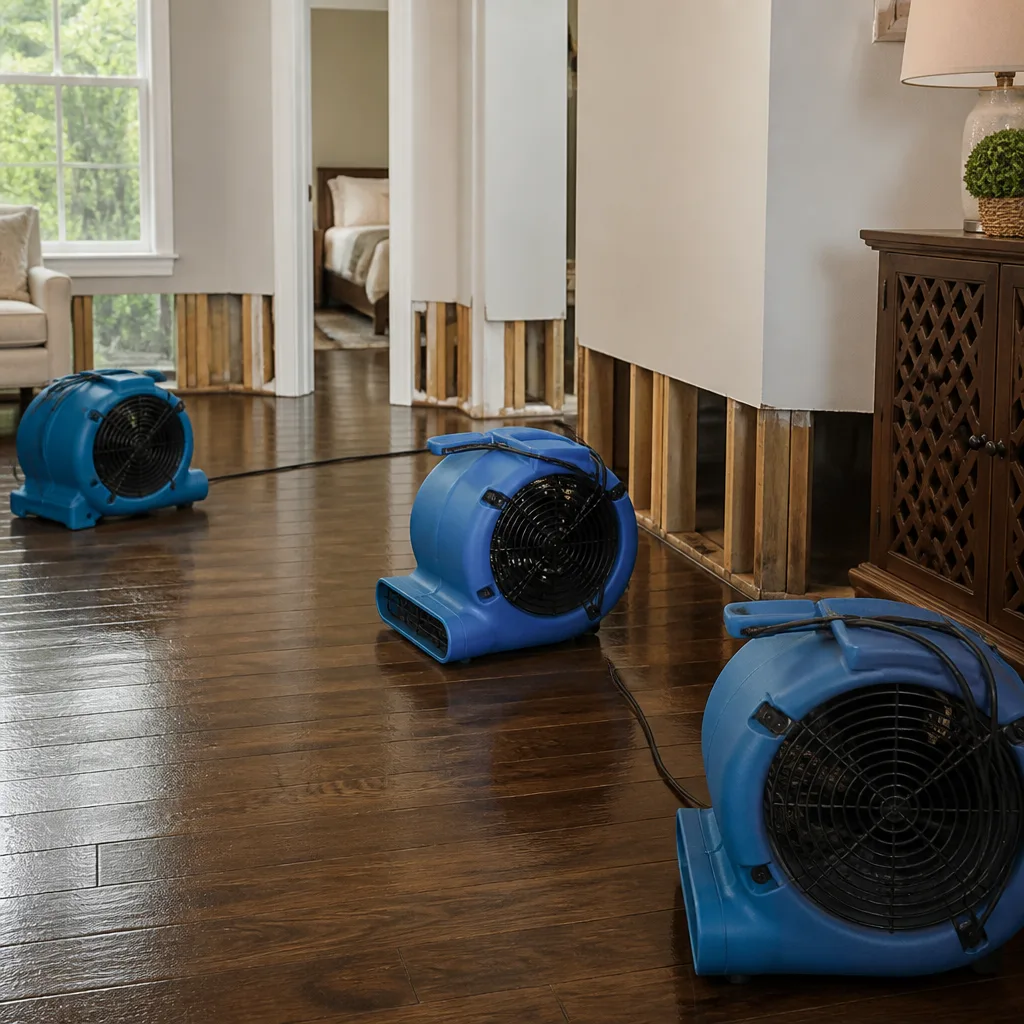
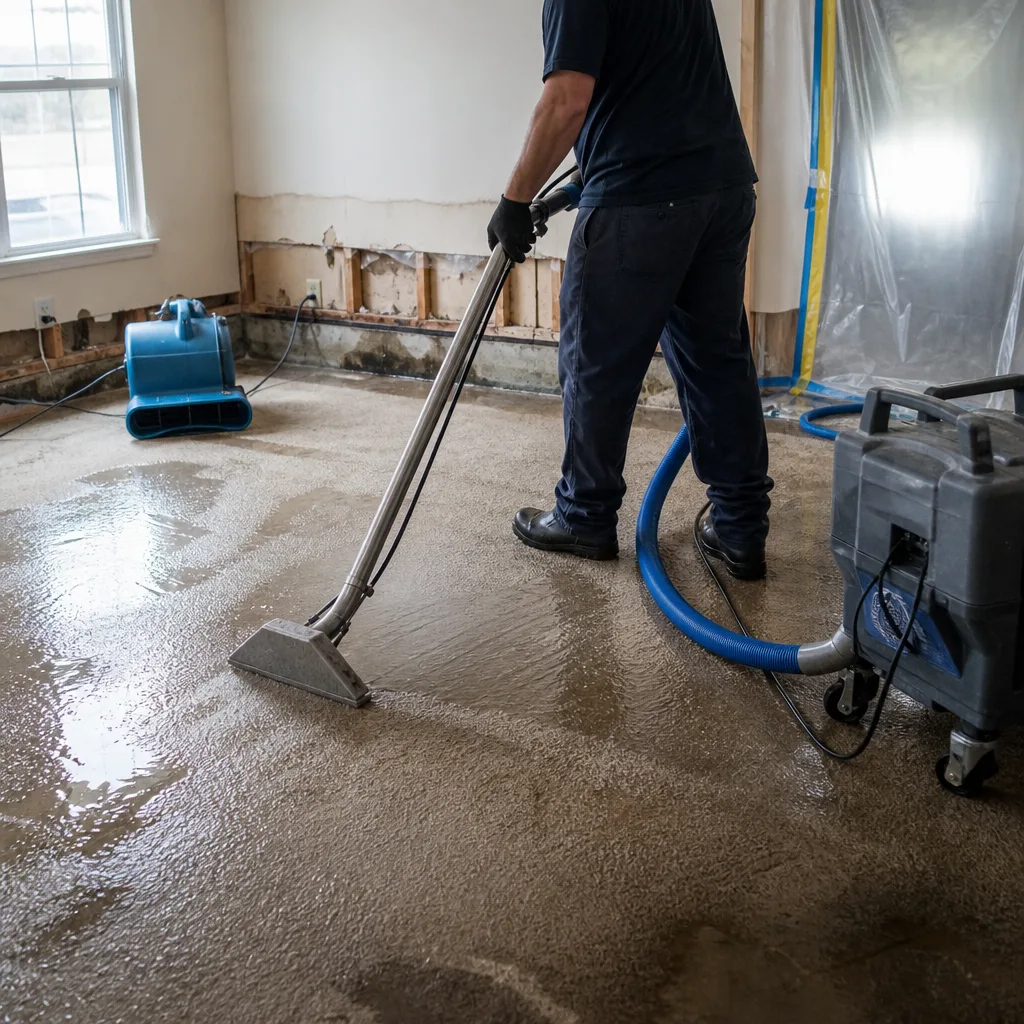
We deploy Dri-Eaz and Phoenix dehumidifiers sized to the affected cubic footage, plus XPOWER and B-Air air movers positioned for laminar airflow across wet surfaces. Daily moisture readings track progress toward the dry standard - typically 12-16% moisture content for wood framing in Valley Center’s inland climate.
4. Cleaning & Sanitization
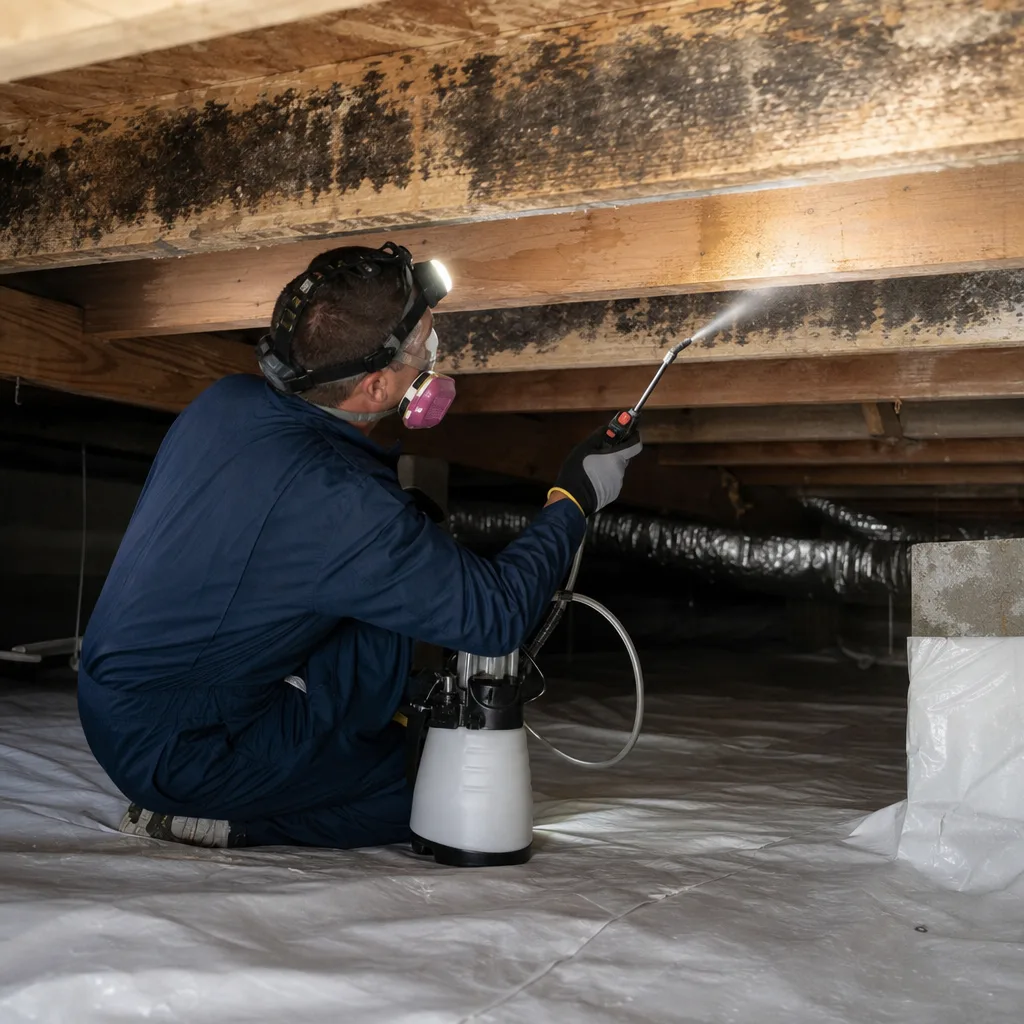
Antimicrobial treatment follows IICRC protocol based on water category. HEPA air scrubbers run during this phase to capture airborne particulates, especially critical in Valley Center’s tighter 1970s-era homes with limited natural ventilation.
5. Well-Line & Water Quality Testing
On private-well properties - most of Valley Center - we coordinate third-party lab testing of HDPE or PVC supply lines for benzene and VOCs if heat or flood exposure is suspected. This step is invisible to most restoration crews; we document it in your scope because insurers rarely flag it unprompted.
6. Repairs & Restoration
Once drying standards are met and water quality is verified, we rebuild: subfloor, drywall, flooring, trim, paint. The 365-Day Done Right Promise applies to all reconstruction work under The Haven Standard.
Need Emergency Water Damage Restoration in Valley Center Now?
Crews minutes away, answering live 24 hours a day. The sooner we start, the less it costs.
Working With Your Insurance Company
Insurance claims succeed or fail on documentation. We know this because our founder, Alicia Brennan, spent years as a claims adjuster watching homeowners lose coverage over missing photos, incomplete moisture logs, and scopes that didn’t match the actual work. Every Water Damage Restoration in Valley Center job we handle includes the documentation package that prevents those denials.
From the first hour, we photograph every room, every material classification, every moisture reading. Our estimates follow industry-standard pricing databases. We speak directly with your adjuster, not through you as a relay. If your carrier disputes scope or coverage, we provide the technical backup - vapor pressure calculations, drying log trends, material specification sheets - that resolves questions with evidence rather than argument.
What We Provide Your Insurer
- Thorough documentation of the loss
- Photos of all damage, room by room
- Moisture readings and drying logs
- A detailed, line-item scope of work
- Direct coordination with your carrier
Built for Valley Center’s Loss Calendar
Valley Center’s water damage calendar runs on three distinct drivers. January through March brings the heaviest rain, and when those storms hit the chaparral hillsides, runoff concentrates on the valley floor. Homes along Moosa Creek and its tributaries see crawl space intrusion from clay-saturated soils that shed water rather than absorb it. The Santa Ana wind events that peak October through December compound this: they dry surface soil fast but don’t reach the crawl space, where humidity lingers against framing.
Summer brings a different pattern. July and August temperatures in the mid-90s stress aging supply lines, particularly the polybutylene and early PEX installed in 1980s and 1990s builds. Well pressure tanks fail more frequently in heat cycles. And the extreme fire danger that defines Valley Center’s High Fire Hazard Severity Zone creates a secondary water damage risk: post-fire suppression efforts, and the compromised well lines that follow. If fire has already affected your property, our Fire & Smoke Damage Restoration in Valley Center team can coordinate with water mitigation for a seamless recovery.
Year-round, the rural lot pattern means delayed detection. A vacation home on ten acres off Lilac Road can leak for days before anyone notices. By then, Category 1 has become Category 2, and the scope has expanded from extraction to full structural drying plus material removal.
Water Damage Restoration Across Valley Center’s Neighborhoods
Valley Center’s geography shapes every response route and every scope of work. Crews heading to the custom estates along Valley Center Road pass through rolling oak woodland where narrow private drives limit truck access; we often stage equipment at the gate and use portable extractors and generators for the final approach. These properties typically have the highest-end finishes - knotty alder, hand-scraped hardwood, custom plaster - that demand slower, more controlled drying to prevent secondary damage.
The manufactured home communities near the central business district present the opposite challenge: limited crawl space, often six inches or less, where vapor barriers have failed and moisture is trapped against the chassis. We use low-profile air movers and desiccant dehumidifiers that fit where standard equipment won’t.
Properties south of the 78 corridor, toward the Moosa Creek drainage, sit lowest in the watershed. We’ve responded to multiple winter events where clay soil saturation pushed hydrostatic pressure through slab edges, flooding garages and utility rooms without any above-ground breach. The fix isn’t extraction alone - it’s perimeter drainage assessment and sub-slab moisture verification that runs days longer than surface drying.
North Valley Center, toward the Rincon and Palomar Mountain views, sees the wind exposure worst. Santa Ana events here can sustain 50+ mph gusts that damage roofing, which then admits water during the next rain. Roof leak calls in this zone almost always involve attic moisture mapping and insulation assessment, not just ceiling repair.
Specialized Water Damage Restoration Services We Offer in Valley Center
Emergency Water Extraction
Standing water removal within the first hour limits wicking and category escalation. Our truck-mounted systems handle bulk water; portable units reach Valley Center’s tighter crawl spaces and second stories. On well-fed properties, we also assess whether the pressure tank or supply line failure is ongoing - stopping the source before extraction starts.
Structural Drying & Dehumidification
Drying to standard requires more than running equipment. We calculate the cubic footage, the class of water damage (how much surface area is wet), and the vapor pressure differential needed to drive moisture from materials into the air, then into the dehumidifier. Valley Center’s larger homes and delayed-access rural lots often push drying timelines past the suburban norm - we document why in every drying log.
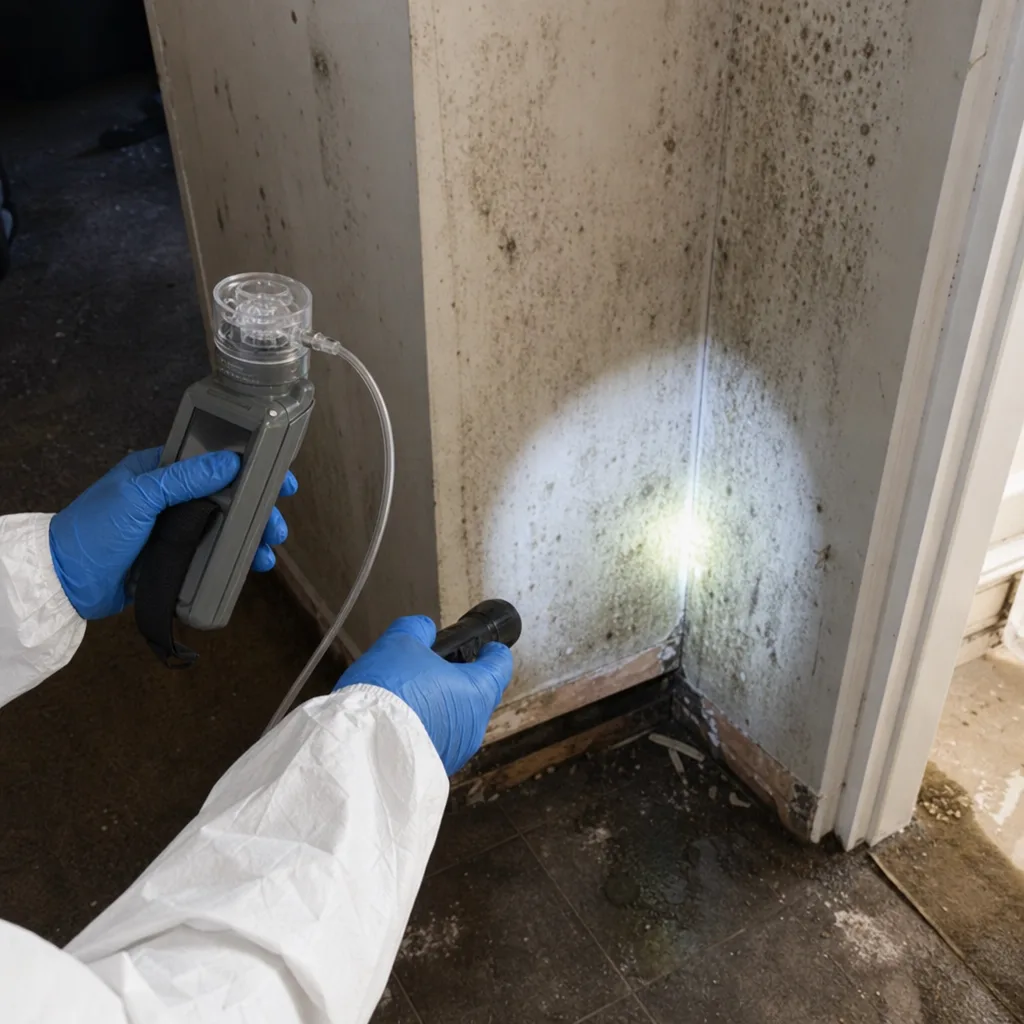
Flood Cleanup
Rare but intense winter storms overwhelm the Moosa Creek drainage and concentrate runoff on the valley floor. Flood cleanup here involves Category 2 or 3 water, soil contamination, and often compromised septic systems on properties without municipal sewer. We coordinate with San Diego County environmental health on septic assessments when required.
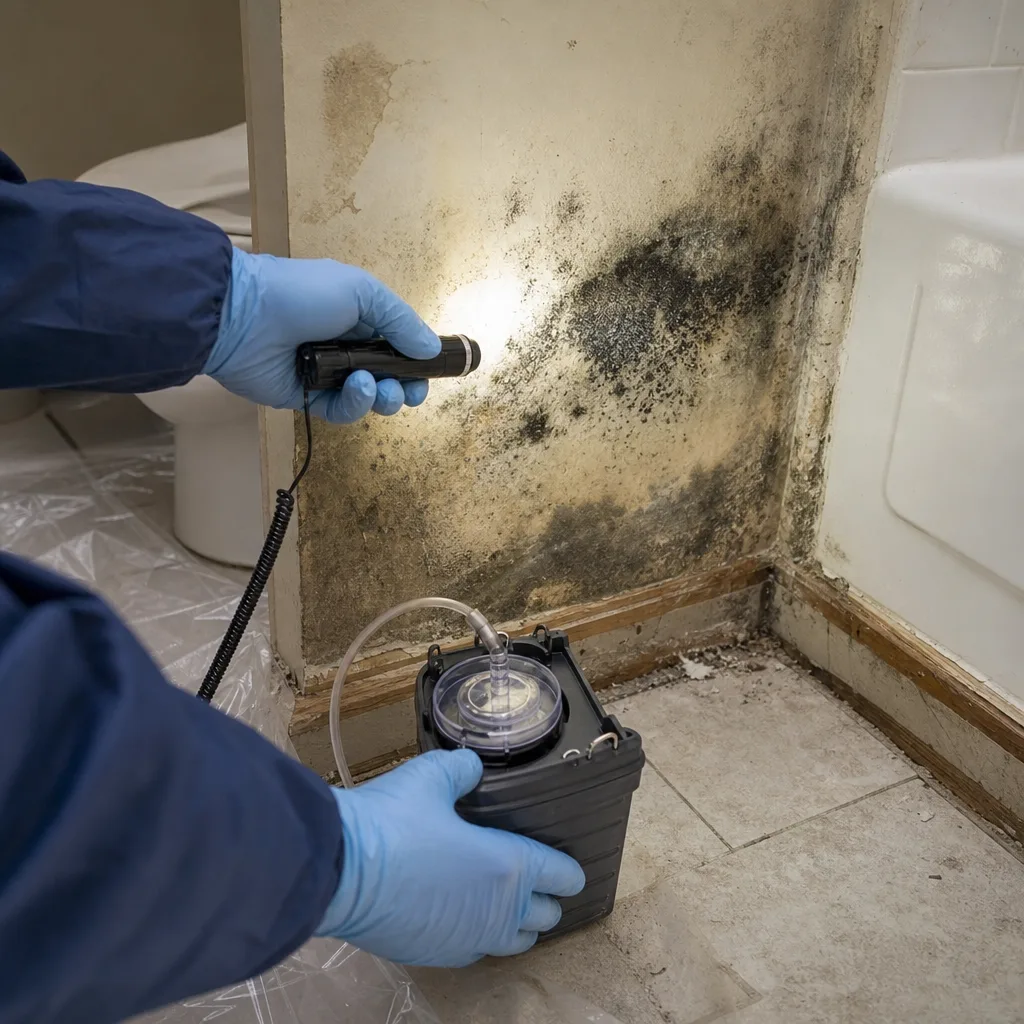
Burst Pipe Restoration
Valley Center’s aging housing stock and well pressure tank failures make burst pipes a leading cause of loss. We repair the immediate breach, extract standing water, and - critically on private-well properties - test supply lines for VOC contamination if heat exposure or material degradation is suspected. Most crews skip this; we don’t.
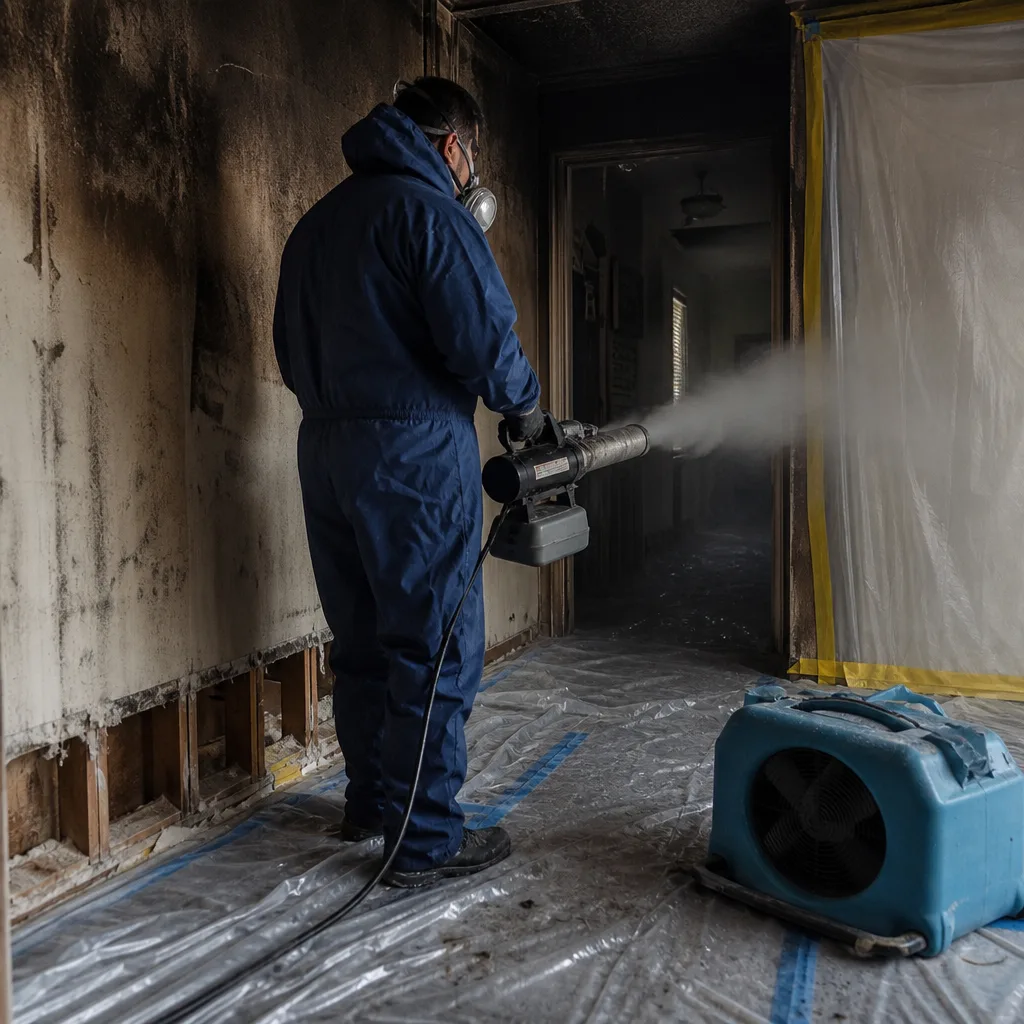
Basement Water Removal
True basements are rare in Valley Center, but finished lower levels and walkout foundations on hillside lots see similar water intrusion patterns. We treat these as below-grade drying projects with enhanced dehumidification and vapor barrier assessment.
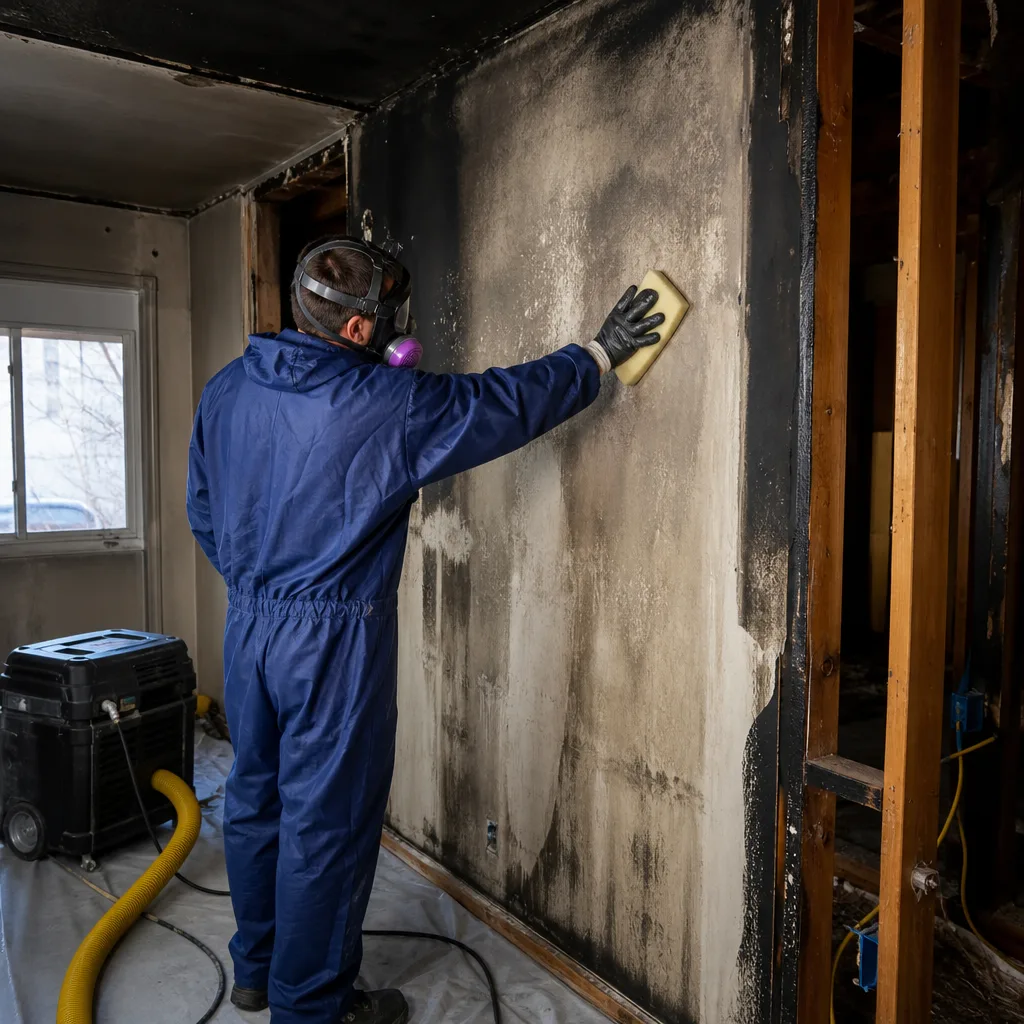
What happens when you call
- 1
A real person answersNo phone trees - you reach a local pro.
- 2
You get an upfront price rangeHonest numbers before anyone is dispatched.
- 3
A background-checked tech heads outLicensed & insured, dispatched right away.
- 4
You approve before work beginsNothing starts until you say go.
Water Damage Restoration Costs in Valley Center, CA
Water damage pricing in Valley Center reflects the rural access premium and the specialized scope that private-well properties require. These are typical ranges we see in this market:
- Emergency water extraction (up to 1,500 sq ft affected): $1,200-$2,800
- Structural drying & dehumidification (3-5 day standard): $1,800-$4,500
- Burst pipe repair + associated water damage: $2,500-$6,000
- Crawl space drying with vapor barrier replacement: $3,000-$7,500
- Well-line VOC testing and coordination: $400-$900 (often insurance-covered when documented as part of fire or heat-related loss)
- Full reconstruction after Category 2-3 loss: $8,000-$25,000+ depending on finish level
What moves the price: square footage affected, water category, material type (custom hardwood vs. standard carpet), access difficulty on large parcels, and whether well-line testing extends the scope. Insurance typically covers sudden and accidental water damage; gradual leaks and maintenance issues are usually excluded. We provide a written scope and firm price before work begins - Haven Standard, Clause 1 - and offer a Free Second Opinion on any competitor’s written estimate.
We Also Serve Cities Near Valley Center
Our crews respond throughout northern San Diego County from our San Diego office. We regularly handle water damage restoration in Valley Center, Escondido, San Marcos, Vista, and Fallbrook - each with distinct building stock, water systems, and loss patterns that our documentation process accounts for from the first call.
Serving Valley Center, CA - Our Local Coverage Area
We’re based in the Valley Center area and know this community well. Use the map below to see our service coverage - if you’re nearby, we can almost certainly help.
Valley Center Water Damage Restoration Questions, Answered
Does a private well change how you handle water damage in Valley Center?
Yes - significantly. Most Valley Center properties rely on private wells, so a burst supply line or failed pressure tank can drain the system before anyone notices. More critically, HDPE and PVC well lines can leach benzene and VOCs after heat or flood exposure. Our scope includes well-line testing that standard crews skip, because the hazard is invisible until it’s documented. Call (760) 421-5658 and we’ll explain how this integrates with your drying plan.
How fast does mold become a problem after water intrusion in a Valley Center custom home?
Mold colonization can begin within 24-48 hours on organic materials at moisture content above 16%. Valley Center’s inland summer heat accelerates this, while winter crawl space humidity from clay soil saturation sustains it. Our drying targets are set to beat that timeline - typically 12-16% wood moisture content - with daily verification. If mold is already present, we transition to full remediation with containment and air scrubbing.
What does category 1/2/3 water mean for my Valley Center home?
Category 1 is clean water from a supply line or well tank - initially safe, but it degrades fast in Valley Center’s warm crawl spaces. Category 2 carries contamination from appliances or groundwater, common in Moosa Creek drainage flooding. Category 3 is grossly contaminated - sewage, floodwater crossing soil - and requires removal of affected porous materials. The category determines whether we can dry in place or must remove, and what antimicrobial protocol follows. We classify on arrival and document the basis.
Do you handle both the water damage and the well testing on off-grid Valley Center properties?
We handle the water damage restoration directly - extraction, drying, repair - and coordinate third-party lab testing for well-line VOCs through certified environmental partners. We don’t perform the lab analysis ourselves, but we document the need, schedule the collection, and integrate results into your insurance scope so nothing falls between trades. This is standard on our Valley Center jobs with private wells; it’s not an upsell. Call (760) 421-5658 to discuss your property’s setup.
Can winter runoff along Moosa Creek drain into my Valley Center crawl space?
Yes, and we’ve documented this repeatedly on properties near the drainage. Clay soils don’t absorb water well; they shed it to the lowest point. If your crawl space sits below the surrounding grade, or if your foundation lacks proper perimeter drainage, hydrostatic pressure can push water through slab edges and footings. The intrusion is often slow and hidden - homeowners notice musty odors or warping before they see standing water. Moisture mapping finds it; perimeter drainage assessment fixes it long-term.
How fast can you actually get to my Valley Center property?
Our commitment is 45 minutes from call to on-site for Valley Center addresses. Large-acreage parcels with gated access may add a few minutes for entry coordination. We call ahead to confirm access codes or gate locations. Live dispatch is available 24 hours a day - no voicemail, no next-day callbacks while water is still moving.
Will my insurance cover water damage restoration in Valley Center?
Sudden and accidental water damage - burst pipes, failed appliances, storm intrusion - is typically covered under standard homeowners policies. Gradual leaks, maintenance failures, and flood from outside rising water usually are not (flood insurance is separate). We document the cause, the timeline, and the scope to support your claim from day one, and we coordinate directly with your adjuster. Call (760) 421-5658 for a free inspection and we’ll review your coverage context.
Can we stay in the home during water damage restoration?
Sometimes, depending on the extent and the water category. Category 1 with limited area and no HVAC contamination often allows occupancy with equipment running. Category 2 or 3, or any loss affecting sleeping areas, kitchens, or bathrooms, usually requires temporary relocation - which may be covered under your policy’s additional living expenses. We assess this during the initial inspection and document our recommendation for your adjuster.
Water damage in Valley Center carries complications most restoration crews never encounter: private wells, large-lot access, septic systems, and the VOC risks that follow heat exposure to plastic supply lines. Our documentation-first process catches what others miss, and our written-price guarantee means you’ll never face scope creep once the crew is inside. Call (760) 421-5658 for a free inspection and written scope.
Written by Alicia Brennan, Owner at DryMark Restoration Fallbrook, serving Valley Center since 2011.