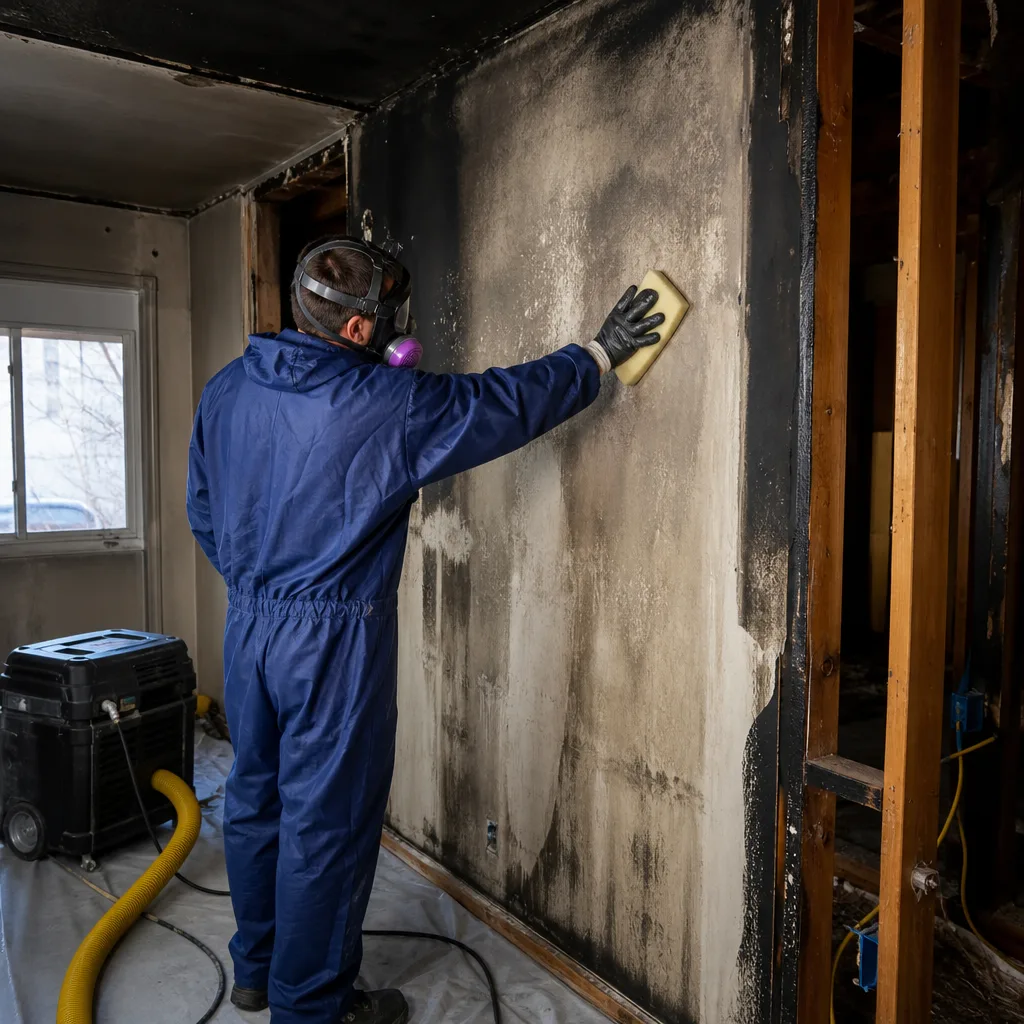
Free visual inspection and a written scope of work before any mitigation begins - photos, moisture readings, and drying logs go in your claim file
The scope we write is the scope we bill. Anything new gets shown to you, in writing, before we touch it.
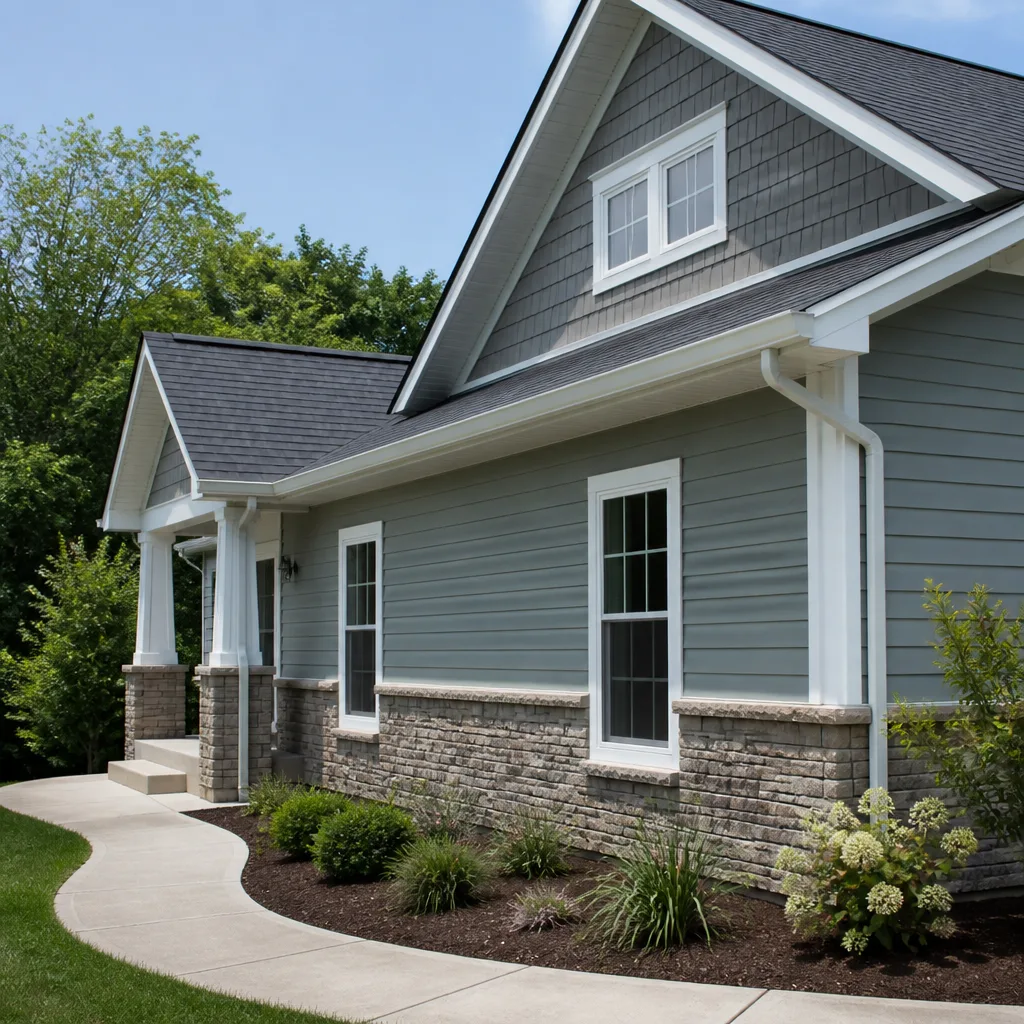
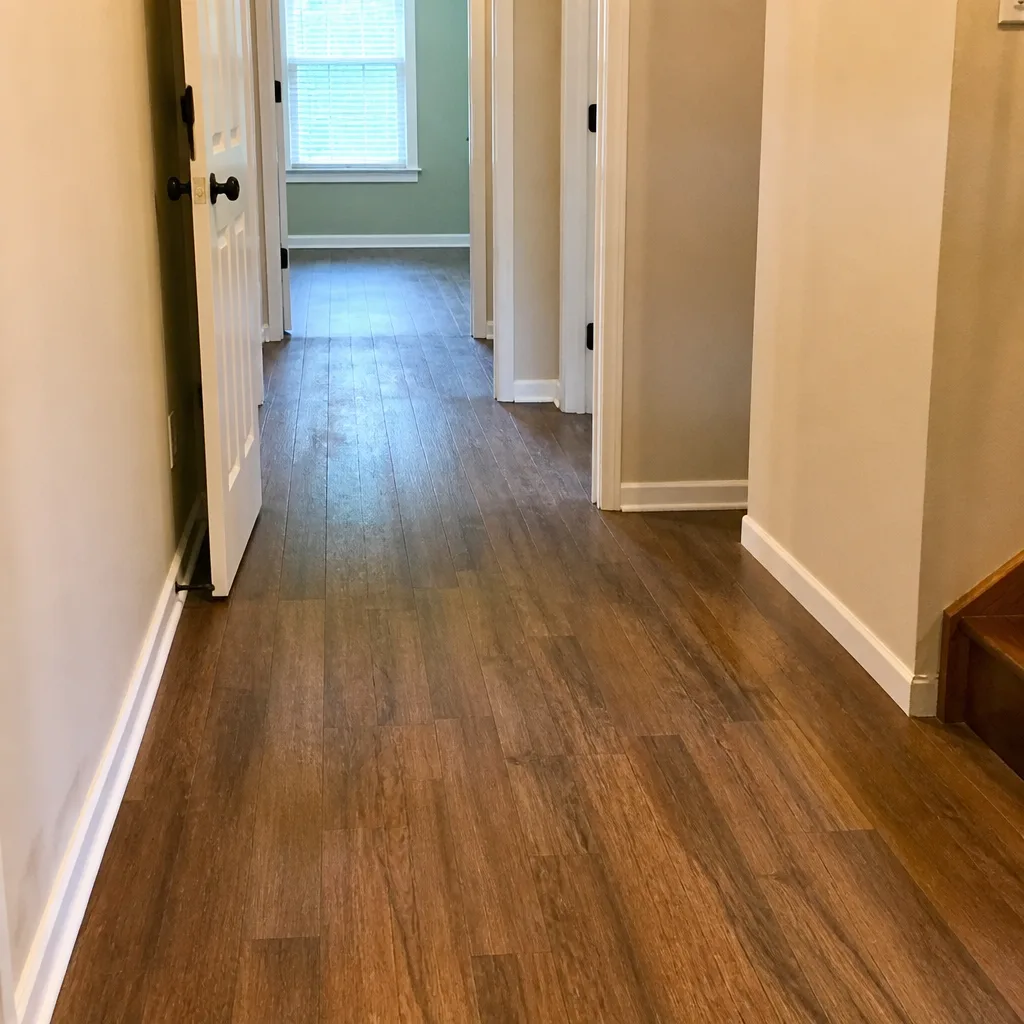

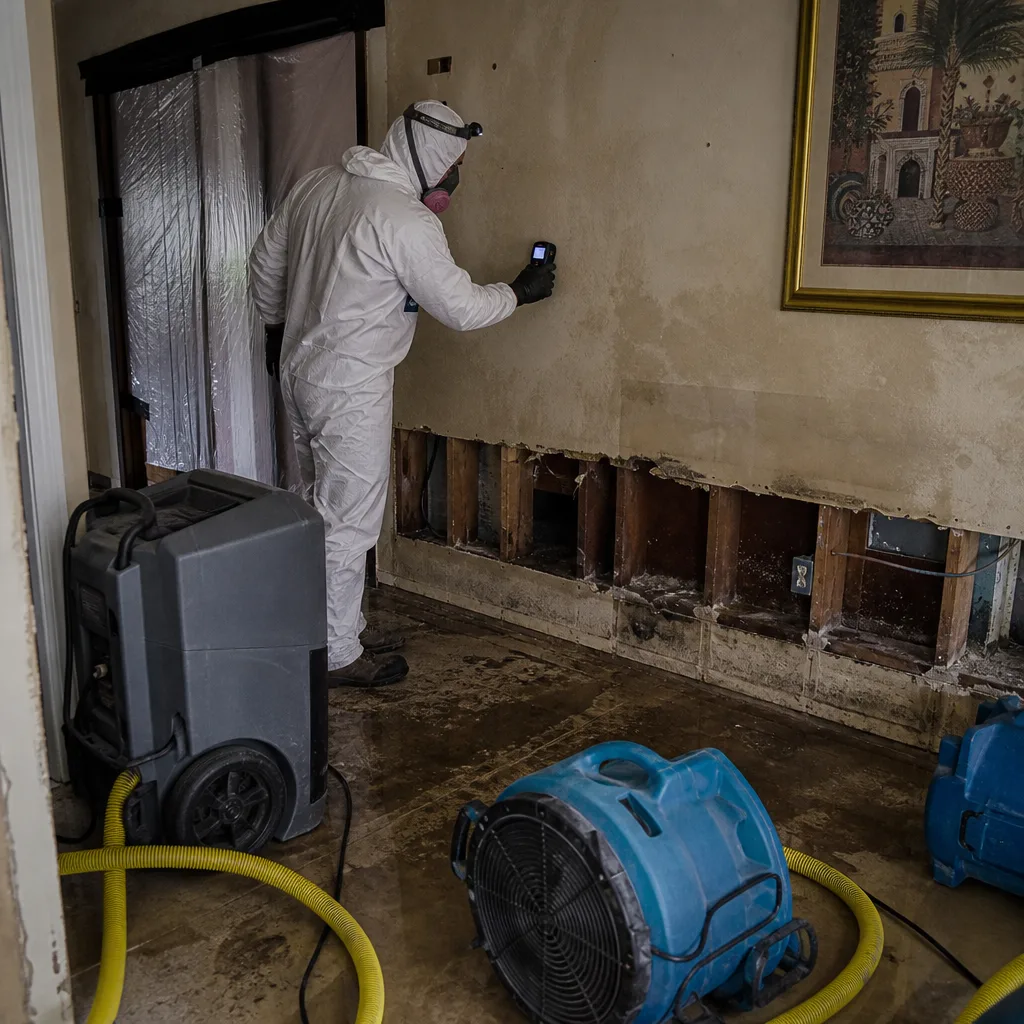 Before
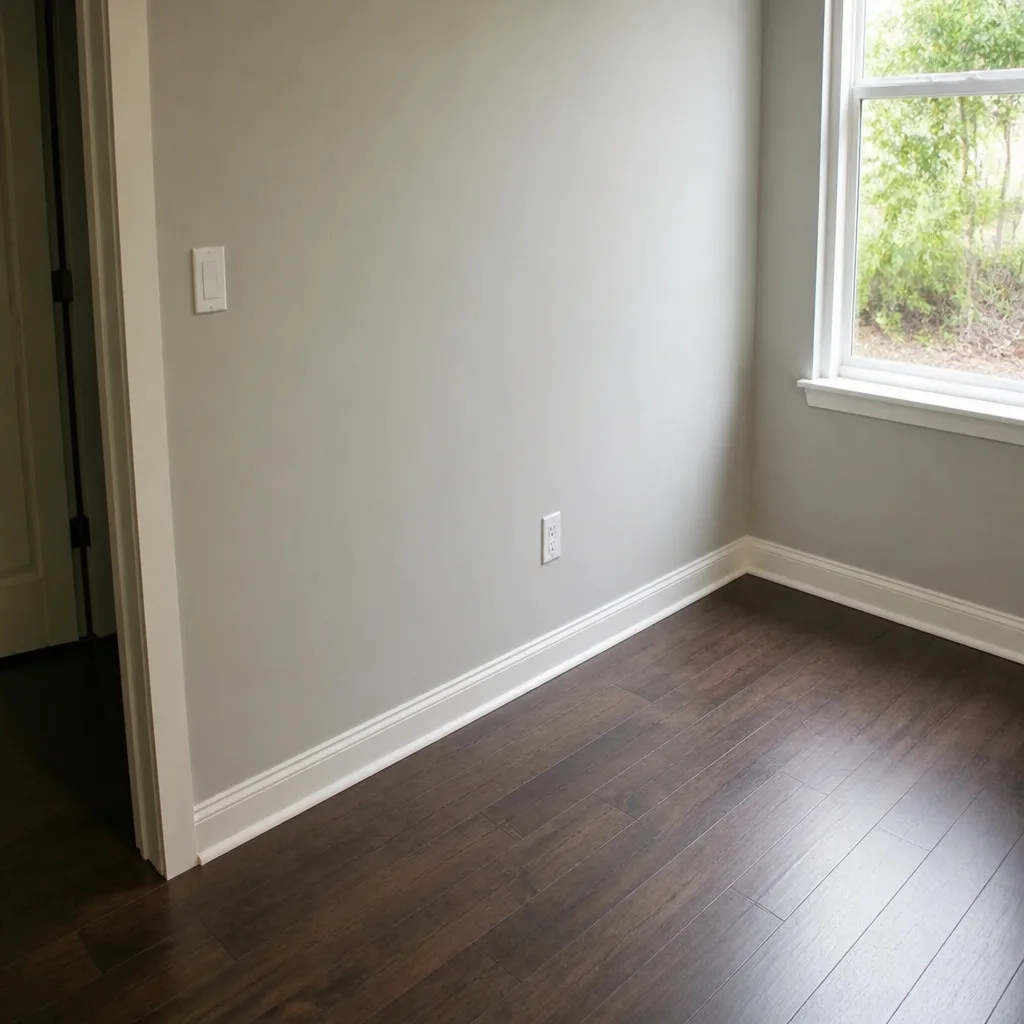 After
After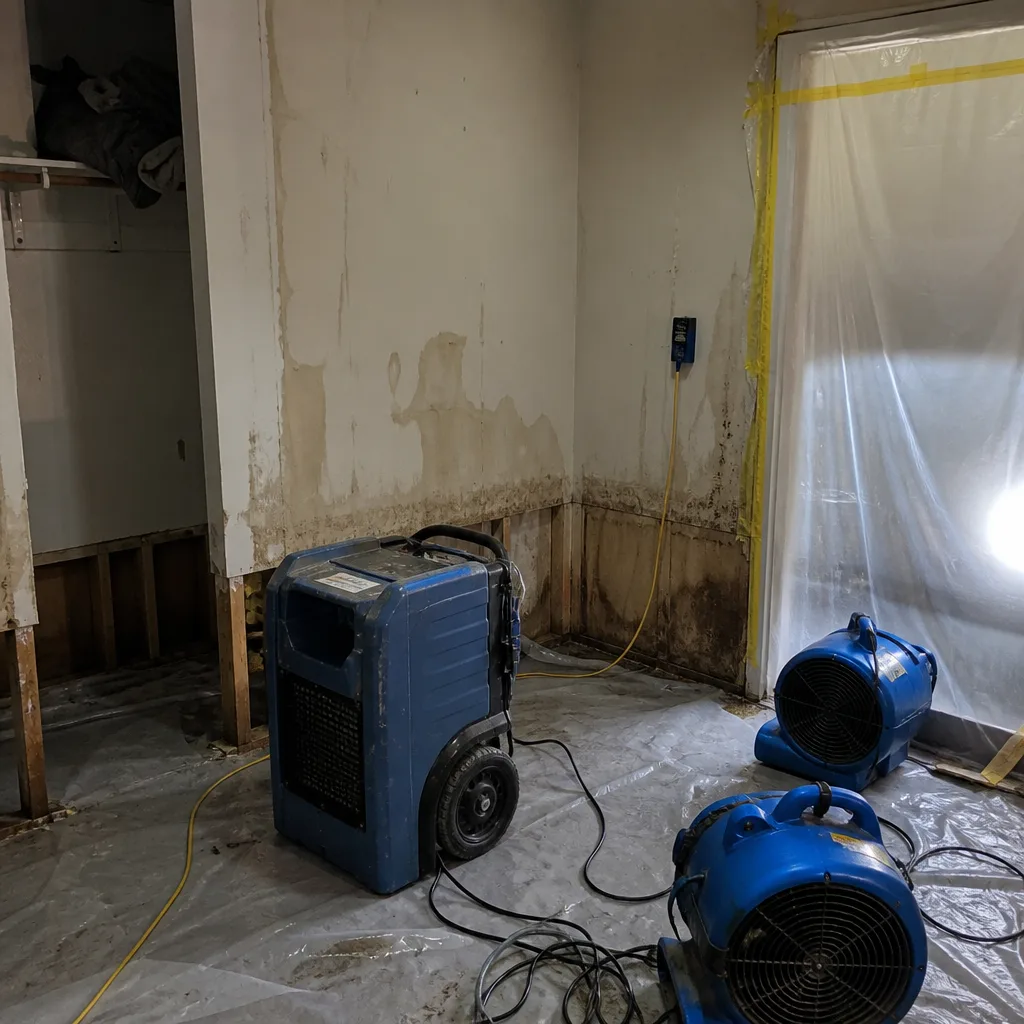 Before
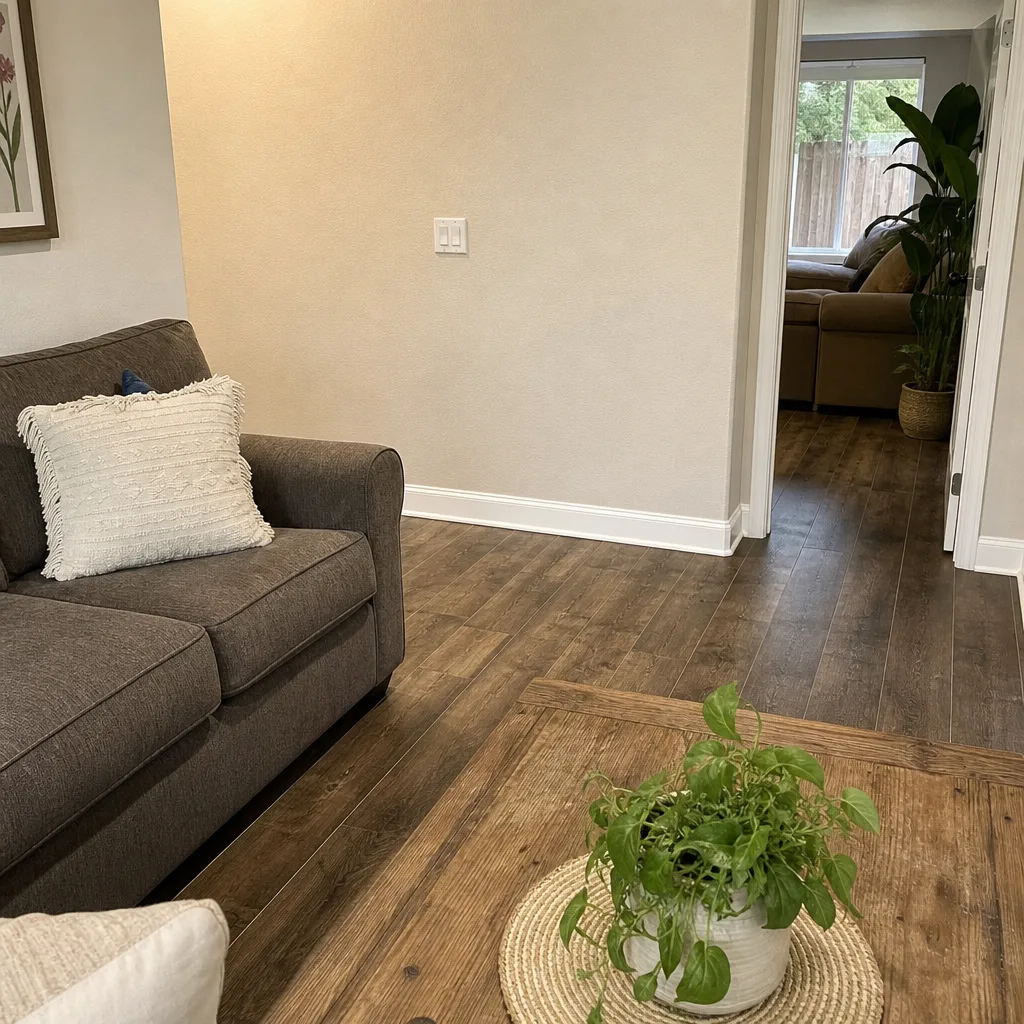 After
After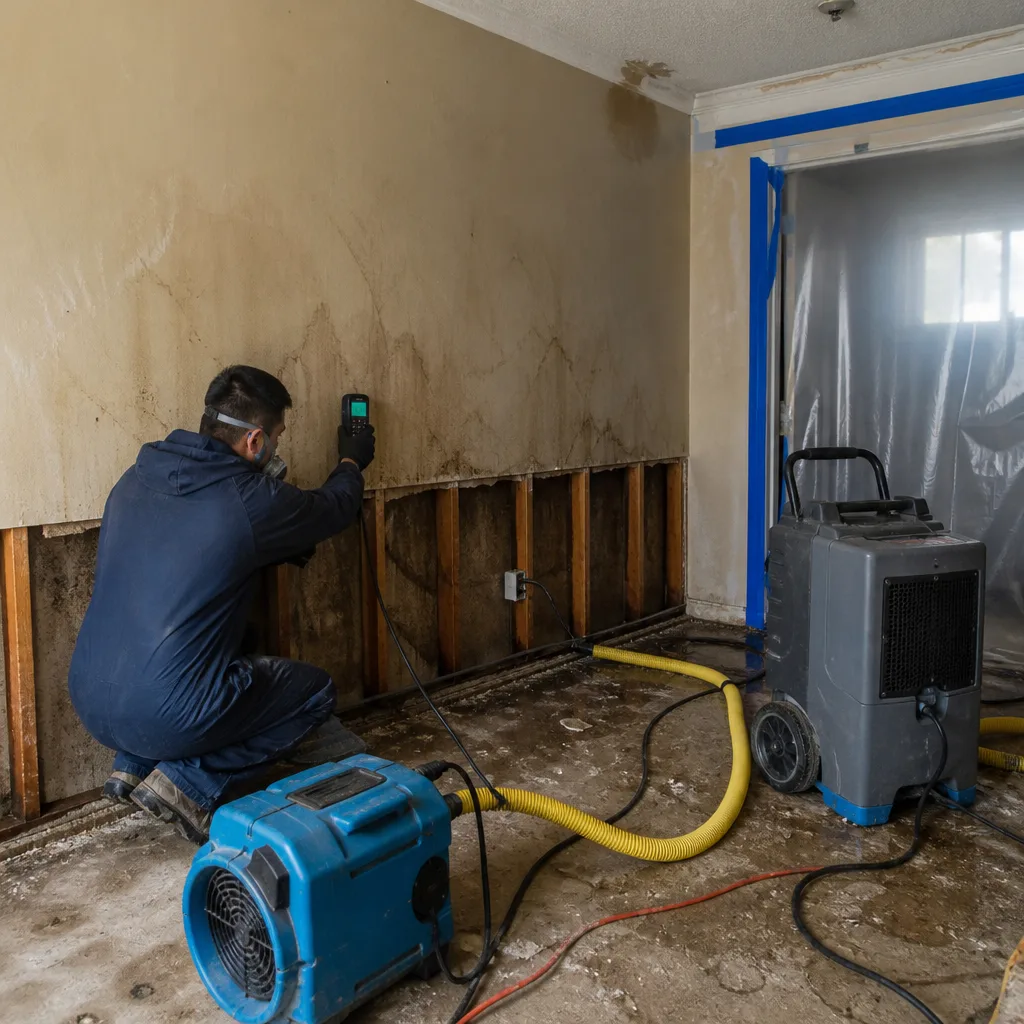 Before
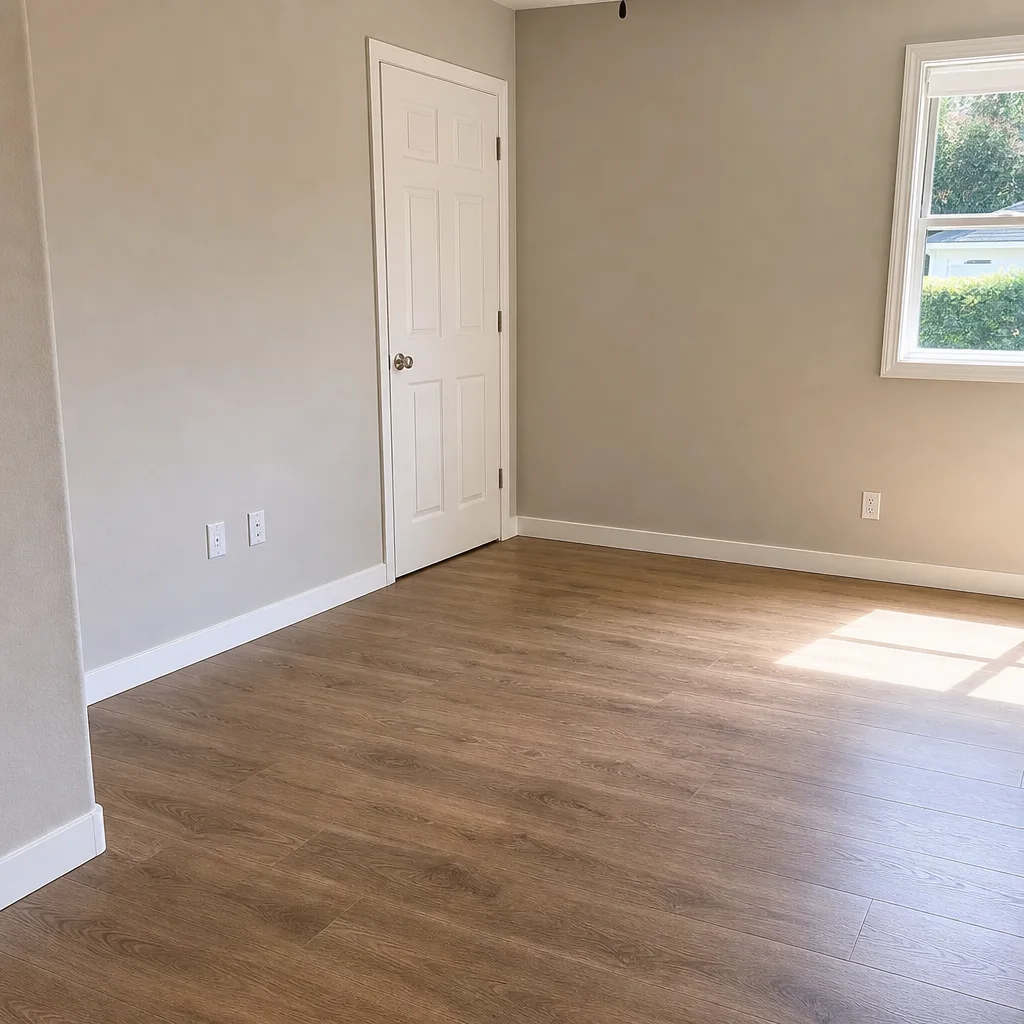 After
After24/7 Emergency Water Damage Restoration in Lake San Marcos
Water damage restoration in Lake San Marcos typically runs $2,800-$7,500 for a standard residential loss, with emergency extraction starting at $450-$950 and full structural drying adding $1,800-$4,200 depending on square footage and category of water. Our crews answer live at (760) 421-5658 24 hours a day, 7 days a week, with no voicemail trees, and we can have a technician on-site anywhere in the Lake San Marcos area within 45 minutes of your call. The first hour matters because Category 1 clean water becomes Category 2 gray water in 24-48 hours as microbial activity accelerates, especially in Lake San Marcos’s lake-adjacent microclimate where overnight humidity off the water surface keeps materials from drying naturally. We perform a free visual inspection on arrival, document everything with photos before we touch anything, and deliver a written price before work starts - Haven Standard, Clause 1.
Understanding Water Damage Restoration Severity in Lake San Marcos Properties
Water damage classification follows IICRC S500 standards: Category 1 is clean water from a broken supply line, Category 2 carries significant contamination from dishwasher or washing machine discharge, and Category 3 is grossly contaminated sewage or ground flooding requiring full PPE and antimicrobial treatment. In Lake San Marcos, we see a fourth pattern that doesn’t fit neatly - Category 1 water that sits overnight in a 1960s condo with original galvanized plumbing and becomes functionally Category 2 by morning due to the ambient moisture load off the lake.
Most Lake San Marcos structures fall into two vulnerability profiles. The lakefront condominium and townhome stock built in the 1960s-1970s features slab-on-grade construction with original or early-replacement copper and galvanized plumbing, single-wythe stucco exteriors, and minimal original vapor barriers. These properties develop hidden moisture intrusion through corroded supply lines and stucco cracks that thermal imaging reveals only after significant spread. The hillside and interior neighborhoods, slightly newer and with raised foundations, face different risks - Santa Ana wind cycles open existing stucco cracks, and subsequent winter storms drive rain into wall cavities that dry slowly in the valley’s trapped cool air.
Moisture mapping with thermal cameras and pinless meters tells us what the eye cannot. We measure vapor pressure differential - the force that drives moisture from wet materials into the air - and adjust our drying strategy accordingly. Tertiary drying, the final phase where bound moisture releases from dense materials like slab concrete and dimensional lumber, often takes 3-5 additional days in Lake San Marcos’s humid microclimate compared to drier inland locations.
Why Lake San Marcos Property Owners Choose DryMark Restoration Fallbrook
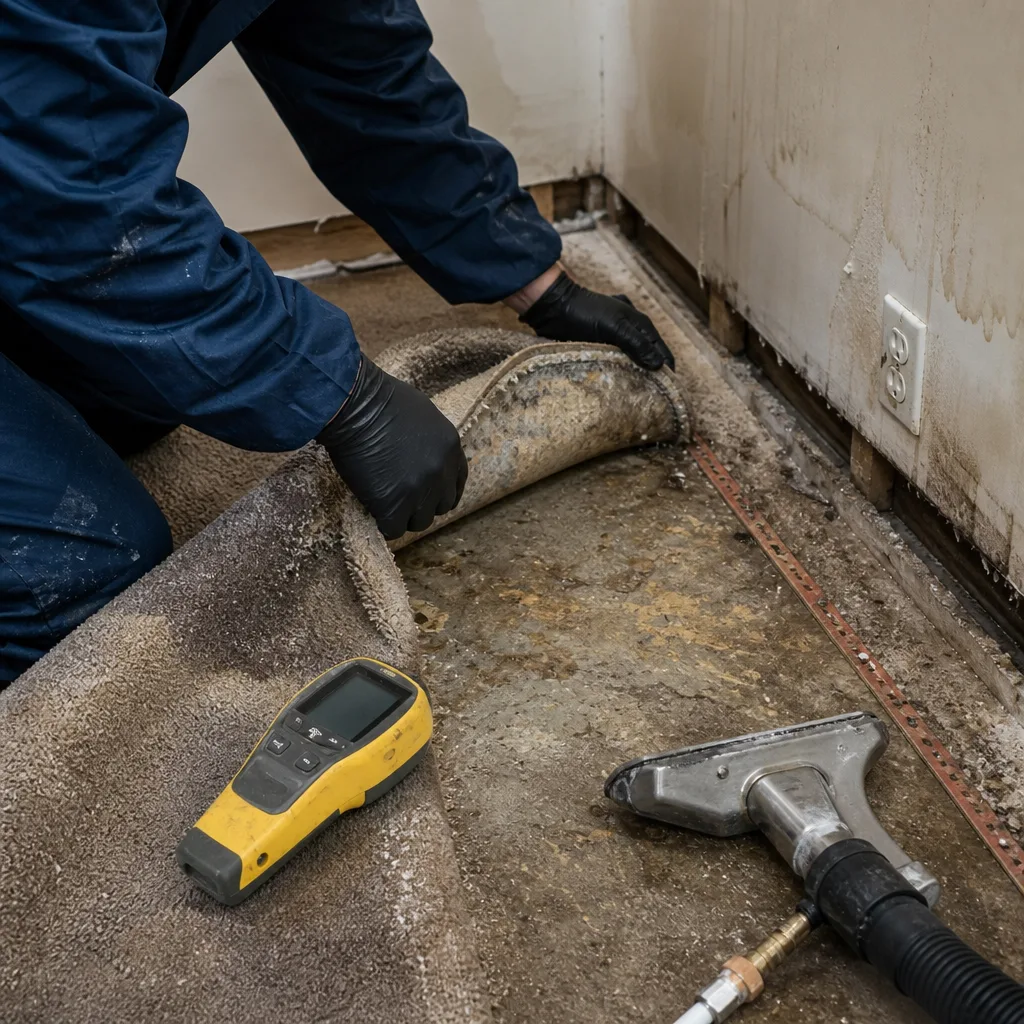
- 45-minute response commitment to anywhere in Lake San Marcos, including lakefront complexes and hillside neighborhoods, because water doesn’t wait for business hours.
- 24/7 live answer - a real person, never an automated system or voicemail tree, picks up every call to our emergency line within three rings.
- IICRC-certified crews holding WRT (Water Damage Restoration Technician) and ASD (Applied Structural Drying) credentials, with AMRT (Applied Microbial Remediation Technician) certification for Category 2 and 3 losses.
- Free visual inspection and moisture assessment on every call, documented with photos before any equipment is placed or any material is disturbed.
- Direct insurance billing and adjuster coordination - we submit our line-item scope, daily drying logs, and photo record directly to your carrier, not just to you.
- One team from extraction through reconstruction, eliminating the handoff gaps where documentation gets lost and scopes get disputed.
BeforeAfterOur Water Damage Restoration Process
1. Inspection & Assessment
We arrive with thermal imaging cameras, pin and pinless moisture meters, and hygrometers to map the full extent of water migration - including into adjacent units in shared-wall buildings. Every affected room is photographed, moisture readings are recorded, and we identify the water category before any extraction begins. For Lake San Marcos lakefront properties, we specifically check slab moisture and efflorescence patterns to distinguish one-time intrusion from ongoing hydrostatic pressure.
2. Extraction & Stabilization
Standing water is removed with truck-mounted extraction systems and portable submersible pumps. We remove saturated carpet pad and classify salvageable versus non-salvageable materials by IICRC standards. In multi-unit Lake San Marcos complexes, we contain the work area to prevent cross-contamination and coordinate access with HOA management for shared utility shutoffs.
3. Drying & Dehumidification
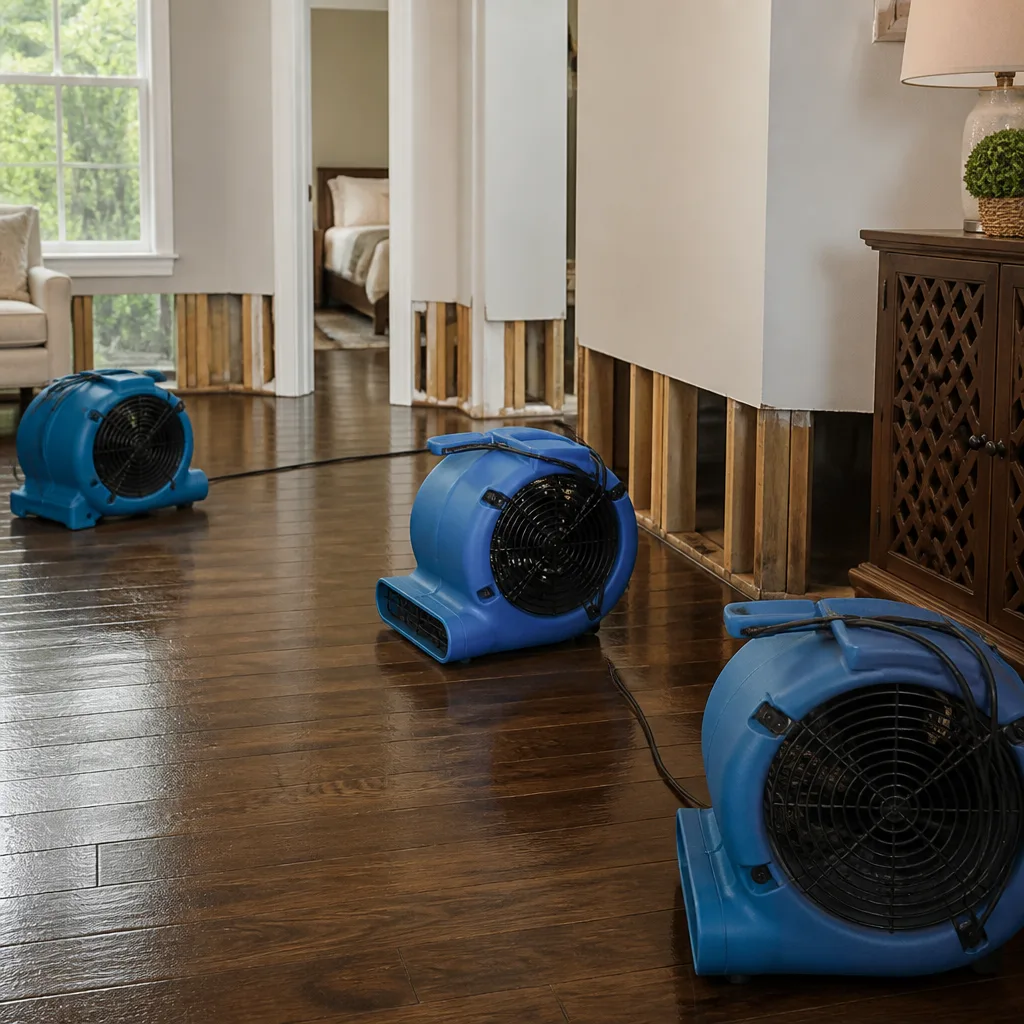
We deploy Dri-Eaz and Phoenix LGR dehumidifiers alongside XPOWER and B-Air axial air movers in a calculated drying chamber. Psychrometric data - temperature, relative humidity, and specific humidity - is recorded twice daily to track progress. Lake San Marcos’s lake-humidity environment often requires extended dehumidification runs and supplemental heat to maintain adequate vapor pressure differential for drying slab-adjacent wall cavities.
4. Cleaning & Sanitization
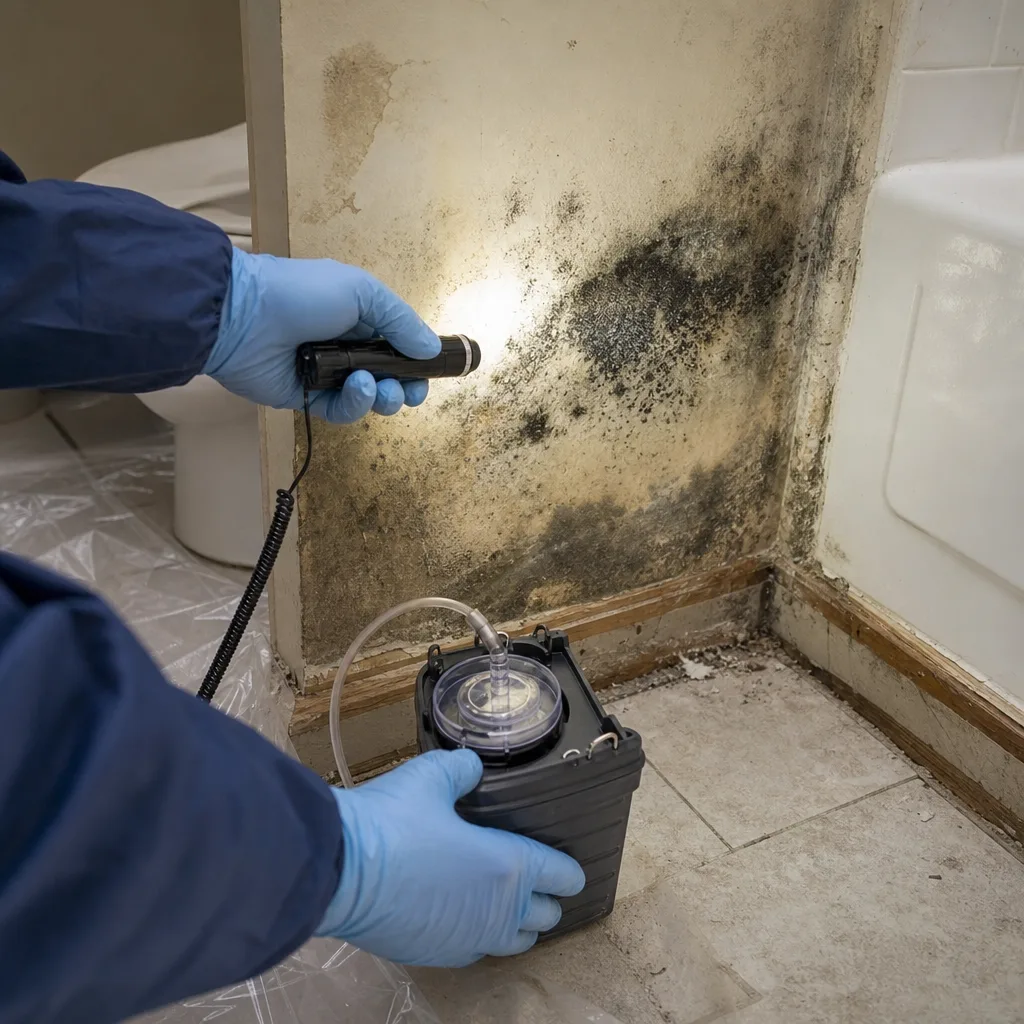
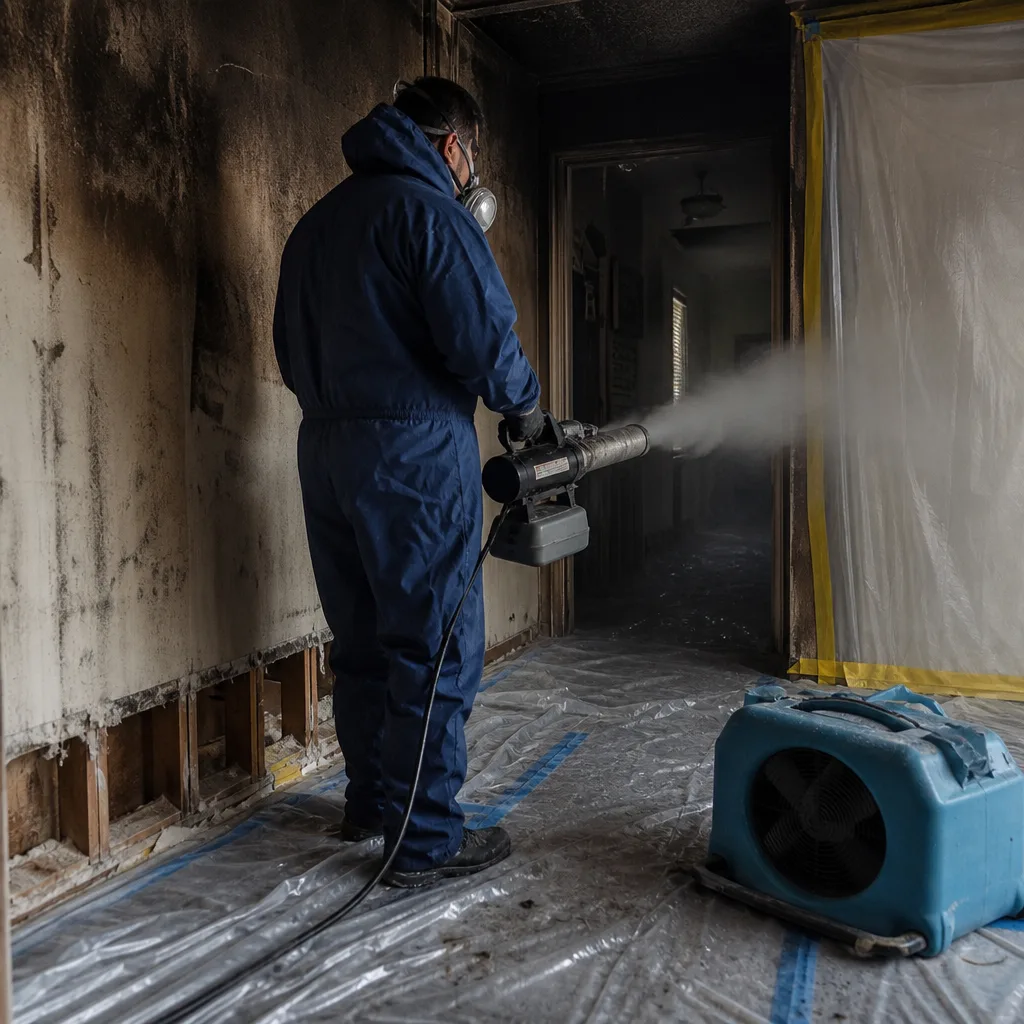
All affected surfaces receive antimicrobial treatment appropriate to the water category. HEPA air scrubbers run continuously during this phase to capture airborne particulates. We document every product used by lot number and EPA registration for your insurance file and HOA records.
5. HOA/ARB-Compliant Repair Matching
Before any reconstruction begins, we pull the community’s architectural review board specifications for approved stucco colors, trim profiles, and exterior door styles. Our repair scope specifies materials that match existing ARB standards, preventing the violations and redo work that delay claim closure in Lake San Marcos’s HOA-governed properties.
6. Repairs & Restoration
Our crew completes structural repairs, finish carpentry, and paint to pre-loss condition. A final moisture verification confirms all materials read within dry standard before we remove equipment. You receive a completed drying log, photo record, signed 365-Day Done Right Promise, and written scope for your insurance file.
Need Emergency Water Damage Restoration in Lake San Marcos Now?
Crews minutes away, answering live 24 hours a day. The sooner we start, the less it costs.
Working With Your Insurance Company
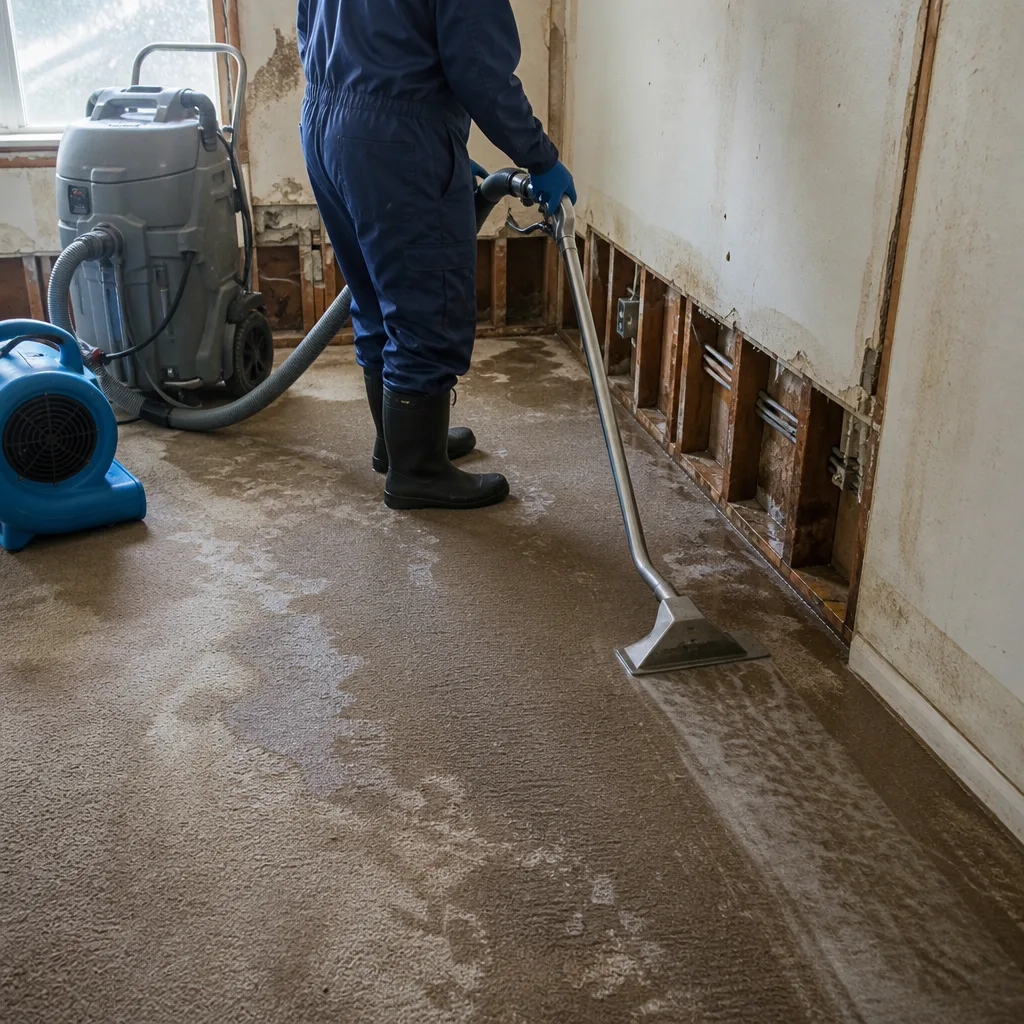
Insurance claims fail at the documentation stage, not the damage stage. We know this because DryMark Restoration Fallbrook was built by a former claims adjuster who watched homeowners lose coverage over missing photos, disputed scopes, and drying logs that couldn’t be produced. Our process produces the file an adjuster can approve without back-and-forth.
From the first hour, we photograph every room, every material, every moisture reading. Our estimates follow Xactimate industry-standard pricing, line-itemed by room and by trade. We speak directly with your adjuster, submit our documentation through their preferred portal, and flag any coverage questions before they become disputes. For Lake San Marcos’s multi-unit losses, we prepare separate scopes for each affected unit while maintaining a master file for the HOA’s master policy coordination.
What We Provide Your Insurer
- Thorough documentation of the loss, including cause-of-loss determination and water category classification
- Photos of all damage, room by room, with date and time stamps, before any mitigation begins
- Moisture readings and daily drying logs showing progressive reduction to dry standard
- A detailed, line-item scope of work with Xactimate pricing and material specifications
- Direct coordination with your carrier’s adjuster, including field meetings when required
Built for Lake San Marcos’s Loss Calendar
January through March brings the heaviest rain pattern, and with it the most deceptive losses. Santa Ana wind events in late fall dry out wood framing and open stucco cracks; the first winter storms then drive water directly into wall cavities that homeowners don’t discover until spring. We see this cycle annually in the older condo complexes along the lake margin, where wind-driven rain exploits single-wythe stucco that has cycled through wet-dry expansion for sixty years.
April and May deliver moderate rainfall but rising humidity as the lake surface warms. Crawl spaces and slab edges that stayed damp through winter now show active mold growth. June through September is historically drier, but irrigation system failures and aging supply lines cause significant interior losses - the original copper and galvanized plumbing in Lake San Marcos’s 1960s stock reaches end-of-life in this period. October and November Santa Ana returns reset the cycle.
The lake itself creates a microclimate no surrounding city replicates. Overnight humidity off the water surface produces regular condensation on interior walls and crawl spaces that coastal or hillside properties don’t experience. During Santa Ana wind events, the rapid humidity swings cause wood framing in older structures to cycle through wetting and drying, opening existing cracks in stucco and allowing wind-driven rain intrusion during subsequent winter storms. This is not generic California weather; it’s Lake San Marcos-specific physics that determines how we scope drying and where we look for hidden damage.
Water Damage Restoration Across Lake San Marcos’s Neighborhoods
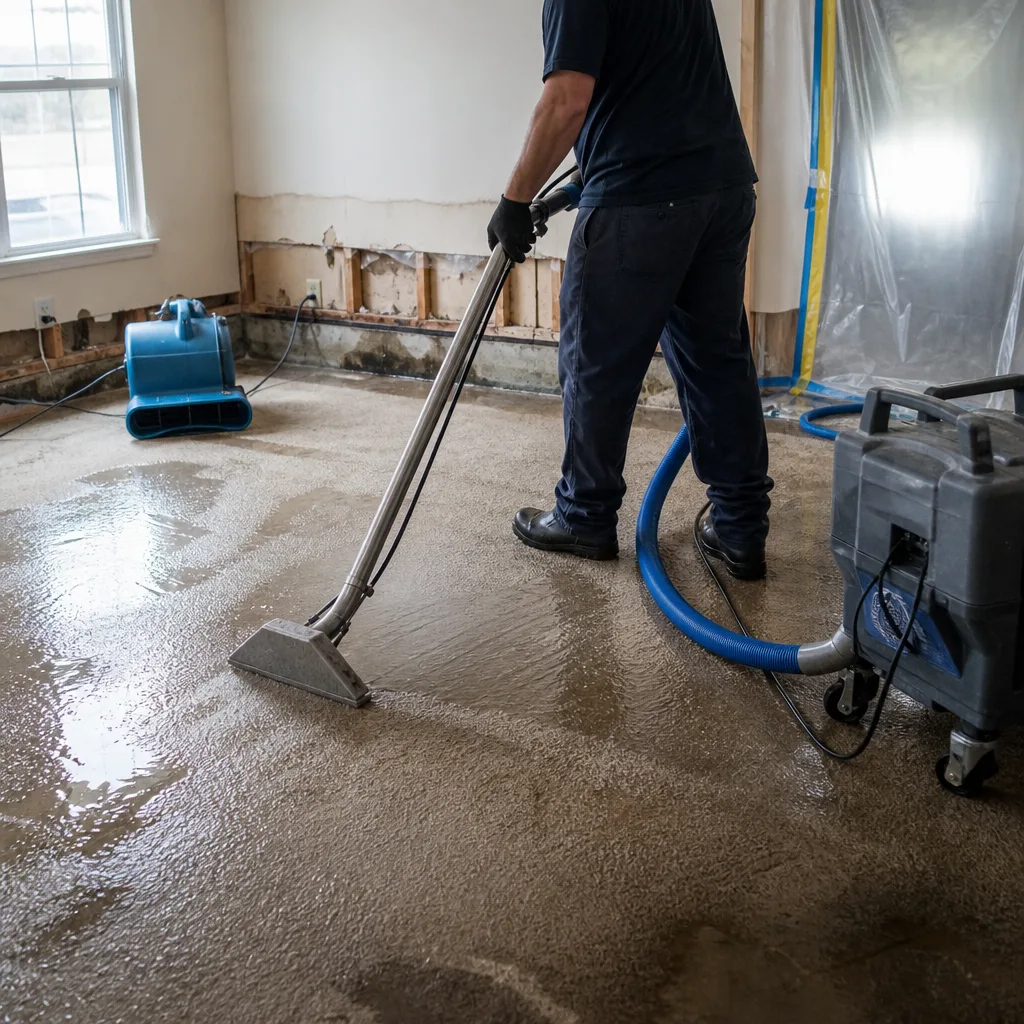
The lakefront corridor along Via del Lago and the surrounding townhome courts presents our most complex losses. These are predominantly 1960s-1970s slab-on-grade units with original or near-original systems, governed by active HOAs with architectural review boards. A single supply line failure in a second-floor unit routinely cascades through shared walls into two or three neighboring properties, triggering multi-party claims that require coordinated scoping and separate documentation for each unit’s carrier. We maintain direct contact with HOA management during these events to ensure access, utility coordination, and ARB-compliant repair specifications.
The interior hillside neighborhoods above the lake, including the areas approaching San Marcos proper, feature slightly newer construction with raised foundations and better natural drainage. Losses here tend toward isolated pipe bursts and appliance failures rather than the multi-unit cascade patterns of the lakefront. Drying is faster due to better air circulation, but Santa Ana-driven stucco cracking remains a persistent vulnerability that we check on every exterior wall loss.
The garden-style apartment conversions near the community’s original resort core have unique risks: aging flat roofs with multiple penetration points, original cast iron drain lines, and minimal attic ventilation that traps moisture in ceiling cavities after roof leaks. We’ve documented repeated losses in these buildings where prior contractors addressed visible water without inspecting the full roof drainage path, leading to recurrence within 12-18 months.
Dispatch and scheduling for Lake San Marcos are coordinated from our Los Angeles office, with crews serving the community locally. Response routes account for the community’s limited through-roads and HOA-gated access points that can delay unfamiliar contractors.
Specialized Water Damage Restoration Services We Offer in Lake San Marcos
Emergency Water Extraction
Standing water begins degrading materials within hours, and in Lake San Marcos’s humid lake microclimate, that timeline compresses. Our truck-mounted extraction systems remove thousands of gallons per hour, with portable units for multi-story condo buildings where truck access is limited. We extract from carpet, hard surfaces, and subfloors, then immediately begin moisture mapping to find what extraction alone cannot reach.
Structural Drying & Dehumidification
We build a controlled drying environment using Dri-Eaz and Phoenix LGR dehumidifiers, XPOWER and B-Air air movers, and continuous psychrometric monitoring. In Lake San Marcos’s lake-adjacent properties, standard drying calculations often underestimate the ambient moisture load; we adjust our equipment counts and run times based on actual field readings rather than square-footage tables alone. Daily moisture logs document progress to dry standard for your insurance file.
Flood Cleanup
Category 3 flood losses from ground water intrusion require full PPE, antimicrobial treatment, and disposal of porous materials per IICRC standards. Lake San Marcos’s lakefront slab-on-grade units are particularly vulnerable to hydrostatic pressure-driven seepage during heavy rain events. We distinguish one-time flooding from ongoing groundwater intrusion and scope accordingly, because drying alone cannot solve a hydrostatic pressure problem.
Burst Pipe Restoration
Original copper and galvanized plumbing in Lake San Marcos’s 1960s-1970s housing stock reaches failure rate peaks in the 50-60 year range - precisely where this community sits. We coordinate with licensed plumbers for permanent repair, extract and dry affected areas, and document the line failure for your insurance claim. In shared-wall buildings, we inspect adjacent units for migration before declaring the loss contained.
Basement Water Removal
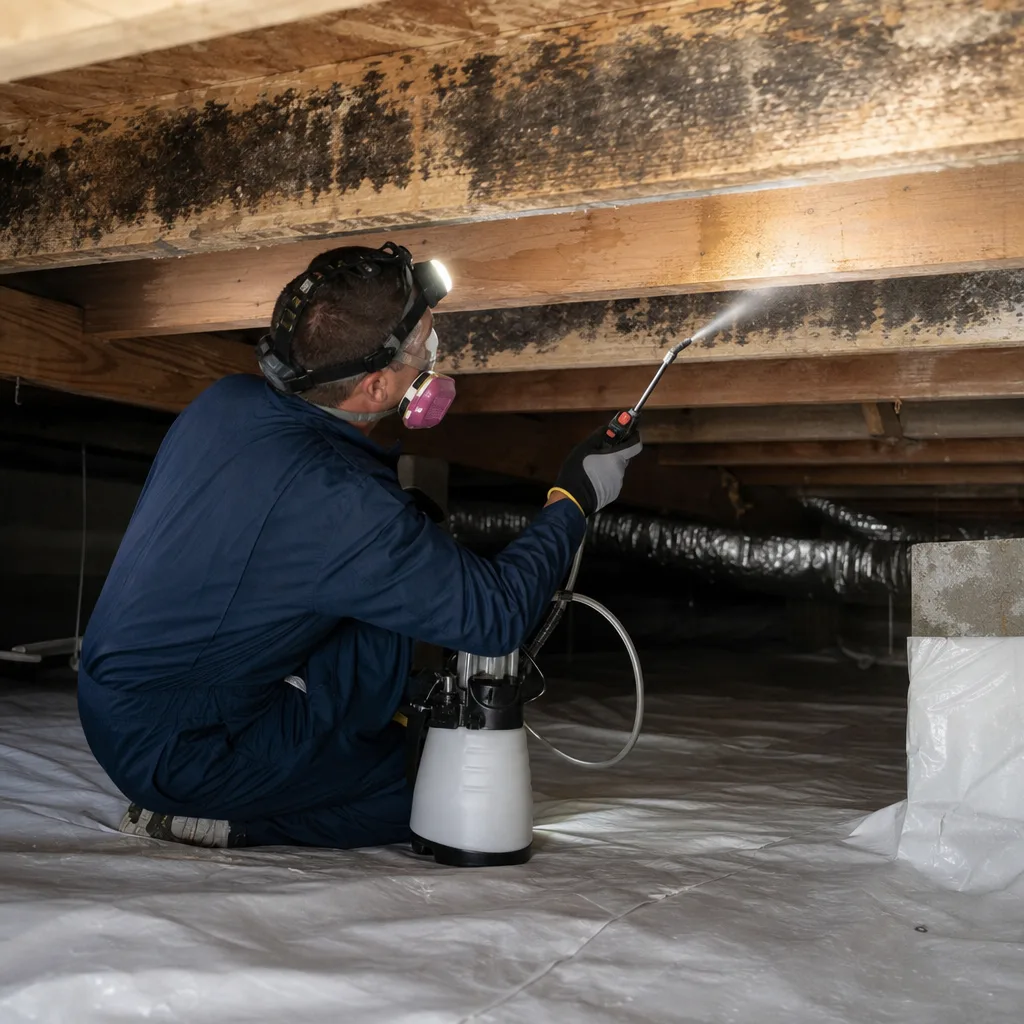
Lake San Marcos’s limited basement stock consists mainly of partial daylight basements in hillside homes and utility crawl spaces in lakefront complexes. Both present access challenges and humidity retention issues. We use portable extraction and specialized crawl-space drying equipment, with vapor barrier assessment to prevent recurrence.
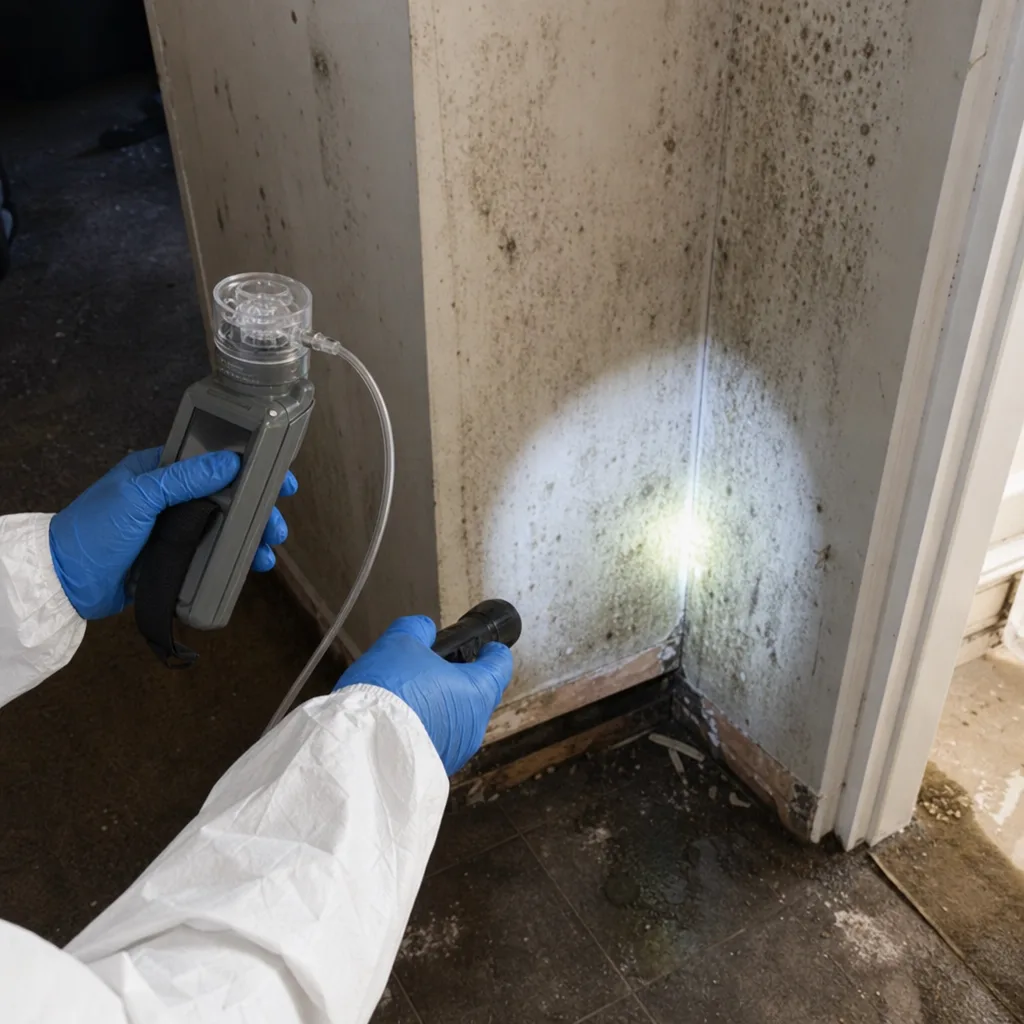
Ceiling & Roof Leak Water Damage
Flat and low-slope roofs on Lake San Marcos’s older apartment conversions and townhome buildings develop chronic leak points at penetrations and drains. We trace water migration paths through ceiling cavities using thermal imaging, remove saturated insulation and drywall, and dry structural members before mold colonization establishes. Our repair scope includes the roofing contractor coordination and ARB-compliant exterior finish matching that Lake San Marcos HOAs require.
What happens when you call
- 1
A real person answersNo phone trees - you reach a local pro.
- 2
You get an upfront price rangeHonest numbers before anyone is dispatched.
- 3
A background-checked tech heads outLicensed & insured, dispatched right away.
- 4
You approve before work beginsNothing starts until you say go.
Water Damage Restoration Costs in Lake San Marcos, CA
Emergency water extraction in Lake San Marcos typically runs $450-$950 for a standard residential loss, with structural drying and dehumidification adding $1,800-$4,200 depending on affected square footage, material types, and the number of drying days required. Category 3 sewage or flood losses cost $4,500-$8,500 due to antimicrobial treatment, PPE requirements, and porous material disposal. Full reconstruction - drywall, flooring, paint, and finish carpentry - adds $3,200-$12,000 based on room count and finish level.
What moves the price: square footage affected, water category (clean vs. contaminated), whether the loss involves multiple units in a shared-wall building, and whether hydrostatic pressure or ongoing plumbing issues require additional scope. Lake San Marcos’s lakefront properties often need 20-30% more drying time than comparable inland square footage due to ambient humidity, which affects equipment rental days.
Most water damage losses are covered by standard homeowners insurance when caused by sudden, accidental discharge. Gradual leaks and maintenance issues typically are not. We provide a free visual inspection and written scope before any work begins - Haven Standard, Clause 1 - so you know exactly what you’re facing before you file a claim. Call (760) 421-5658 for your free inspection and exact quote.
We Also Serve Cities Near Lake San Marcos
Our crews respond throughout northern San Diego County, including Lake San Marcos, Fallbrook, Camp Pendleton North, Oceanside, and Vista. Each community has distinct building stock, climate exposure, and loss patterns that inform how we scope and execute restoration work.
Serving Lake San Marcos, CA - Our Local Coverage Area
We’re based in the Lake San Marcos area and know this community well. Use the map below to see our service coverage - if you’re nearby, we can almost certainly help.
Lake San Marcos Water Damage Restoration Questions, Answered
Does Lake San Marcos HOA/ARB approval slow down water damage restoration in my condo?
No, if your contractor plans for it from the first inspection. We pull the community’s ARB specifications during our assessment phase and specify approved stucco colors, trim profiles, and exterior door styles in our written scope before work begins. This prevents the redo work and violation notices that actually cause delays. Call (760) 421-5658 and we’ll review your complex’s requirements during the free inspection.
Why do my lakefront walls feel damp even when there’s no visible leak?
You’re likely seeing hydrostatic pressure and ambient lake humidity, not a one-time water loss. Lakefront units in Lake San Marcos sit on slabs against a year-round high water table; moisture wicks through concrete and evaporates into wall cavities, especially when overnight humidity off the lake surface keeps materials from drying. Standard drying without addressing the ongoing moisture source guarantees callbacks within one rainy season. We test slab moisture and vapor drive to determine whether you need mitigation alone or mitigation plus moisture management. Call (760) 421-5658 for a free assessment.
How do you handle a water loss that crosses multiple units in my shared-wall building?
We scope and document each unit separately while maintaining a master coordination file for the HOA and any master policy claim. Each affected owner receives their own photo record, moisture log, and written scope for their individual carrier. We coordinate access with HOA management and schedule work to minimize disruption across units. This multi-party documentation is standard for our Water Damage Restoration team. Call (760) 421-5658 to discuss your specific building layout.
Can you replace a damaged exterior door with something that meets Lake San Marcos architectural rules?
Yes - we verify ARB-approved door styles, colors, and hardware finishes before ordering any replacement. Our repair scope specifies the exact manufacturer and finish that matches your complex’s standards, and we document compliance for your HOA file. This prevents the rejection and reorder cycle that extends claim timelines. Call (760) 421-5658 and we’ll review your community’s specifications during inspection.
What should I do first if a pipe bursts in my Lake San Marcos condo?
Shut off the water at the unit’s main valve or the building’s master shutoff if you cannot locate yours, then call (760) 421-5658 immediately. Do not wait to contact your HOA or insurance first - water migrates fast in shared-wall construction, and early extraction limits both your damage and your liability exposure to neighboring units. Our live dispatcher will guide you through immediate steps while a crew is en route.
How long does structural drying take in Lake San Marcos?
Most residential losses reach dry standard in 3-5 days, but Lake San Marcos’s lake-adjacent properties often require 5-7 days due to higher ambient humidity and slab moisture conditions. We don’t guess - we measure daily with calibrated moisture meters and decommission equipment only when readings confirm materials are within IICRC dry standard. You receive the complete drying log showing every reading. Call (760) 421-5658 for a timeline based on your specific loss.
Will my insurance cover water damage restoration in Lake San Marcos?
Sudden, accidental water discharge - burst pipes, appliance failures, wind-driven rain through storm damage - is typically covered by standard homeowners policies. Gradual leaks, maintenance neglect, and groundwater seepage usually are not. We document cause-of-loss and provide the photo record, moisture logs, and line-item scope that support your claim. We also offer direct adjuster coordination and a Free Second Opinion on any competitor’s written estimate. Call (760) 421-5658 to review your coverage situation before you file.
Can we stay in our home during water damage restoration?
Often yes for Category 1 losses limited to non-sleeping areas, but Category 2 and 3 losses, any loss affecting HVAC systems, or multi-unit losses with shared airspace typically require temporary relocation for health and safety reasons. We assess this during our initial inspection and document our recommendation for your insurance file, since additional living expense coverage may apply. Call (760) 421-5658 to discuss your specific situation.
We were called to a lakefront townhome on Via del Lago after the owner’s stucco exterior began wicking during a Santa Ana-to-winter-storm swing; moisture mapping with our thermal camera and pin meter traced the intrusion to cracked single-wythe stucco above the patio door and elevated slab readings near the water side. We ran water extraction and structural drying with Dri-Eaz air movers and a Phoenix dehumidifier, documented daily moisture readings and drying logs for the multi-party HOA and insurance scope of work, then matched the replacement stucco and trim to the complex’s approved ARB color and finish so the repair would pass architectural review.
This is the only Lake San Marcos water damage guide that pairs hydrostatic slab and lake-humidity realities with HOA/ARB-compliant door, stucco, and panel matching, so homeowners avoid both repeat moisture callbacks and architectural violations. The lake creates conditions no surrounding city replicates, and the 1960s shared-wall stock creates claim complexity no franchise template addresses. We document every variable, specify every material to code and ARB standard, and stand behind the result with a written 365-Day Done Right Promise under The Haven Standard.
Call (760) 421-5658 now for a free visual inspection and written estimate. Live person answering, 24 hours a day.
Written by Alicia Brennan, Owner at Back to Dry Restoration, serving Lake San Marcos since 2011.
Water Damage Restoration in Nearby Areas