

Free visual inspection and a written scope of work before any mitigation begins - photos, moisture readings, and drying logs go in your claim file
The scope we write is the scope we bill. Anything new gets shown to you, in writing, before we touch it.
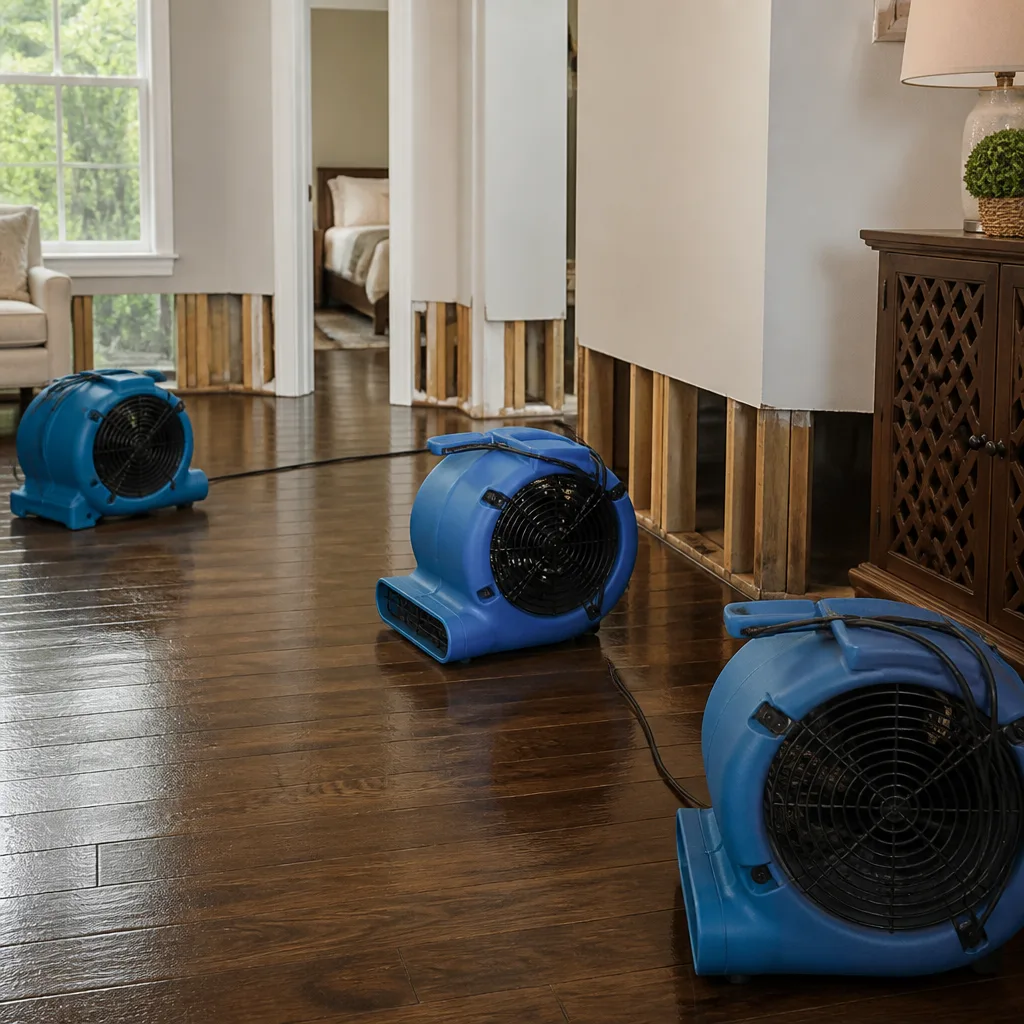
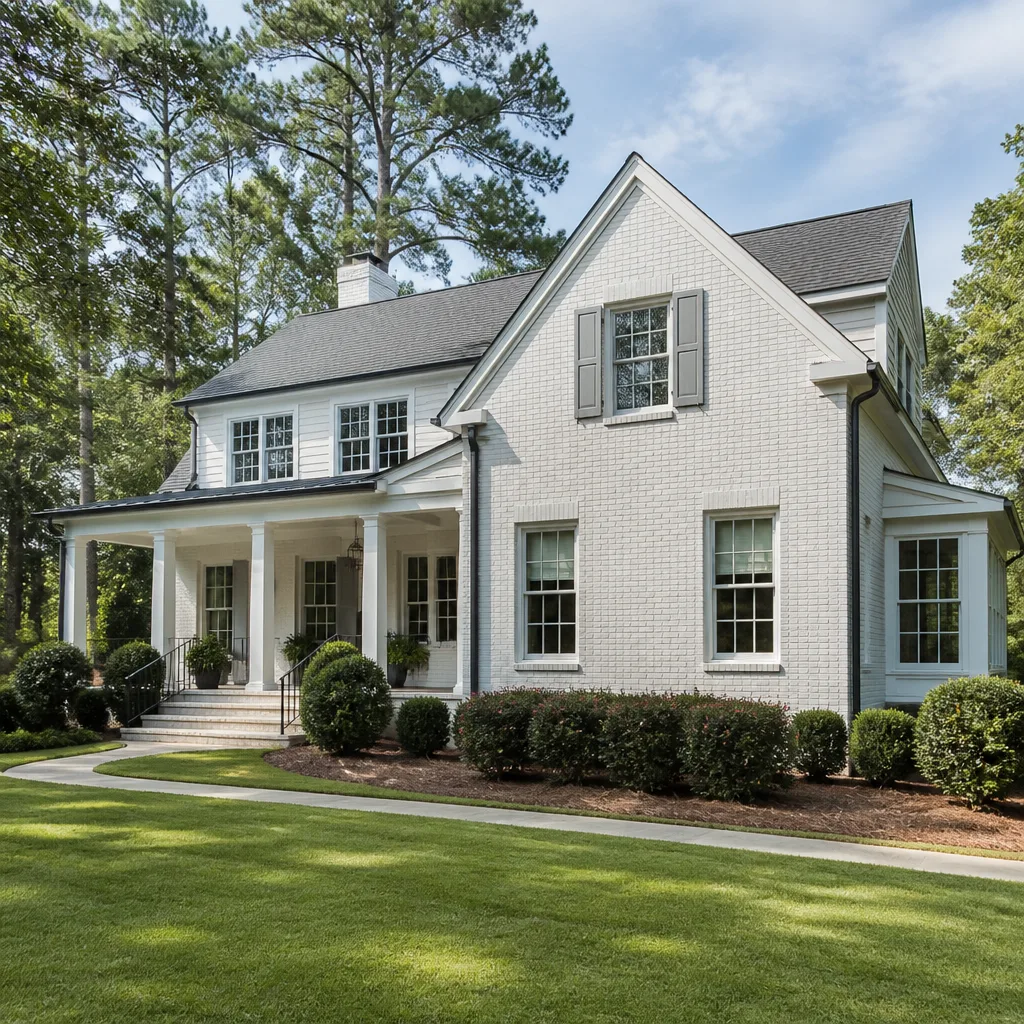
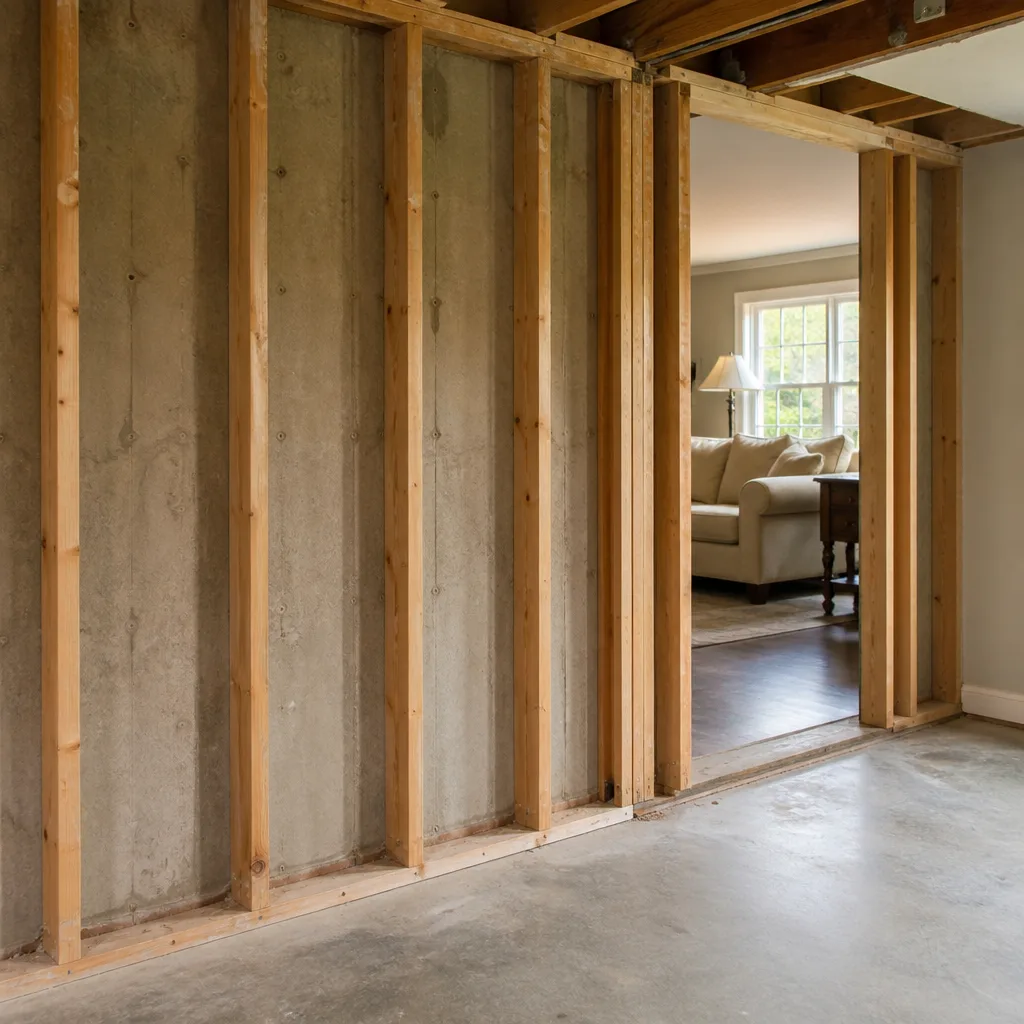
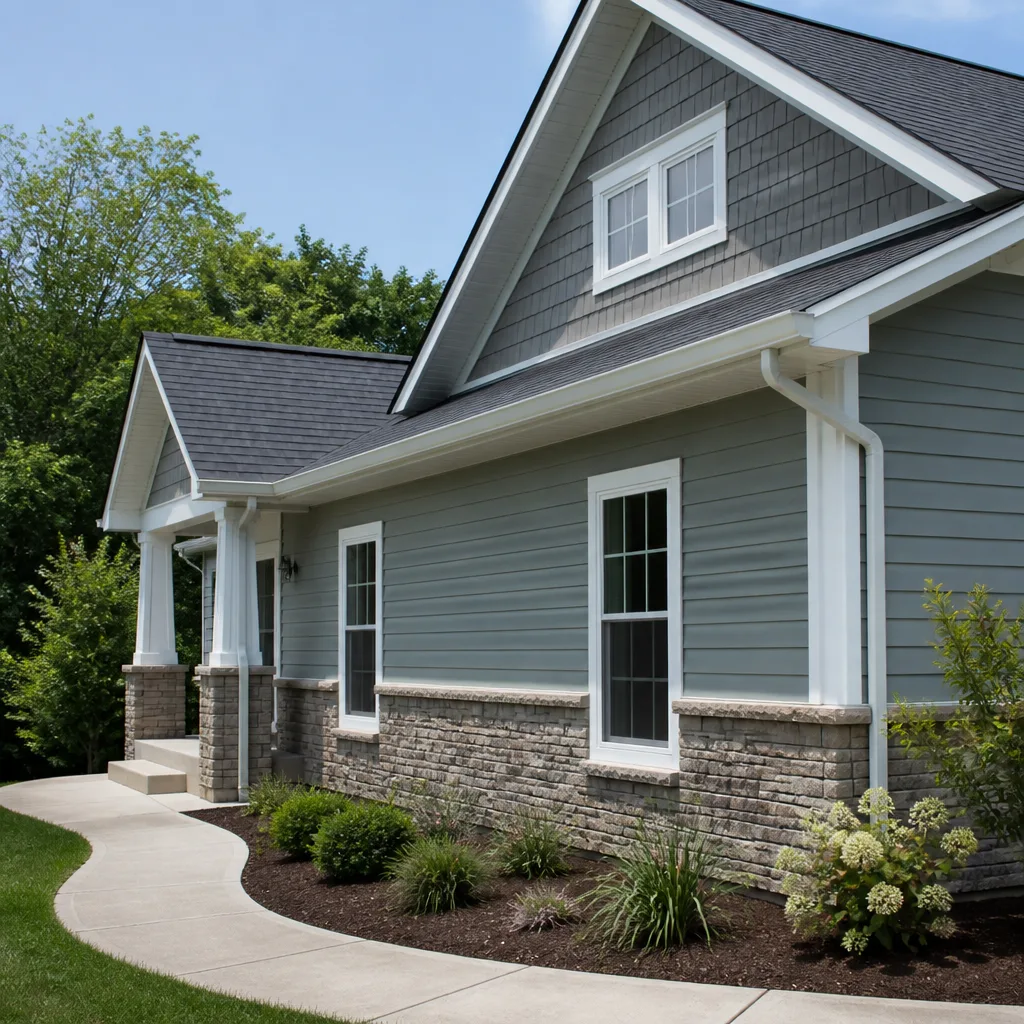
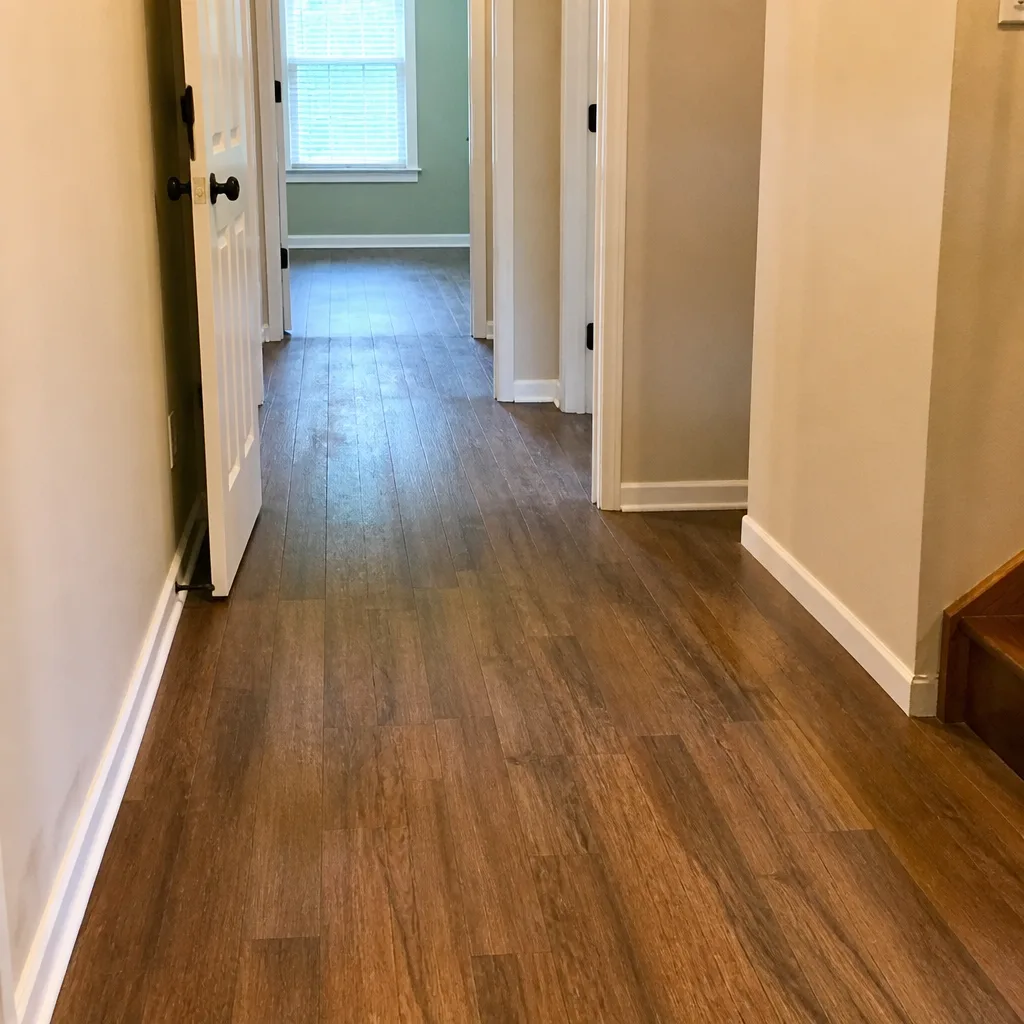

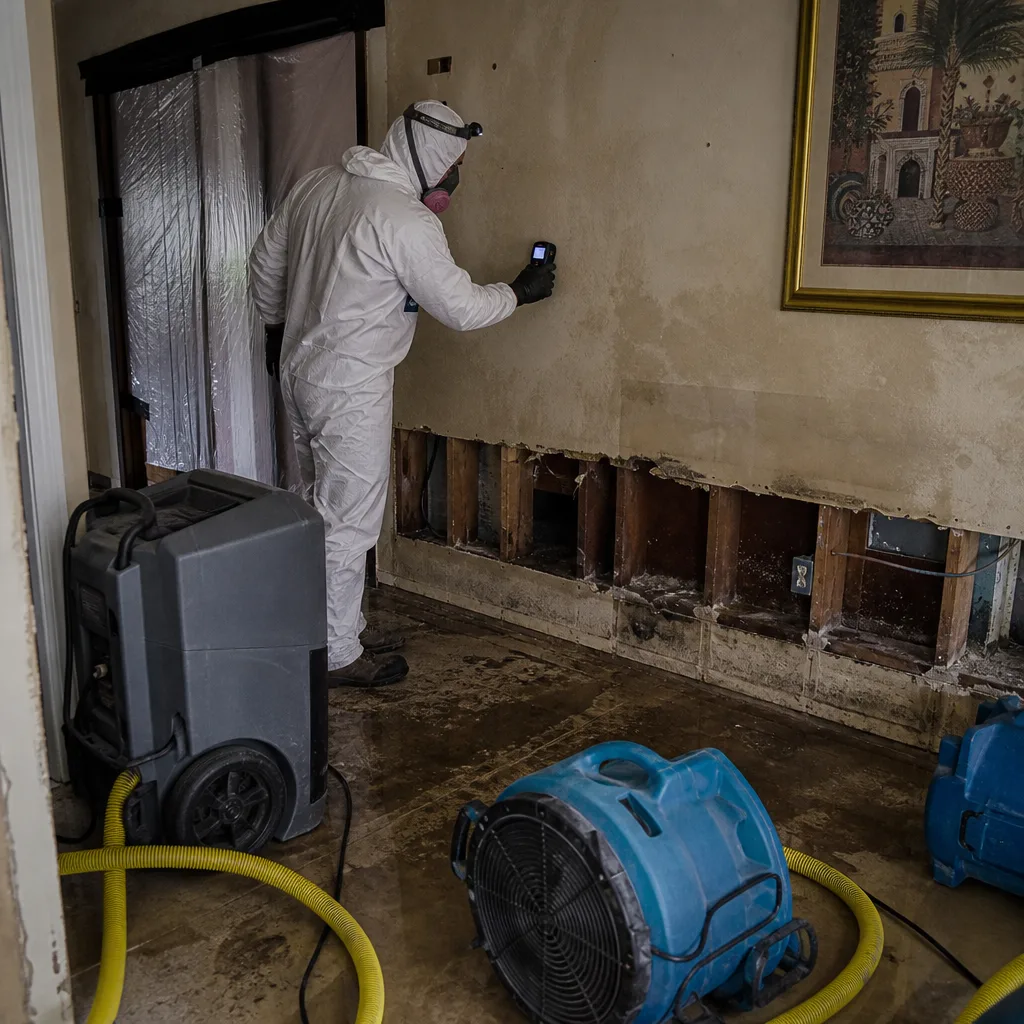 Before
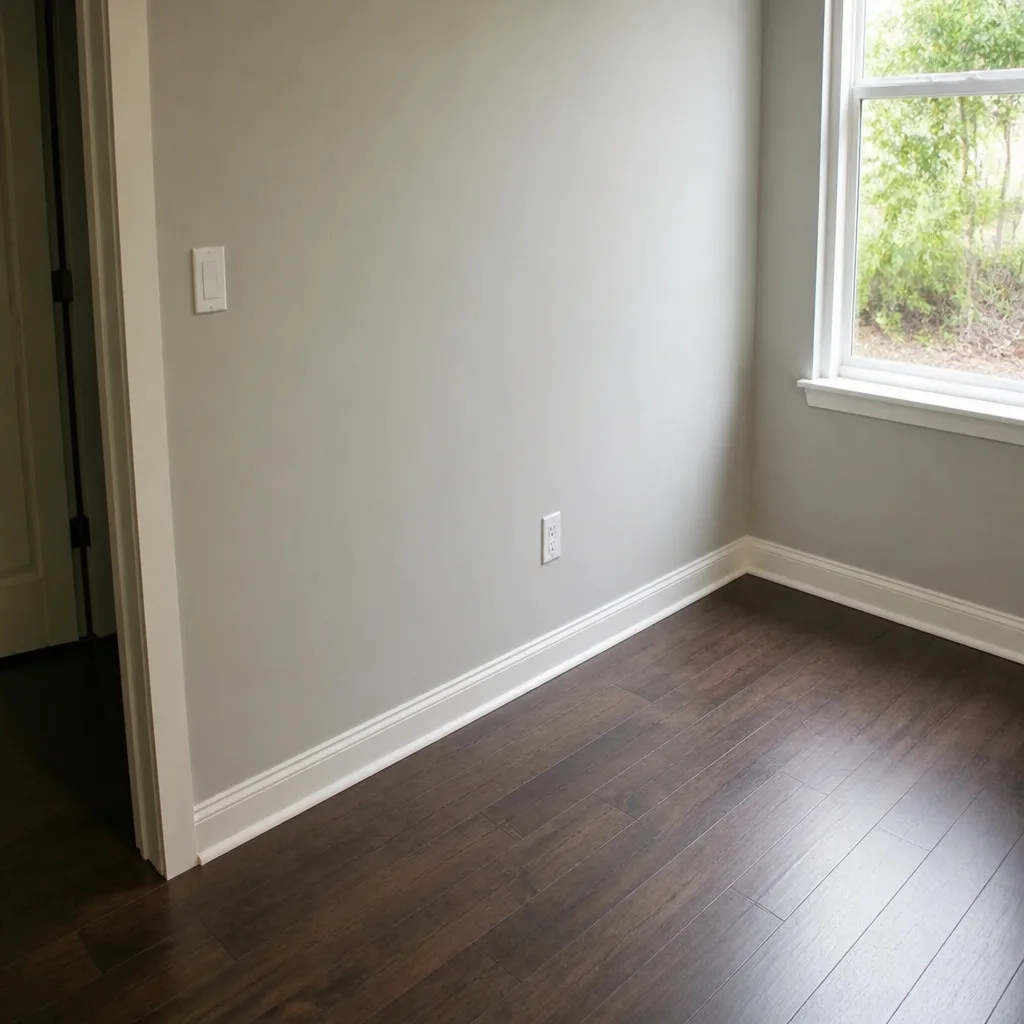 After
After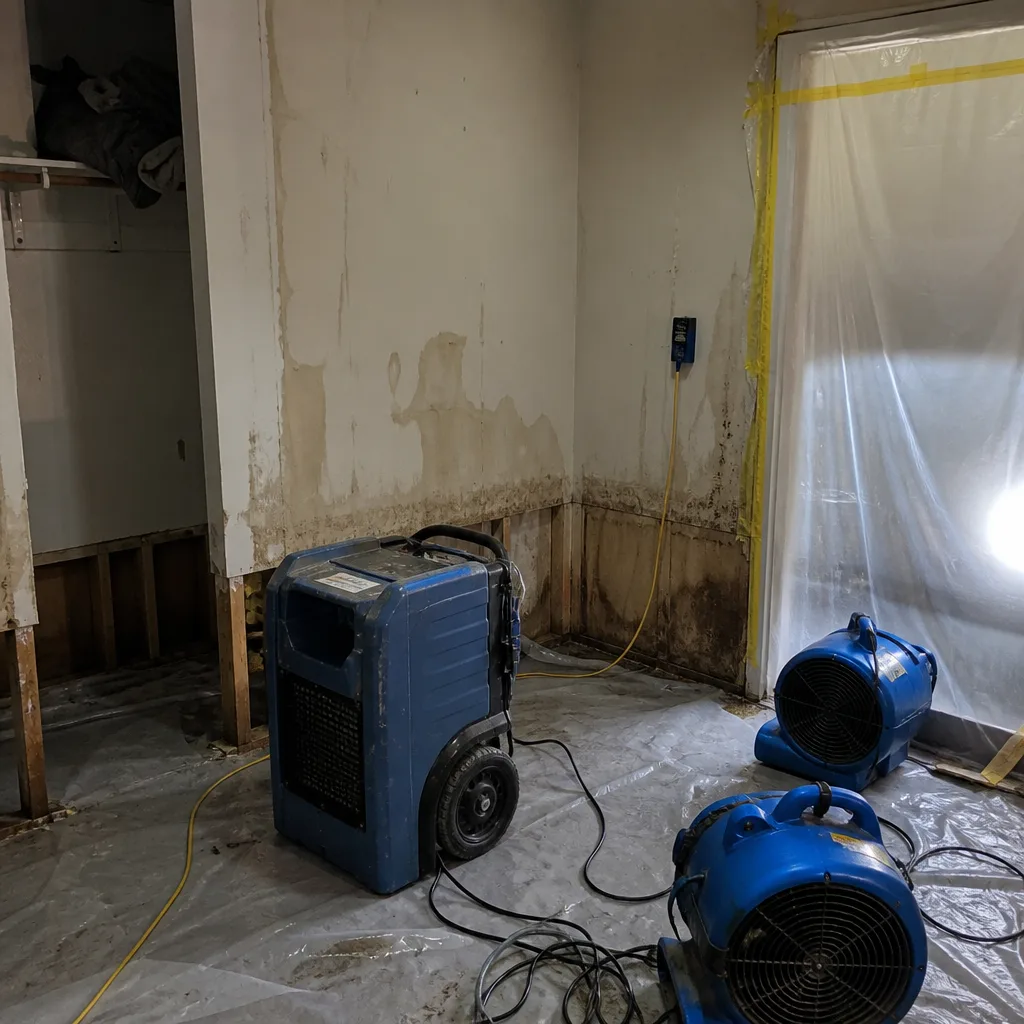 Before
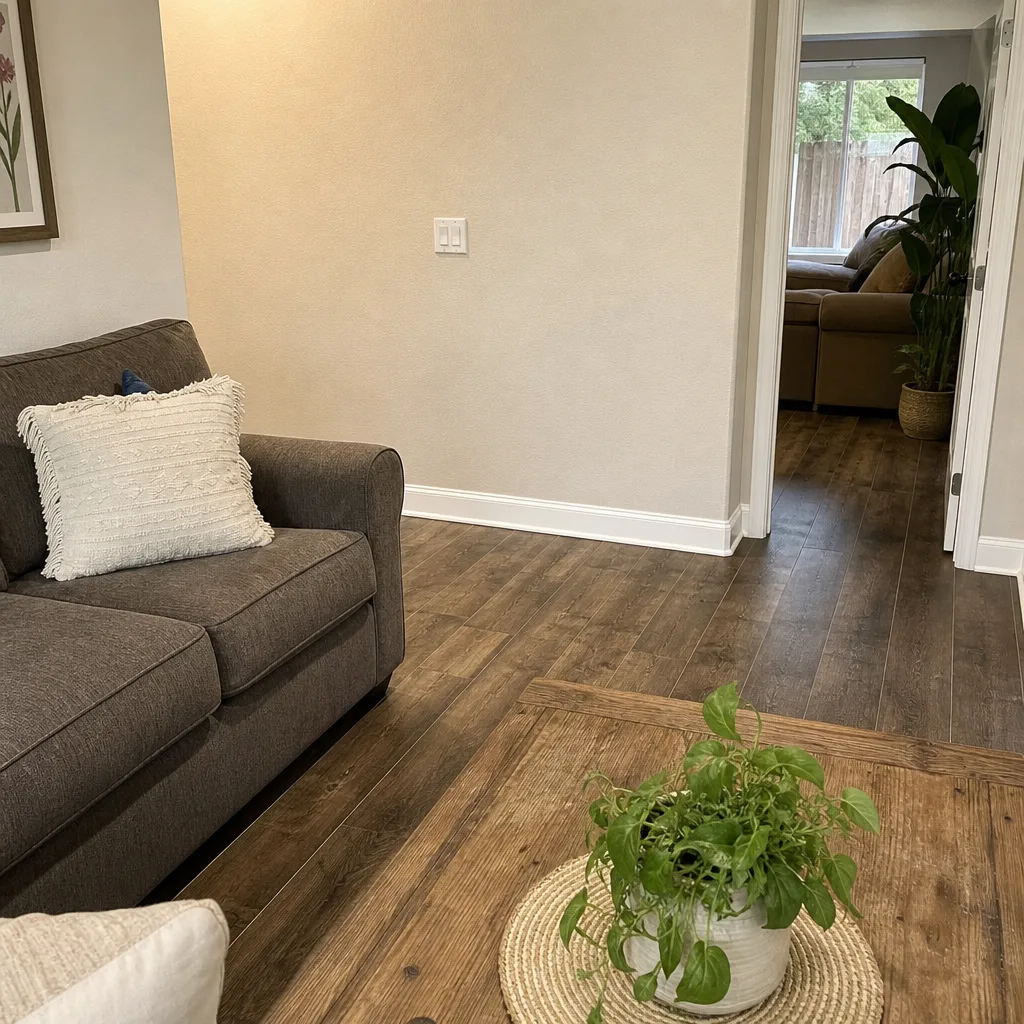 After
After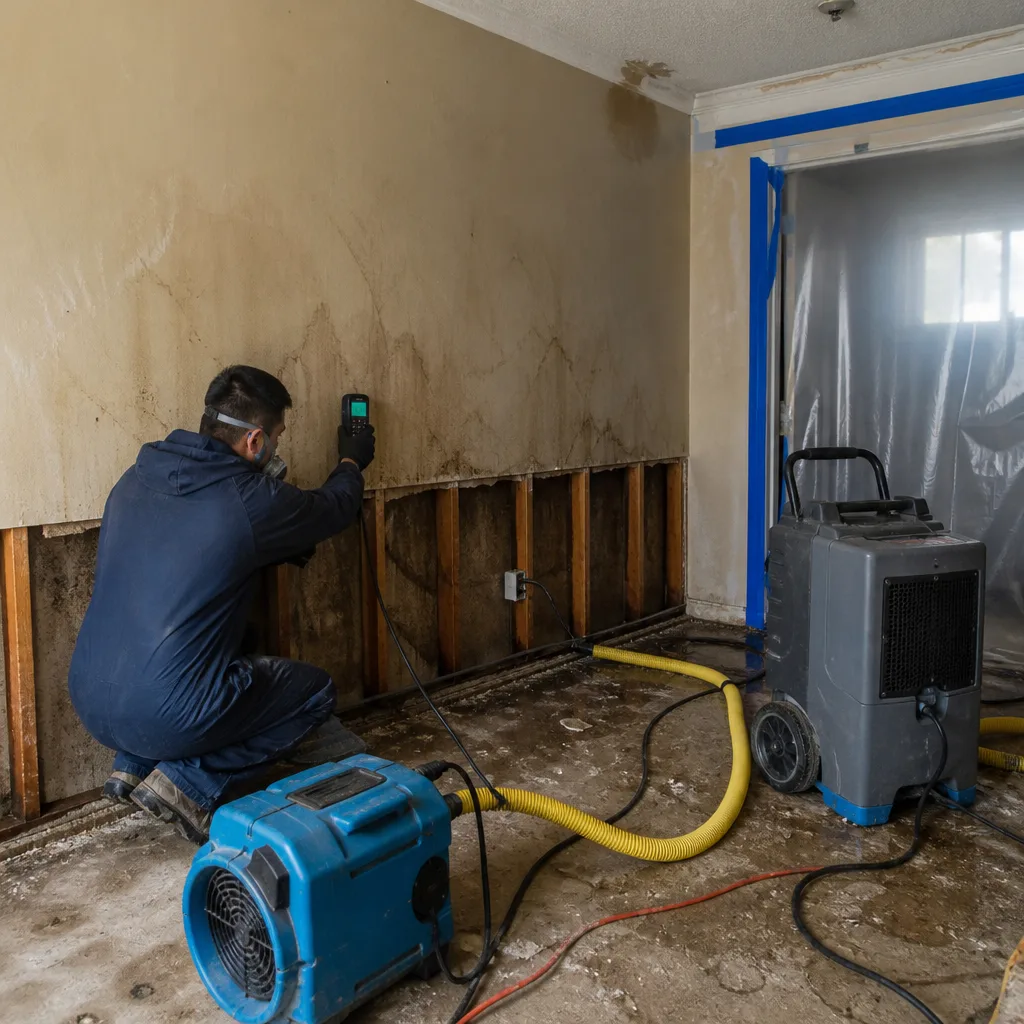 Before
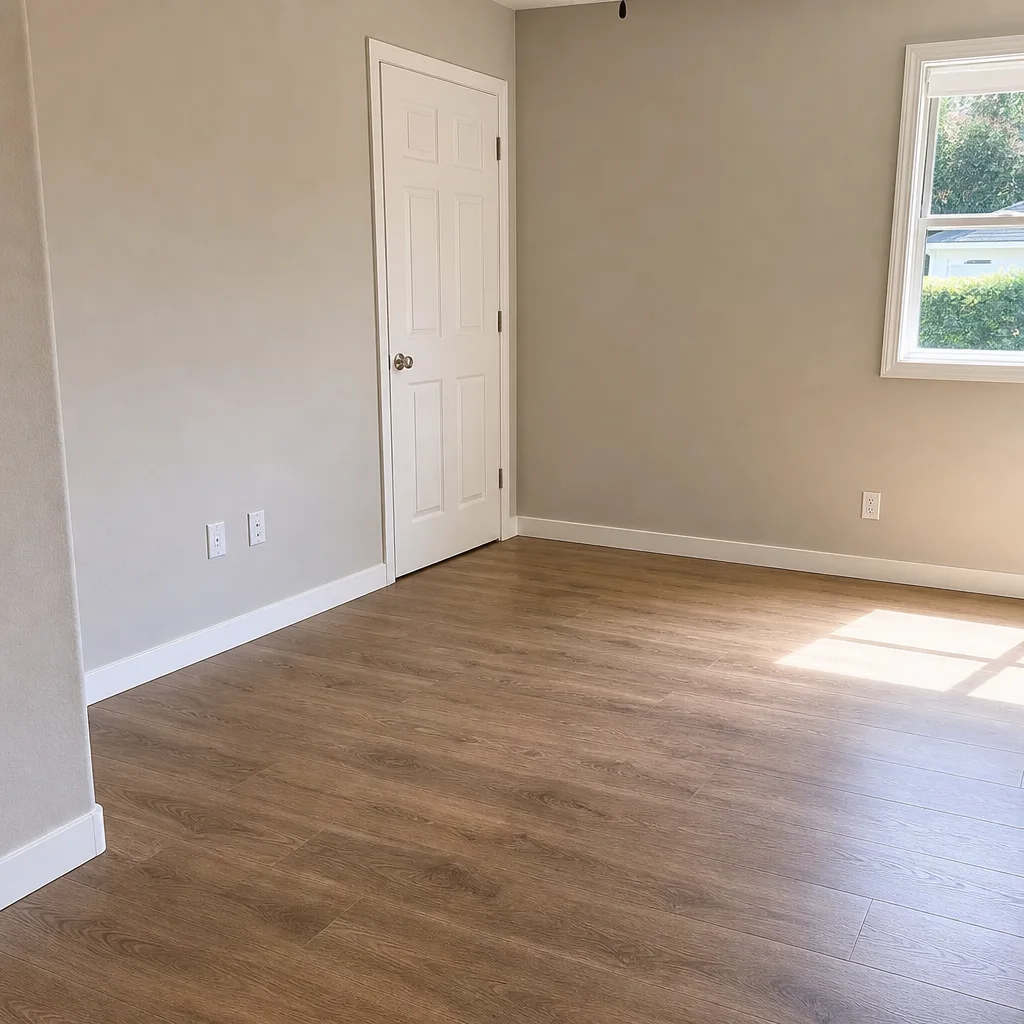 After
After24/7 Emergency Water Damage Restoration in Camp Pendleton North
Water damage restoration in Camp Pendleton North typically runs $2,800-$7,500 for residential extraction and drying, with emergency response available live at (760) 421-5658 every hour of every day. Our crews hold pre-approved DoD base-access credentials, so we’re not waiting at security checkpoints while water keeps moving through your unit. We answer live, dispatch within the base perimeter, and provide a free visual inspection with a written scope before any equipment starts running.
The first hour determines whether Category 1 clean water becomes Category 2 or 3. In Camp Pendleton North’s 1950s-1980s housing stock, water travels fast through aging block-and-wood-frame construction with minimal attic ventilation. Marine layer humidity already keeps wall cavities near saturation baseline. Add an active leak and you’ve got compounded moisture behind renovation overlays that conceal original plumbing and vapor barriers. That’s why we map moisture readings room by room before we extract a single gallon.
Our Water Damage Restoration team coordinates directly with the privatized military housing management office, since residents don’t own these units and work authorization flows through base channels, not homeowner discretion.
Understanding Water Damage Restoration Severity in Camp Pendleton North Properties
We classify water damage by category and map it by square footage, material permeance, and vapor pressure differential. Category 1 is clean water from a supply line. Category 2 carries significant contamination, think washing machine discharge or sump failures. Category 3 is grossly contaminated: sewage intrusion, groundwater flooding, or any water that has passed through soil or building debris. The Santa Margarita River floodplain expansion during El Niño winters can push Category 2 into Category 3 fast when river water breaches utility corridors and mixes with soil and petroleum residue.
Moisture mapping with thermal imaging and penetrating hygrometers tells us what the eye cannot. In Camp Pendleton North’s older tract clusters, we regularly find elevated moisture readings in the wall cavity behind privatization-era drywall overlays, original construction with minimal vapor barriers, and the marine layer keeping baseline humidity high enough that secondary mold growth begins in 48-72 hours rather than the 72-96 window we’d see inland. Structural drying requires calculating grains per pound and establishing vapor pressure differential between wet materials and the drying environment, then matching equipment capacity to cubic footage and class of loss.
Our Camp Pendleton North crews document every reading to IICRC S500 standards, producing the daily drying logs that turn restoration invoices into payable insurance claims.
Why Camp Pendleton North Property Residents Choose DryMark Restoration Fallbrook
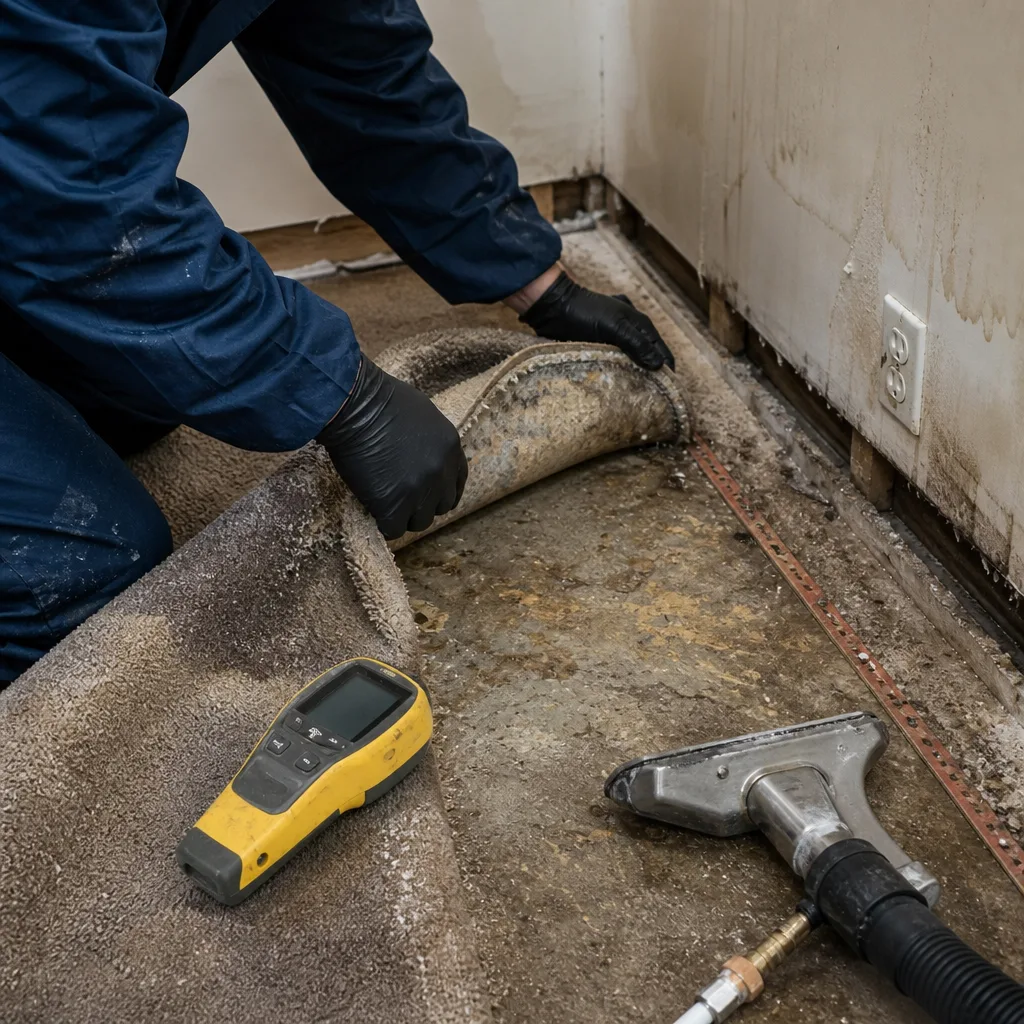
- 45-minute response commitment to base housing areas once work authorization clears through the privatized housing management office.
- 24/7 live answer by a real person, never an automated system or voicemail tree, while water is still moving through your unit.
- IICRC-certified crews holding WRT (Water Damage Restoration Technician) and ASD (Applied Structural Drying) credentials, with license numbers documented on every job file.
- Free visual inspection and moisture mapping before any work begins, with a written price delivered under Haven Standard, Clause 1.
- Direct insurance billing and adjuster coordination, including photo-documented assessments that prevent claim disputes.
- One team from emergency extraction through reconstruction, no handoffs to unknown subcontractors.
BeforeAfterOur Water Damage Restoration Process
1. Inspection & Assessment
We arrive with thermal imaging cameras, penetrating and non-penetrating moisture meters, and hygrometers to map the full extent of water migration. In Camp Pendleton North, this means checking behind privatization-era renovation overlays where pre-existing moisture often hides. We document every reading with photos and deliver a written scope with line-item pricing before any extraction begins.
2. Water Extraction & Stabilization
Truck-mounted and portable extraction units remove standing water from flooring, carpet, and pad. For base housing with original 1950s-1980s subfloors, we assess whether the subfloor is salvageable or if saturated particle board requires removal. Emergency Water Extraction continues until moisture readings drop below the threshold for effective drying.
3. Structural Drying & Dehumidification
We deploy Dri-Eaz and Phoenix LGR dehumidifiers, XPOWER and B-Air air movers, and Injectidry systems for wall cavity drying. Equipment capacity is calculated by cubic footage and class of loss. Daily moisture logs track specific humidity, temperature, and vapor pressure differential until materials reach dry standard.
4. Cleaning & Sanitization
Antimicrobial treatment applied to affected surfaces, with HEPA air scrubbers running during application to capture airborne particulate. In Camp Pendleton North’s humid coastal environment, we extend sanitization to adjacent wall cavities where marine layer condensation may have created secondary microbial growth.
5. Mold Assessment & Containment
When moisture has sat unreported during a PCS tenant gap, we erect containment barriers and run negative air pressure before disturbing any suspect materials. Air sampling and surface testing determine whether clearance testing is required before the privatized housing management office releases the unit for reoccupancy.
6. Repairs & Restoration
Our reconstruction team replaces drywall, subfloor, trim, and flooring to match existing finishes. We coordinate with the base housing office for final inspection and provide a 365-Day Done Right Promise under The Haven Standard, backed by documented photo records from every visit.
Need Emergency Water Damage Restoration in Camp Pendleton North Now?
Crews minutes away, answering live 24 hours a day. The sooner we start, the less it costs.
Working With Your Insurance Company
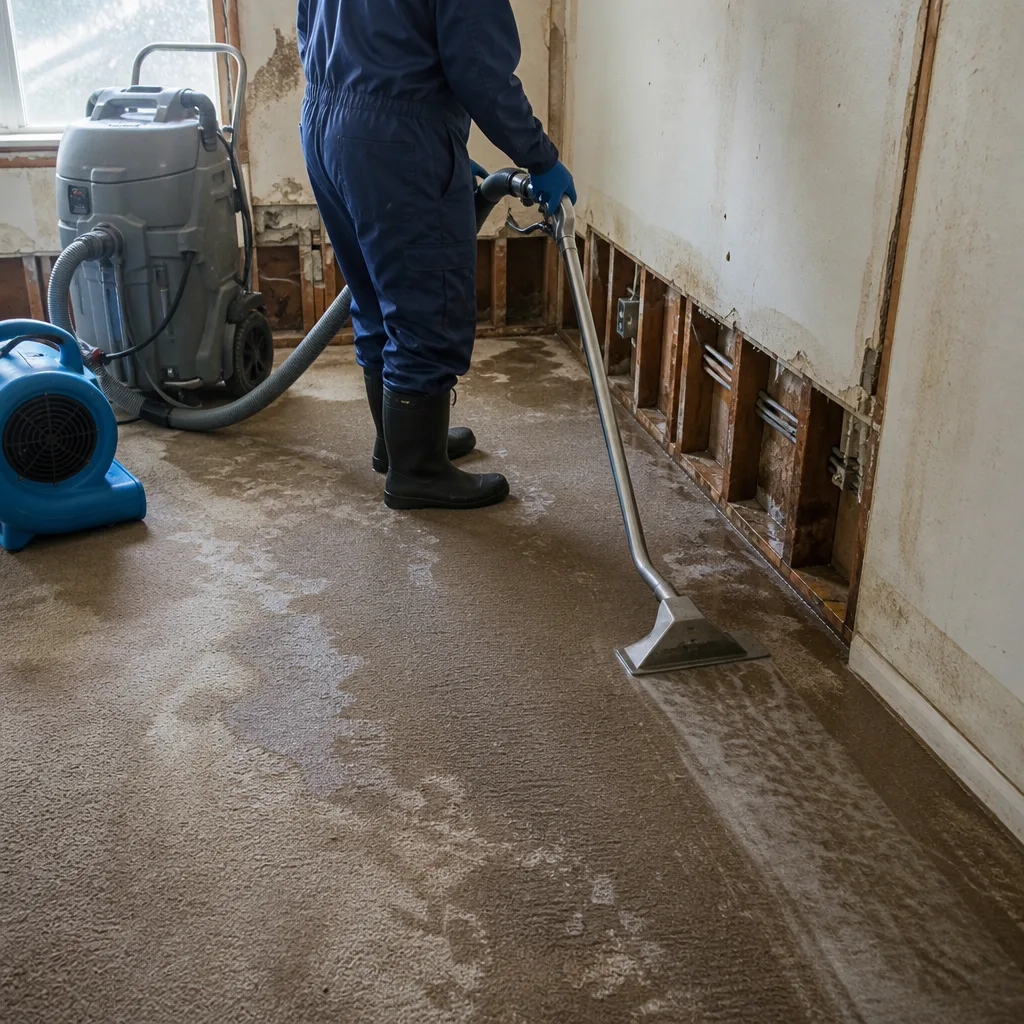
Documentation starts the moment we arrive. We photograph every room, record moisture readings at multiple depths, and build a line-item scope that matches industry-standard estimating platforms. For Camp Pendleton North residents, claims often involve both personal property coverage and the base housing office’s structural policy, so we clarify what’s yours and what’s theirs before work begins.
Direct adjuster coordination is standard, not an upsell. We provide the moisture logs, drying records, and photo documentation that adjusters need to approve payment without dispute. Our estimates are built to Xactimate or Symbility standards, and we bill carriers directly when policyholder assignment of benefits is in place.
What We Provide Your Insurer
- Thorough documentation of the loss
- Photos of all damage, room by room
- Moisture readings and drying logs
- A detailed, line-item scope of work
- Direct coordination with your carrier
Built for Camp Pendleton North’s Loss Calendar
January through March brings El Niño winter storms and Santa Margarita River floodplain expansion. Lower housing areas near the river corridor see groundwater intrusion and utility corridor flooding. Civilian crews without pre-approved base access wait at checkpoints while water degrades from Category 1 to Category 2 or 3.
April through June, PCS transfer season peaks. Departing families rush to clear housing; incoming families discover moisture stains, musty odors, or soft drywall where leaks went unreported during the tenant gap. We arrive to compounded hidden losses, not acute events.
July through October, Santa Ana wind events drive extreme wildfire risk through surrounding chaparral. Camp Pendleton has seen major fires requiring smoke and fire damage restoration across entire housing neighborhoods. Simultaneously, the persistent marine layer keeps crawl spaces and poorly ventilated units wet year-round, creating the mold conditions that follow any water intrusion.
November through December, cooler temperatures slow evaporation. What would dry in 72 hours in summer takes five days in winter. Extended drying timelines mean higher equipment rental costs and greater risk of secondary microbial growth if psychrometric conditions aren’t monitored daily.
Water Damage Restoration Across Camp Pendleton North’s Neighborhoods
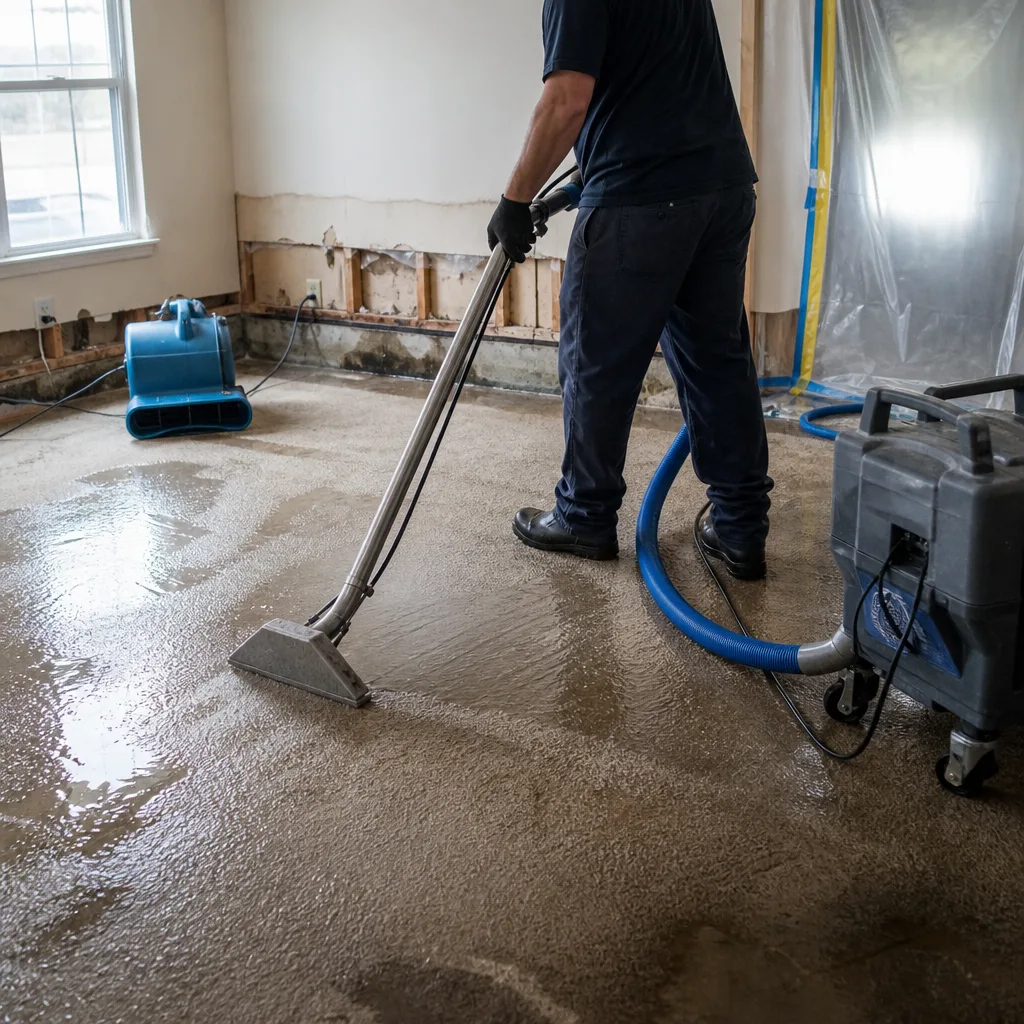
De Luz housing cluster sits in the coastal foothills where 1960s block-and-wood-frame units cluster on minimal crawl space ventilation. We were called to one unit where the previous family had PCS’d out months earlier. Moisture mapping showed elevated readings across the wall cavity behind a privatization-era renovation overlay. Hidden mold had taken hold behind newer drywall before anyone noticed. We set containment, ran Dri-Eaz dehumidification and XPOWER air movers, performed water extraction on the saturated subfloor, applied antimicrobial treatment, and handed the privatized housing management office a full scope with drying logs before base escort time expired.
San Onofre housing areas line the western base perimeter closest to the marine layer’s heaviest intrusion. These 1970s tract units with original galvanized plumbing see pipe failures at a higher rate than renovated clusters. When a supply line bursts here, water runs through shared wall cavities affecting multiple units before anyone reports it.
Las Pulgas Road corridor housing sits nearer the Santa Margarita River floodplain. During El Niño winters, these lower-elevation units face groundwater rise and utility corridor inundation. Pre-approved contractor badging matters here: crews without it wait at security checkpoints while floodwater becomes Category 3 contamination.
Wire Mountain housing, built in denser 1980s tracts, has the base’s most problematic attic ventilation. Minimal soffit and ridge venting traps humid air in roof assemblies year-round. Any roof leak here starts with saturated insulation and progresses to ceiling drywall collapse before visible staining appears on interior surfaces.
Specialized Water Damage Restoration Services We Offer in Camp Pendleton North
Emergency Water Extraction
Truck-mounted extraction units remove standing water within hours of authorization. For Camp Pendleton North base housing, we coordinate dispatch timing with the privatized housing management office to minimize checkpoint delays. Typical extraction runs $1,200-$2,800 depending on affected square footage and flooring type.
Structural Drying & Dehumidification
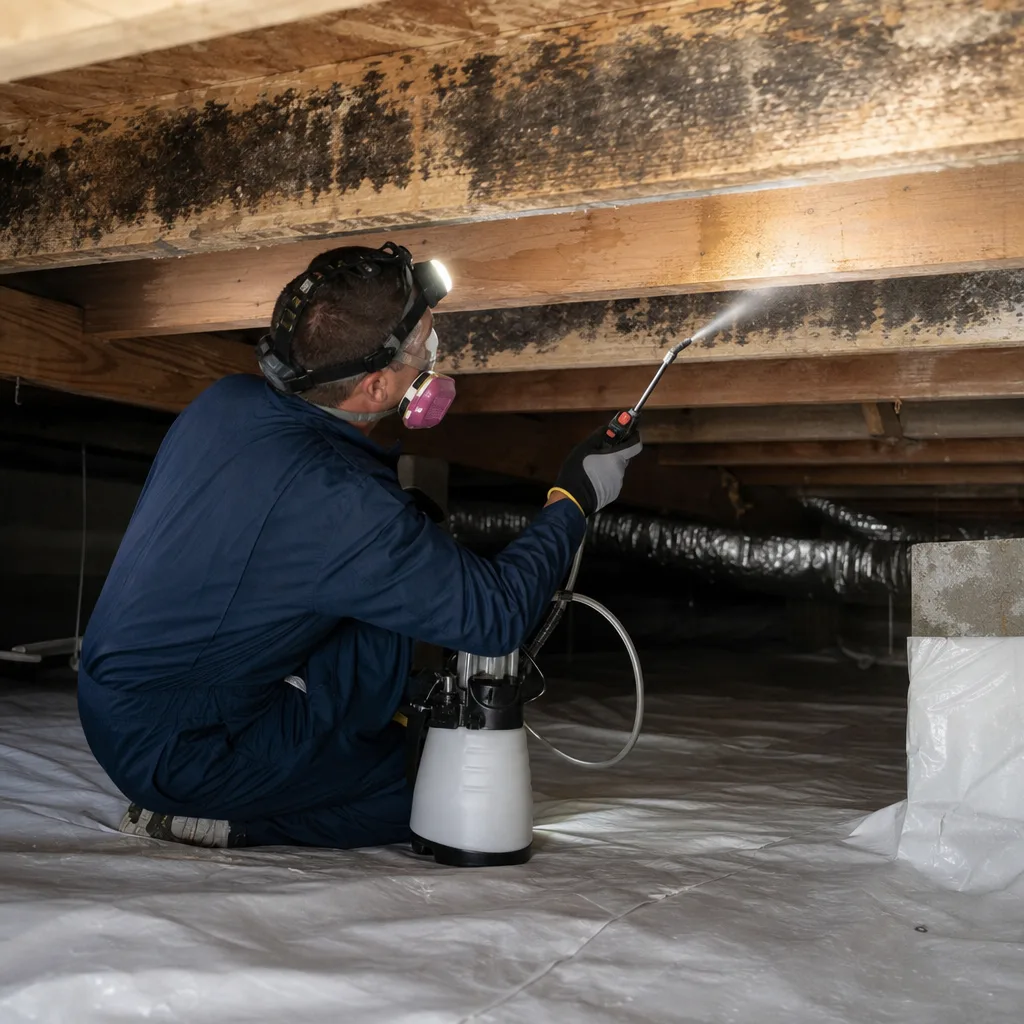
We calculate equipment loads by cubic footage, material permeance, and class of loss, then deploy Dri-Eaz and Phoenix LGR dehumidifiers with XPOWER air movers. In Camp Pendleton North’s humid coastal environment, drying takes 20-40% longer than inland markets. Daily moisture logs document progress to IICRC S500 standards. Typical structural drying runs $1,800-$4,200 for residential units.
Flood Cleanup
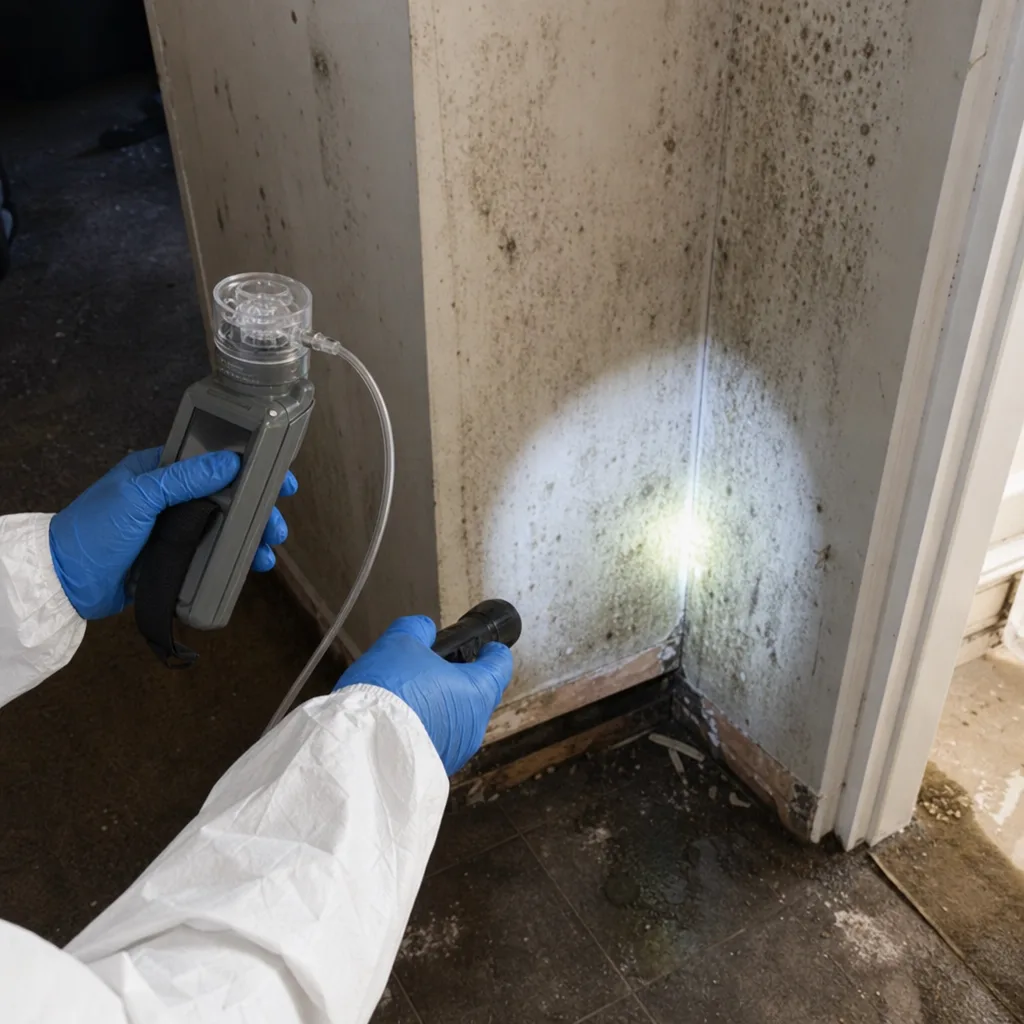
Santa Margarita River floodplain inundation brings Category 2 or 3 water requiring full PPE, antimicrobial treatment, and potential removal of porous materials. We coordinate with base emergency management for access during flood events. Flood cleanup in Camp Pendleton North typically runs $3,500-$8,500 depending on contamination level and affected area.
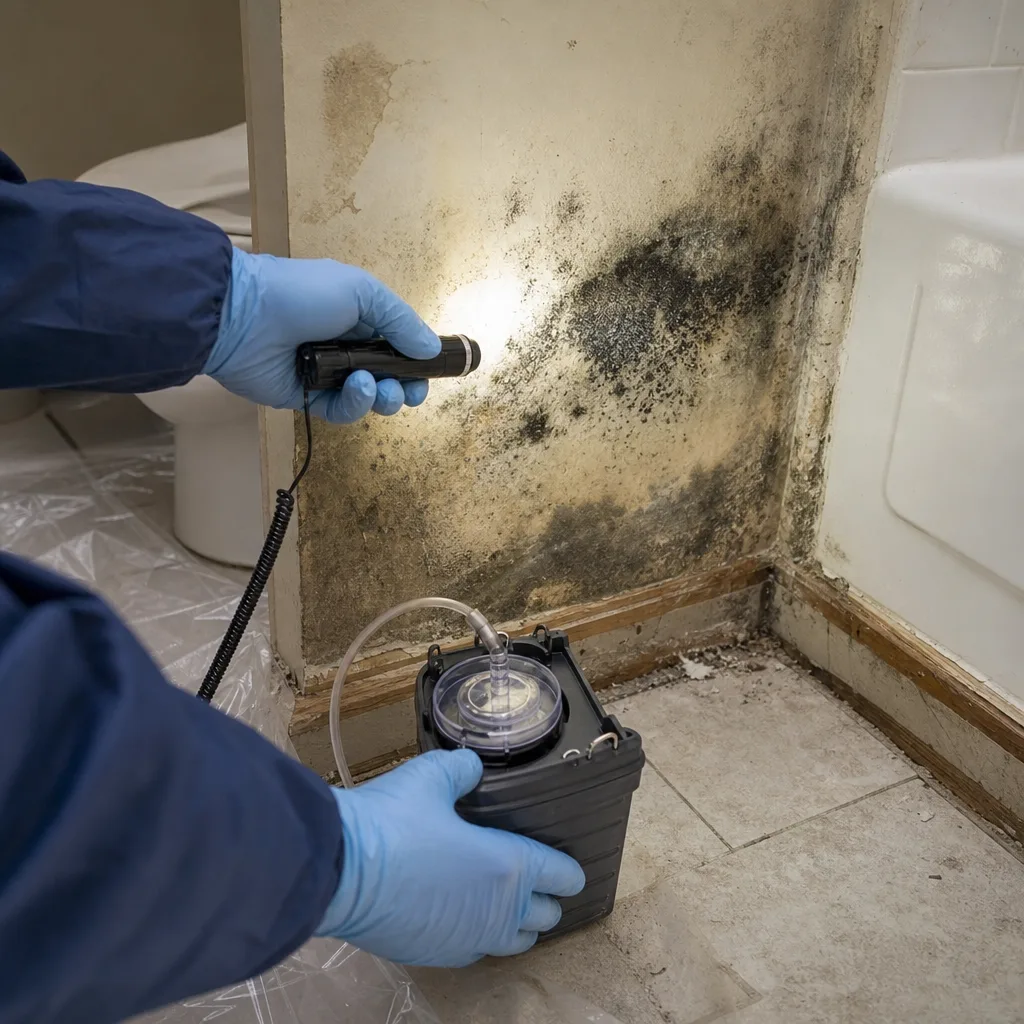
Burst Pipe Restoration
Original 1950s-1980s galvanized and copper supply lines fail at joints and behind renovation overlays. We locate the breach with thermal imaging, extract water, dry wall cavities with Injectidry systems, and restore to match existing finishes. Burst pipe restoration typically runs $2,200-$5,500 in base housing units.
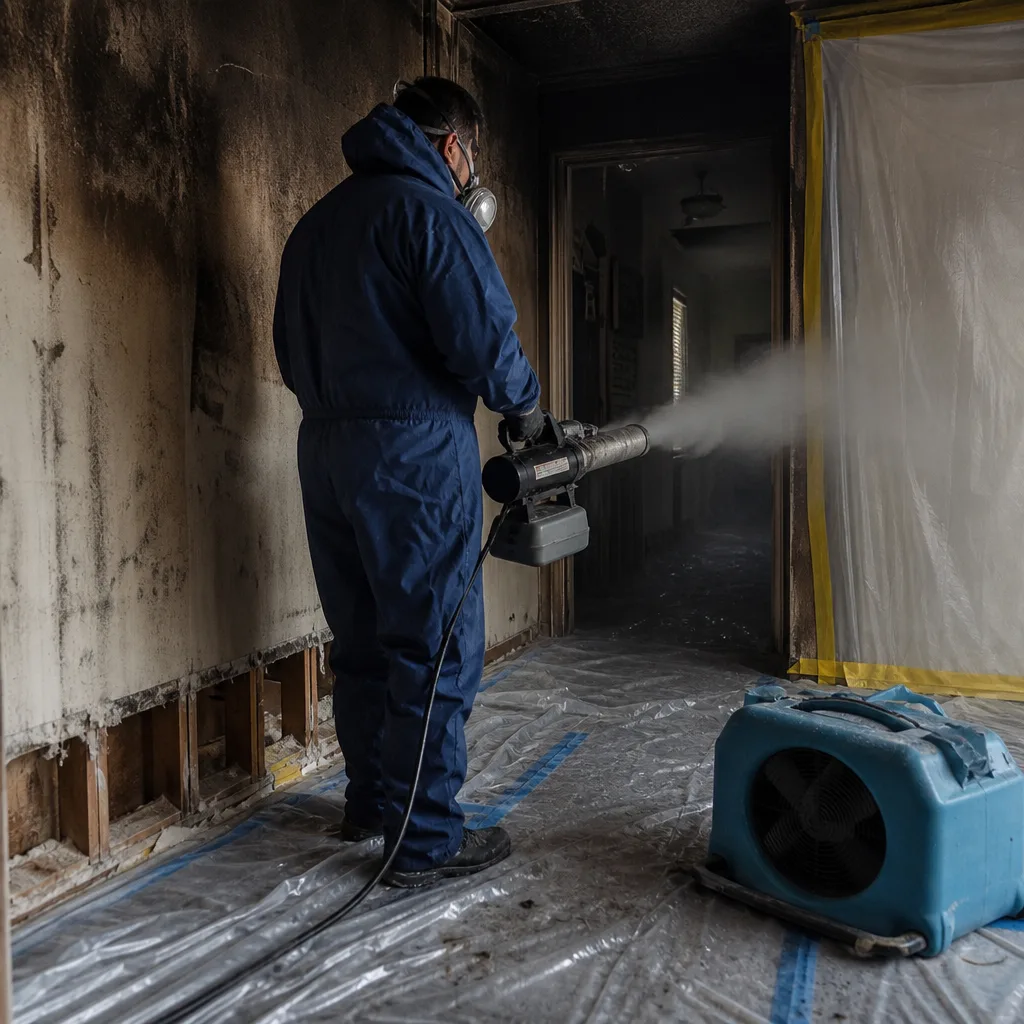
Basement Water Removal
Camp Pendleton North has limited basement construction, but utility corridors and lower-level crawl spaces in floodplain areas accumulate standing water. We extract, dry, and treat these confined spaces with specialized ventilation equipment. Basement and crawl space water removal runs $1,500-$3,800.
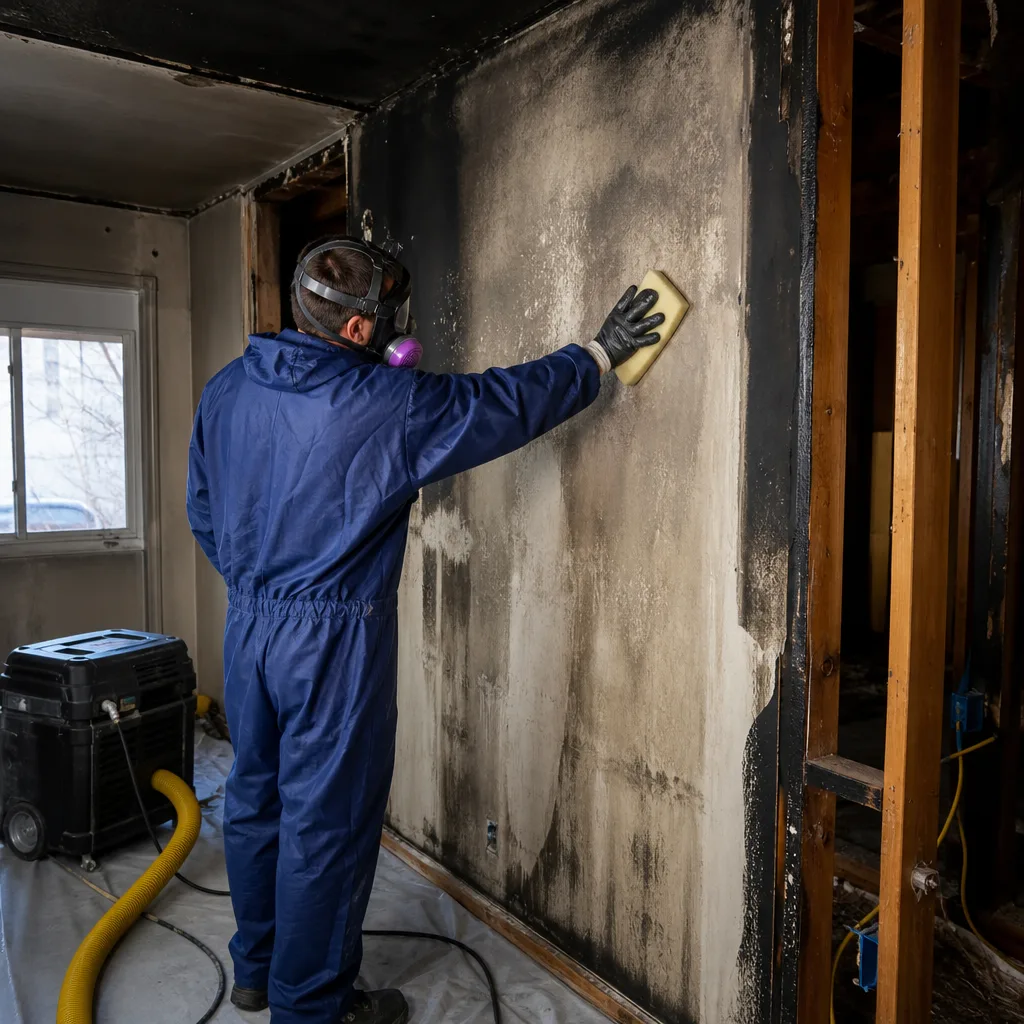
Ceiling & Roof Leak Water Damage
Marine layer corrosion of flashing and minimal attic ventilation combine to rot roof assemblies from the inside. We map moisture migration through ceiling cavities, dry withInjectidry and air mover systems, and restore drywall and insulation to pre-loss condition.
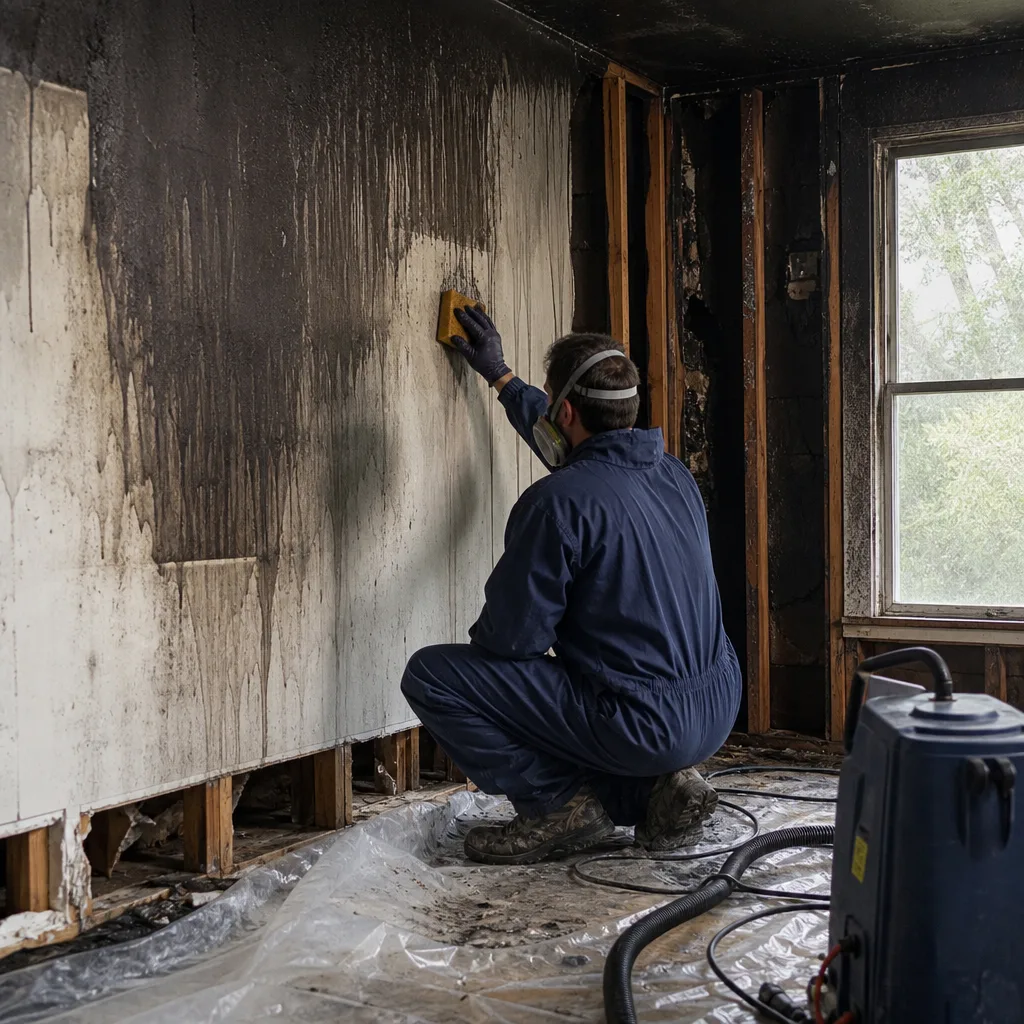
What happens when you call
- 1
A real person answersNo phone trees - you reach a local pro.
- 2
You get an upfront price rangeHonest numbers before anyone is dispatched.
- 3
A background-checked tech heads outLicensed & insured, dispatched right away.
- 4
You approve before work beginsNothing starts until you say go.
Water Damage Restoration Costs in Camp Pendleton North, CA
Camp Pendleton North water damage restoration pricing reflects base-access logistics, coastal humidity extending drying timelines, and the compounded hidden losses typical of PCS tenant gaps. Here are actual dollar ranges for this market:
| Service | Typical Range |
|---|---|
| Emergency Water Extraction | $1,200 - $2,800 |
| Structural Drying & Dehumidification | $1,800 - $4,200 |
| Flood Cleanup (Category 2/3) | $3,500 - $8,500 |
| Burst Pipe Restoration | $2,200 - $5,500 |
| Basement/Crawl Space Water Removal | $1,500 - $3,800 |
| Full Restoration with Reconstruction | $5,500 - $14,000+ |
What moves the price: affected square footage, contamination category, whether materials can be dried in place or must be removed, and how long water sat before discovery. PCS tenant-gap losses in Camp Pendleton North often cost 30-50% more than acute events because hidden moisture has progressed to secondary mold damage requiring containment and remediation.
Insurance typically covers sudden and accidental water damage from supply lines, appliance failures, and weather events. Gradual leaks and maintenance issues may be excluded. We provide a free visual inspection and written scope so you know what’s covered before work begins. Call (760) 421-5658 for an exact quote.
We Also Serve Cities Near Camp Pendleton North
Our crews respond throughout northern San Diego County from the brand’s San Diego office, with local dispatch to Fallbrook, Oceanside, Vista, and Camp Pendleton South. Each community gets the same documentation-first approach: written price before work starts, photo record on every visit, and the 365-Day Done Right Promise under The Haven Standard.
Serving Camp Pendleton North, CA - Our Local Coverage Area
We’re based in the Camp Pendleton North area and know this community well. Use the map below to see our service coverage - if you’re nearby, we can almost certainly help.
Camp Pendleton North Water Damage Restoration Questions, Answered
How do we start a water damage restoration job in Camp Pendleton North if we don’t own the home?
Work authorization flows through the privatized military housing management office, not the resident. We contact the housing office directly, obtain the work order, and coordinate access with base security. The resident initiates the report, but the housing office authorizes the scope and handles structural coverage while the resident’s renter’s policy covers personal property. Call (760) 421-5658 and we’ll walk you through the base-specific process.
Why does water damage in Camp Pendleton North housing often stay hidden until after a PCS transfer?
Military families on permanent change of station orders face tight departure timelines, and minor leaks or moisture stains get deprioritized against packing and travel. The incoming family discovers compounded damage weeks or months later, with mold established behind renovation overlays and moisture readings elevated across wall cavities. In the De Luz housing cluster, we’ve documented cases where hidden mold had spread across entire wall sections before the new residents noticed musty odors. Call (760) 421-5658 for moisture mapping if you’re moving into base housing and suspect prior water intrusion.
Does the Santa Margarita River actually flood Camp Pendleton North housing?
During El Niño winters, the river’s floodplain expands to inundate lower housing areas and utility corridors, particularly near the Las Pulgas Road corridor. Because the base controls its own roads and emergency access, civilian restoration crews without pre-approved DoD base-access credentials can be delayed at security checkpoints during the exact hours when water extraction timing is most critical. Our crews carry pre-approved badging, so we’re moving while others are still waiting. Call (760) 421-5658 for flood response that doesn’t wait at the gate.
How fast does mold start in a Camp Pendleton North unit after a leak?
In Camp Pendleton North’s coastal environment, baseline humidity from the marine layer keeps wall cavities and crawl spaces near saturation. Mold colonization begins in 48-72 hours, faster than the 72-96 hour window typical inland. Minimal attic ventilation in 1950s-1980s tract clusters traps moisture, and privatization-era renovation overlays conceal growth until it becomes a health concern. If you suspect hidden moisture, call (760) 421-5658 for emergency moisture mapping.
Why does the category of water matter for base housing restoration?
Category determines safety protocols, disposal requirements, and whether materials can be dried or must be removed. Category 1 clean water can often be extracted and dried in place. Category 2 requires antimicrobial treatment and removal of porous materials like carpet pad. Category 3 demands full PPE, containment, and disposal of most affected materials. In Camp Pendleton North, Santa Margarita River flooding and sewage backups from overwhelmed utility corridors during storms frequently push losses into Category 2 or 3, increasing scope and cost. We classify water on arrival and document the category in your written scope before work begins. Call (760) 421-5658 for assessment.
How fast can DryMark Restoration Fallbrook actually get to Camp Pendleton North?
Our response commitment is 45 minutes from work authorization to on-site arrival for base housing areas. Authorization comes from the privatized housing management office, not the resident, so the critical path is housing office notification, not travel time. We maintain pre-approved DoD base-access credentials, so we’re not delayed at security checkpoints. For emergency water extraction, every minute matters: Category 1 water degrades to Category 2 in 24-48 hours, and Category 2 to Category 3 shortly after. Call (760) 421-5658 for immediate dispatch.
Will insurance cover water damage restoration in Camp Pendleton North base housing?
Structural damage is typically covered by the privatized housing management office’s policy; personal property by the resident’s renter’s insurance. Sudden and accidental events, supply line bursts, appliance failures, and weather-related flooding are generally covered. Gradual leaks and maintenance issues may be excluded. We provide photo-documented assessments, moisture readings, and line-item scopes that satisfy both carriers. Direct adjuster coordination is standard. Call (760) 421-5658 and we’ll review your coverage scenario during the free inspection.
How long does structural drying take in Camp Pendleton North?
Standard residential drying takes 3-5 days in dry climates. In Camp Pendleton North, marine layer humidity and minimal attic ventilation extend this to 4-7 days for typical losses, and 7-10 days for deep wall-cavity saturation behind renovation overlays. We monitor daily with moisture meters and adjust equipment until materials reach dry standard per IICRC S500. Daily drying logs document every reading for insurance submission. Call (760) 421-5658 for a timeline based on your specific loss.
Water damage in Camp Pendleton North doesn’t follow the patterns you’ll see on generic restoration sites. Base-access credentialing, privatized housing office coordination, PCS tenant-gap hidden losses, and Santa Margarita River floodplain exposure create a loss profile that demands specific experience. Our crews have that experience, documented in 12,000+ homes restored since 2011, every one with a written price before work started and a photo record when we left.
Call (760) 421-5658 now for emergency water damage restoration in Camp Pendleton North. We answer live 24 hours a day, provide a free visual inspection with written scope, and stand behind every job with the 365-Day Done Right Promise under The Haven Standard.
Written by Alicia Brennan, Owner at DryMark Restoration Fallbrook, serving Camp Pendleton North with documentation-first water damage restoration since 2011.
Water Damage Restoration in Nearby Areas