Free visual inspection and a written scope of work before any mitigation begins - photos, moisture readings, and drying logs go in your claim file
The scope we write is the scope we bill. Anything new gets shown to you, in writing, before we touch it.
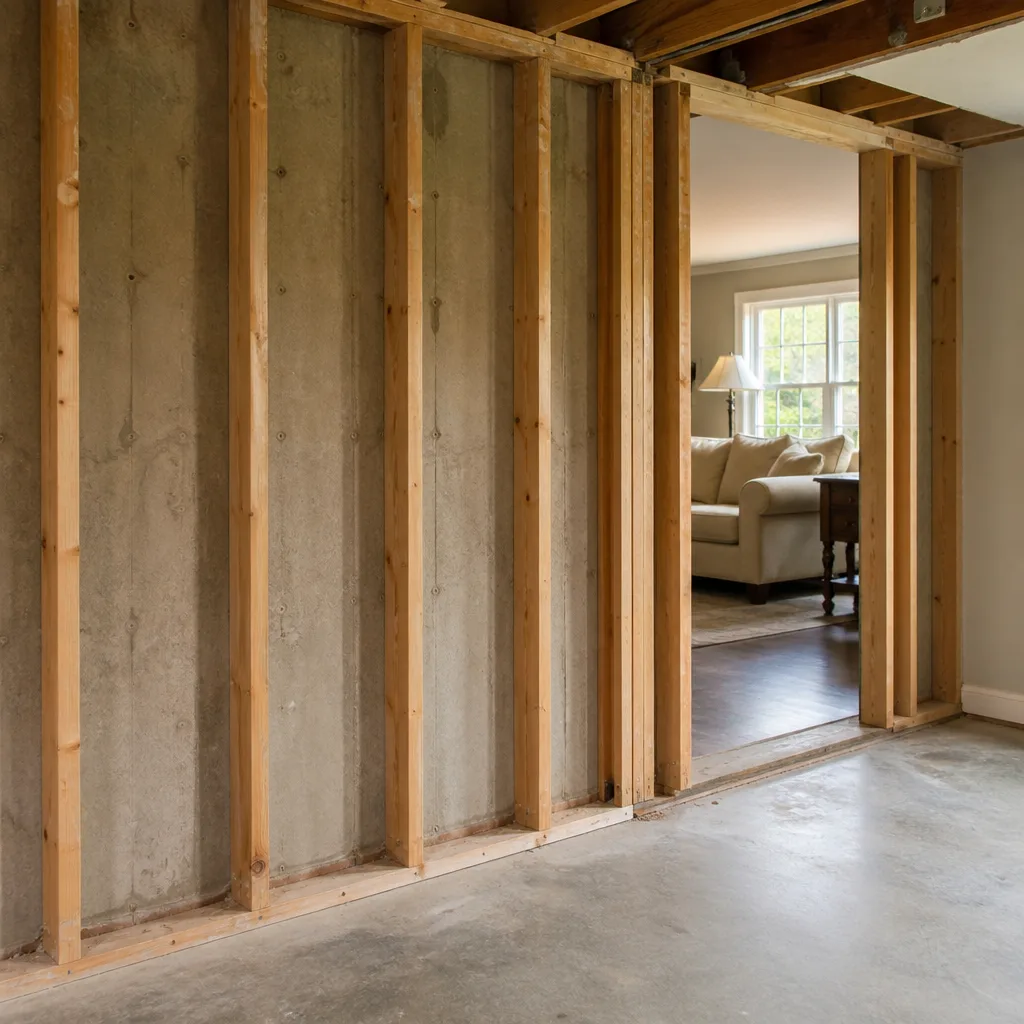
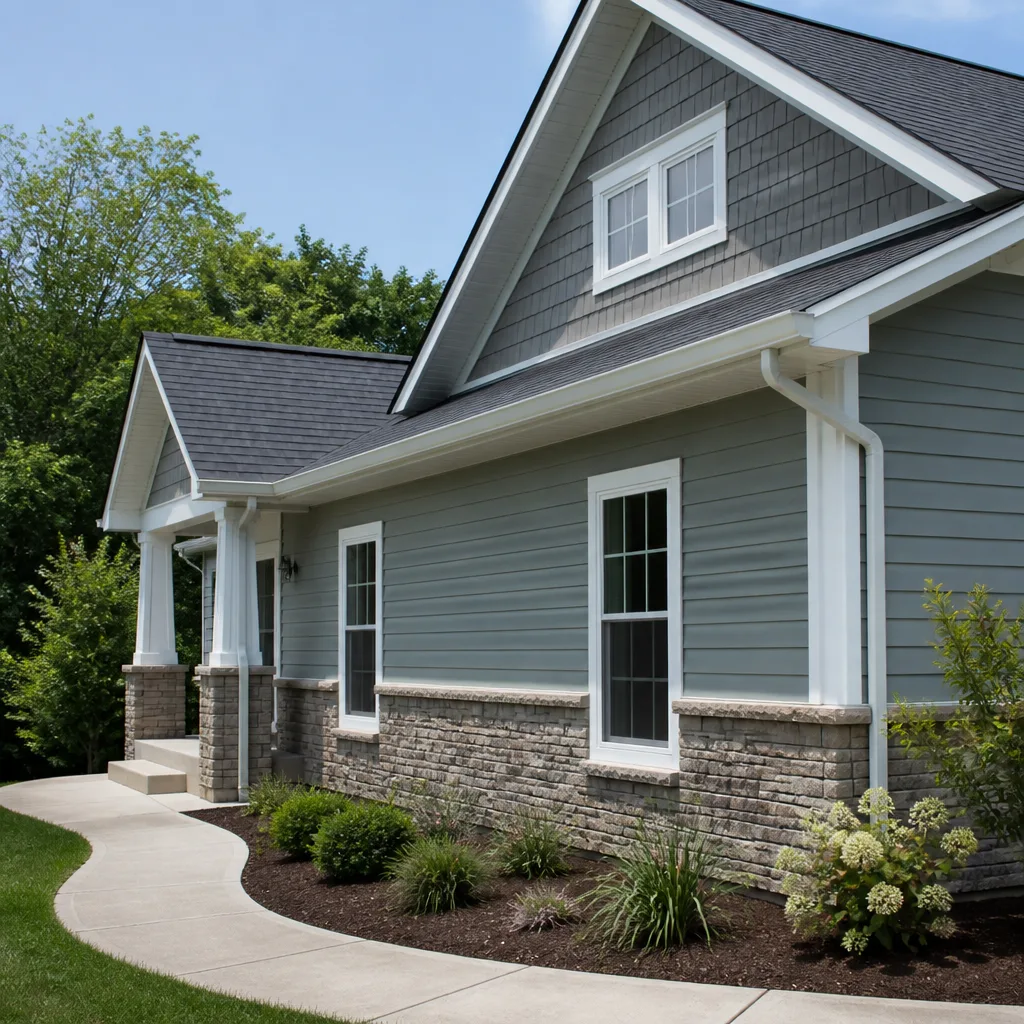
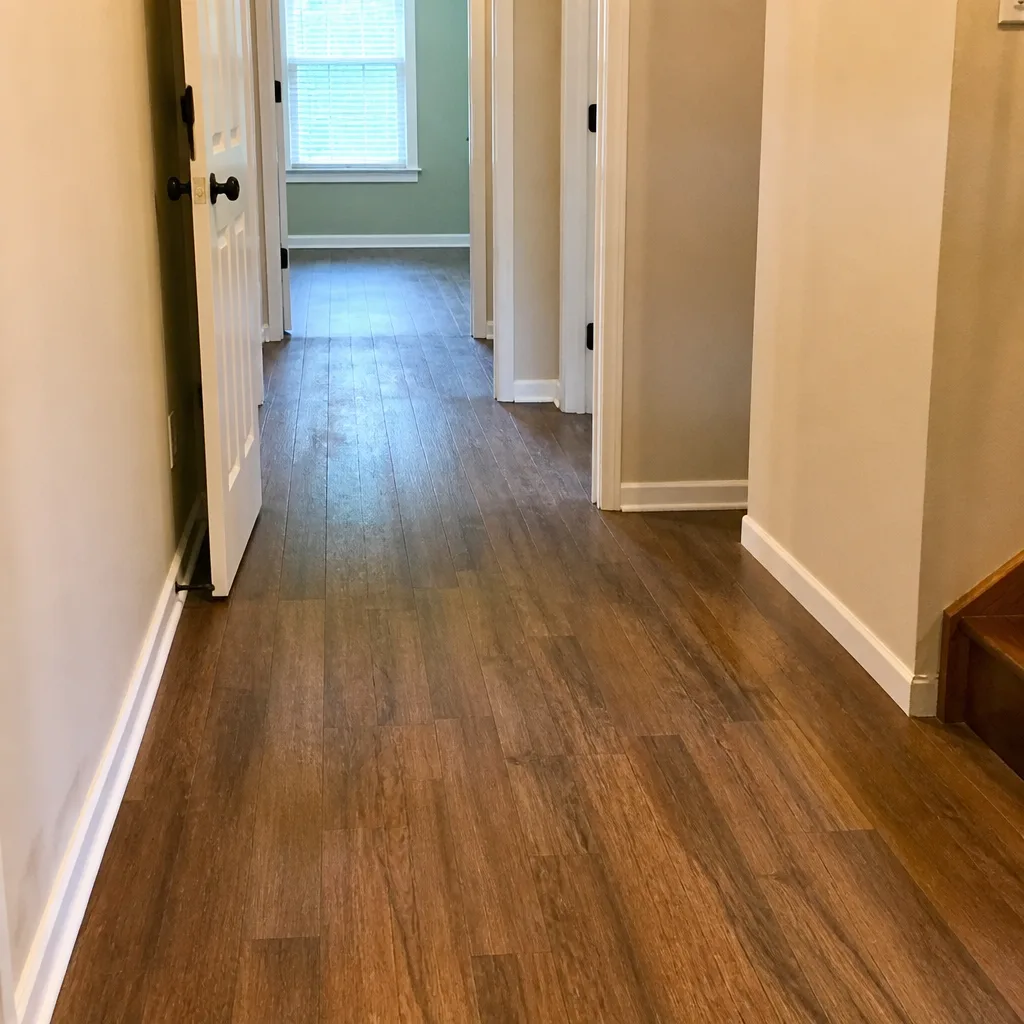

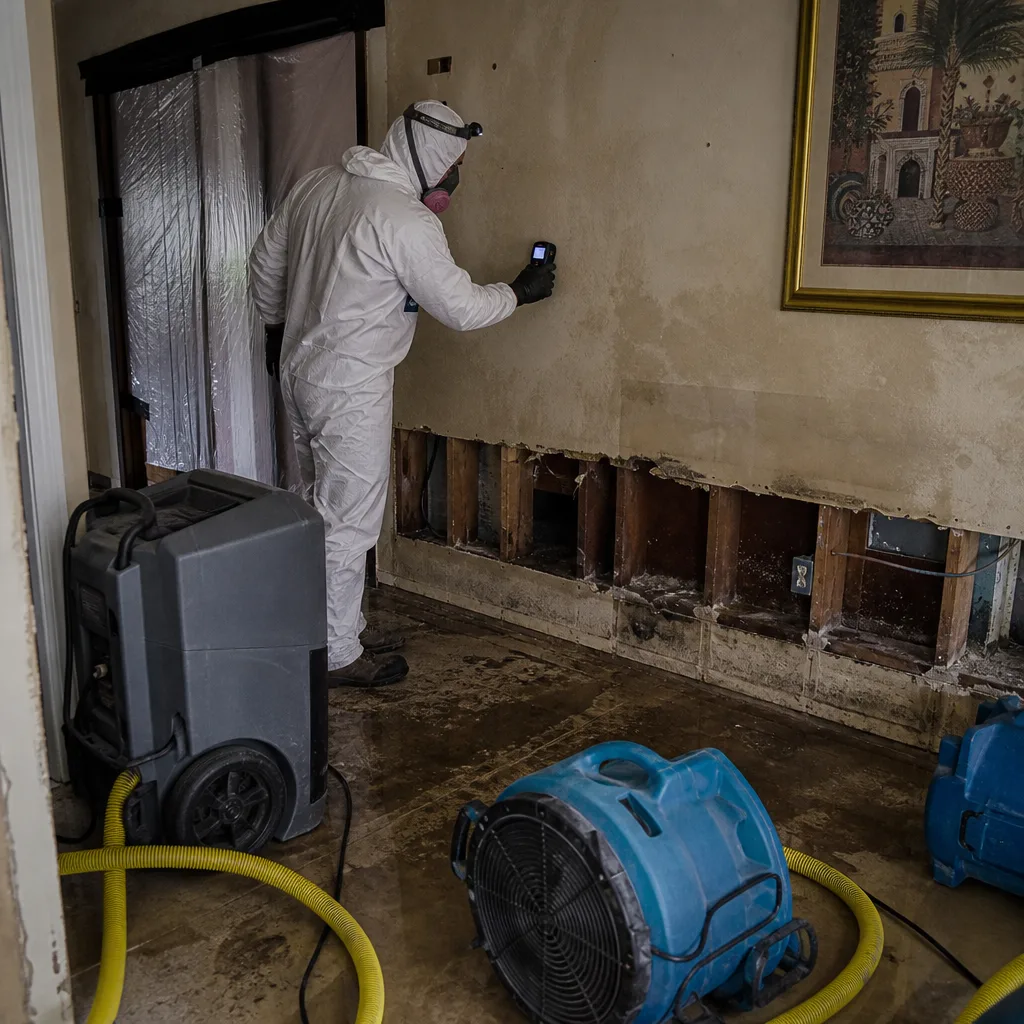 Before
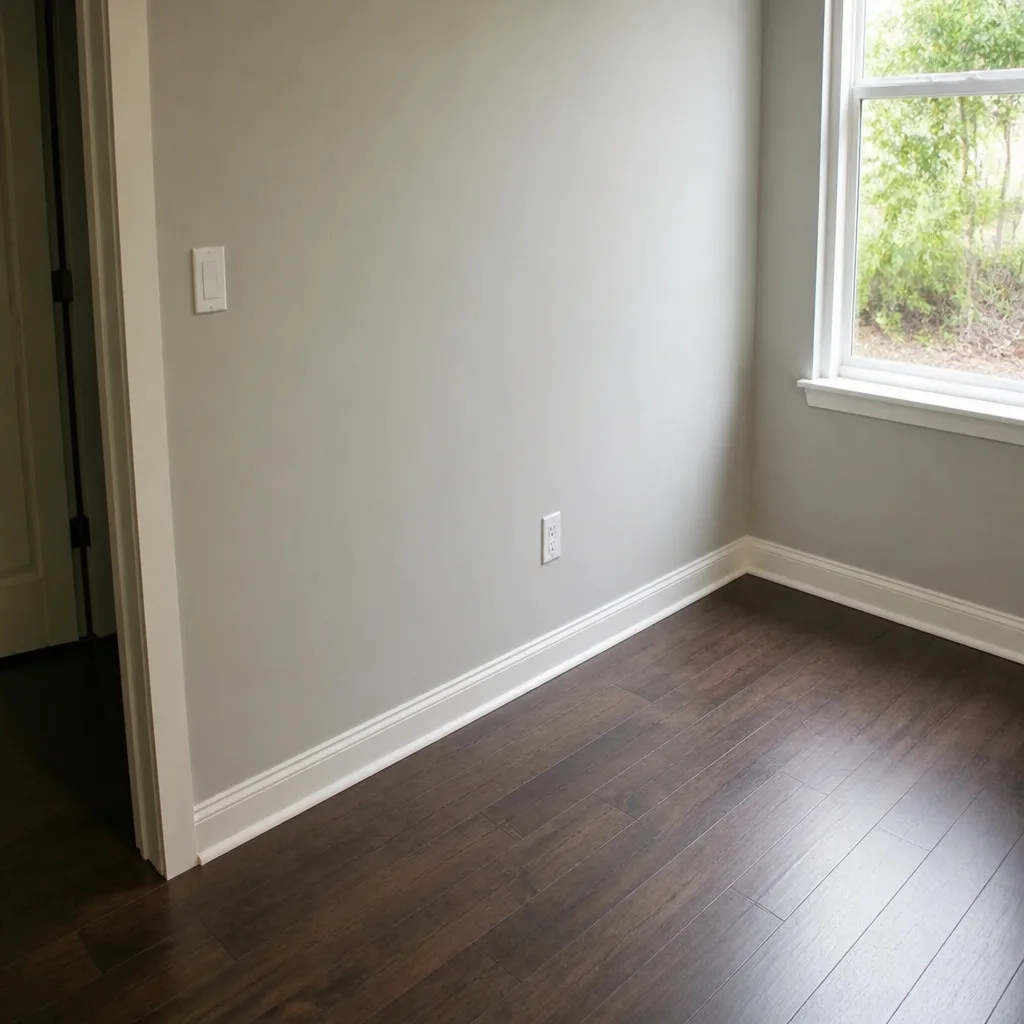 After
After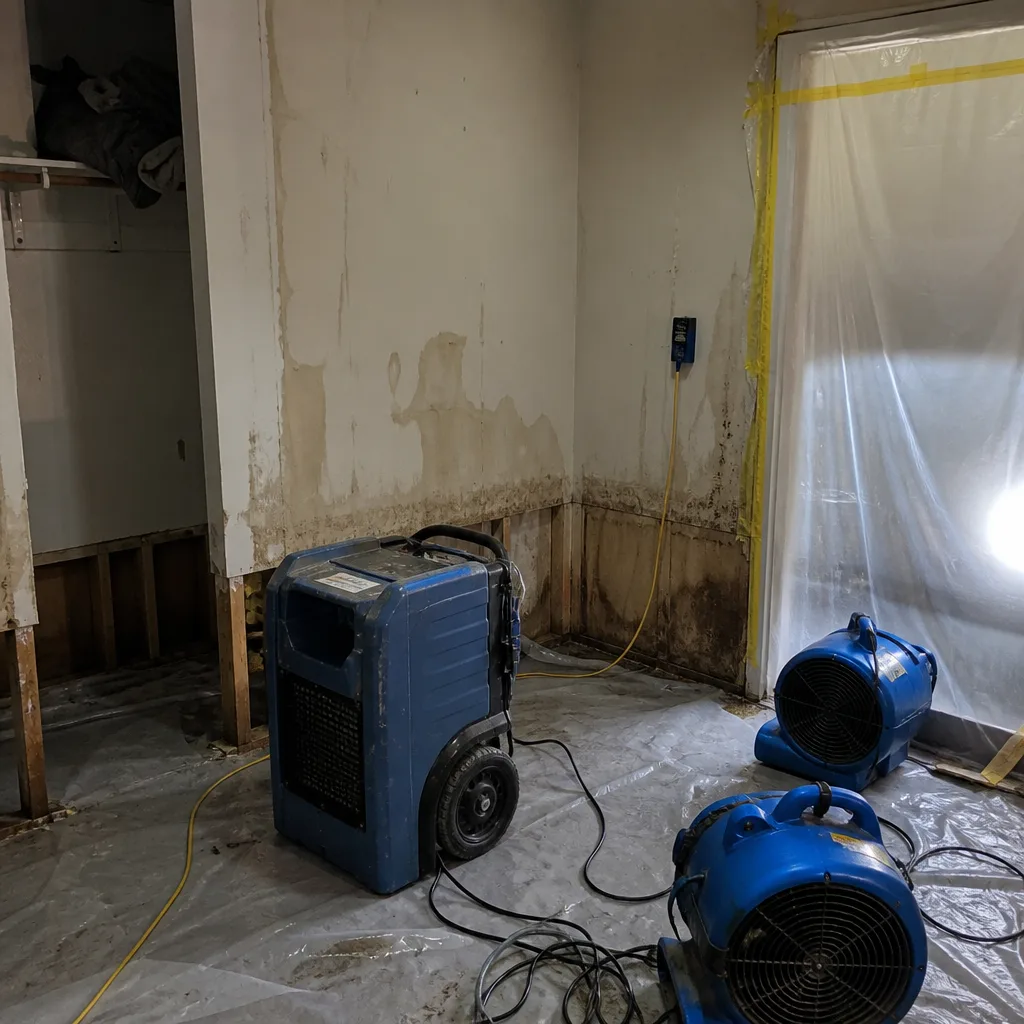 Before
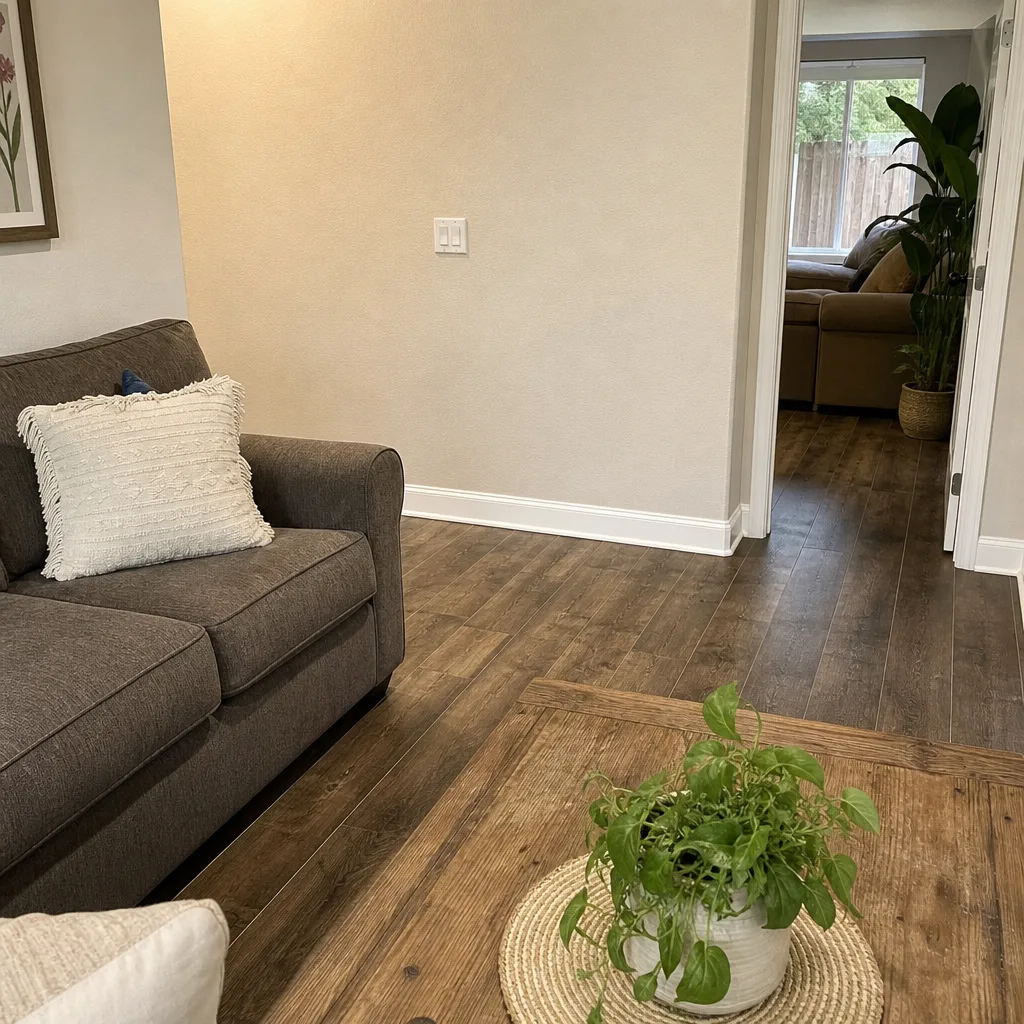 After
After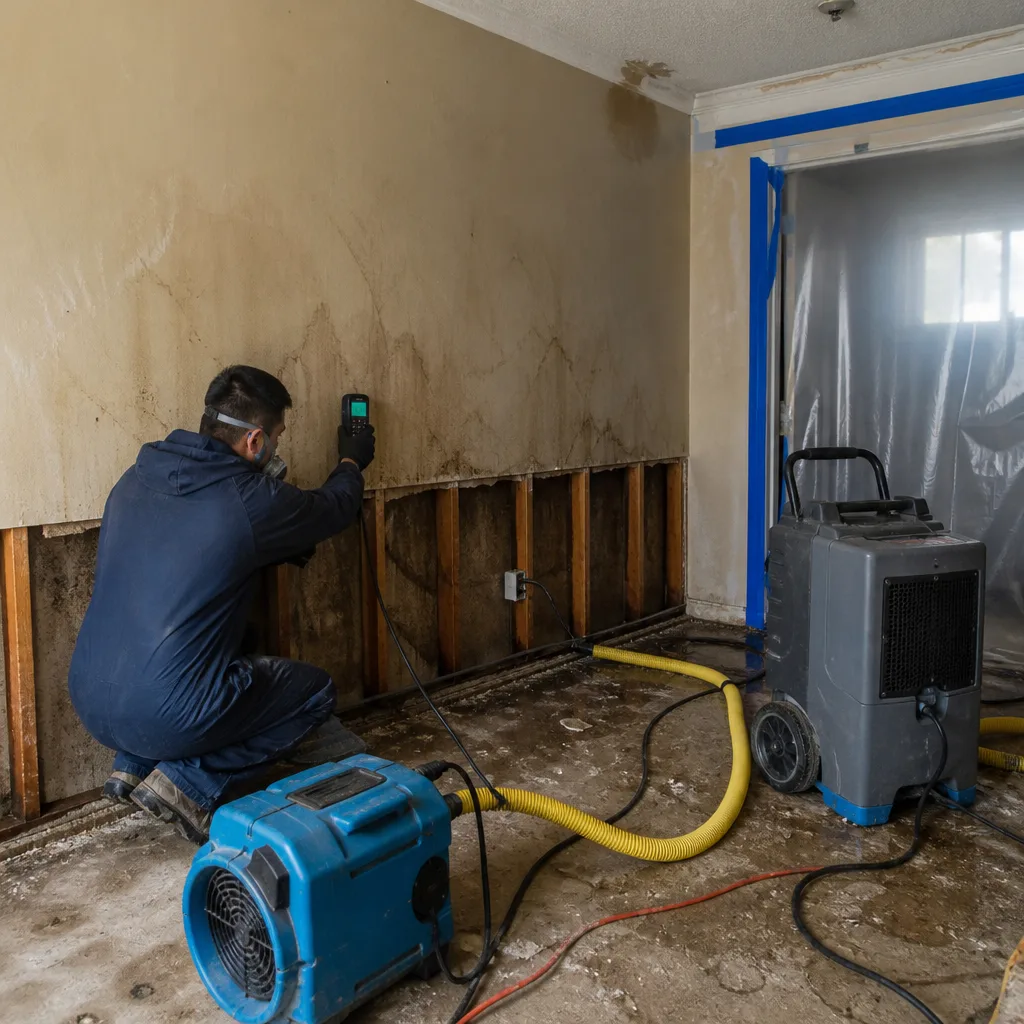 Before
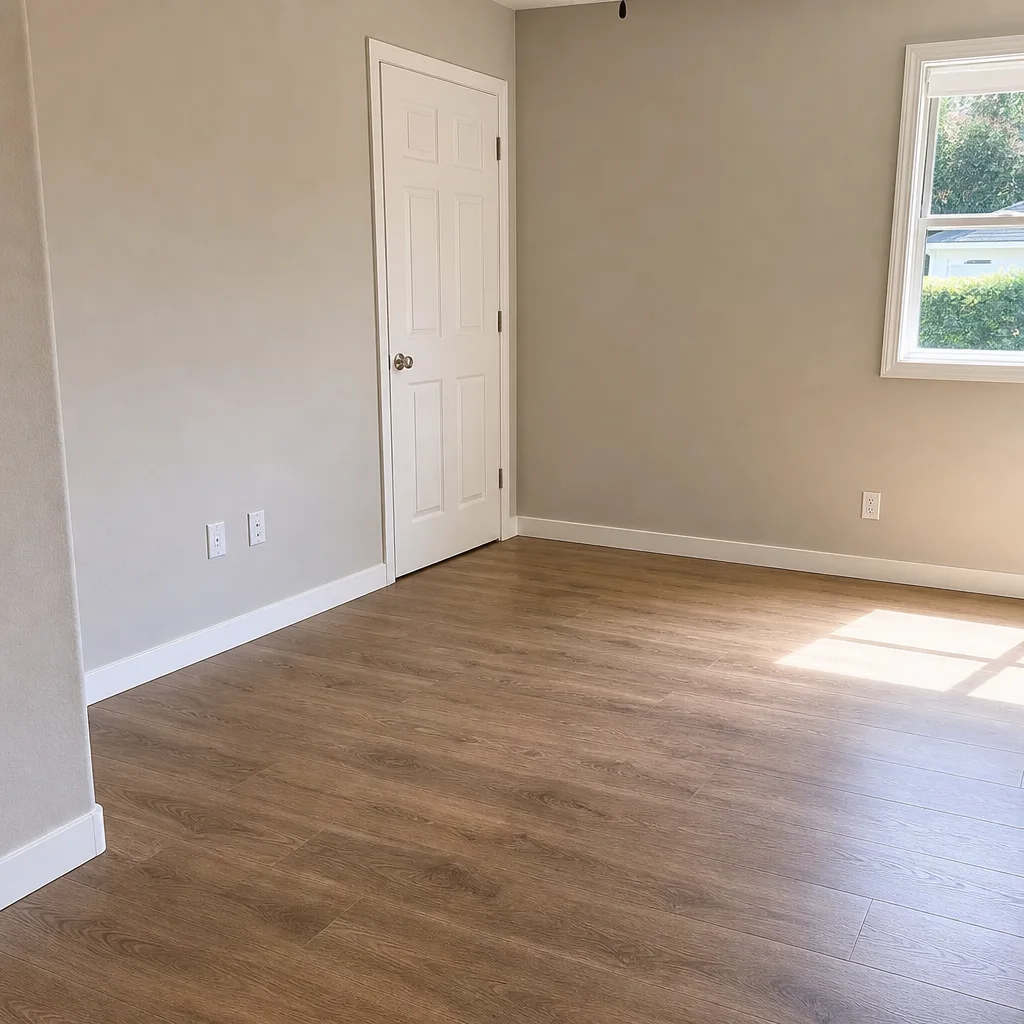 After
After24/7 Emergency Fire & Smoke Damage Restoration in Fallbrook
Fire and smoke damage restoration in Fallbrook typically costs $4,200-$18,500 depending on structural involvement, with emergency board-up and stabilization starting same-day. Our crews answer live at (760) 421-5658 24 hours a day, 7 days a week - no voicemail, no callback queues. We dispatch throughout Fallbrook from our San Diego coordination office, and we arrive with containment materials, HEPA filtration, and documentation equipment already loaded.
The first hour after a fire determines how far smoke migrates through your HVAC system, how deeply soot embeds into porous surfaces, and whether water from firefighting becomes a secondary structural threat. We perform a free visual inspection on arrival, photograph every affected room, and deliver a written scope and price before any work begins - Haven Standard, Clause 1. In Fallbrook’s chaparral corridor, where Santa Ana winds can reignite hotspots or drive new ember intrusion hours after the initial event, that speed matters.
Understanding Fire & Smoke Damage Restoration Severity in Fallbrook Properties
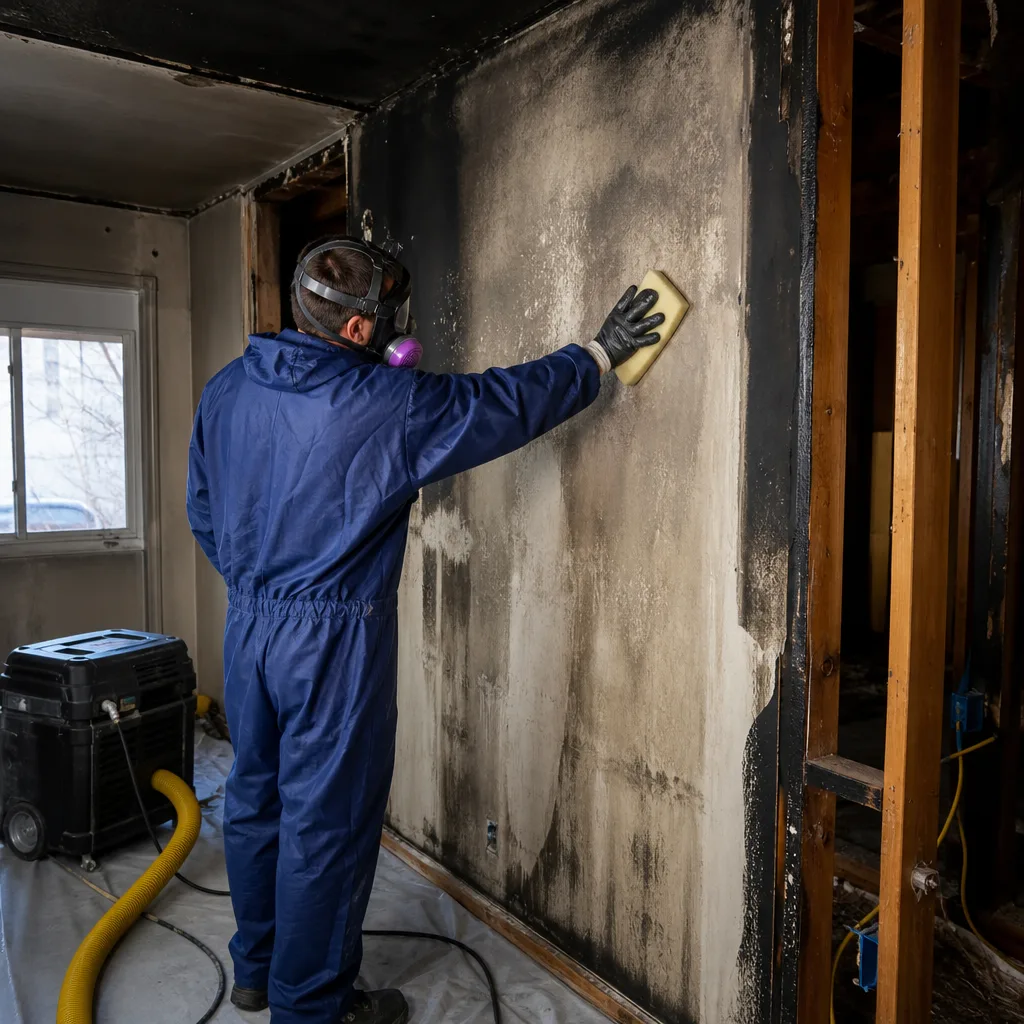
Fire damage in Fallbrook follows patterns we rarely see in coastal San Diego cities. The region’s 1960s-1980s ranch homes, custom hillside builds with exposed-beam construction, and manufactured housing stock each present distinct restoration challenges. Soot residue classification drives our approach: dry soot (powdery, from fast-burning paper and wood), wet soot (sticky, from slow-burning plastics and synthetics), and protein residue (nearly invisible, from kitchen fires, but pungent and corrosive). Fallbrook’s prevalence of wood siding and open-beam ceilings means protein residues often penetrate deep into structural timber, requiring thermal fogging or ozone treatment rather than surface cleaning alone.
Smoke migration follows pressure differentials and temperature gradients - hot smoke rises, cools, and settles into cooler cavities. In Fallbrook’s hillside homes with vaulted ceilings and minimal attic separation, we’ve tracked smoke odor into wall cavities 30 feet from the visible fire origin. Our crews use thermal imaging to identify these migration paths, then establish negative air pressure with HEPA-scrubbed containment to prevent cross-contamination during restoration.
Why Fallbrook Property Owners Choose DryMark Restoration Fallbrook
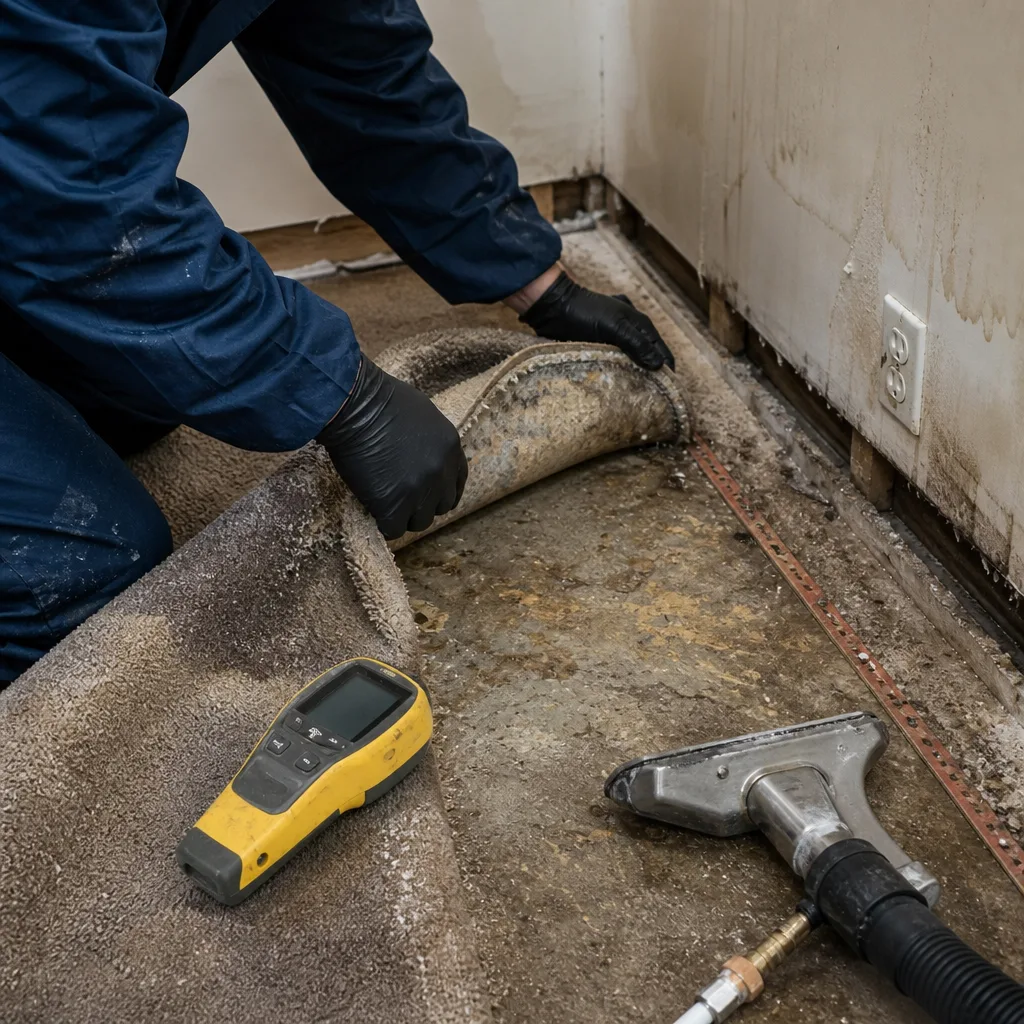
- 45-minute response commitment to Fallbrook addresses - our crews stage equipment in northern San Diego County specifically for chaparral-fire events.
- 24/7 live answer - a real person picks up every call, never an automated system or voicemail tree, because ember intrusion doesn’t wait for business hours.
- IICRC-certified crews holding FSRT (Fire and Smoke Restoration Technician) and WRT (Water Damage Restoration Technician) certifications - essential for Fallbrook’s fire-then-flood damage sequences.
- Free visual inspection with photo documentation starting on arrival, before any equipment runs or any signature is requested.
- Direct insurance billing with adjuster coordination handled by our in-house claims team, including daily drying logs formatted to carrier specifications.
- One team from board-up to reconstruction - no handoffs between mitigation and rebuild contractors, so accountability stays with the same project manager.
BeforeAfterOur Fire & Smoke Damage Restoration Process
1. Inspection & Assessment
We document the full loss perimeter with photo records, test soot types from multiple surfaces, and use thermal imaging to locate hidden ember intrusion points and smoke migration paths. In Fallbrook’s exposed-beam homes, we pay particular attention to ceiling cavities where smoke pressure forces residue into beam pockets.
2. Emergency Board-Up & Tarping
Wind-driven events often compromise doors, windows, and roof assemblies simultaneously. We secure structural openings with plywood and weather-rated tarps, seal vent points against further ember entry, and establish temporary climate control to stabilize interior conditions.
3. Water Extraction & Structural Drying
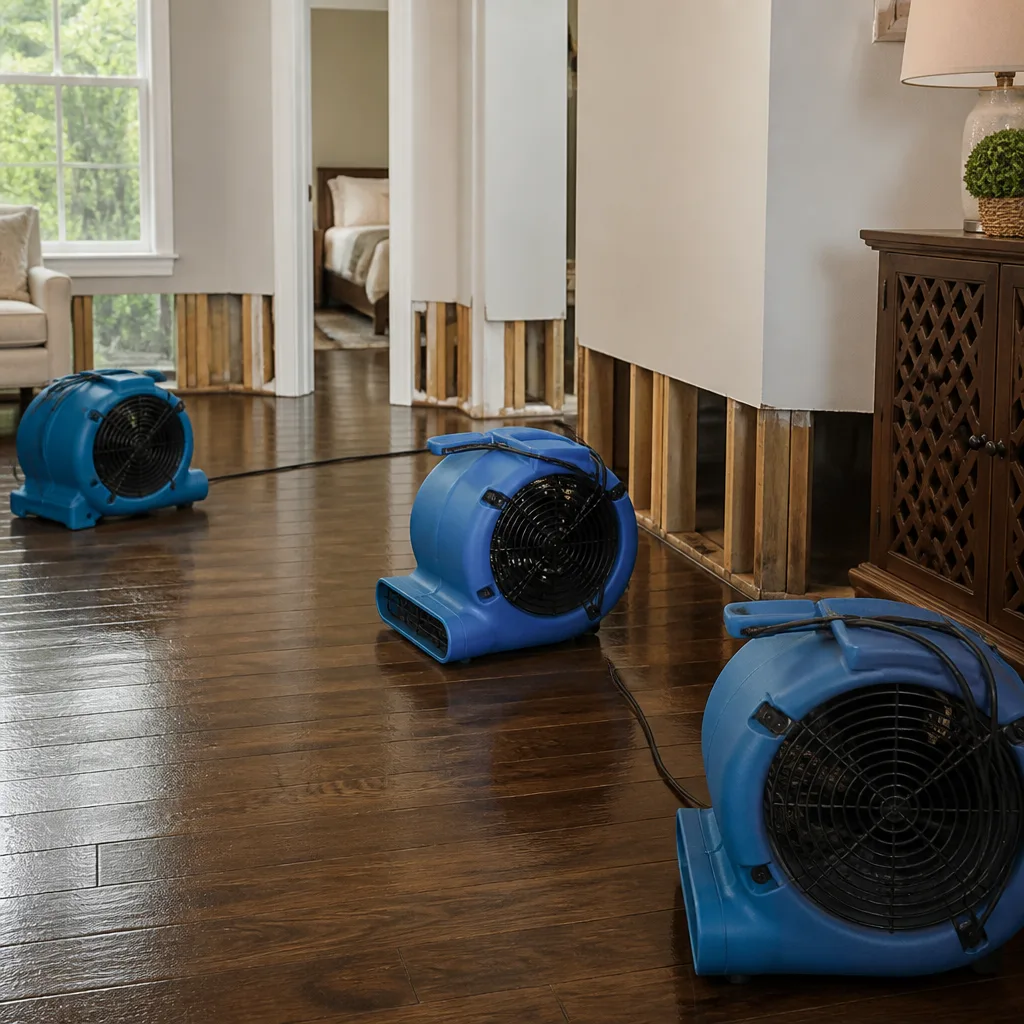
Firefighting water and post-fire flash flooding from hydrophobic soils both require immediate attention. We extract standing water, deploy Dri-Eaz and Phoenix dehumidifiers, and document daily moisture readings with psychrometric data - the temperature and relative humidity calculations that prove drying progress to insurers.
4. Smoke & Soot Removal
Our crews clean surfaces with HEPA vacuums and chemical sponges matched to soot type, then apply thermal fogging or hydroxyl generators to neutralize odor molecules in porous materials. For Fallbrook’s wood-sided homes, we often need to treat wall cavities through specialized access points.
5. Contents Cleaning & Pack-Out
Salvageable items are inventoried, photographed, and transported to our facility for ultrasonic cleaning, ozone treatment, or specialized textile restoration. We provide your insurer with itemized documentation and condition reports for every piece.
6. Structural Fire Repair & Reconstruction
Our build team repairs or replaces charred framing, compromised door and window assemblies, and damaged roofing - with wind-rated materials where local code requires. A written price covers the full scope, and the 365-Day Done Right Promise applies to all work.
Need Emergency Fire & Smoke Damage Restoration in Fallbrook Now?
Crews minutes away, answering live 24 hours a day. The sooner we start, the less it costs.
Working With Your Insurance Company
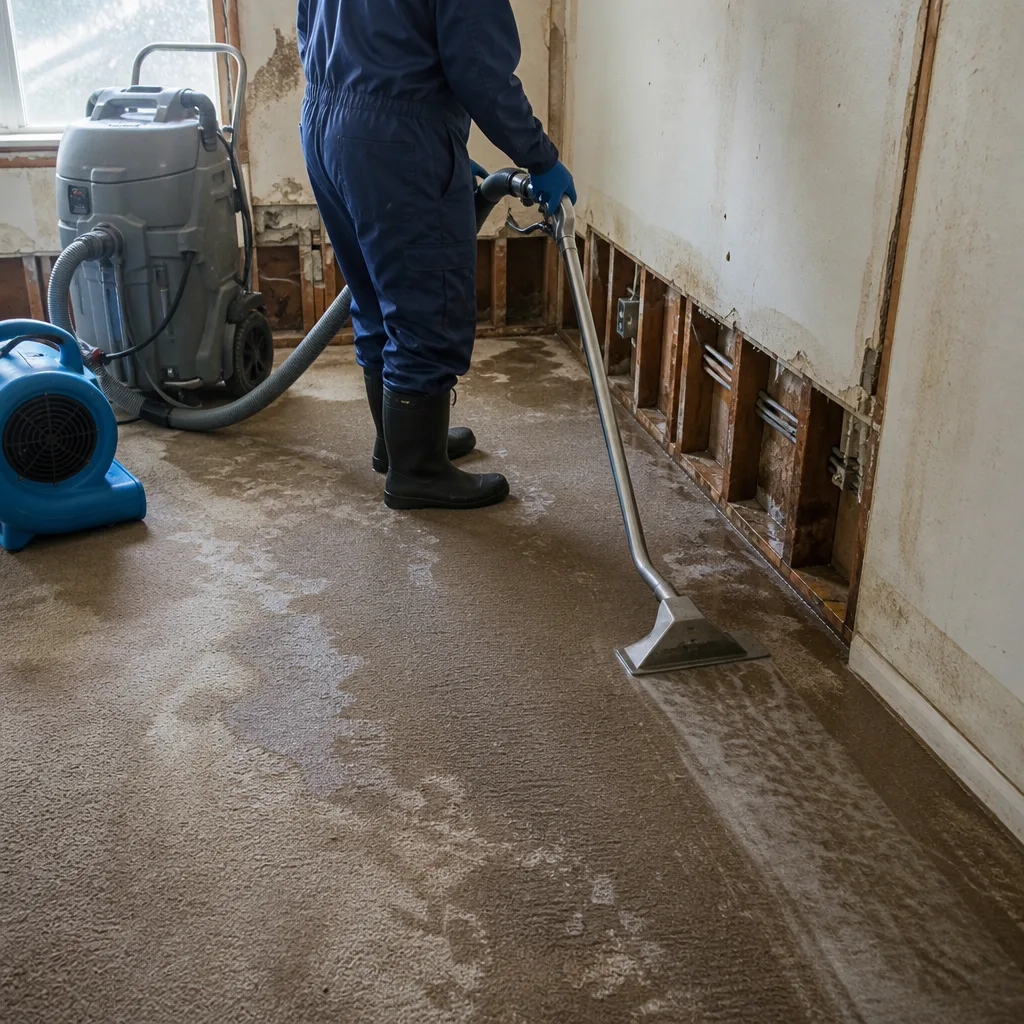
Fire claims succeed or fail on documentation. Our Fire & Smoke Damage Restoration team begins building your file from the first phone call: date-stamped photos, moisture mapping with specific readings, soot type identification, and a line-item scope that separates emergency mitigation from rebuild phases. We speak directly with adjusters, provide daily drying logs in IICRC-standard format, and never ask you to front costs for covered work.
Fallbrook’s compounding fire-then-flood losses create complex claim scenarios. Water from firefighting is Category 2 - gray water with chemical contaminants. Post-fire mudflow intrusion, common after winter rains on hydrophobic soils, is Category 3 - black water requiring full sanitation protocols. We document the source and category of every water intrusion so your carrier understands why specific treatments are medically and structurally necessary, not optional.
What We Provide Your Insurer
- Thorough documentation of the loss
- Photos of all damage, room by room
- Moisture readings and drying logs
- A detailed, line-item scope of work
- Direct coordination with your carrier
Built for Fallbrook’s Loss Calendar
Fallbrook’s damage calendar runs in two phases, both driven by Santa Ana wind patterns. October through April brings the critical fire season: sustained 40-60 mph winds, single-digit humidity, and the ignition events that send chaparral fires racing toward residential areas. We see peak emergency board-up calls in November, when the first major wind events typically arrive. January through March brings the secondary wave - winter Pacific storms hitting hydrophobic, fire-baked soils, producing flash flooding and mudflows that carry ash, debris, and contaminated sediment into structures that survived the fire itself.
This cycle means a Fallbrook restoration job started in October may require revisitation in January. Our 365-Day Done Right Promise covers exactly this scenario: if water intrusion from post-fire soil conditions emerges months after our initial work, we return and make it right. We’ve learned to scope conservatively, document soil conditions, and warn homeowners about the hydrophobicity risk before we close the initial claim.
Fire & Smoke Damage Restoration Across Fallbrook’s Neighborhoods
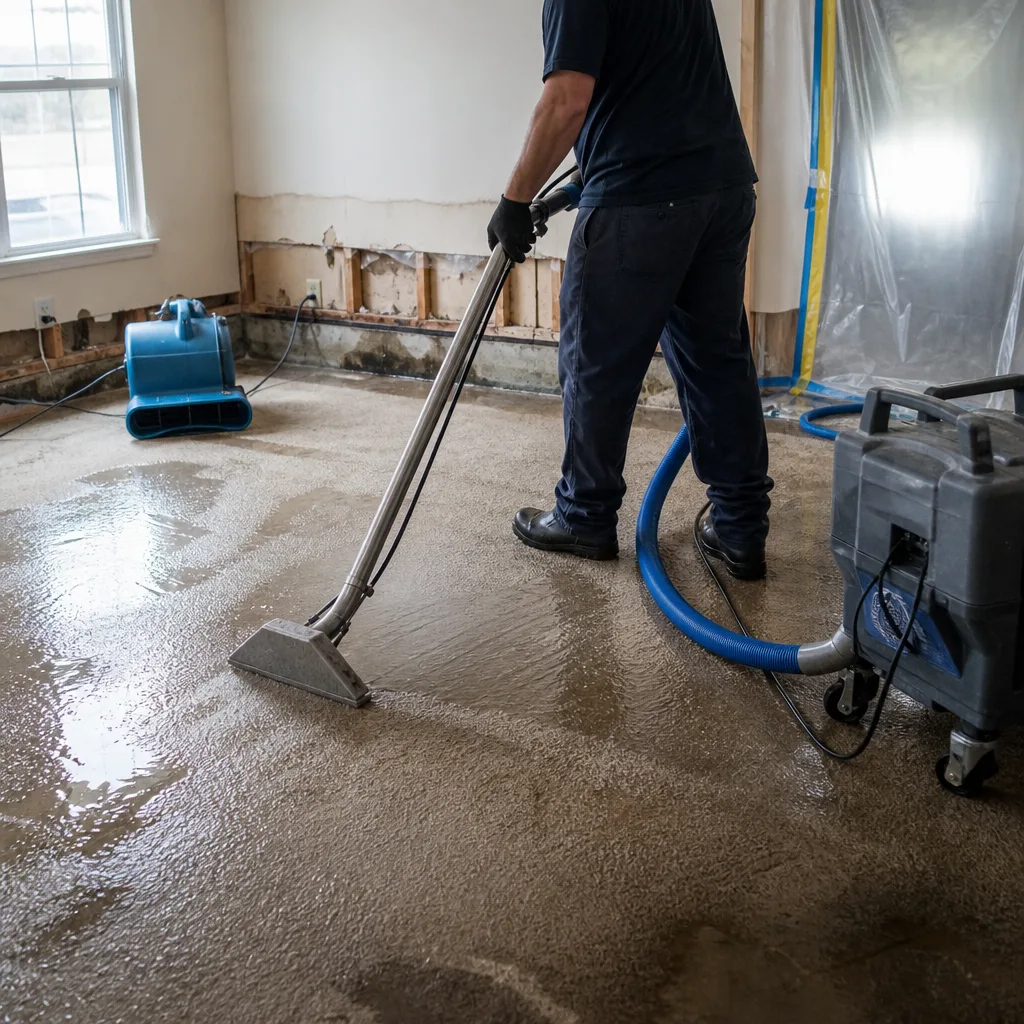
Our crews know the response routes and building patterns across Fallbrook‘s varied terrain. In the hillside corridors off Gird Road and Live Oak Park Road, custom homes with exposed-beam construction and wood siding face the highest ember intrusion risk - we’ve replaced entire sliding door assemblies after wind-driven embers penetrated failed weatherstripping. The valley-floor ranch neighborhoods near the intersection of Mission Road and Stage Coach Lane, built largely in the 1970s and 1980s, typically suffer smoke migration through aging HVAC ductwork rather than direct flame contact; restoration here emphasizes duct cleaning and air handler replacement.
The agricultural parcels along De Luz Road and the Santa Margarita River corridor present their own complexity: extensive drip and micro-spray irrigation systems, often decades old, fail after wind or freeze events and saturate foundations while owners focus on fire damage above grade. We moisture-map these properties from slab to ridge beam because the hidden water source is rarely visible without instrumentation. Manufactured home communities near the I-15 corridor, many on private wells and septic systems, require careful water-source identification when firefighting efforts or failed irrigation lines overwhelm limited drainage capacity.
Specialized Fire & Smoke Damage Restoration Services We Offer in Fallbrook
Fire Damage Cleanup
We remove charred materials, test structural integrity of remaining framing, and document salvageable versus unsalvageable inventory for your insurer. In Fallbrook’s older ranch homes with plaster-and-lath construction, we often find fire has compromised the keys holding plaster to lath - requiring full removal rather than spot repair.
Smoke & Soot Removal
Different soot types demand different chemistry. Dry soot vacuums away; wet soot requires solvent-based cleaning; protein residue needs enzymatic breakers. Fallbrook’s prevalence of wood-burning fireplaces and agricultural burning means we also encounter aged, oxidized soot deposits that standard cleaners won’t touch - we identify these with pH testing before selecting treatment.
Odor Removal & Deodorization
Thermal fogging, hydroxyl generators, and ozone treatment each address different odor penetration depths. For Fallbrook’s exposed-beam construction, we often combine all three: fogging for surface pores, hydroxyl for occupied spaces (safe for humans and plants), and ozone for unoccupied contents storage.
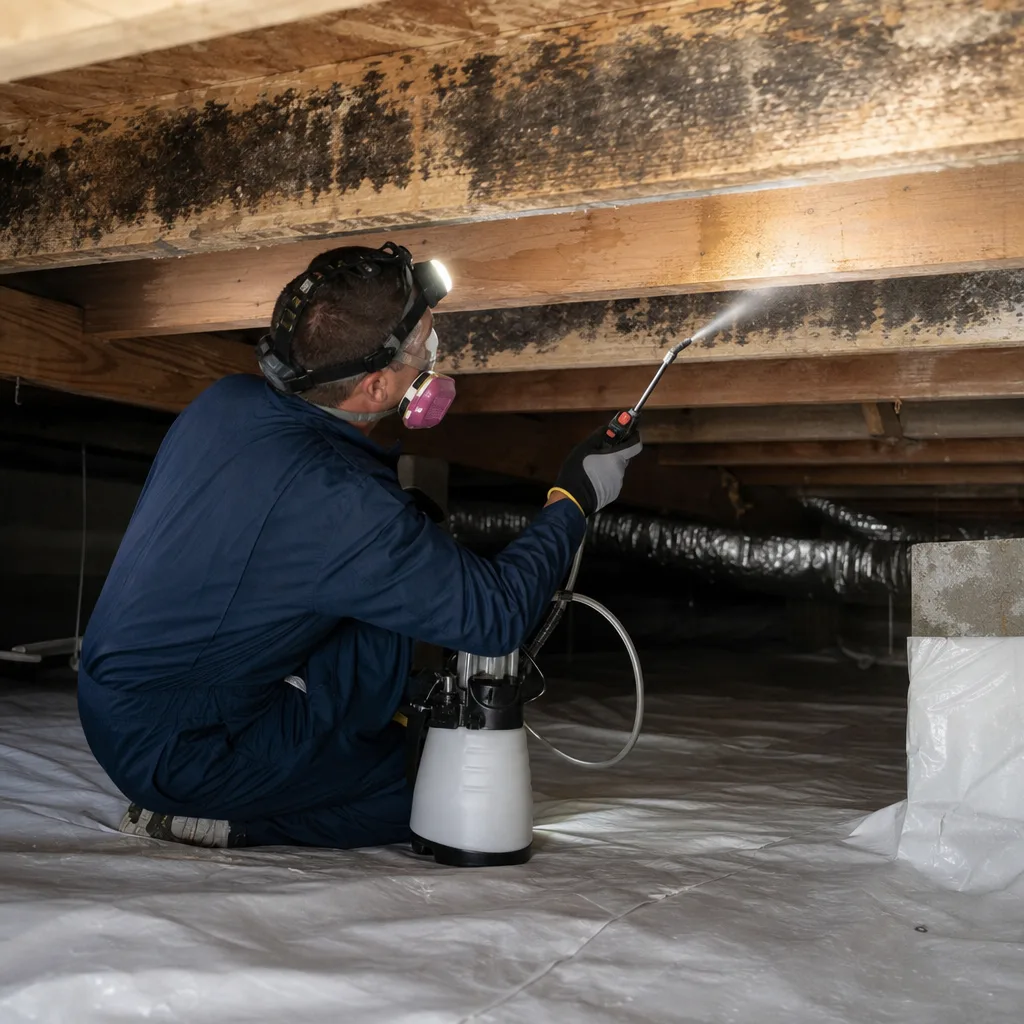
Contents Cleaning & Pack-Out
Our facility handles ultrasonic cleaning for hard goods, Esporta washing for textiles, and specialized document recovery. We photograph every item before transport and provide condition reports that satisfy even the most documentation-demanding carriers.
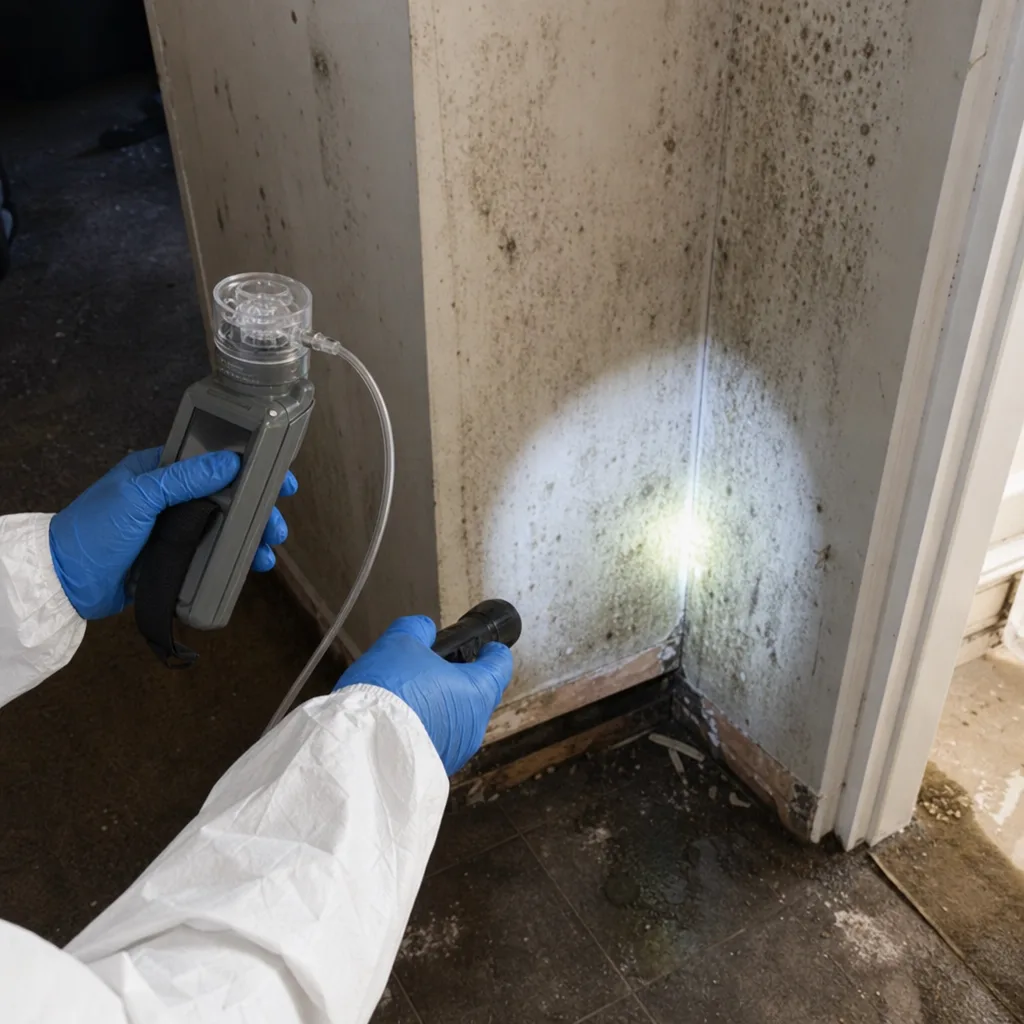
Emergency Board-Up & Tarping
Wind events that drive fire often damage multiple building envelopes simultaneously. We secure roof openings with anchored tarps rated for Santa Ana wind loads, board window and door openings with pressure-treated plywood, and seal attic vent points against further ember intrusion - all documented with photos for your claim file.
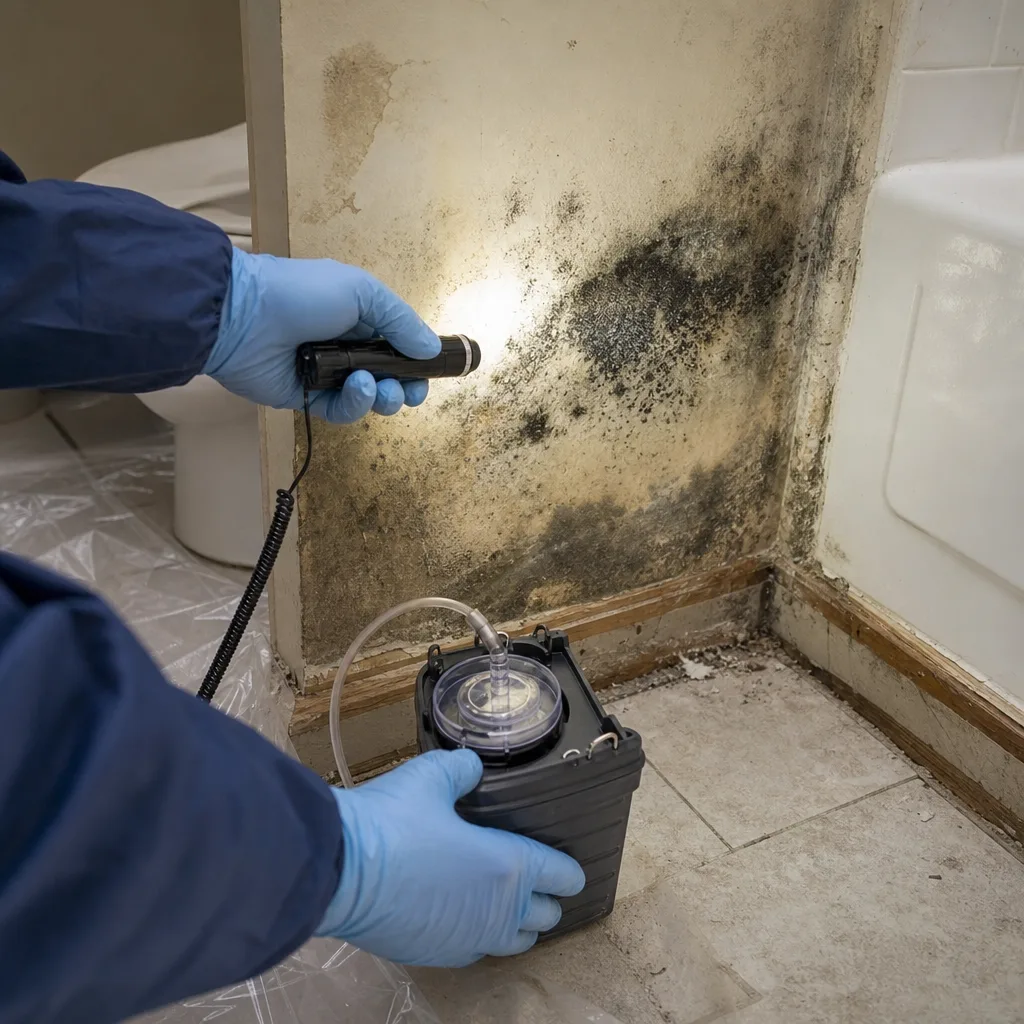
Structural Fire Repair
Our build team replaces charred framing, installs wind-rated door and window assemblies where code requires, and repairs roof systems compromised by ember penetration or firefighter access. Every repair carries the 365-Day Done Right Promise.
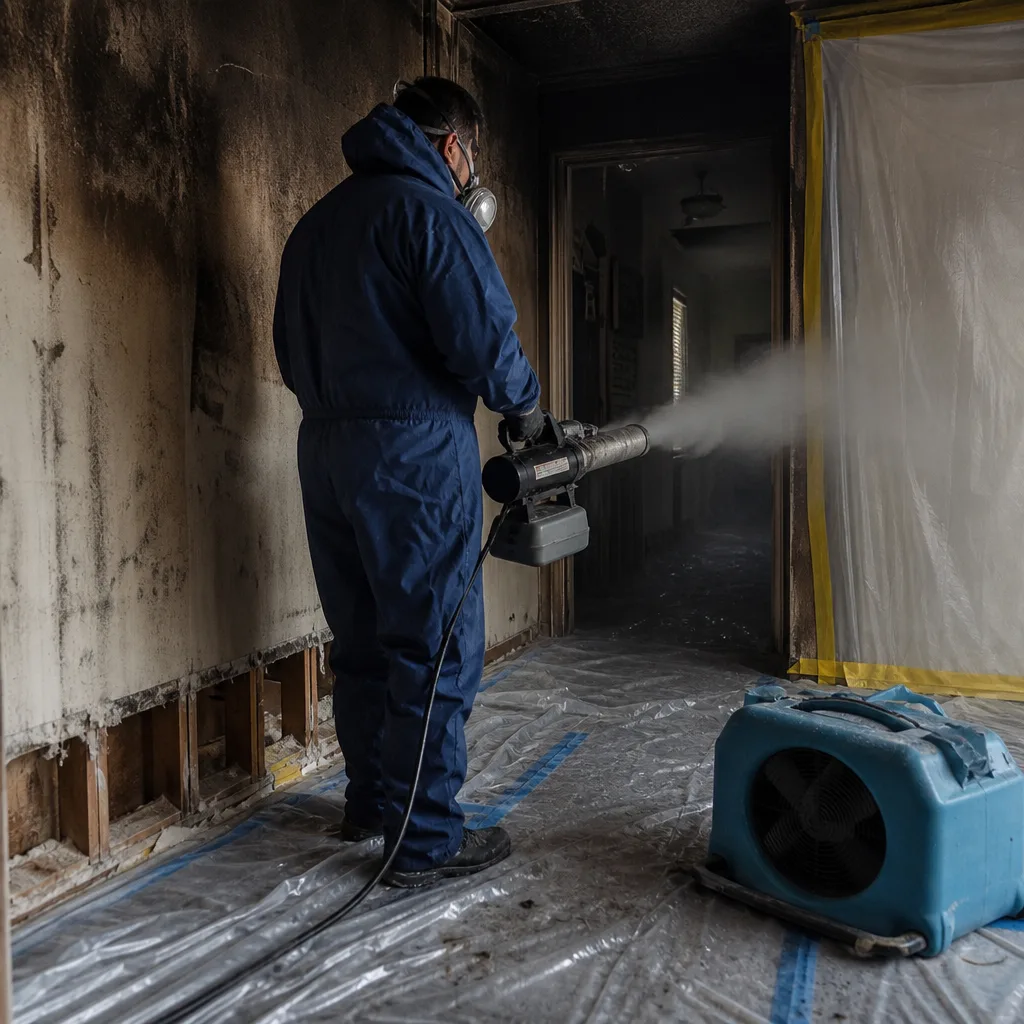
What happens when you call
- 1
A real person answersNo phone trees - you reach a local pro.
- 2
You get an upfront price rangeHonest numbers before anyone is dispatched.
- 3
A background-checked tech heads outLicensed & insured, dispatched right away.
- 4
You approve before work beginsNothing starts until you say go.
Fire & Smoke Damage Restoration Costs in Fallbrook, CA
Emergency board-up and stabilization in Fallbrook typically runs $800-$2,400 depending on opening count and roof access difficulty. Smoke and soot removal for a single-room kitchen fire with limited migration averages $3,500-$6,200. Whole-structure restoration involving structural fire repair, contents pack-out, and reconstruction starts around $12,000 and can exceed $45,000 for hillside homes with extensive exposed-beam involvement.
What moves the price: soot type (protein residue requires more labor than dry soot), square footage of smoke migration, structural involvement requiring engineering review, and the fire-then-flood complication that adds water mitigation to fire restoration. Insurance typically covers direct fire and smoke damage plus water from firefighting; post-fire mudflow coverage varies by policy and requires documentation of the soil condition link.
We provide a free visual inspection and written price before any work begins - Haven Standard, Clause 1. Bring a competitor’s written estimate and we’ll review it at no charge.
We Also Serve Cities Near Fallbrook
Our crews respond throughout northern San Diego County, including Vista, Oceanside, Valley Center, and Carlsbad. Each community shares Fallbrook’s chaparral-fire exposure to varying degrees, though Fallbrook’s position between Camp Pendleton and Cleveland National Forest creates the most concentrated ember-intrusion risk in the region.
Serving Fallbrook, CA - Our Local Coverage Area
We’re based in the Fallbrook area and know this community well. Use the map below to see our service coverage - if you’re nearby, we can almost certainly help.
Fallbrook Fire & Smoke Damage Restoration Questions, Answered
How does Fallbrook’s fire-then-flood cycle affect fire damage restoration?
Fire damage restoration in Fallbrook must account for a second wave of damage that coastal cities rarely see.
After wildfire bakes chaparral soils, they become hydrophobic - water sheets off rather than absorbing. The first heavy winter rain sends flash floods and sediment loads into low-lying structures, often carrying ash and contaminants that create Category 3 water conditions. We scope every fire job with this possibility in mind, documenting soil conditions and advising homeowners on drainage monitoring. If post-fire flooding occurs within our 365-Day Done Right Promise period, we return to address it. Call (760) 421-5658 for a free inspection.
Can wind-driven embers enter my Fallbrook home even if the fire didn’t reach it?
Yes, and this is one of the most common loss scenarios we see in Fallbrook.
Santa Ana winds can propel embers hundreds of yards ahead of a fire front. These embers enter through roof vents, eave gaps, and failed door or window seals - igniting attic insulation or wall cavities while the exterior appears untouched. We use thermal imaging to locate these hidden ignition points, then establish containment and air filtration before opening cavities for inspection. The damage is often discovered days after evacuation, when smoke odor becomes apparent. Call (760) 421-5658 for emergency assessment.
What should I do if my drip irrigation system was damaged in a windstorm and I suspect water damage?
Shut off the irrigation mainline at your pressure regulator or well pump, then call us for moisture mapping.
Fallbrook’s agricultural parcels run extensive drip and micro-spray systems that can saturate foundations for days before detection, especially if a mainline fails after a freeze or wind event. We use thermal imaging and penetrating moisture meters to track water migration through slab and subfloor, document the source as irrigation rather than firefighting (affecting claim categorization), and dry the structure before mold or structural compromise develops. Call (760) 421-5658 - estimates are free.
How do you handle smoke odor in Fallbrook’s exposed-beam and wood-sided homes?
Exposed-beam construction gives smoke molecules enormous surface area to penetrate, and wood siding allows vapor pressure to drive odor deep into wall cavities.
We start with soot type identification and pH testing, then apply cleaning chemistry matched to the residue. For beam pockets and cavity spaces, we use thermal fogging to deliver deodorizing compounds at particle sizes that follow the same migration paths smoke took. Multiple treatment passes are common in Fallbrook’s custom hillside builds; we document each with moisture and odor readings until clearance is achieved. Call (760) 421-5658 to schedule assessment.
Are manufactured homes in Fallbrook more vulnerable to fire and smoke damage?
Manufactured homes present specific vulnerabilities that differ from site-built construction.
Lightweight materials burn faster, smaller cavity spaces allow smoke to saturate quickly, and the marriage line between sections can separate under heat stress, creating hidden smoke pathways. Many Fallbrook manufactured homes also run on private wells and septic systems, so firefighting water or failed irrigation lines can overwhelm limited drainage and create sewage backup conditions. Our crews are trained to identify these compounding factors and document them for proper claim handling. Call (760) 421-5658 for a free inspection.
How fast can DryMark Restoration Fallbrook actually get here?
We commit to 45 minutes for Fallbrook addresses during active emergency events.
Crews stage equipment in northern San Diego County specifically for chaparral-fire response, and our dispatch is coordinated from the San Diego office with direct radio contact to field teams. Live answer 24/7 means no delay from voicemail callbacks. The first crew arrives with board-up materials, HEPA containment, and documentation equipment; stabilization begins immediately. Call (760) 421-5658 - we’re answering now.
Will insurance cover the full cost of fire and smoke restoration?
Most homeowner policies cover direct fire damage, smoke and soot removal, and water from firefighting as standard perils.
Post-fire mudflow or irrigation-line flooding may require separate flood or water-backup endorsements - coverage varies by carrier and policy year. We document every damage source with photos, moisture readings, and source identification to give your adjuster the evidence needed for maximum coverage. We also bill carriers directly and coordinate scope approvals so you’re not negotiating alone. Call (760) 421-5658 and we’ll review your situation at no charge.
What should I do in the first 30 minutes after discovering fire or smoke damage?
Ensure the structure is safe to enter, then call us before touching anything.
Soot is chemically active and easily ground into surfaces by improper cleaning attempts. Smoke odor compounds continue penetrating porous materials until professional stabilization begins. If the fire department used water, standing water accelerates structural damage and mold risk within hours. Our emergency line at (760) 421-5658 connects you directly to a live dispatcher who can guide immediate protective steps while crews mobilize. Free visual inspection begins on arrival.
Written by Alicia Brennan, Owner at Back to Dry Restoration, serving Fallbrook since 2011.
Fire & Smoke Damage Restoration in Nearby Areas