

Free visual inspection and a written scope of work before any mitigation begins - photos, moisture readings, and drying logs go in your claim file
The scope we write is the scope we bill. Anything new gets shown to you, in writing, before we touch it.
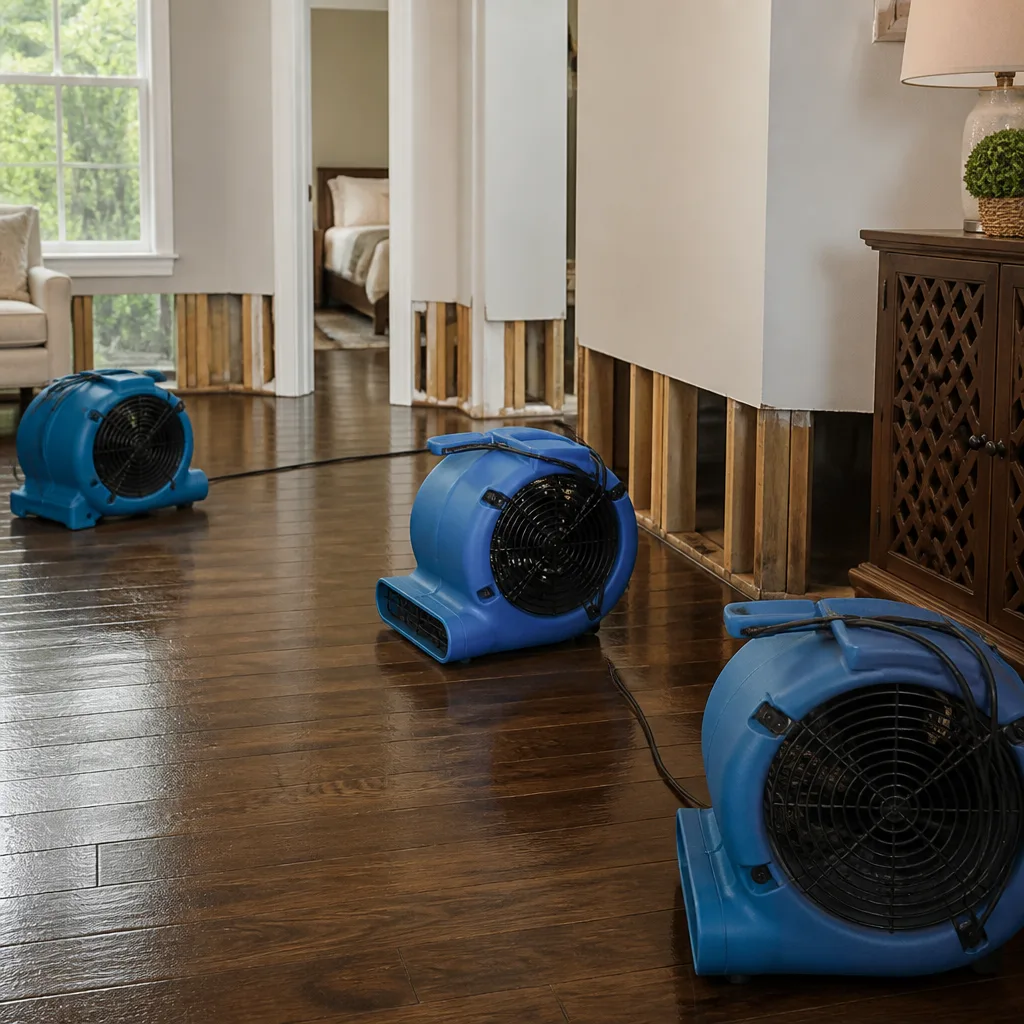
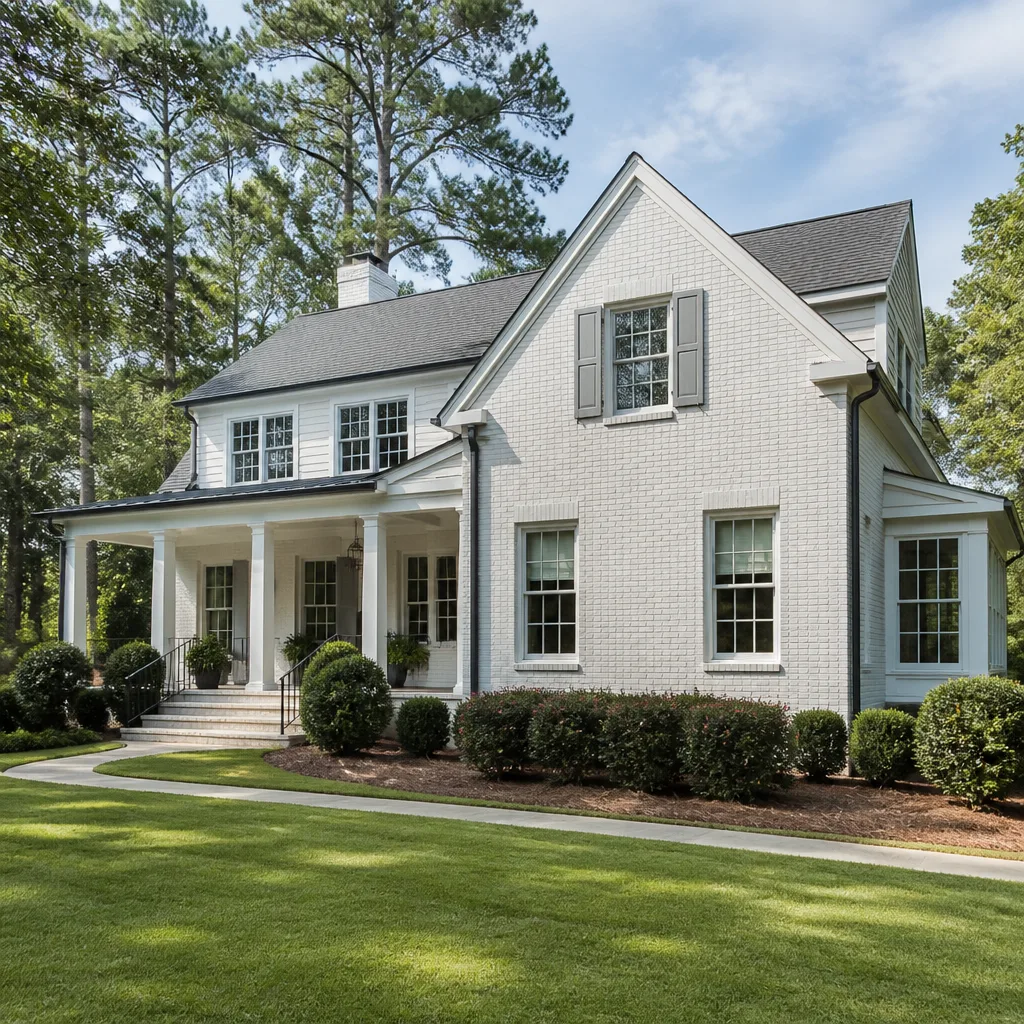
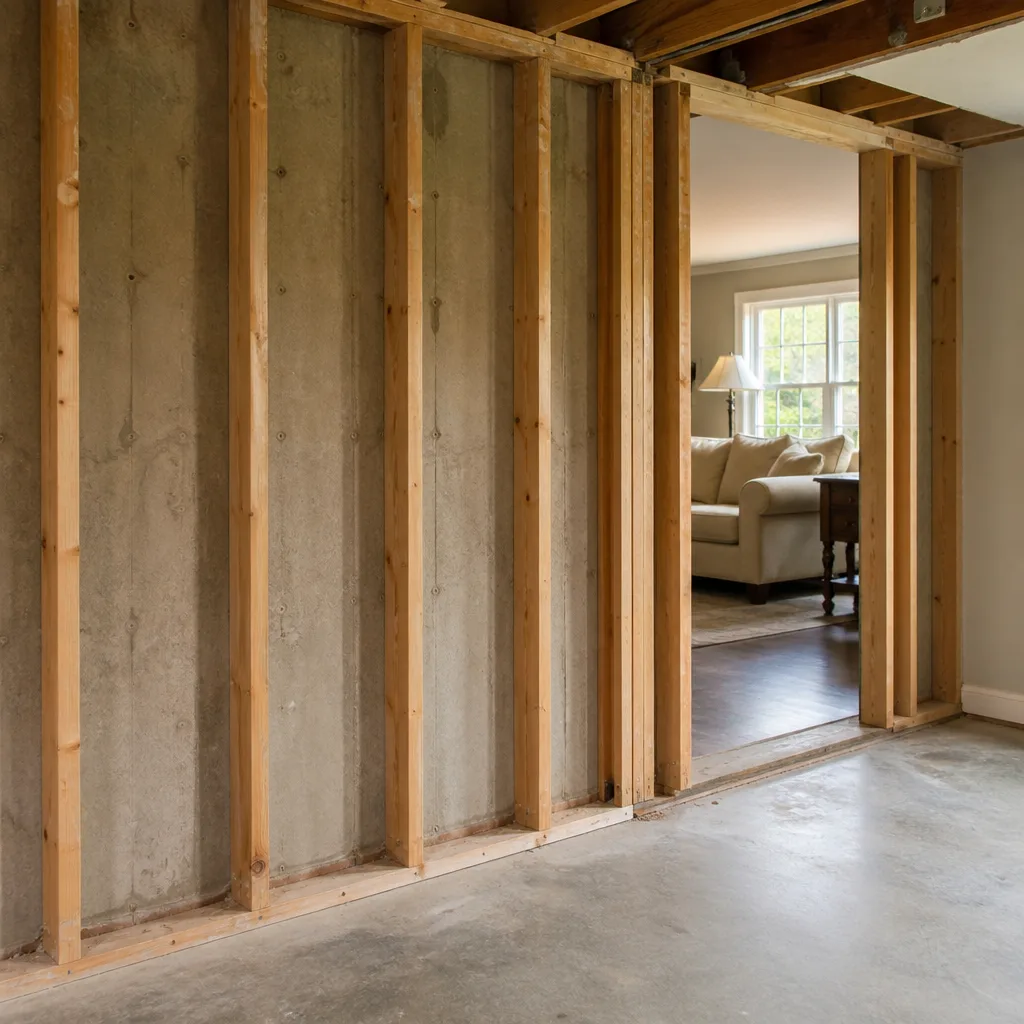
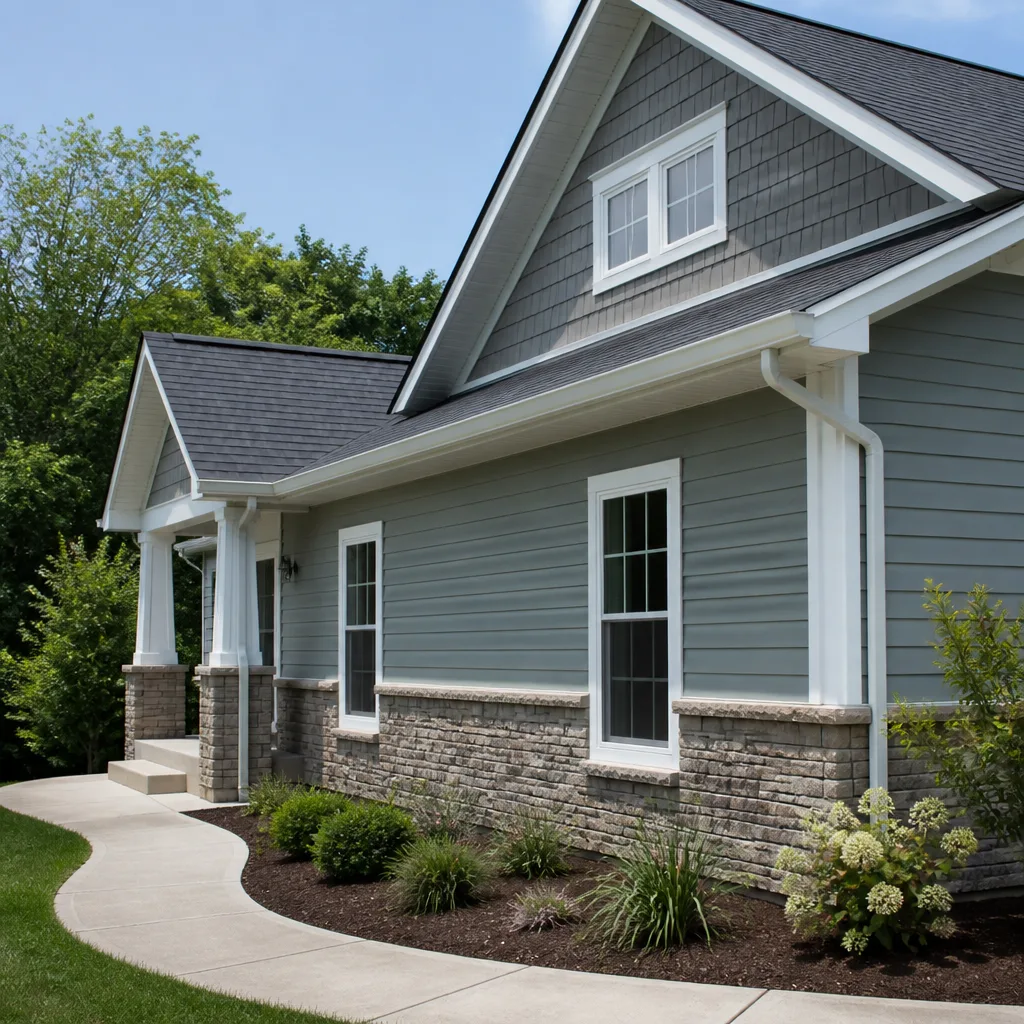
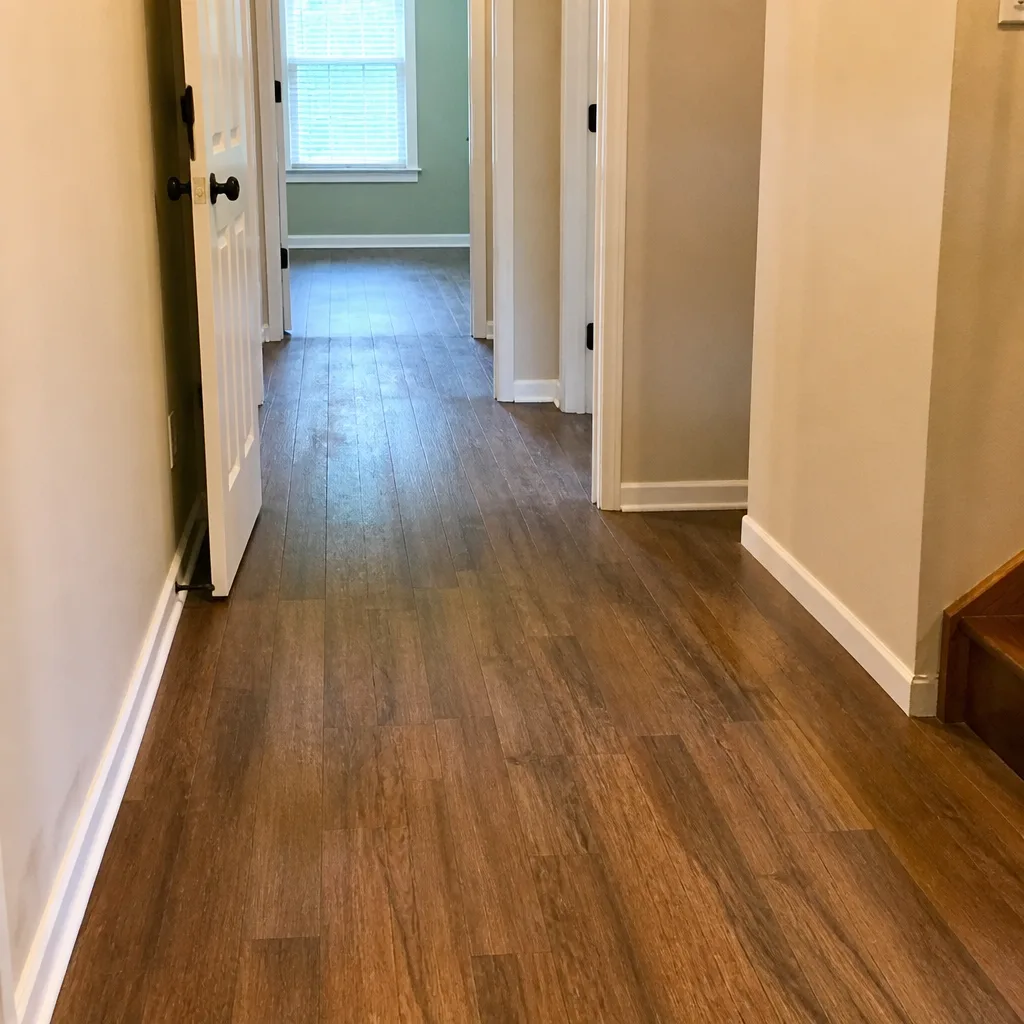

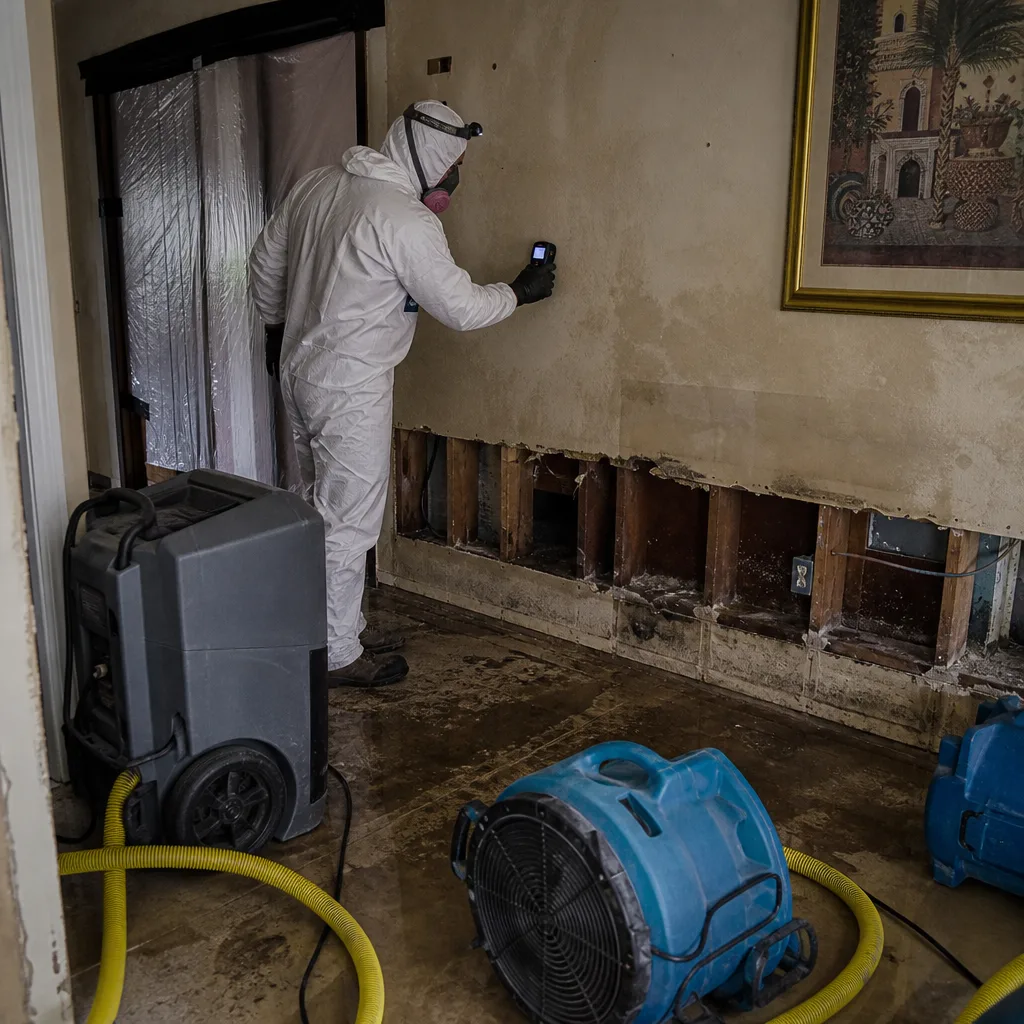 Before
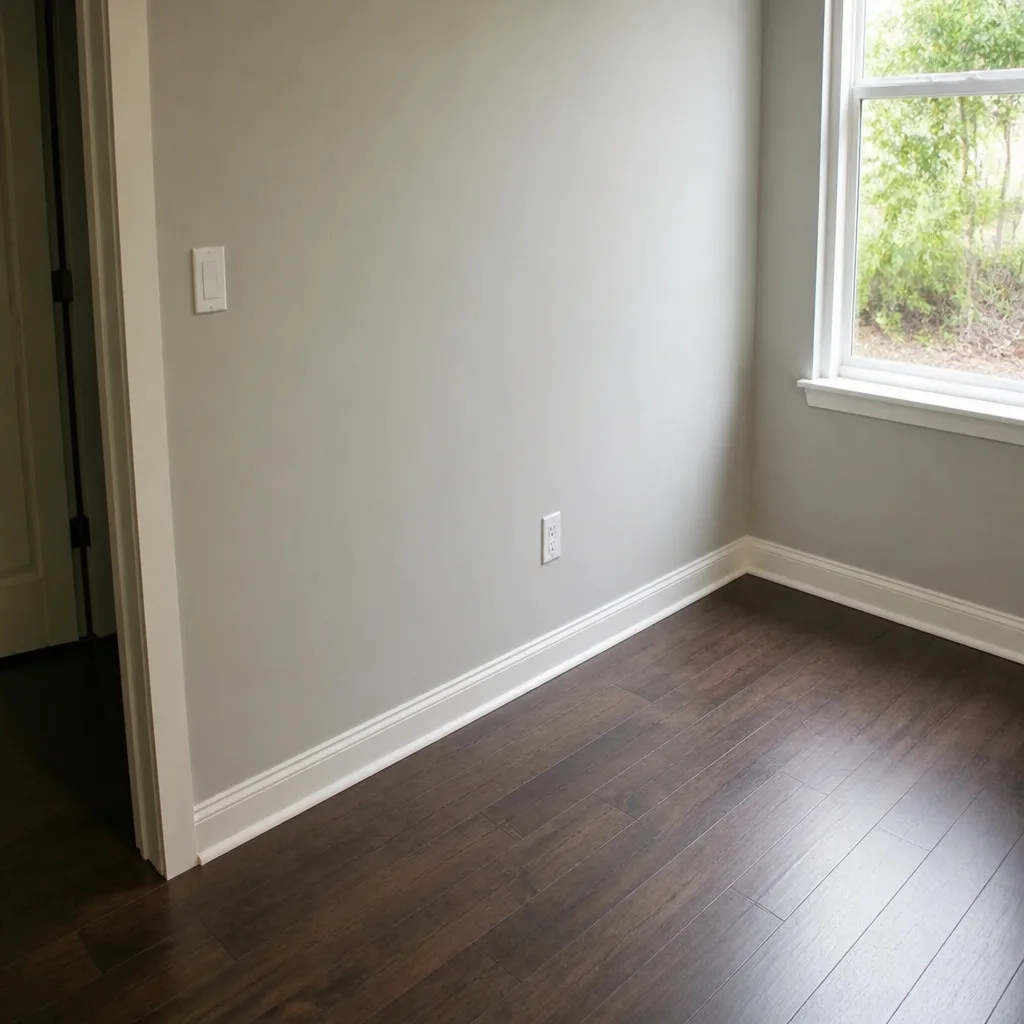 After
After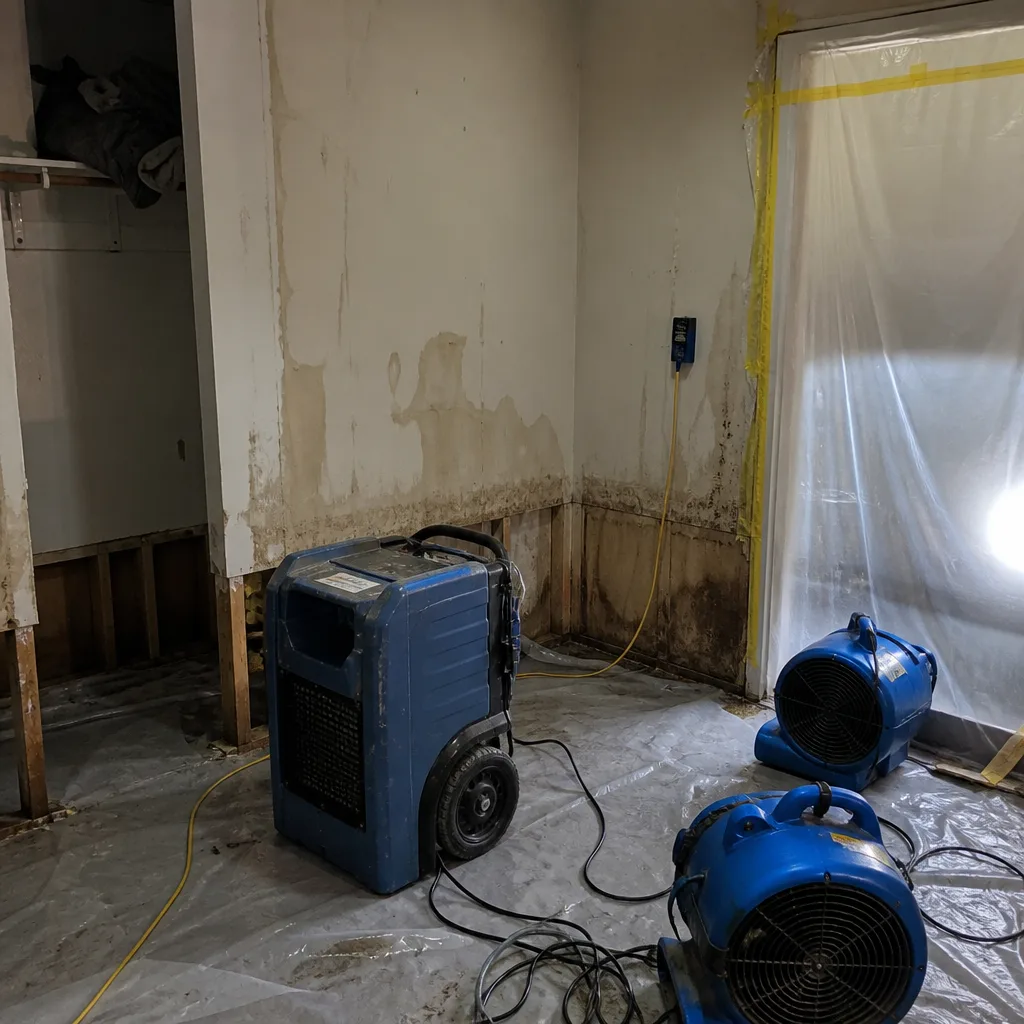 Before
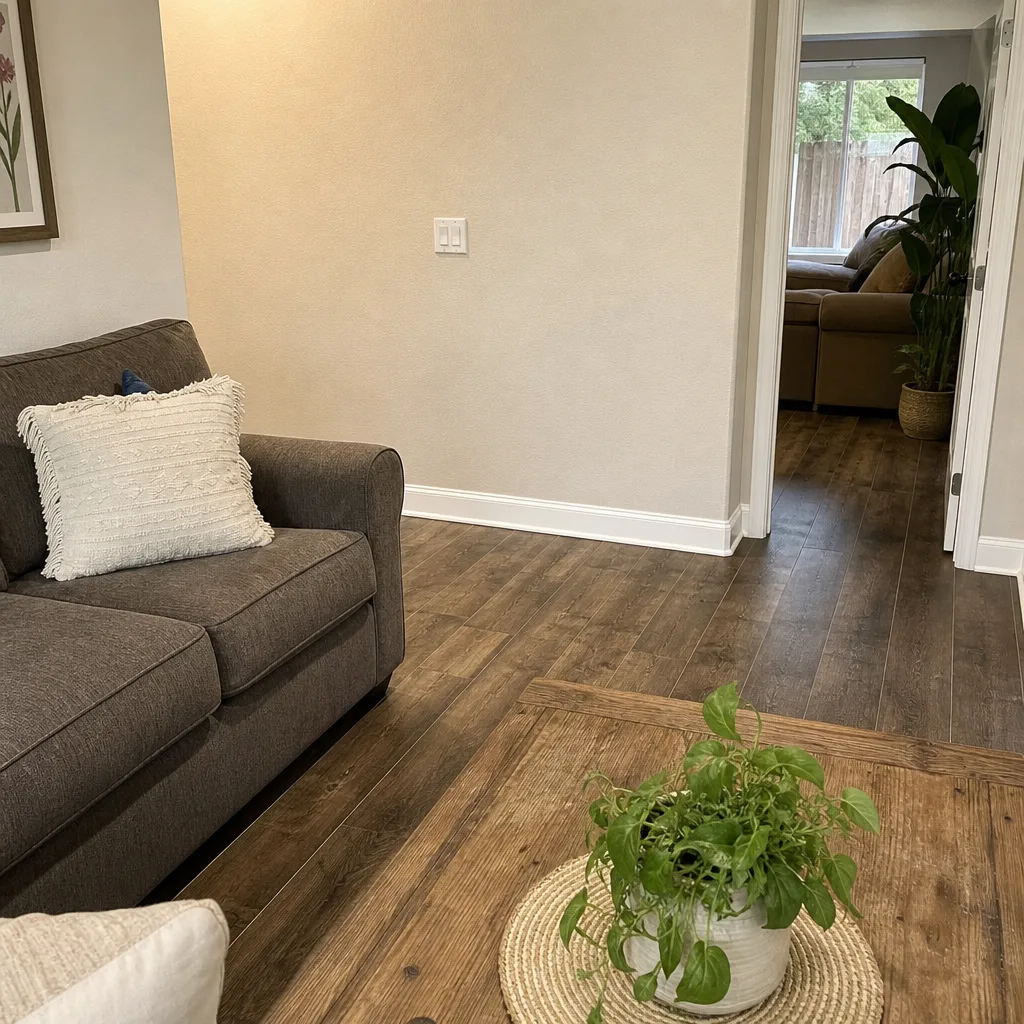 After
After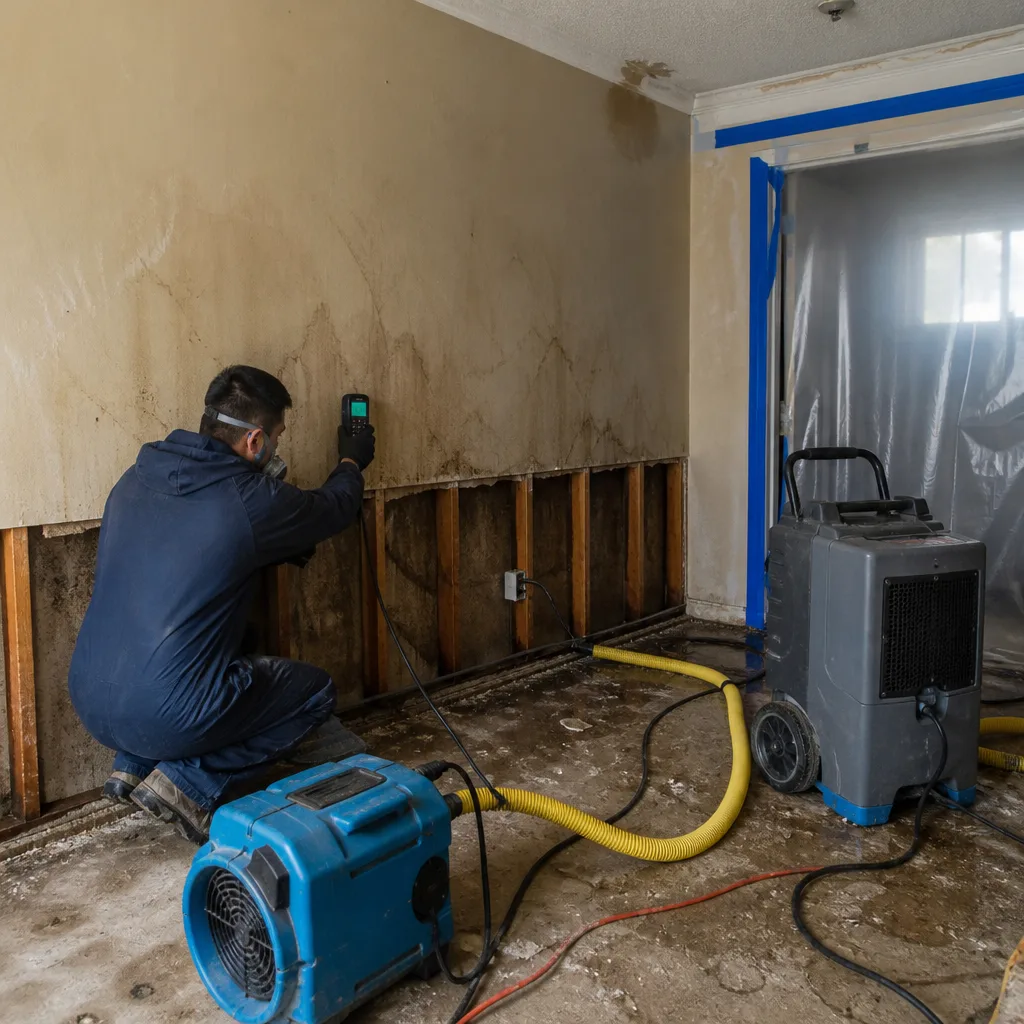 Before
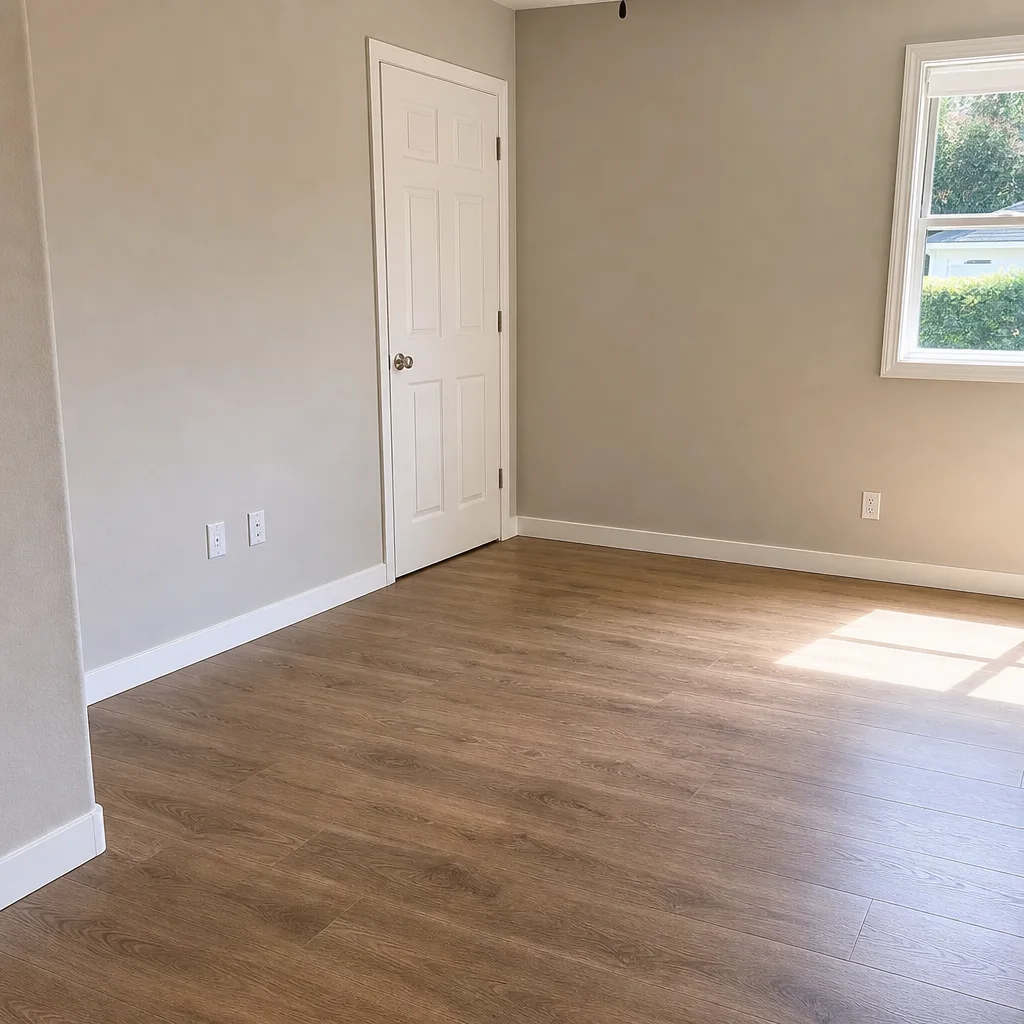 After
After24/7 Emergency Mold Remediation in Fallbrook
Mold remediation in Fallbrook typically costs $1,200-$4,500 for contained residential jobs and runs $5,000-$12,000+ when structural drying and reconstruction are needed. Most Fallbrook properties we see require 3-7 days of active remediation, with same-day containment setup when you call (760) 421-5658. Our phones are answered live, 24 hours a day, 7 days a week - no voicemail trees, no next-business-day callbacks while spore counts rise.
The first 24 hours after water intrusion are when mold colonies establish. In Fallbrook’s semi-arid climate, homeowners often miss slow leaks entirely: a drip-irrigation pressure regulator fails on an avocado parcel, a well line cracks under a 1960s ranch, and moisture accumulates in subfloors or crawl spaces for days before anyone smells it. By then, Category 1 water has become a Category 2 or 3 contamination problem, and the remediation scope has doubled. That’s why we offer free visual inspections with moisture mapping - we’ll show you exactly what’s wet, how wet it is, and what it takes to dry it properly.
Understanding Mold Remediation Severity in Fallbrook Properties
Mold severity isn’t measured by what you see on the wall. It’s measured by affected square footage, material classification, and the contamination category of the water source that fed it. In Fallbrook, we classify three tiers:
Limited contamination - under 10 square feet of visible growth, typically on non-porous surfaces like tile or sealed concrete, fed by Category 1 (clean) water. Remediation involves containment, HEPA vacuuming, and antimicrobial application. Common in hillside custom builds with isolated pipe leaks.
Moderate contamination - 10-100 square feet, often involving porous materials like drywall, carpet, or exposed-beam wood framing. This is where Fallbrook’s 1960s-1980s ranch stock shows its age: original drywall without moisture-resistant backing, single-pane windows that condense, and crawl spaces with inadequate vapor barriers. We establish full containment with negative air pressure, remove affected materials, and run air scrubbers with HEPA filtration.
Major contamination - over 100 square feet, or any amount involving HVAC systems, structural framing, or Category 3 (black) water sources. Fallbrook’s manufactured homes on private septic are particularly vulnerable: a backed-up septic line or irrigation mainline failure can saturate a subfloor for a week before detection. These jobs require full containment, tertiary drying with documented psychrometric data (temperature, relative humidity, and vapor pressure differential - the measurable force that actually pulls moisture from materials), and clearance testing by a third-party inspector before we release containment.
Why Fallbrook Property Owners Choose DryMark Restoration Fallbrook
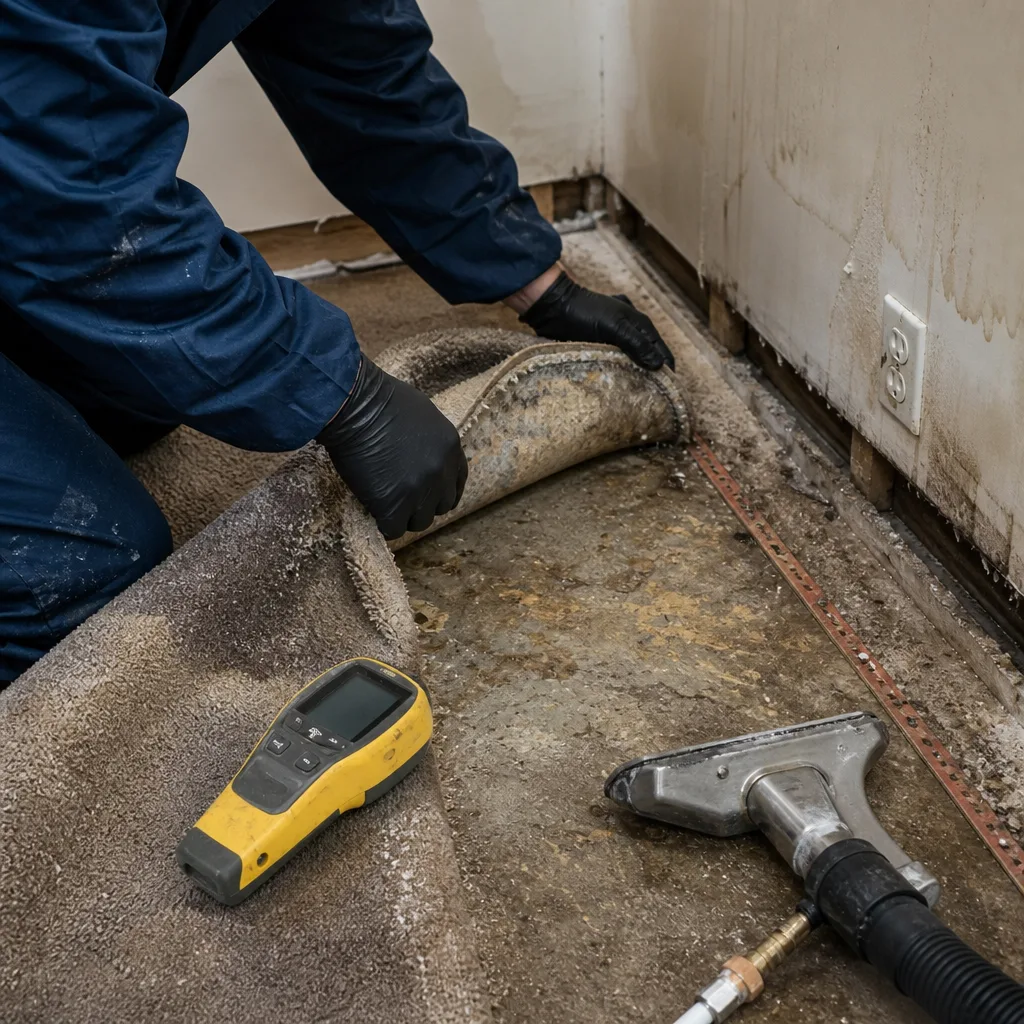
- 45-minute response commitment to Fallbrook addresses - our crews dispatch from the San Diego metro office with direct routing to your property.
- 24/7 live answer: a real person picks up every call, never an automated system or voicemail tree, because mold doesn’t wait for business hours.
- IICRC-certified crews holding WRT (Water Damage Restoration Technician), AMRT (Applied Microbial Remediation Technician), and FSRT (Fire & Smoke Restoration Technician) credentials - the specific codes that matter for documentation your adjuster recognizes.
- Free visual inspection with moisture mapping and thermal imaging before any work is proposed.
- Direct insurance billing with photo-documented drying logs that turn restoration invoices into payable claims.
- One team from containment through reconstruction - no handoffs between subcontractors that lose accountability.
BeforeAfterOur Mold Remediation Process
1. Inspection & Assessment
We map moisture with thermal imaging and penetrating hygrometers, identify the water source, and classify the contamination level. In Fallbrook, this step often reveals irrigation or well-line failures rather than plumbing leaks - a critical distinction that changes the entire scope. You receive a written price before work begins, every time. Haven Standard, Clause 1.
2. Containment & Stabilization
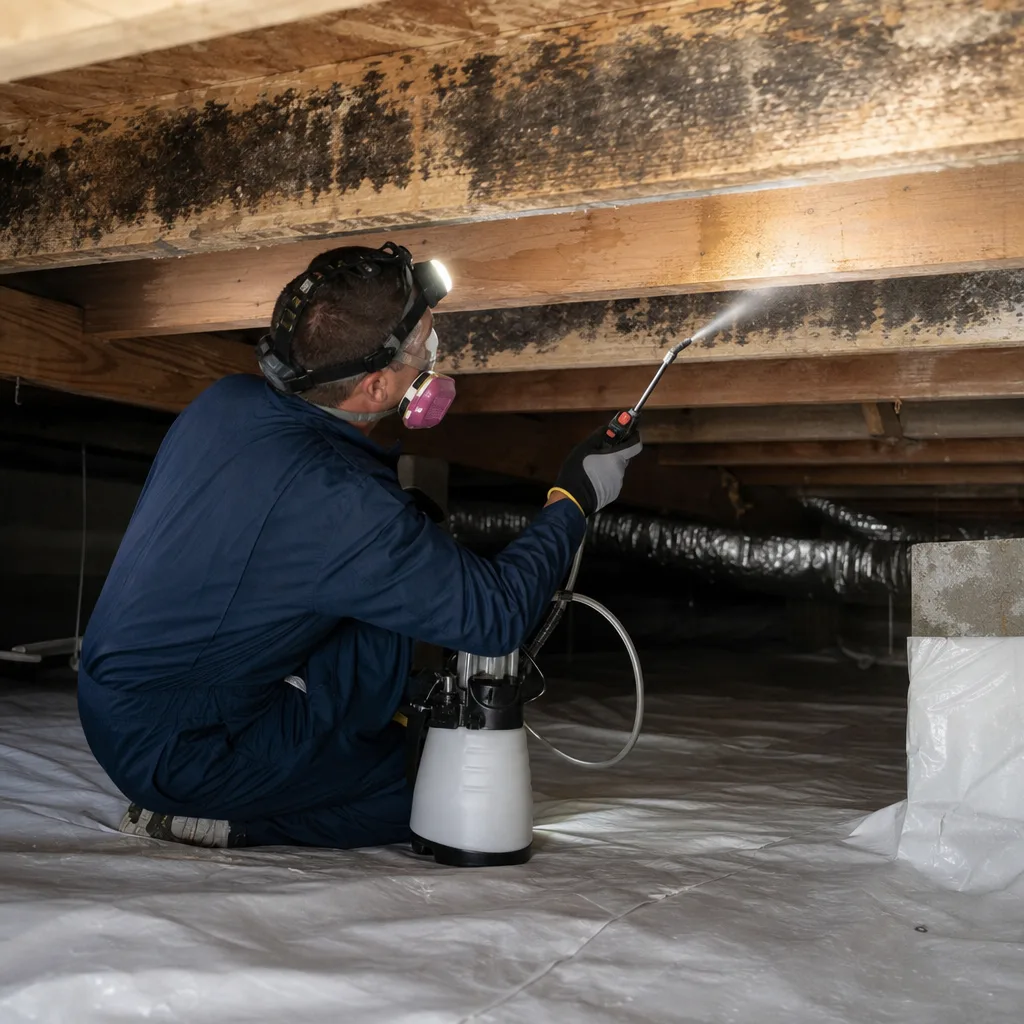
We seal the affected area with 6-mil polyethylene barriers and establish negative air pressure using HEPA-filtered air scrubbers. This prevents spore migration to clean areas of your home. For Fallbrook’s open-plan hillside builds with exposed-beam construction, containment design is more complex - we account for air pathways that don’t exist in standard tract construction.
3. Structural Drying & Dehumidification
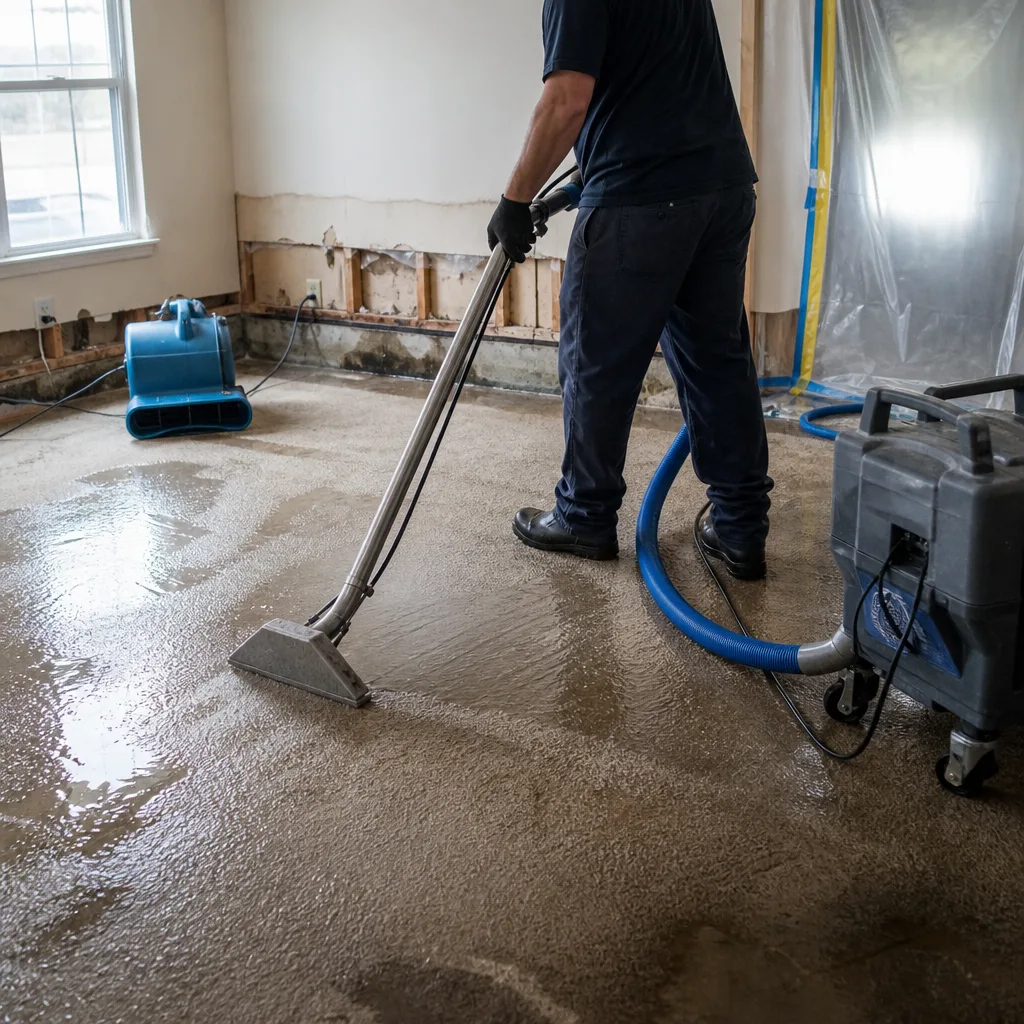
We deploy Dri-Eaz and Phoenix dehumidifiers with XPOWER air movers, monitoring daily with psychrometric readings to document progress. Tertiary drying - the final phase where bound moisture is extracted from deep within materials - is where sloppy contractors declare victory too early. We don’t remove equipment until readings prove the structure is dry, not just surface-dry.
4. Cleaning & Antimicrobial Treatment
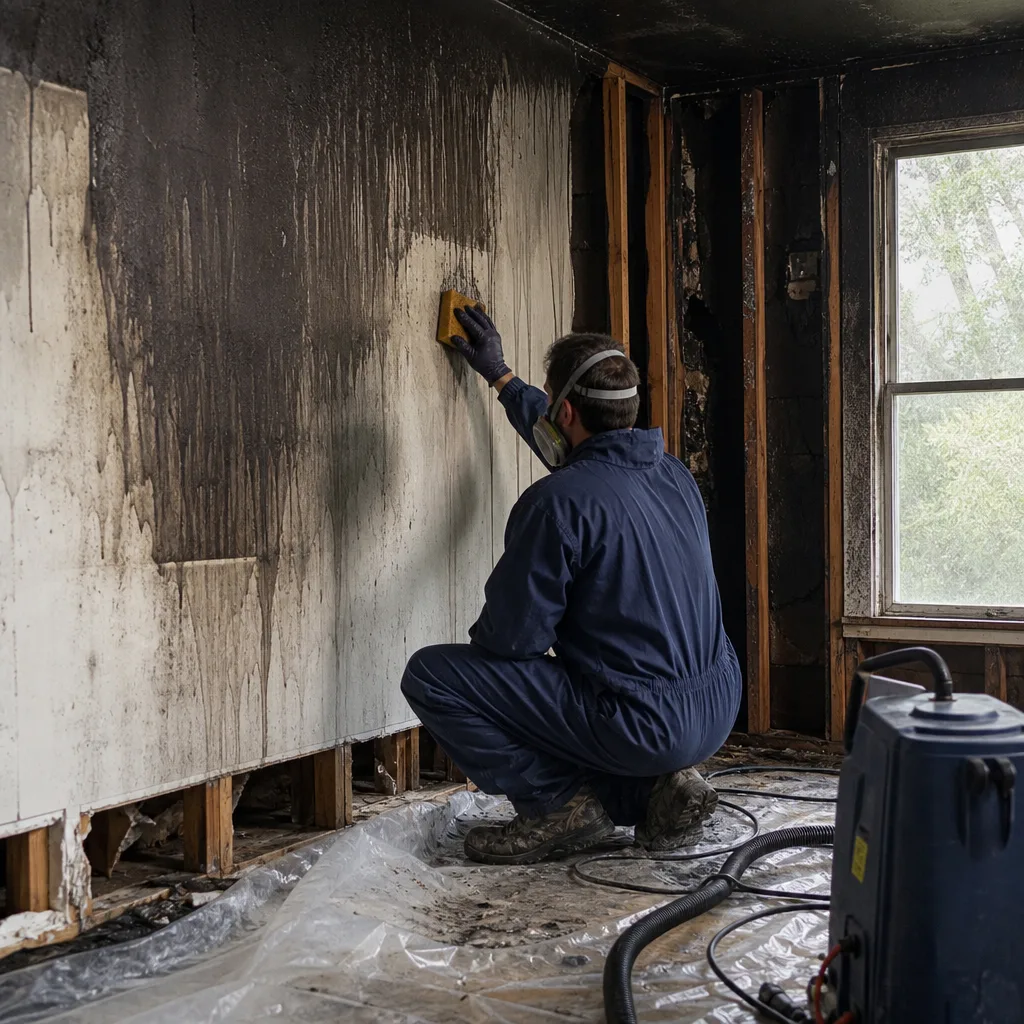
HEPA vacuuming removes spores from all surfaces, followed by EPA-registered antimicrobial application on affected framing and subfloors. In Fallbrook’s fire-then-flood corridor, we often encounter soot residue mixed with mold - a combination that requires sequential treatment, not a single-product spray.
5. Air Quality Restoration & Clearance Testing
We run continuous air scrubbing and measure spore counts with laser particle counters. For jobs over 100 square feet or involving sensitive occupants, we recommend third-party clearance testing before containment removal. This documentation protects you at claim time and at resale.
6. Repairs & Moisture Control
We replace removed drywall, insulation, and flooring, then install or upgrade moisture control systems - vapor barriers, improved drainage, dehumidification - to prevent recurrence. In Fallbrook, this often means addressing the irrigation or drainage source that caused the problem, not just the mold it produced.
Need Emergency Mold Remediation in Fallbrook Now?
Crews minutes away, answering live 24 hours a day. The sooner we start, the less it costs.
Working With Your Insurance Company
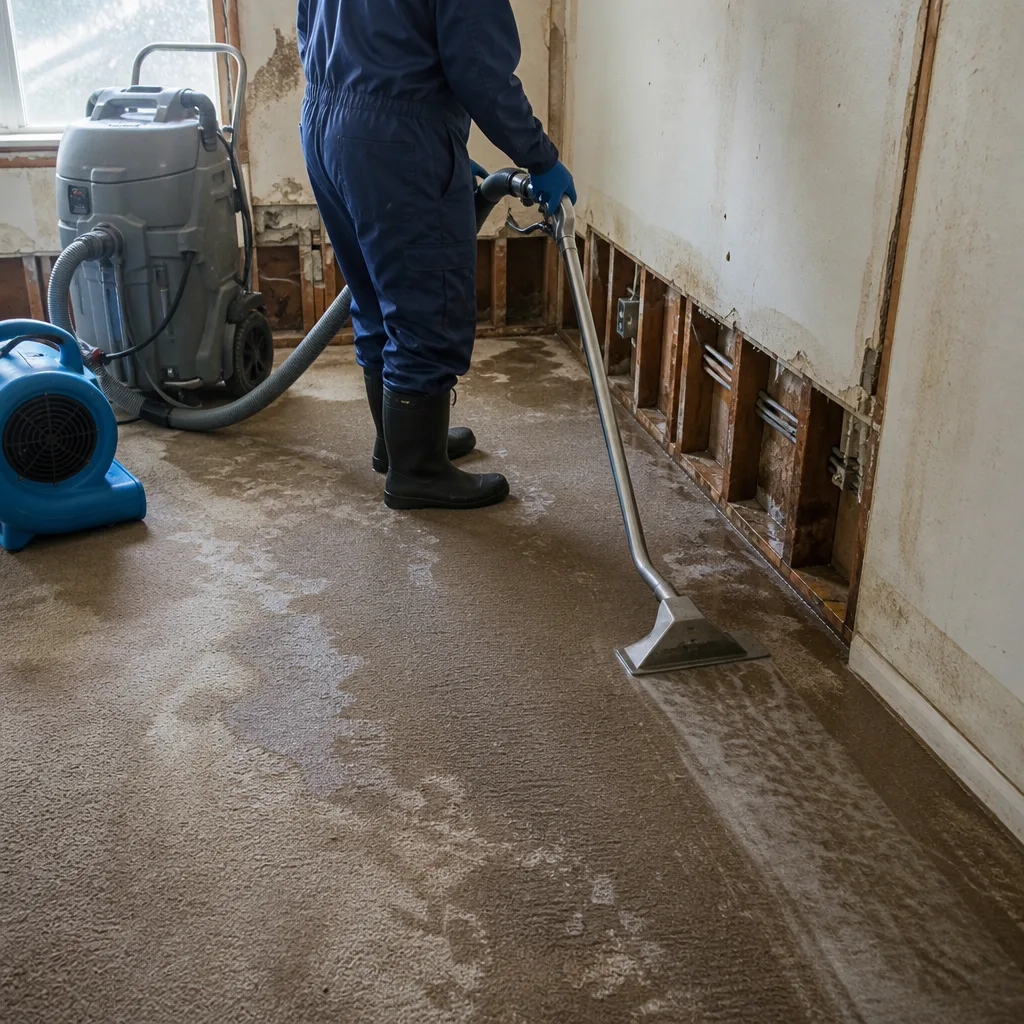
Insurance claims succeed or fail on documentation. We know this because our company was founded in 2011 by a former claims adjuster who built the entire operation around the documentation gap that costs homeowners their settlements. From the first hour on your Fallbrook property, we photograph every room, record moisture readings at every access point, and maintain daily drying logs that meet IICRC, RIA, and IFA standards.
Your adjuster receives a line-item scope with material classifications, labor hours, and equipment deployment logs - not a lump-sum invoice that triggers review delays. We coordinate directly with your carrier, answer their documentation requests, and provide the evidence that turns a questioned claim into a paid one. Our photo record is included as standard, never sold as an upsell.
What We Provide Your Insurer
- Thorough documentation of the loss
- Photos of all damage, room by room
- Moisture readings and drying logs
- A detailed, line-item scope of work
- Direct coordination with your carrier
Built for Fallbrook’s Loss Calendar
Fallbrook’s mold season doesn’t follow the calendar you’d expect. Summer’s dry heat seems safe, but it’s when irrigation systems run hardest - and when a freeze-damaged pressure regulator or wind-torn mainline fails unnoticed for days. The semi-arid Mediterranean climate bakes chaparral soils to hydrophobicity; they repel water like pavement. Then the first heavy winter rains arrive, sheeting off hillsides with little absorption, overwhelming drainage, and sending flash floods and sediment into low-lying structures.
January through March brings the worst compound risk: post-wildfire slopes stripped of vegetation, saturated by repeated storms, shedding mud and water into homes that may have already suffered smoke damage months before. We’ve seen properties near the Santa Margarita River corridor take water three times in a single winter, each intrusion reactivating mold colonies that weren’t fully eliminated because the previous contractor never addressed the drainage failure. Spring brings relative stability, but also the discovery of winter damage as homeowners open crawl spaces and storage areas that stayed closed through the cold months.
Mold Remediation Across Fallbrook’s Neighborhoods
Fallbrook’s geography creates distinct mold risk profiles by area, and our response routes are planned accordingly.
Live Oak Canyon and the hillside corridors east of Interstate 15 hold custom builds from the 1970s and 1980s with exposed-beam construction, wood siding, and crawl spaces that trap moisture from upslope drainage. These properties see slow, hidden leaks in foundation perimeters and subfloor rot that progresses for months before detection. Our moisture mapping here is exhaustive - we check every beam pocket and sill plate.
The agricultural parcels along Reche Road and Mission Road are where we find the irrigation failures that don’t exist in suburban San Diego. A 2-inch mainline running to a 10-acre avocado grove can deliver 100+ gallons per hour. When the pressure regulator fails after a Santa Ana wind event or freeze, that water can saturate a ranch home’s foundation for a week before anyone walks the property line and notices the mud. We were called to a ranch-style home off Reche Road after the homeowner noticed a musty odor near the hallway closet. Our techs ran moisture mapping and found elevated moisture readings in the subfloor extending from a failed drip-irrigation pressure regulator that had been leaking undetected for over a week. We set up containment, removed the affected drywall, applied antimicrobial treatment, and ran structural drying with Dri-Eaz dehumidification and XPOWER air movers for three days, documenting every step in our drying logs for the insurance scope of work.
The manufactured home communities near the downtown core and along South Mission Road present unique challenges: limited crawl space access, original vapor barriers that have degraded, and private well/septic systems that complicate source identification. Mold in these structures often spreads through the belly wrap and floor cavity before visible growth appears on interior walls. We use boroscope inspection and selective floor cuts to map the full extent.
Properties in the De Luz area and other low-lying zones near seasonal creek beds face the fire-then-flood cycle most acutely. Post-wildfire hydrophobic soils send winter runoff directly into foundations and crawl spaces. Remediation here must include not just mold removal but drainage assessment and moisture control system design, or the mold returns with the next rain.
Specialized Mold Remediation Services We Offer in Fallbrook
Mold Inspection & Testing
Our inspections start with moisture mapping, thermal imaging, and air sampling - not a visual walkthrough that misses hidden growth. In Fallbrook, we specifically test for irrigation-source contamination and well-water intrusion patterns that standard inspections overlook. Air samples are analyzed by independent laboratories; you receive the lab report, not our interpretation of it.
Mold Removal
We remove affected materials following IICRC S520 standards for professional mold remediation, with containment and negative air pressure on every job. For Fallbrook’s older ranch homes with original drywall and no moisture-resistant backing, removal is often more extensive than homeowners expect - but less extensive than it becomes if you wait. We document every square foot removed with photos.
Black Mold Remediation
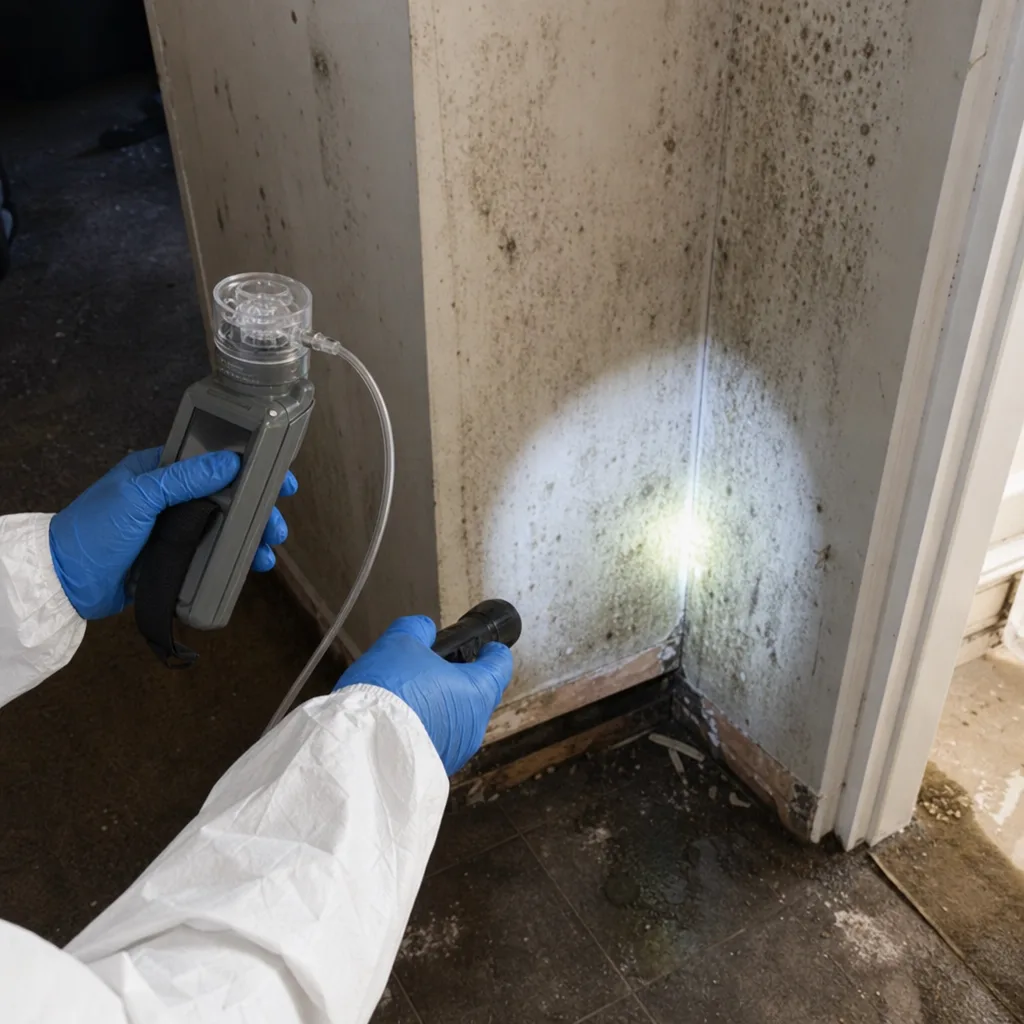
Stachybotrys and other toxigenic molds require enhanced containment, full-face respirator protocols, and specialized disposal. We don’t use scare tactics - we use moisture readings and lab identification to determine when enhanced protocols are actually warranted, and we show you the documentation.
Air Quality Restoration
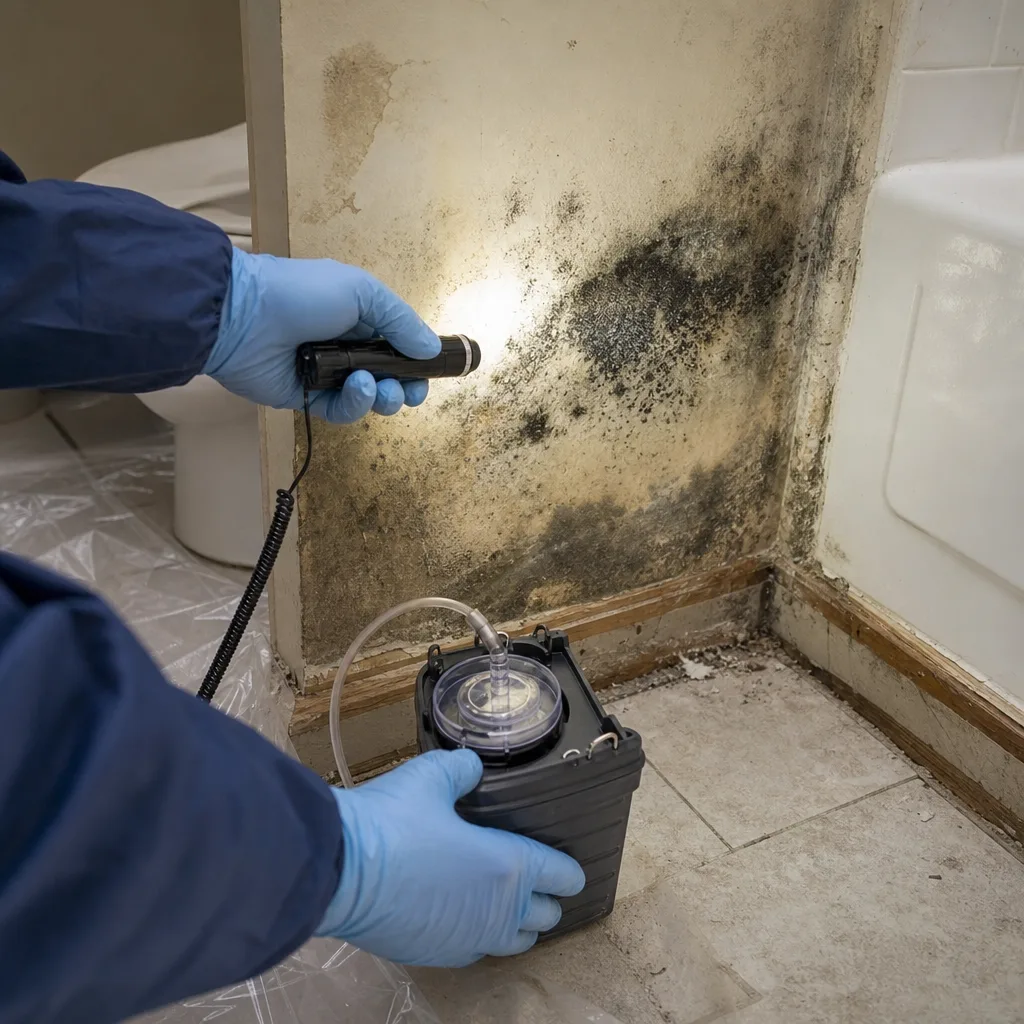
Post-remediation, we run HEPA air scrubbers and measure particulate counts with laser counters. For Fallbrook properties with HVAC systems that may have circulated spores, we inspect ductwork and recommend cleaning when contamination is confirmed, not speculated.
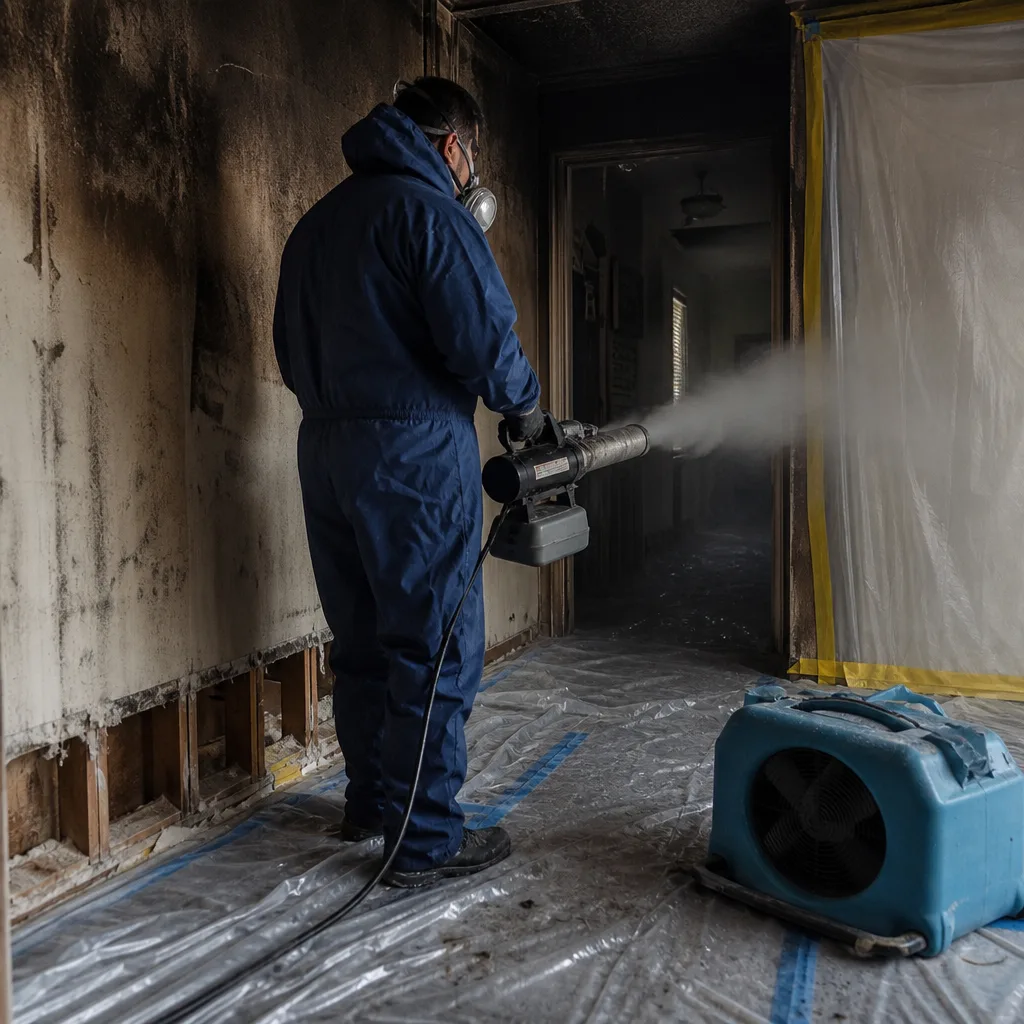
Crawl Space Treatment
Fallbrook’s crawl spaces - especially in hillside builds and manufactured homes - are where we find the most undetected mold. We install vapor barriers, improve ventilation, and treat framing with antimicrobial protectants. For properties on hydrophobic soils with recurring moisture, we design drainage improvements, not just repeated remediation.
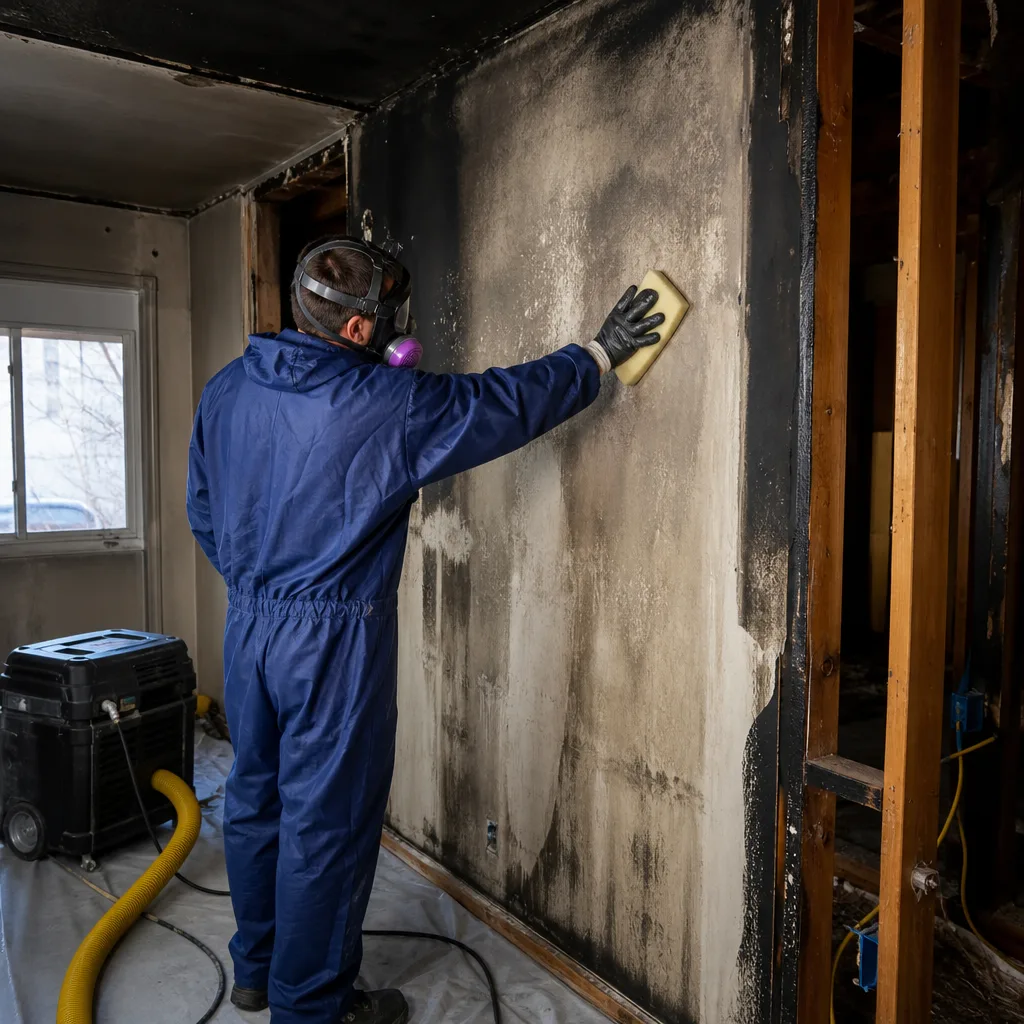
Moisture & Humidity Control
We install permanent dehumidification and monitoring systems for properties with chronic moisture issues. In Fallbrook, this often means addressing the source: irrigation system redesign, drainage correction, or well-line repair coordination. Treating mold without fixing the moisture source is temporary work, and we don’t do temporary work.
What happens when you call
- 1
A real person answersNo phone trees - you reach a local pro.
- 2
You get an upfront price rangeHonest numbers before anyone is dispatched.
- 3
A background-checked tech heads outLicensed & insured, dispatched right away.
- 4
You approve before work beginsNothing starts until you say go.
Mold Remediation Costs in Fallbrook, CA
Here are the actual ranges we see in the Fallbrook market:
| Service | Typical Range in Fallbrook |
|---|---|
| Limited mold remediation (under 10 sq ft, non-porous) | $1,200 - $2,800 |
| Moderate remediation (10-100 sq ft, porous materials) | $3,500 - $7,500 |
| Major remediation (100+ sq ft, structural involvement) | $8,000 - $15,000+ |
| Crawl space treatment with vapor barrier | $2,500 - $6,000 |
| Air quality testing (independent lab) | $350 - $750 |
| Third-party clearance testing | $400 - $900 |
What moves the price: the contamination category of the water source (Category 3 adds disposal and PPE costs), the percentage of porous materials affected, whether containment must cross multiple rooms or floors, and whether the moisture source requires coordination with well or irrigation contractors. Insurance typically covers mold remediation when the underlying water damage is a covered peril - sudden pipe failure, storm intrusion, fire suppression - but may exclude long-term maintenance issues like a slowly failing irrigation line that was never repaired. We review your policy language with you and document the loss to maximize covered portions. Call (760) 421-5658 for a free visual inspection and written price before any work begins - Haven Standard, Clause 1.
We Also Serve Cities Near Fallbrook
Our crews respond throughout northern San Diego County from the San Diego metro office, with regular dispatch to Fallbrook and neighboring communities. We also serve Vista, Oceanside, Valley Center, and Carlsbad with the same documentation standards and written-price guarantee.
Serving Fallbrook, CA - Our Local Coverage Area
We’re based in the Fallbrook area and know this community well. Use the map below to see our service coverage - if you’re nearby, we can almost certainly help.
Fallbrook Mold Remediation Questions, Answered
Why does mold remediation in Fallbrook often take longer than in nearby Temecula or Murrieta?
Fallbrook’s combination of private well and septic systems, extensive irrigation infrastructure, and post-wildfire hydrophobic soils means we spend more time tracing the true water source before remediation can begin.
In Temecula or Murrieta, a mold job is often a straightforward plumbing leak with municipal water shutoff and clear source identification. In Fallbrook, we regularly find that the moisture feeding mold colonies originated from a failed drip-irrigation pressure regulator, a cracked well line, or winter rain sheeting off fire-baked hillsides into a foundation. Each of these requires source repair coordination - with irrigation specialists, well drillers, or drainage contractors - before we can guarantee the mold won’t return. We don’t cut corners on source identification; it’s why our remediation stays done. Call (760) 421-5658 for an inspection that finds the real cause.
Can mold grow in a Fallbrook home even if we haven’t had a visible leak?
Yes, and it’s more common here than in most San Diego County markets.
Fallbrook’s semi-arid climate trains homeowners to ignore moisture until they see water, but mold only needs 60% relative humidity and organic material to colonize. Slow irrigation leaks under agricultural parcels, condensation in crawl spaces from temperature differentials, and humidity trapped in manufactured-home belly wraps can all sustain mold without ever producing a visible puddle. We use thermal imaging and moisture meters to find these hidden sources. If your Fallbrook home has a musty smell you can’t locate, that’s reason enough to call (760) 421-5658 for a free inspection.
How do you handle mold remediation in Fallbrook’s older manufactured homes?
Manufactured homes require modified containment, limited demolition, and careful attention to the belly wrap and floor cavity where mold spreads unseen.
Fallbrook has a significant manufactured home stock, many dating to the 1970s and 1980s with original vapor barriers that have degraded to the point of trapping moisture rather than excluding it. We use boroscope inspection to examine floor cavities without unnecessary floor cuts, and we coordinate with specialized contractors for belly-wrap replacement when needed. Our goal is full remediation with minimum disruption to a structure that wasn’t designed for extensive reconstruction. Written price before work begins, every time. Call (760) 421-5658.
Does the fire-then-flood cycle in Fallbrook affect mold remediation?
Yes, it creates compound contamination that requires sequential treatment and extended drying protocols.
When wildfire strips hillside vegetation and bakes soil to hydrophobicity, the following winter rains send mud, ash, and sediment into structures along with water. This produces Category 3 (black) water contamination with elevated pH from ash, plus soot residue that must be cleaned before antimicrobial treatment can bond properly. We’ve remediated properties near Live Oak Canyon and De Luz where mold grew on framing that still carried smoke residue from a fire six months earlier. The remediation timeline extends because we must address both damage types without cross-contaminating clean areas. Documentation is critical for insurance on these complex losses. Call (760) 421-5658 for assessment.
What should we do if our Fallbrook home has a musty smell after the winter rains?
Call for inspection immediately - musty odor is mold’s first signal, and in Fallbrook’s fire-then-flood cycle, it often indicates hidden moisture in crawl spaces or foundation perimeters.
Don’t wait for visible growth. Run a fan or open windows for ventilation, but don’t disturb suspect materials - disturbed mold releases spores. Check your irrigation system for mainline breaks or pressure regulator failures, especially if you operate agricultural acreage. Note any areas where winter runoff pooled near the foundation. When we arrive, we’ll run thermal imaging and moisture mapping to find the source before proposing any work. The inspection is free, and you’ll receive a written price before any remediation begins. Call (760) 421-5658.
How fast can you actually get to Fallbrook?
We commit to 45-minute response times for Fallbrook addresses, with crews dispatched from our San Diego metro office.
Live phone coverage is available 24 hours a day, 7 days a week - a real person answers, never voicemail. For active mold containment emergencies, we prioritize same-day setup. For non-emergency inspections, we typically schedule within 24 hours. The sooner we establish containment and begin drying, the smaller the remediation scope and cost. Call (760) 421-5658 now.
Will insurance cover our mold remediation?
Insurance covers mold remediation when the underlying water damage resulted from a sudden, accidental covered peril - burst pipes, storm intrusion, fire suppression - but typically excludes damage from long-term maintenance issues or slow leaks.
Fallbrook’s irrigation failures complicate this: a sudden mainline break may be covered, while a pressure regulator that failed over months may not. We document the loss from hour one to support covered-peril arguments, and we review your policy language with you before work begins. Our photo records, drying logs, and line-item scopes are designed to withstand adjuster scrutiny. We also offer direct billing to your carrier. Call (760) 421-5658 to discuss your specific situation.
What certifications do your technicians hold?
Our technicians hold IICRC WRT (Water Damage Restoration Technician), AMRT (Applied Microbial Remediation Technician), and FSRT (Fire & Smoke Restoration Technician) certifications.
These are the specific credentials that insurance adjusters and industry standards recognize for mold remediation work. We maintain continuing education to keep current with IICRC S520 mold remediation standards and S500 water damage standards. Background checks and license verification are completed before any technician enters your property. Ask to see credentials at inspection - we bring them. Call (760) 421-5658.
Back to Dry Restoration has completed over 12,000 jobs since 2011, every one with a written price before work started and a documented record when the crew left. Our Mold Remediation team serves Fallbrook with the same standards: the 365-Day Done Right Promise under The Haven Standard, free second opinions on any competitor’s written estimate, and the documentation that turns restoration invoices into payable claims. If you’re seeing mold, smelling mustiness, or dealing with moisture you can’t explain, call (760) 421-5658. We’ll answer live, schedule your free inspection, and give you a written price before any work begins.
Written by Alicia Brennan, Owner at Back to Dry Restoration, serving Fallbrook since 2011.
Mold Remediation in Nearby Areas