

Free visual inspection and a written scope of work before any mitigation begins - photos, moisture readings, and drying logs go in your claim file
The scope we write is the scope we bill. Anything new gets shown to you, in writing, before we touch it.
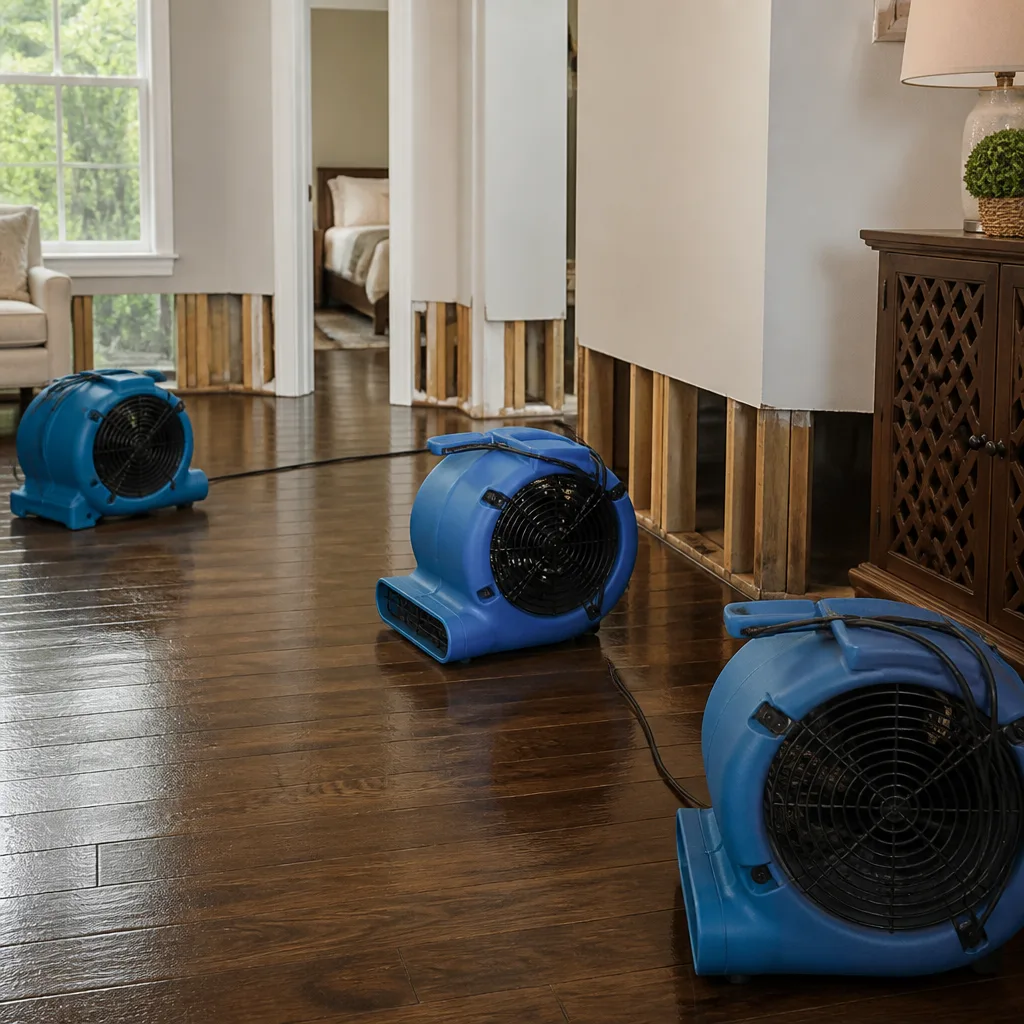
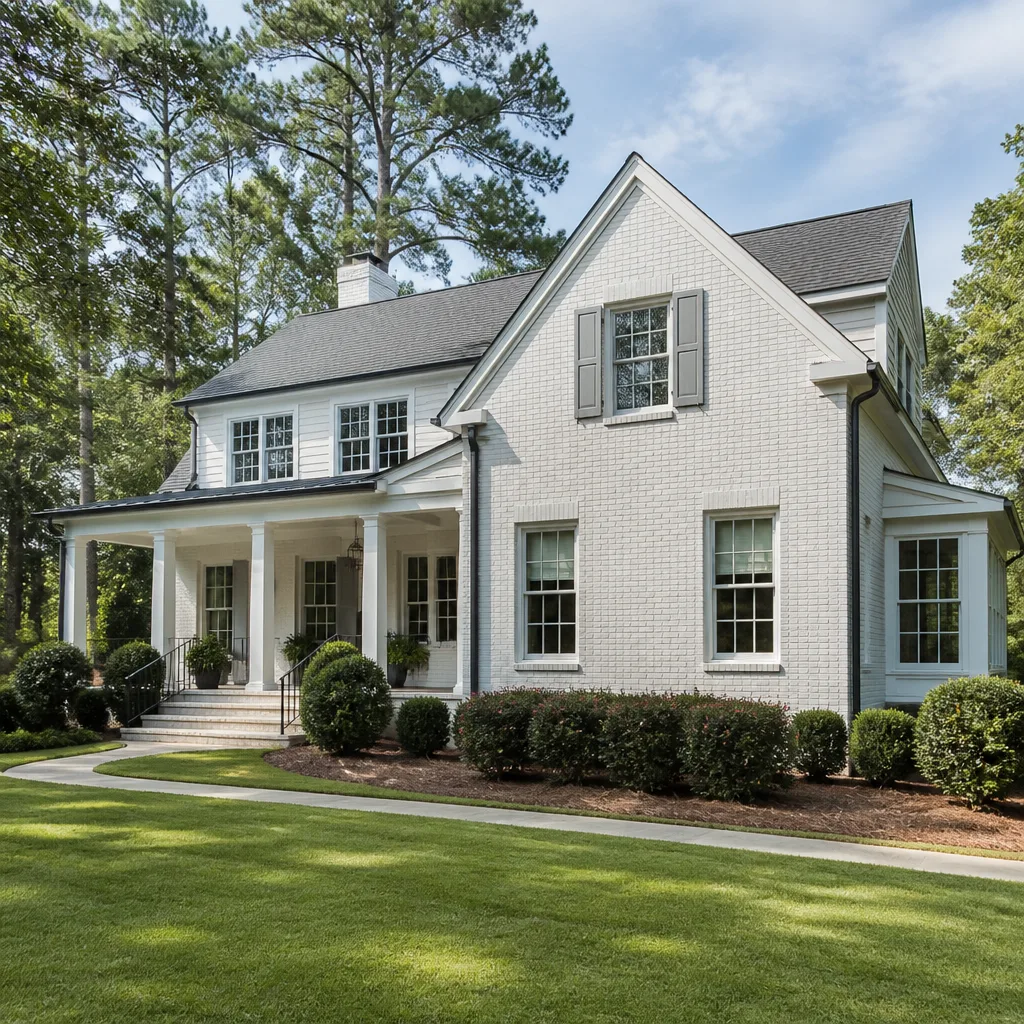
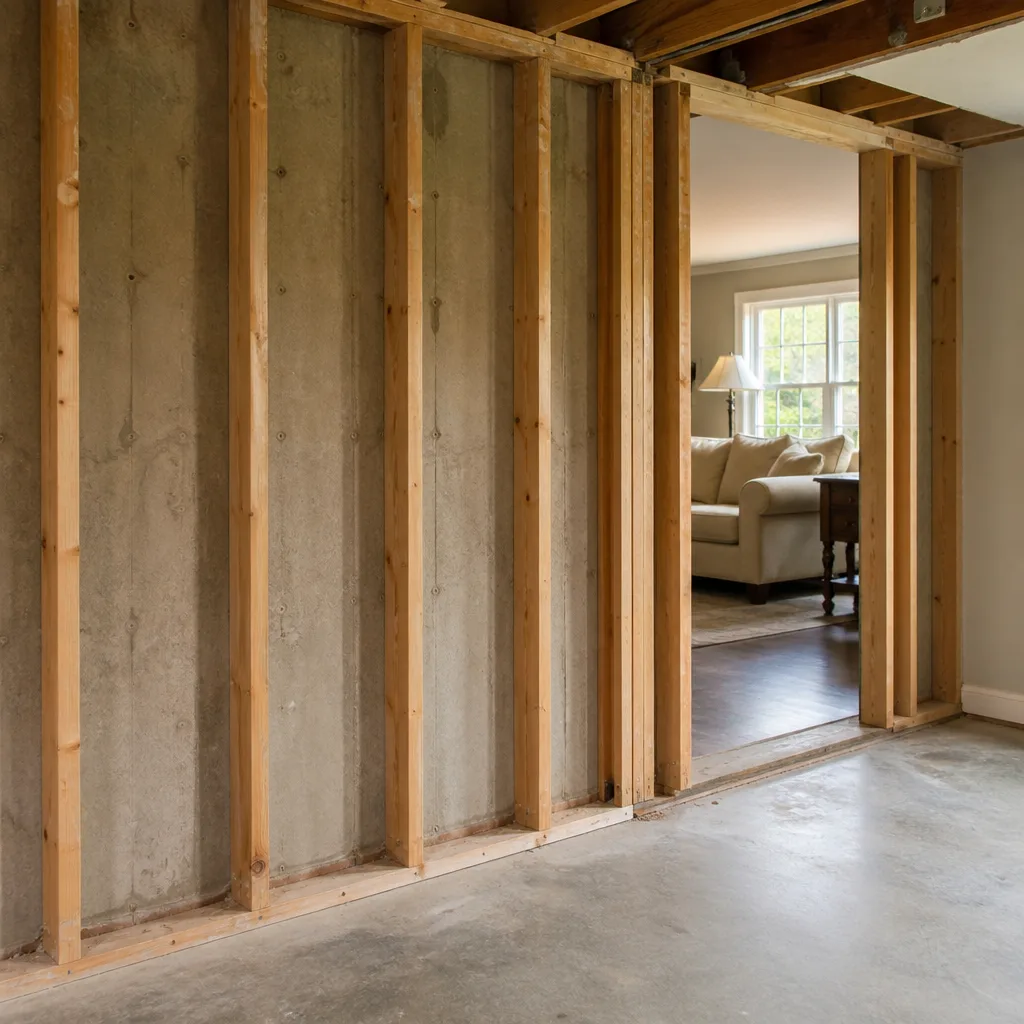
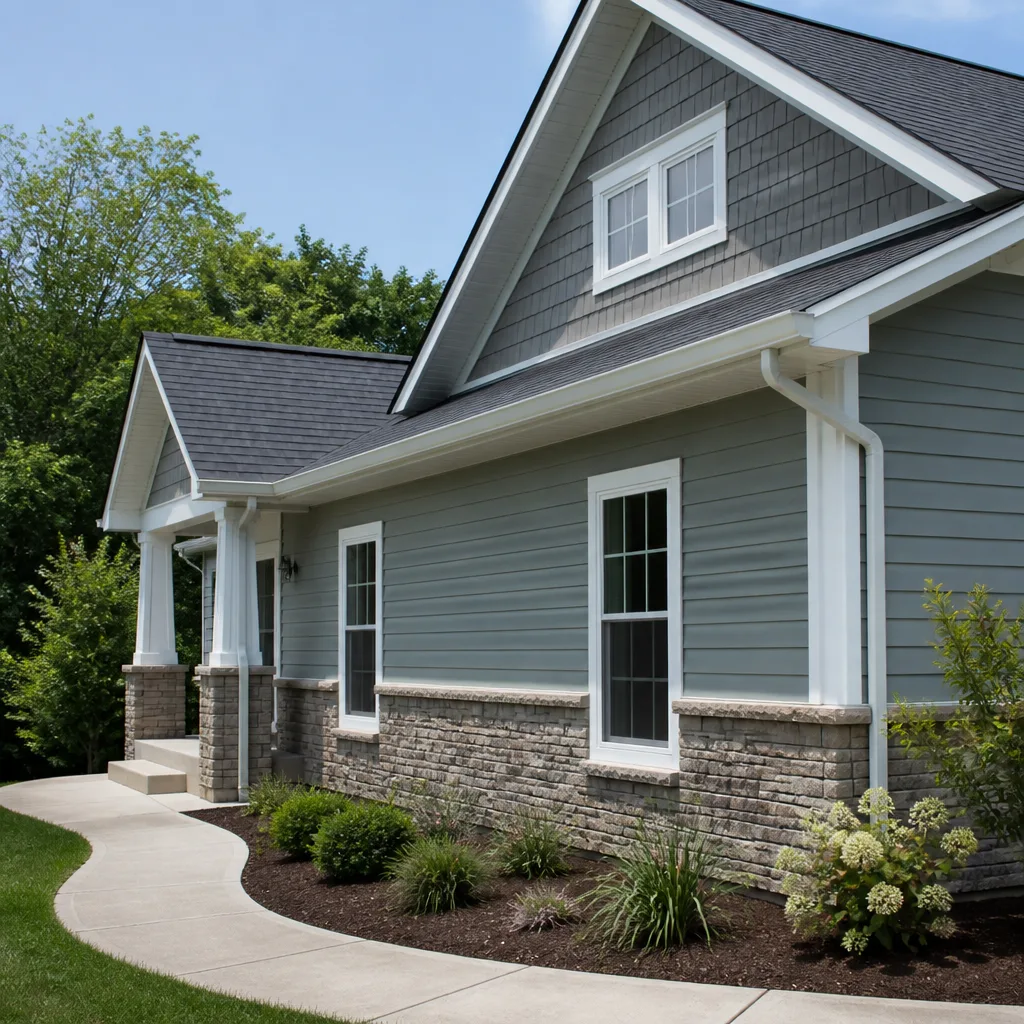
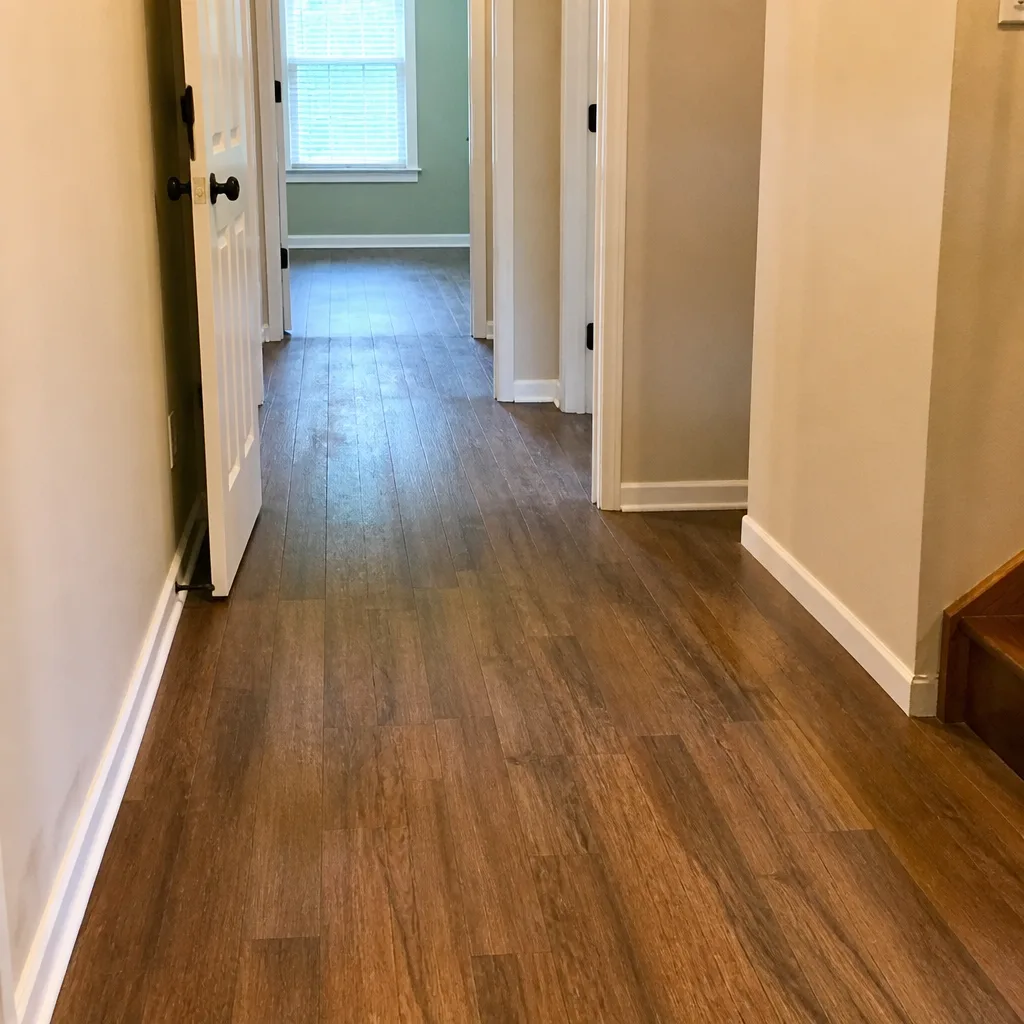

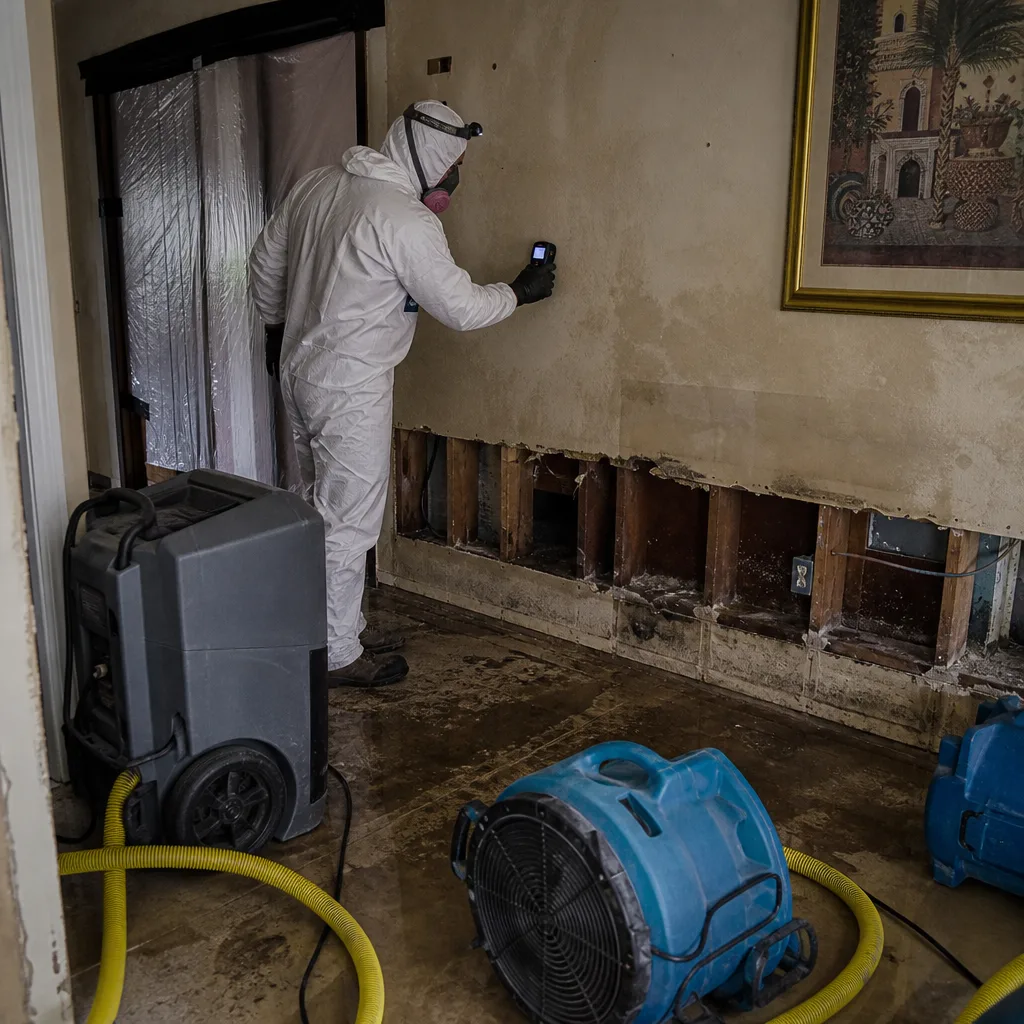 Before
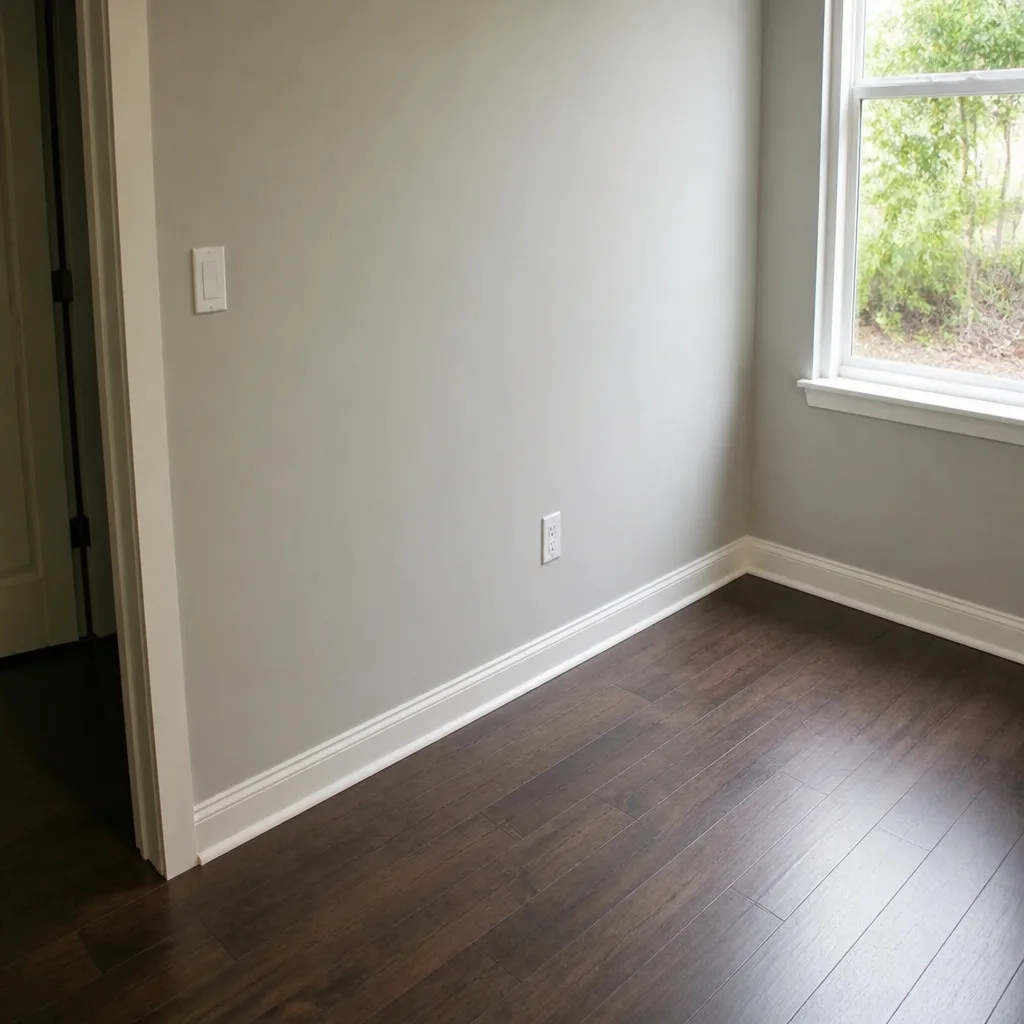 After
After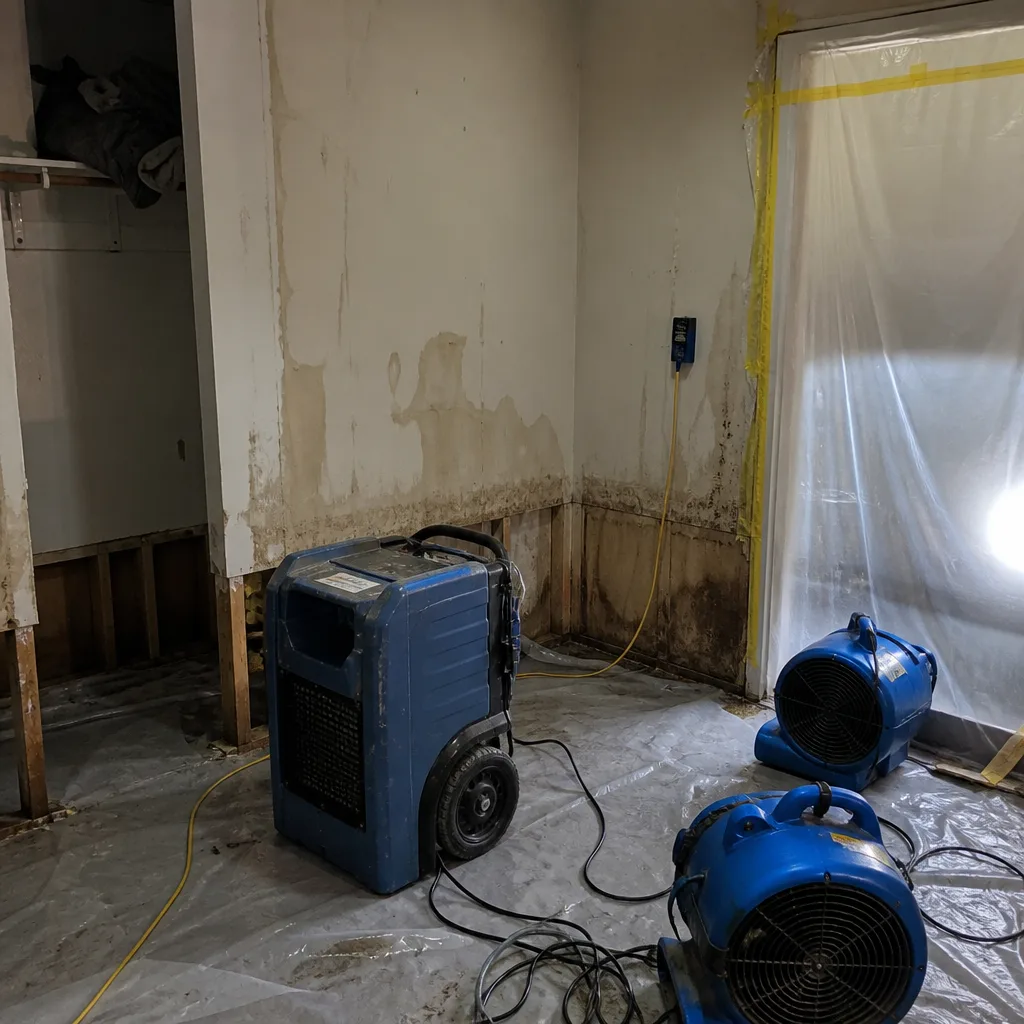 Before
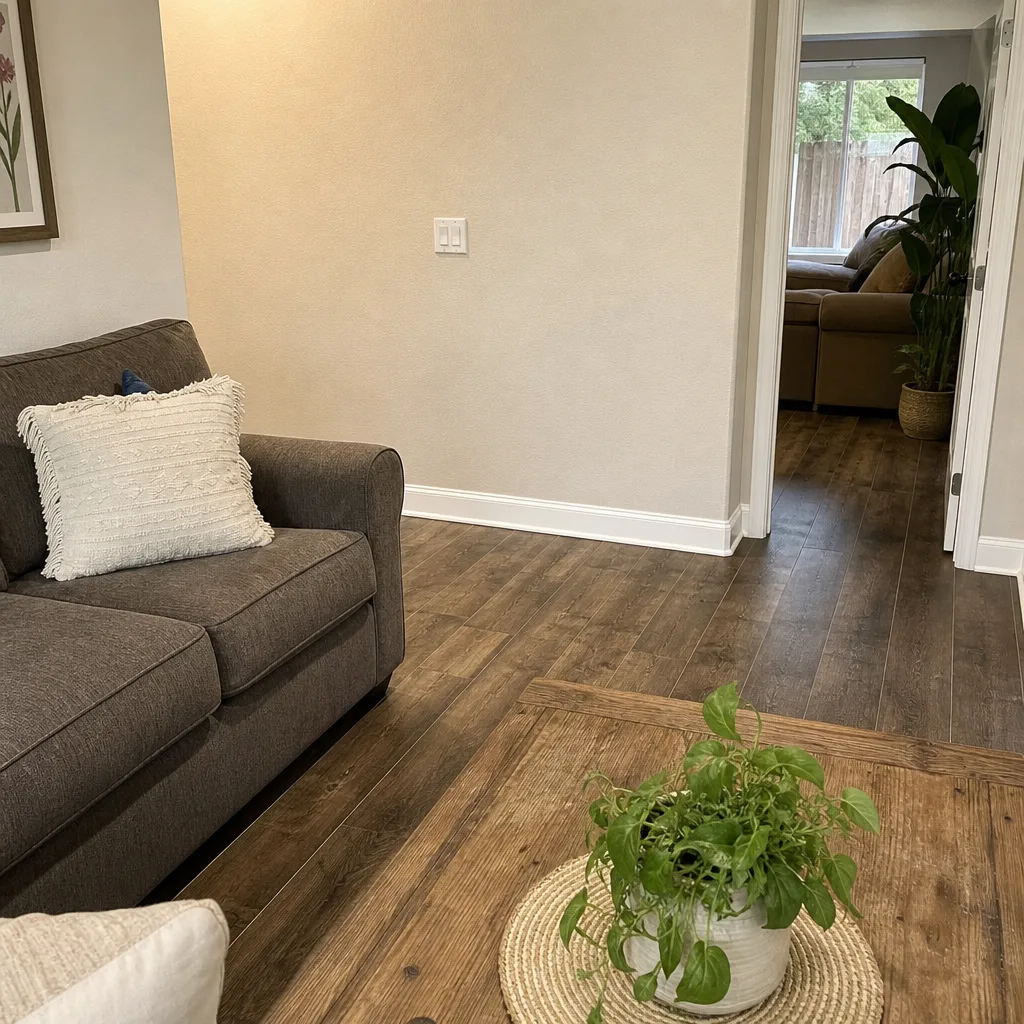 After
After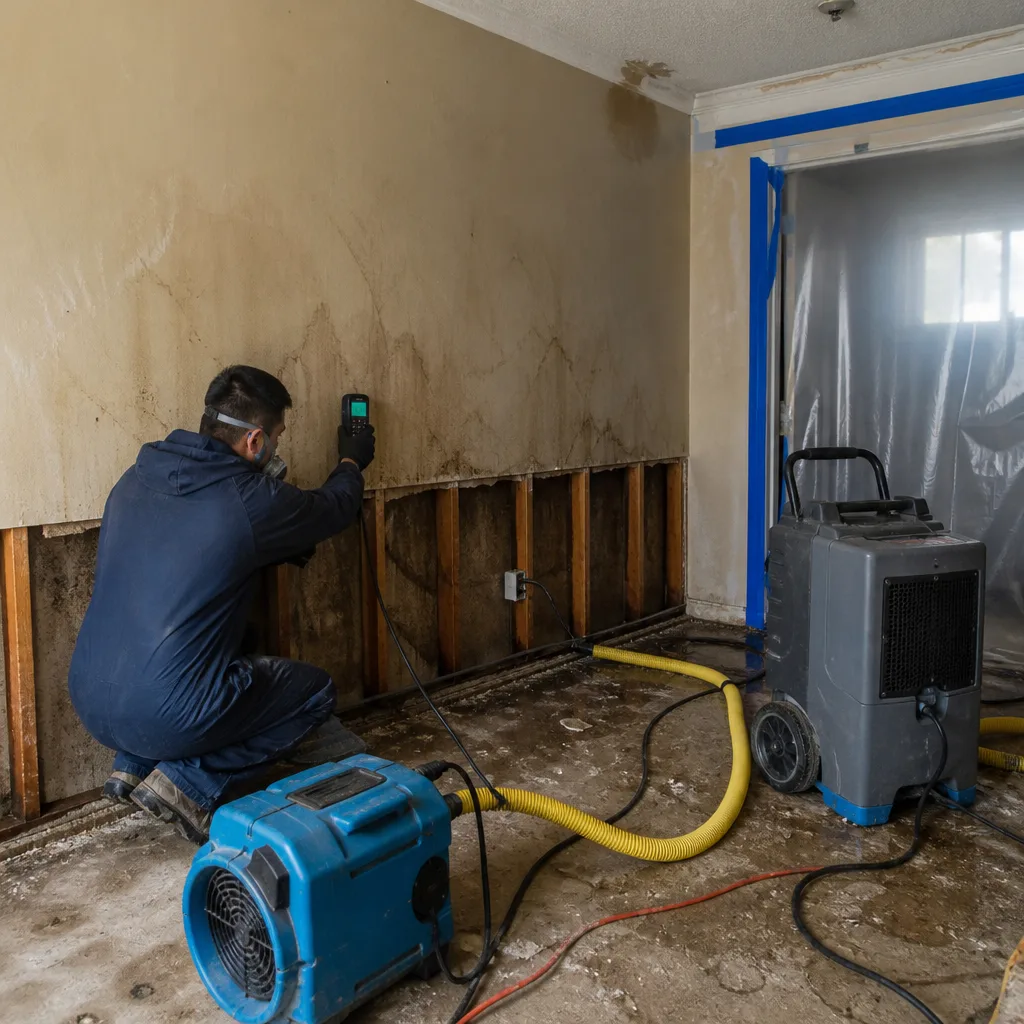 Before
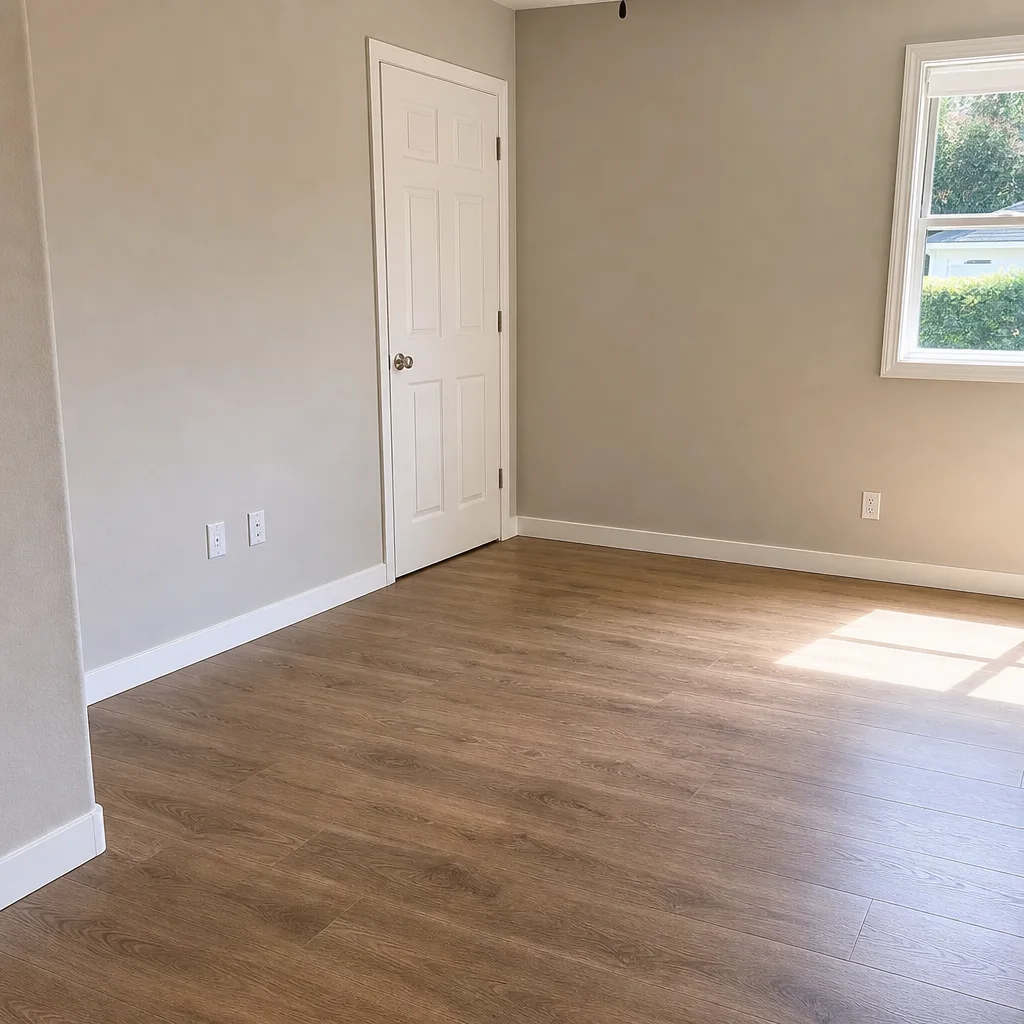 After
After24/7 Emergency Fire & Smoke Damage Restoration in Camp Pendleton North
A fire in your Camp Pendleton North housing unit leaves more than charred walls. Smoke migrates through every unsealed penetration, and within hours acidic soot begins etching finishes and embedding in porous materials. Call (760) 421-5658 now - we answer live, 24 hours a day, 7 days a week, with no voicemail trees. Because Camp Pendleton North sits entirely within Marine Corps Base Camp Pendleton, our crews already carry pre-approved DoD base-access credentials, so we badge through security checkpoints without the escort delays that cost civilian contractors their first critical hours. We arrive with containment equipment, HEPA air scrubbers, and thermal imaging to map hidden smoke migration through your unit’s attic and crawl space. The first hour determines whether odors stay trapped behind renovation overlays or get fully neutralized. Our visual inspection is free, and we deliver a written scope and price before any work begins - Haven Standard, Clause 1.
Understanding Fire & Smoke Damage Restoration Severity in Camp Pendleton North Properties
Fire damage in Camp Pendleton North’s military housing stock breaks into three severity tiers, each demanding different documentation and equipment. Dry smoke residue from fast-burning, high-heat fires produces powdery, non-smeary particles that settle on cooler surfaces - common in kitchen flash fires on electric ranges in the older Wire Mountain and South Mesa units. Wet smoke residue from slow, oxygen-starved burns yields sticky, smeary films with strong odor penetration, typical of upholstery and mattress fires in densely clustered housing tracts. Protein residue from cooking fires appears nearly invisible but carries intense, persistent odors that standard cleaning misses entirely.
The 1950s-1980s block-and-wood-frame construction across Camp Pendleton North compounds every severity level. Minimal attic ventilation creates stagnant air pockets where smoke particles accumulate. Unsealed wall penetrations for aging electrical and plumbing runs become migration highways. Privatization-era renovation overlays - new drywall, laminate flooring, updated cabinetry - often conceal original char, pre-existing moisture damage, and prior smoke exposure from previous tenants. Our crews use thermal imaging to identify temperature differentials behind finishes, then verify with borescope inspection where indicated. We document every reading to IICRC S500 and S700 standards, producing the photo records and moisture logs that turn restoration invoices into payable claims.
Why Camp Pendleton North Property Owners Choose DryMark Restoration Fallbrook
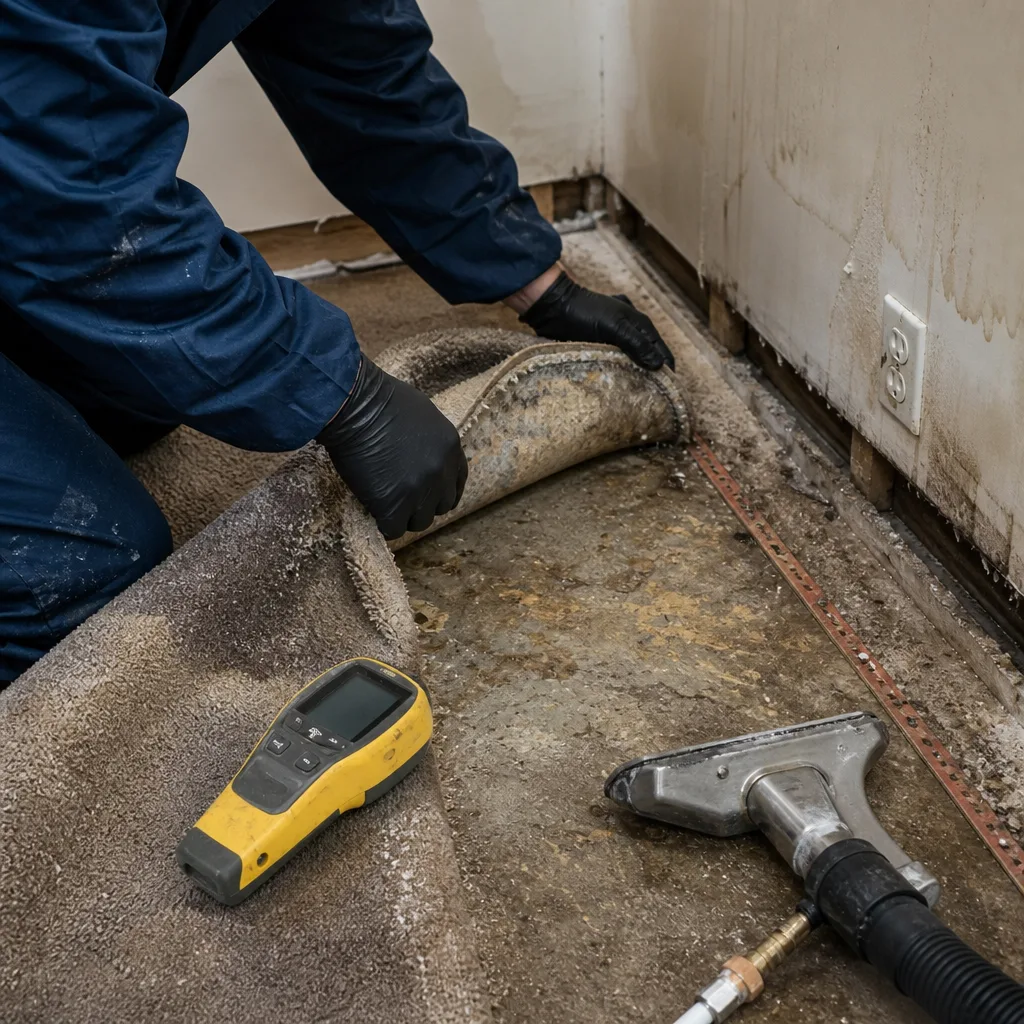
- 45-minute response commitment to any address on base once the housing office authorizes entry - our DoD credentials eliminate gate delays.
- 24/7 live answer: a real person, never an automated system, routes your call directly to dispatch.
- IICRC-certified crews holding FSRT (Fire and Smoke Restoration Technician) and WRT (Water Damage Restoration Technician) credentials, with AMRT (Applied Microbial Remediation Technician) certification for the antimicrobial phase.
- Free visual inspection with thermal imaging scan and written scope delivered before any work starts - Haven Standard, Clause 1.
- Direct insurance billing and adjuster coordination, including photo-documented assessments formatted to carrier standards.
- One team from emergency board-up through final reconstruction - no handoffs between subcontractors that fragment your documentation trail.
BeforeAfterOur Fire & Smoke Damage Restoration Process
1. Inspection & Assessment
We arrive with thermal imaging cameras, moisture meters, and borescope tools to map visible and hidden damage. In Camp Pendleton North’s 1950s-1980s units, we specifically inspect attic cavities and crawl spaces where minimal ventilation traps smoke residue. Every finding is photographed and logged before any equipment runs.
2. Emergency Board-Up & Stabilization
We secure compromised windows, doors, and roofing with fire-rated materials to prevent weather intrusion and unauthorized access. On base, this coordination goes through the privatized housing management office, with our crew providing photo documentation that satisfies both military housing protocols and insurance requirements.
3. Smoke & Soot Containment
Negative-air containment with HEPA filtration prevents cross-contamination to unaffected rooms. We seal HVAC returns and pressurize clean zones. In Camp Pendleton North’s dense housing clusters, this step protects adjacent units - a requirement under base housing management rules, not merely best practice.
4. Contents Pack-Out & Cleaning
Salvageable items are inventoried, photographed, and transported to our facility for ultrasonic cleaning, ozone treatment, or specialized textile restoration. Non-salvageable items are documented per room with replacement-value estimates for your adjuster. The housing office receives duplicate documentation.
5. Odor Neutralization & Structural Cleaning
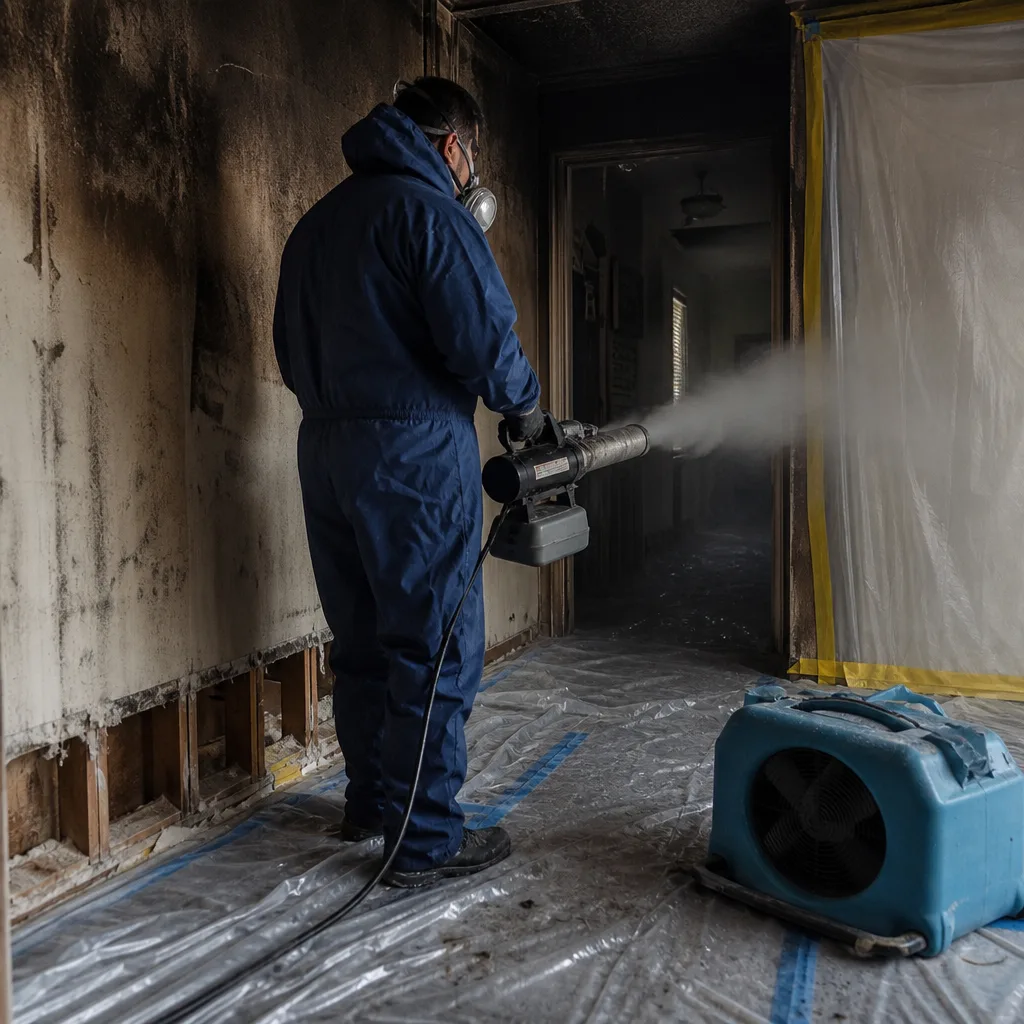
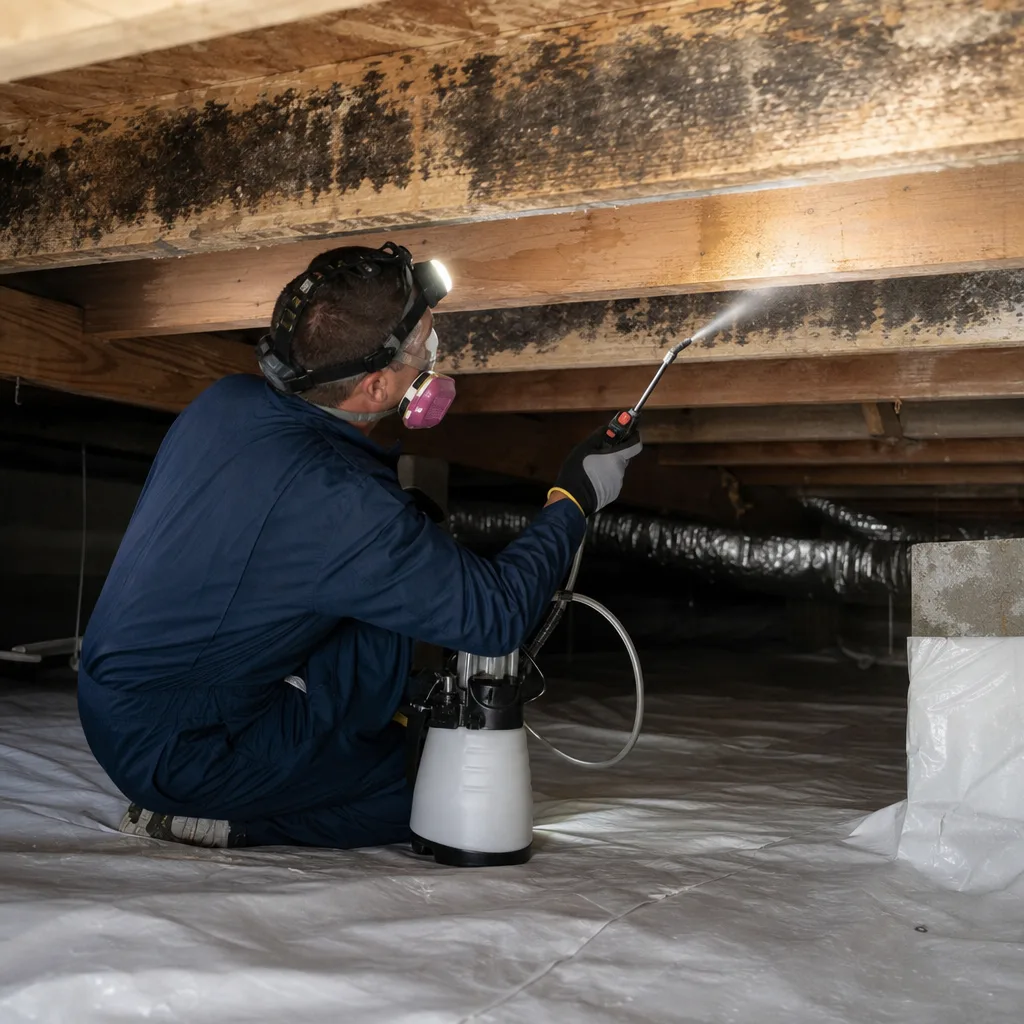
We deploy thermal fogging, hydroxyl generators, and ozone treatment matched to the fire type - dry smoke, wet smoke, or protein residue. Charred framing receives antimicrobial treatment. Our crews use Dri-Eaz and Phoenix HEPA air scrubbers running continuously until particle counts drop below clearance thresholds.
6. Repairs, Reconstruction & Documentation
Reconstruction scope is priced in writing before demolition begins. We rebuild to match original specifications or upgrade where code requires, with daily photo logs and moisture readings delivered to your adjuster. The 365-Day Done Right Promise covers all work under The Haven Standard.
Need Emergency Fire & Smoke Damage Restoration in Camp Pendleton North Now?
Crews minutes away, answering live 24 hours a day. The sooner we start, the less it costs.
Working With Your Insurance Company
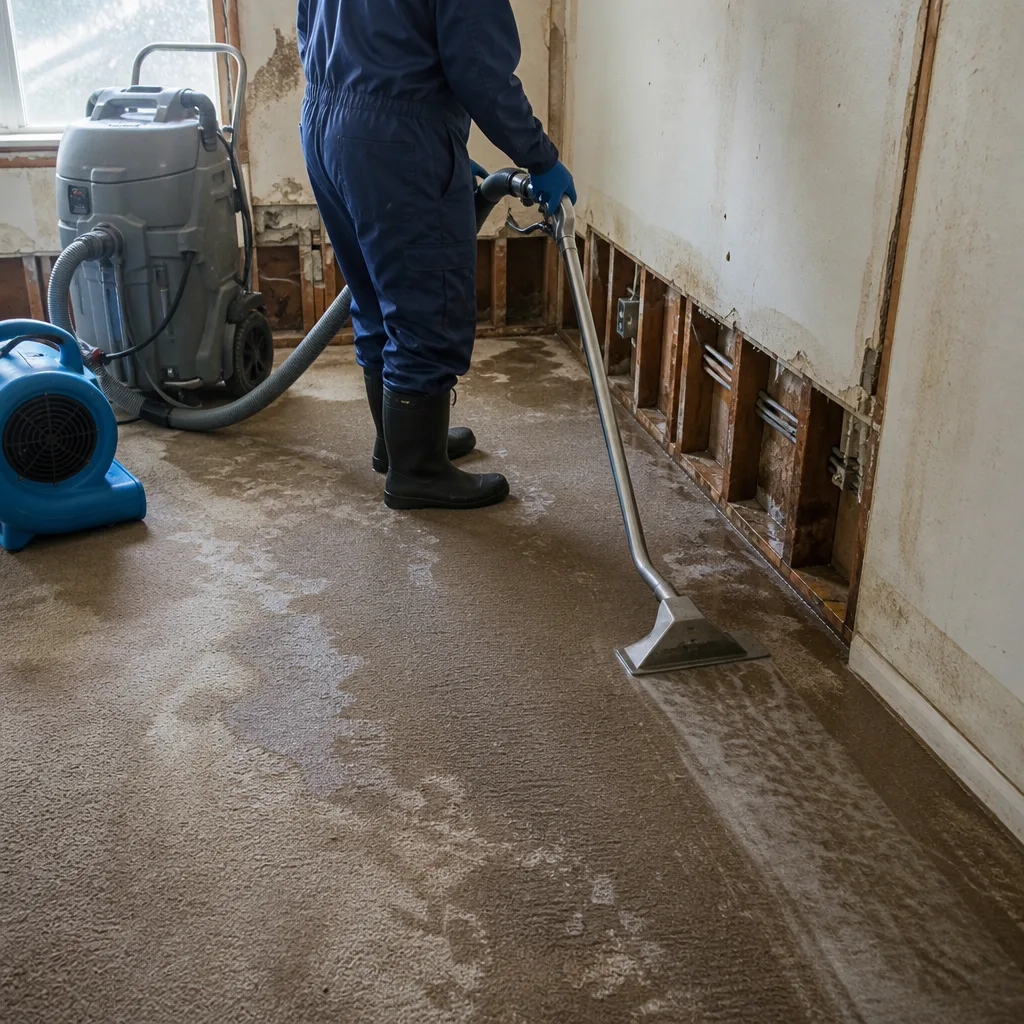
Fire claims in Camp Pendleton North involve an extra party: the privatized military housing management office controls the unit, holds the master insurance policy, and must approve all scopes. We have worked this tri-party structure since 2011. Our documentation begins the moment we badge through the gate - photo records of every room, moisture readings from every affected surface, and a line-item scope written to Xactimate standards that your adjuster can process without revision requests.
We do not expect you to coordinate between the housing office and your carrier. Our team handles direct adjuster communication, provides supplementary documentation on request, and defends our scope if challenged. The daily drying logs, produced with equipment from Dri-Eaz and Phoenix systems, create the evidence trail that prevents claim delays.
What We Provide Your Insurer
- Thorough documentation of the loss
- Photos of all damage, room by room
- Moisture readings and drying logs
- A detailed, line-item scope of work
- Direct coordination with your carrier
Built for Camp Pendleton North’s Loss Calendar
Camp Pendleton North’s fire and smoke damage follows patterns shaped by geography, military operations, and housing age. Santa Ana wind events, typically September through December, drive extreme wildfire risk through surrounding chaparral. The base has seen major fires that required smoke and odor restoration across entire housing neighborhoods - not from direct flame contact, but from smoke intrusion through minimal attic ventilation and unsealed wall assemblies. These events create cluster losses where multiple units need simultaneous pack-out and cleaning.
Kitchen fires spike during holiday leave periods when families cook larger meals in aging electric-range units. The 1950s-1980s wiring, sometimes upgraded in privatization-era renovations but sometimes not, can show hidden degradation behind new finishes. Summer PCS rotation cycles mean tenant gaps where fire or smoke damage from the departing family goes unreported until the incoming family discovers persistent odors or discolored surfaces. Our crews have scoped units where three layers of paint and new laminate concealed charred framing from a prior tenant’s unreported grease fire.
The marine layer that moderates Camp Pendleton North’s temperatures also maintains humidity in crawl spaces year-round. After any fire suppression with water, this humidity slows structural drying and creates secondary mold conditions if crews skip psychrometric monitoring - measuring vapor pressure differential, temperature, and relative humidity to verify that materials actually dry rather than just feeling dry.
Fire & Smoke Damage Restoration Across Camp Pendleton North’s Neighborhoods
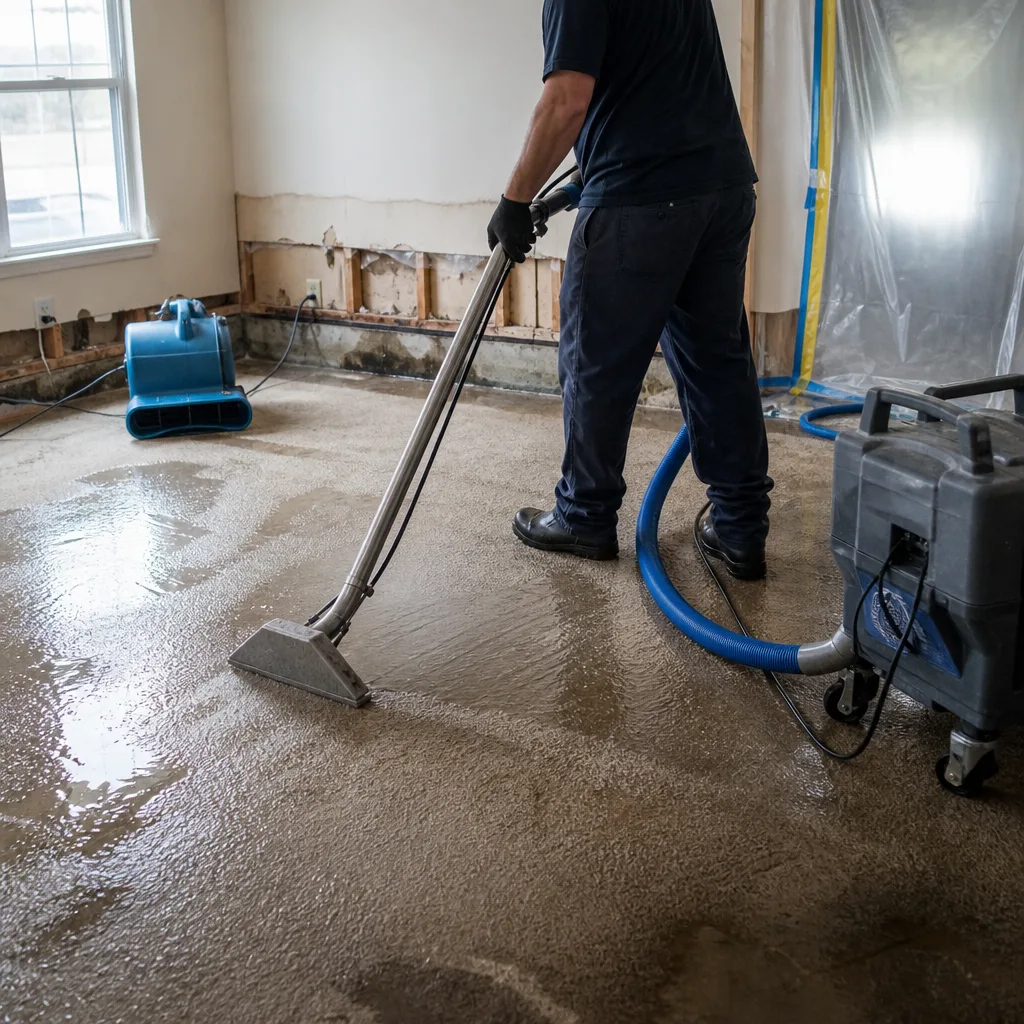
Our Fire & Smoke Damage Restoration team serves every housing area on base, with response protocols adapted to each cluster’s construction era and density.
Wire Mountain sits in the western foothills with two-story units from the 1960s and 1970s. These block-and-wood-frame buildings have minimal attic ventilation and original electrical runs that were partially upgraded during privatization. After a kitchen fire in a 1960s two-story unit here, our crew responded to a call routed through the privatized housing office - not a homeowner - and badged in at the main gate before setting up containment and running air movers with HEPA filtration to keep smoke residue from migrating into the upstairs bedrooms. We completed a full pack-out of the family’s contents, applied antimicrobial treatment to charred framing, and left drying logs documenting moisture readings in every affected room so the housing office could close out the scope of work without a second inspection delay.
South Mesa holds some of the oldest housing stock, 1950s-era single-story units with crawl spaces that trap both moisture and smoke particles. Restoration here requires subfloor inspection and often vapor barrier replacement after any fire involving floor-level ignition sources. The original plaster-and-lath walls, overlaid with drywall in some renovations, create multiple void spaces where soot migrates.
San Onofre and San Luis Rey housing areas contain denser 1970s-1980s tract clusters where Santa Ana wind fires have historically required neighborhood-scale response. Smoke intrusion to adjacent units is routine, and our containment protocols must protect multiple families simultaneously while coordinating with base fire and housing authorities.
Every response route accounts for base-controlled roads and security checkpoint protocols. Civilian crews without pre-approved credentials arrive after the fire department clears the scene and lose critical hours waiting for escort. Our permanent DoD badging eliminates this delay.
Specialized Fire & Smoke Damage Restoration Services We Offer in Camp Pendleton North
Smoke & Soot Removal
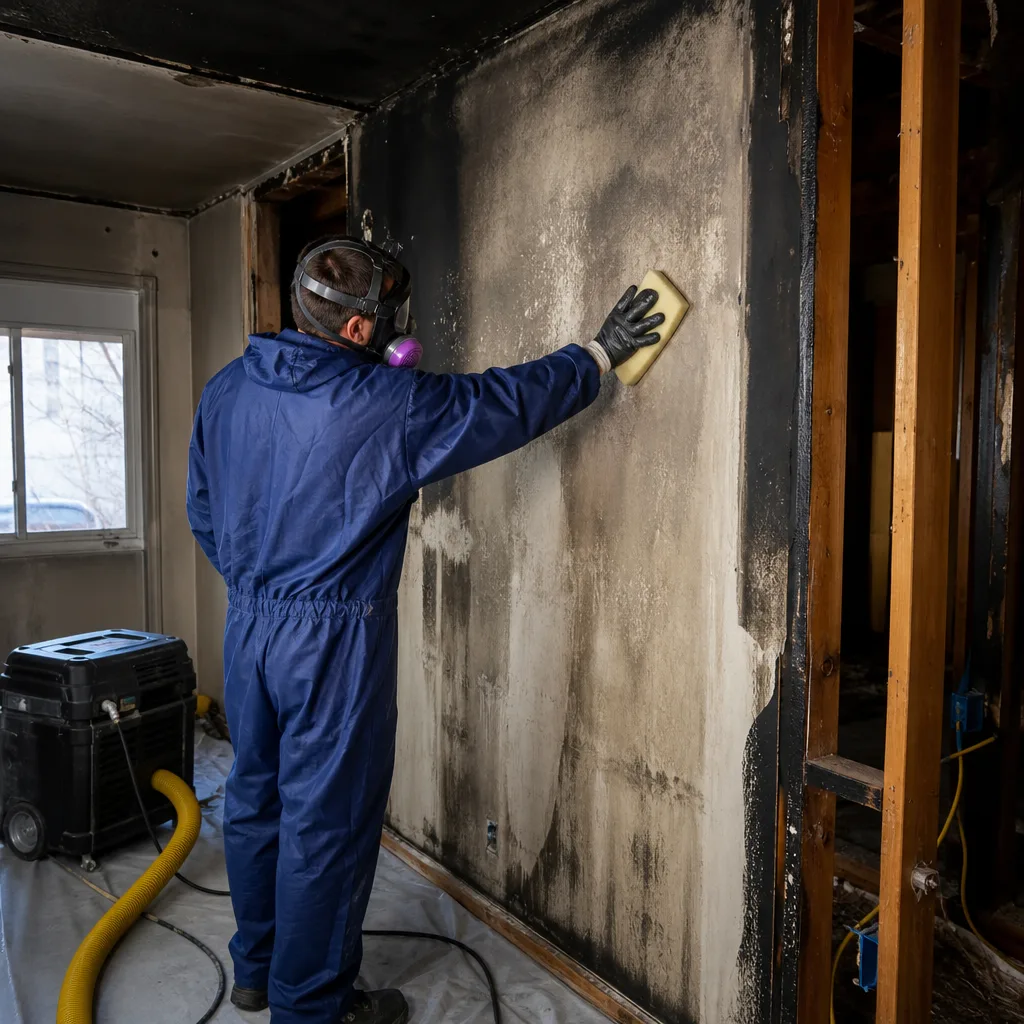
Dry, wet, and protein residues each demand specific cleaning chemistry and mechanical action. In Camp Pendleton North’s older units, we frequently find all three residue types layered from multiple fire events across tenant rotations. Our FSRT-certified technicians test-clean a small area first, identify the residue type, then select alkaline cleaners, solvent-based agents, or ultrasonic methods matched to the surface and residue. We never guess - the wrong chemistry sets soot permanently into porous materials.
Odor Removal & Deodorization
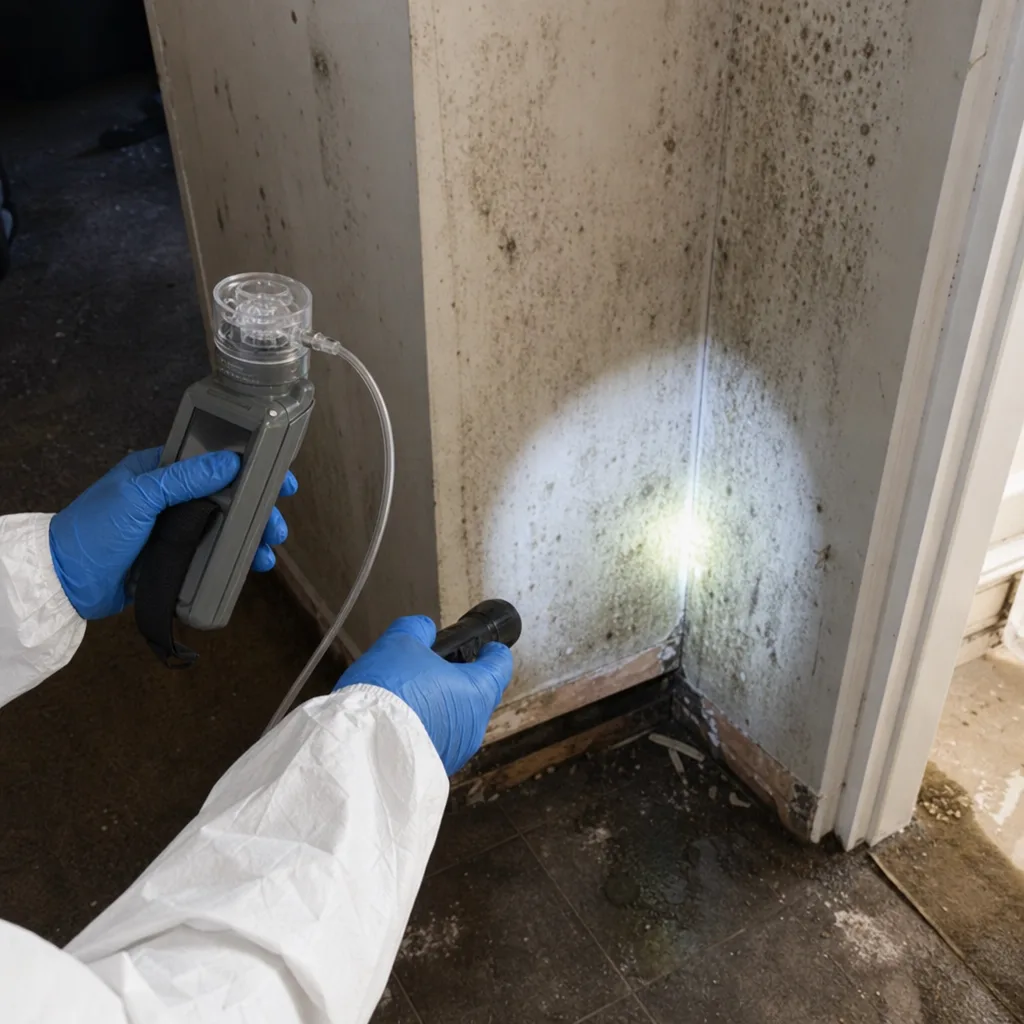
Smoke odors persist when technicians neutralize only the accessible surfaces. Camp Pendleton North’s 1950s-1980s construction hides odor reservoirs in attic insulation, crawl space soils, and wall voids around original plumbing and electrical penetrations. We deploy thermal fogging to penetrate these voids, hydroxyl generators for safe occupied-area treatment, and ozone chambers for contents at our facility. Every treatment is verified with particle counters and documented in the drying log.
Contents Cleaning & Pack-Out
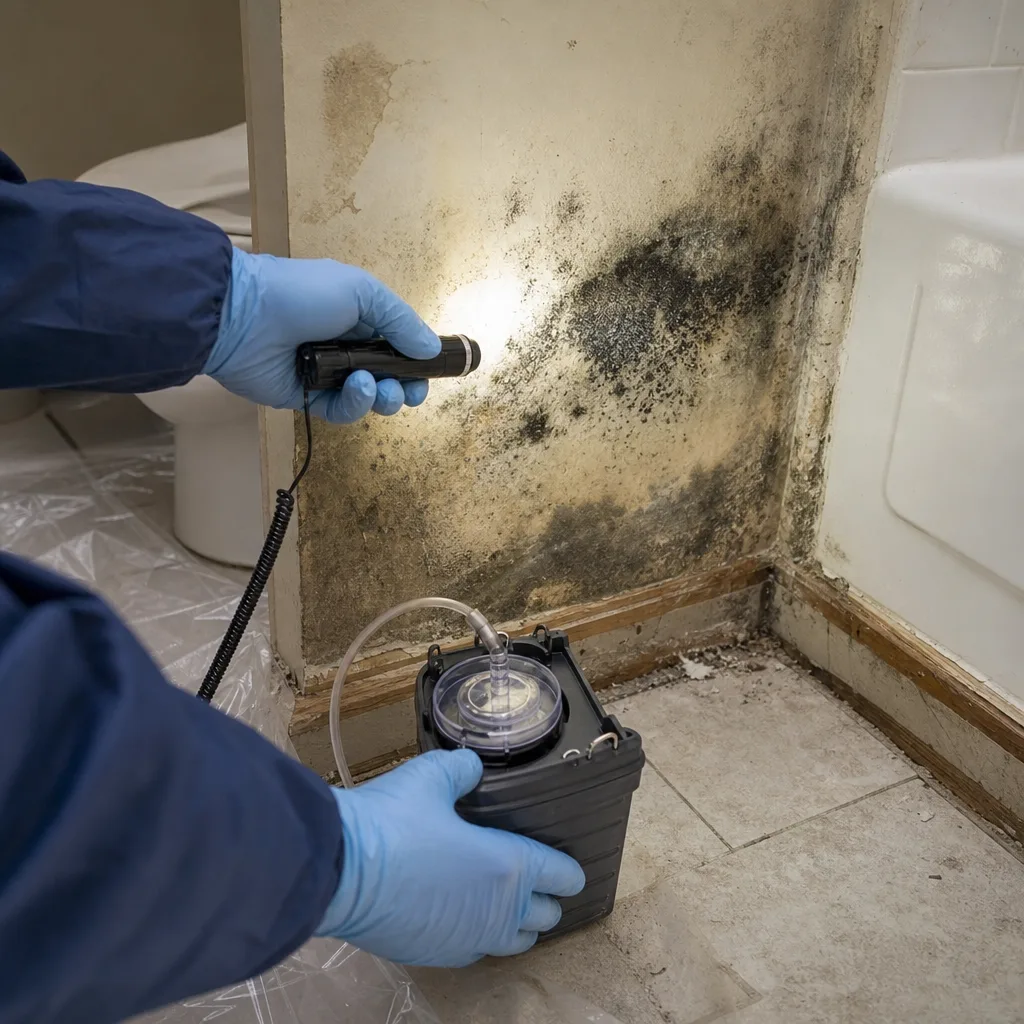
Because the privatized housing office, not the resident, controls the unit, our pack-out process includes duplicate documentation for both the family and the housing authority. We photograph every item before removal, inventory to replacement-value standards, and clean salvageable goods at our facility using ultrasonic, immersion, or specialized textile methods. Non-salvageable items receive documented disposal with certificates for insurance. The family receives their contents back cleaned and deodorized; the housing office receives the complete file for unit turnover.
Emergency Board-Up & Tarping
Fire-damaged openings require immediate weather protection and security sealing. On base, this work must also meet housing office aesthetic and safety standards for adjacent families. We use fire-rated plywood and weatherproof tarps, photograph every installation, and schedule permanent reconstruction only after the housing office approves our written scope - Haven Standard, Clause 1 applied to a military housing context.
What happens when you call
- 1
A real person answersNo phone trees - you reach a local pro.
- 2
You get an upfront price rangeHonest numbers before anyone is dispatched.
- 3
A background-checked tech heads outLicensed & insured, dispatched right away.
- 4
You approve before work beginsNothing starts until you say go.
Fire & Smoke Damage Restoration Costs in Camp Pendleton North, CA
Fire and smoke restoration pricing in Camp Pendleton North reflects the base-specific coordination requirements and the older housing stock’s hidden damage potential.
| Service | Typical Range |
|---|---|
| Emergency board-up and stabilization | $800 - $2,400 |
| Smoke and soot cleaning (per affected room) | $1,200 - $3,600 |
| Contents pack-out and cleaning | $2,500 - $7,500 |
| Odor neutralization (whole unit thermal fogging + hydroxyl) | $1,800 - $4,200 |
| Structural repairs and reconstruction | $4,500 - $18,000+ |
What moves the price: the number of rooms affected by smoke migration, the residue type (protein fires require more labor than dry smoke), whether attic or crawl space cleaning is needed, and the extent of contents requiring off-site treatment. Insurance typically covers direct fire and smoke damage plus necessary remediation; our written scope identifies coverage-eligible vs. excluded items before work begins. Call (760) 421-5658 for your free visual inspection and exact written price - estimates are free, and Haven Standard, Clause 1 means no surprises.
We Also Serve Cities Near Camp Pendleton North
Our crews respond throughout northern San Diego County from the Camp Pendleton North base boundary to surrounding communities. We also serve Fallbrook, Oceanside, Vista, and Camp Pendleton South with the same DoD-credentialed response capability, documentation standards, and written pricing before work begins.
Serving Camp Pendleton North, CA - Our Local Coverage Area
We’re based in the Camp Pendleton North area and know this community well. Use the map below to see our service coverage - if you’re nearby, we can almost certainly help.
Camp Pendleton North Fire & Smoke Damage Restoration Questions, Answered
Why can’t I just call any fire damage restoration company for my home in Camp Pendleton North?
Camp Pendleton North sits entirely within Marine Corps Base Camp Pendleton, so every contractor must carry pre-approved DoD base-access credentials and coordinate work through the privatized military housing management office rather than directly with residents. Civilian crews without these credentials get held at security checkpoints during the exact hours when soot containment and odor neutralization are most critical. We maintain permanent base access and have worked with the housing office since 2011. Call (760) 421-5658 - our credentials are already on file.
How fast does smoke and soot damage have to be addressed after a fire in the base housing?
Within the first 24 hours, acidic soot begins etching finishes and embedding in porous materials; after 72 hours, many surfaces require replacement rather than restoration. Because base housing involves housing office notification, fire department clearance, and contractor badging, the timeline compresses further. Our pre-approved credentials let us start containment within minutes of authorization, not hours. Call (760) 421-5658 for immediate dispatch.
Do 1950s-1980s base housing units present special challenges for fire and smoke restoration?
Yes. The original block-and-wood-frame construction has minimal attic ventilation, unsealed wall penetrations, and crawl spaces that trap both moisture and smoke particles. Privatization-era renovations added new finishes over original materials, concealing pre-existing damage and creating void spaces where soot migrates unseen. Our crews use thermal imaging and borescope inspection to find these hidden reservoirs, then document every finding for the housing office and your adjuster.
How does the pack-out process work when the housing office, not the resident, controls the unit?
We produce duplicate documentation: one inventory for the family’s insurance claim, one for the housing office’s unit turnover file. Every item is photographed, condition-noted, and valued before removal. Salvageable contents are cleaned and deodorized at our facility; non-salvageable items receive documented disposal with certificates. The family receives their belongings back; the housing office receives the complete file to close the work order without secondary inspection delays.
Can a Santa Ana wind fire event affect smoke damage restoration across entire neighborhoods on base?
Yes. Major Santa Ana-driven wildfires have historically required neighborhood-scale smoke and odor restoration across multiple Camp Pendleton North housing clusters simultaneously. Smoke intrusion through minimal attic ventilation and unsealed wall assemblies affects units with no direct flame contact. Our response scales to cluster losses with multiple containment setups, coordinated pack-outs, and housing office communication that keeps documentation aligned across dozens of families. Call (760) 421-5658 if your unit was in the smoke path of a base wildfire.
Will my insurance cover fire and smoke restoration in military housing?
Coverage depends on your renter’s policy and the master policy held by the privatized housing management office. We document every damage type - direct fire, smoke, soot, odor, and water from suppression - with photos and moisture readings formatted to carrier standards. Our written scope separates coverage-eligible remediation from excluded items before work begins, and we coordinate directly with both your adjuster and the housing office. Call (760) 421-5658 and bring your policy documents to the free inspection.
How long does full fire and smoke restoration take in Camp Pendleton North?
Light smoke damage with no structural repairs: 3-5 days. Moderate damage with pack-out and odor neutralization: 1-2 weeks. Major fires with reconstruction: 4-8 weeks or longer, depending on housing office approval timelines for scope changes. We provide a written timeline with every written price, and daily photo logs keep all parties informed. The 365-Day Done Right Promise covers any rework needed.
What should I do in the first 30 minutes after a fire in my Camp Pendleton North unit?
Ensure all occupants are safe and accounted for. Notify base fire emergency services if not already dispatched. Contact the privatized housing management office to report the damage and request contractor authorization. Then call (760) 421-5658 - we answer live and can begin credential verification and dispatch while you complete housing office notification. Do not re-enter until fire department clearance, and do not attempt to clean soot yourself; improper cleaning methods can permanently set residues.
Written by Alicia Brennan, Owner at Back to Dry Restoration, serving Camp Pendleton North since 2011.
Fire & Smoke Damage Restoration in Nearby Areas