Free visual inspection and a written scope of work before any mitigation begins - photos, moisture readings, and drying logs go in your claim file
The scope we write is the scope we bill. Anything new gets shown to you, in writing, before we touch it.
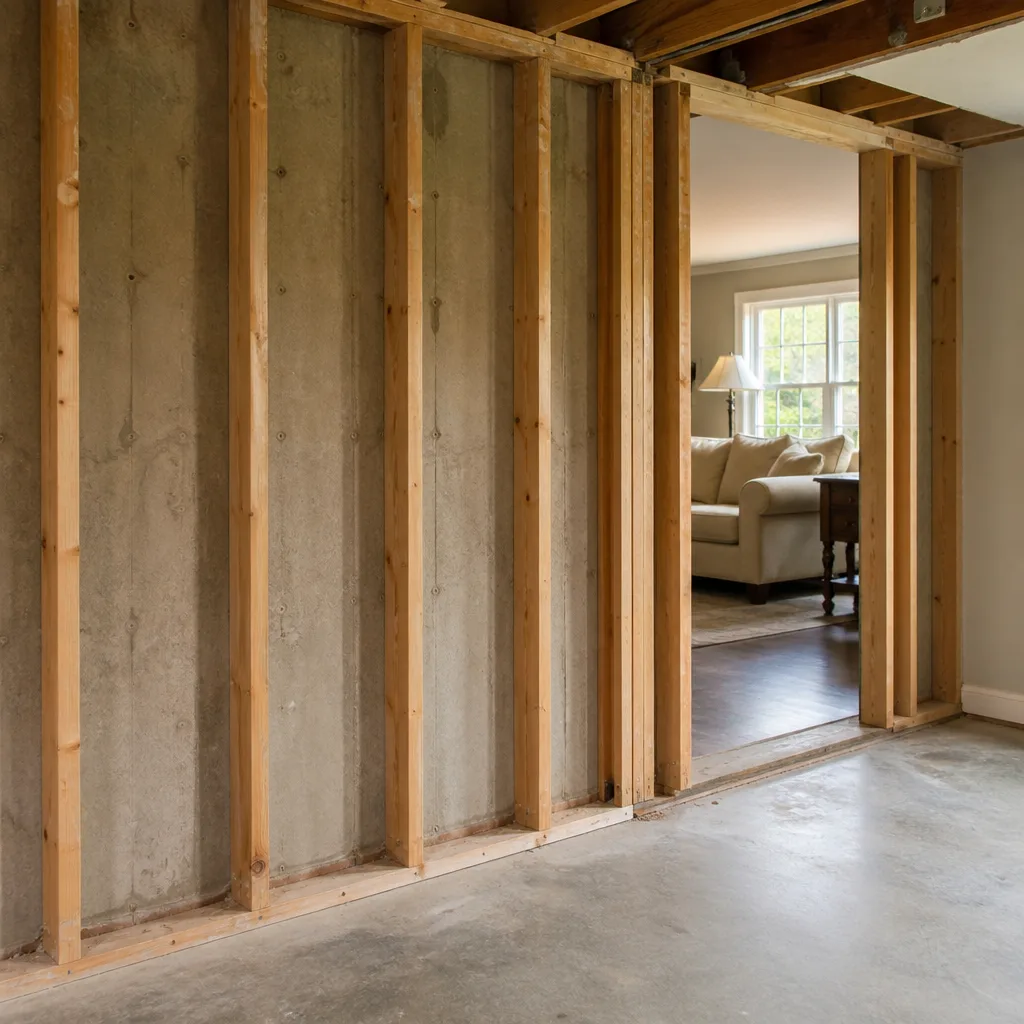
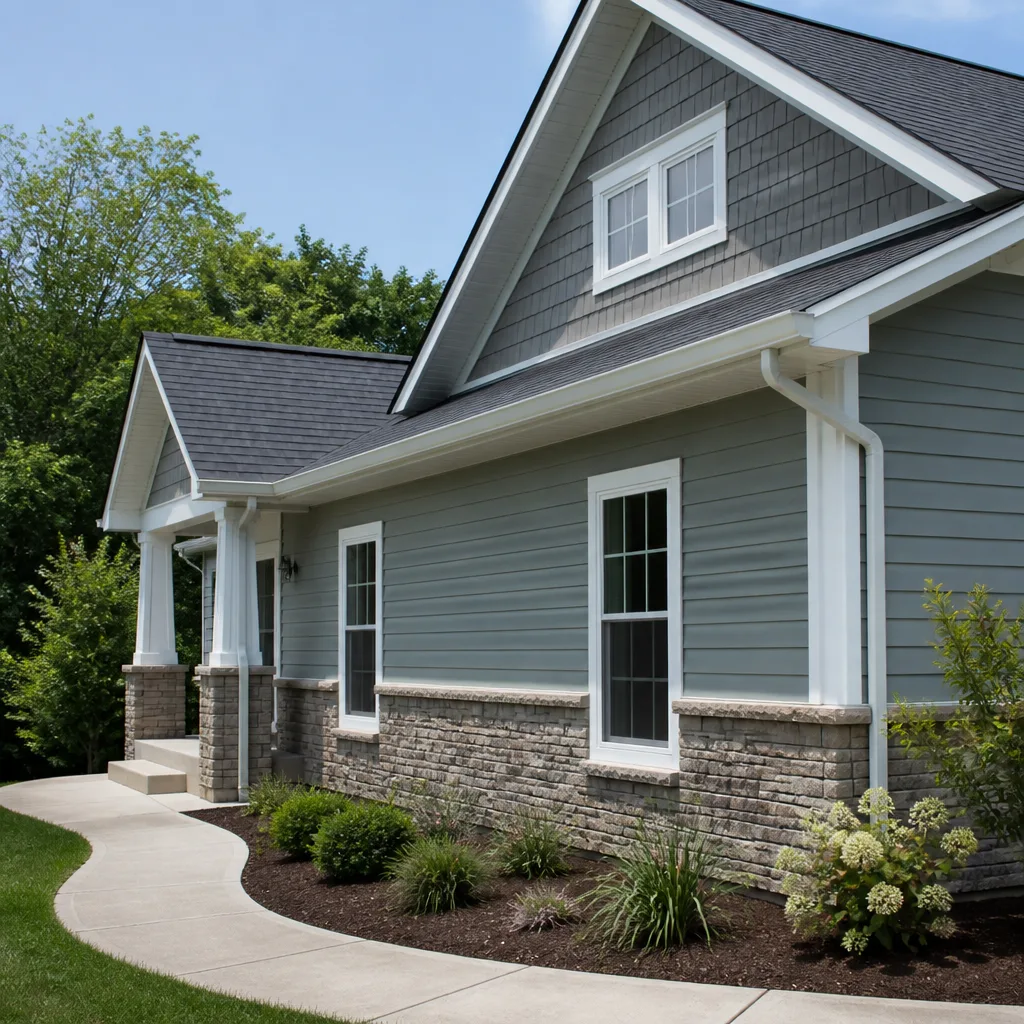
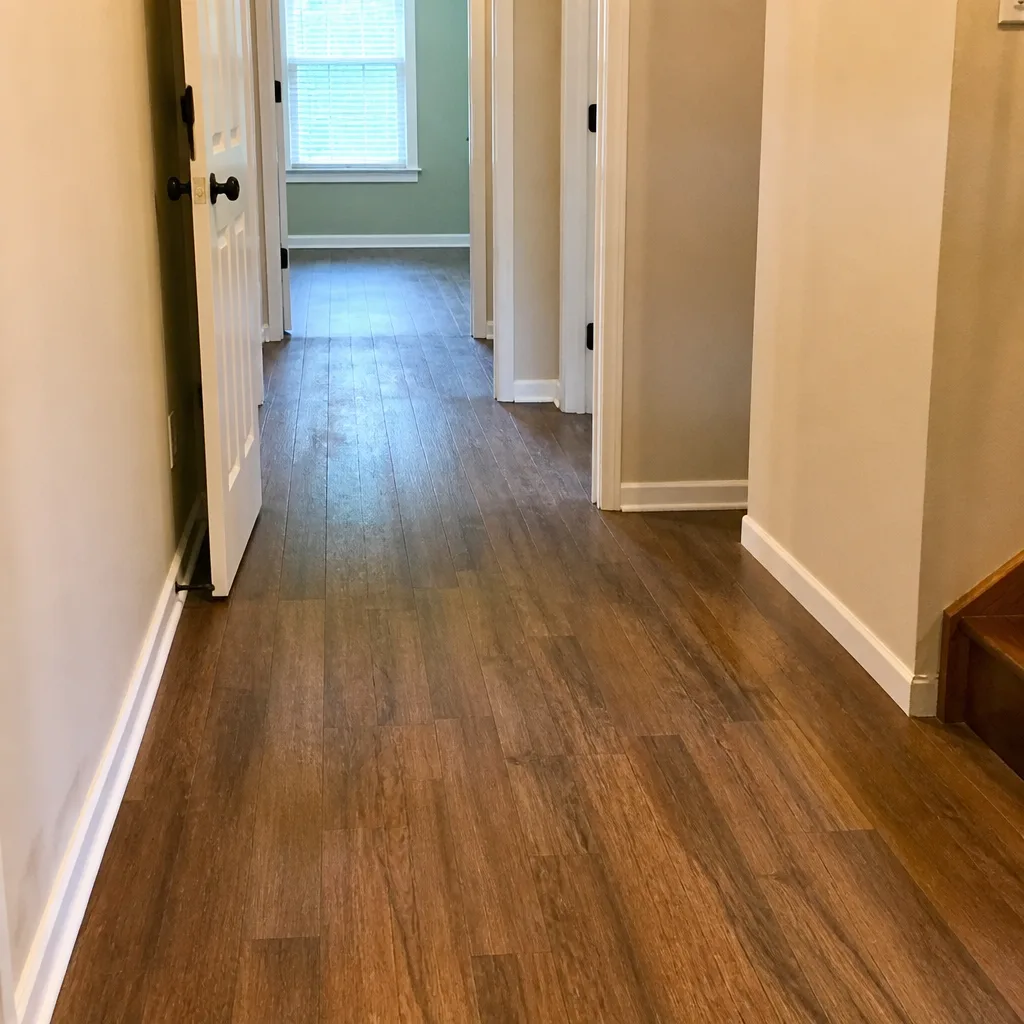
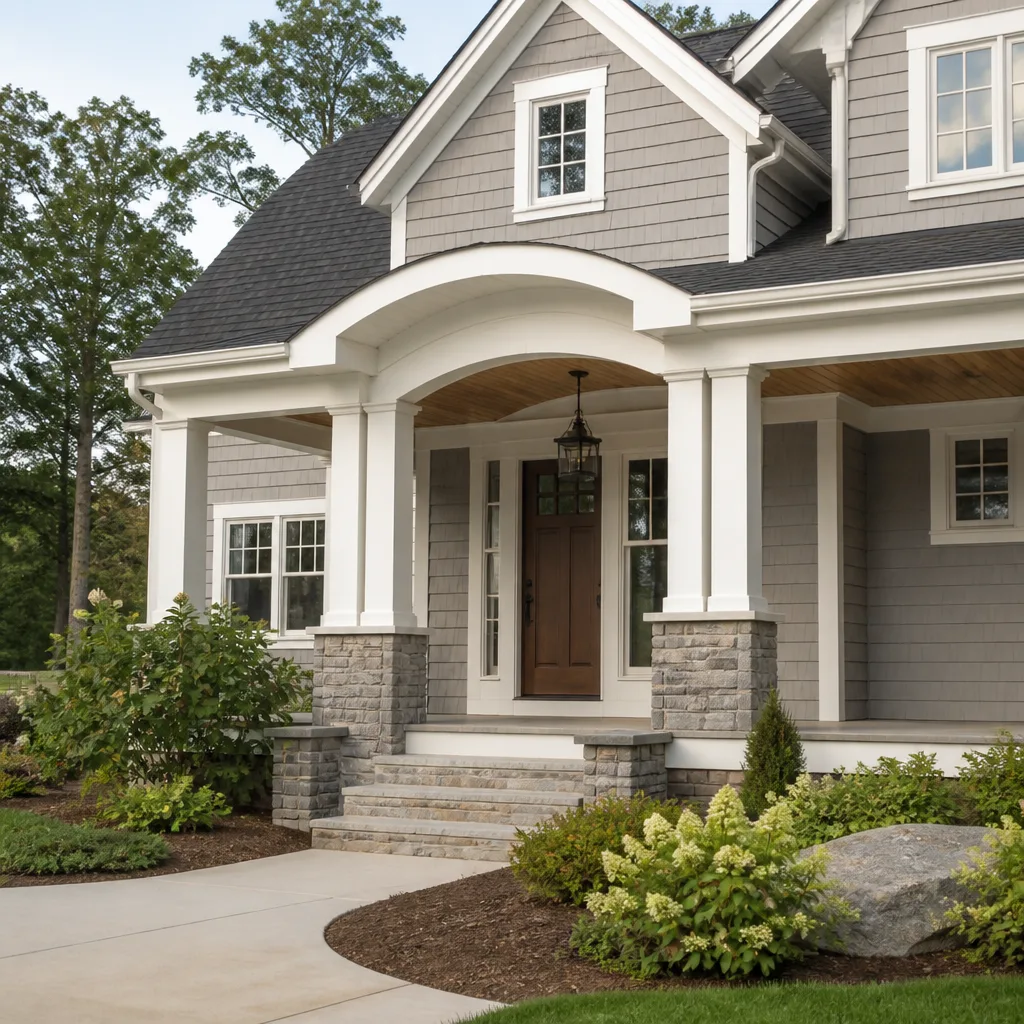
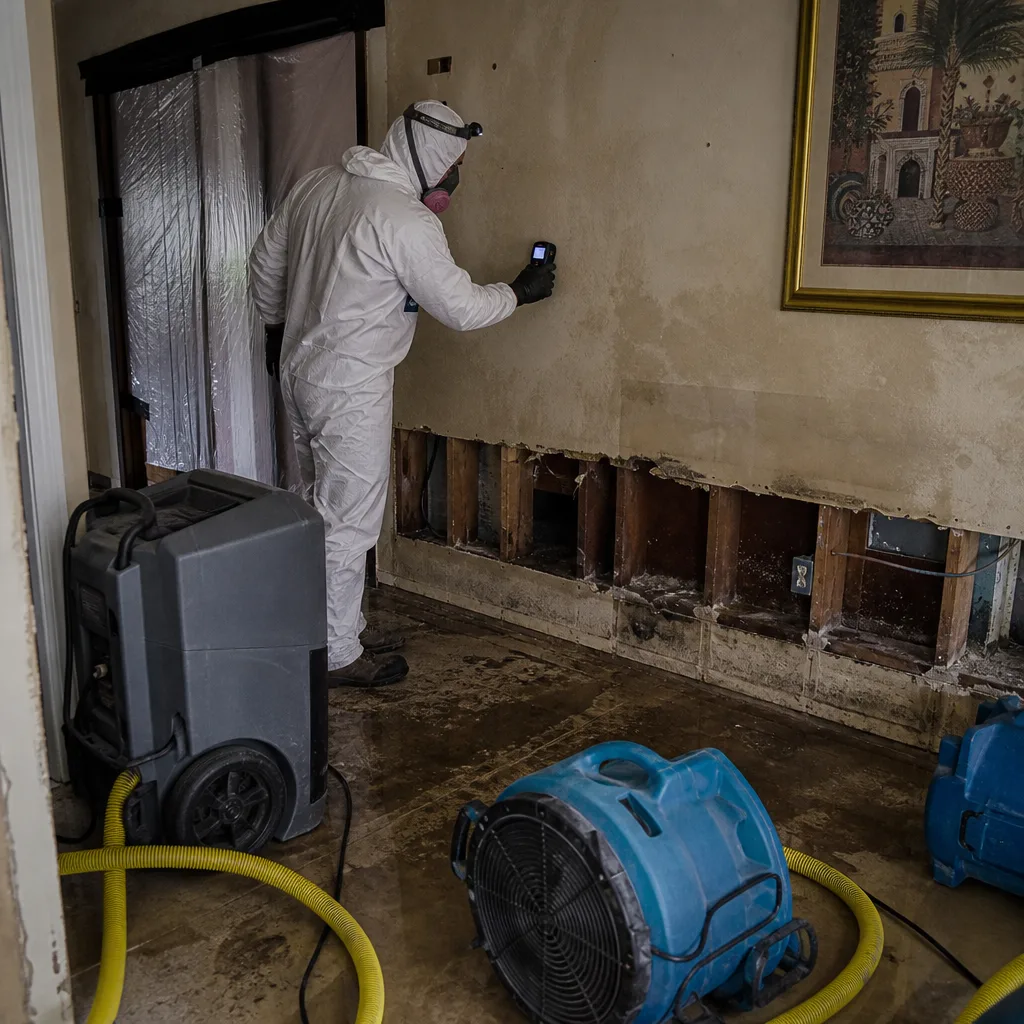 Before
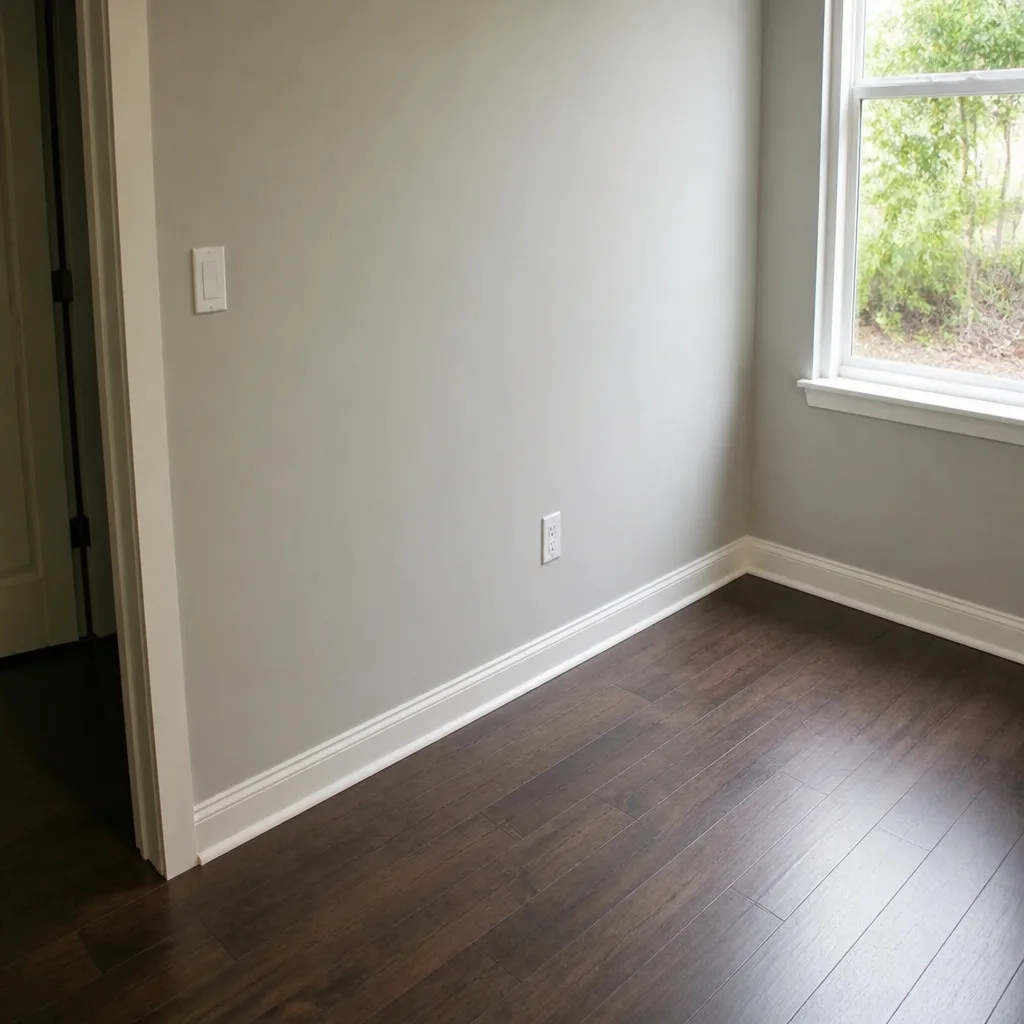 After
After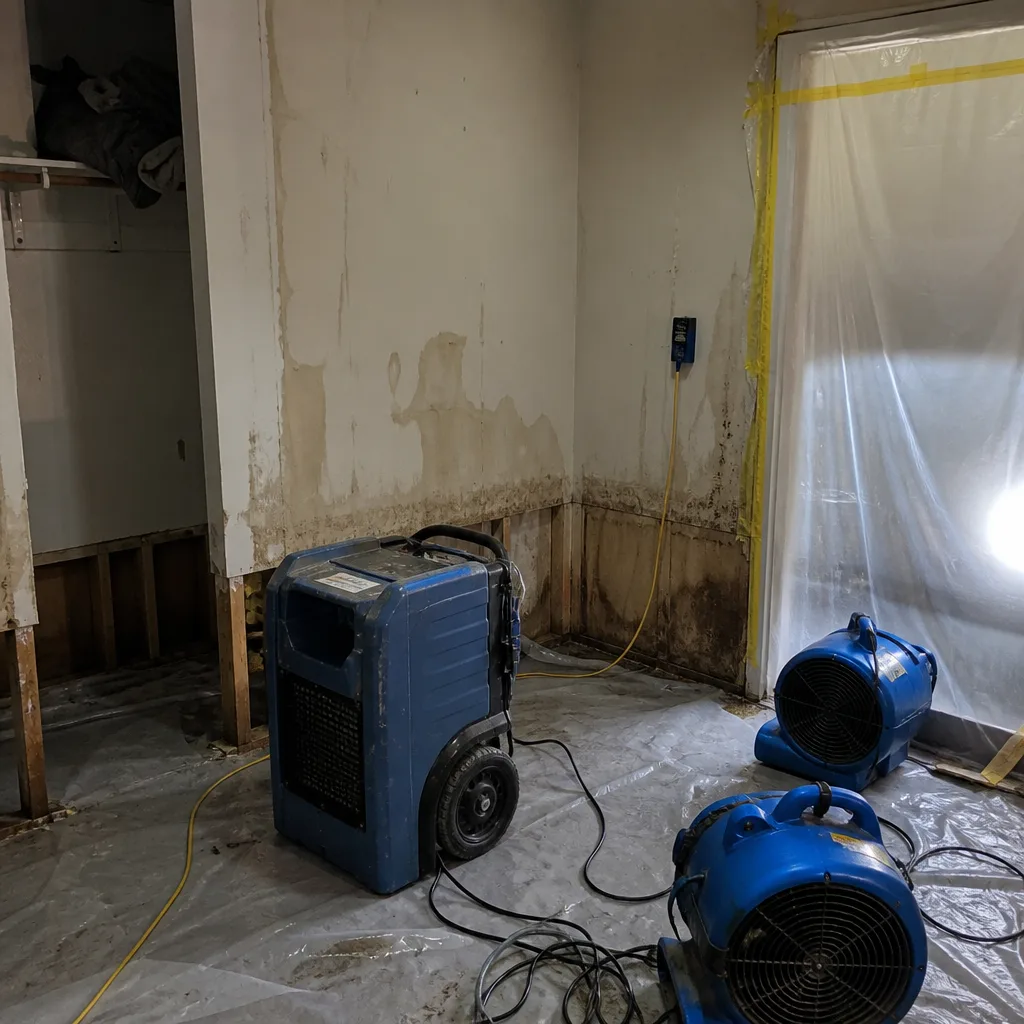 Before
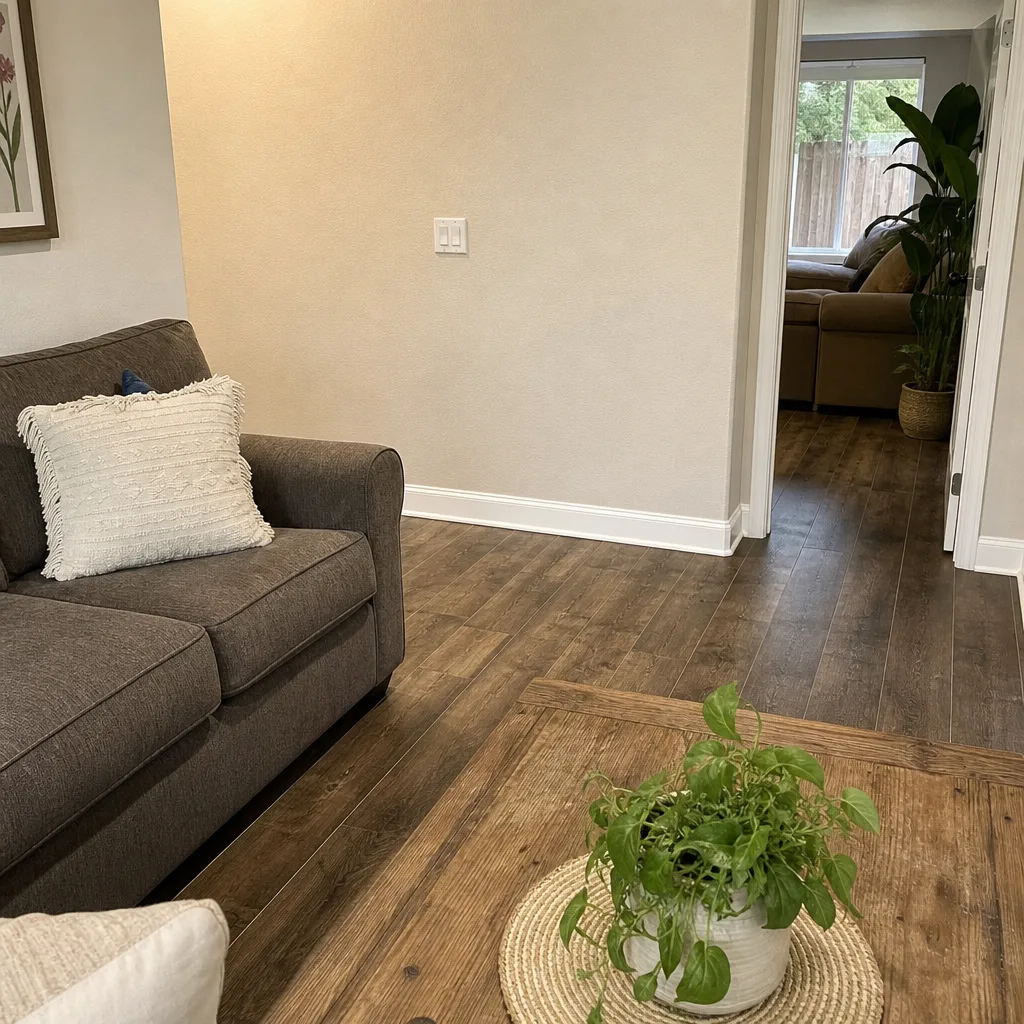 After
After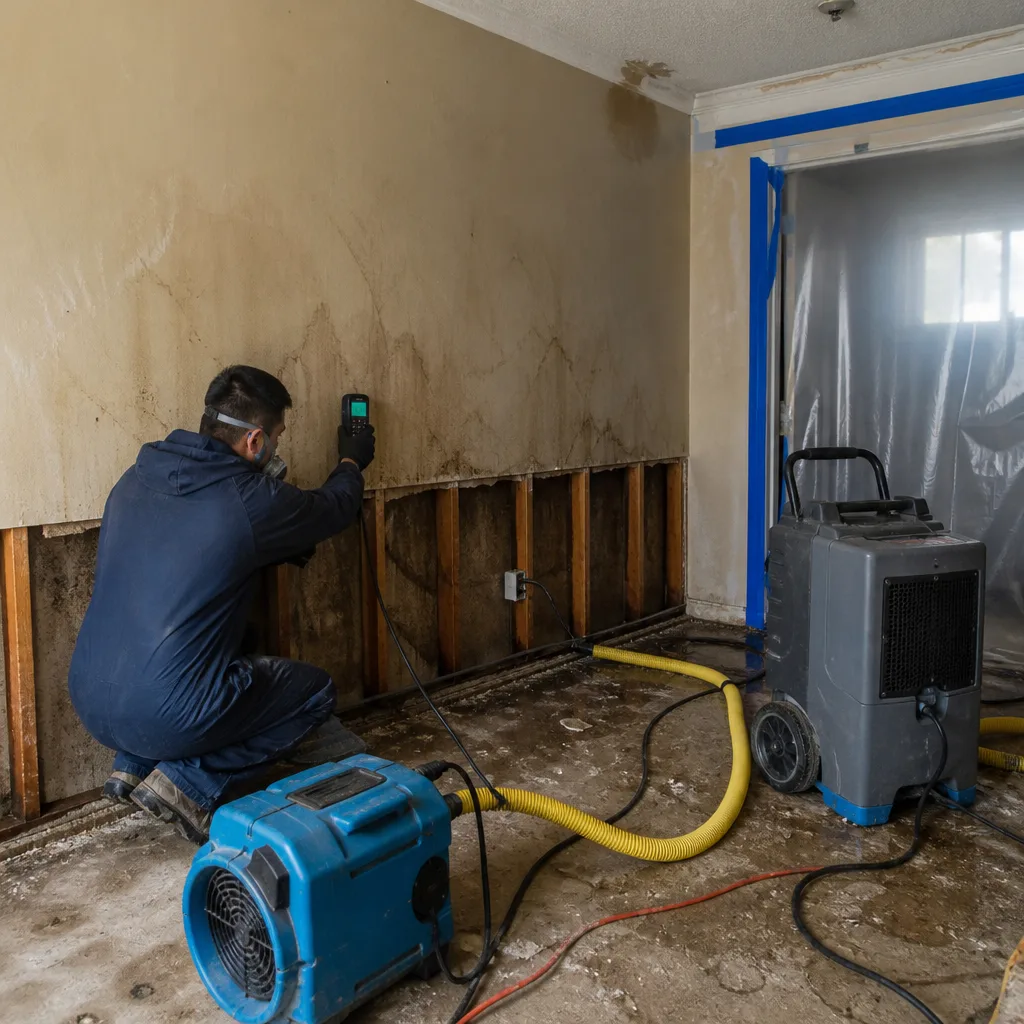 Before
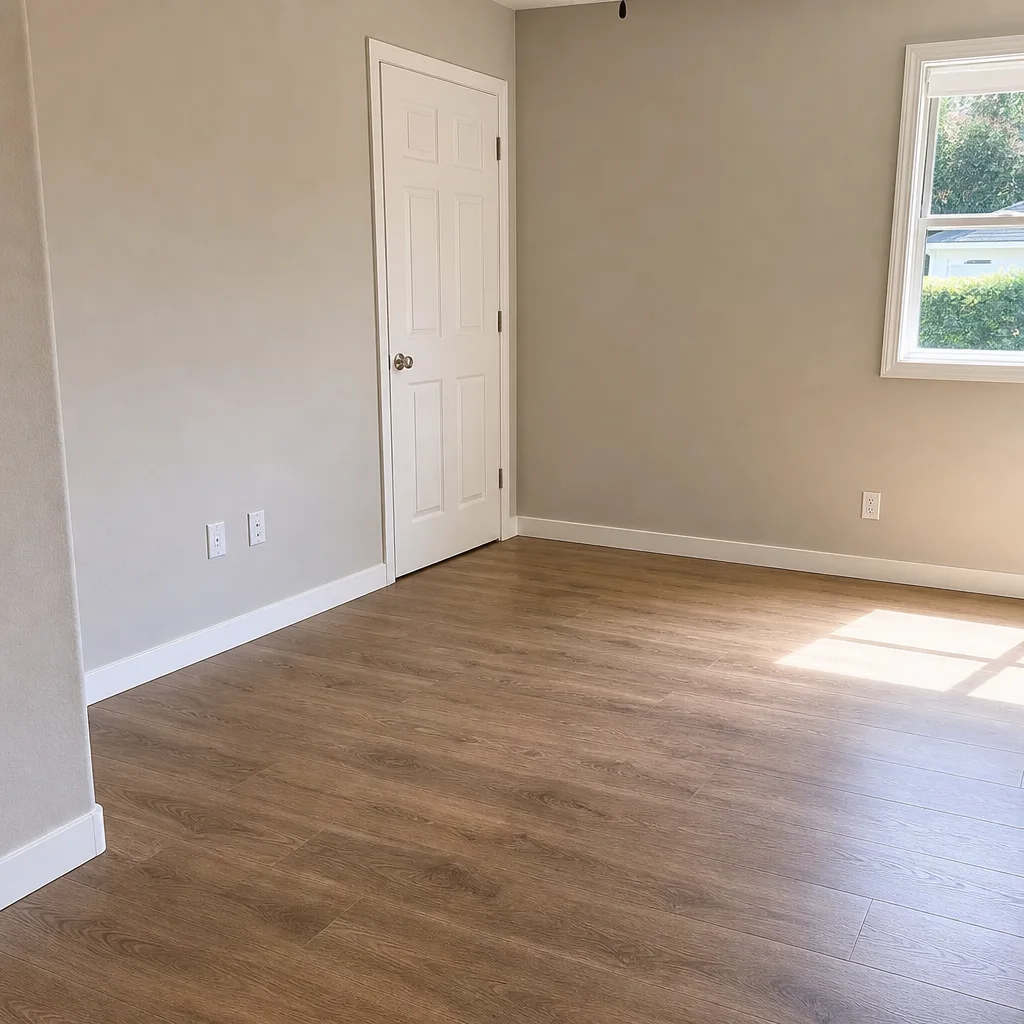 After
After24/7 Emergency Fire & Smoke Damage Restoration in Camp Pendleton South
A fire in your Camp Pendleton South home demands immediate action. Call (760) 421-5658 and a live person answers, 24 hours a day, 7 days a week. No voicemail trees, no next-business-day callbacks while soot continues to etch your cabinets and smoke odor soaks deeper into drywall. Our crews are dispatched from the San Diego office and can be on base at your Lincoln Military Housing unit within the hour, provided access is coordinated through your housing office.
The first hour after a fire determines how much of your home and belongings can be saved. Soot is acidic. Within minutes it begins staining finishes. Within hours it bonds with surfaces. Within days the odor penetrates framing and becomes a structural problem rather than a surface one. That’s why we don’t schedule fire damage. We respond to it.
We provide a free visual inspection, a written scope of work, and a firm price before any equipment enters your unit. Haven Standard, Clause 1. Every time.
Understanding Fire & Smoke Damage Restoration Severity in Camp Pendleton South Properties
Fire damage in Camp Pendleton South housing falls into distinct categories that shape our response. Protein fires - the most common kitchen grease fire - leave nearly invisible but intensely pungent residue that etches painted surfaces and requires alkaline cleaners to break down. Natural substance fires from paper or wood produce dry, powdery soot that smears when wiped with water. Synthetic fires from plastics and petroleum products create thick, oily smoke webs that cling to vertical surfaces and require solvent-based cleaning agents.
The base’s housing stock amplifies these challenges. The 1950s-1970s concrete-block duplexes in San Onofre and Las Pulgas feature original galvanized supply lines, minimal vapor barriers, and decades of layered paint that trap odor. Newer Lincoln Military Housing developments have modern framing but the same coastal humidity that slows natural drying. Smoke migrates through shared walls in duplex construction, and the marine layer keeps interior relative humidity elevated enough that psychrometric data - our measurement of temperature, humidity, and vapor pressure - shows secondary moisture damage is common even when the fire was contained to one room.
We map every job with thermal imaging and moisture meters. Tertiary drying, the final phase where we remove bound moisture from structural materials, often takes longer in Camp Pendleton South than inland because of that persistent humidity. We document every reading.
Why Camp Pendleton South Property Owners Choose DryMark Restoration Fallbrook
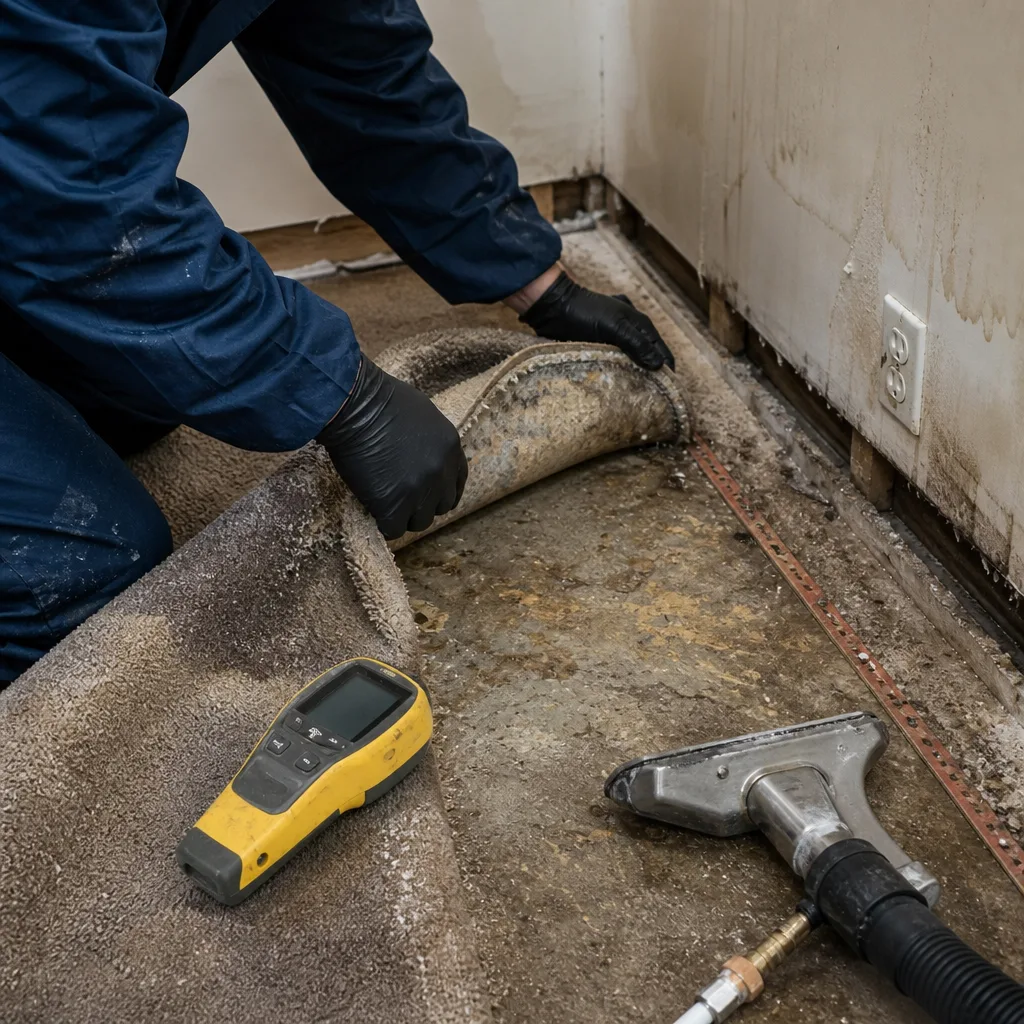
- 45-minute response commitment to Camp Pendleton South once Lincoln Military Housing clears base access - we coordinate with your housing office, not around it.
- 24/7 live answer by a real person, never an automated system; emergency lines ring to our dispatch center with no voicemail trees.
- IICRC-certified crews holding FSRT (Fire & Smoke Restoration Technician) and WRT (Water Damage Restoration Technician) certifications, with AMRT (Applied Microbial Remediation Technician) cross-training for the mold we find behind fire-damaged walls.
- Free visual inspection and written estimate before any work begins - Haven Standard, Clause 1, no exceptions.
- Direct insurance billing with photo-documented estimates, daily drying logs, and direct adjuster coordination that turns restoration invoices into payable claims.
- One team from emergency response through reconstruction - no handoffs to unknown subcontractors, no gaps in documentation.
BeforeAfterOur Fire & Smoke Damage Restoration Process
1. Inspection & Assessment
We arrive with thermal imaging cameras, moisture meters, and soot classification test kits. Every surface is documented with time-stamped photos. We identify the fire type, map smoke migration paths, and test for hidden moisture behind walls - especially critical in Camp Pendleton South’s older concrete-block units where the marine layer already elevates interior humidity.
2. Emergency Board-Up & Stabilization
Broken windows, compromised doors, and fire-damaged garage doors are secured immediately. In Camp Pendleton South, we replace salt-corroded springs, hinges, and rollers with galvanized or stainless hardware during this phase, because fire-scorched opener chains and smoke-damaged tracks frequently fail completely once disturbed.
3. Contents Pack-Out & Inventory
Salvageable items are photographed, inventoried, and transported to our cleaning facility. Non-salvageable items are documented for your insurance claim with itemized descriptions and replacement values. This is standard. Never an upsell.
4. Soot & Smoke Removal
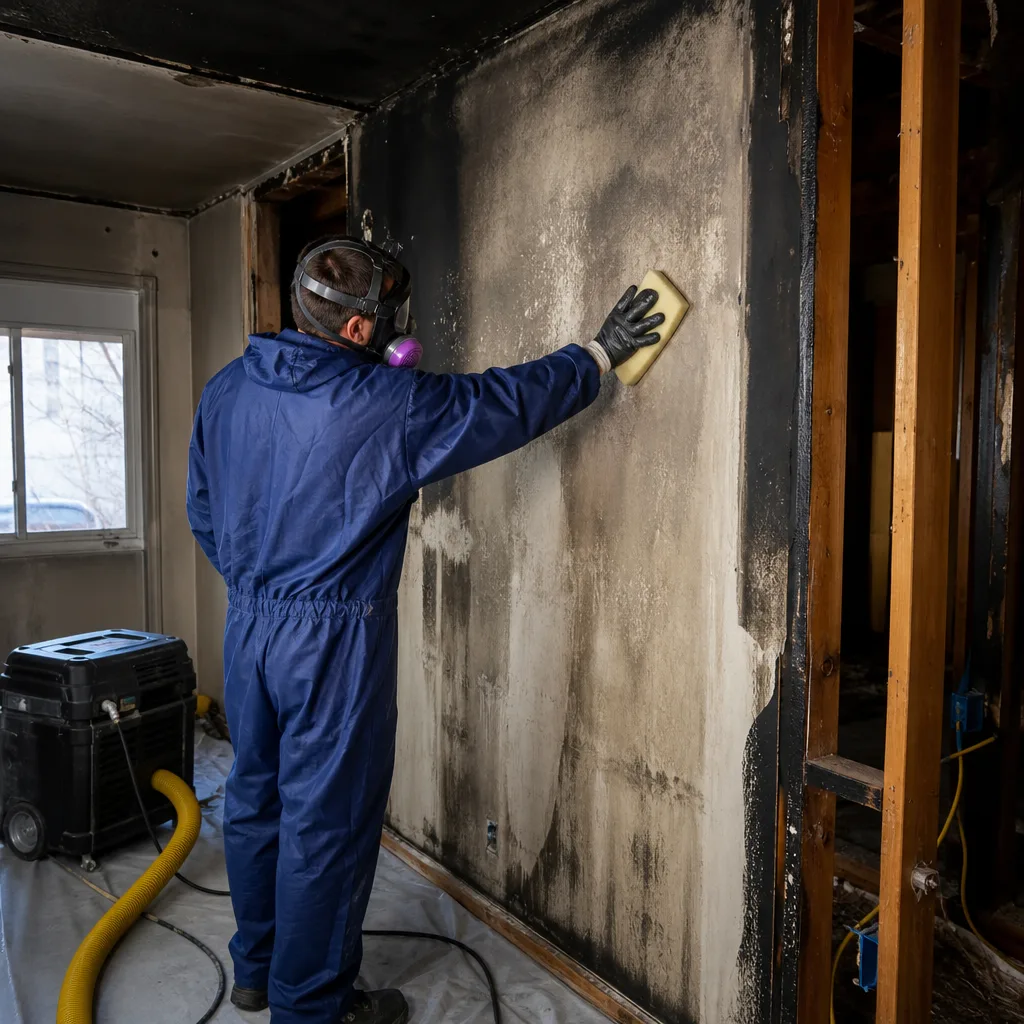
We match cleaning chemistry to soot type: dry sponges for natural fires, alkaline solutions for protein residue, solvent-based agents for synthetics. HEPA air scrubbers run continuously, creating negative air pressure that prevents cross-contamination to unaffected rooms - essential in duplex housing with shared wall cavities.
5. Odor Removal & Dehumidification
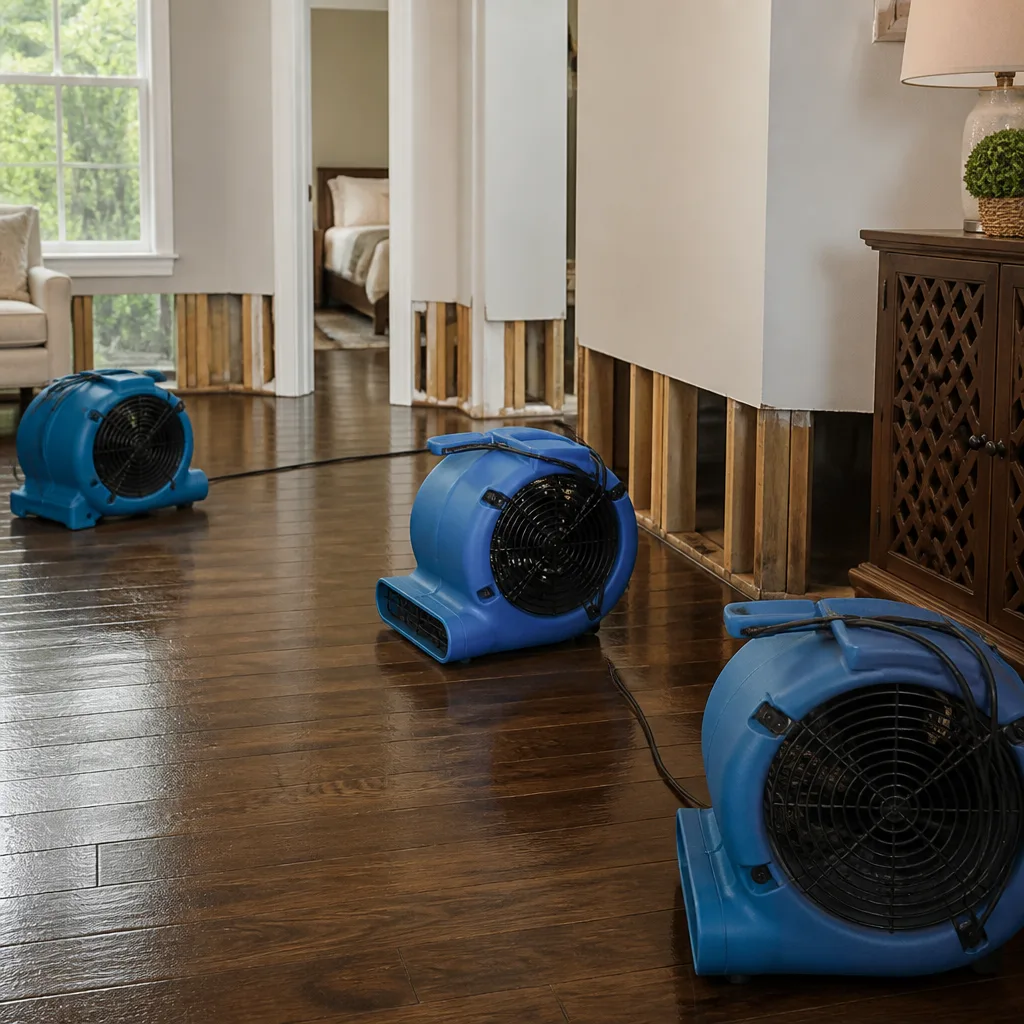
Thermal fogging and ozone treatment break odor molecules at the source. In Camp Pendleton South, we run concurrent dehumidification with Phoenix and Dri-Eaz LGR units because the coastal marine layer keeps humidity high enough to reactivate odor in porous materials. Daily moisture logs track progress to pre-loss conditions.
6. Repairs & Restoration
Damaged drywall, flooring, cabinetry, and fixtures are replaced to match existing finishes. We provide a written scope, a firm price, and a completion timeline before reconstruction begins. Every job closes with our 365-Day Done Right Promise under The Haven Standard.
Need Emergency Fire & Smoke Damage Restoration in Camp Pendleton South Now?
Crews minutes away, answering live 24 hours a day. The sooner we start, the less it costs.
Working With Your Insurance Company
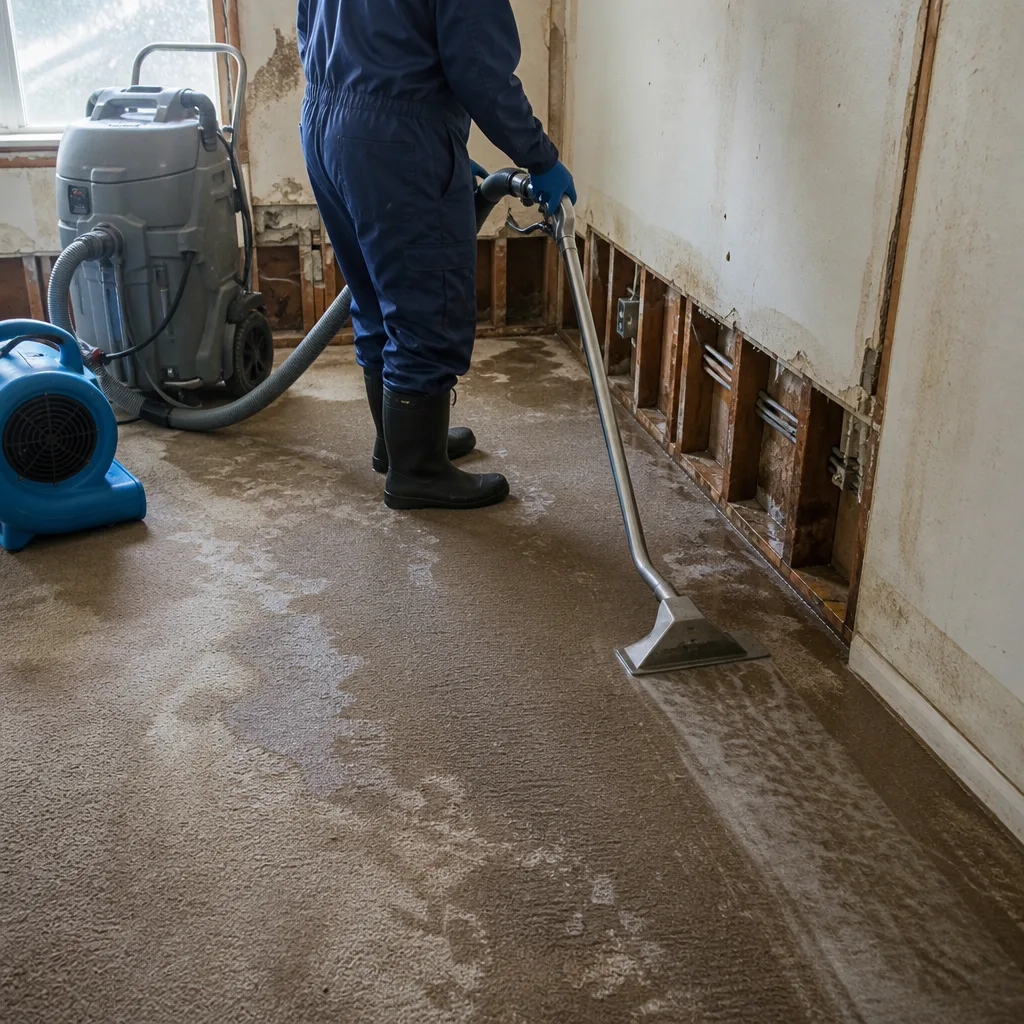
Fire claims succeed or fail on documentation. We’ve seen too many homeowners lose thousands because a restoration company handed the adjuster a single-page invoice with no photos, no moisture readings, and no proof that the work was necessary. That doesn’t happen on our jobs.
From the first hour, we build a claim file that speaks the language adjusters recognize: IICRC-standard scope formats, line-item pricing, and photographic evidence of every damaged surface before and after treatment. We coordinate directly with your carrier, answer their questions, and defend our scope if they challenge it. You focus on your family. We handle the paperwork.
What We Provide Your Insurer
- Thorough documentation of the loss
- Photos of all damage, room by room
- Moisture readings and drying logs
- A detailed, line-item scope of work
- Direct coordination with your carrier
Built for Camp Pendleton South’s Loss Calendar
Fire and smoke damage in Camp Pendleton South follows patterns shaped by base life and coastal climate. January through March brings the highest kitchen fire volume, as families spend more time indoors cooking in older units with dated ventilation. Santa Ana wind events, typically September through November, drive wildfire ember cast across the installation and surrounding training areas, depositing smoke and soot in housing units miles from any active flame.
The marine layer persists year-round, keeping interior humidity above 60% in ground-floor units and older duplexes. This means smoke odor that would dissipate naturally in drier inland climates instead bonds with moisture in drywall and framing. We see this constantly in San Onofre housing, where 1960s-era construction lacks modern vapor management and deodorization requires extended dehumidification runs.
Summer PCS rotations create another spike. Families rushing to clear housing before transfer leave stoves unattended, overload electrical circuits with packing equipment, or discover fire damage from the previous tenant that was never properly remediated. Lincoln Military Housing then coordinates our access, and we often find layered problems: smoke residue from one incident, moisture damage from another, all hidden behind fresh paint.
Fire & Smoke Damage Restoration Across Camp Pendleton South’s Neighborhoods
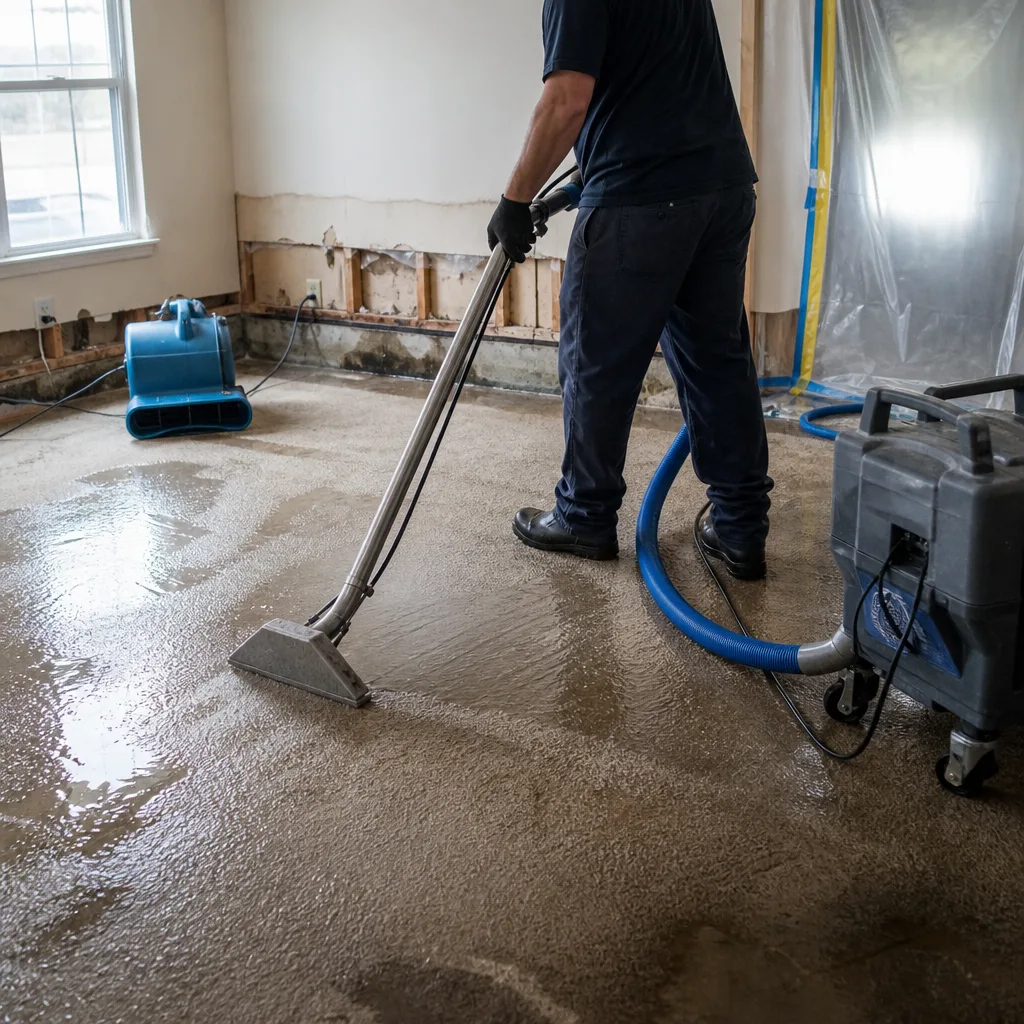
Camp Pendleton South isn’t a single housing market. It’s multiple eras of construction, each with distinct fire damage patterns.
San Onofre housing cluster - the 1950s-1970s concrete-block duplexes along the western edge near the 5 freeway. Original galvanized supply lines, minimal insulation, shared wall cavities that transmit smoke between units. We’ve restored dozens of kitchens here after grease fires, and the protein soot pattern is always the same: invisible residue on upper cabinets, etched paint on range hoods, odor trapped in the chase where those old supply lines run. The marine layer keeps these units damp enough that mold appears behind fire-damaged drywall within 72 hours if we don’t establish proper drying immediately.
Las Pulgas area - similar vintage to San Onofre but with more wood-frame construction and the same chronic salt-air corrosion. Garage door hardware fails prematurely here. We replace pitted springs and seized rollers on nearly every fire job, because smoke and heat accelerate corrosion that was already years ahead of inland wear.
Newer Lincoln Military Housing developments near the 13 Area and Mainside - modern framing, better vapor barriers, but the same duplex and quadplex density that allows smoke migration through attics and crawl spaces. These units have more synthetic materials, so fires produce thicker, oilier soot that requires more aggressive cleaning chemistry.
The Santa Margarita River corridor - riparian flooding risk meets fire damage when ember cast from training-area wildfires deposits soot that the river’s humidity then locks into porous surfaces. We’ve scoped jobs here where the fire was minor but the combination of smoke plus moisture created a remediation need far beyond what the flame itself suggested.
Specialized Fire & Smoke Damage Restoration Services We Offer in Camp Pendleton South
Fire Damage Cleanup
Structural cleaning after any fire class, from contained kitchen grease fires to full-room involvement. In Camp Pendleton South, we coordinate all access through Lincoln Military Housing and carry DoD-compliant credentials for base entry. Every surface is tested before cleaning to match chemistry to soot type.
Smoke & Soot Removal
Smoke migrates farther than flames reach. We trace migration paths with thermal imaging, then remove residue with methods matched to the fire source: dry sponging for natural materials, alkaline cleaning for protein fires, solvent agents for synthetic combustion. HEPA containment prevents cross-contamination in shared-wall housing.
Odor Removal & Deodorization
Thermal fogging, ozone treatment, and hydroxyl generation break odor molecules at the source. In Camp Pendleton South’s humid coastal environment, we always pair deodorization with dehumidification - odor rebounds in damp conditions, and our daily moisture logs prove we’ve dried to pre-loss standards before we declare the job complete.
Contents Cleaning & Pack-Out
Salvageable belongings are inventoried, photographed, and transported to our facility for specialized cleaning. Non-salvageable items are documented for insurance replacement with detailed descriptions. For PCS-rotating families, we expedite pack-outs to meet housing clearance deadlines while maintaining full documentation.
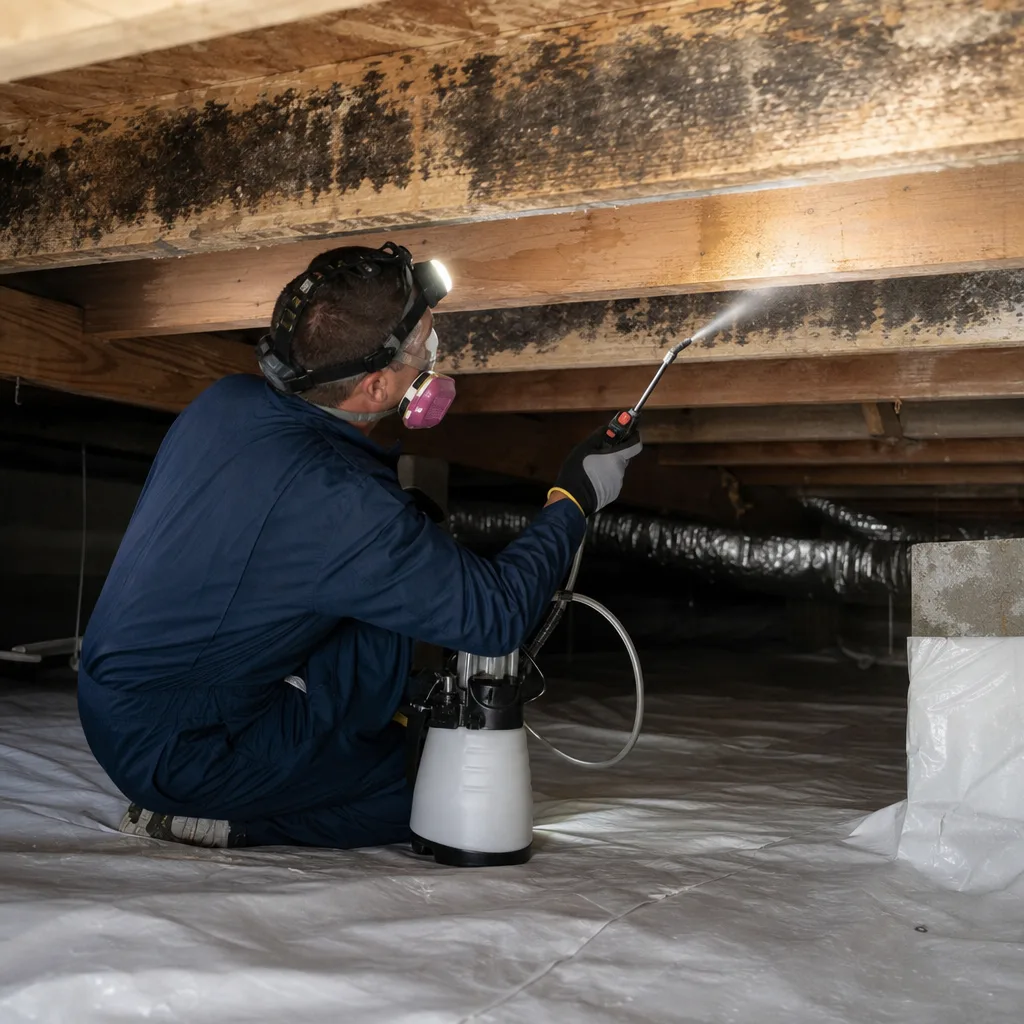
Emergency Board-Up & Tarping
Immediate security and weather protection for fire-compromised structures. In Camp Pendleton South, this includes replacing salt-corroded garage door hardware with galvanized or stainless components that won’t fail a second time when you need them most.
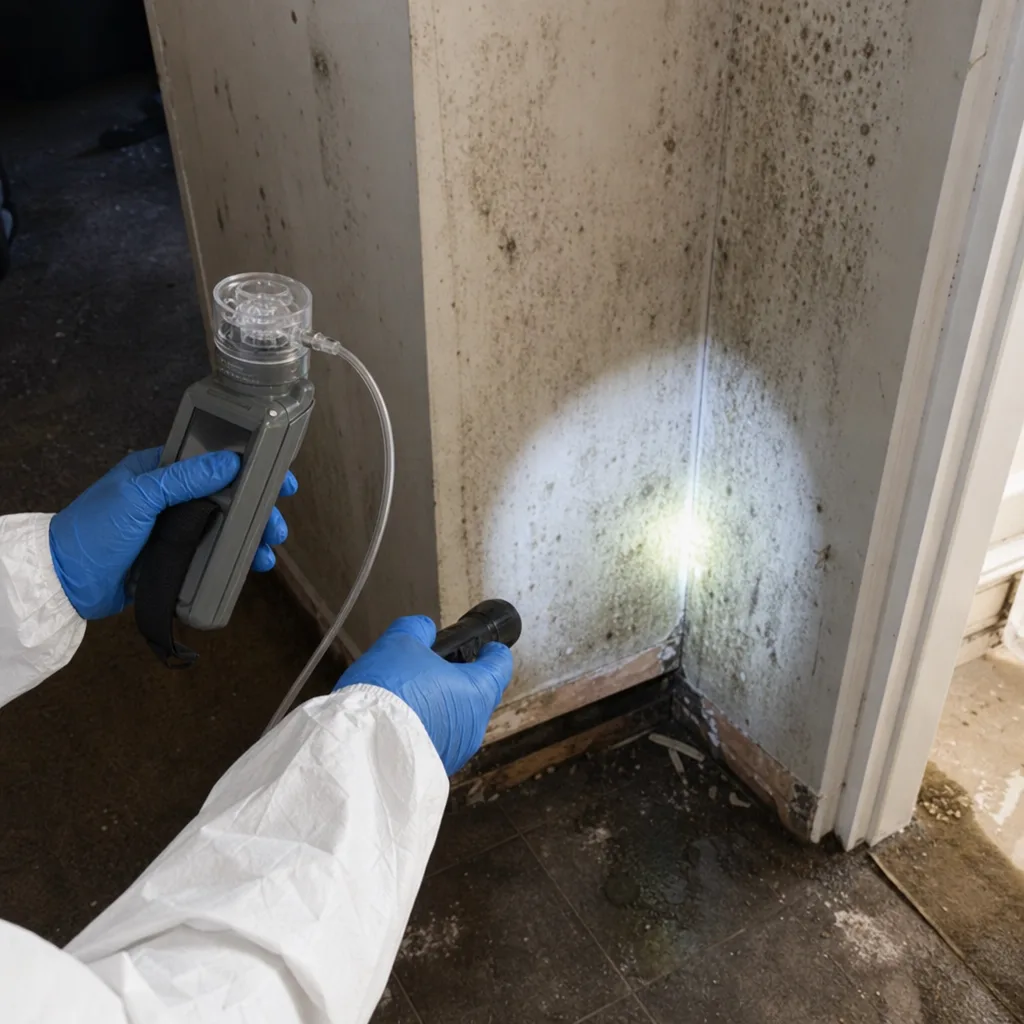
What happens when you call
- 1
A real person answersNo phone trees - you reach a local pro.
- 2
You get an upfront price rangeHonest numbers before anyone is dispatched.
- 3
A background-checked tech heads outLicensed & insured, dispatched right away.
- 4
You approve before work beginsNothing starts until you say go.
Fire & Smoke Damage Restoration Costs in Camp Pendleton South, CA
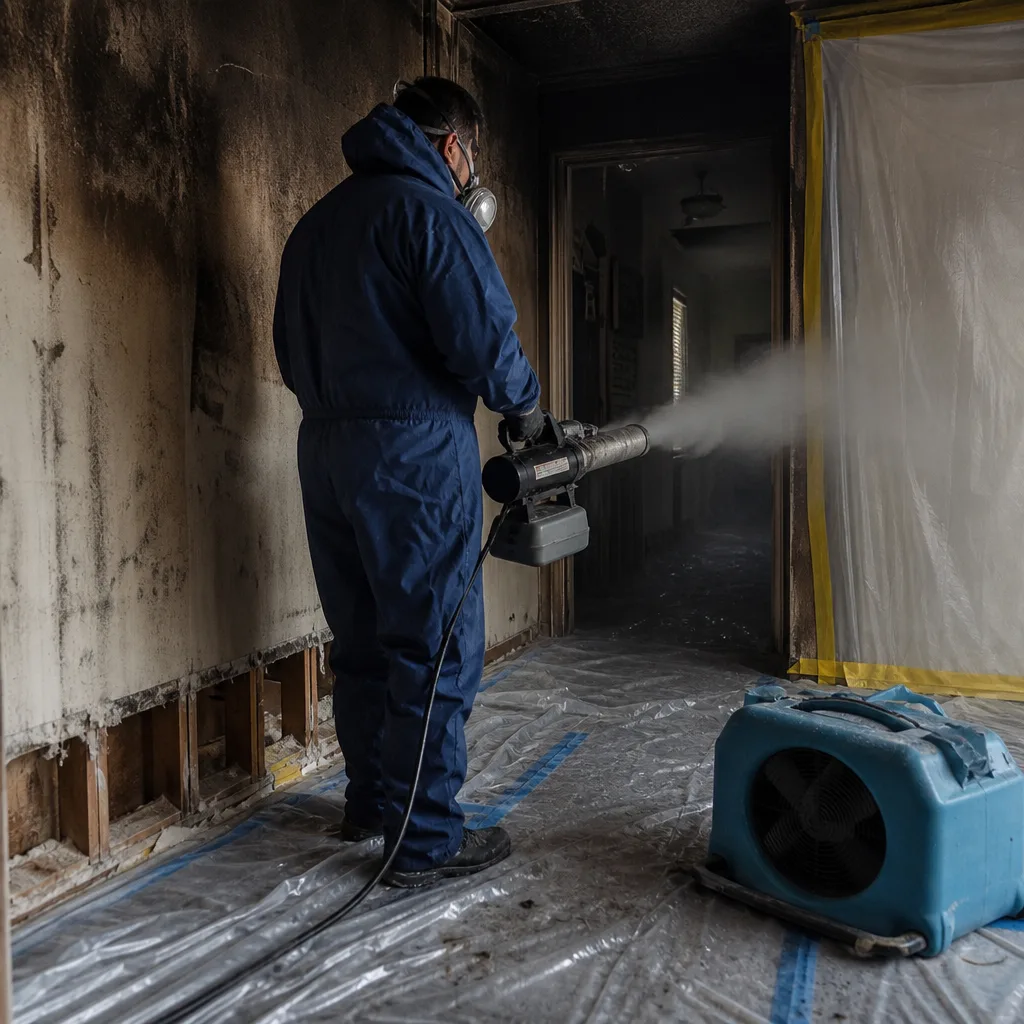
Actual pricing for Camp Pendleton South’s market, delivered in writing before work begins:
| Service | Typical Range |
|---|---|
| Emergency board-up and stabilization | $350 - $850 |
| Contents pack-out and inventory (per room) | $400 - $900 |
| Smoke and soot removal (per affected room) | $600 - $1,400 |
| Odor removal and deodorization | $500 - $1,200 |
| Structural drying and dehumidification (daily) | $150 - $350 |
| Contents cleaning (per cubic foot) | $4 - $8 |
| Full reconstruction (per square foot) | $45 - $95 |
What moves the price: the fire class (protein fires require more labor than natural fires), square footage affected, whether smoke migrated to HVAC systems, and whether hidden moisture or mold requires secondary remediation. Insurance typically covers direct fire and smoke damage plus necessary mitigation; upgrades beyond pre-loss condition are homeowner responsibility.
We provide a free visual inspection and written scope with firm pricing. Bring a competitor’s estimate and we’ll review it at no charge - our Free Second Opinion policy. Call (760) 421-5658.
We Also Serve Cities Near Camp Pendleton South
Our crews respond throughout northern San Diego County from the San Diego office: Camp Pendleton South, Fallbrook, Camp Pendleton North, Oceanside, and Vista. Each community has distinct housing stock and damage patterns, and we adjust our response accordingly.
Serving Camp Pendleton South, CA - Our Local Coverage Area
We’re based in the Camp Pendleton South area and know this community well. Use the map below to see our service coverage - if you’re nearby, we can almost certainly help.
Camp Pendleton South Fire & Smoke Damage Restoration Questions, Answered
Who actually hires you for a fire and smoke restoration job in Camp Pendleton South?
Lincoln Military Housing hires us, not the individual family.
Every restoration contractor on base must carry DoD-compliant credentials and pass background checks for base access. We coordinate directly with your housing office from first call to final invoice. The affected family receives copies of all documentation, but Lincoln Military Housing controls access, approves scopes, and processes payment. This gate-controlled workflow is unique to Camp Pendleton South and defines every job we do here. If you’re a family member reading this, contact your housing office first, then ask them to call us at (760) 421-5658.
Why does the garage door hardware fail after a fire in Camp Pendleton South but not in Fallbrook?
Salt-air corrosion accelerates metal fatigue years faster than inland climates.
Camp Pendleton South’s coastal marine layer deposits chloride on springs, hinges, rollers, tracks, and opener chains continuously. Fire heat and smoke residue strip protective oils, and the combination causes sudden failure. We see this constantly: a garage door works after the fire, then seizes completely two weeks later when a pitted spring snaps. We replace fire-damaged hardware with galvanized springs, stainless fasteners, and nylon rollers that resist salt corrosion. Fallbrook’s inland microclimate doesn’t produce this pattern, so standard hardware lasts its normal lifespan there.
How do you handle smoke odor in a unit that’s about to turn over on a PCS rotation?
We compress our deodorization and drying timeline without compressing documentation.
PCS deadlines are fixed. We respond with enough crew and equipment to complete thermal fogging, ozone treatment, and structural drying in parallel rather than sequence. Daily moisture logs prove completion to Lincoln Military Housing’s inspection standards. For families already departed, we coordinate key handoff through the housing office and deliver photo documentation by email. The unit clears for next occupancy with written certification of odor removal and moisture readings at pre-loss levels.
Does the Santa Margarita River corridor affect fire and smoke restoration here?
Yes, through humidity and flooding risk that complicate drying.
The river corridor creates a microclimate with higher ground moisture and flash-flood potential during rain events. After wildfire ember cast deposits soot, this humidity keeps residue active and bonding to surfaces longer than in drier areas. We always run dehumidification concurrent with soot removal in corridor-adjacent housing, and we monitor for secondary water intrusion if fire suppression or weather has introduced moisture. Our drying logs document vapor pressure differential - the force that drives moisture from materials into the air - to prove we’ve achieved true pre-loss conditions, not just surface dryness.
What should a Camp Pendleton South family expect during a fire damage cleanup?
Expect coordination through Lincoln Military Housing, not direct contractor access.
The housing office schedules our inspection, approves our written scope, and supervises access. You’ll receive copies of all documentation: photos, moisture readings, drying logs, and the final completion certificate. If contents pack-out is needed, we inventory every item with photo documentation for your insurance claim. Temporary relocation, when necessary, is arranged through Lincoln Military Housing. Our role is restoration and documentation; their role is housing management. The separation protects you from scope disputes and ensures every dollar is accounted for.
How fast can you actually get to my unit in Camp Pendleton South?
Our 45-minute response commitment applies once Lincoln Military Housing clears base access.
The variable is coordination time with your housing office, not our dispatch. We maintain DoD-compliant credentials specifically to avoid access delays. Call us at (760) 421-5658 immediately after contacting Lincoln Military Housing, and we’ll coordinate directly with them while our crew loads equipment. For after-hours emergencies, our 24/7 live dispatch reaches the housing office’s emergency line simultaneously.
Will insurance cover fire and smoke restoration in military housing?
Typically yes, through the family’s renter’s insurance or the housing office’s master policy.
We document every job to IICRC and RIA standards, with photo evidence, moisture logs, and line-item scopes that adjusters recognize and pay. We bill carriers directly when authorized and defend our documentation if challenged. For families with USAA or other military-focused carriers, we’re familiar with their preferred scope formats and can expedite claim processing. Call (760) 421-5658 and we’ll review your specific coverage at no charge.
Do your technicians have the right certifications for fire restoration?
Yes, with cross-training for the secondary problems fire reveals.
Our lead technicians hold IICRC FSRT (Fire & Smoke Restoration Technician) and WRT (Water Damage Restoration Technician) certifications, with AMRT (Applied Microbial Remediation Technician) training for the mold we commonly find behind fire-damaged walls in Camp Pendleton South’s humid older housing. Equipment is documented to IICRC, RIA, and IFA standards. License numbers and certification credentials are available on request - we don’t claim credentials we can’t produce.
Fire damage doesn’t wait for business hours. Soot etches, odor bonds, and costs escalate while you search for a contractor who answers the phone. We answer live, respond with documented precision, and deliver a written price before any work begins. That’s Haven Standard, Clause 1. It’s how we’ve operated since 2011, through 12,000 homes restored, and it’s how we’ll handle yours.
Call (760) 421-5658 now for emergency response or to schedule a free visual inspection. Estimates are free. Documentation is standard. And every job carries our 365-Day Done Right Promise.
Written by Alicia Brennan, Owner at DryMark Restoration Fallbrook, serving Camp Pendleton South under The Haven Standard since 2011.
Fire & Smoke Damage Restoration in Nearby Areas