
Last updated September 23, 2026
Free visual inspection and a written scope of work before any mitigation begins - photos, moisture readings, and drying logs go in your claim file
The scope we write is the scope we bill. Anything new gets shown to you, in writing, before we touch it.
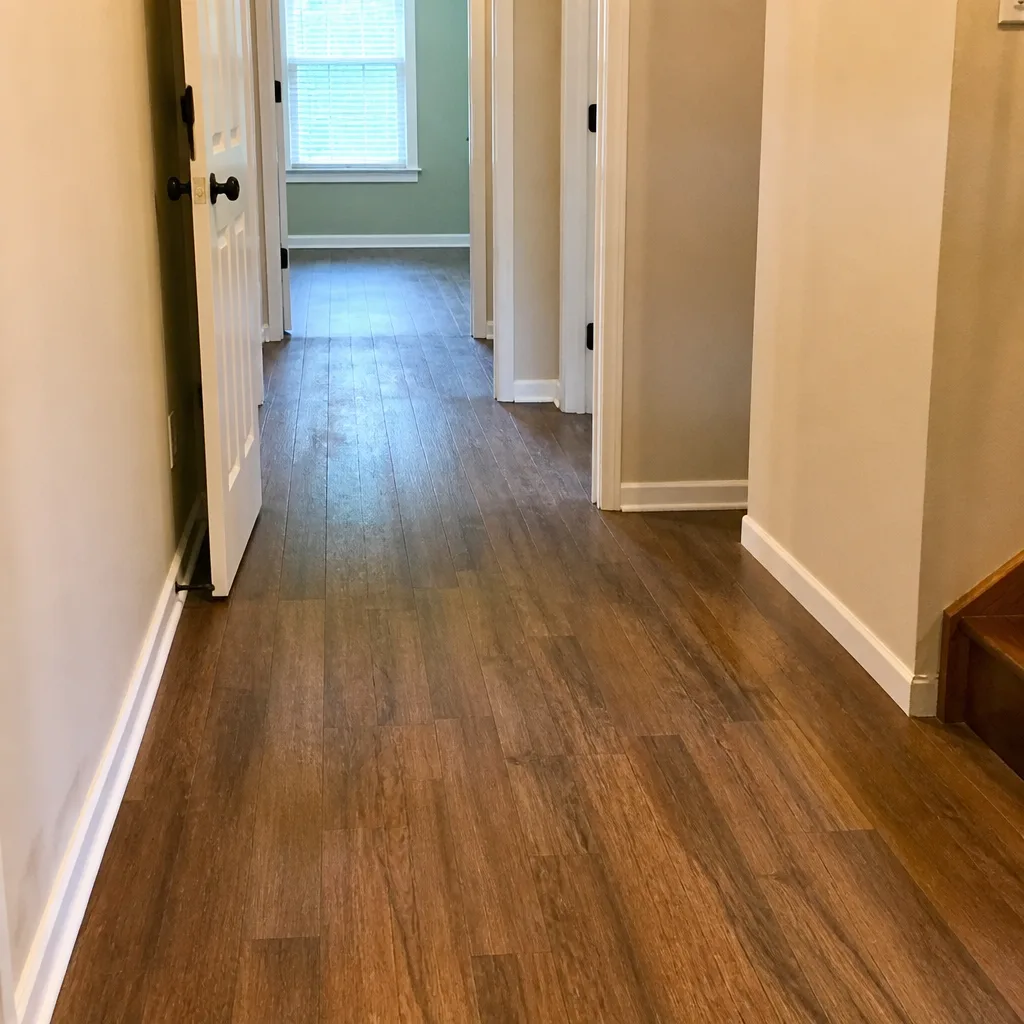
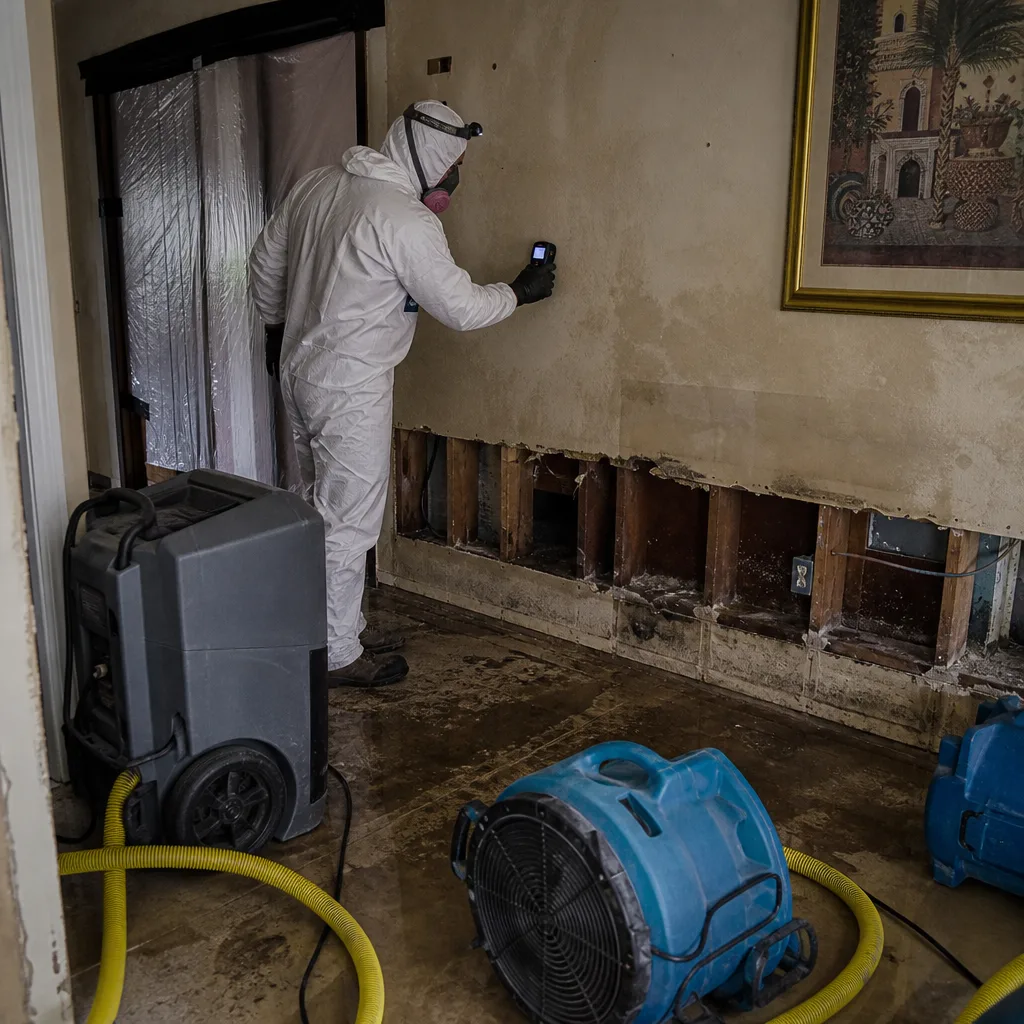 Before
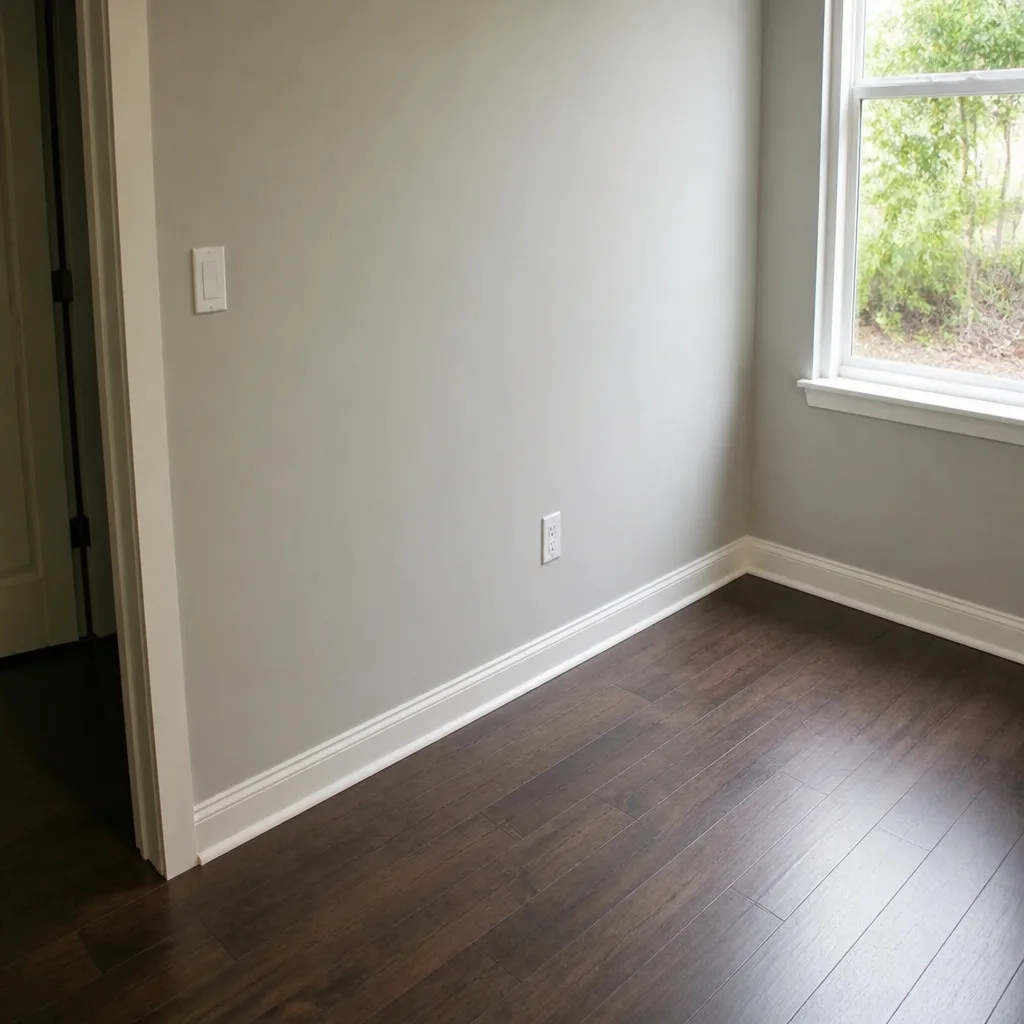 After
After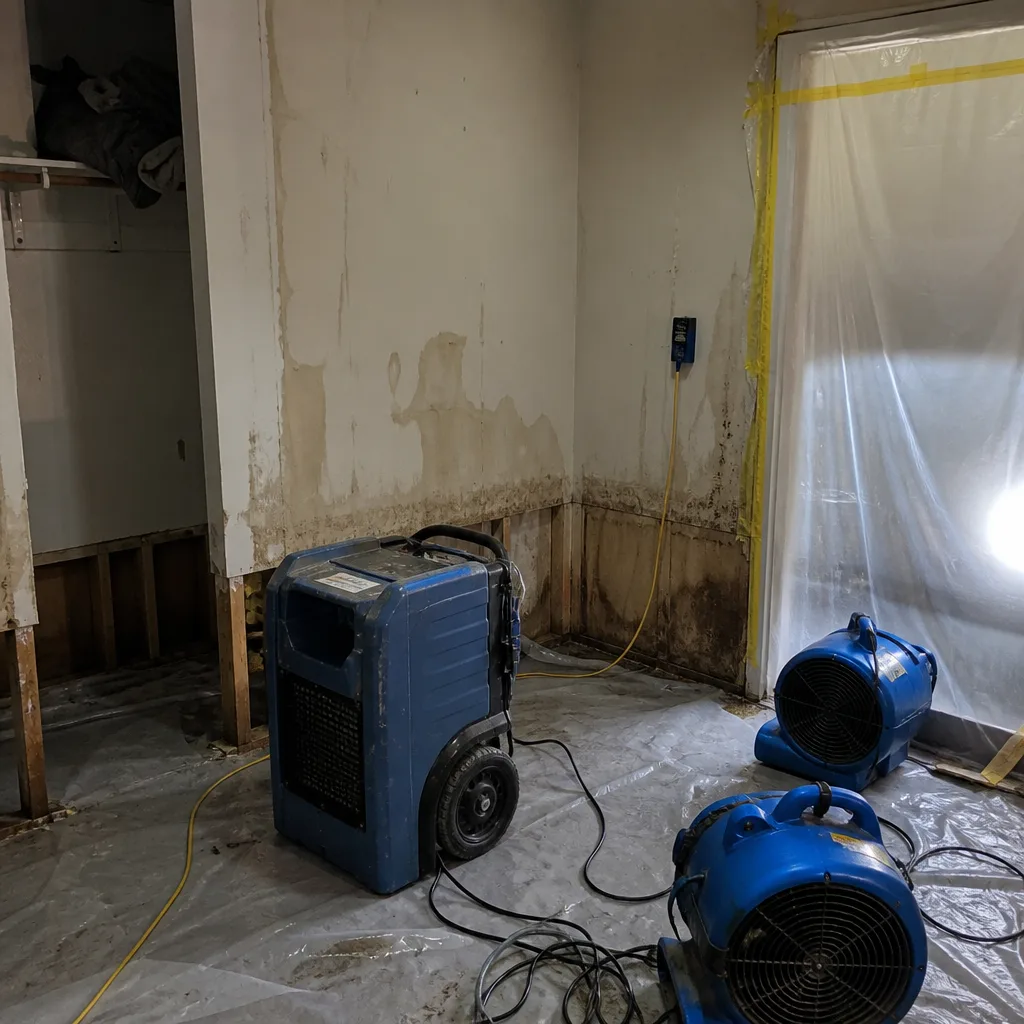 Before
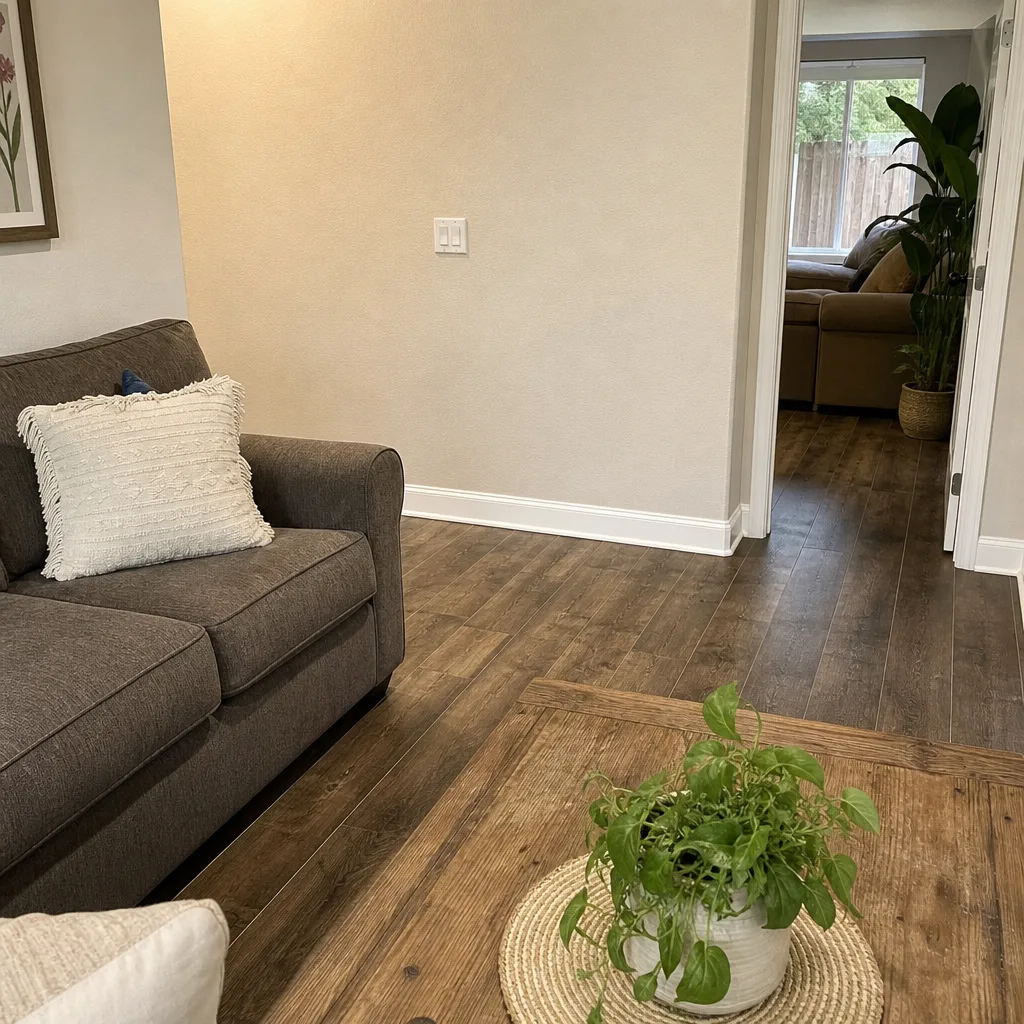 After
After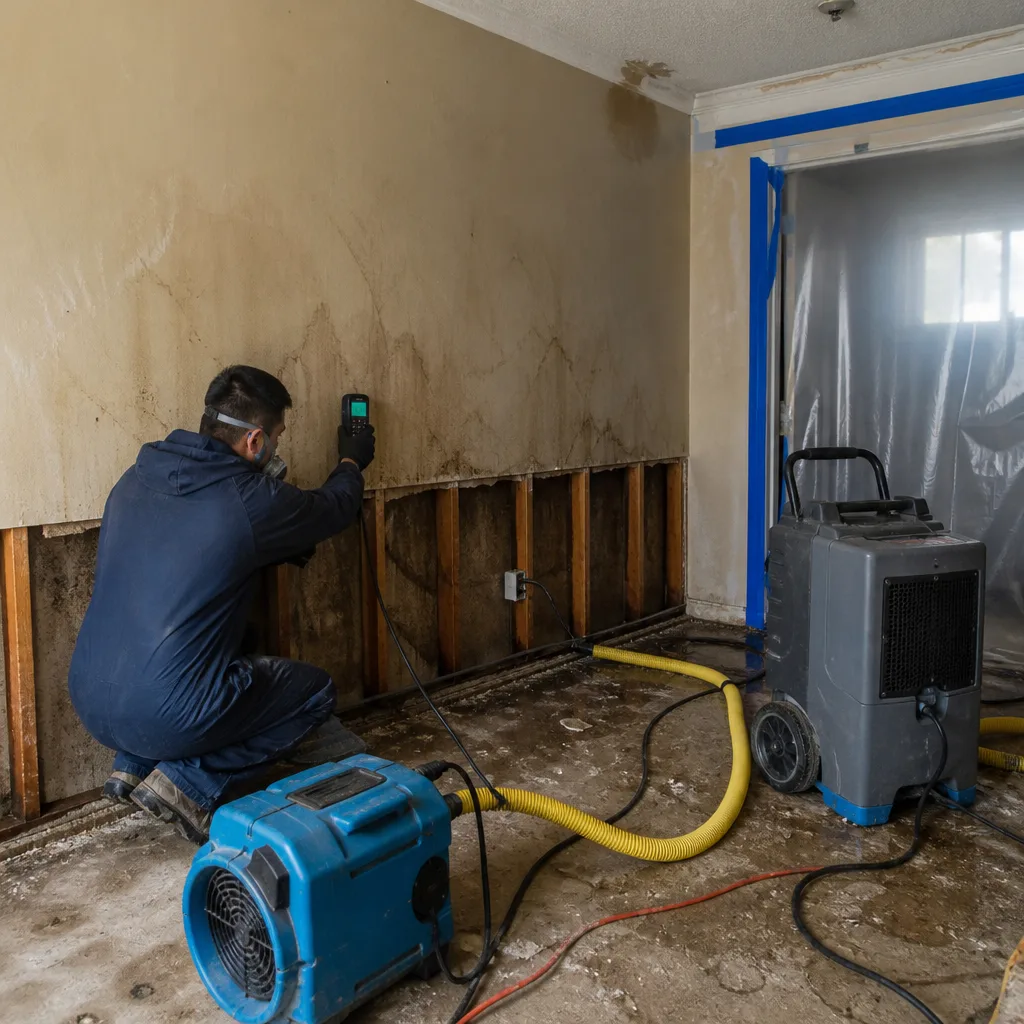 Before
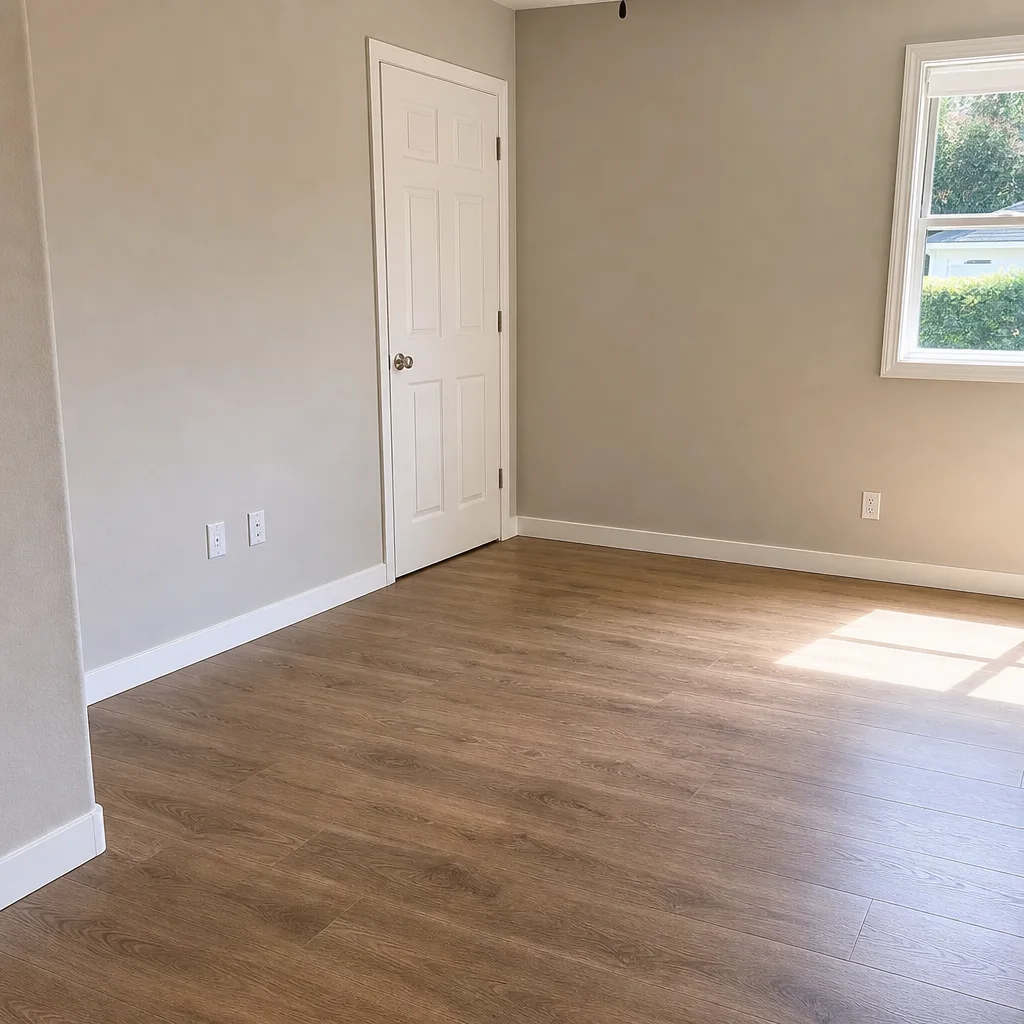 After
AfterDamage Restoration Cost Breakdown: The Fallbrook Homeowner’s Reference for 2026
The difference between a Category 1 clean-water loss and a Category 3 sewage-contaminated loss in a 400-square-foot area can produce estimates that vary by $18,000 or more. That gap is entirely legitimate, but most Fallbrook homeowners never see it explained before they sign. In this guide, we’ll show you the line-item framework that drives every restoration invoice in San Diego County, using 2026 Xactimate reference ranges, so you can evaluate any estimate against a transparent benchmark before work begins. For more guides & resources, visit our blog.
Quick Answer
Water damage restoration in Fallbrook typically ranges from $3,200 for a small Category 1 loss with minimal demolition to $34,000+ for a Category 3 loss requiring full gutting, tertiary drying, and reconstruction with permit-matched finishes. The final cost depends on water category, IICRC loss class, affected square footage, material types requiring finish-matching, and whether San Diego County permits are triggered for structural repairs.
Table of Contents
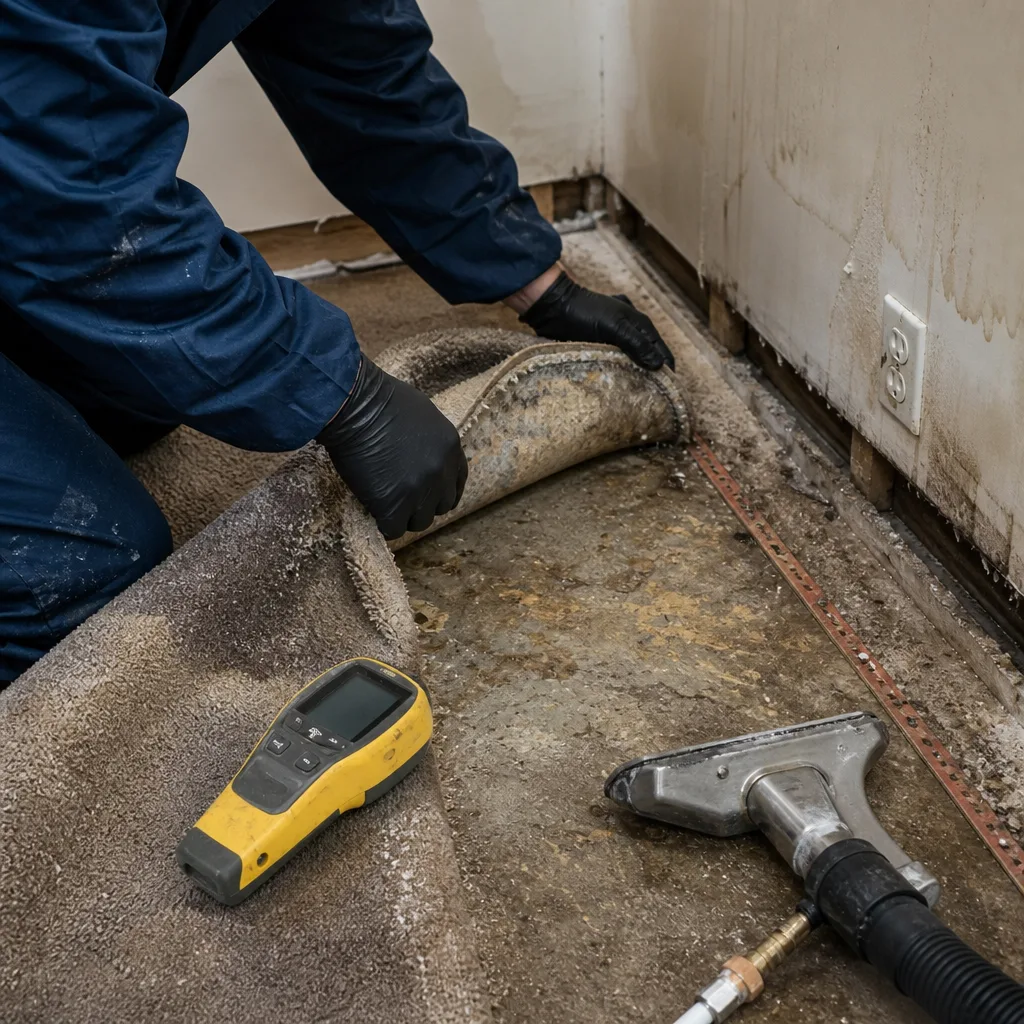
- How Restoration Costs Are Built: The Five Loss Phases
- How Water Category and IICRC Class Change Every Line Item
- Fallbrook-Specific Cost Factors: Permits, Disposal, and Finish Matching
- Worked Example: 200-Square-Foot Bathroom Loss
- What a Defensible Invoice Contains for Adjuster Approval
- How to Spot an Underbid Before You Sign
- Common Mistakes to Avoid
- When to Call a Professional
- Frequently Asked Questions
BeforeAfterHow Restoration Costs Are Built: The Five Loss Phases
Every restoration invoice breaks into five sequential phases. Understanding each lets you read an estimate the way an adjuster does: as a story of what happened, what was required to stop it, and what it took to return the space to pre-loss condition.
Phase 1: Emergency Response
This covers mobilization, initial assessment, and containment. In Fallbrook, emergency response rates for IICRC-certified firms run $195-$385 for the initial dispatch, plus $85-$145 per hour for technician time. The phase includes moisture mapping with thermal imaging, water category determination, and establishing containment barriers if microbial growth is suspected. For water damage restoration in Fallbrook, this phase typically takes 2-4 hours for residential losses under 1,000 square feet.
Phase 2: Mitigation
Mitigation stops ongoing damage. It includes water extraction, controlled demolition of unsalvageable materials, and initial sanitization. Costs scale dramatically by water category: Category 1 extraction runs $0.85-$1.40 per square foot, while Category 3 extraction with protective equipment, biocide application, and specialized disposal reaches $3.50-$5.20 per square foot. The phase ends when the structure is stable and drying equipment can be deployed effectively.
Phase 3: Demolition
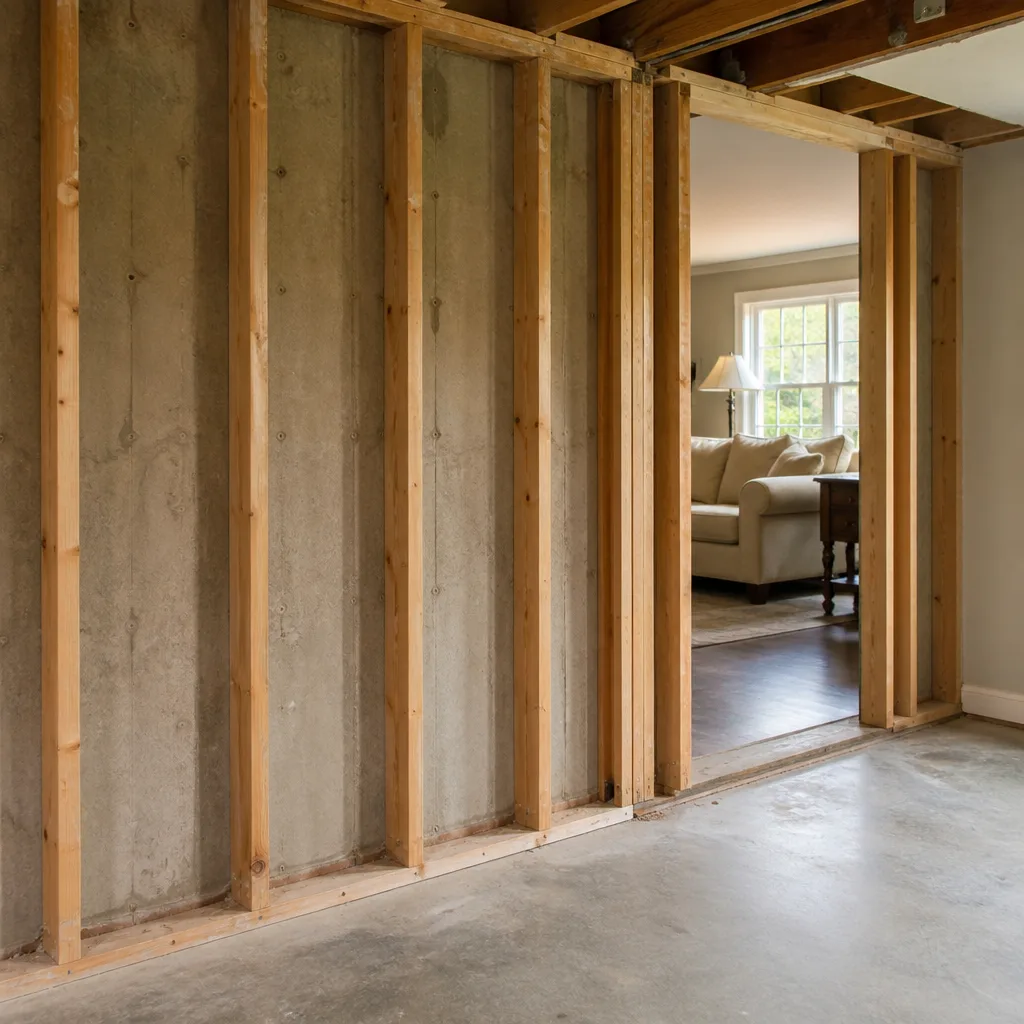
Not all wet material gets removed. IICRC S500 standards govern what stays and what goes based on material porosity, contamination level, and drying feasibility. Demolition in Fallbrook runs $2.80-$4.50 per square foot for standard drywall and insulation removal, but climbs to $7.50-$12.00 per square foot for tile-over-slab bathrooms where the mud bed is saturated, or for plaster-and-lath walls common in Fallbrook’s pre-1980 ranch homes near Live Oak Park.
Phase 4: Drying
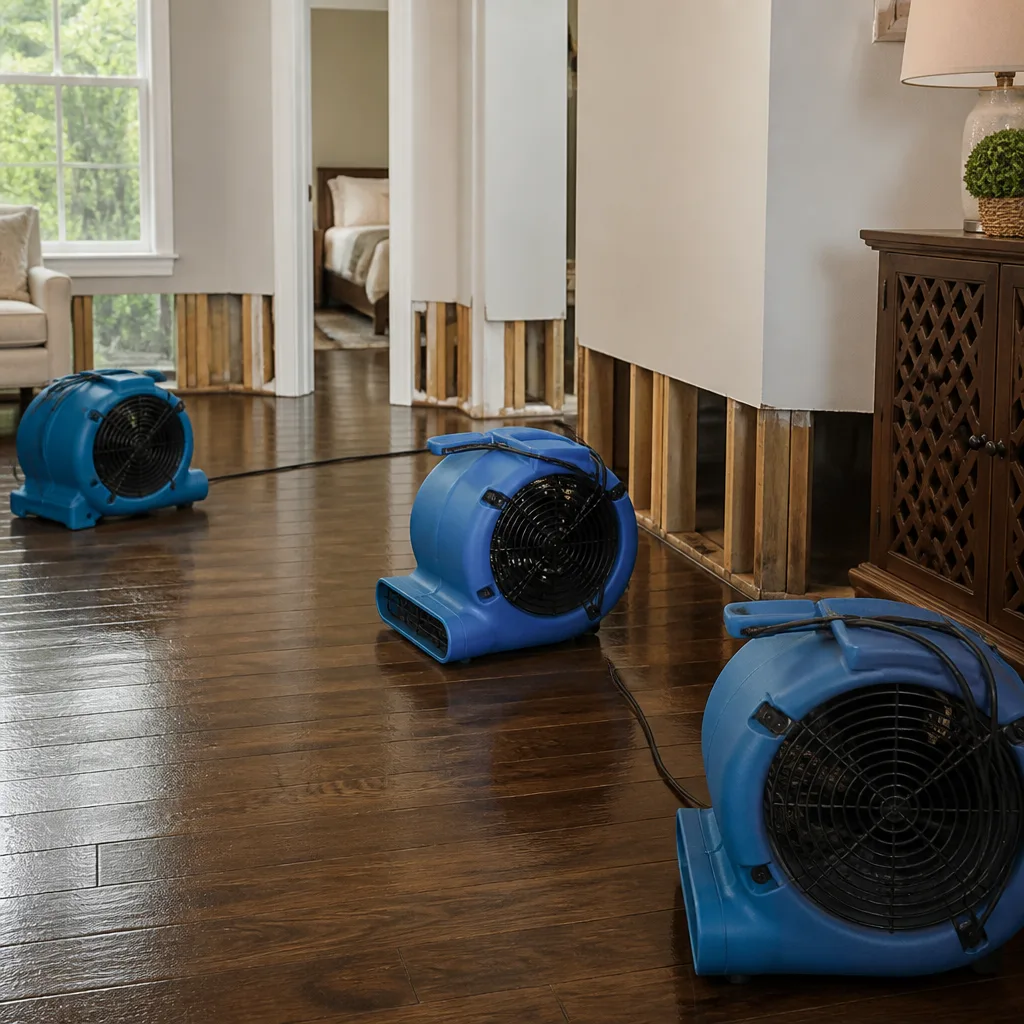
This is where documentation becomes critical for insurance approval. Professional-grade drying systems from Dri-Eaz, Phoenix, and other manufacturers are deployed with calculated air changes per hour based on room volume and dehumidifier capacity. Daily psychrometric readings - temperature, relative humidity, and specific humidity - are logged to prove progress. Drying costs run $35-$75 per day per piece of equipment, with a typical residential loss requiring 3-7 pieces for 3-5 days. A complete drying log with daily moisture content readings, equipment placement maps, and vapor pressure differential calculations is the difference between an approved claim and a supplemental dispute.
Phase 5: Reconstruction
Reconstruction returns the space to pre-loss condition. Unlike mitigation, this phase is scoped, scheduled, and priced in writing like a remodel - never sold with same-day dispatch promises. In Fallbrook, reconstruction costs vary sharply based on whether existing finishes can be matched: standard drywall repainting runs $3.50-$5.50 per square foot, while matching existing Spanish tile or custom stucco textures can add 40-80% to material and labor costs.
How Water Category and IICRC Class Change Every Line Item
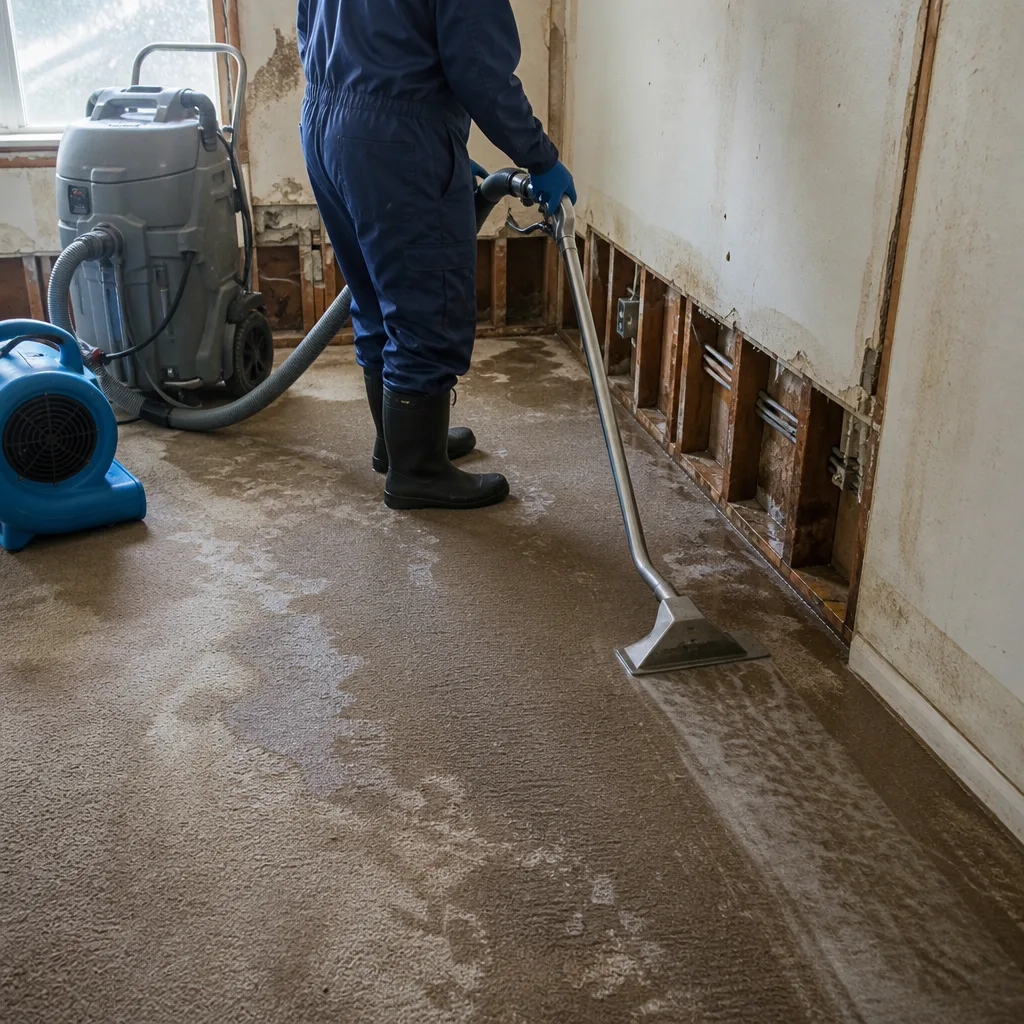
Water damage is classified two ways, and both drive cost mechanically. The category describes contamination level. The class describes how much of the structure is wet and how deeply the moisture has migrated.
Water Categories
- Category 1 - Clean Water: Originating from a sanitary source: broken supply line, tub overflow, ice maker line. Initial extraction and drying proceed without biocides or specialized PPE. Base rates apply.
- Category 2 - Gray Water: Contains significant contamination: dishwasher discharge, washing machine overflow, sump pump failures. Requires antimicrobial treatment, enhanced PPE, and more aggressive demolition of porous materials. Adds 30-60% to mitigation and demolition phases.
- Category 3 - Black Water: Grossly contaminated: sewage backup, seawater intrusion, river flooding. Requires full protective ensembles, HEPA containment, removal of all porous materials within the water line, and specialized disposal at licensed facilities. Can triple extraction costs and typically requires 100% demolition of affected drywall, insulation, and carpet.
IICRC Loss Classes
- Class 1: Minimal absorption, less than 5% of affected area. Low evaporation materials only (concrete, hardwood). Fastest, cheapest to dry.
- Class 2: Significant absorption, 5-40% of affected area. Moisture has wicked into walls and subfloors. Requires invasive inspection, possible baseboard removal, and extended drying.
- Class 3: Greatest absorption, over 40% of affected area. Water may have come from overhead, saturating ceilings, walls, insulation, and subfloors. Requires extensive demolition and longest drying cycles.
- Class 4: Specialty drying situations - low-permeance materials like plaster, hardwood, concrete, or crawlspace assemblies. Requires extended drying with supplemental heat, reduced humidity, or specialized vapor pressure differential management.
Here’s how these interact mechanically. A Category 1, Class 1 loss in a Fallbrook kitchen with vinyl flooring over concrete might dry in 48 hours with two air movers and a dehumidifier: $1,200-$1,800 total. The same kitchen with Category 3, Class 4 saturation - sewage backup wicking into plaster walls and hardwood - requires full gutting, HEPA containment, tertiary drying with heat injection, and reconstruction with permit-matched finishes: $28,000-$42,000.
The category and class appear on every legitimate estimate. If they’re missing, the estimate cannot be evaluated.
Fallbrook-Specific Cost Factors: Permits, Disposal, and Finish Matching
National cost averages fail in Fallbrook because they don’t account for three local variables that appear on every substantial invoice: county disposal fees, unincorporated area permitting, and the material cost differential for matching existing architectural finishes.
San Diego County Transfer Station Disposal
Water-damaged debris from Category 2 and 3 losses cannot go to standard residential bins. It must be transported to county-licensed facilities with proper waste characterization. Current San Diego County transfer station rates for construction and demolition debris run $85-$125 per ton, with minimum charges for small loads. Category 3 waste requiring special handling adds 40-60% to disposal costs. A typical residential water loss generates 2-4 tons of demolished material. Estimates using national dumpster rental rates ($350-$500 flat) rather than county transfer station rates will understate true disposal costs by $200-$500.
Unincorporated Area Permitting
Fallbrook sits in San Diego County’s unincorporated area. Structural repairs exceeding $1,000 in value, or any work affecting load-bearing elements, electrical, or plumbing, requires permits through the County’s Department of Environmental Health and Land Use and Development Group. Permit pull costs for residential restoration in Fallbrook run $180-$450 for standard repairs, with plan check fees adding $150-$300 if structural drawings are required. See Damage Restoration Permits, Codes & Inspections in CA: What You Need to Know for full regulatory details. Reconstruction estimates that omit permit costs, or that assume city-level permitting fees (lower in some incorporated areas), will require supplemental billing.
Finish Matching for Fallbrook Architecture
Fallbrook’s housing stock includes significant Spanish Colonial and ranch-style construction with custom finishes: hand-troweled stucco, Saltillo tile, exposed-beam ceilings, and imported clay roof tiles. Matching these in reconstruction is not optional for insurance purposes - policies require pre-loss condition restoration. Material cost differentials are substantial:
- Standard painted drywall: $3.50-$5.50/sq ft installed
- Hand-troweled stucco match: $8.50-$14.00/sq ft
- Standard ceramic floor tile: $7.00-$12.00/sq ft
- Saltillo or imported clay tile match: $18.00-$32.00/sq ft
- Standard asphalt shingle: $4.50-$7.50/sq ft
- Spanish clay tile match: $12.00-$22.00/sq ft
Estimates that price reconstruction at standard finish rates, without specifying the finish-matching assumption, will generate supplemental disputes when the actual material is identified.
Worked Example: 200-Square-Foot Bathroom Loss
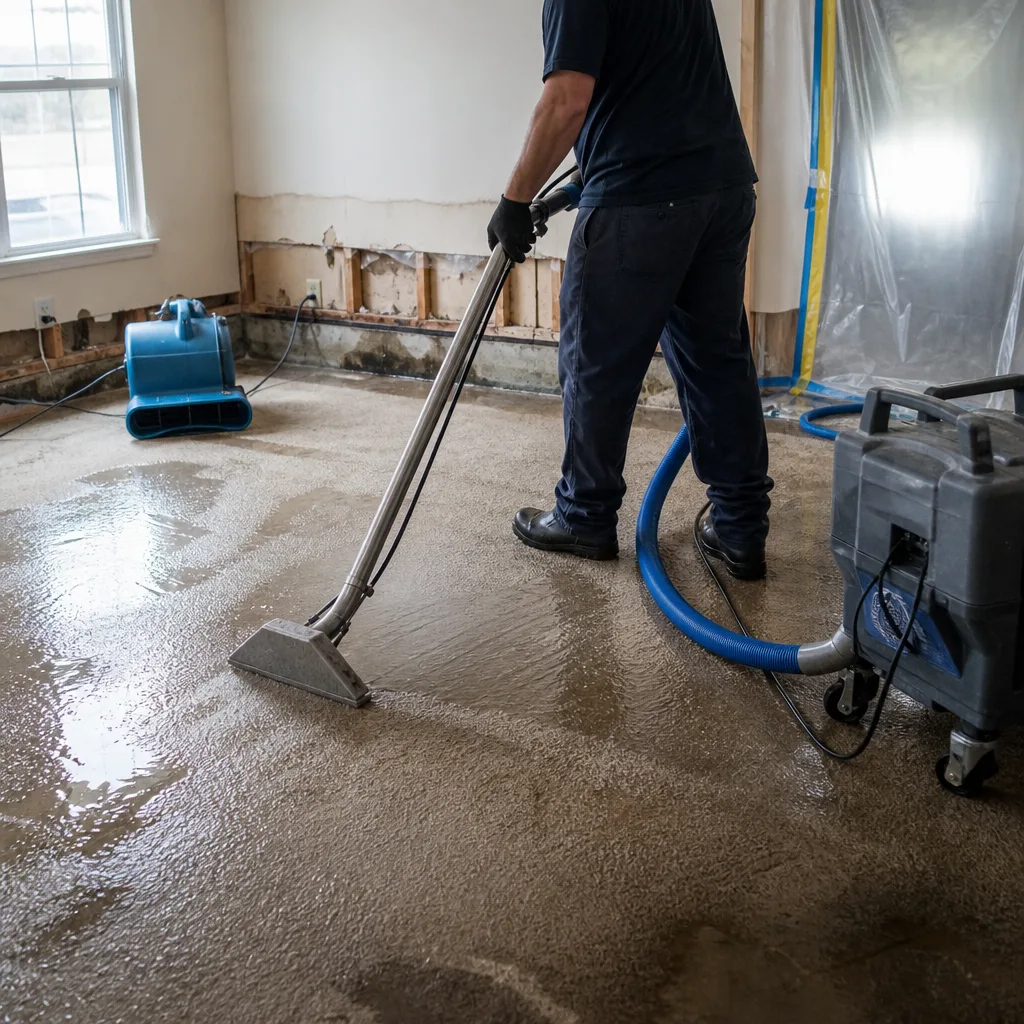
Let’s apply this framework to a real-world scenario we see regularly in Fallbrook homes near the Santa Margarita River watershed, where seasonal groundwater pressure increases slab moisture and amplifies any plumbing failure.
Scenario: Upstairs bathroom, 200 square feet, tile-over-slab construction with plaster walls. Supply line to toilet fractures while homeowners are at work. Water runs for approximately 6 hours before discovery.
Initial Assessment:
- Water category: Starts as Category 1 (clean supply line), but sits 6 hours. By IICRC S500, Category 1 water that sits over 48 hours degrades to Category 2; at 6 hours, it remains Category 1 if no significant microbial growth is visible. However, tile-over-slab with mud bed is a Class 4 drying situation - low permeance, significant hidden moisture.
- Moisture mapping shows saturation in mud bed, wicking 18 inches up plaster walls, and migration through ceiling to garage below.
- Total affected area: 200 sq ft bathroom + 200 sq ft garage ceiling = 400 sq ft classified area, with Class 4 drying requirements.
Line-Item Cost Build:
| Phase | Category 1, Class 4 | If Degraded to Category 2 |
|---|---|---|
| Emergency response (4 hrs) | $485-$725 | $485-$725 |
| Water extraction | $170-$280 | $280-$450 |
| Demolition: tile/mud bed | $1,500-$2,400 | $1,800-$2,880 |
| Demolition: plaster wall (30 lin ft) | $840-$1,200 | $1,050-$1,500 |
| Demolition: garage ceiling | $650-$980 | $780-$1,170 |
| Disposal (2.5 tons, county rates) | $280-$380 | $390-$530 |
| Antimicrobial treatment | $0 (not required) | $340-$520 |
| Drying equipment (5 pieces, 5 days) | $875-$1,875 | $875-$1,875 |
| Daily monitoring/psychrometric logs | $425-$650 | $425-$650 |
| Subtotal: Mitigation & Drying | $5,225-$8,490 | $6,425-$10,300 |
| Permit (structural repair, county) | $280-$450 | $280-$450 |
| Reconstruction: tile match | $3,600-$6,400 | $3,600-$6,400 |
| Reconstruction: plaster match | $2,400-$3,600 | $2,400-$3,600 |
| Reconstruction: garage ceiling | $1,800-$2,800 | $1,800-$2,800 |
| Total Estimate Range | $13,305-$21,740 | $14,505-$23,550 |
The $1,200-$1,810 difference between Category 1 and Category 2 in this scenario comes entirely from antimicrobial treatment, enhanced disposal, and more aggressive demolition. If this loss were Category 3 - sewage backup rather than supply line - the gap widens to $8,000-$14,000 due to full gutting requirements, HEPA containment, and specialized waste handling.
Notice what drives the total: not the water itself, but the material it touched and how long it had to migrate. The tile-over-slab construction common in 1970s-1990s Fallbrook homes is the cost amplifier. A vinyl-over-concrete bathroom of identical size might mitigate for $4,000-$6,500.
What a Defensible Invoice Contains for Adjuster Approval
Documentation is not an administrative afterthought. It is the mechanism by which restoration costs become payable insurance claims. After reviewing thousands of claims as a former adjuster, Alicia Brennan built DryMark Restoration Fallbrook around the documentation gap that denies homeowners their coverage.
A defensible invoice contains four elements, each cross-referenced to the others so an adjuster can verify every charge.
1. Moisture Log Summary with Daily Psychrometric Data
This documents that drying was necessary, that it progressed appropriately, and that equipment was removed only when materials reached established dry standards. The log includes:
- Initial moisture content readings by material type (wood, drywall, concrete) with target dry standards
- Daily temperature, relative humidity, and specific humidity readings for each affected room
- Equipment inventory by serial number, with placement maps showing air mover positioning and dehumidifier CFM calculations
- Vapor pressure differential between affected and unaffected areas, demonstrating that moisture was being extracted from materials rather than simply redistributed
Without this log, an adjuster cannot distinguish legitimate extended drying from equipment left on site unnecessarily. We produce this log as standard on every job, not as an upsell.
2. Equipment Placement Records with Daily Readings
Each piece of equipment is photographed in place, with the serial number visible, on every visit. The photo is keyed to the drying log entry for that date. This prevents disputes over whether equipment was actually deployed, whether it was the capacity claimed, and whether it was removed when no longer needed.
3. Photo Documentation Keyed to Line Items
Every line item on the invoice - every square foot of demolition, every gallon of antimicrobial, every linear foot of containment - has a corresponding photograph with timestamp and geolocation data. The photo shows the condition that required the work, not a generic stock image. This is the fire and smoke damage restoration in Fallbrook equivalent of a police chain of custody: it proves the work was done, where it was done, and why it was necessary.
4. Written Scope with Pre-Work Pricing
Haven Standard, Clause 1: a written price before any work starts, every time, with no exceptions. The scope defines the work, the price defines the cost, and the homeowner’s signature before work begins prevents scope-creep disputes. Any estimate that lacks this - that offers “we’ll bill based on time and materials” or “the adjuster will sort it out” - has not met the minimum standard for a defensible claim.
These four elements transform a restoration invoice from a demand for payment into a documented claim that an adjuster can approve without supplemental negotiation. The alternative - incomplete documentation - triggers the adjuster’s default response: deny now, negotiate later, while the homeowner waits.
How to Spot an Underbid Before You Sign
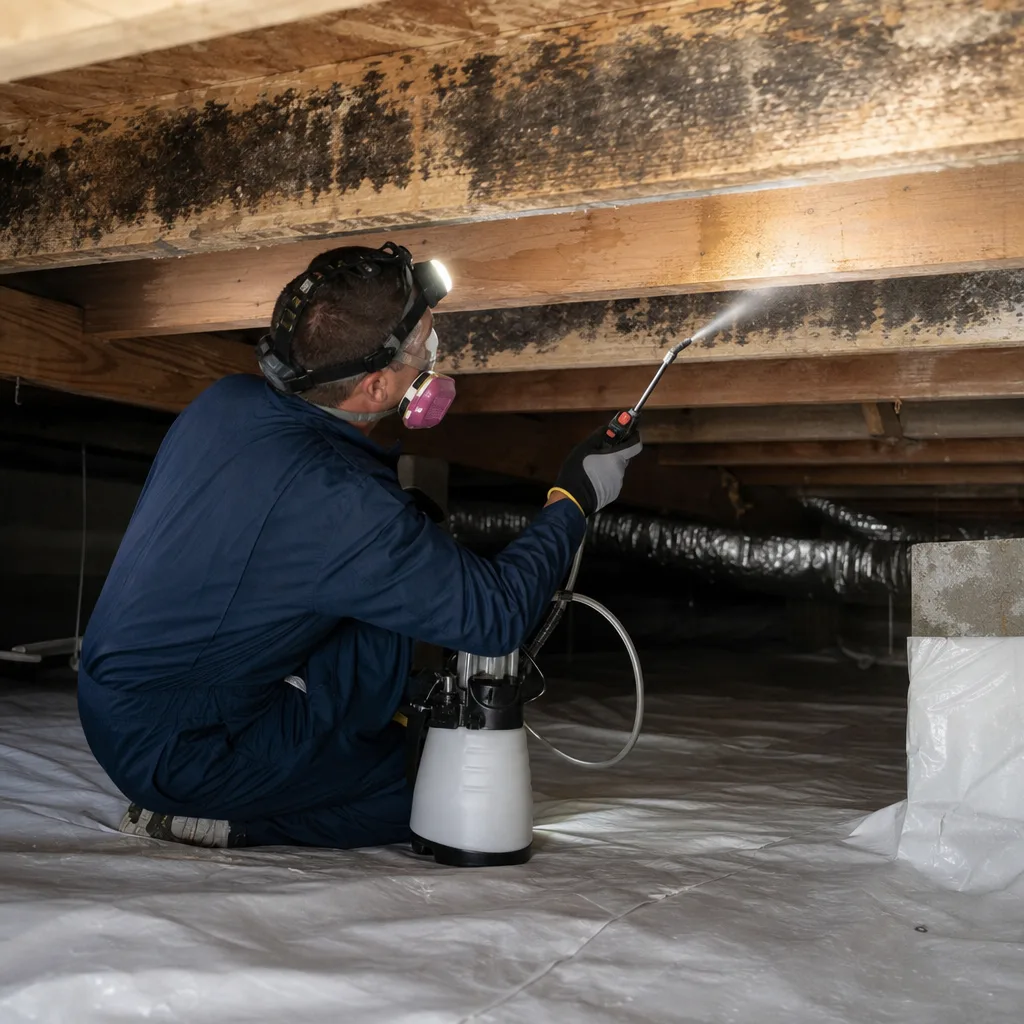
An underbid estimate is not a bargain. It is a promise of future supplemental billing, disputed claims, or incomplete work. Here are the specific indicators to examine before authorizing any restoration work in Fallbrook, drawn from our Damage Restoration Warning Signs: A Fallbrook Homeowner’s Reference Guide.
Check 1: Does the estimate specify water category and IICRC class?
If these are absent, the estimate cannot be evaluated against any standard. The category and class determine every subsequent line item. An estimate that skips them is either incompetent or deliberately vague.
Check 2: Are disposal costs calculated at San Diego County transfer station rates?
National averages or flat dumpster rental figures understate true disposal costs for Category 2 and 3 losses. Ask specifically: which facility, what rate per ton, and what waste characterization. If the estimator cannot answer, the disposal line is placeholder pricing.
Check 3: Are permit costs included for unincorporated Fallbrook?
Structural repairs in Fallbrook require county permits. An estimate that omits permit costs, or that uses incorporated-city permit fees, will require supplemental billing. Ask for the permit type, the estimated fee, and whether plan check is anticipated.
Check 4: Does reconstruction specify finish-matching assumptions?
An estimate that prices “paint and flooring” without specifying whether it assumes standard finishes or matched existing custom materials will generate a 40-80% supplemental when the actual material is identified. The estimate should state: “Assumes standard ceramic tile and flat paint” or “Includes Saltillo tile match per sample approval.”
Check 5: Is daily monitoring and documentation itemized?
Drying without daily monitoring is not IICRC-compliant. The estimate should include line items for daily visits, psychrometric readings, and moisture log production. If these are absent, either the work will not be documented (jeopardizing your claim) or they will be added later as unapproved supplemental charges.
Check 6: Does the estimate include a written total price with signature authorization?
Haven Standard, Clause 1 exists because verbal estimates and “time and materials” billing are the primary source of restoration disputes. Any estimate that does not present a written total price for your signature before work begins is not a complete estimate.
Common Mistakes to Avoid
- Waiting for the insurance adjuster before starting mitigation. Water continues migrating while you wait. Most policies require “reasonable and necessary” mitigation to prevent further damage. Document everything, start immediately, and let the documentation support your claim rather than letting damage expand to prove it.
- Accepting a single “all-in” price without phase breakdown. A lump-sum estimate prevents you from evaluating whether each phase is reasonable, and it prevents the adjuster from matching line items to policy coverage. Always require phase-separated pricing.
- Ignoring the category degradation clock. Category 1 water becomes Category 2 after 48 hours, and Category 3 after 7 days. In Fallbrook’s warm inland climate, microbial growth accelerates this timeline. Delayed response transforms a $5,000 loss into a $20,000 loss through no fault of the restoration contractor.
- Assuming disposal is included in demolition pricing. Demolition and disposal are separate line items with separate cost drivers. An estimate that combines them may be hiding non-compliant disposal practices or using residential bin rates for regulated waste.
- Failing to verify permit requirements for reconstruction. Unpermitted structural repairs can void insurance coverage, complicate future property sales, and require costly remediation. The County of San Diego actively enforces permitting in Fallbrook’s unincorporated areas.
- Accepting photo documentation as an upsell. Photo documentation is a standard deliverable for any professional restoration firm. Charging separately for it suggests either that the base service is underpriced, or that documentation will be incomplete without the add-on.
When to Call a Professional
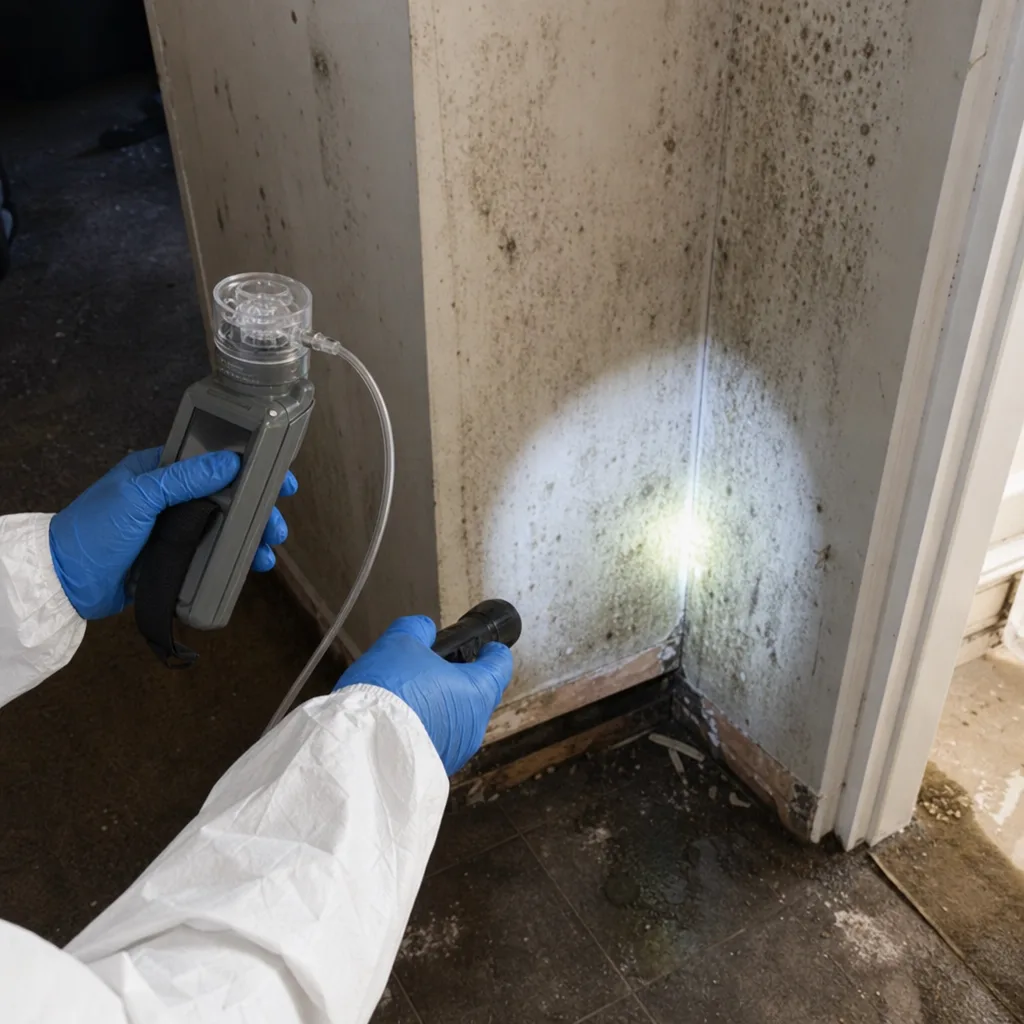
Call immediately when water has affected walls, ceilings, or flooring beyond a small spill you can blot dry with household towels. Call when you smell mustiness that persists after ventilation, see visible mold growth, or discover water staining that has returned after previous repair. Call after any fire, however small, because smoke residues continue etching surfaces and corrosion begins on electrical components within hours. Call for sewage backup without attempting cleanup yourself - the biological hazards are genuine and the documentation requirements for insurance are specific. Not sure whether to handle it yourself? Read our DIY vs Professional Damage Restoration: The Fallbrook Homeowner’s Decision Guide.
We answer live, 24 hours a day, 7 days a week. No voicemail trees. No next-business-day callbacks while water is still moving. Mold remediation in Fallbrook and all other services begin with a written price before work starts, documented with a photo record on every visit, and covered by our 365-Day Done Right Promise under The Haven Standard.
DryMark Restoration Fallbrook offers free estimates in Fallbrook. Call (760) 421-5658.
Frequently Asked Questions
Water damage restoration in Fallbrook ranges from $3,200 for a small Category 1 loss with minimal demolition to $34,000+ for a Category 3 loss requiring full gutting, tertiary drying, and reconstruction with permit-matched finishes. The specific cost depends on water category, IICRC class, affected square footage, material types, and whether San Diego County permits are required. Call (760) 421-5658 for a written estimate with line-item breakdown - estimates are free under Haven Standard, Clause 1.
Most homeowner policies cover sudden and accidental water damage from supply line breaks, appliance failures, or storm intrusion, but exclude gradual leaks, flooding from outside without separate flood coverage, and sewage backup without a rider. The key to coverage is documentation: a moisture log, equipment records, and photo documentation keyed to line items. We coordinate directly with adjusters and provide the documented record that supports claim approval. Call (760) 421-5658 to discuss your specific policy situation.
For active water losses, we dispatch immediately upon authorization - our live phone coverage operates 24 hours a day, 7 days a week with no voicemail on emergency lines. Response time to Fallbrook addresses typically ranges from 45 minutes to 90 minutes depending on current call volume and your location relative to our response routing. Mitigation speed matters: in Fallbrook’s warm inland climate, Category 1 water degrades to Category 2 within 48 hours, significantly increasing costs. Call (760) 421-5658 to initiate dispatch.
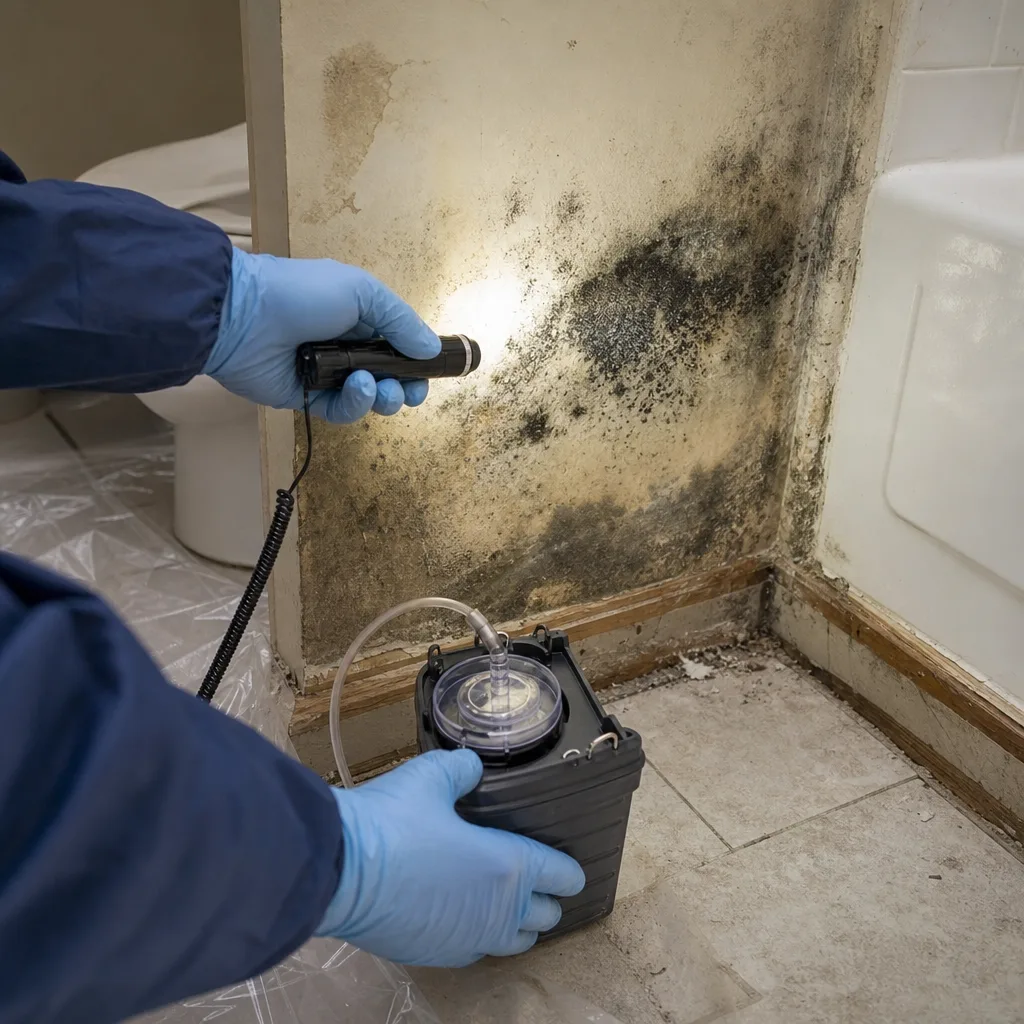
Remediation is required when mold growth exceeds 10 square feet, when HVAC systems are contaminated, or when occupants have health conditions that increase sensitivity. Cleaning may suffice for small, surface-only growth on non-porous materials with identified and fixed moisture sources. The determination requires air sampling and surface testing, not visual guesswork. We provide free second opinions on any competitor’s written remediation scope if you’re uncertain whether the recommended work matches the actual condition.
We do. Our documentation - daily moisture logs, equipment placement records with serial numbers, photo records keyed to line items, and written scopes with pre-work pricing - is formatted specifically for adjuster review. We communicate directly with adjusters to resolve questions, provide supplemental documentation when requested, and work to prevent the delays that occur when documentation is incomplete. You receive copies of all correspondence and remain informed without managing the process yourself.
A complete estimate specifies water category and IICRC class; phase-separated pricing for emergency response, mitigation, demolition, drying, and reconstruction; disposal costs at San Diego County transfer station rates; permit costs for unincorporated area work; finish-matching assumptions for reconstruction; daily monitoring and documentation line items; and a written total price with signature authorization before work begins. Any estimate missing these elements cannot be evaluated for completeness and will likely generate supplemental disputes. We provide all of these as standard under The Haven Standard.
The Bottom Line
Restoration costs in Fallbrook are not mysterious. They follow a mechanical framework: water category determines contamination handling, IICRC class determines structural impact, local factors determine disposal and permit costs, and material types determine reconstruction pricing. The estimates that fail are those that hide these variables in lump-sum pricing, omit local cost factors, or skip the documentation that transforms costs into payable claims. Demand line-item transparency, verify local cost assumptions, and never authorize work without a written price. The documentation you receive is the claim you can collect.
Written by Alicia Brennan, Owner at DryMark Restoration Fallbrook, serving Fallbrook since 2011.