

Free visual inspection and a written scope of work before any mitigation begins - photos, moisture readings, and drying logs go in your claim file
The scope we write is the scope we bill. Anything new gets shown to you, in writing, before we touch it.
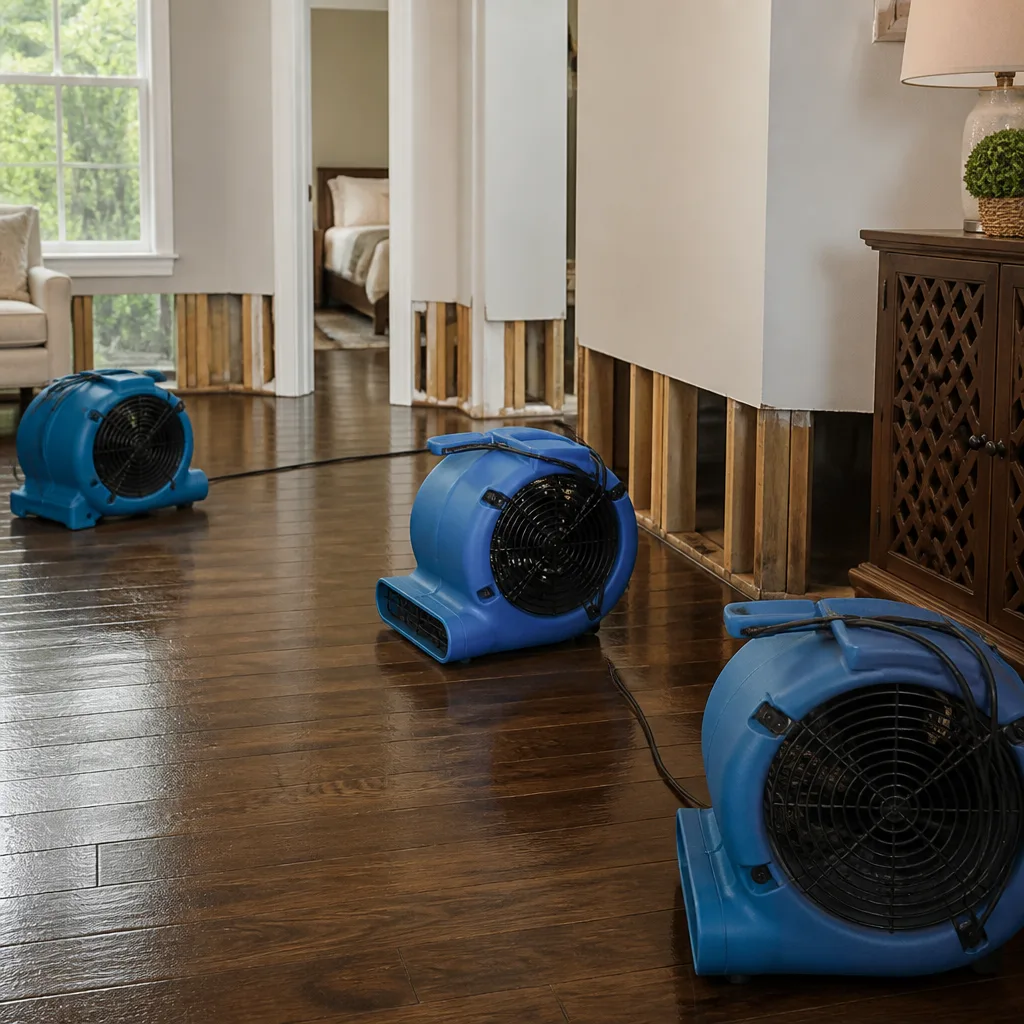
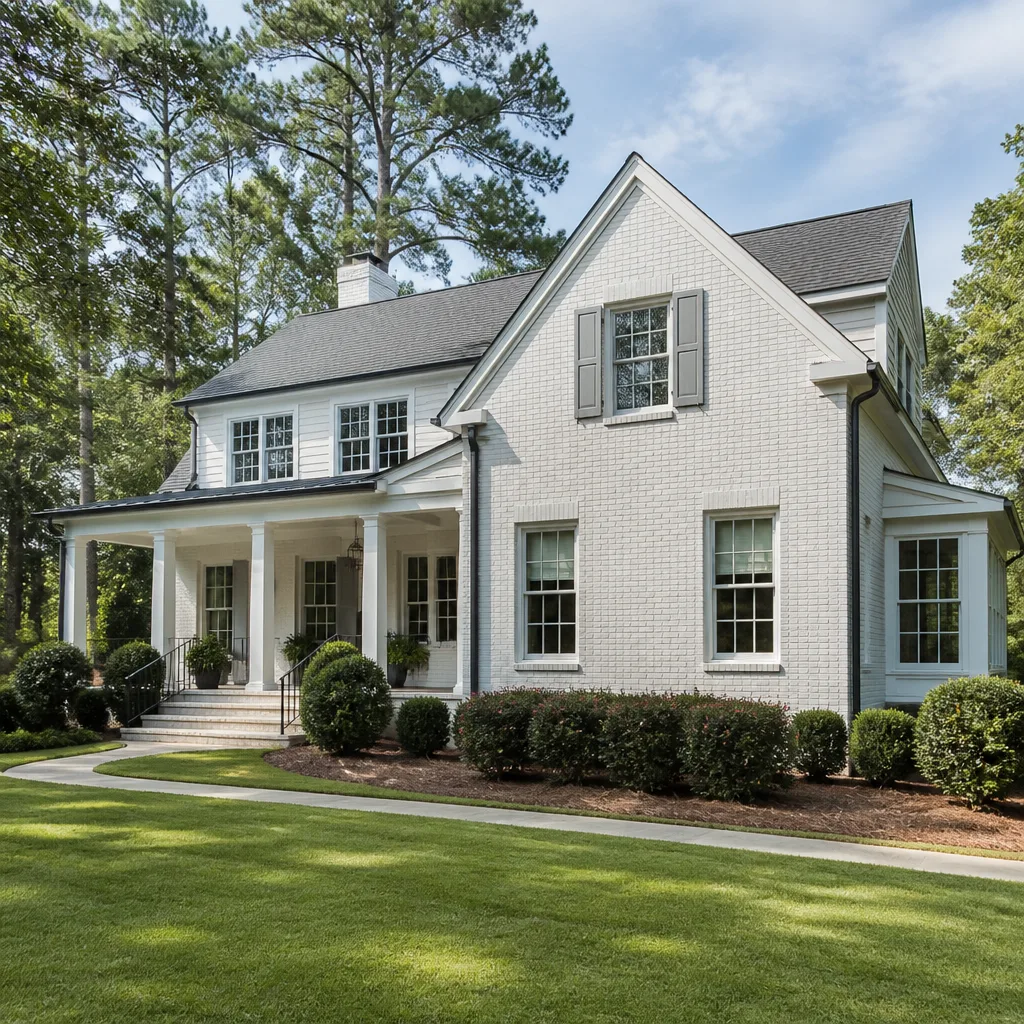
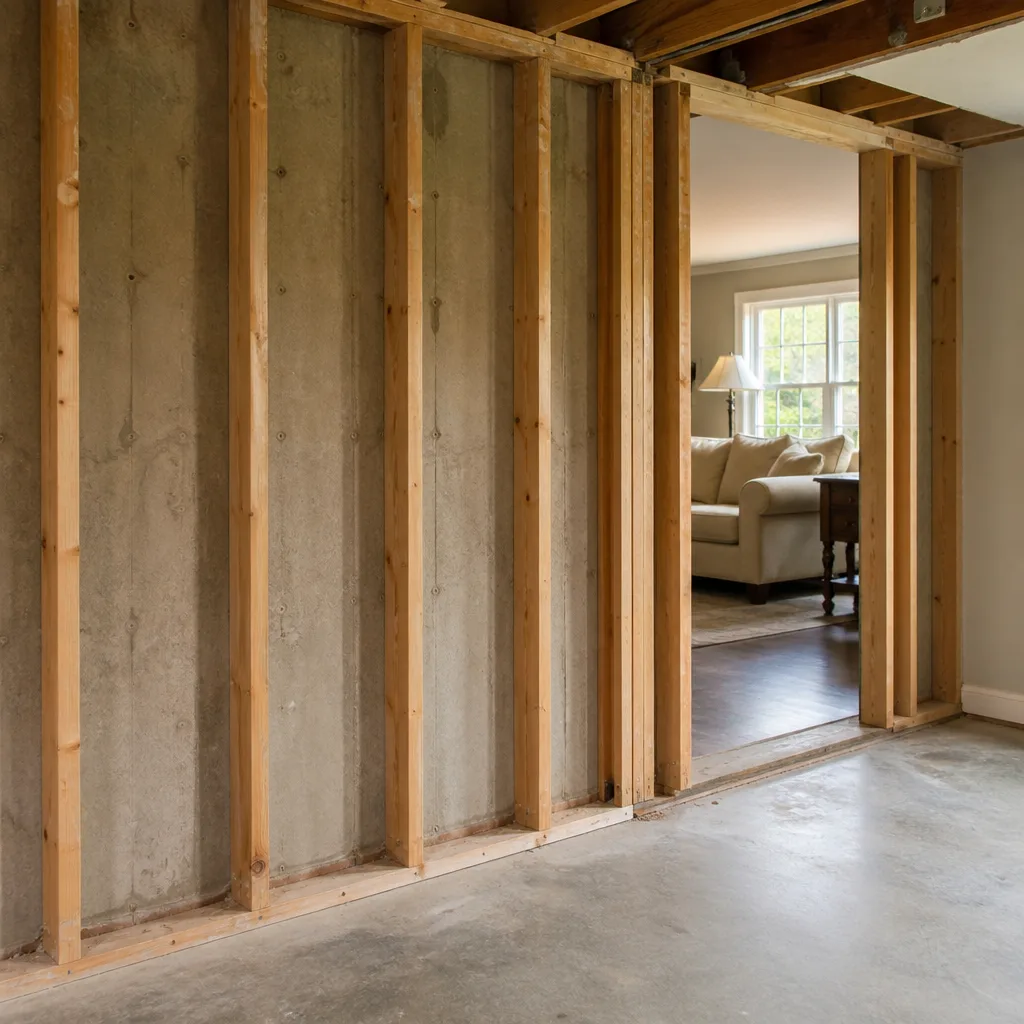
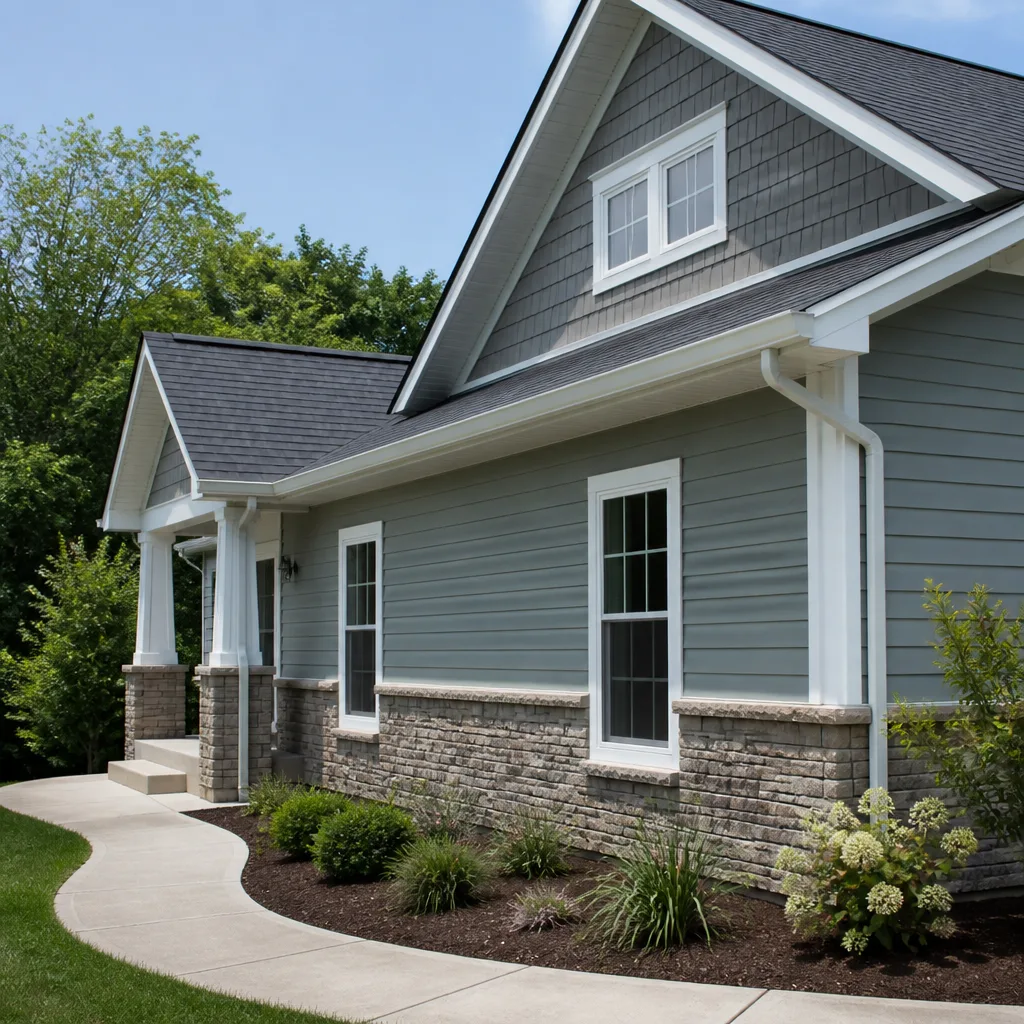
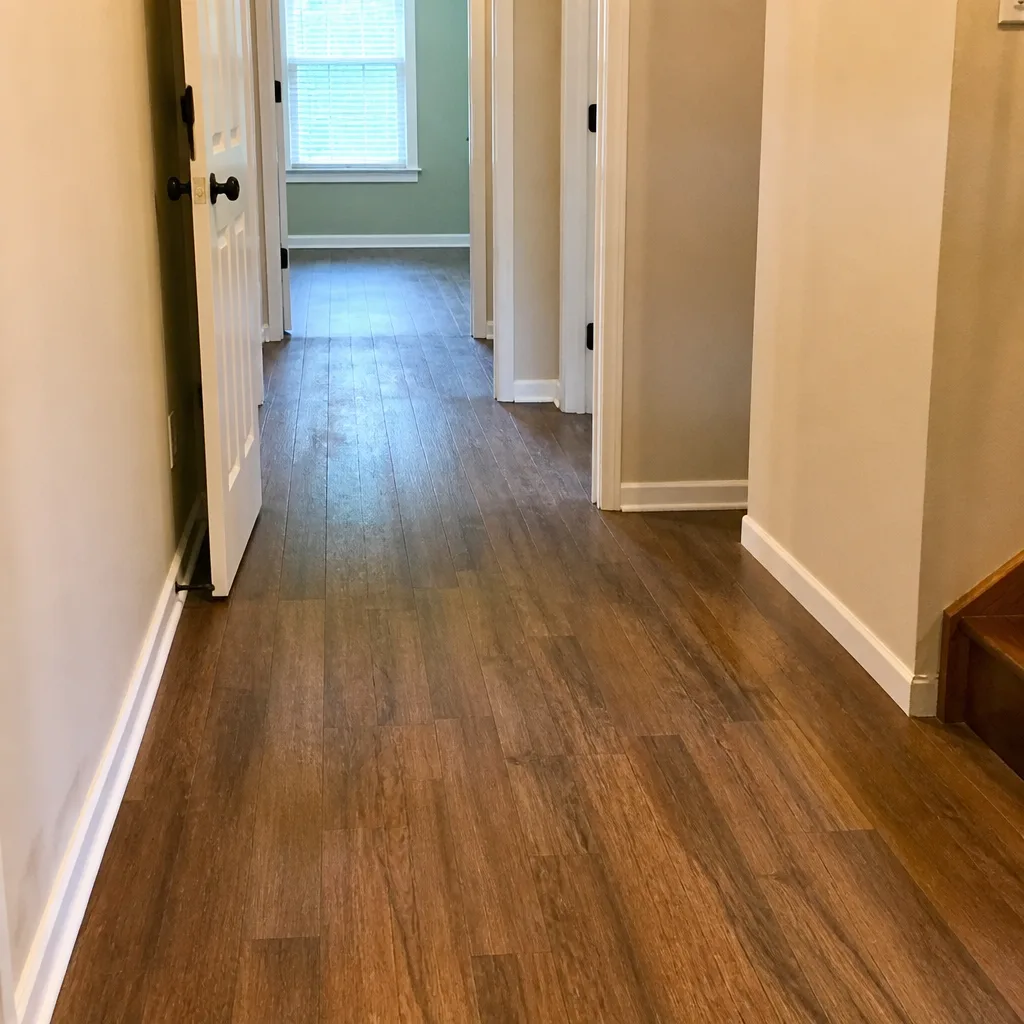

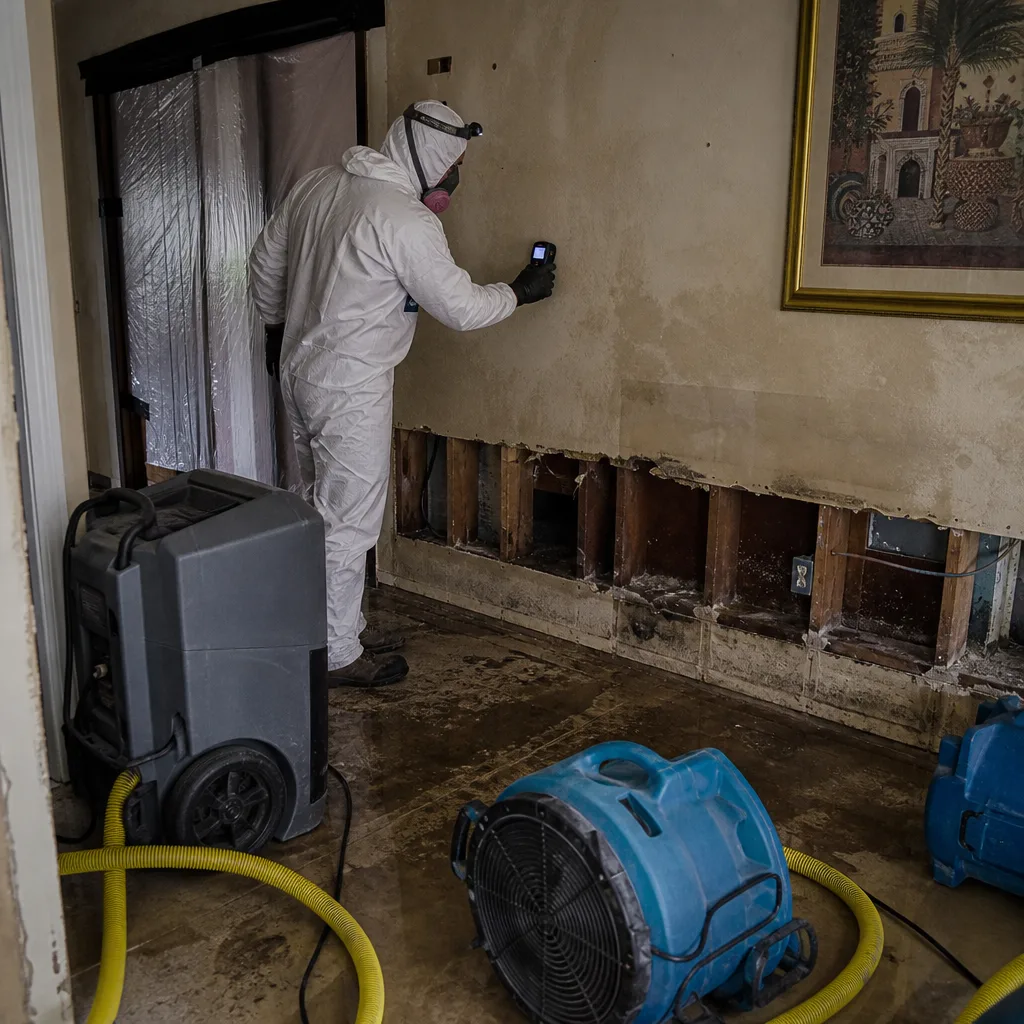 Before
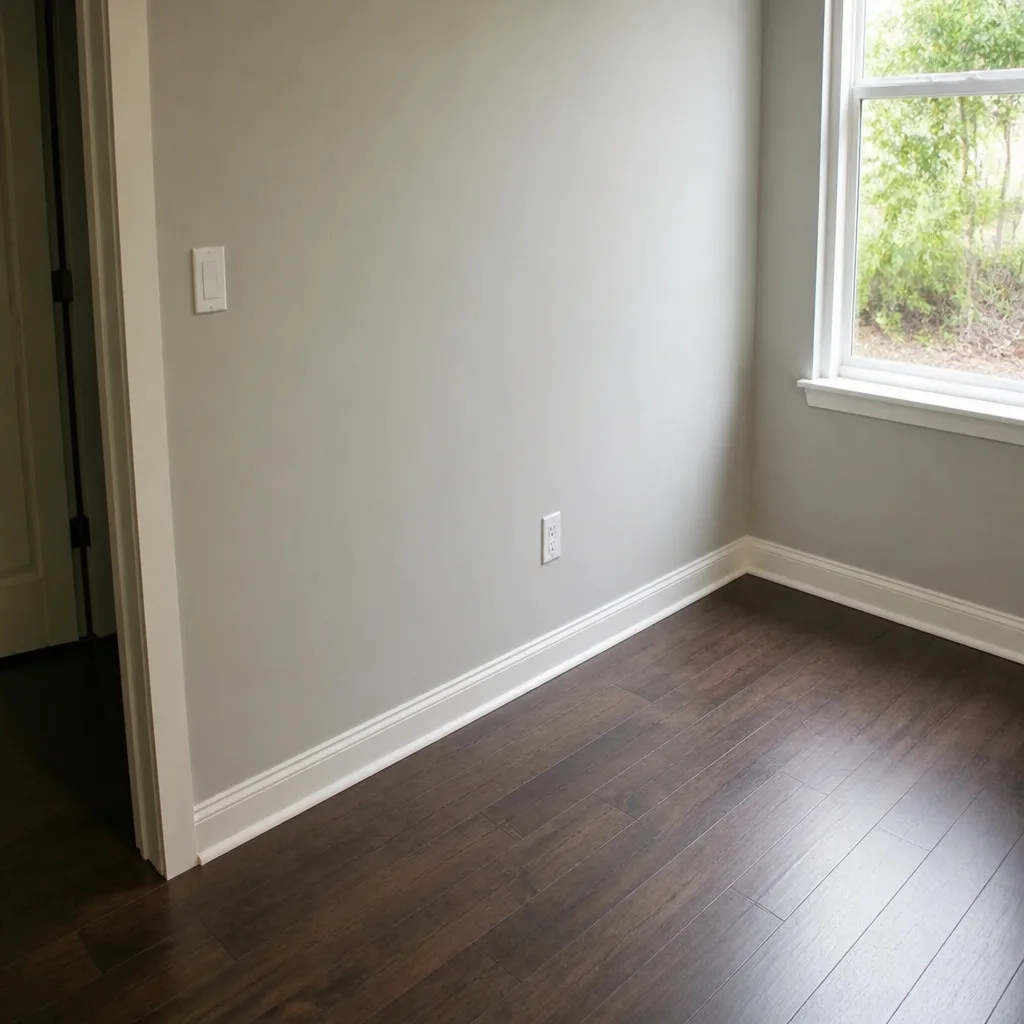 After
After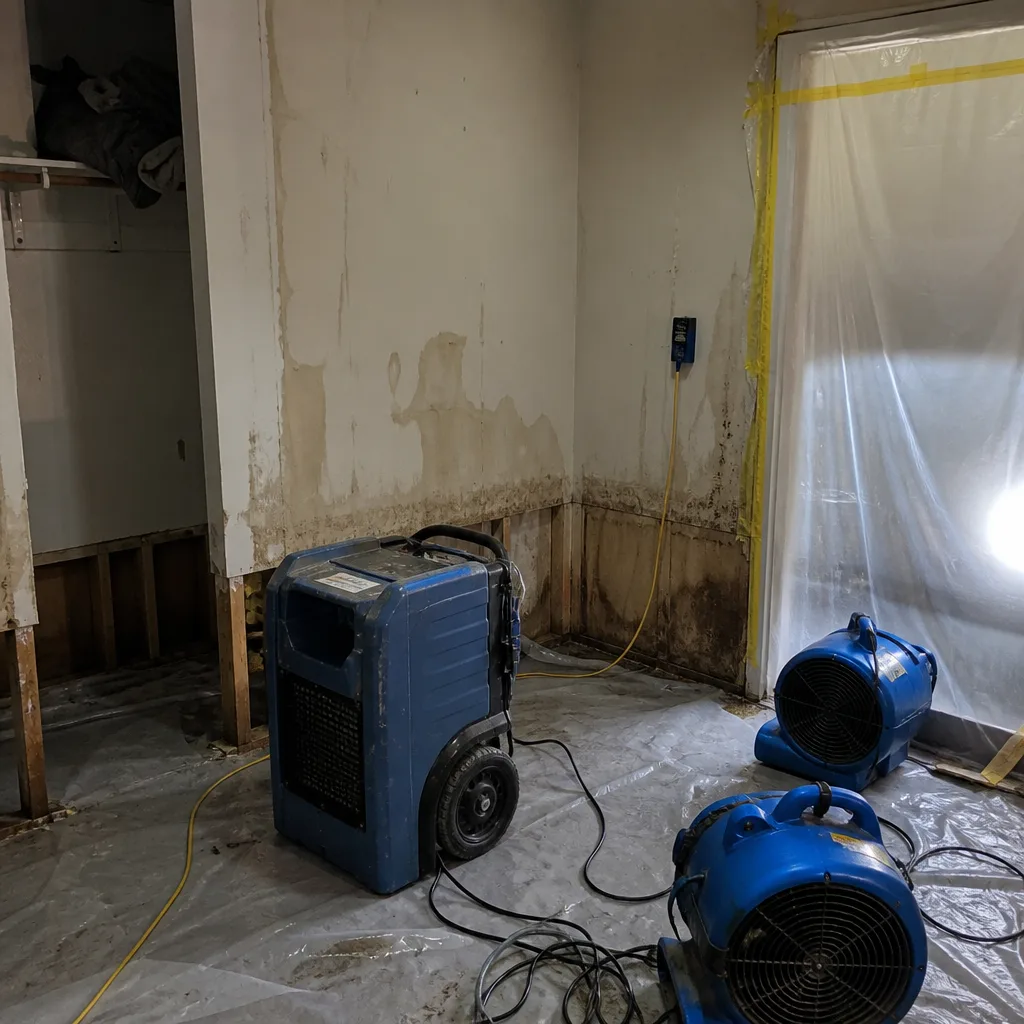 Before
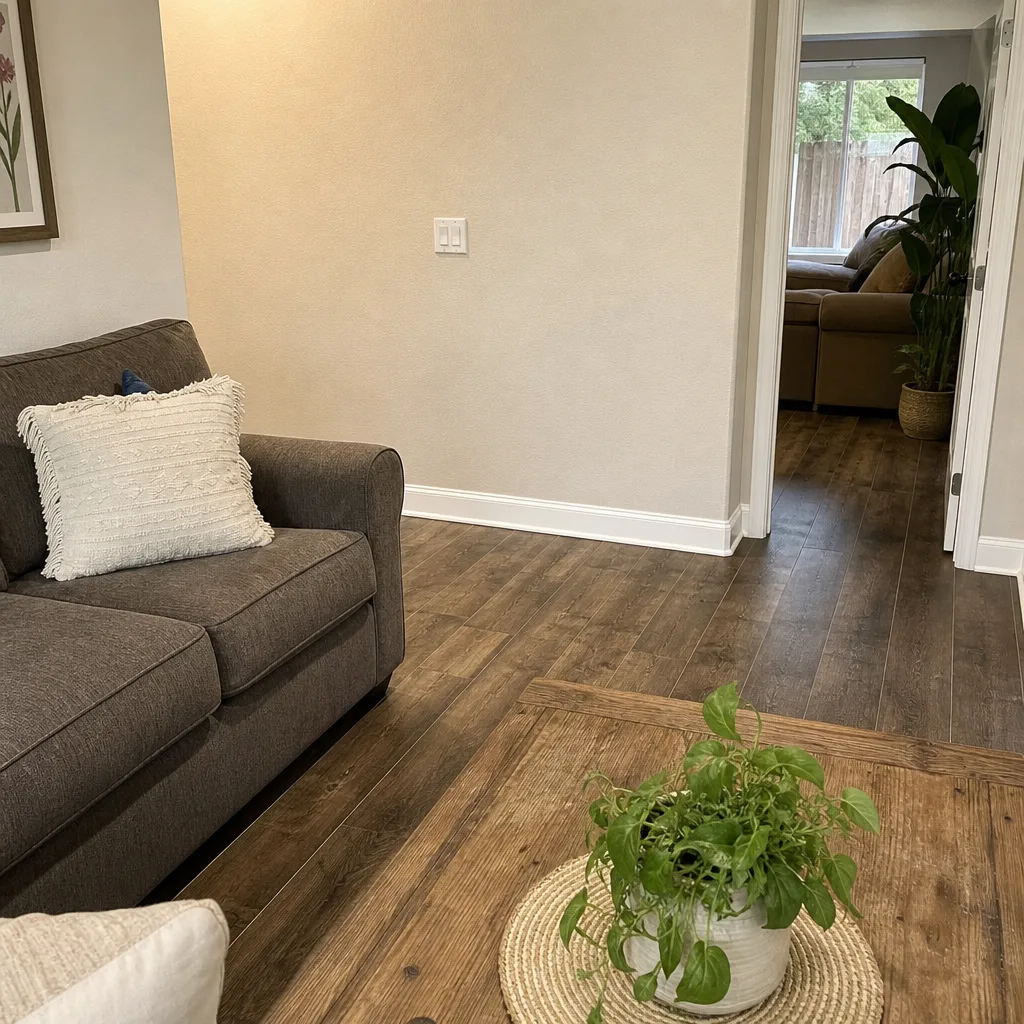 After
After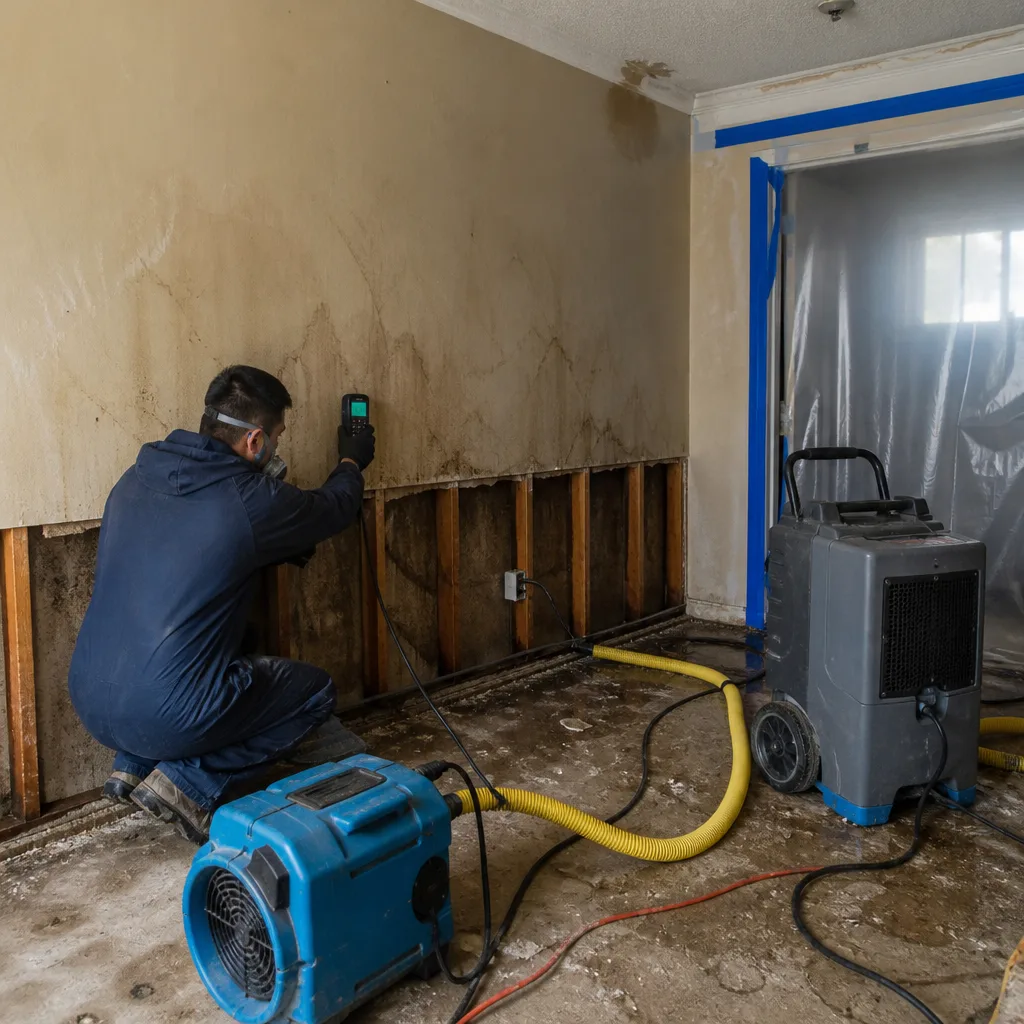 Before
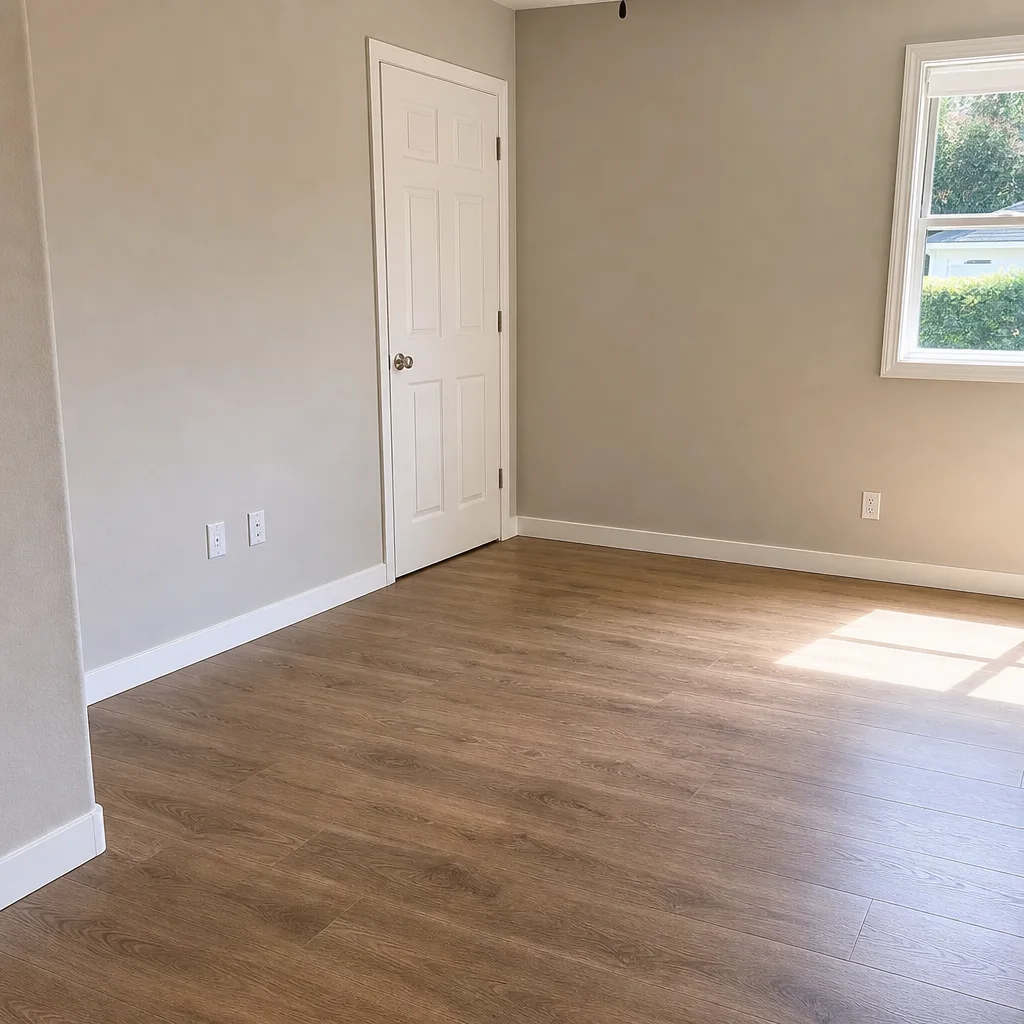 After
After24/7 Emergency Water Damage Restoration in Del Mar
Water damage restoration in Del Mar typically costs $2,800-$7,500 for most residential losses, with emergency extraction starting at $450 and full structural drying running $1,800-$4,200 depending on square footage and material class. Crews from our Water Damage Restoration in Del Mar team can be on-site within 45 minutes, and a live person answers every call at (760) 421-5658 - no voicemail, no callback queues. The first hour determines whether you’re looking at extraction and drying or full gut-and-rebuild: water moves horizontally through Del Mar’s older beach cottages at roughly one foot per hour along baseboards, and bluff-top homes with ocean-facing exposures hide saturated sheathing behind intact interior drywall until the damage is extensive.
Understanding Water Damage Restoration Severity in Del Mar Properties
We classify every loss by water category and structural class. Category 1 - clean water from a supply line - becomes Category 2 (gray water) within 48 hours in Del Mar’s persistent marine-layer humidity, and Category 3 (black water) within 72 if organic material is present. Category 2 requires antimicrobial treatment; Category 3 demands full removal of porous materials and HEPA air scrubbing per IICRC S500 standards.
Structural classes run from Class 1 (minimal wet porous materials) to Class 4 (deeply held water in dense assemblies like plaster, hardwood, or concrete). Del Mar’s 1920s-1950s beach cottages in the Village near 15th Street often present Class 4 conditions: original redwood or Douglas fir framing, lath-and-plaster walls, and no vapor barrier. Bluff-top estates with imported tile and custom millwork add specialty drying challenges - tile beds hold moisture for weeks, and millwork swells unevenly, requiring controlled dehumidification rather than aggressive air movement.
Moisture mapping with thermal imaging finds what eyes miss. We document vapor pressure differential (the force that drives moisture from wet to dry areas) and psychrometric data (temperature, relative humidity, and dew point) at every visit. This produces the drying logs your adjuster needs to approve the invoice.
Why Del Mar Property Owners Choose DryMark Restoration Fallbrook
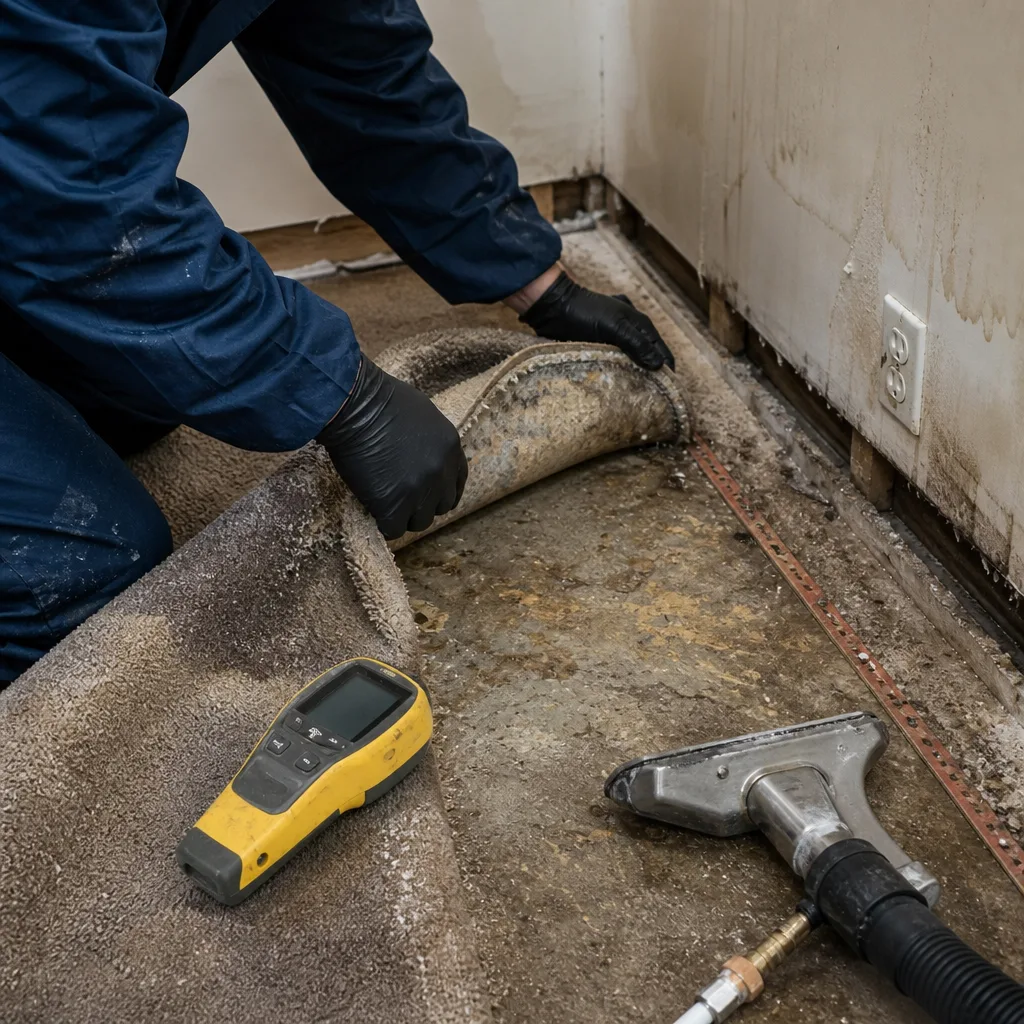
- 45-minute response commitment to Del Mar properties, with dispatch coordinated from our Los Angeles office and crews already positioned along the 5 corridor.
- 24/7 live answer - a real person, never an automated system or voicemail tree, because water doesn’t wait for business hours.
- IICRC-certified crews holding WRT (Water Damage Restoration Technician) and AMRT (Applied Microbial Remediation Technician) credentials, with license numbers verified before arrival.
- Free visual inspection and moisture mapping - no charge to assess the loss and deliver a written scope.
- Direct insurance billing and adjuster coordination, with photo-documented estimates built to industry-standard pricing.
- One team from extraction through reconstruction - no handoffs between mitigation and rebuild contractors, no gaps in documentation.
BeforeAfterOur Water Damage Restoration Process
1. Inspection & Assessment
We arrive with thermal imaging cameras, penetrating and non-penetrating moisture meters, and hygrometers. Every affected room is mapped for moisture content percentage, documented with photos, and classified by water category and structural class. You receive a written scope and price before any work begins - Haven Standard, Clause 1.
2. Water Extraction & Stabilization
Standing water is removed with truck-mounted extraction systems and weighted water claws for carpeted areas. For Del Mar’s common hard-surface flooding - tile, stone, or sealed concrete - we use squeegee wands and specialized hard-surface tools. The goal is to remove liquid water before it wicks upward into walls.
3. Structural Drying & Dehumidification
We deploy Phoenix and Dri-Eaz LGR dehumidifiers alongside axial and centrifugal air movers positioned for optimal airflow patterns. In wall cavities, Injectidry systems create negative pressure to draw moisture from inside stud bays without removing drywall. Daily moisture readings are logged until materials reach pre-loss equilibrium.
4. Cleaning & Sanitization
Category 2 and 3 losses receive antimicrobial treatment with EPA-registered products. HEPA air scrubbers run continuously during this phase, capturing 99.97% of particles 0.3 microns and larger. All surfaces are cleaned to IICRC S500 standards.
5. Salt-Corrosion & Marine-Layer Assessment
Unique to Del Mar’s coastal environment, we inspect metal fasteners, roof flashing, and HVAC components for salt-accelerated corrosion that compounds the primary water loss. Corroded hardware is flagged for replacement; window flanges and stucco gaps are evaluated for chronic moisture entry points that standard drying won’t address.
6. Repairs & Restoration
Our reconstruction team replaces removed materials with matching or upgraded products, coordinating specialty subcontractors for custom millwork, imported tile, or high-end finishes. Every repair is documented with before-and-after photos and covered by our 365-Day Done Right Promise under The Haven Standard.
Need Emergency Water Damage Restoration in Del Mar Now?
Crews minutes away, answering live 24 hours a day. The sooner we start, the less it costs.
Working With Your Insurance Company
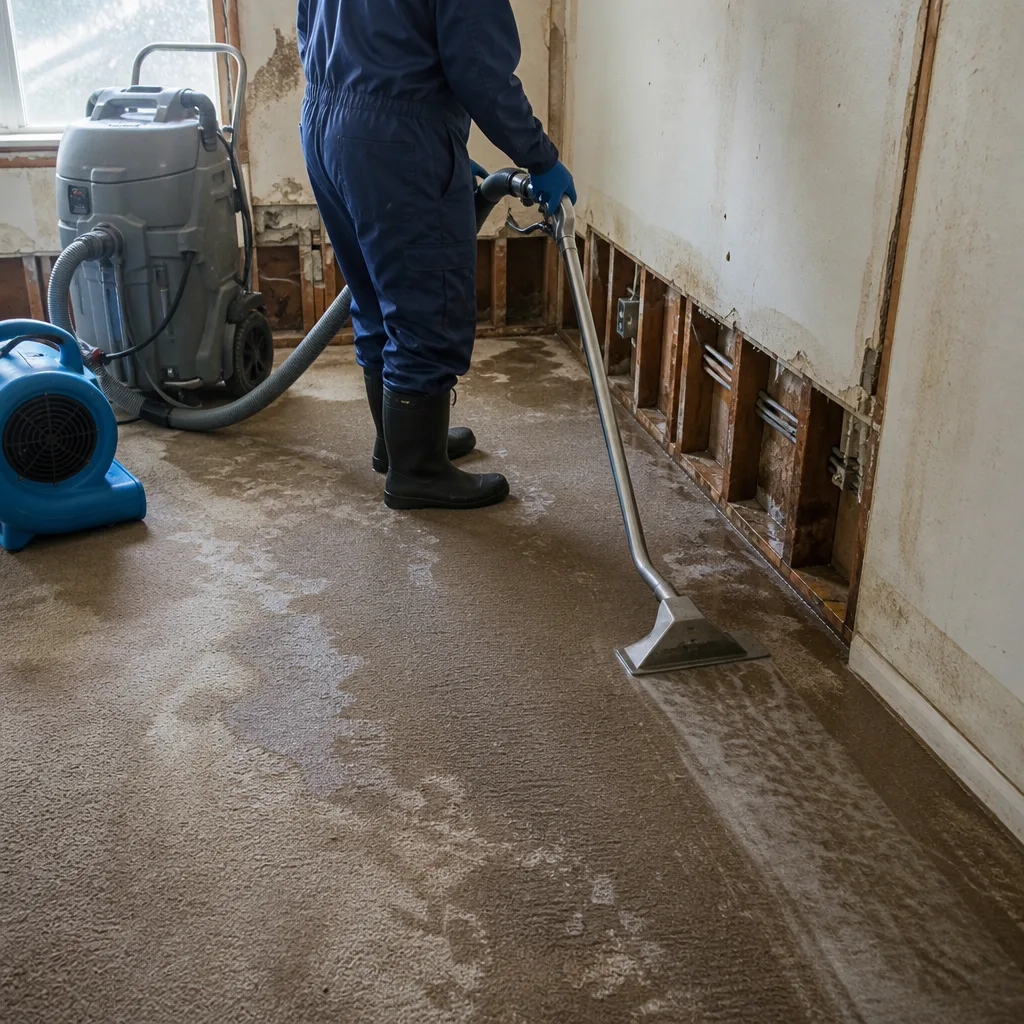
We document from the first hour because we’ve seen what incomplete files cost homeowners. Our estimates follow industry-standard pricing; our photo records show every room, every material, every moisture reading. Your adjuster receives a complete loss file: initial assessment photos, daily drying logs with psychrometric data, line-item scope of work, and final clearance documentation.
Direct coordination means we speak your adjuster’s language - vapor pressure differential, tertiary drying, category classification - and we don’t inflate scopes or pad line items. That documentation integrity is why carriers pay our invoices without dispute. If you’ve received another company’s estimate, our Free Second Opinion reviews it at no charge.
What We Provide Your Insurer
- Thorough documentation of the loss
- Photos of all damage, room by room
- Moisture readings and drying logs
- A detailed, line-item scope of work
- Direct coordination with your carrier
Built for Del Mar’s Loss Calendar
January through March brings the heaviest rainfall, with Pacific storms pushing water against ocean-facing windows and overwhelming aging drainage on bluff-top properties. April and May see the marine layer thicken; relative humidity along the coast stays above 70% even without rain, keeping wall cavities damp and mold-prone. June through August delivers the “June gloom” - persistent fog that salts exterior hardware and creates chronic moisture intrusion invisible from inside.
September and October bring the highest fire risk, but also Santa Ana winds that dry surface moisture while driving salt spray deeper into micro-gaps. November and December storms coincide with the highest call volume: combined rainfall and high tides stress the San Dieguito Lagoon flood zone properties. Year-round, Del Mar’s salt fog does damage that rainfall alone cannot explain.
Water Damage Restoration Across Del Mar’s Neighborhoods
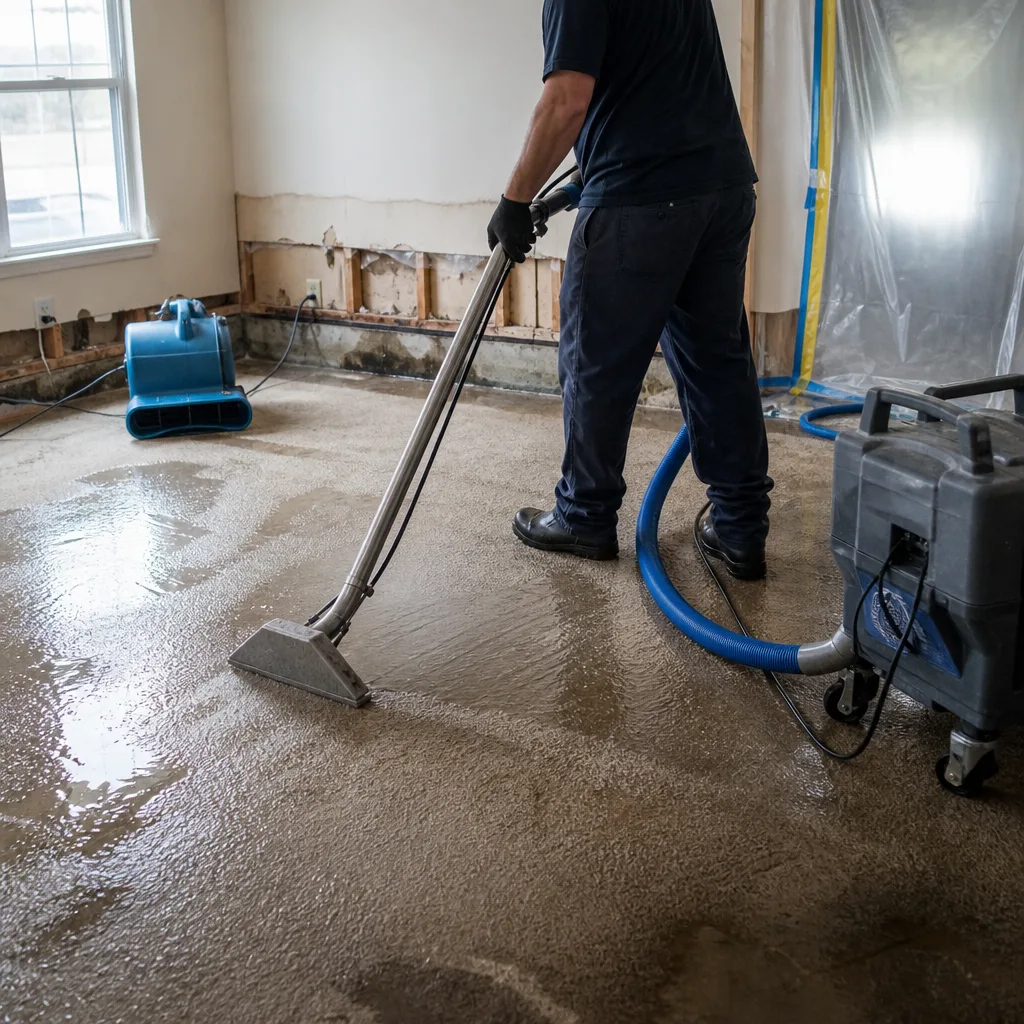
The Village, clustered near 15th Street and Camino Del Mar, holds Del Mar’s oldest housing stock: 1920s-1950s beach cottages with original redwood framing, minimal insulation, and no vapor barriers. These properties absorb water quickly and dry slowly; we often find hidden rot in sill plates and rim joists that newer construction avoids. Response routes from the 5 exit at Via de la Valle put us on-site in under 20 minutes.
Bluff-top estates along Ocean Front and Stratford Court present the opposite problem: custom everything, ocean-facing exposures, and salt spray working into stucco and window flanges for years before interior staining appears. We got a call from a bluff-top home off Ocean Front near 15th Street where the owner had noticed a faint ceiling stain only after a foggy August week. Our techs found the window flange weep holes packed with salt-crusted debris, pulled wet stucco back, and discovered deeply rotted sheathing - far beyond what the interior stain suggested. We contained the area, ran an Injectidry wall cavity drying system alongside Phoenix dehumidifiers and air movers, and logged moisture readings until the assembly matched pre-loss condition.
Properties near the San Dieguito Lagoon, particularly south of 8th Street, sit inside FEMA flood zones. These homes face dual risk: chronic marine moisture from the west and episodic storm flooding from the south. We’ve extracted standing water from lagoon-backup events where the primary damage was silt and category 3 contamination, requiring full porous material removal.
Newer luxury rebuilds in the hills east of the 5 feature high-end finishes - wide-plank European oak, handmade tile, integrated millwork - that demand specialty drying protocols and custom subcontractor coordination during rebuild. These aren’t faster or cheaper to restore. They’re more document-intensive, and our photo records reflect that.
Specialized Water Damage Restoration Services We Offer in Del Mar
Emergency Water Extraction
Standing water removal within the first hour prevents wicking into drywall and subflooring. Our truck-mounted systems extract from carpet, pad, hard surfaces, and tile beds. In Del Mar, where salt-contaminated floodwater from lagoon backup or storm surge is common, extraction includes initial contamination assessment.
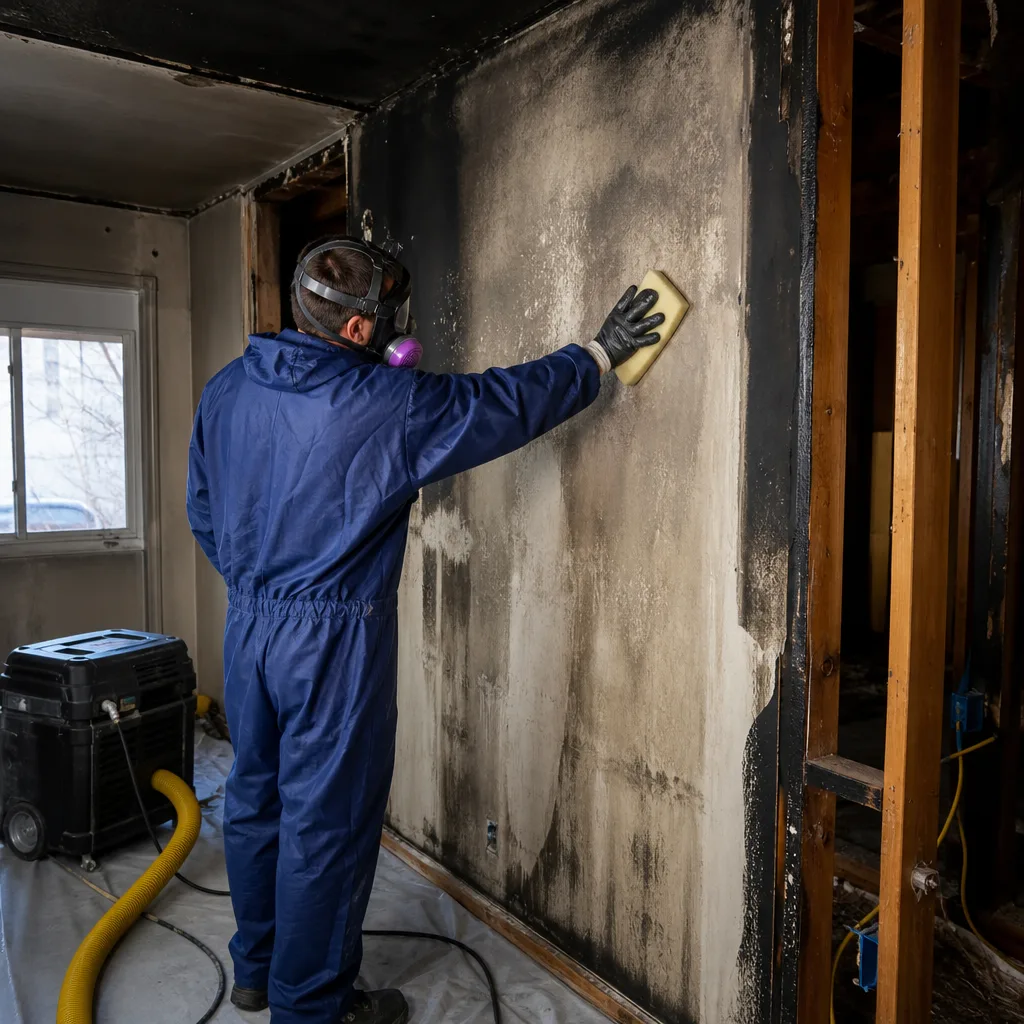
Structural Drying & Dehumidification
This is where Del Mar’s marine layer makes the difference. Standard drying timelines assume drier ambient air; we adjust equipment counts upward for persistent coastal humidity. Phoenix and Dri-Eaz LGR dehumidifiers pull more water per kilowatt hour in high-humidity conditions, and Injectidry cavity systems address the hidden moisture behind Del Mar’s stucco and tile installations.
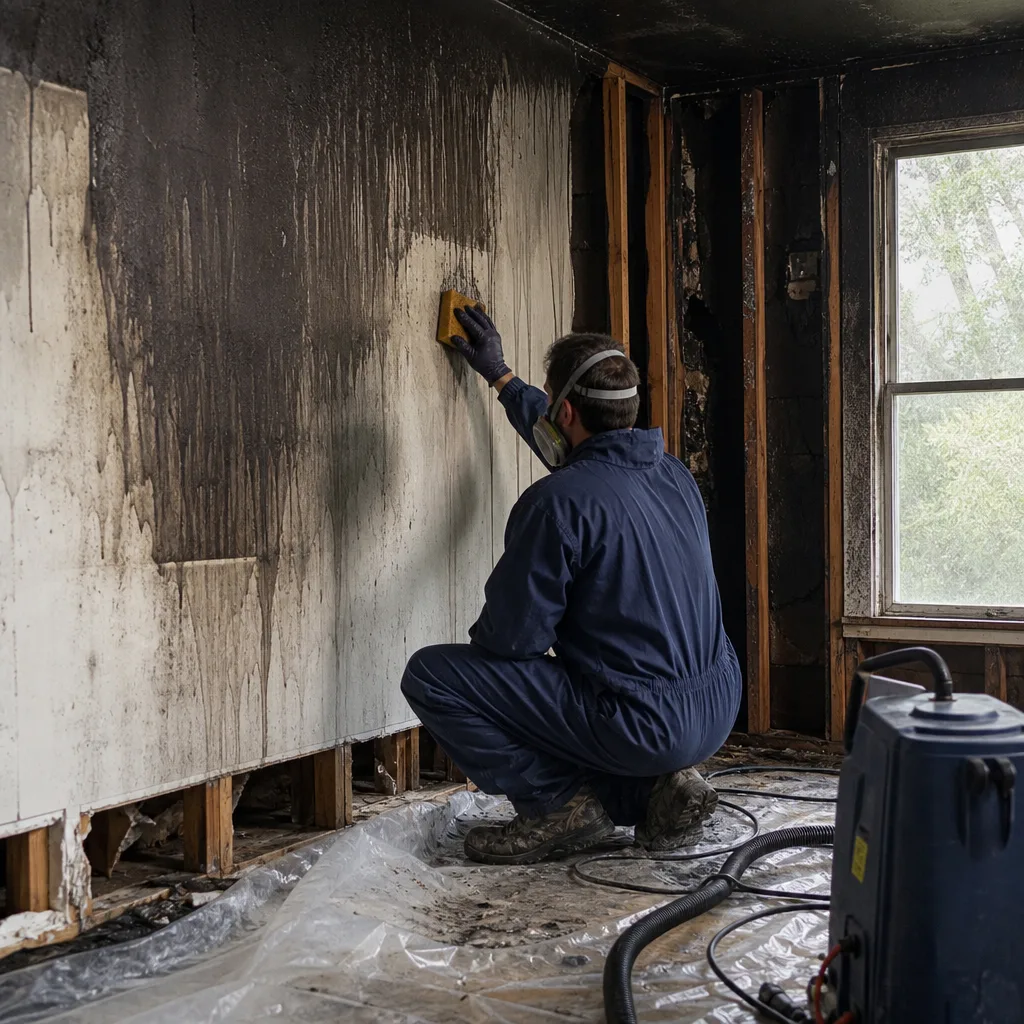
Flood Cleanup
San Dieguito Lagoon flood zone properties require category 3 protocols: full removal of saturated porous materials, antimicrobial treatment, and HEPA air scrubbing. We document contamination extent with photos and moisture readings for your flood insurance claim.
Burst Pipe Restoration
Del Mar’s older cottages have galvanized or original copper supply lines past design life. Burst pipe calls spike in winter when Pacific storms drive temperature drops; we extract, dry, and coordinate repiping with licensed plumbers, documenting the line failure for your carrier.
Ceiling & Roof Leak Water Damage
Bluff-top homes suffer roof leak damage from salt-corroded flashing and fastener failure as much as from storm damage. We trace water migration paths with thermal imaging, often finding that the visible ceiling stain marks only the endpoint of a much larger saturated area in the attic or roof assembly.
What happens when you call
- 1
A real person answersNo phone trees - you reach a local pro.
- 2
You get an upfront price rangeHonest numbers before anyone is dispatched.
- 3
A background-checked tech heads outLicensed & insured, dispatched right away.
- 4
You approve before work beginsNothing starts until you say go.
Water Damage Restoration Costs in Del Mar, CA
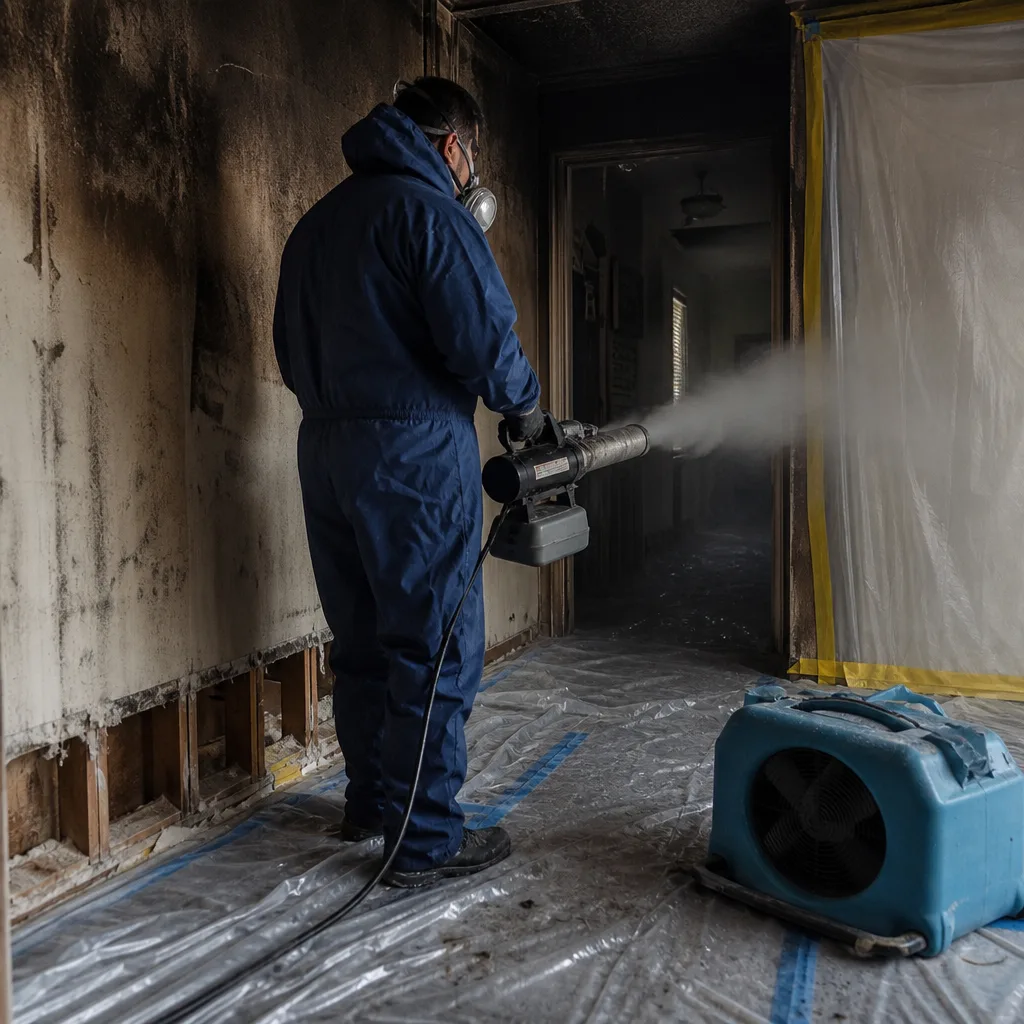
Emergency water extraction in Del Mar runs $450-$950 for most residential losses. Structural drying and dehumidification typically costs $1,800-$4,200 depending on affected square footage, material class, and equipment days required. Full restoration including repairs averages $4,500-$12,000 for standard finishes; high-end properties with custom millwork and imported tile can exceed $25,000.
What moves the price: category classification (Category 3 costs 40-60% more than Category 1 due to removal and antimicrobial requirements), affected square footage, and material density (tile and plaster dry slower than carpet and drywall). Insurance typically covers sudden and accidental losses; gradual damage from chronic moisture intrusion may be excluded. Our written scope - delivered before work starts, per Haven Standard, Clause 1 - separates insurance-covered items from out-of-pocket items so you know before we begin.
We Also Serve Cities Near Del Mar
Our crews respond throughout coastal North County: Water Damage Restoration teams cover Solana Beach and Encinitas to the north, Poway inland, and San Marcos to the northeast. Each area gets the same documentation standard, the same live-answer dispatch, and the same written-price-before-work-begins commitment.
Serving Del Mar, CA - Our Local Coverage Area
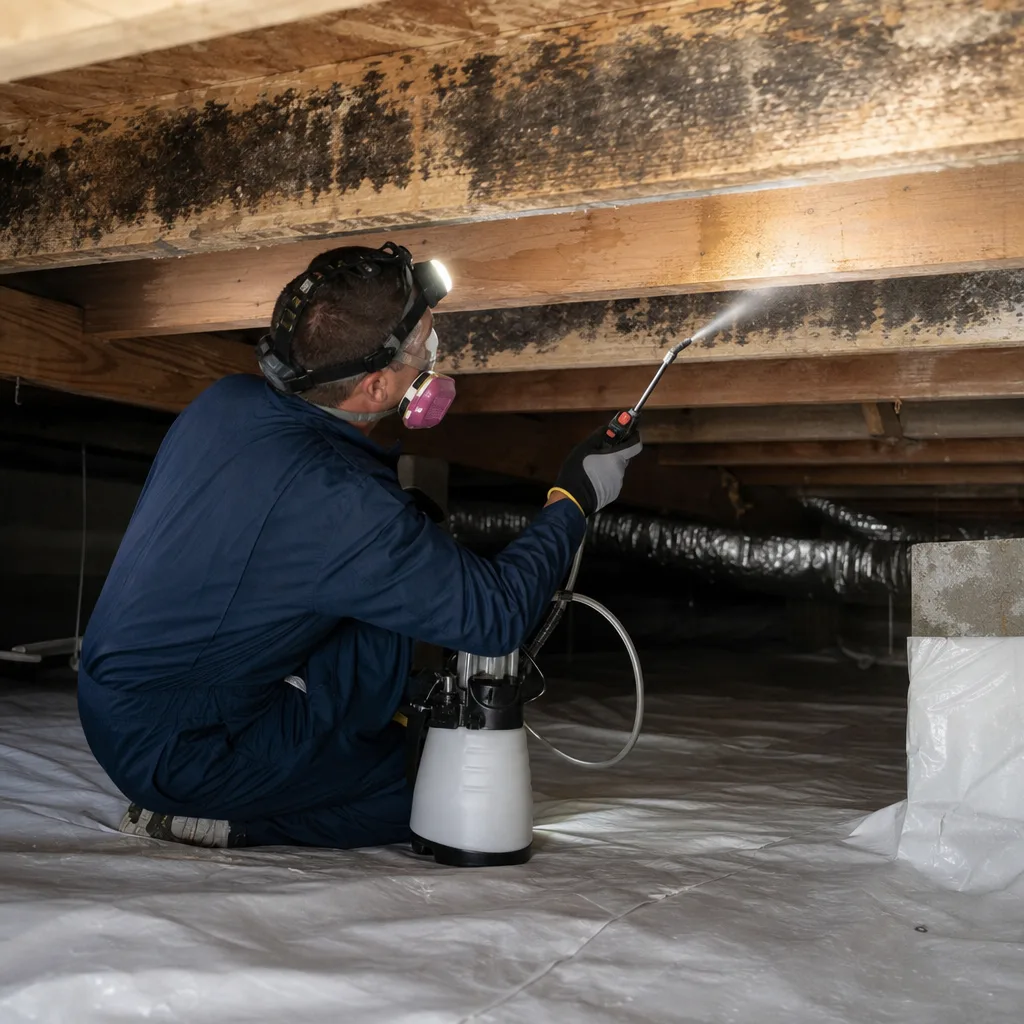
We’re based in the Del Mar area and know this community well. Use the map below to see our service coverage - if you’re nearby, we can almost certainly help.
Del Mar Water Damage Restoration Questions, Answered
Does the marine layer really cause water damage in Del Mar even when it hasn’t rained?
Yes. The marine layer keeps relative humidity above 70% along Del Mar’s coast for days at a time, which keeps wall cavities damp enough for mold colonization and accelerates wood rot in framing and sheathing. Salt-laden fog also corrodes metal fasteners and roof flashing, creating entry points for moisture that would stay sealed inland. Call (760) 421-5658 if you notice musty odors or staining - even without a recent storm.
Why do garage door springs and hardware fail so much faster in Del Mar than in Carmel Valley?
Salt fog from the Pacific corrodes springs, hinges, rollers, and fasteners at roughly 3-4 times the inland rate. Galvanized coatings degrade; stainless hardware holds longer but costs more. Failed hardware creates gaps that admit water during storms or high tides, compounding the corrosion damage with direct water intrusion. We inspect and document hardware condition as part of our coastal property assessments.
What’s different about restoring a bluff-top Del Mar home with custom millwork and imported tile?
Custom materials require specialty subcontractor coordination and extended drying timelines. Imported tile beds hold moisture for weeks; aggressive drying cracks the setting bed. European oak and custom millwork swell unevenly and require controlled dehumidification rather than high-velocity air movement. Our scopes specify material sourcing and drying protocols by trade name, with photo documentation at every stage.
If a window flange or stucco gap leaks from salt spray, how far does the damage usually go?
Farther than the interior stain suggests. Salt spray works into micro-gaps for years before visible interior damage appears. By the time we open the wall, sheathing is often deeply rotted, insulation is saturated, and framing shows decay. The visible stain marks the endpoint of water migration, not the source or extent. Thermal imaging and moisture mapping find the full perimeter before we write the scope.
How fast do we need to act after a water loss in Del Mar?
Within the first 24 hours. Mold colonization begins at 48-72 hours in Del Mar’s humid coastal environment, and Category 1 water degrades to Category 2 faster here than inland. Our 45-minute response commitment gets extraction started before wicking spreads water into wall cavities and subflooring. Call (760) 421-5658 - we answer live.
Will my insurance cover water damage restoration in Del Mar?
Sudden and accidental losses - burst pipes, storm damage, appliance failures - are typically covered under standard homeowners policies. Gradual damage from chronic moisture intrusion, salt corrosion, or maintenance neglect is usually excluded. We document the loss cause and timeline from the first hour, producing the evidence your adjuster needs to make the coverage determination. Direct billing available.
How long does structural drying take in Del Mar?
Standard residential drying runs 3-5 days in drier inland climates; Del Mar’s marine layer extends this to 4-7 days for equivalent losses. Dense materials - plaster, tile beds, hardwood - may require 10-14 days. We don’t guess at completion: daily moisture readings determine when equipment comes out, documented in drying logs your insurer receives.
Can we stay in our home during water damage restoration?
Often yes for Category 1 losses confined to non-living areas. Category 2 or 3 losses, or any loss with HVAC contamination, typically require temporary relocation due to antimicrobial treatment and air scrubber noise. We assess livability at inspection and note it in your written scope. If relocation is needed, we document the additional living expense for your carrier.
Call (760) 421-5658 for a free visual inspection and written scope. Every estimate is delivered before work begins, every visit is photo-documented, and every job is backed by our 365-Day Done Right Promise under The Haven Standard.
Written by Alicia Brennan, Owner at DryMark Restoration Fallbrook, serving Del Mar since 2011.
Water Damage Restoration in Nearby Areas