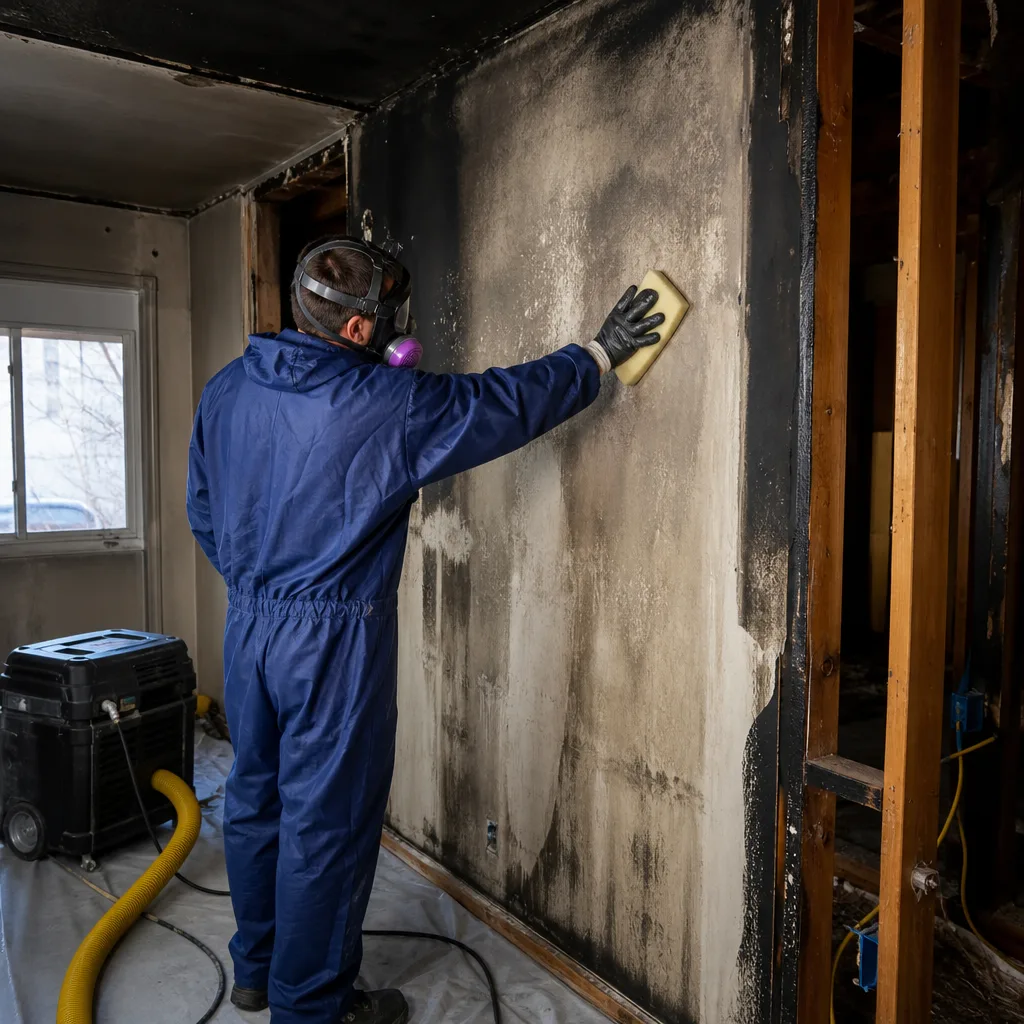
Free visual inspection and a written scope of work before any mitigation begins - photos, moisture readings, and drying logs go in your claim file
The scope we write is the scope we bill. Anything new gets shown to you, in writing, before we touch it.
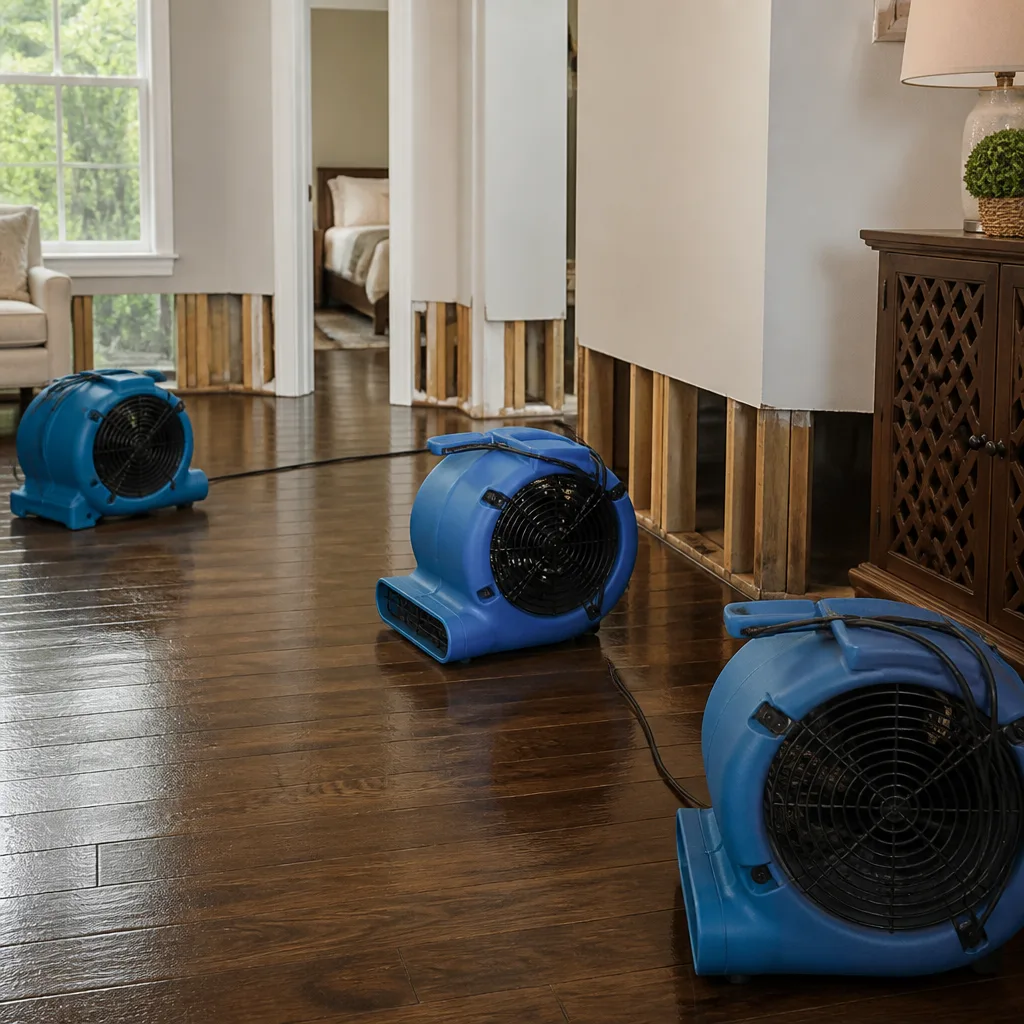

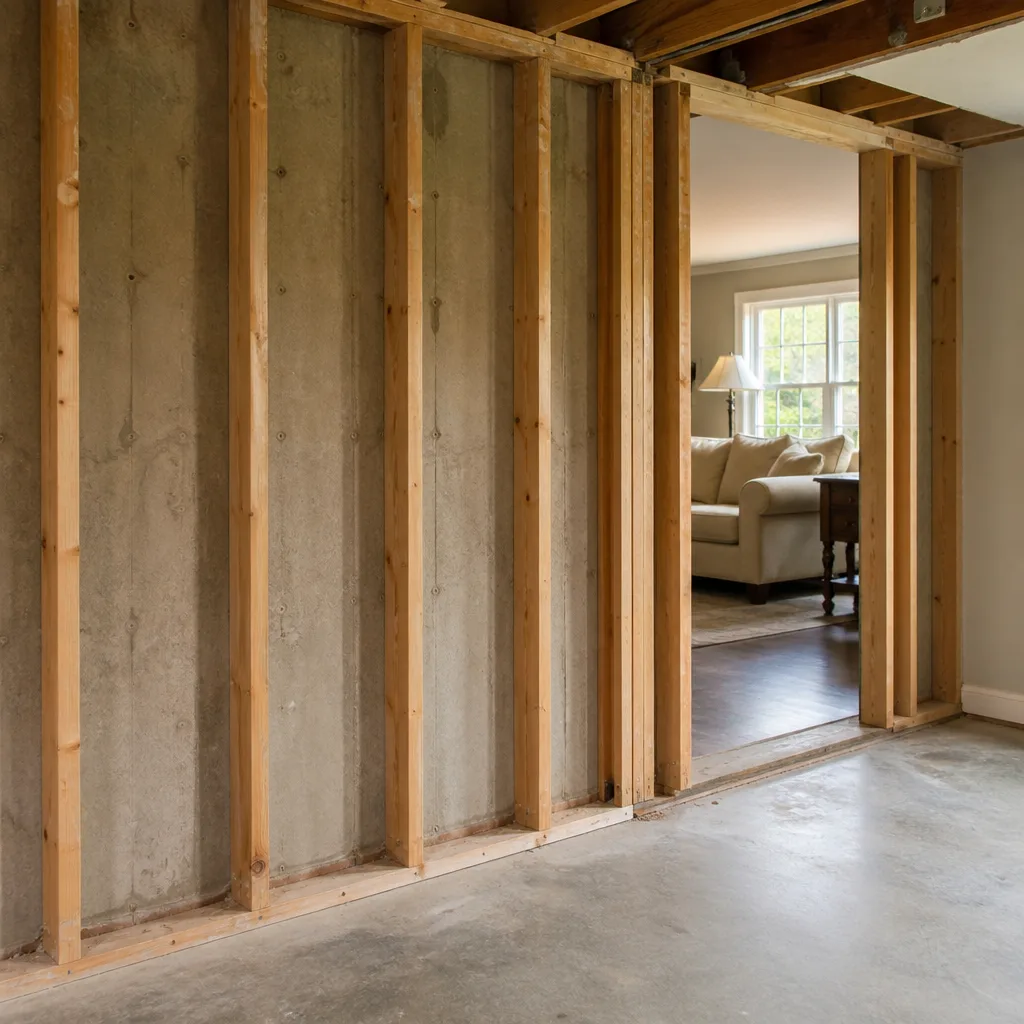

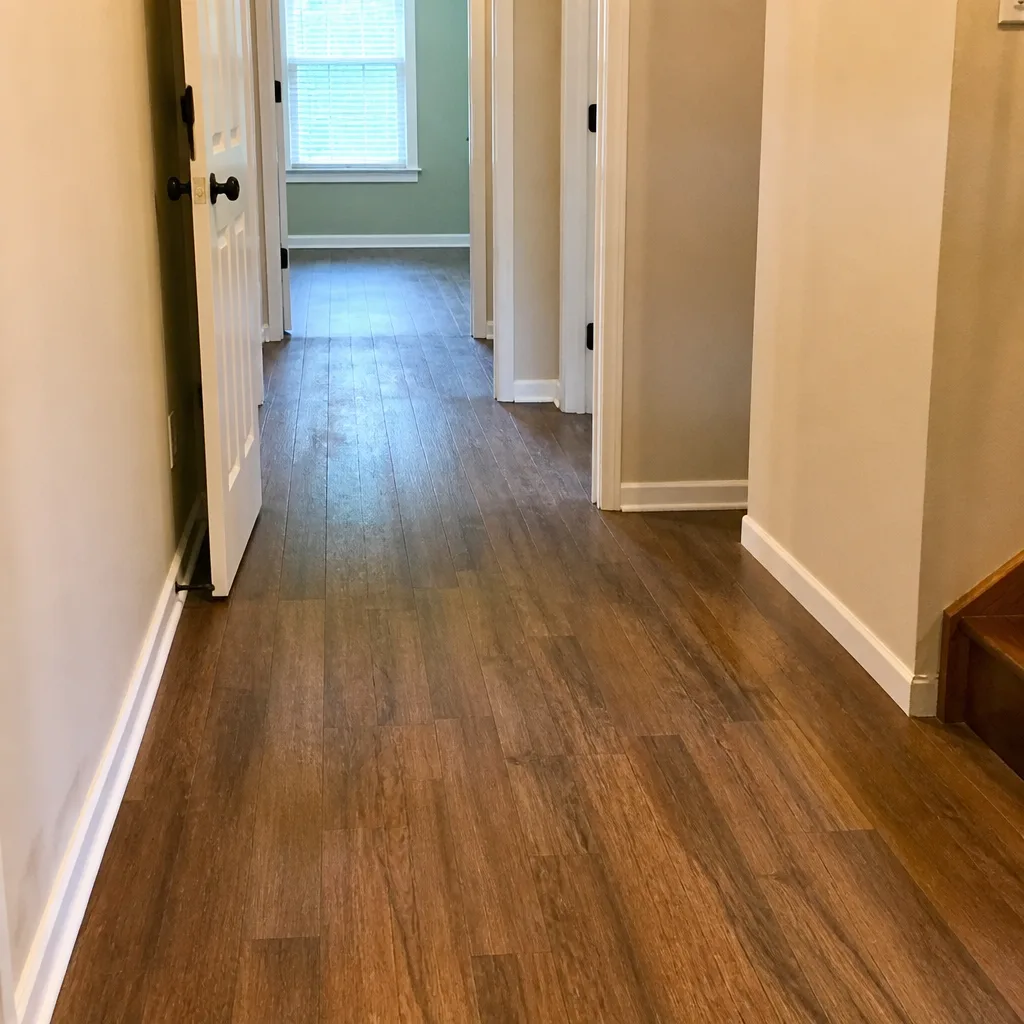

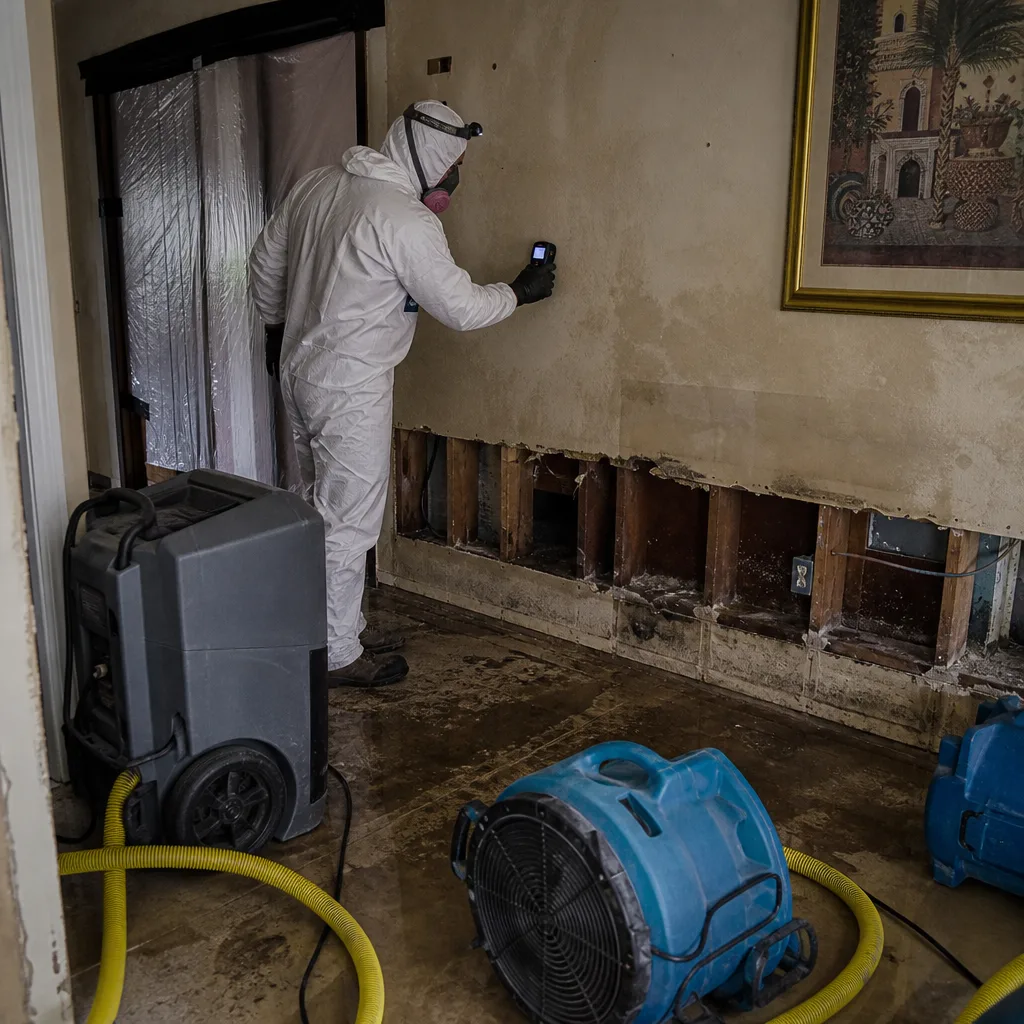 Before
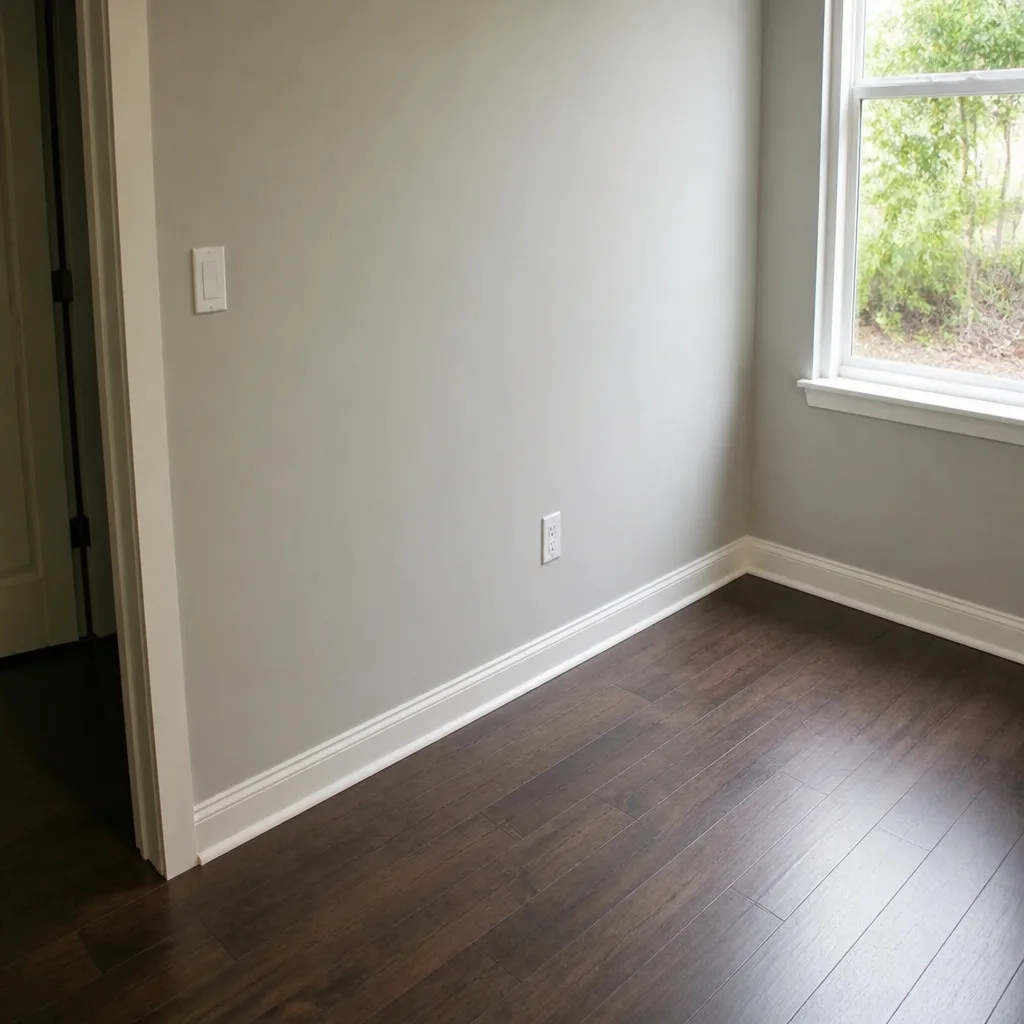 After
After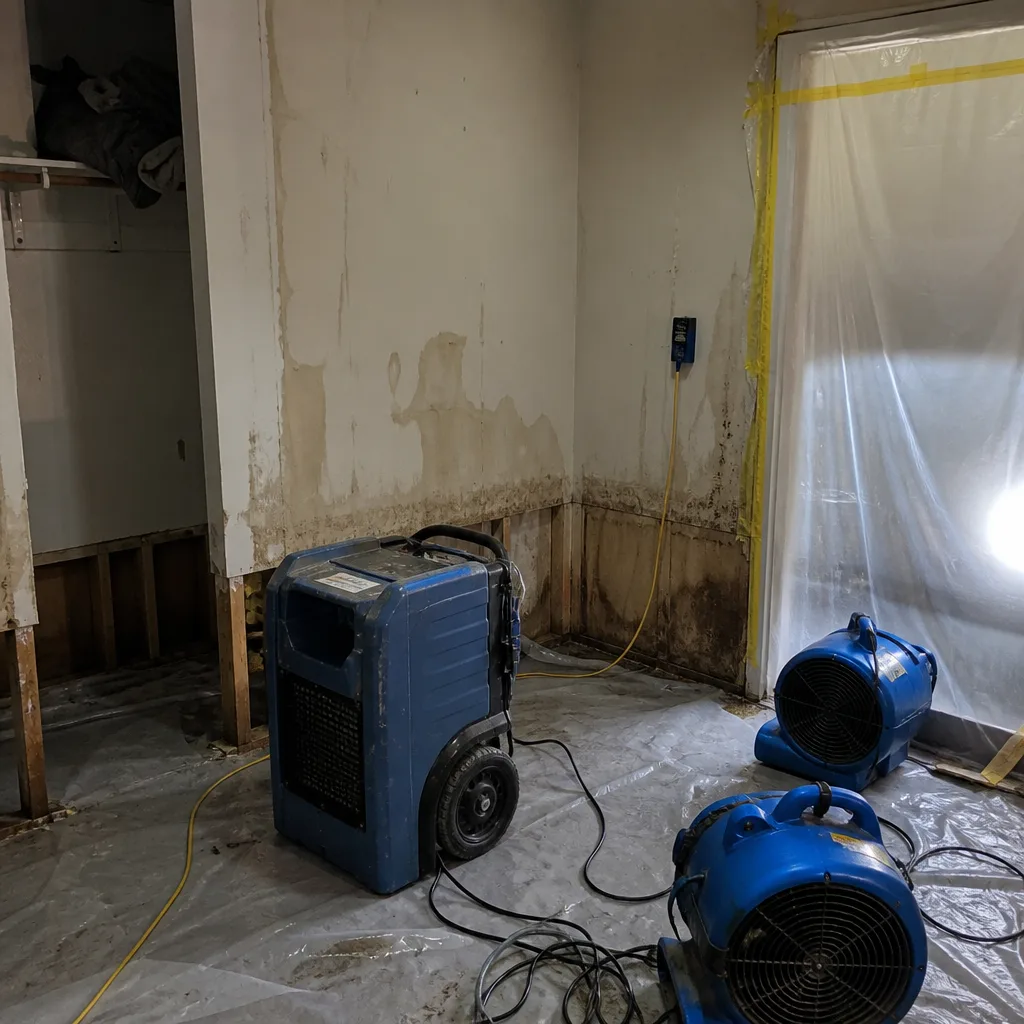 Before
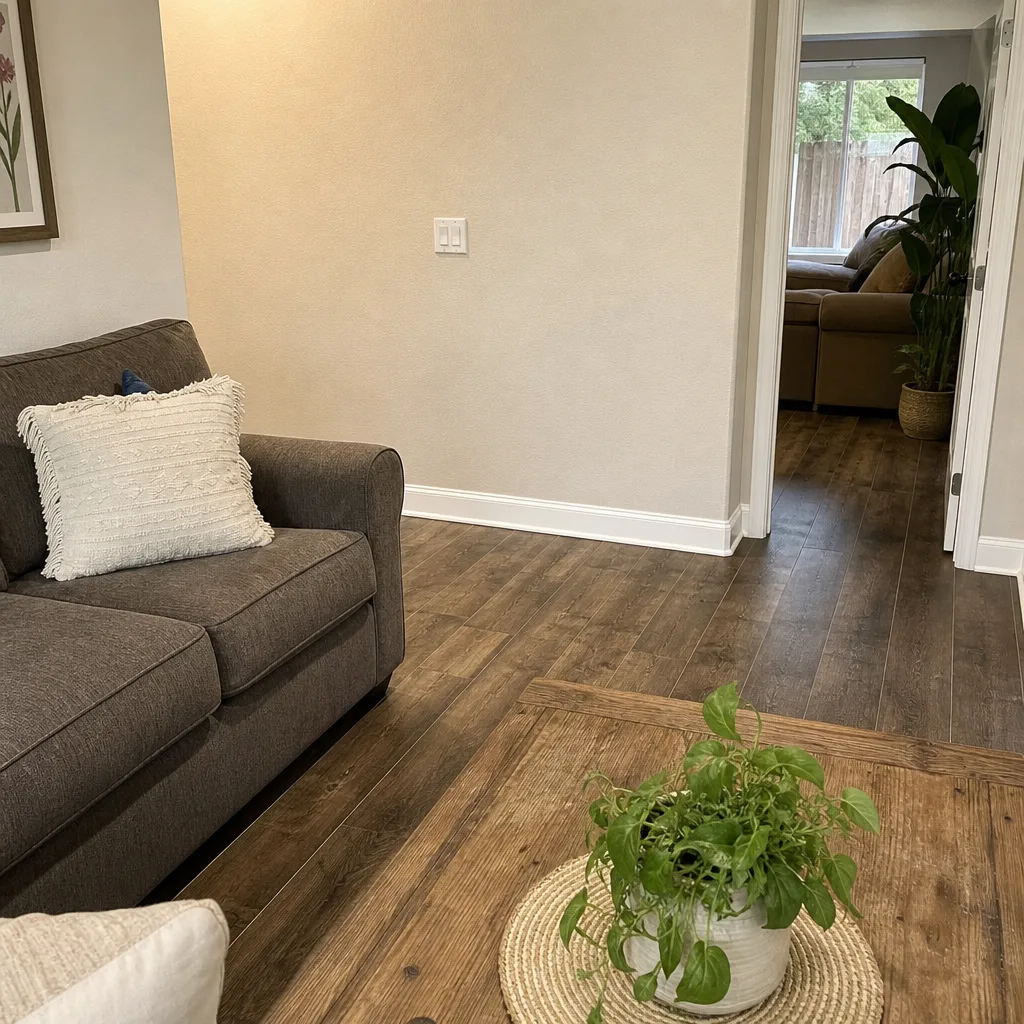 After
After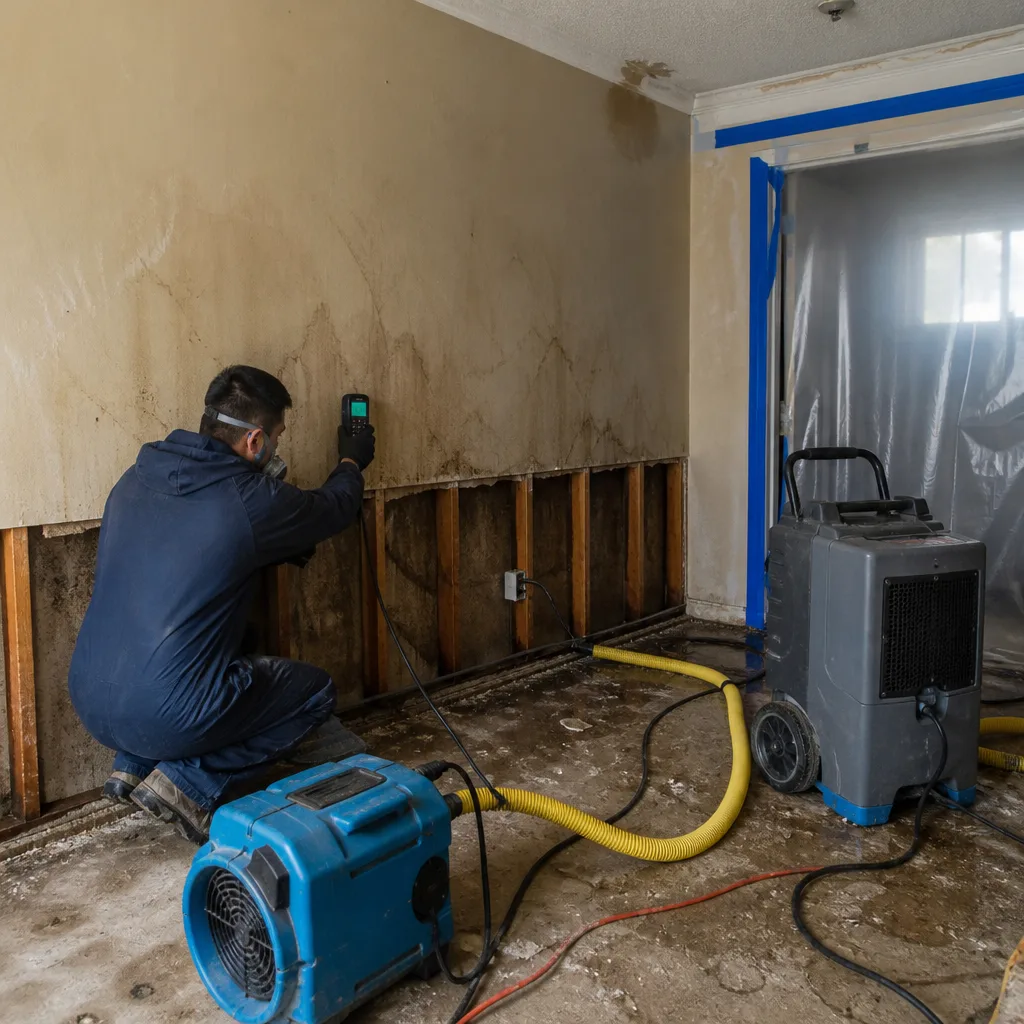 Before
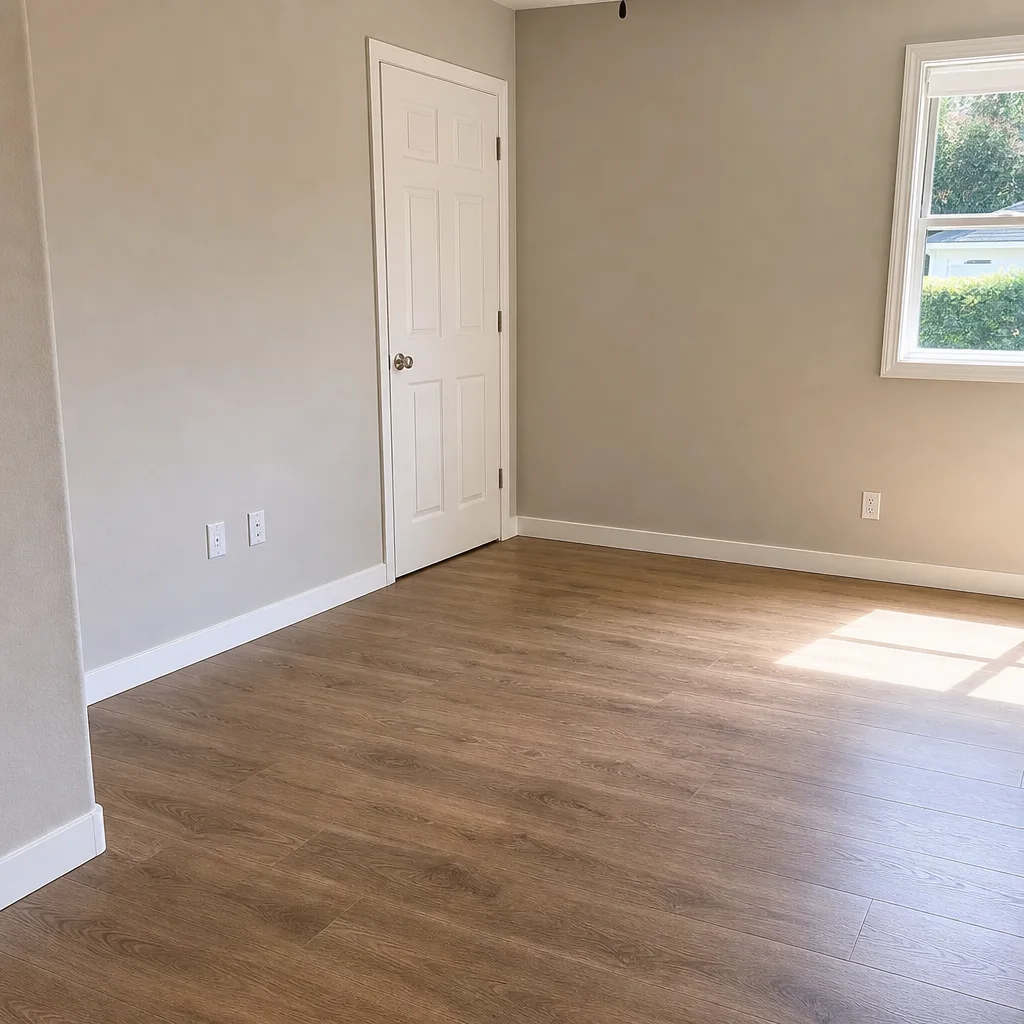 After
After24/7 Emergency Water Damage Restoration in Oceanside
Water damage restoration in Oceanside typically costs $2,800-$7,500 for residential drying and extraction, with emergency response available within 45 minutes when you call (760) 421-5658. Our crews answer live around the clock, no voicemail, because water doesn’t wait for business hours. The first hour determines whether you’re looking at surface drying or full cavity remediation, especially in Oceanside’s 1950s-1970s slab-on-grade stock where water moves laterally behind walls with no basement to catch it.
We dispatch from our San Diego coordination office with crews already positioned throughout coastal North County. Every emergency call gets a free visual inspection, a written price before any equipment runs, and a photo-documented record starting at the front door. That’s Haven Standard, Clause 1: written price before work begins. No exceptions.
Understanding Water Damage Restoration Severity in Oceanside Properties
Water damage breaks into three categories by contamination level, and Oceanside’s housing stock pushes losses toward the severe end faster than inland markets. Category 1 is clean water from a supply line. Category 2 carries chemical or biological load from appliances or sump failures. Category 3 is grossly contaminated, from sewage intrusion or prolonged standing water that has incubated pathogens.
Here’s where Oceanside’s geography bites. The near-daily marine layer keeps ambient relative humidity elevated compared to Carlsbad or Vista, even on days without fog. A Category 1 kitchen line leak in a downtown corridor cottage with poor crawlspace ventilation can reclassify to Category 2 within 48 hours, and Category 3 within 72, because the moisture never finds dry air to evaporate into. Our crews carry psychrometric meters that measure vapor pressure differential, the actual force driving evaporation, and we log those readings daily until the structure returns to pre-loss equilibrium.
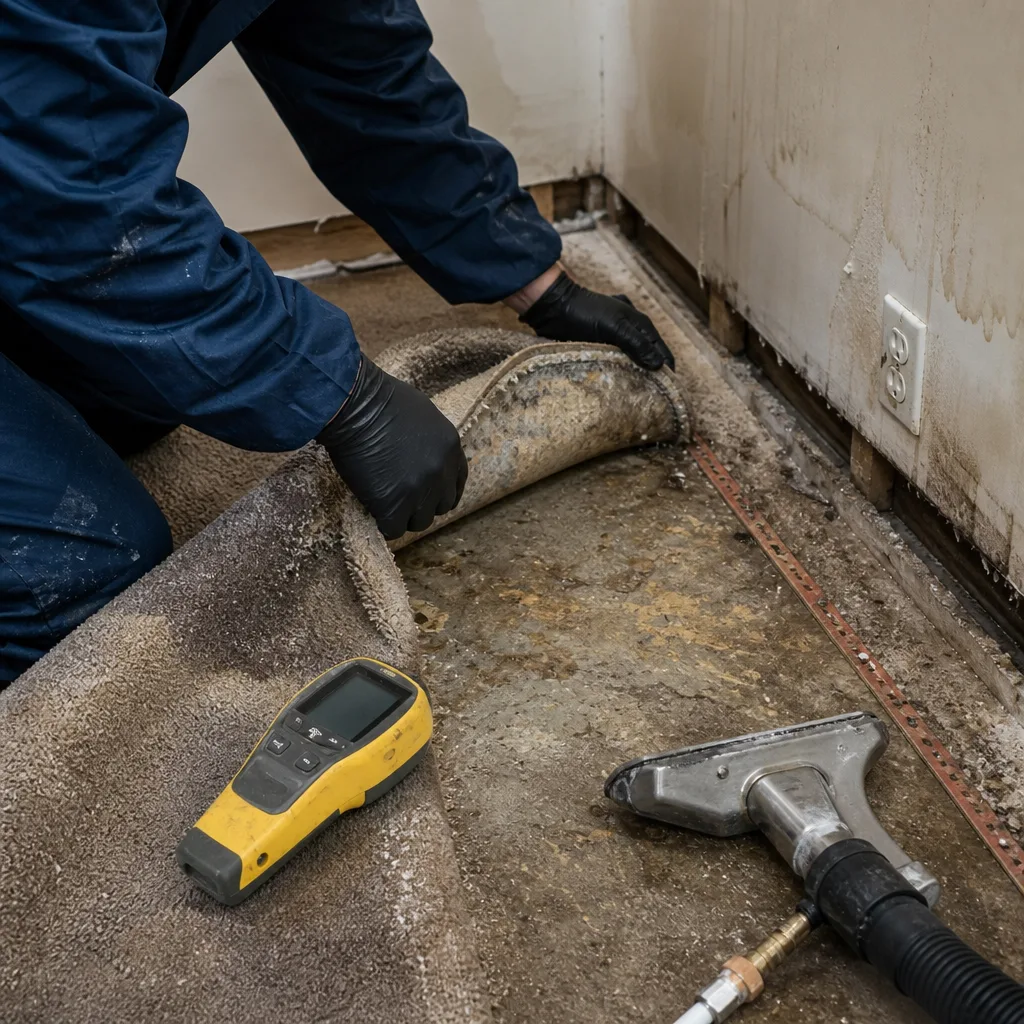
Moisture mapping with thermal imaging reveals what Oceanside’s stucco and drywall hide. In the 1980s-1990s wood-frame stucco neighborhoods inland, improperly flashed window penetrations create chronic slow-leak patterns that look like new damage but trace back years. We mark every reading on a room-by-room grid, and that map becomes part of your drying log and insurance documentation.
Why Oceanside Property Owners Choose DryMark Restoration Fallbrook
- 45-minute response commitment to Oceanside addresses, with crews staged for coastal North County dispatch.
- 24/7 live answer by a real person, never an automated system or next-business-day callback while water is still moving.
- IICRC-certified crews holding WRT (Water Damage Restoration Technician) and AMRT (Applied Microbial Remediation Technician) credentials, with license numbers verified before arrival.
- Free visual inspection and written scope, no charge to assess the loss and document preliminary moisture readings.
- Direct insurance billing with photo-documented estimates formatted to carrier standards, plus direct adjuster coordination on request.
- One team from extraction through reconstruction, so the crew that wrote your drying log handles your rebuild and stands behind the 365-Day Done Right Promise.
BeforeAfterOur Water Damage Restoration Process
1. Inspection & Assessment
We arrive with thermal imaging cameras, penetrating and non-penetrating moisture meters, and hygrometers to map the full extent of the water migration. In Oceanside’s slab-on-grade construction, water travels horizontally under flooring and up wall cavities; surface dryness means nothing without meter verification. You get a written scope and price before any equipment starts.
2. Water Extraction & Stabilization
Truck-mounted extraction removes standing water from carpet, hard surfaces, and pad. For Oceanside’s tight alley-access rentals and townhomes, we deploy portable extraction units when the truck can’t reach the door. Every gallon removed here is a gallon we don’t have to evaporate later, which directly reduces drying time and cost.
3. Structural Drying & Dehumidification
We size the drying system to the cubic volume and class of loss, deploying Dri-Eaz and Phoenix LGR dehumidifiers alongside XPOWER and B-Air air movers positioned for optimal airflow patterns. In Oceanside’s high-humidity marine climate, we run desiccant dehumidifiers when outdoor dew points stall conventional refrigeration units. Daily moisture logs track progress to IICRC S500 standards.
4. Cleaning & Sanitization
Antimicrobial treatment of affected surfaces, HEPA air scrubbing to capture airborne particles, and odor neutralization with hydroxyl or ozone generators as appropriate. Category 2 and 3 losses receive full sanitization protocol, including removal of contaminated porous materials that can’t be restored.
5. Injectidry Cavity Drying & Specialty Treatment
For Oceanside’s military-rental turnover discoveries and San Luis Rey River corridor homes with stacked flood history, we deploy Injectidry systems that force dry air into wall cavities through minimal access points. This avoids full demolition when the structural shell is salvageable, but only when moisture readings confirm tertiary drying goals are achievable.
6. Repairs & Restoration
Same team returns to replace drywall, flooring, trim, and finishes to match pre-loss condition. We provide the photo record, final moisture log, and signed 365-Day Done Right Promise under The Haven Standard. If it’s not done right, we make it right.
Need Emergency Water Damage Restoration in Oceanside Now?
Crews minutes away, answering live 24 hours a day. The sooner we start, the less it costs.
Working With Your Insurance Company
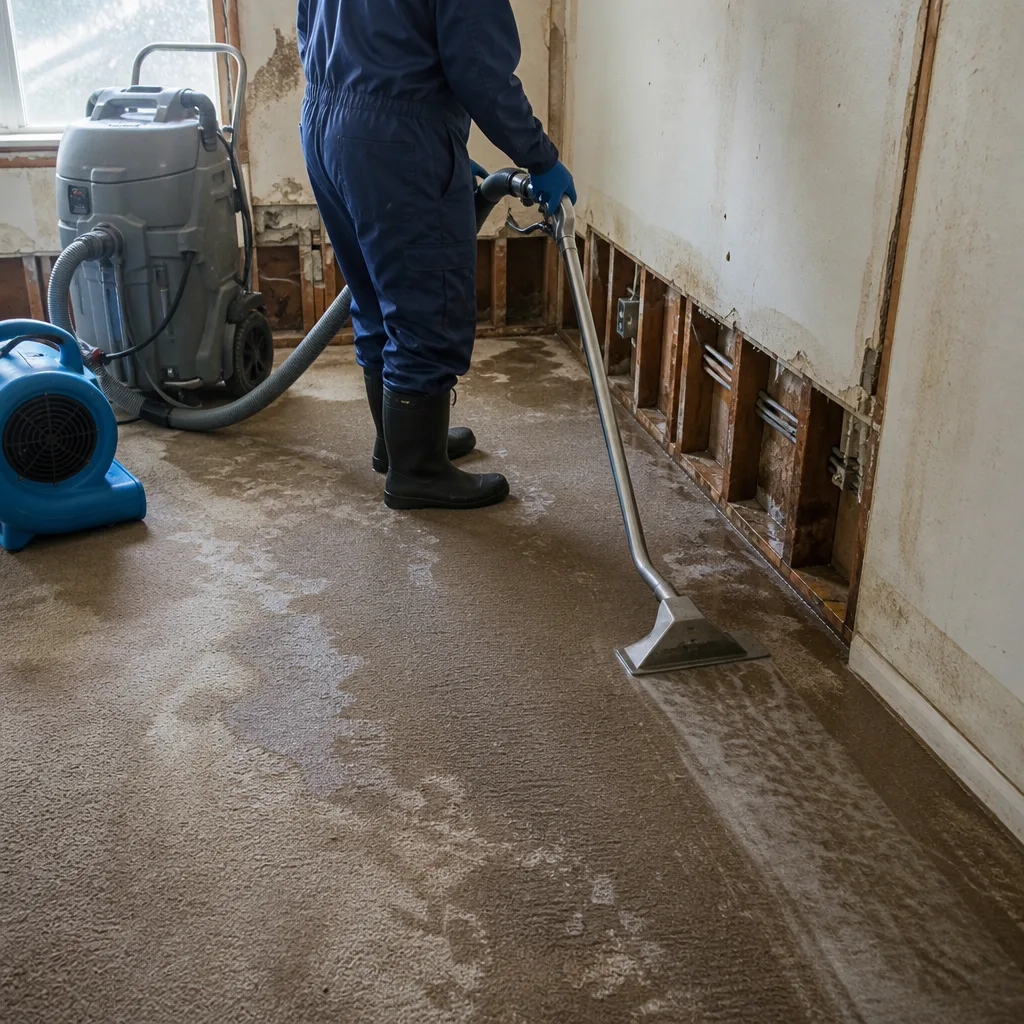
Insurance claims fail on documentation gaps. Our founder built this company in 2011 after seeing homeowners lose thousands because a restoration invoice couldn’t prove the loss was real, necessary, and properly dried. We close that gap from hour one.
Every Oceanside job gets photo documentation on every visit, not as an upsell but as standard deliverable. Moisture readings are logged with date, time, equipment serial numbers, and technician signature. Estimates are formatted to Xactimate or Symbility standards your adjuster recognizes. We coordinate directly with carriers when you authorize it, and we provide the written scope that turns a phone call into an approved claim.
What We Provide Your Insurer
- Thorough documentation of the loss
- Photos of all damage, room by room
- Moisture readings and drying logs
- A detailed, line-item scope of work
- Direct coordination with your carrier
Built for Oceanside’s Loss Calendar
January through March brings the heaviest marine layer and the highest sustained humidity, when poorly ventilated crawlspaces and closed wall cavities never dry between storms. April and May see the first significant tourist-rental turnover as vacation properties prep for summer, often revealing winter leaks that went unreported by guests.
June through August is PCS season. Camp Pendleton’s rotation cycle peaks, property managers inspect units between tenants, and we see the annual surge of hidden damage discoveries. A slab leak in a 1960s beach cottage might run for eight weeks before move-out reveals buckling laminate and black mold behind baseboards.
September into November is wildfire season inland, but Oceanside’s coastal position shifts the risk to Santa Ana wind-driven roof damage and subsequent rain intrusion. December storms can push the San Luis Rey River to flood stage, affecting established neighborhoods in FEMA-mapped zones with sediment-laden Category 3 water that requires full gutting of affected materials.
Water Damage Restoration Across Oceanside’s Neighborhoods
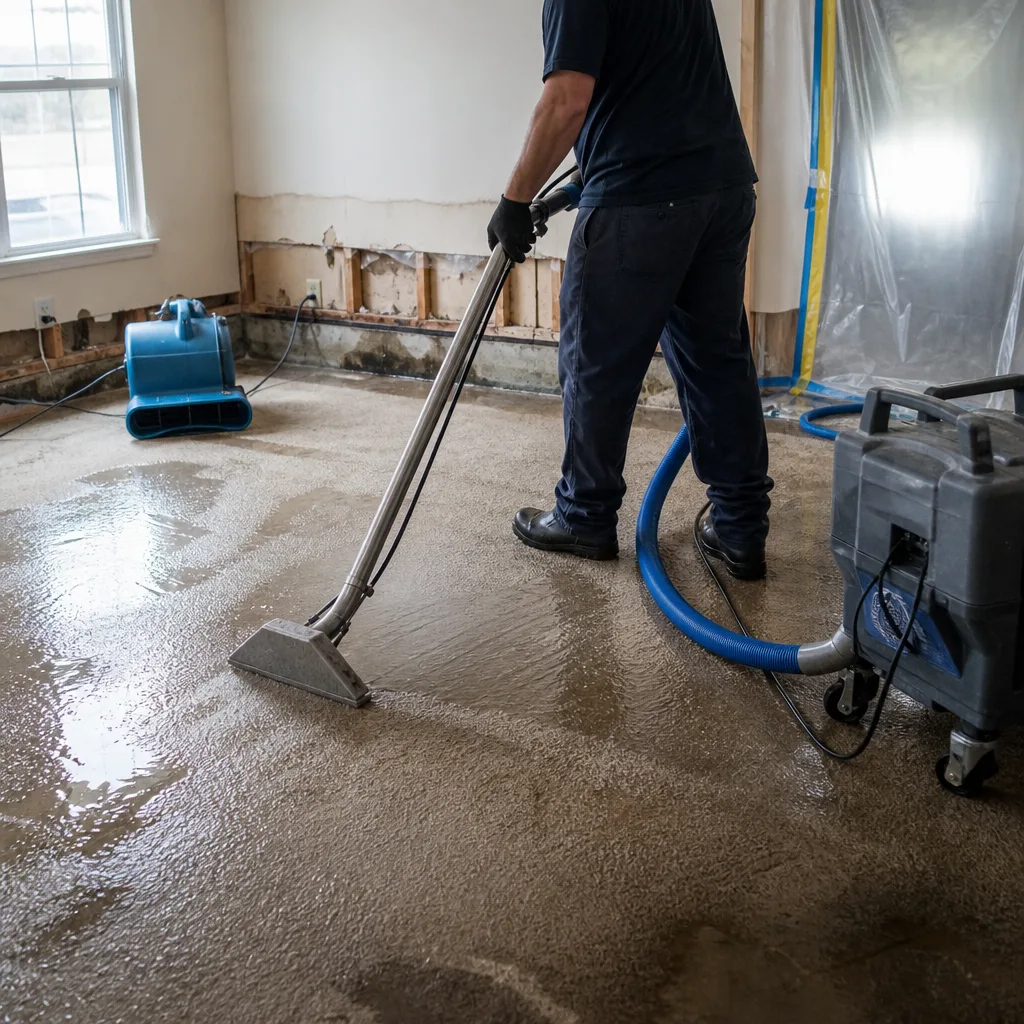
Downtown Oceanside and the coastal corridor from Pier View Way to South Oceanside pack dense 1950s-1970s cottages and early apartment blocks on tight lots with alley access only. Our portable extraction rigs and compact drying equipment navigate these spaces where truck-mounted units can’t reach. Parking constraints mean we stage efficiently and work with property managers on access timing.
The San Luis Rey River corridor, running east-west through central Oceanside, carries the highest flood risk and the most stacked damage history. We regularly open walls in homes near River Road and Old Grove Road and find multiple generations of patched plaster over water-stained drywall, previous floods that were surface-dried but never remediated. Full cavity work is standard here, not exceptional.
Inland neighborhoods like Mission Mesa and Fire Mountain shift to 1980s-1990s wood-frame stucco on larger lots with garage access. The failure mode changes to chronic window and roof penetration leaks, slow intrusion that saturates insulation and sheathing before interior signs appear. Thermal imaging catches these early; by the time drywall stains show, the damage is extensive behind the cladding.
Near Camp Pendleton’s northern edge, the rental concentration is highest and the turnover cycle drives our summer call volume. Property managers in this corridor know to schedule our inspection concurrent with move-out cleaning, because delayed discovery means mold clearance testing and extended vacancy.
Specialized Water Damage Restoration Services We Offer in Oceanside
Emergency Water Extraction
Standing water extracts in minutes, not hours, with truck-mounted or portable systems sized to the access constraints of your Oceanside property. In a recent call from a property manager on a duplex near the San Luis Rey River corridor, tenant turnover revealed a slow leak that had been running behind 1970s slab-on-grade walls for weeks. Our techs opened the cavity, found compounding mold from an earlier un-dried flood patch, and ran full cavity remediation - antimicrobial treatment, Injectidry wall-cavity drying, Dri-Eaz dehumidification and XPOWER air movers - logging moisture readings daily until drying logs returned to pre-loss condition. Pack-out and containment kept the unit rentable while we worked around the tight alley-side parking.
Structural Drying & Dehumidification
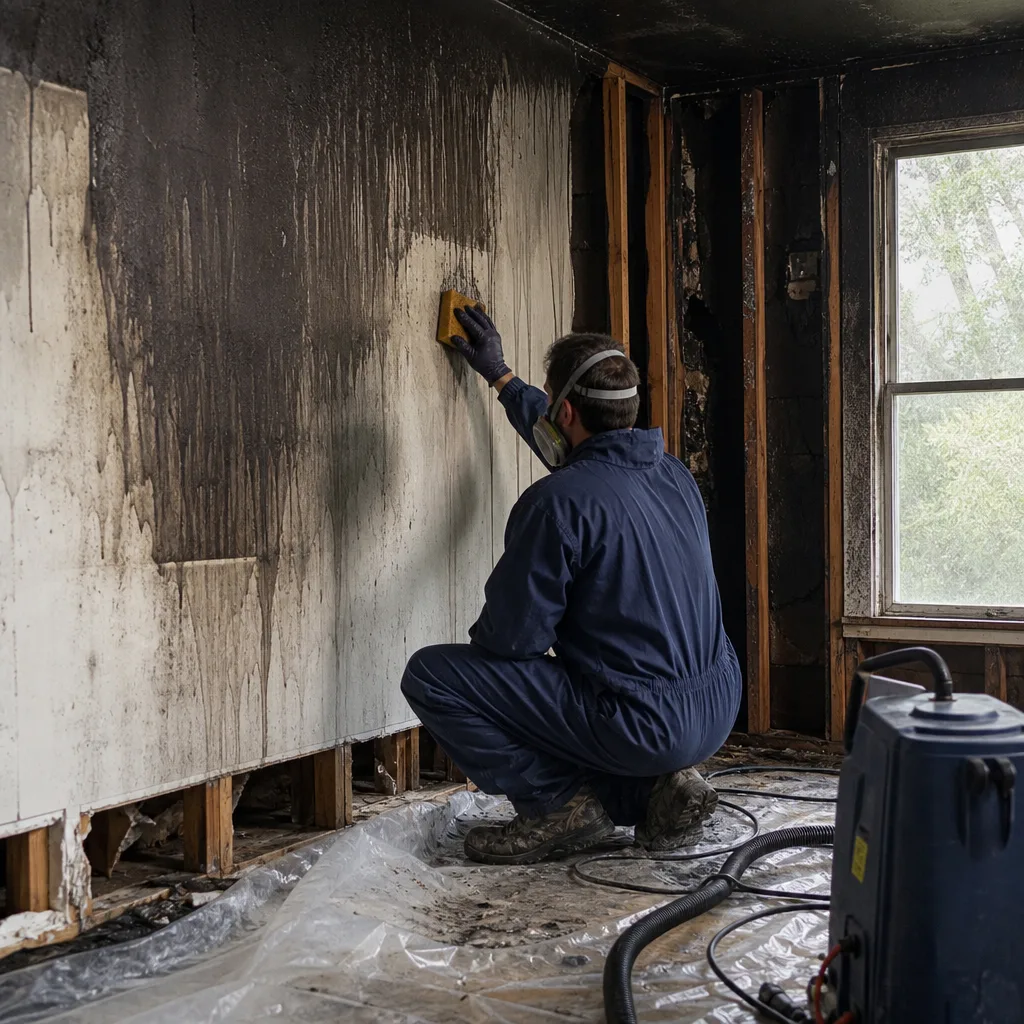
Oceanside’s marine layer humidity demands aggressive dehumidification that inland markets don’t match. We calculate vapor pressure differential to determine whether LGR or desiccant dehumidification is appropriate, and we don’t pull equipment until moisture content readings in wood framing and drywall core return to regional equilibrium, not just surface dryness.
Flood Cleanup
San Luis Rey River flooding and storm-surge events bring Category 3 water loaded with sediment, chemicals, and biological contaminants. Full removal of affected porous materials is non-negotiable. We document flood height lines, contaminated material inventories, and drying logs for your adjuster and for FEMA documentation if applicable.
Burst Pipe Restoration
Oceanside’s aging galvanized and early copper supply lines fail catastrophically in 1950s-1970s stock, often while owners are at work. We extract, dry, and document the full migration path, then coordinate with your plumber for line replacement. The drying log proves the restoration scope was tied to this specific event, not pre-existing conditions.
Basement Water Removal
True basements are rare in Oceanside’s slab-on-grade market, but partial daylight basements and under-house utility cavities in hillside construction require submersible pumping and specialized cavity drying. We assess structural risk before pumping to prevent hydrostatic pressure damage to foundation walls.
Ceiling & Roof Leak Water Damage
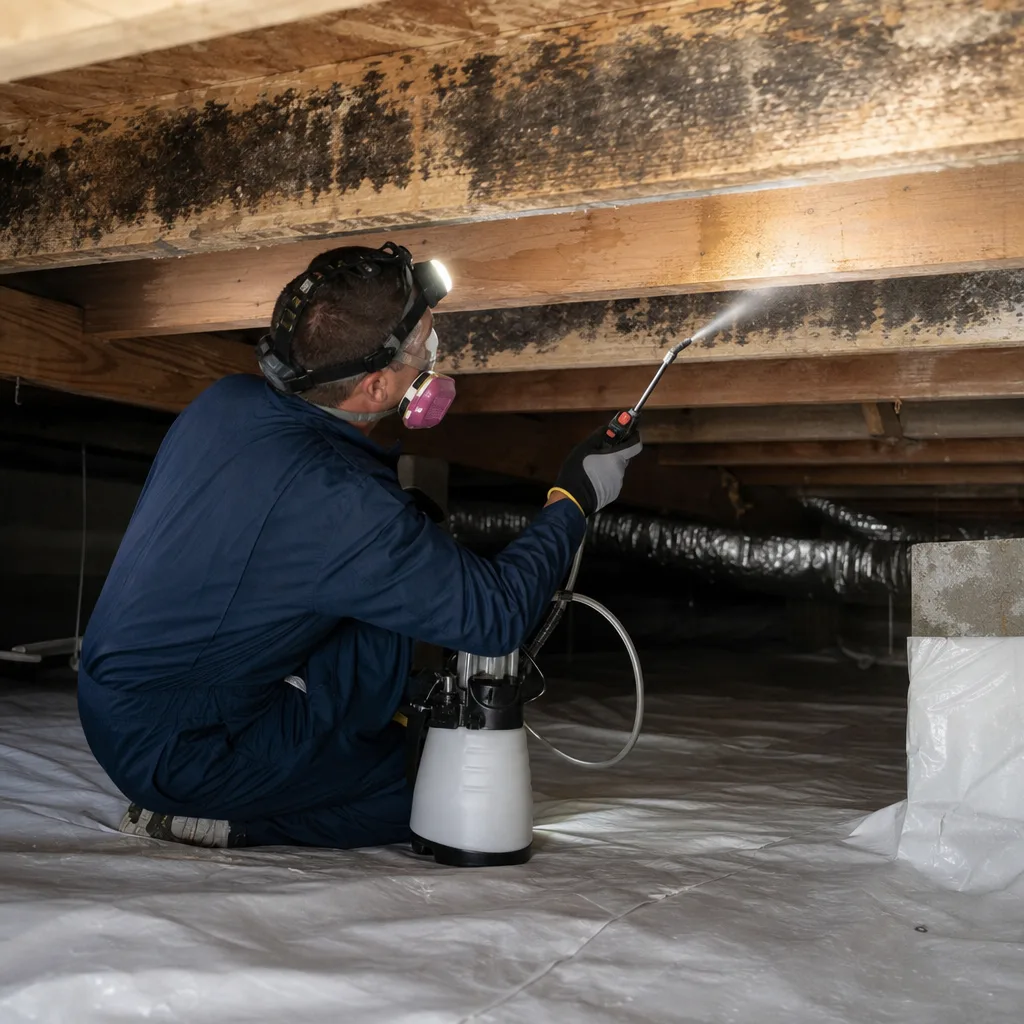
Santa Ana wind-driven rain finds every flashing gap in Oceanside’s coastal exposure. We trace the actual water path, which often migrates far from the visible stain, and dry the full affected cavity before mold establishes in insulation and drywall.
What happens when you call
- 1
A real person answersNo phone trees - you reach a local pro.
- 2
You get an upfront price rangeHonest numbers before anyone is dispatched.
- 3
A background-checked tech heads outLicensed & insured, dispatched right away.
- 4
You approve before work beginsNothing starts until you say go.
Water Damage Restoration Costs in Oceanside, CA
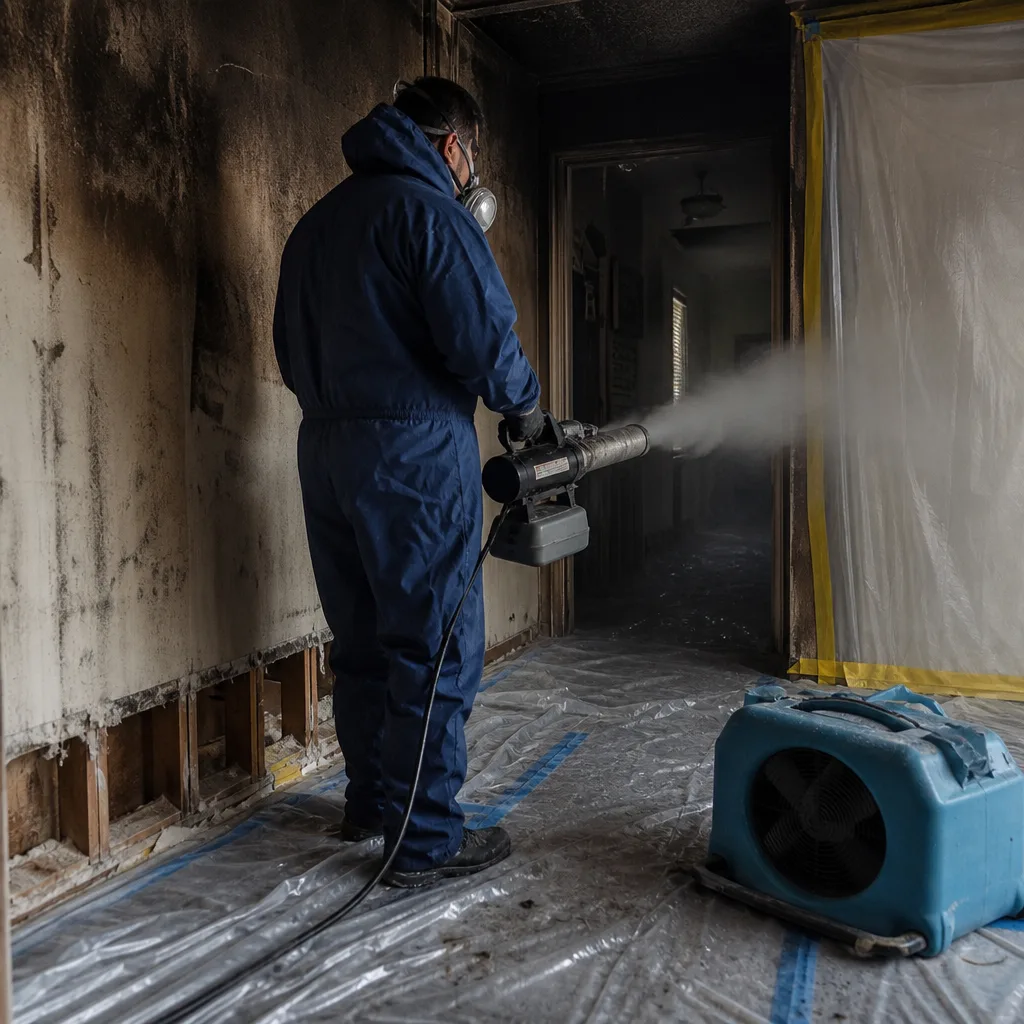
Typical water damage restoration in Oceanside runs $2,800-$7,500 for residential drying and extraction, with full-service flood remediation in river corridor homes reaching $12,000-$18,000 where stacked damage requires extensive demolition and rebuild. Emergency water extraction alone typically ranges $800-$2,200 depending on standing water volume and access difficulty. Structural drying with dehumidification and air movers runs $150-$250 per day per room, with most Oceanside residential jobs requiring 3-7 days.
What moves the price: category of water (Category 3 costs 40-60% more than Category 1 due to contamination protocol), square footage affected, whether demolition is required to access wet cavities, and the presence of compounding mold from prior unremediated damage. Insurance typically covers sudden and accidental water damage; gradual leaks and maintenance-related failure may be excluded. We provide the documentation that helps your adjuster distinguish between the two.
Haven Standard, Clause 1: you’ll receive a written price before any work begins. No scope-creep additions once the crew is inside. Call (760) 421-5658 for your free inspection and firm scope.
We Also Serve Cities Near Oceanside
Our crews respond throughout coastal North County, including Water Damage Restoration in Oceanside and surrounding communities: Carlsbad to the south, Vista inland, Encinitas along the coastal corridor, and San Marcos to the east. Each market carries distinct housing stock and climate factors; our Water Damage Restoration protocols adapt to local conditions rather than applying a single template.
Serving Oceanside, CA - Our Local Coverage Area
We’re based in the Oceanside area and know this community well. Use the map below to see our service coverage - if you’re nearby, we can almost certainly help.
Oceanside Water Damage Restoration Questions, Answered
Why does Oceanside see more hidden water damage in military rental properties than other San Diego coastal cities?
Camp Pendleton’s 2-3 year PCS rotation makes Oceanside one of California’s highest-concentration military-rental markets, so water damage and mold are often discovered only at tenant turnover, sometimes after months of hidden intrusion. That churn peaks in summer PCS season, a demand spike no other San Diego coastal city has. Deferred maintenance on rental units means slow leaks behind slab-on-grade walls or under flooring go unreported until move-out inspection. By then, mold is established past the 24-48 hour window and full cavity remediation is required. If you’re managing a turnover property, call (760) 421-5658 for same-day assessment.
We found water damage during a PCS move-out in Oceanside. How fast do you need to start drying?
Within 24 hours, and preferably the same day, because Oceanside’s sustained marine-layer humidity keeps ambient moisture high enough that mold colonizes faster than in drier inland markets. Category 1 water can reclassify to Category 2 in 48 hours and Category 3 in 72 under these conditions. Our 45-minute response commitment applies to Oceanside calls, and we can begin extraction and equipment placement while the unit is still being cleared. The sooner we start, the less demolition required. Call (760) 421-5658 for emergency dispatch.
How does the marine layer affect drying timelines in Oceanside versus Carlsbad or Vista?
Oceanside’s position as the northernmost coastal city in San Diego County means more persistent marine layer coverage and higher average relative humidity than Carlsbad or Vista, which sit slightly inland or south enough to clear earlier. This extends structural drying timelines by 20-40% compared to drier microclimates, requiring larger or supplemental dehumidification capacity and longer equipment runs. We size our systems to actual psychrometric conditions, not theoretical charts, and we log daily readings until the structure reaches regional equilibrium. Call (760) 421-5658 for a timeline estimate based on your specific loss.
If a home near the San Luis Rey River flooded in a past storm, can a new water event be treated as Category 1?
No. Prior flood damage that was not properly dried and remediated creates a pre-existing contamination reservoir. We regularly open walls in river corridor homes and find multiple generations of patched flood damage with active mold and structural rot behind the cladding. A new supply line leak in this context requires assessment as a compounded loss, with full cavity remediation and antimicrobial treatment rather than simple surface drying. Your insurance adjuster will need documentation distinguishing the new event from pre-existing conditions, which is why our photo record and moisture logs start at the first visit. Call (760) 421-5658 for assessment.
What does water extraction and drying look like in Oceanside’s tight alley-access and townhome rentals?
We deploy portable extraction units and compact drying equipment when truck-mounted systems can’t reach the door, which is common in downtown Oceanside cottages and townhomes with alley-only access. Air movers and dehumidifiers are staged to minimize resident disruption, and we coordinate with property managers on parking and access timing. The same documentation standards apply: photo record, moisture log, written scope. Drying timelines may extend slightly in compact spaces with limited airflow paths, so we adjust equipment count and positioning accordingly. Call (760) 421-5658 for access planning.
Will insurance cover water damage restoration in Oceanside?
Most homeowner policies cover sudden and accidental water damage from burst pipes, appliance failures, or storm intrusion, but exclude gradual leaks, maintenance neglect, and flood damage without separate NFRC coverage. We provide the documentation that helps your adjuster approve the claim: dated photo record, moisture readings, drying logs, and line-item scope formatted to industry standards. Direct adjuster coordination is available on request. For a free inspection and insurance review, call (760) 421-5658.
How long does structural drying take in Oceanside?
Typical residential drying runs 3-7 days in Oceanside, compared to 2-5 days in drier inland markets, due to persistent marine-layer humidity. Compounded losses with prior flood damage or mold require 7-14 days with full cavity treatment. We don’t remove equipment until moisture content in wood framing and drywall core reaches regional equilibrium, verified by daily meter readings, not by calendar estimate. Your drying log documents every reading. Call (760) 421-5658 for a timeline based on your loss.
Can we stay in the home during water damage restoration?
For Category 1 losses affecting limited areas with contained equipment, yes, though noise and airflow disruption are significant. For Category 2 or 3 contamination, or any loss requiring demolition or mold remediation, temporary relocation is recommended and may be covered by your policy’s additional living expense provision. We document the contamination classification and scope that supports ALE claims. Call (760) 421-5658 to discuss occupancy options for your specific situation.
Water damage in Oceanside doesn’t follow the patterns of drier inland markets or newer construction cities. The marine layer, the military-rental turnover cycle, and the stacked flood history of the San Luis Rey River corridor create restoration challenges that require local experience and documentation discipline. We bring both, with a written price before work starts and a 365-Day Done Right Promise when we’re done.
Call (760) 421-5658 now for emergency response or to schedule your free inspection. Live person answering, 24 hours a day.
Written by Alicia Brennan, Owner at DryMark Restoration Fallbrook, serving Oceanside since 2011 under The Haven Standard.
Water Damage Restoration in Nearby Areas