
Free visual inspection and a written scope of work before any mitigation begins - photos, moisture readings, and drying logs go in your claim file
The scope we write is the scope we bill. Anything new gets shown to you, in writing, before we touch it.
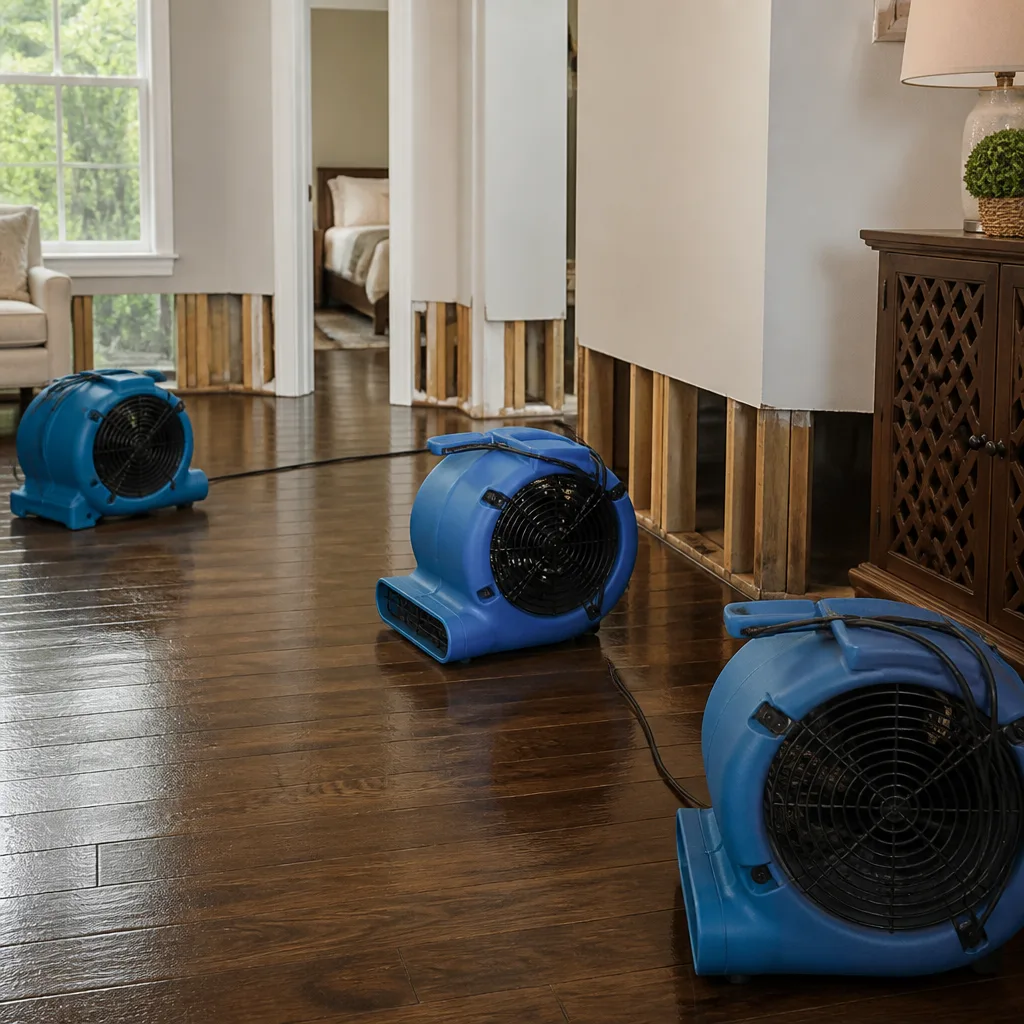
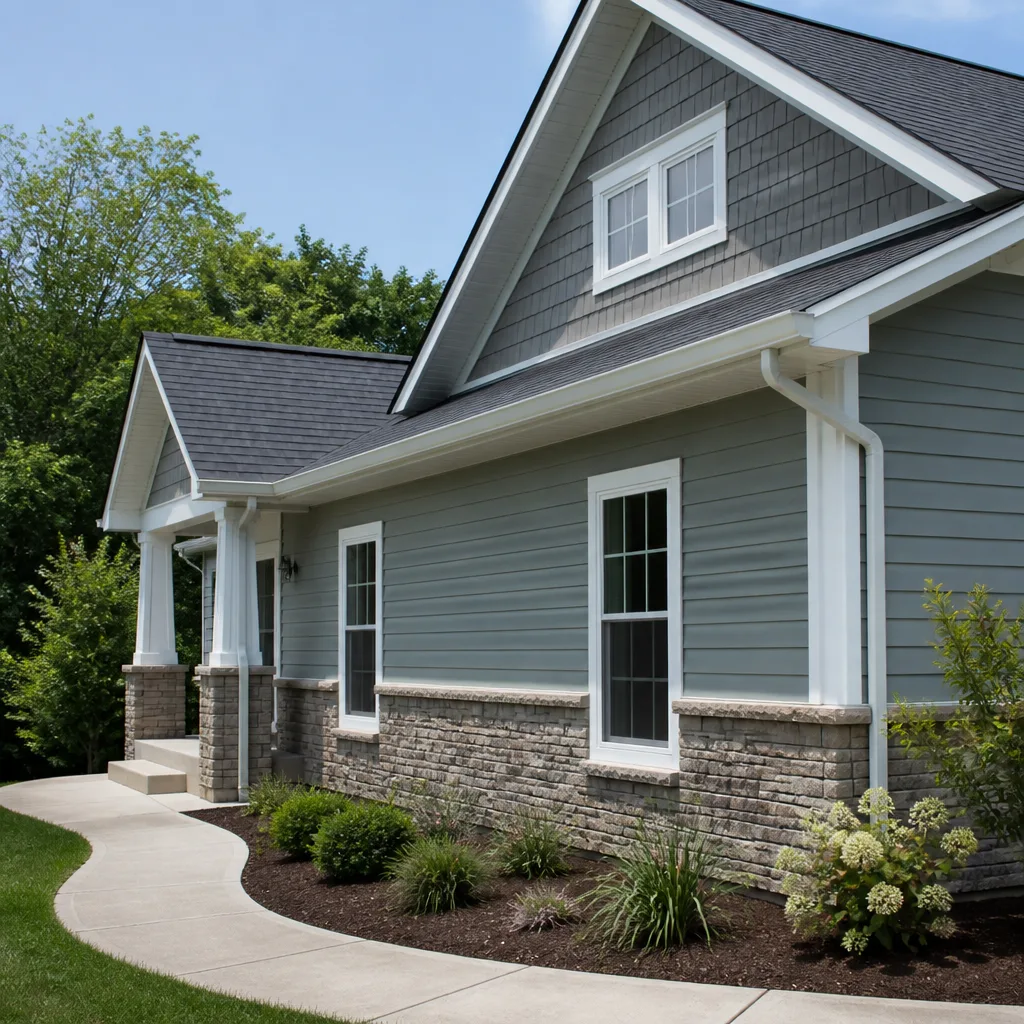
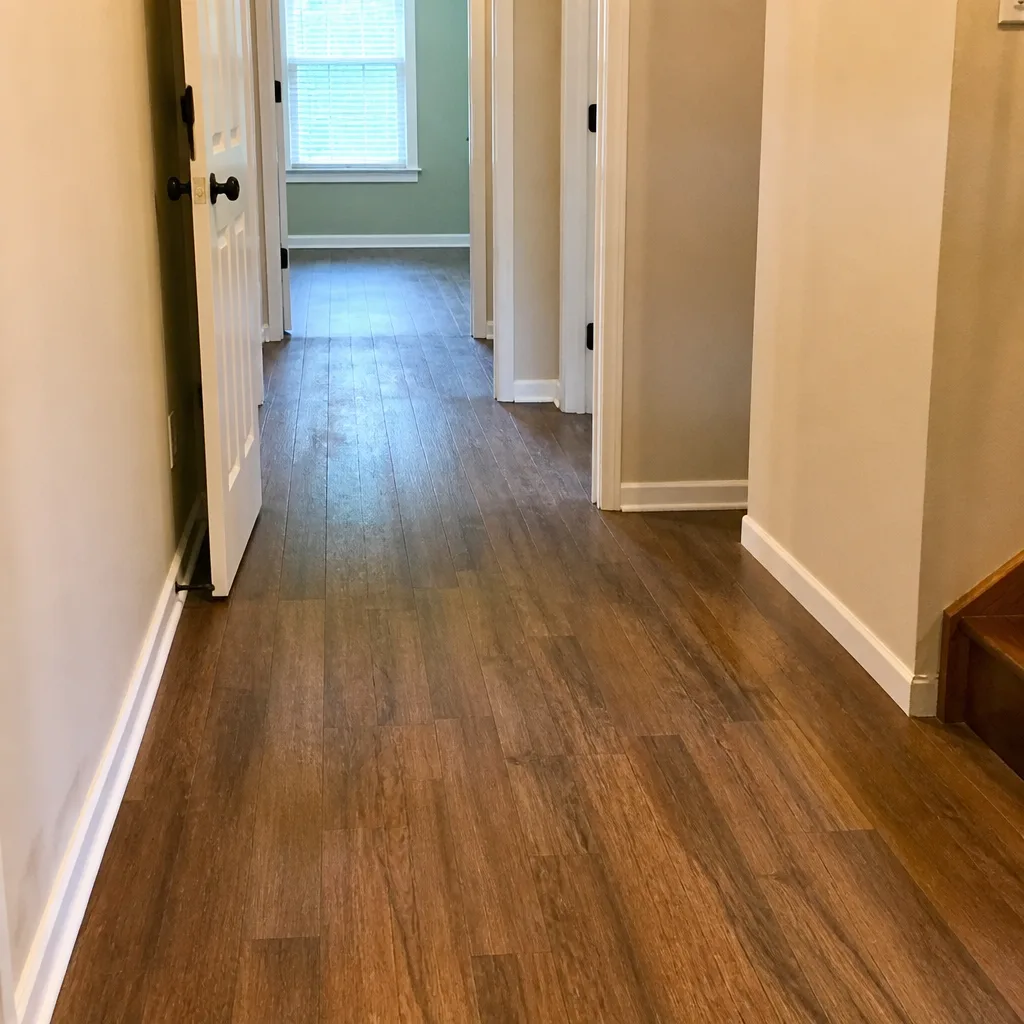

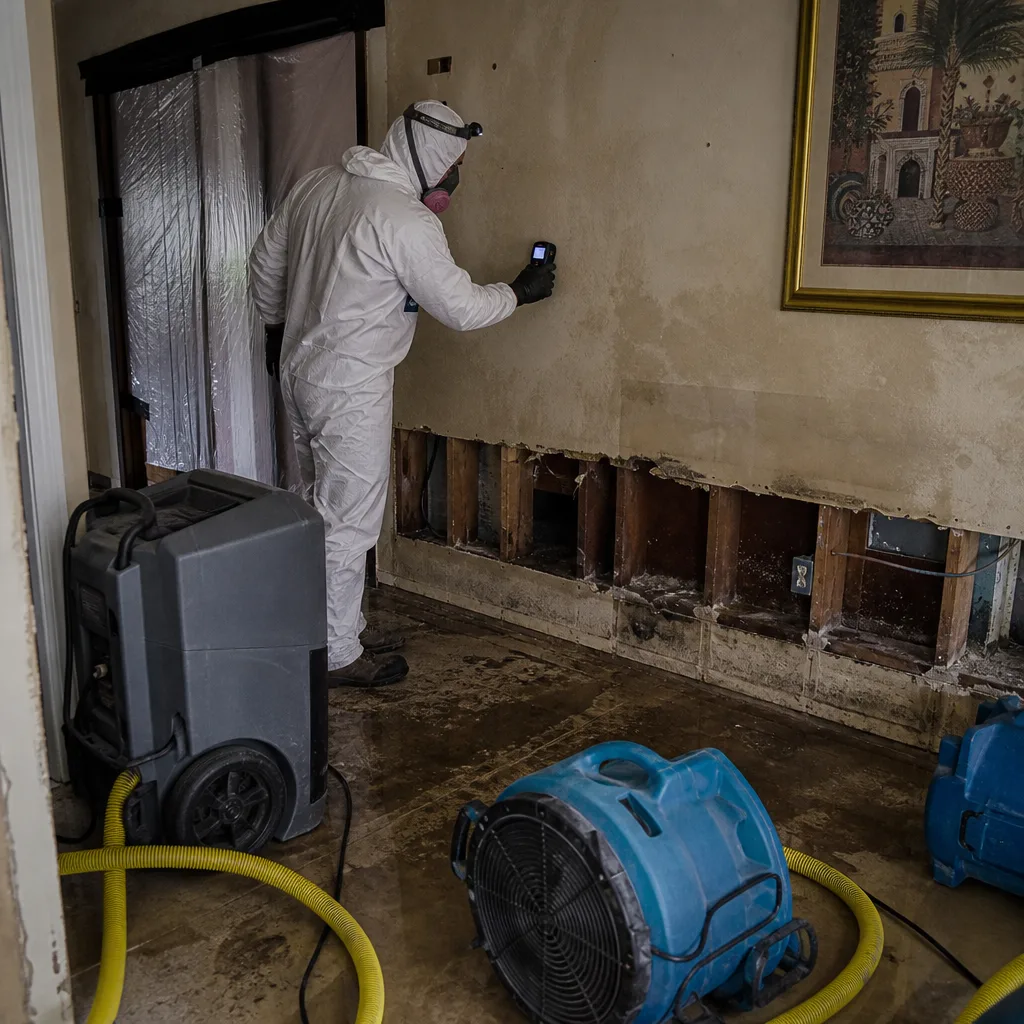 Before
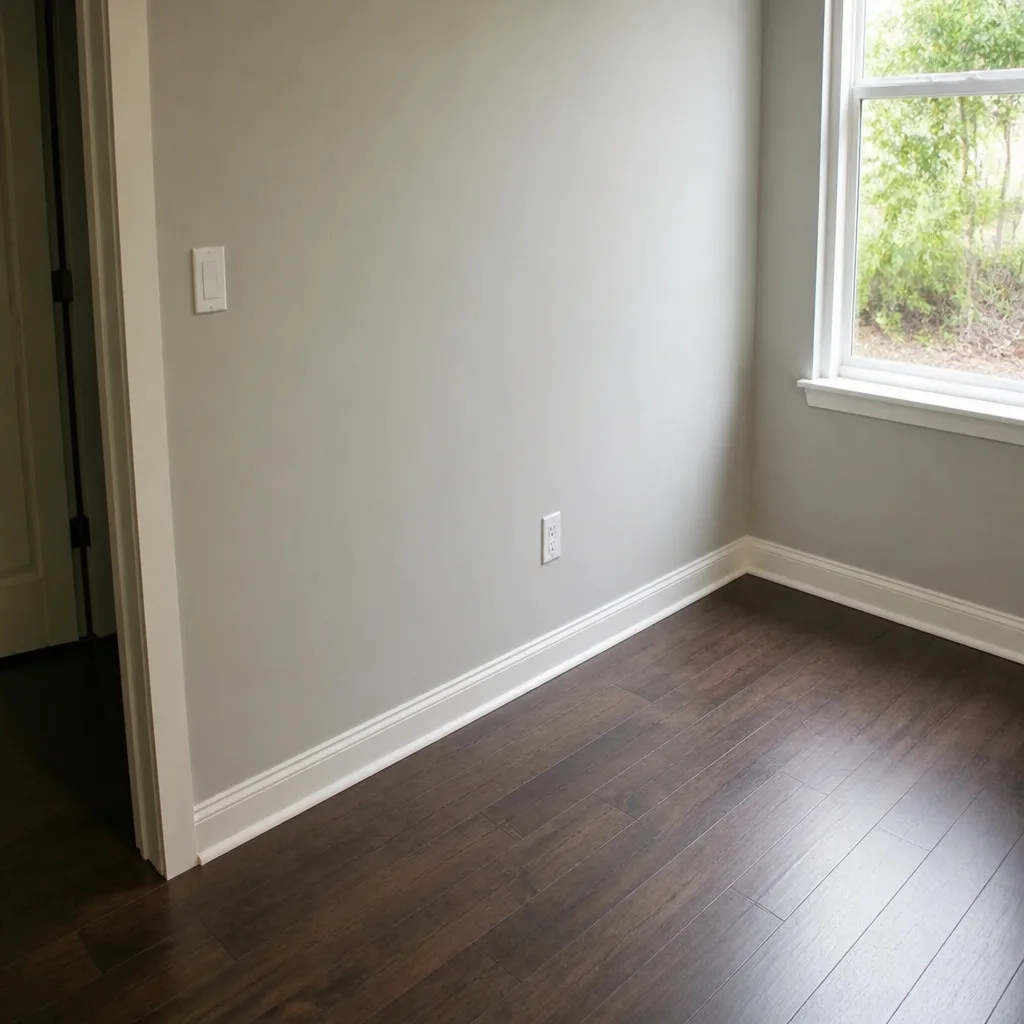 After
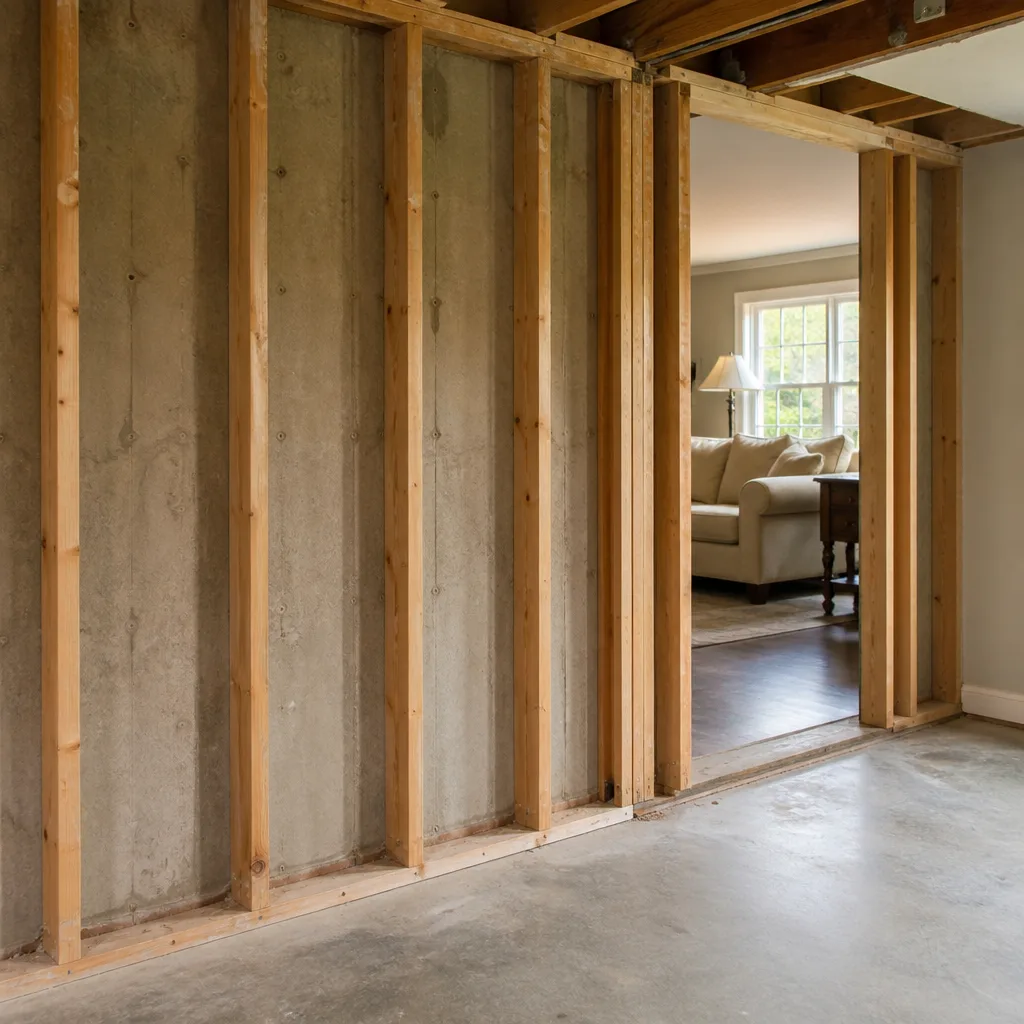
After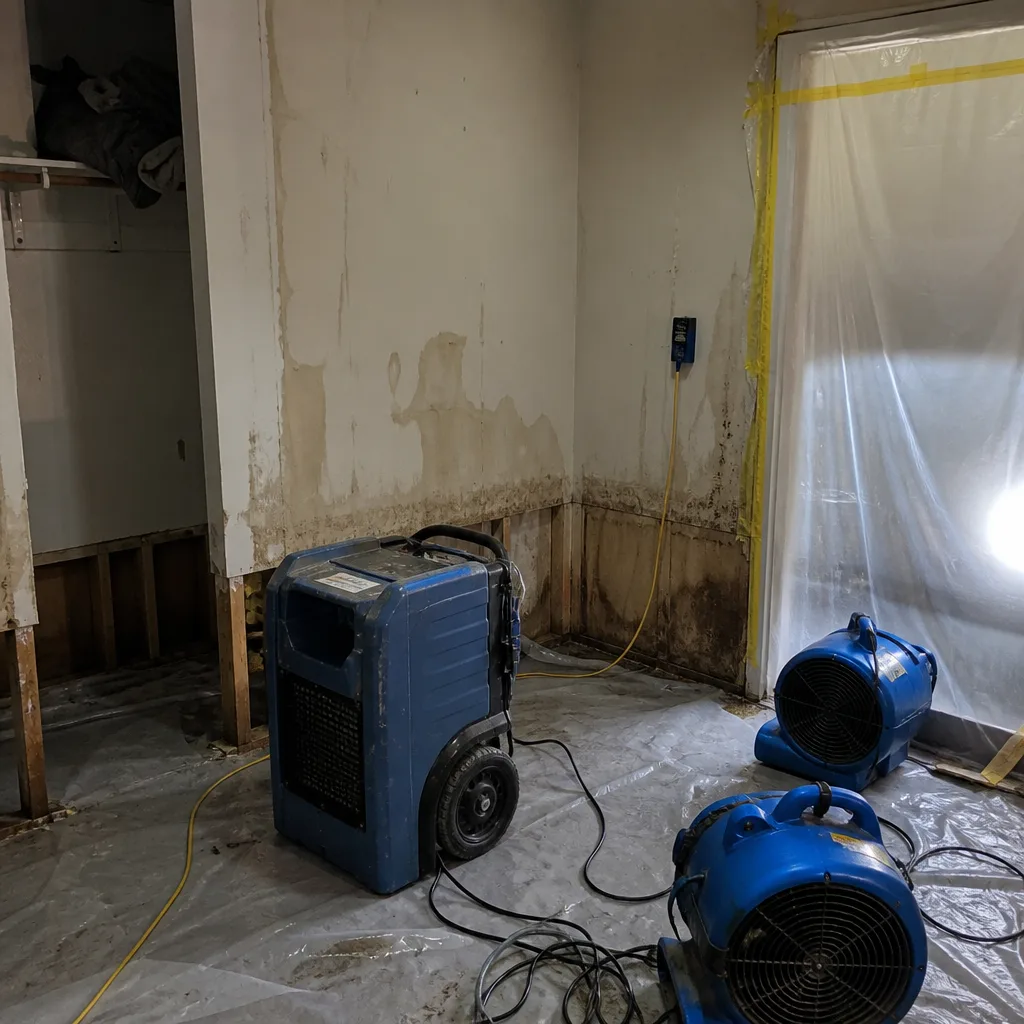 Before
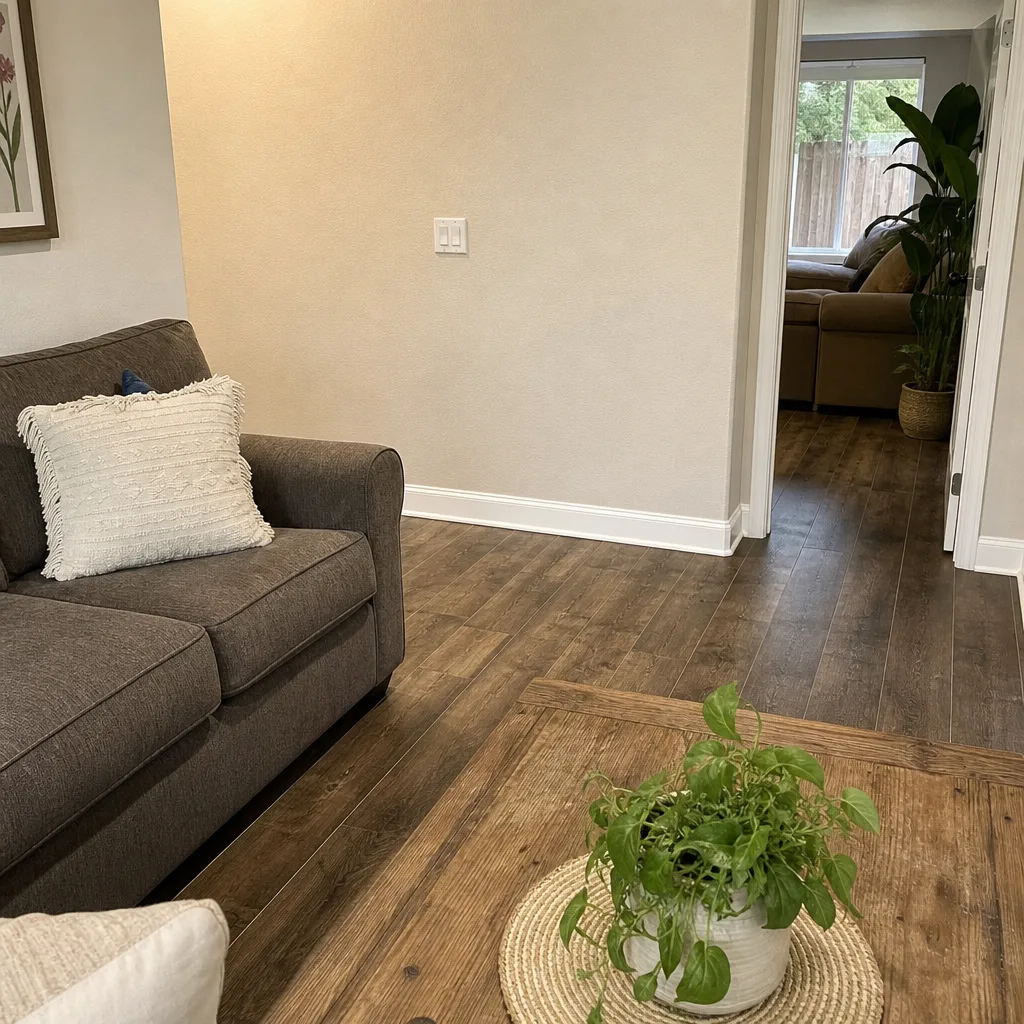 After
After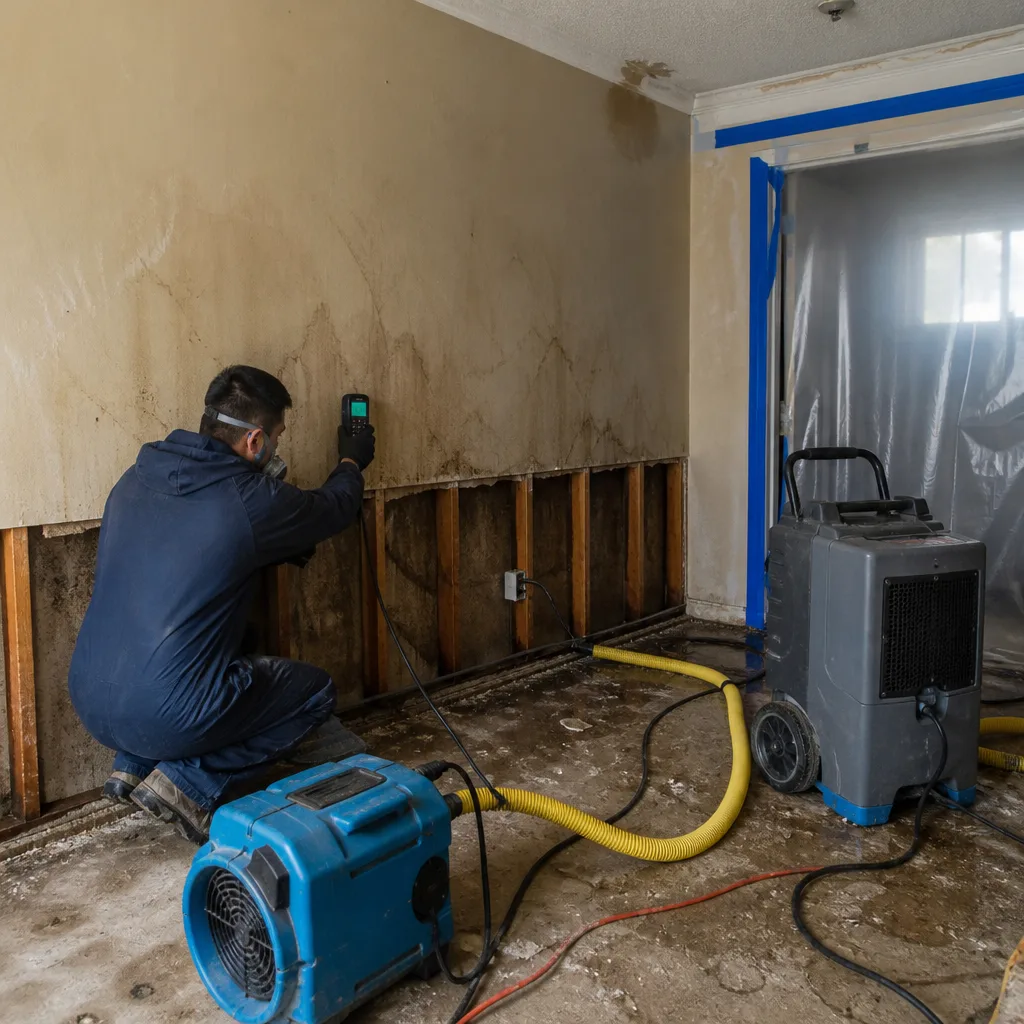 Before
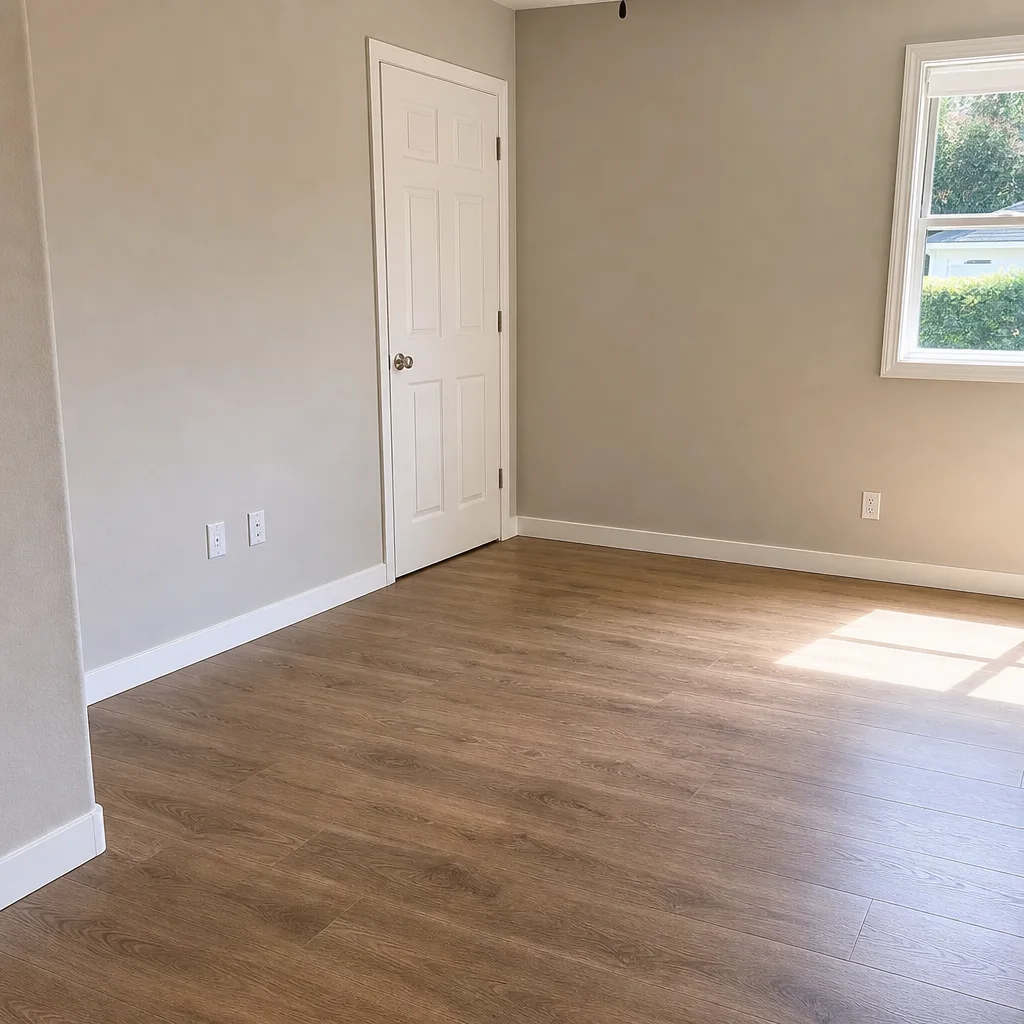 After
After24/7 Emergency Fire & Smoke Damage Restoration in Poway
Fire and smoke damage restoration in Poway typically runs $3,200-$18,500 depending on affected square footage, with emergency board-up and stabilization starting same-day and full structural repair scoped in writing before reconstruction begins. Our crews answer live at (760) 421-5658 - no voicemail, no callback queues - and dispatch throughout the Poway area from our San Diego coordination office. The first hour after a fire determines whether smoke residues set permanently into porous surfaces and whether firefighting water migrates from Category 2 to Category 3 contamination as it sits in legacy building materials. We provide a free visual inspection, document pre-loss condition with photos, and deliver a written price before any work starts - Haven Standard, Clause 1.
Understanding Fire & Smoke Damage Restoration Severity in Poway Properties
Fire damage in Poway follows a different severity curve than coastal San Diego because of what burns and what gets left behind. Soot residue types break into three classes: dry smoke (fast-burning, high-heat fires producing powdery, easily smeared residues), wet smoke (slow-burning, low-heat fires with sticky, odorous residues that bond to surfaces), and protein residue (nearly invisible but intensely pungent, common in kitchen fires). Smoke migration - the movement of combustion byproducts through pressure differentials and HVAC systems - travels farther in Poway’s older wood-frame homes because pre-WUI construction standards left gaps in eave assemblies, unscreened ridge vents, and gable louvers that act as intake points during Santa Ana wind events.
Temperature differentials drive this migration. A fire in a Rancho Bernardo-adjacent tract home can push smoke into attic spaces that then cool overnight, creating negative pressure that draws contaminated air through wall cavities into bedrooms two floors away. The 1970s-1990s housing stock dominant in Poway - wood-frame, stucco-clad, built before modern ignition-resistant standards - compounds this: older attic insulation (often fiberglass batts or blown cellulose without vapor barriers) holds soot particles and firefighting moisture, while wood eave assemblies and unrated venting require full replacement rather than spot repair. We classify firefighting water as Category 2 (gray water with chemical contamination) or Category 3 (black water with pathogen risk) depending on exposure time and material absorption, which determines whether drying in place is possible or full removal is required.
Why Poway Property Owners Choose DryMark Restoration Fallbrook
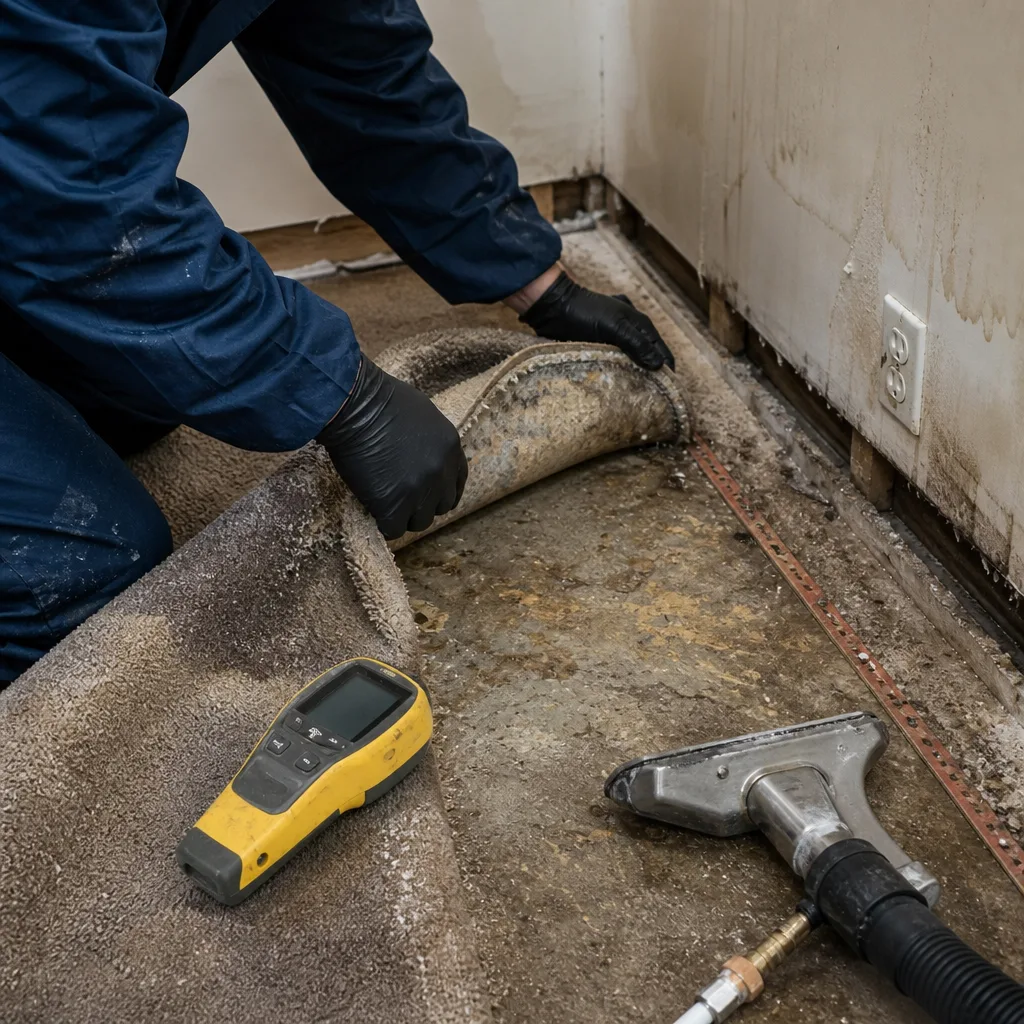
- 45-minute response commitment to Poway addresses - our San Diego dispatch coordinates crews already positioned for the inland corridor.
- 24/7 live answer - a real person picks up every call, never an automated system or next-business-day callback while smoke residues are setting.
- IICRC-certified crews holding FSRT (Fire and Smoke Restoration Technician) and WRT (Water Damage Restoration Technician) certifications, with AMRT (Applied Microbial Remediation Technician) credentials for the mold that follows firefighting water.
- Free visual inspection with documented photo record included as standard, never an upsell - we photograph pre-loss condition before any equipment touches the property.
- Direct insurance billing with adjuster coordination from day one, including line-item scopes formatted to carrier standards and daily drying logs that turn restoration invoices into payable claims.
- One team from emergency board-up through reconstruction - no handoffs between mitigation and rebuild contractors that lose documentation continuity.
BeforeAfterOur Fire & Smoke Damage Restoration Process
1. Inspection & Assessment
We arrive with thermal imaging cameras, moisture meters, and hygrometers to map visible fire damage and hidden smoke migration. In Poway’s hillside tracts, we specifically check ridge vents, gable louvers, and eave assemblies for ember infiltration that external inspections miss. Every reading is logged for the claim file.
2. Emergency Board-Up & Stabilization
Broken windows, compromised roofs, and damaged doors get secured with plywood and weather-resistant tarps to prevent secondary water intrusion and unauthorized entry. We document pre-loss condition with photos before any stabilization work begins - this protects your coverage position.
3. Water Extraction & Structural Drying
Firefighting water gets extracted with truck-mounted systems, then we deploy Dri-Eaz and Phoenix dehumidifiers with XPOWER air movers to establish vapor pressure differential - the measurable force that pulls moisture from building materials into the air for removal. Daily moisture logs track progress to IICRC S500 standards.
4. Smoke & Soot Removal
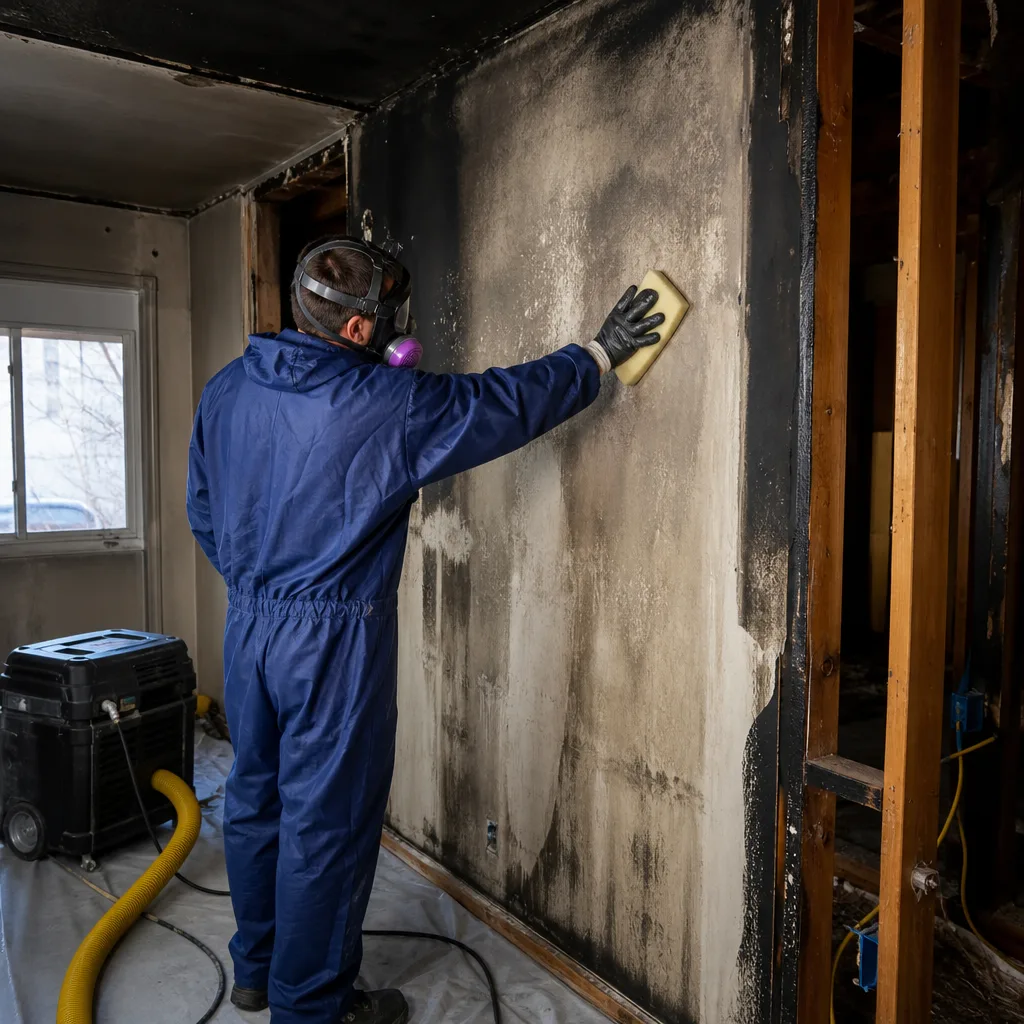
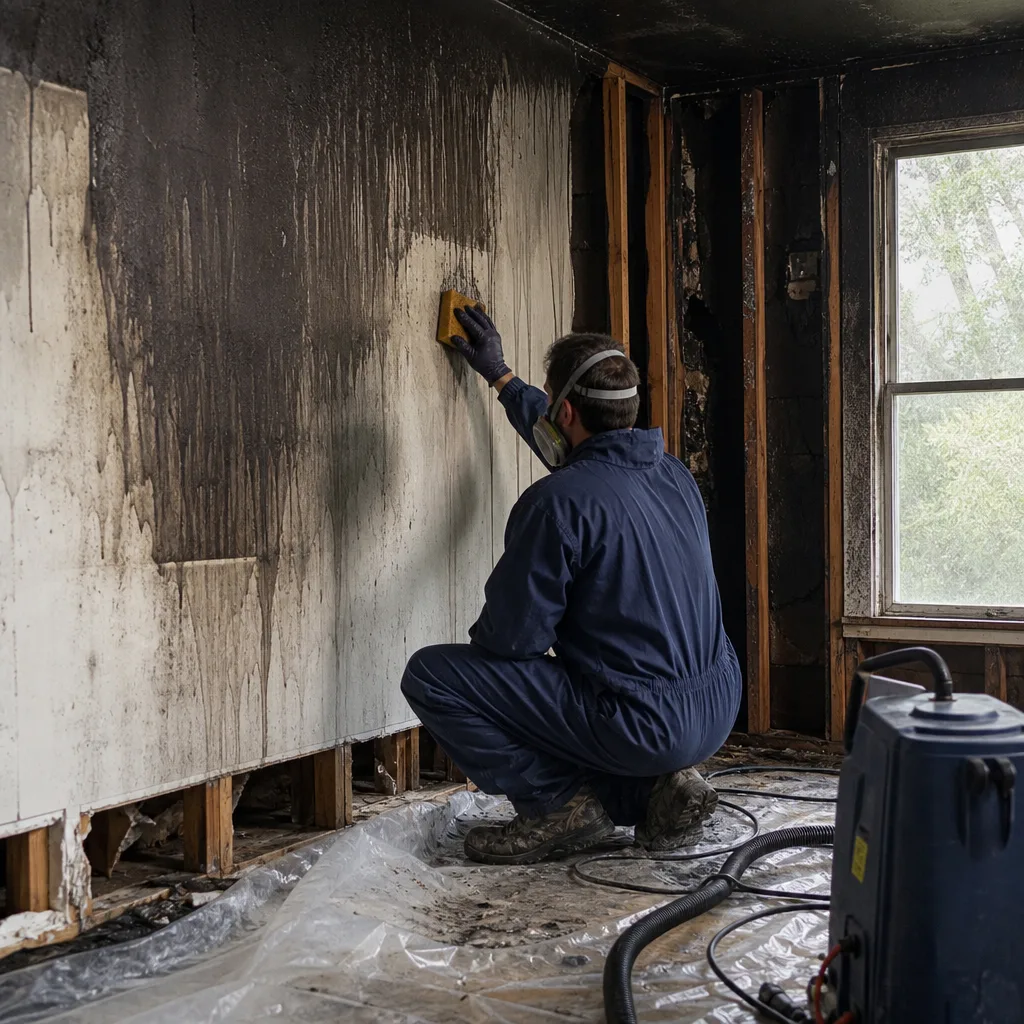
Dry, wet, and protein residues each require specific cleaning chemistry and mechanical action. We use HEPA-filtered vacuums and contact cleaning for dry smoke, solvent-based cleaners for wet smoke, and enzyme treatments for protein residues. Surfaces are tested with chem sponges to verify complete removal before deodorization.
5. Odor Removal & Deodorization
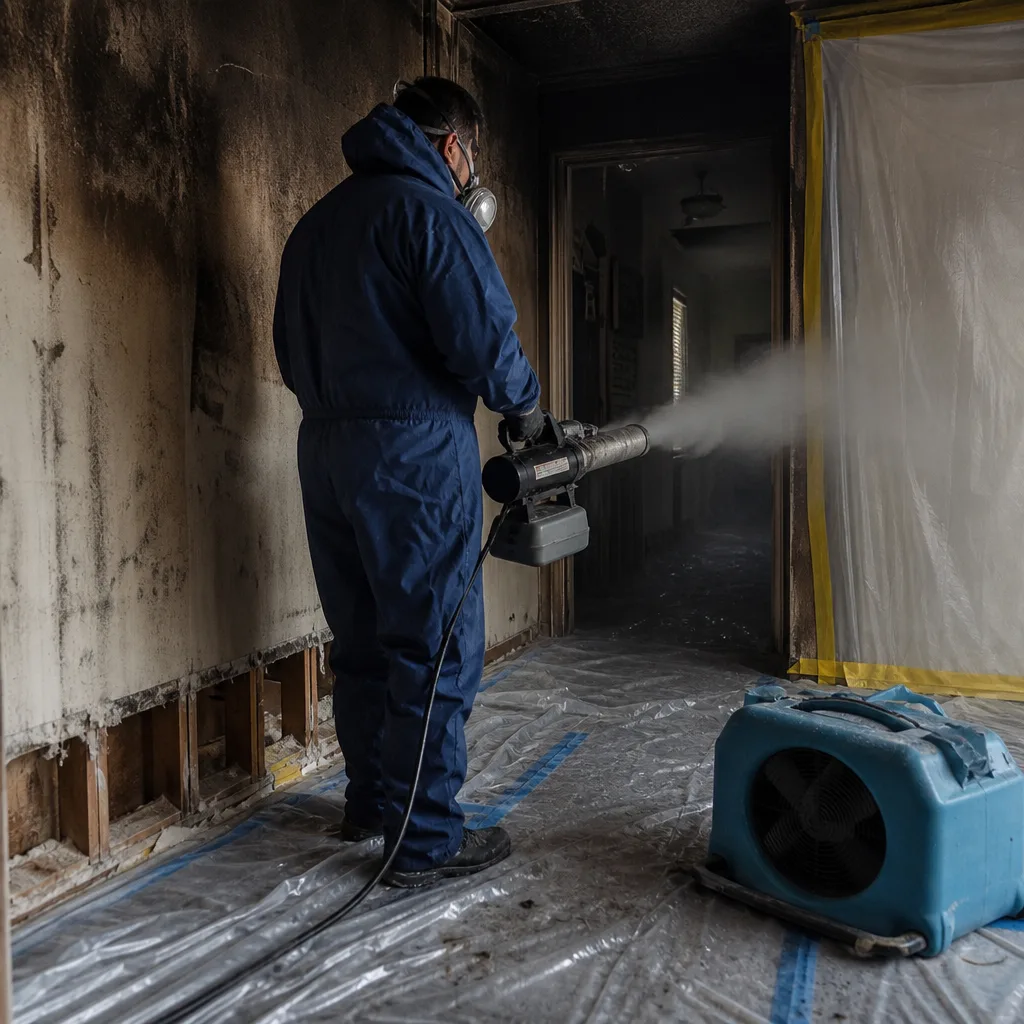
Surface cleaning alone won’t neutralize smoke odor trapped in porous materials. We deploy thermal fogging, ozone treatment, and hydroxyl generators depending on occupancy status and material sensitivity, with air scrubbers running HEPA filtration to capture airborne particulates during the process.
6. Repairs & Reconstruction
Rebuilding includes replacement of fire-damaged structural elements and, in Poway’s WUI zone, upgrade to current Cal Fire defensible-space and ignition-resistant construction standards where code requires. A written scope with firm pricing is delivered before reconstruction begins - Haven Standard, Clause 1.
Need Emergency Fire & Smoke Damage Restoration in Poway Now?
Crews minutes away, answering live 24 hours a day. The sooner we start, the less it costs.
Working With Your Insurance Company
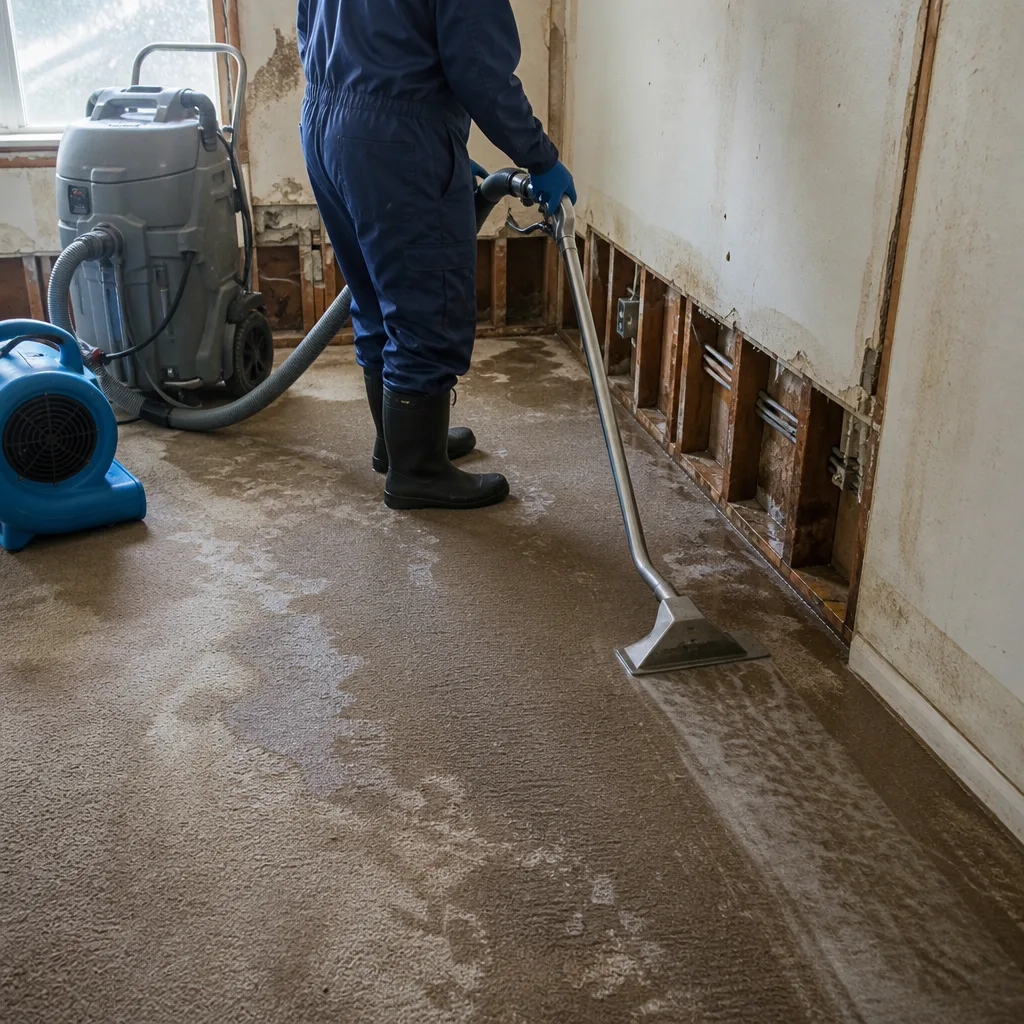
Insurance claims for fire damage fail most often at the documentation stage - not because the loss isn’t covered, but because the carrier can’t verify what existed before the fire, what was damaged by fire versus smoke versus water, and whether restoration work was necessary and properly executed. We eliminate this gap by starting documentation the moment we arrive. Our crews photograph every room from multiple angles before touching anything, record moisture readings with serial-numbered equipment, and produce daily drying logs that correlate psychrometric data (temperature, relative humidity, vapor pressure) to drying progress.
Estimates are formatted to industry-standard line-item structure that adjusters recognize, and we coordinate directly with your carrier’s representative - attending inspections, answering scope questions, and providing supplemental documentation when coverage disputes arise. Our Fire & Smoke Damage Restoration team has handled claims with every major carrier serving San Diego County properties.
What We Provide Your Insurer
- Thorough documentation of the loss
- Photos of all damage, room by room
- Moisture readings and drying logs
- A detailed, line-item scope of work
- Direct coordination with your carrier
Built for Poway’s Loss Calendar
Poway’s fire damage calendar compresses into a single high-risk window: October through January, when Santa Ana winds funnel down canyon corridors at speeds exceeding 60 mph, driving humidity below 10% and turning any ignition source into a structure-threatening event. The 2003 Cedar Fire destroyed hundreds of Poway homes and established the pattern - fall wildfire exposure, followed immediately by winter’s 30-40°F day/night temperature swings that push condensation cycles inside attic assemblies where firefighting water has intruded.
This combination barely exists for restoration contractors 15 miles west in coastal San Diego. In Poway, the same crew that handles smoke and soot removal in November is often returning in March for mold remediation in the same attic - because the temperature swings hid moisture in legacy insulation until colonization was established. We build both contingencies into our initial scope when the fire event occurs during this window, documenting potential secondary damage for the claim file so coverage doesn’t lapse between the initial loss and the delayed manifestation.
Spring brings lower fire risk but higher demand for reconstruction scheduling as homeowners rebuild from winter losses. Summer’s dry heat can accelerate structural drying when properly controlled with dehumidification, but unmonitored drying without vapor pressure management risks warping wood framing and trapping residual moisture. Our Poway crews calibrate equipment deployment to seasonal conditions, not generic protocols.
Fire & Smoke Damage Restoration Across Poway’s Neighborhoods
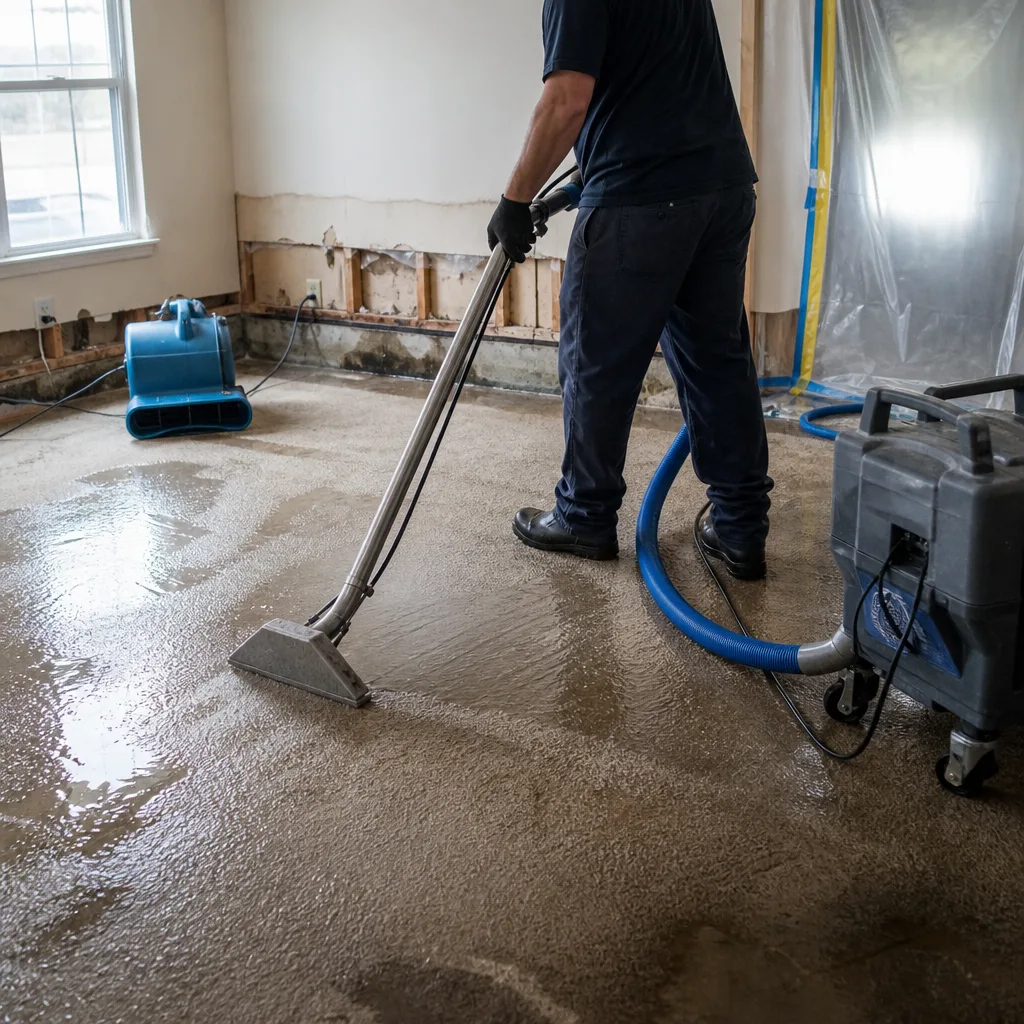
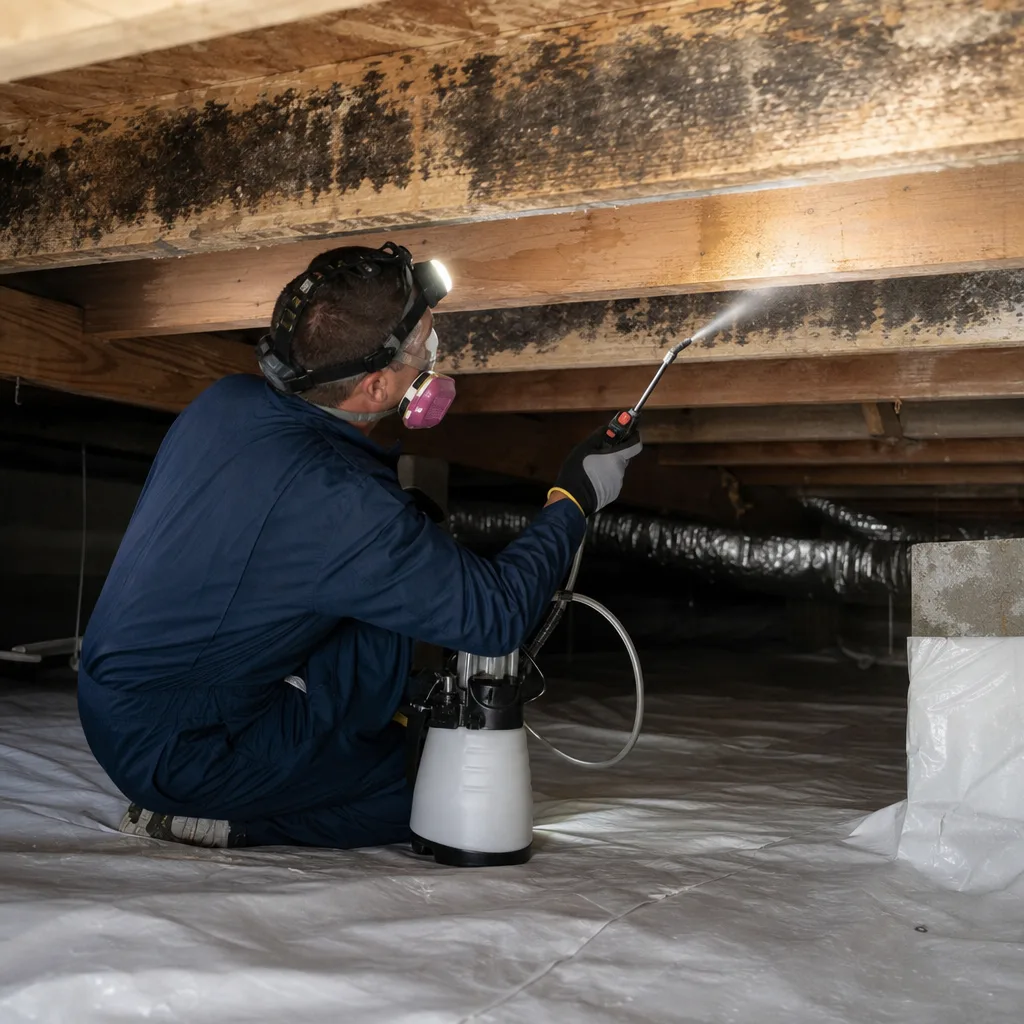
The Blue Sky Ecological Reserve corridor along the eastern hills produces our most complex calls - homes on half-acre or larger lots with extended setbacks that let embers travel before landing. We got called to a 1978 wood-frame, stucco-clad home on these hillside tracts after a nearby burn. The house looked externally undamaged, but smoke and embers had been pulled through unscreened ridge vents and gable louvers during the Santa Ana wind event; when we ran moisture mapping and readings, we found Category 2/3 water from firefighting operations trapped in the older attic insulation with early mold colonization. We set containment, removed and replaced the saturated legacy insulation, applied antimicrobial treatment throughout the attic, ran structural drying with air movers and dehumidification, packed out contents, and documented pre-loss condition in drying logs for the claim before rebuilding the wood eave assemblies.
Rancho Bernardo-adjacent tracts west of Interstate 15 contain similar vintage construction but tighter lot lines, meaning fire spreads faster between structures and smoke migration patterns are harder to isolate - we often find shared-attic contamination in townhouse-style configurations that requires coordinated neighbor notification. South Poway’s flatter terrain near Community Park sees more kitchen and electrical fires with localized damage, though the same pre-WUI venting issues apply. North Poway’s newer construction along Espola Road, built after 2008 WUI standards, still requires smoke remediation but with ignition-resistant venting that simplifies the scope - though we still find contractors who spot-clean visible soot and skip the attic, leaving the real damage undocumented.
Specialized Fire & Smoke Damage Restoration Services We Offer in Poway
Fire Damage Cleanup
Structural fire damage in Poway’s 1970s-1990s housing stock routinely extends beyond the visible burn zone. Wood eave assemblies, unrated venting, and legacy attic insulation require full removal rather than spot repair - we scope replacement, not patching, and document the structural necessity for your claim.
Smoke & Soot Removal
Dry, wet, and protein soot residues each bond differently to stucco, drywall, and wood framing. We test with chem sponges to identify residue type before selecting cleaning chemistry, then verify complete removal with UV light inspection - the method that catches what visible-light cleaning misses.
Odor Removal & Deodorization
Smoke odor that returns months after “completion” usually means porous materials were never properly treated. We deploy thermal fogging for unoccupied structures, hydroxyl generators for occupied spaces with contents in place, and ozone treatment for severe cases - with air scrubbers running concurrent HEPA filtration to protect indoor air quality during the process.
Contents Cleaning & Pack-Out
Our pack-out service inventories, photographs, and transports salvageable contents to controlled cleaning facilities. In Poway’s fire season, we process textiles with ozone and ultrasonic cleaning for hard goods, with documentation that correlates each item to its original location for claim reimbursement and accurate restoration.
Emergency Board-Up & Tarping
Broken windows, compromised roof sections, and damaged entry points get secured within hours of your call - not the next day. We use weather-resistant materials rated for the wind exposure common to Poway’s canyon corridors, with documentation photos taken before any stabilization work begins.
What happens when you call
- 1
A real person answersNo phone trees - you reach a local pro.
- 2
You get an upfront price rangeHonest numbers before anyone is dispatched.
- 3
A background-checked tech heads outLicensed & insured, dispatched right away.
- 4
You approve before work beginsNothing starts until you say go.
Fire & Smoke Damage Restoration Costs in Poway, CA
Typical fire and smoke damage restoration in Poway runs $3,200-$18,500, with specific sub-service ranges as follows:
| Service | Typical Range in Poway |
|---|---|
| Emergency board-up & tarping | $800-$2,400 |
| Smoke & soot removal (per affected room) | $1,200-$3,800 |
| Odor removal & deodorization | $900-$2,600 |
| Contents pack-out & cleaning | $1,500-$5,200 |
| Structural drying (firefighting water) | $2,400-$6,800 |
| Full reconstruction (per 500 sq ft) | $8,500-$18,500 |
What moves the price: affected square footage, soot residue type (wet smoke requires more labor than dry), whether firefighting water reached Category 3 contamination, and whether legacy materials require full replacement versus cleaning. Insurance typically covers direct fire and smoke damage plus necessary water damage from firefighting; our written scope identifies coverage-eligible versus excluded items before work begins. Bring any competitor’s written estimate and we’ll review it free - Haven Standard, Free Second Opinion.
We Also Serve Cities Near Poway
Our crews respond throughout inland North County and coastal corridor communities: Escondido for valley-floor properties with similar wildfire exposure, Ramona for rural-residential losses with extended defensible-space requirements, Del Mar and Solana Beach for coastal properties with salt-air corrosion complicating fire damage recovery. Dispatch and scheduling are coordinated from our San Diego office with crews serving each area locally.
Serving Poway, CA - Our Local Coverage Area
We’re based in the Poway area and know this community well. Use the map below to see our service coverage - if you’re nearby, we can almost certainly help.
Poway Fire & Smoke Damage Restoration Questions, Answered
Our Poway home was near a recent burn and looks fine - do we still need fire and smoke restoration?
Yes. External appearance doesn’t reveal smoke and ember infiltration through unscreened ridge vents and gable louvers, which we consistently find in Poway’s hillside tracts near the Blue Sky Ecological Reserve corridor. Moisture mapping and thermal imaging catch what visual inspection misses, and documenting this early protects your claim position if mold appears three to six months later. Call (760) 421-5658 for a free inspection.
Why does firefighting water in a Poway home need more than a wet-vac?
Firefighting water carries chemical contamination from combustion byproducts and smoke particulates, classifying it as Category 2 or Category 3 depending on exposure time. In Poway’s 1970s-1990s homes, this water saturates legacy attic insulation, wood eave assemblies, and unrated venting that can’t be dried in place - full removal, antimicrobial treatment, and structural drying with documented moisture logs are required. A wet-vac leaves moisture that drives the 30-40°F condensation cycle into mold colonization. Call (760) 421-5658 for proper extraction and drying.
Can you handle the Cal Fire defensible-space requirements during our Poway fire rebuild?
Yes. Rebuilding in Poway’s Very High Fire Hazard Severity Zone requires ignition-resistant construction standards that didn’t exist when most local homes were built. Our reconstruction scopes include Cal Fire-compliant venting, eave assembly hardening, and defensible-space coordination - not because it’s optional, but because rebuilding to pre-loss condition without these upgrades leaves the structure as vulnerable as before. Call (760) 421-5658 to review WUI compliance in your written scope.
Why does smoke odor come back in Poway homes months after we thought the fire was handled?
Odor recurrence means porous materials - attic insulation, drywall, wood framing - were never properly deodorized, or that hidden smoke infiltration through venting wasn’t identified. Poway’s Santa Ana wind events drive embers deep into attic spaces where they sit dormant until temperature swings release trapped particulates. Surface cleaning and air fresheners don’t reach these reservoirs; thermal fogging or hydroxyl treatment of the full affected envelope does. Call (760) 421-5658 if you’re experiencing return odor - we document the source and scope proper remediation.
What should we expect during a Poway fire damage pack-out and drying process?
Our pack-out team inventories and photographs each item at its original location, then transports salvageable contents to controlled cleaning facilities. Structural drying runs concurrent with Dri-Eaz and Phoenix dehumidifiers, XPOWER air movers, and daily moisture logs that track vapor pressure differential until materials reach dry standard. You’ll receive the photo record, drying log, and written scope as standard deliverables - not upsells. Call (760) 421-5658 to schedule.
How fast can DryMark Restoration Fallbrook actually get to Poway?
We commit to 45-minute response for Poway addresses, with crews dispatched from our San Diego coordination office and positioned for the inland corridor. Live phone answer 24 hours a day means no voicemail delay while smoke residues set and firefighting water migrates. Call (760) 421-5658 - we’ll confirm ETA when you call.
Will insurance cover all of our fire and smoke damage in Poway?
Most homeowner policies cover direct fire damage, smoke damage, and water damage from firefighting as standard perils. Coverage disputes usually arise at the documentation stage - whether damage was pre-existing, whether restoration methods were necessary, or whether secondary damage (like mold from delayed drying) falls under the original claim. Our photo records, moisture logs, and line-item scopes answer these questions before the carrier asks them. Call (760) 421-5658 and we’ll review your policy’s specific coverage with your adjuster.
Are your technicians certified for fire and smoke restoration specifically?
Yes. Our crews hold IICRC FSRT (Fire and Smoke Restoration Technician) certification for soot residue identification and removal, WRT (Water Damage Restoration Technician) for firefighting water extraction and structural drying, and AMRT (Applied Microbial Remediation Technician) for the mold that follows delayed moisture in Poway’s condensation-prone attics. License numbers are provided on request, and every technician is background-checked and uniformed before arriving. Call (760) 421-5658 to verify credentials.
Written by Alicia Brennan, Owner at DryMark Restoration Fallbrook, serving Poway since 2011 under The Haven Standard.
Fire & Smoke Damage Restoration in Nearby Areas