
Free visual inspection and a written scope of work before any mitigation begins - photos, moisture readings, and drying logs go in your claim file
The scope we write is the scope we bill. Anything new gets shown to you, in writing, before we touch it.
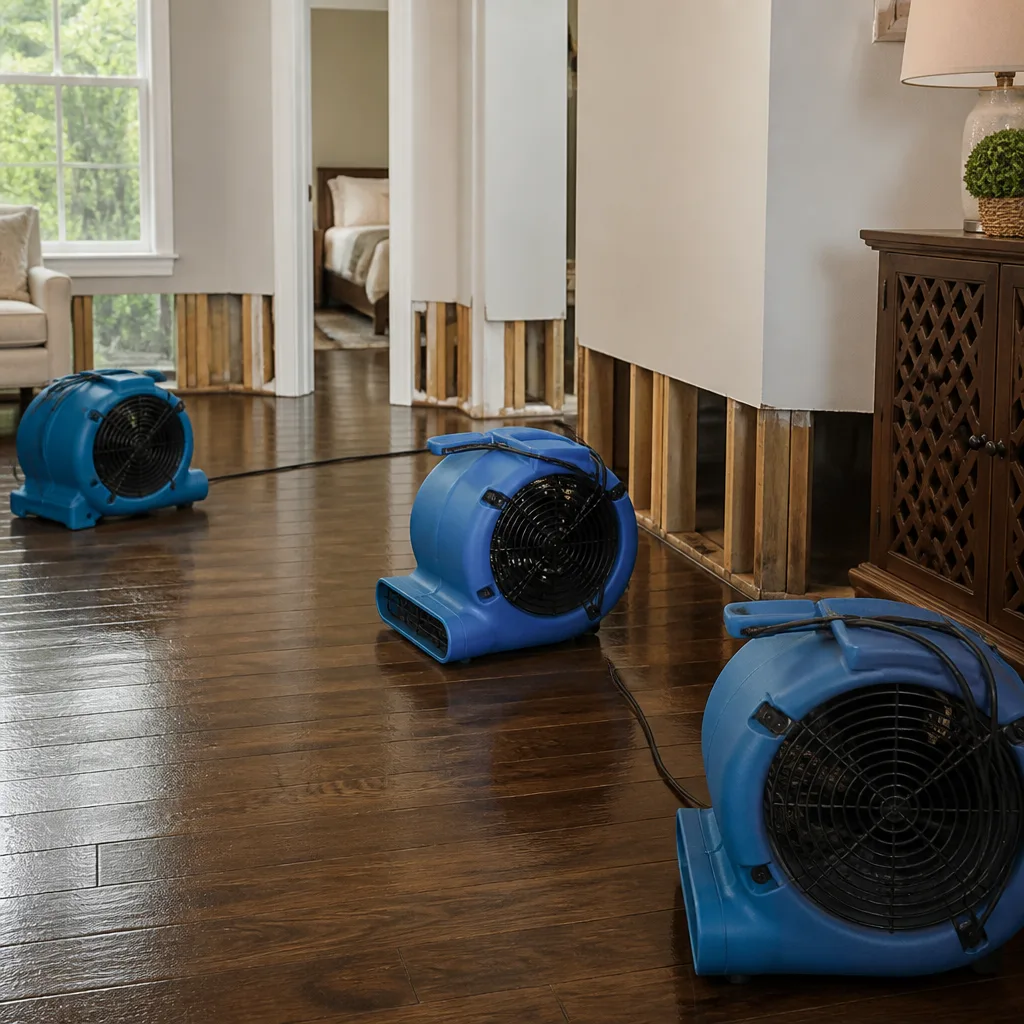
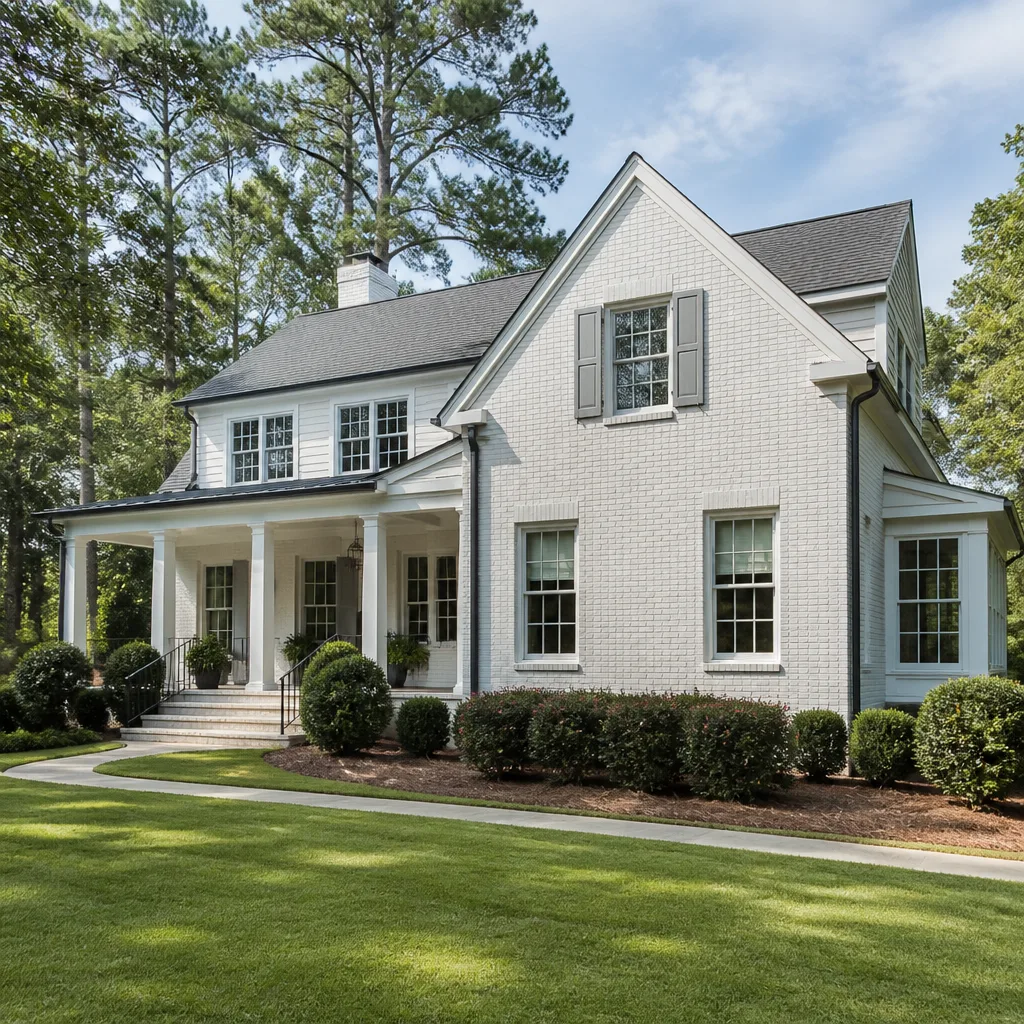
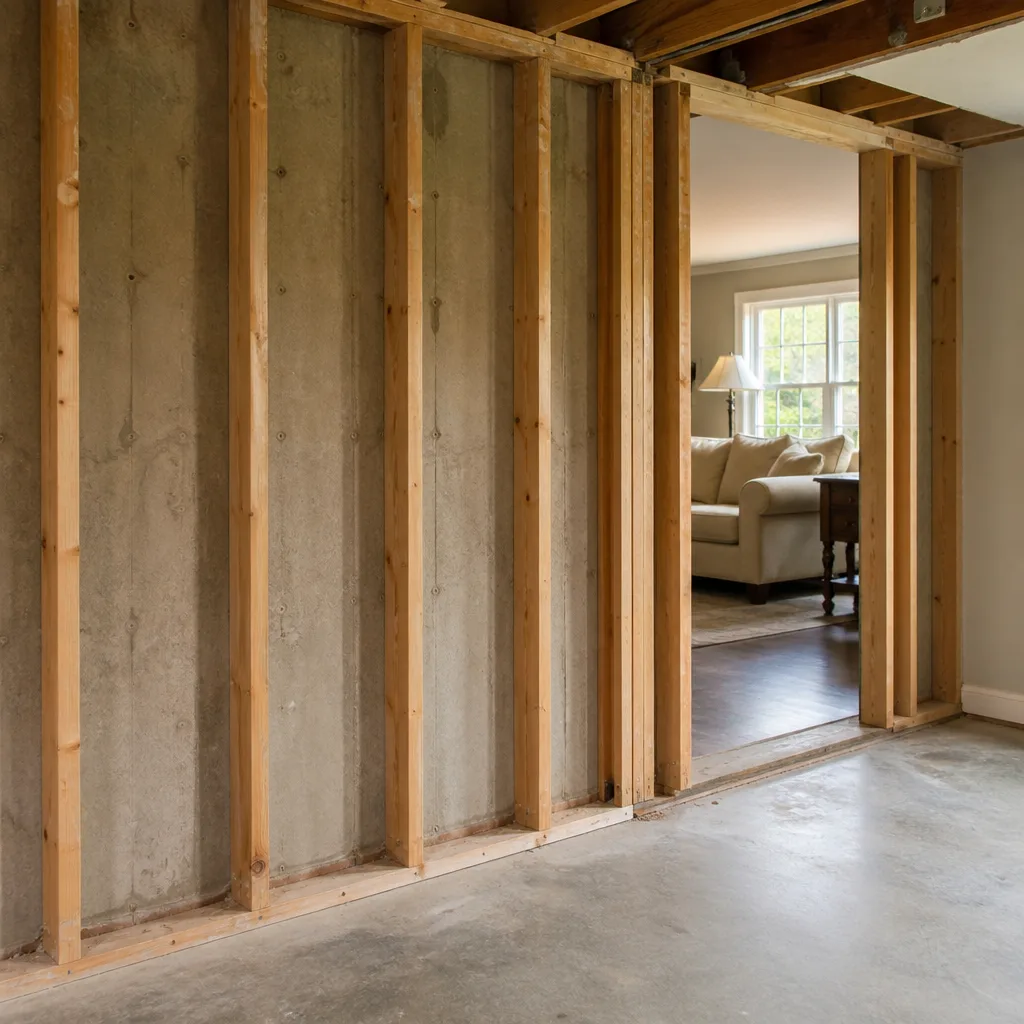
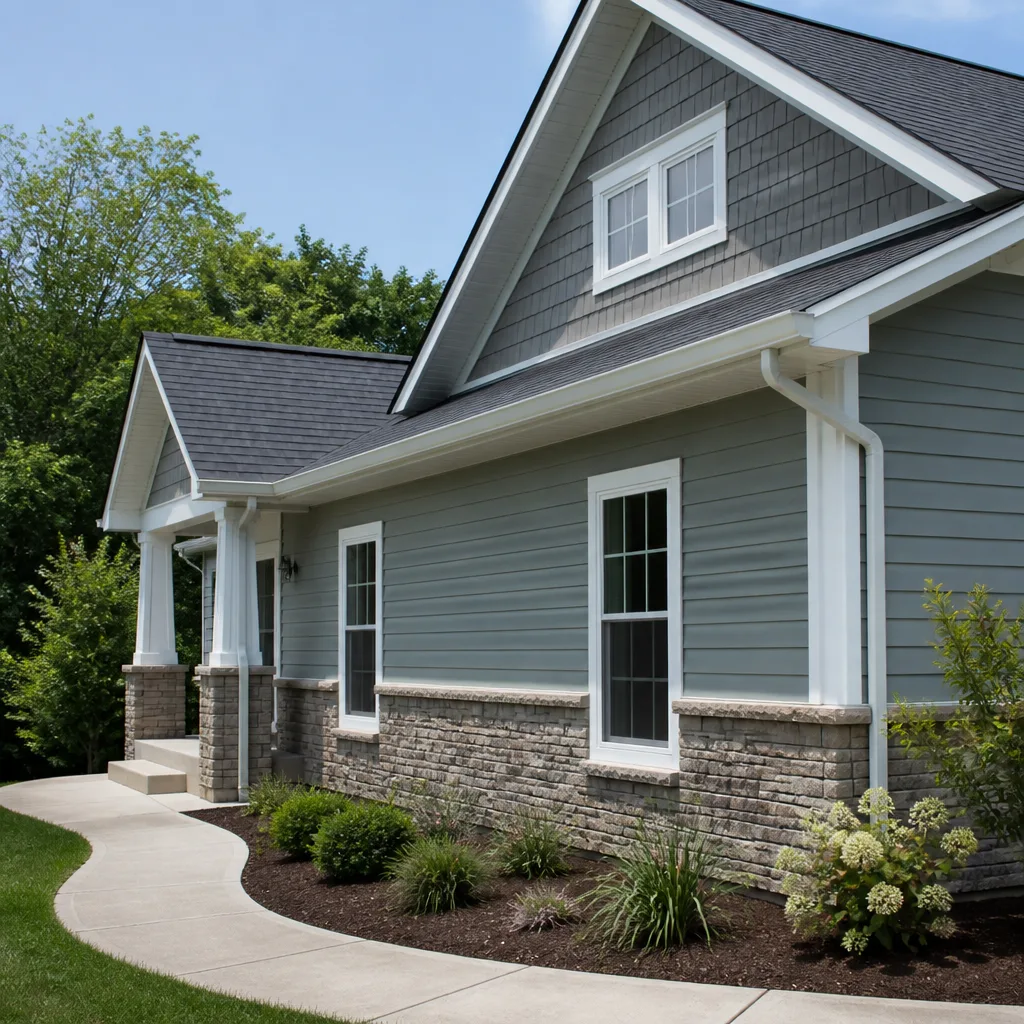
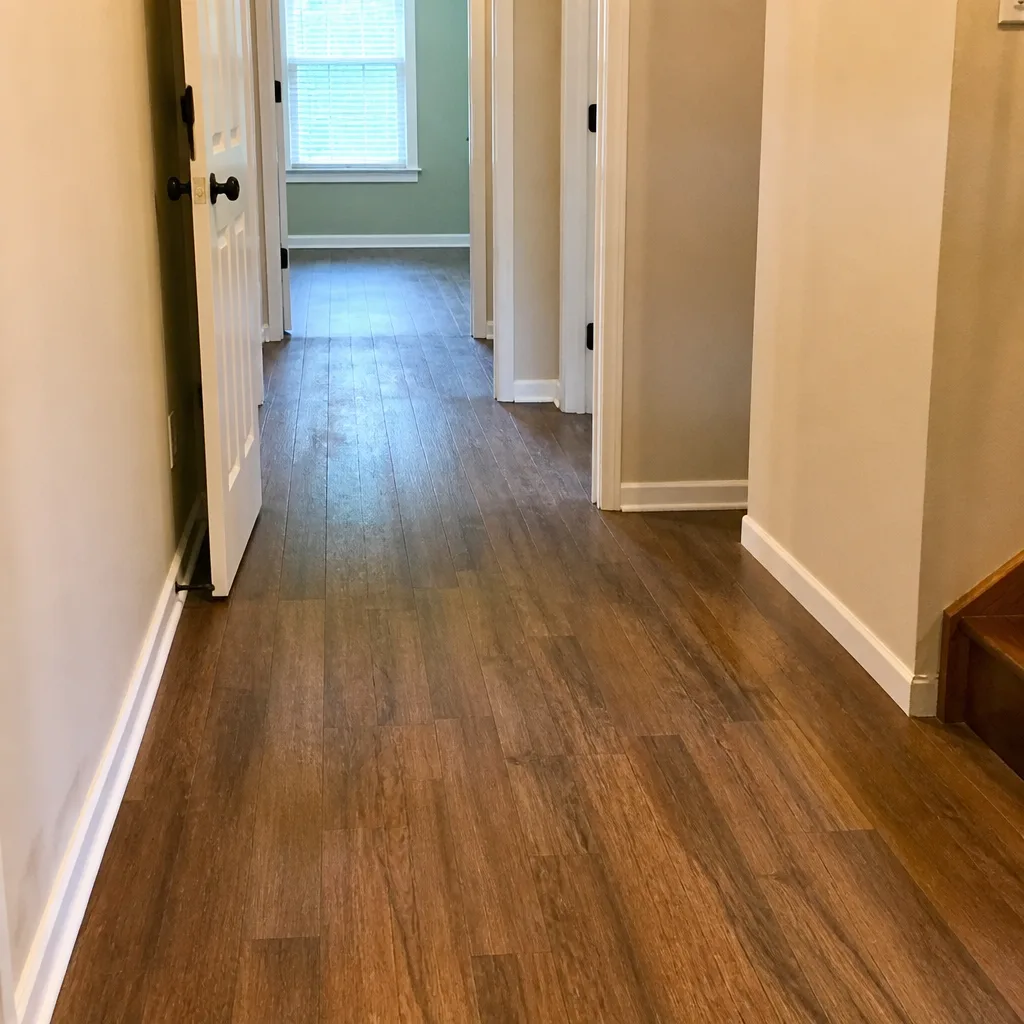
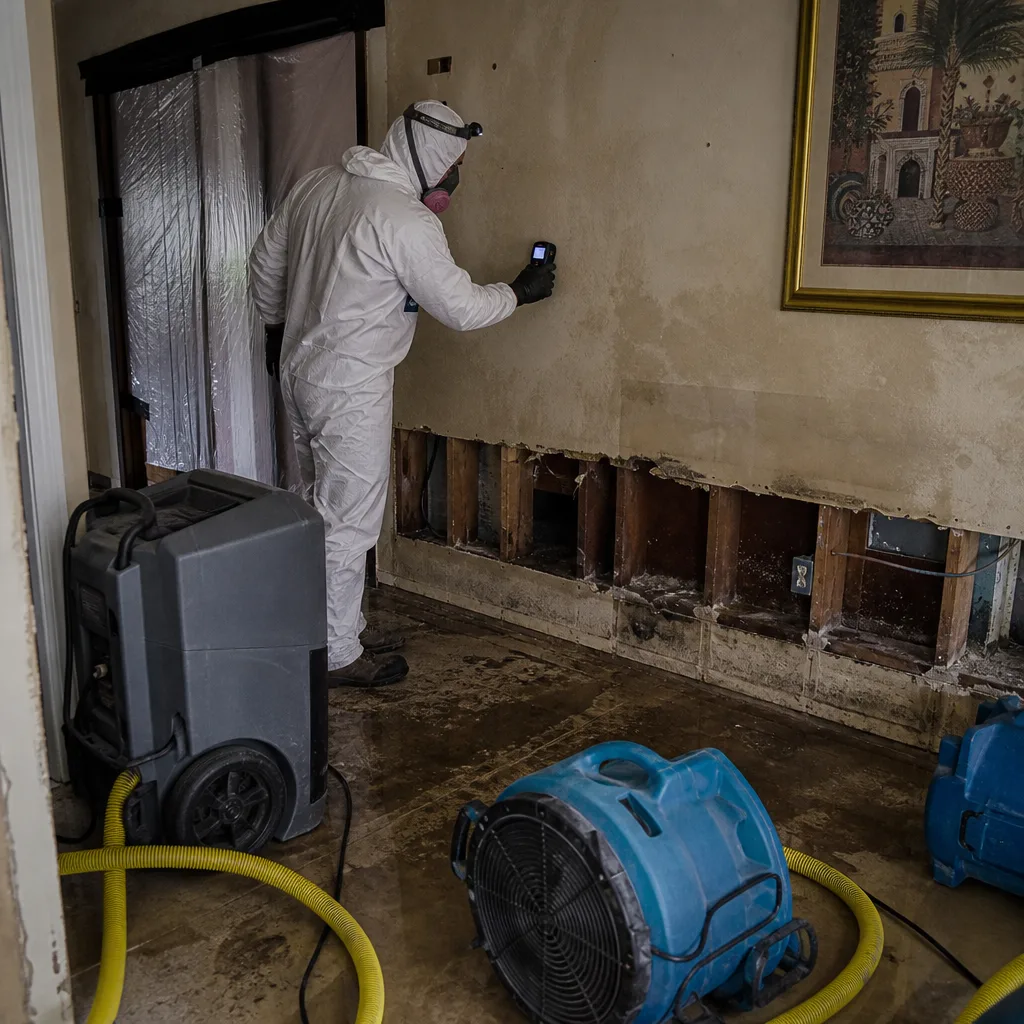 Before
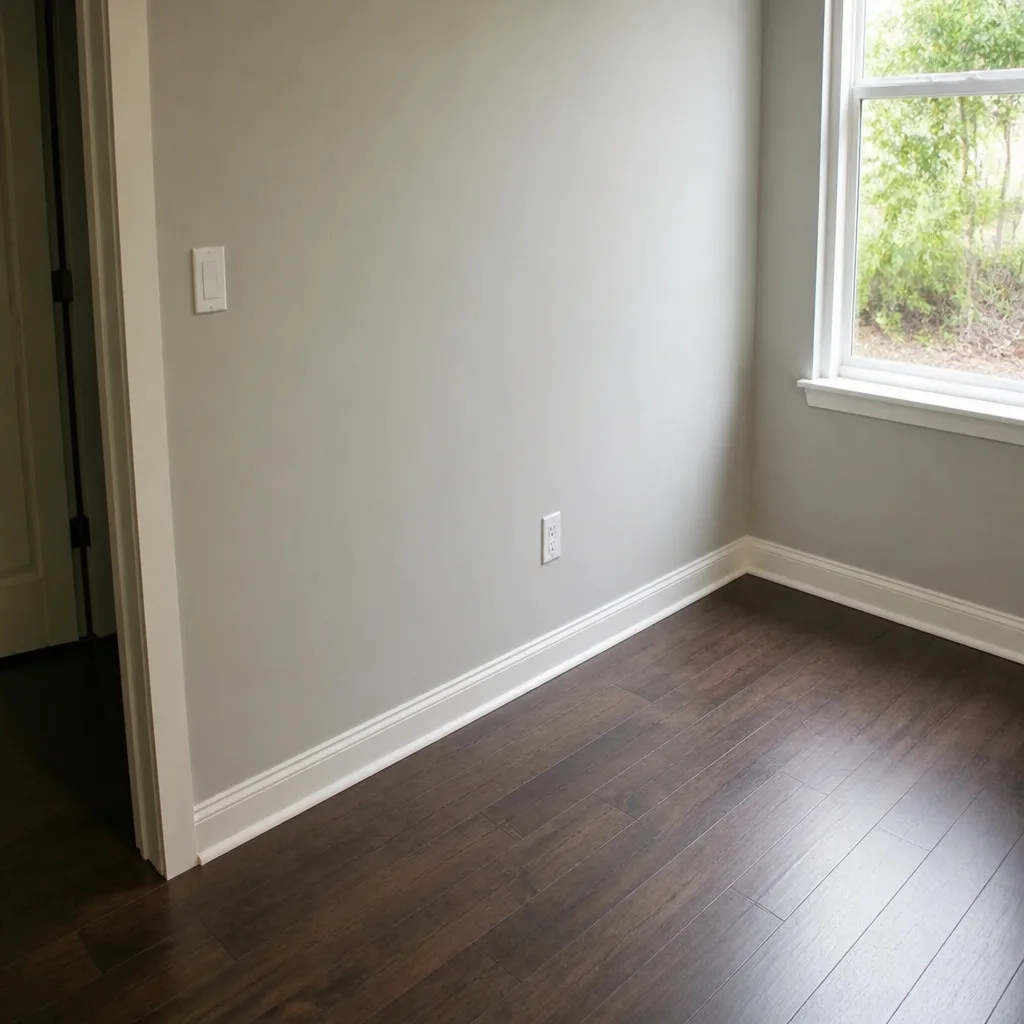 After
After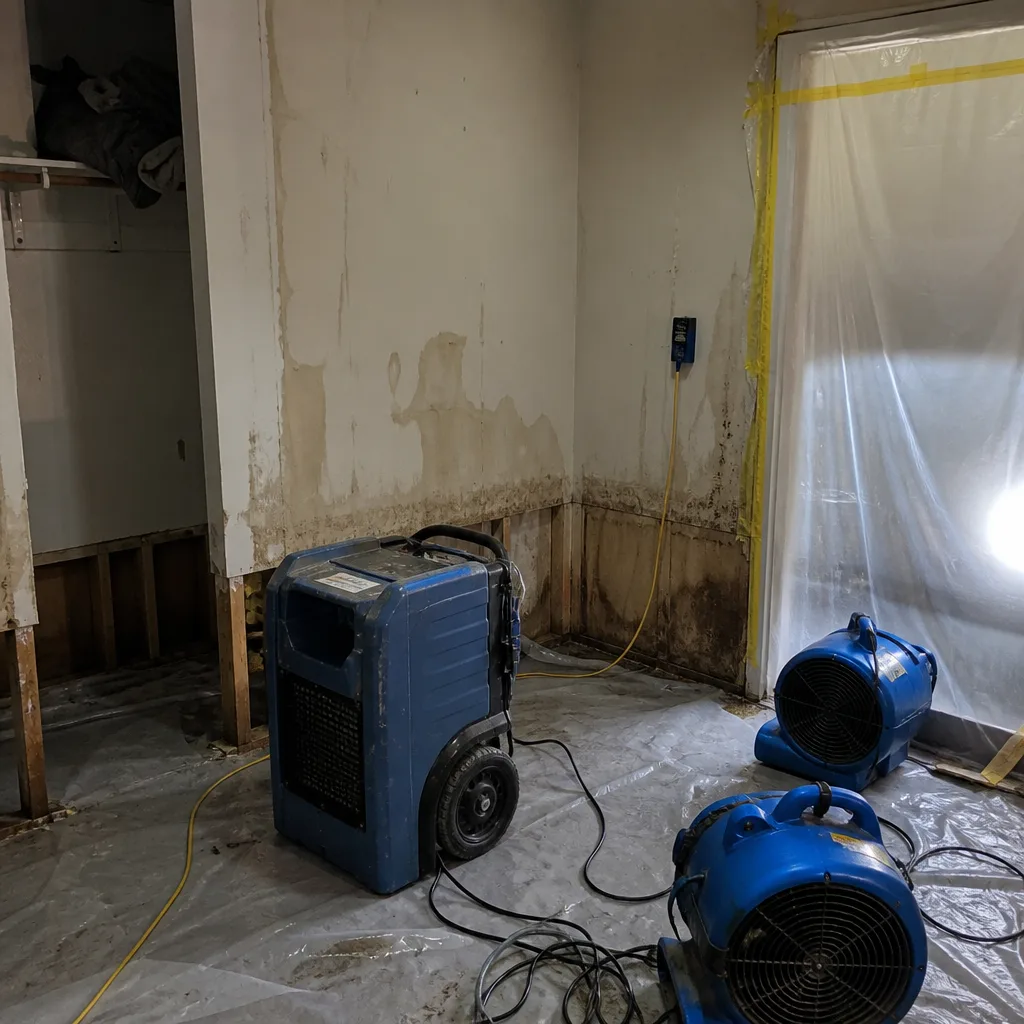 Before
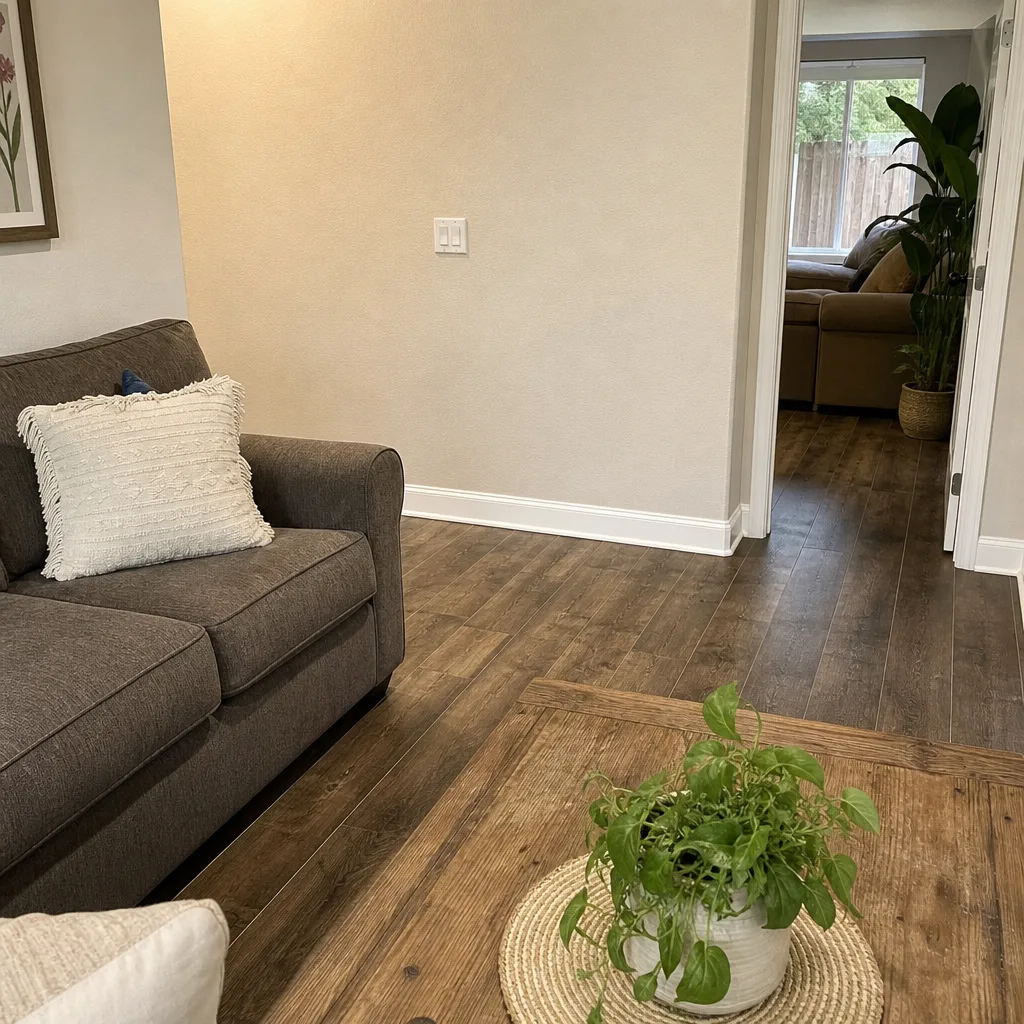 After
After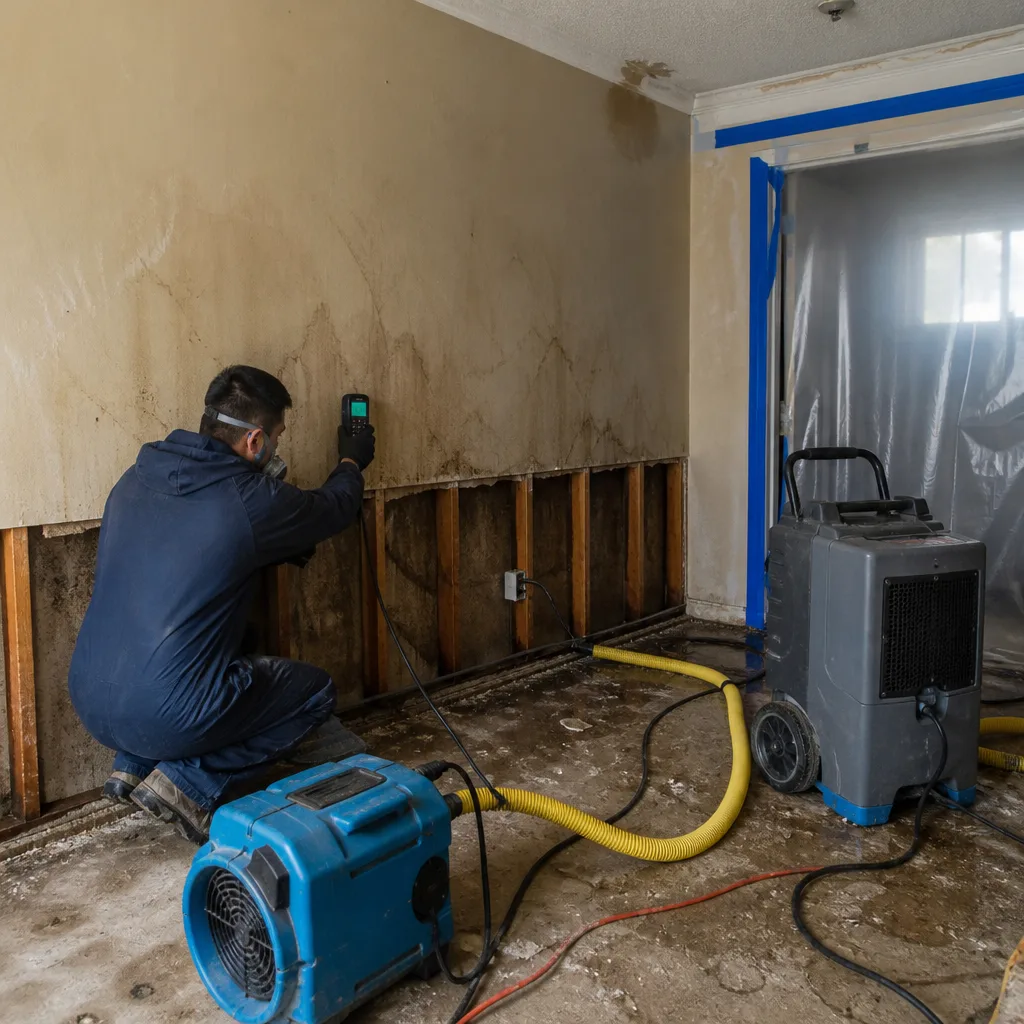 Before
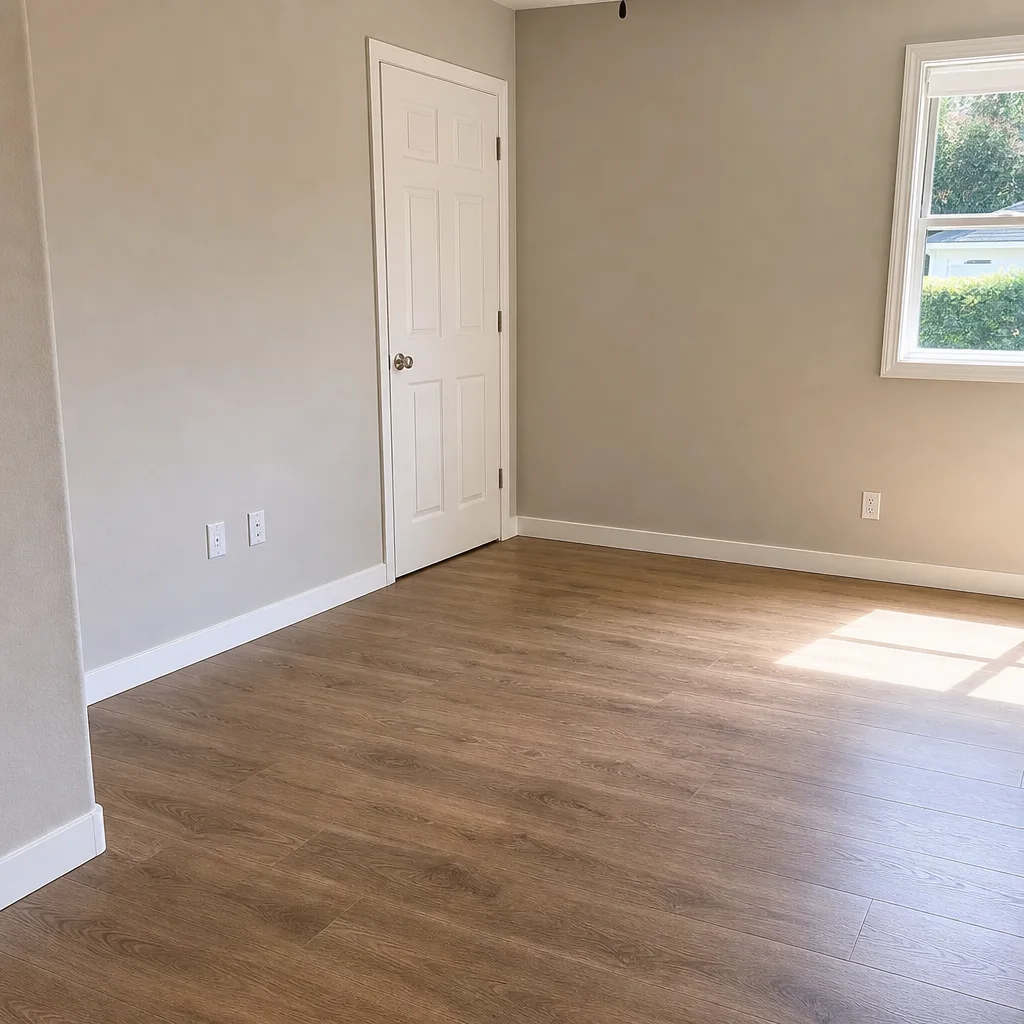 After
AfterStructural Drying & Dehumidification in Fallbrook, CA
Structural drying and dehumidification is the science of removing moisture from the building materials of your home-studs, subfloors, drywall, and framing-rather than just mopping up surface water. In Fallbrook, where our coastal humidity can often trap moisture inside structures long after a leak or flood, water damage restoration with professional drying is the only way to prevent secondary damage like mold growth and structural rot. At DryMark Restoration Fallbrook, we use industrial-grade equipment from manufacturers like Dri-Eaz and Phoenix to bring materials back to their original moisture content, documented to IICRC, RIA, and IFA standards. If you have standing water or high moisture levels, call us at (760) 421-5658 for a professional assessment.
Most homeowners confuse basic cleanup with true structural drying. When you need Water Damage Restoration in Fallbrook, the drying phase is where we ensure the home is safe to live in again. We don’t just set up fans; we monitor psychrometric data-measuring temperature, humidity, and vapor pressure-to ensure the environment is actually drying, not just moving air around. Every job we perform is documented with a photo record on every visit and a written scope provided before work starts, in accordance with the Haven Standard, Clause 1. This ensures you have the evidence required for an insurance claim that won’t be denied due to “insufficient documentation.”
When You Need Structural Drying & Dehumidification
You need professional structural drying when moisture has penetrated porous materials, which happens faster than most homeowners realize. If you’re searching for water damage restoration near me in Fallbrook, CA, our fluctuating temperatures can cause condensation inside wall cavities if the humidity isn’t managed correctly after a water event. Watch for these specific indicators that your home requires professional moisture extraction:
- Active Leak or Pipe Burst: When a supply line fails, water travels behind baseboards and into wall cavities, where it stays trapped until mechanical dehumidification pulls it out.
- High Humidity Readings: If your home feels muggy or smells musty days after a spill has been “cleaned up,” moisture is still trapped in your flooring or framing materials.
- Cupping or Crowning Hardwood Floors: When floorboards begin to warp, buckle, or lift at the edges, they are holding significant water that simple surface drying cannot remove.
- Dampness Behind Cabinets: Kitchen or bathroom cabinets often trap water against the wall, creating a hidden pocket of moisture that leads to rapid microbial growth.
- Saturated Insulation: If water has touched your insulation, it loses its thermal properties and becomes a breeding ground for contaminants, requiring professional drying or removal.
If you notice these signs, do not wait. The longer water sits in the structure, the higher the likelihood of needing material replacement rather than restoration. Our team is available 24 hours a day, 7 days a week, to deploy the necessary equipment to stop the damage progression. Call (760) 421-5658 to speak with a live person immediately.
Our Structural Drying & Dehumidification Process
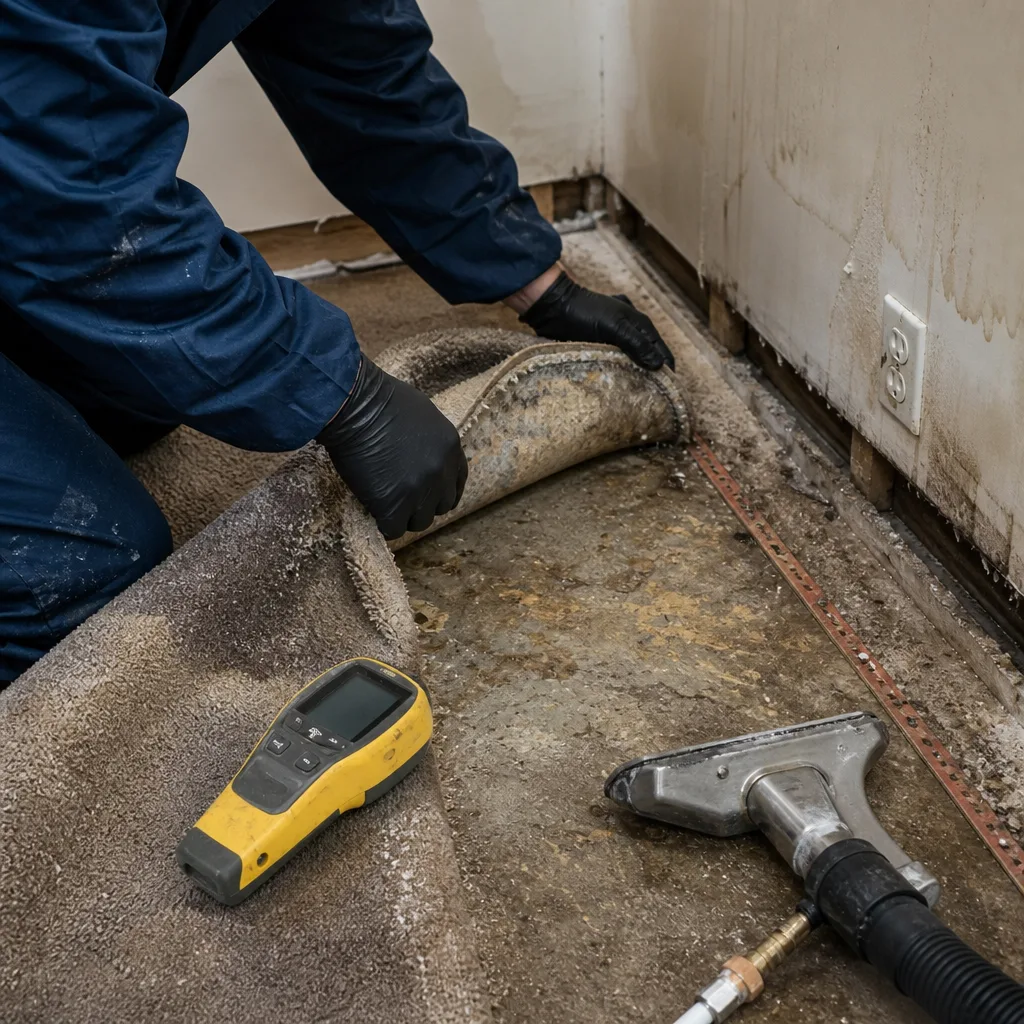
We do not guess at dryness. We measure it. Our process is rooted in the Haven Standard, which prioritizes verifiable evidence over assumptions. Whether we are drying a residential property near the Santa Margarita River or a home in the hills, we follow this systematic approach to ensure your home returns to its pre-loss condition.
- Initial Inspection and Moisture Mapping: We arrive and use moisture meters to detect exactly where water has migrated. We document the affected area with photos and moisture readings, creating the baseline for your claim.
- Water Extraction: Before drying begins, we remove all standing water using truck-mounted extraction units. This removes the bulk of the water, making the subsequent dehumidification phase significantly faster.
- Controlled Dehumidification Setup: We deploy commercial-grade dehumidifiers, such as Phoenix or Dri-Eaz units, to lower the vapor pressure in the room. By lowering the humidity in the air, we force the moisture out of the building materials (the vapor pressure differential).
- Air Movement and Circulation: We place air movers to direct airflow across wet surfaces, increasing the rate of evaporation. We calculate the exact number of units needed based on the room size and material type, as excessive air movement can sometimes damage sensitive areas.
- Daily Monitoring and Logging: This is the most critical step. We return daily to check moisture content in your walls, floors, and framing. We update the drying log every visit. If a material isn’t drying at the expected rate, we adjust our equipment. This log is your proof that the work was necessary and successful.
- Final Verification: Once moisture readings return to acceptable, industry-standard levels, we remove the equipment and provide you with the final documentation package.
Every step of this process is designed to protect your property value and ensure your insurance carrier has the data they need to approve the claim. We operate under the 365-Day Done Right Promise; if something is not done right, we make it right, guaranteed in writing.
BeforeAfterStructural Drying & Dehumidification Pricing in Fallbrook
The cost of structural drying in Fallbrook typically ranges from $1,500 to $4,500 for a standard residential water event, depending on the square footage affected and the materials involved. Pricing is never a flat rate because every water damage event has unique variables; see our guide on how much does water damage restoration cost for typical ranges. Under the Haven Standard, Clause 1, we provide a written price before any work begins, so you are never surprised by the final invoice. We offer a Free Second Opinion on any competitor’s written estimate to ensure you are getting fair, market-rate pricing.
| Service Scope | Estimated Price Range |
|---|---|
| Small area (Single room, minor leak) | $1,500 - $2,500 |
| Moderate area (Multiple rooms, hardwood/carpet) | $2,500 - $4,500 |
| Extensive damage (Entire floor, subfloor saturation) | $4,500+ (Custom Scope) |
Factors that influence the final cost include the number of days the equipment must run, the complexity of the material being dried (e.g., hardwood floors take longer than drywall), and the necessity of specialized equipment like Injectidry systems for wall cavities. Call (760) 421-5658 for an exact quote on your specific situation.
FAQs - Structural Drying & Dehumidification
How can you tell if my walls are actually dry?
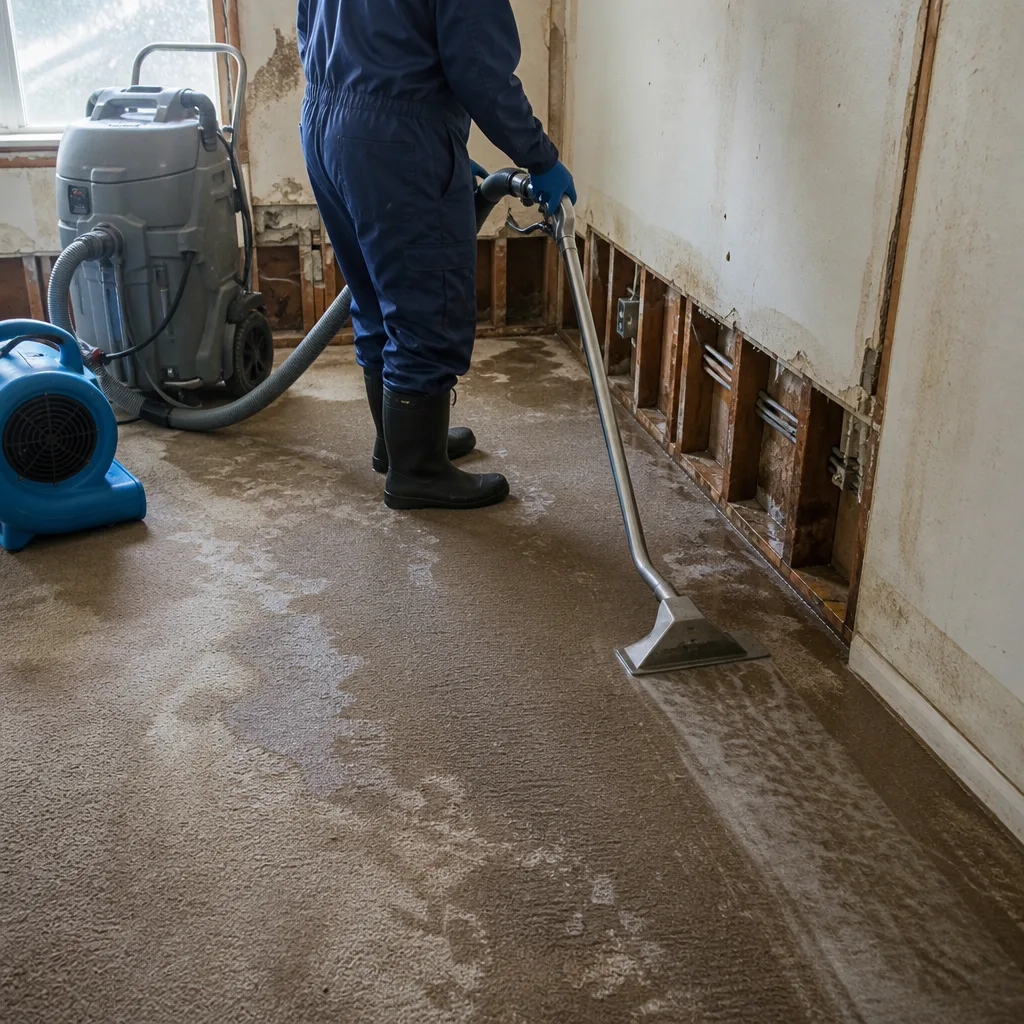
We use calibrated moisture meters to measure the moisture content of your building materials against a “dry standard” of unaffected material in your home. We do not rely on touch or appearance; we provide you with a written log of moisture readings on every visit, so you have objective proof that the area is restored to a safe level. Call (760) 421-5658 if you need an assessment of your home’s current moisture levels.
Is it cheaper to replace the drywall or dry it?
In many cases, drying is significantly more cost-effective than removing and replacing materials, especially when you factor in the labor of demolition, debris disposal, and the cost of new materials and repainting. We will evaluate the material’s condition upon arrival and provide a written price for both options if applicable, allowing you to make an informed decision based on the Haven Standard’s commitment to upfront pricing.
Can I just use box fans and a dehumidifier from the hardware store?
Consumer-grade equipment lacks the grain-depression capability required to pull moisture out of dense structural materials like framing and subfloors. Professional equipment, such as the units we use from Dri-Eaz and Phoenix, is designed to create a specific atmospheric pressure that forces water out of porous materials. Using improper equipment often leads to “surface drying,” where the top feels dry while the inside remains wet, which eventually leads to mold-a risk that’s especially high without proper basement water removal techniques. Call (760) 421-5658 to ensure your home is dried properly the first time.
What if I have an insurance claim for this water damage?
Our documentation-first approach is specifically designed to make insurance claims go smoothly. Because we document every visit with a photo record, maintain daily drying logs, and provide a clear written scope of work, your adjuster will have exactly what they need to process the claim. We work with all major insurance carriers and provide the evidence they require to approve your restoration invoice. Call (760) 421-5658 to get started with your documentation.
Written by Alicia Brennan, Owner at DryMark Restoration Fallbrook, serving Fallbrook.