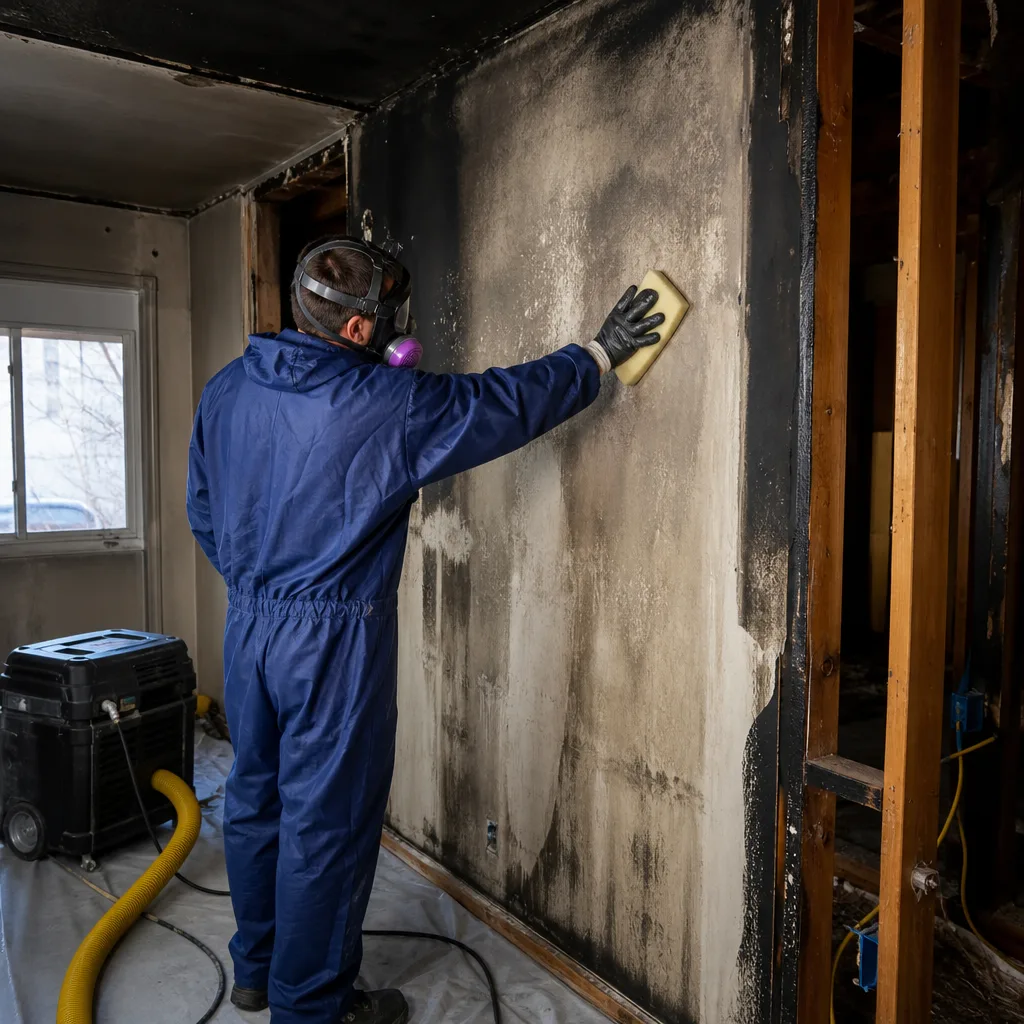
Free visual inspection and a written scope of work before any mitigation begins - photos, moisture readings, and drying logs go in your claim file
The scope we write is the scope we bill. Anything new gets shown to you, in writing, before we touch it.
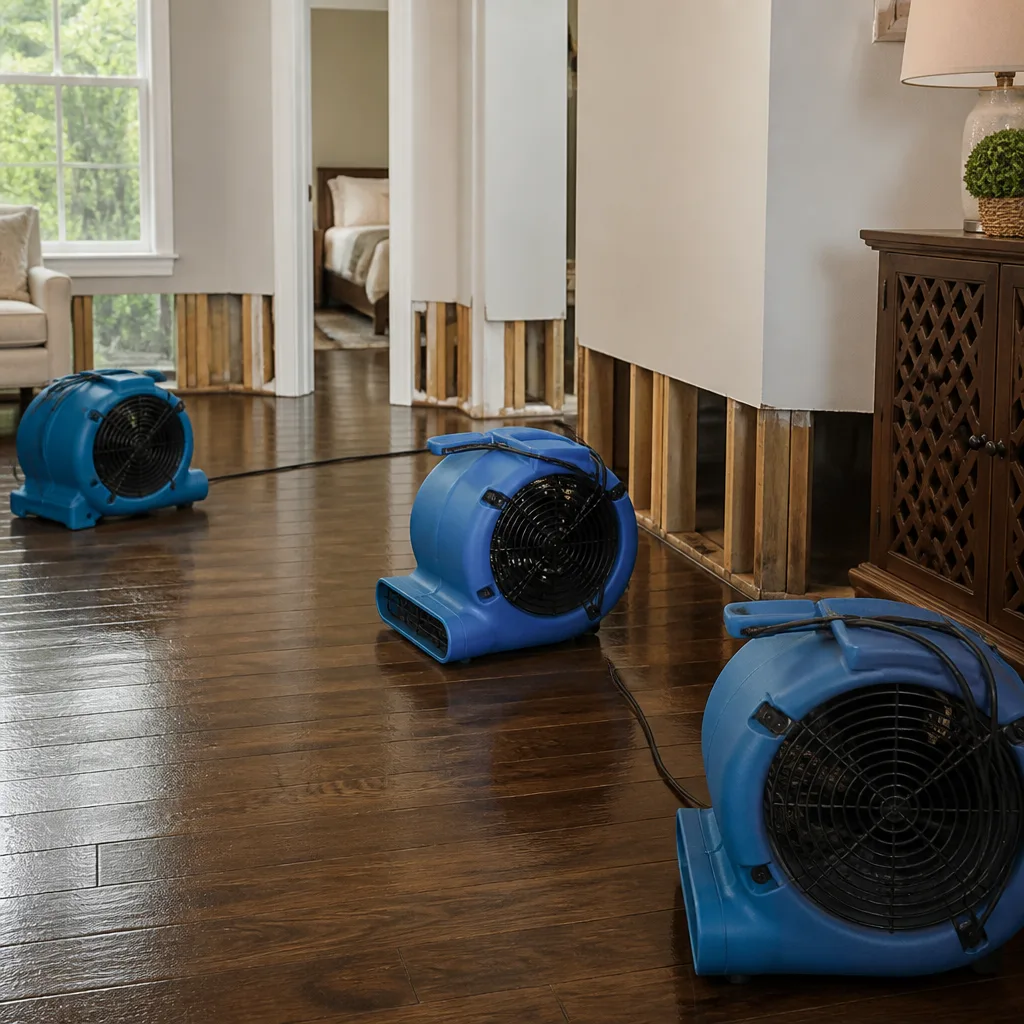
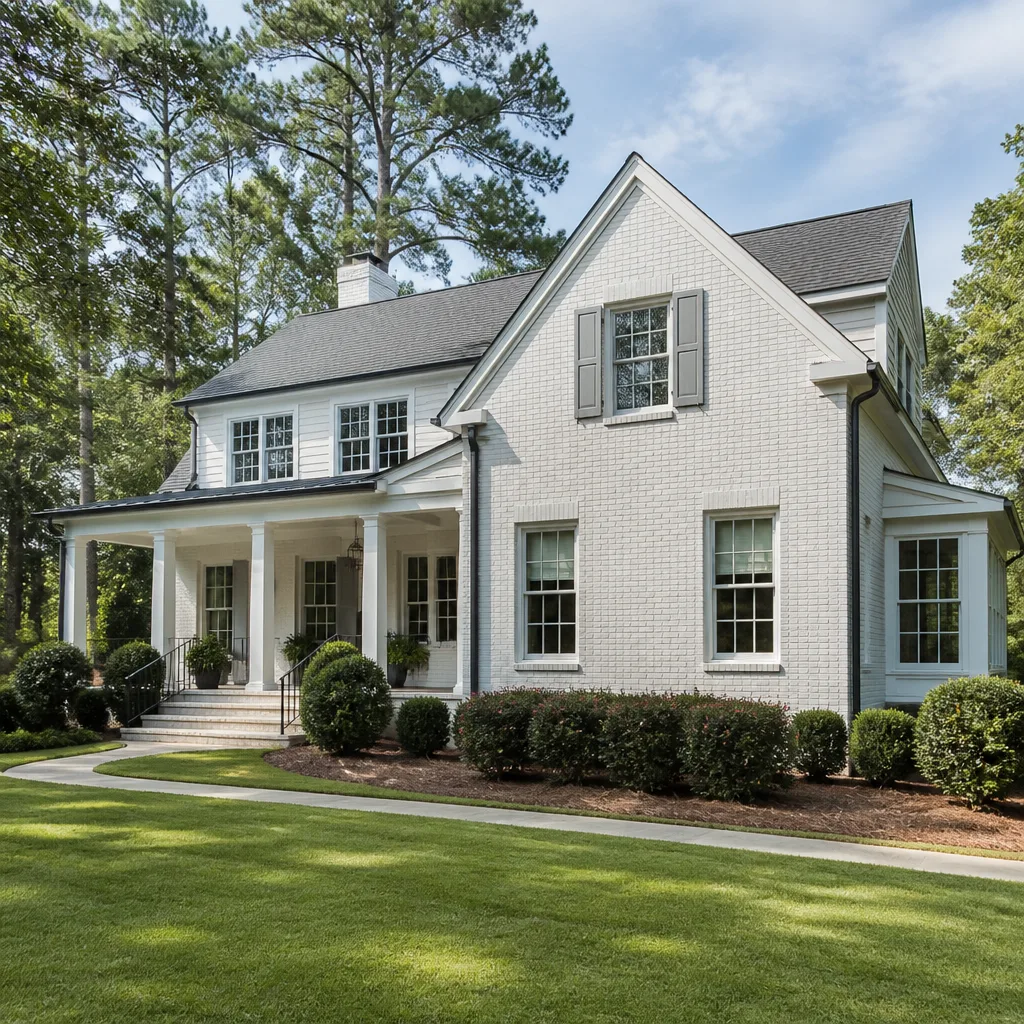
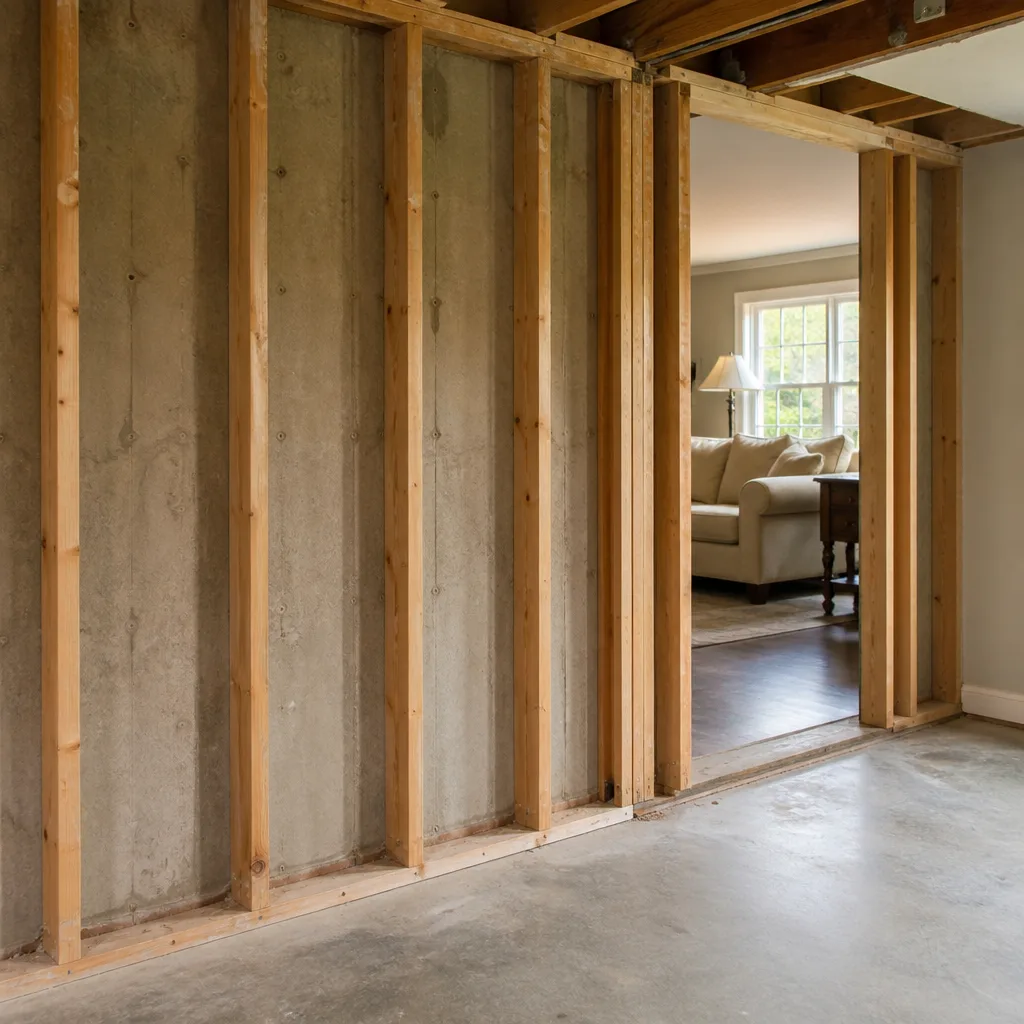
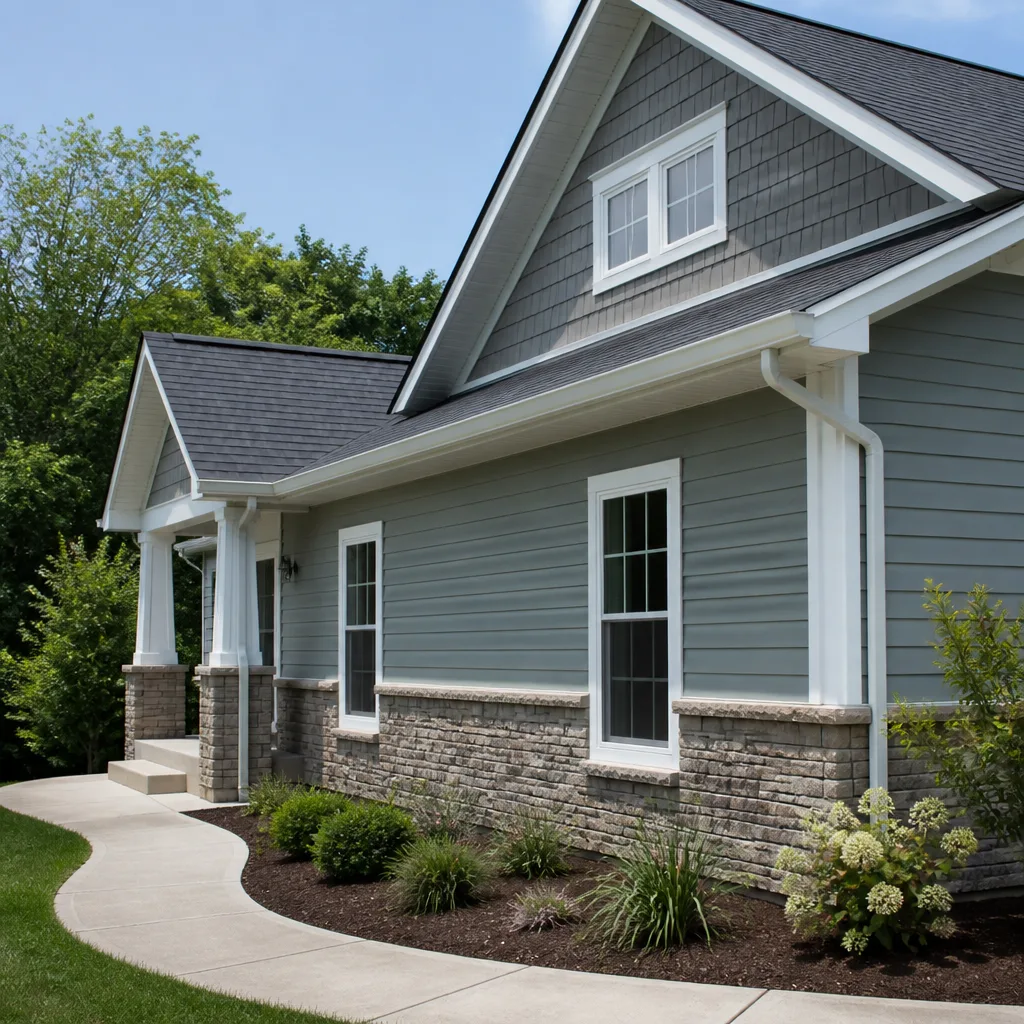
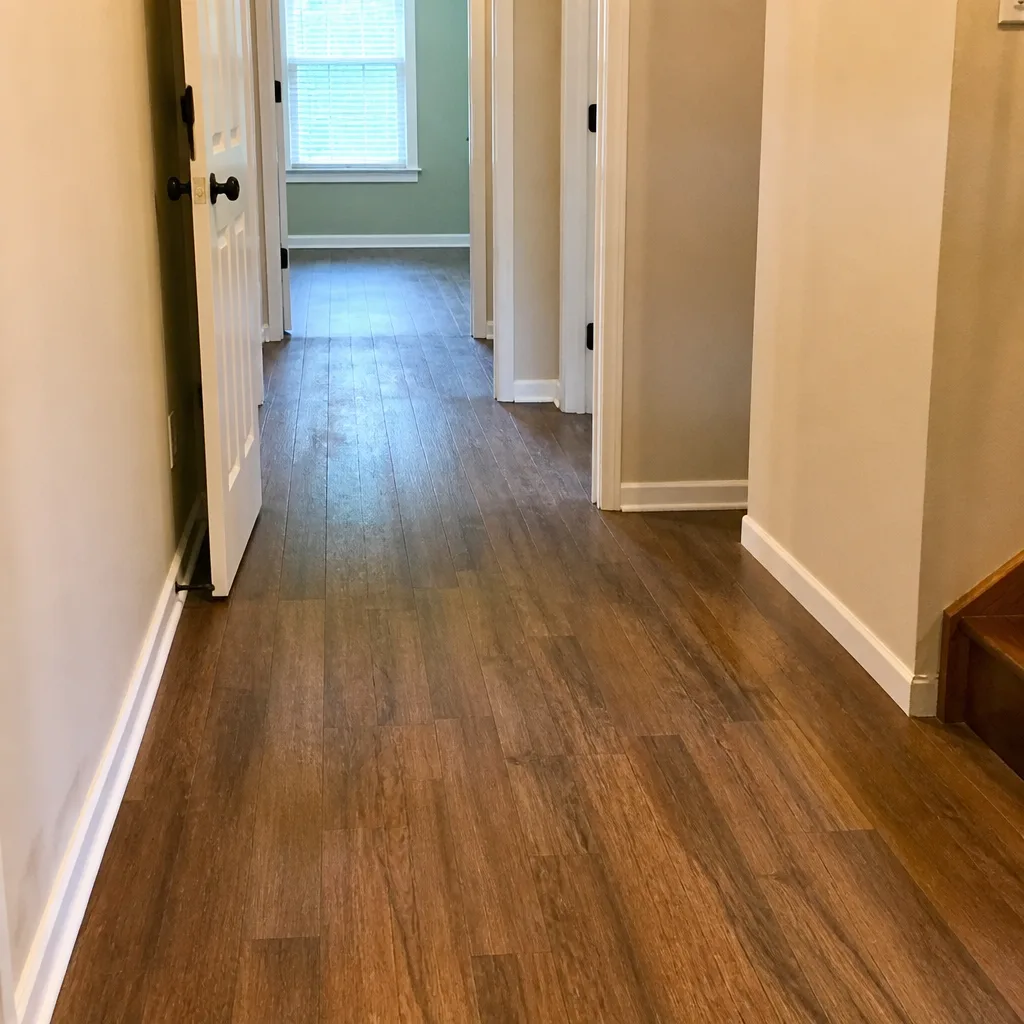
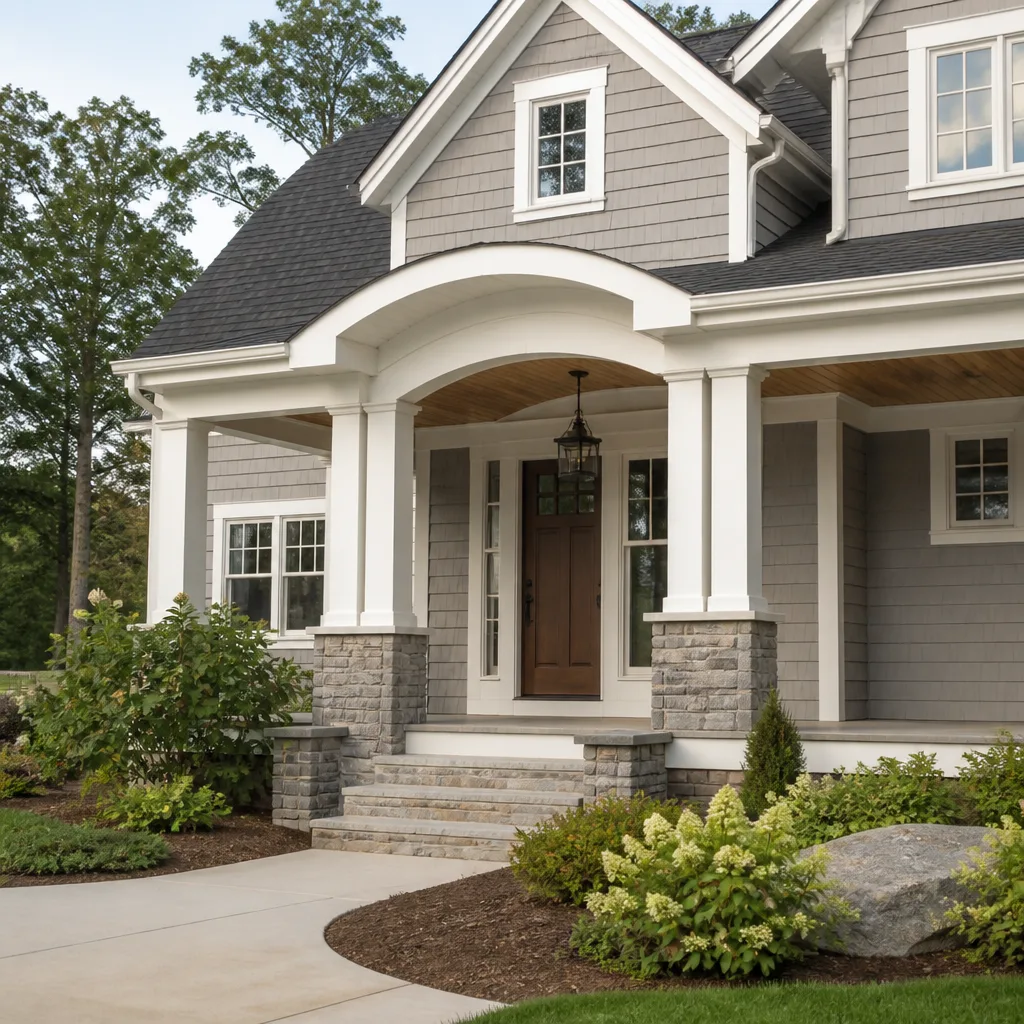
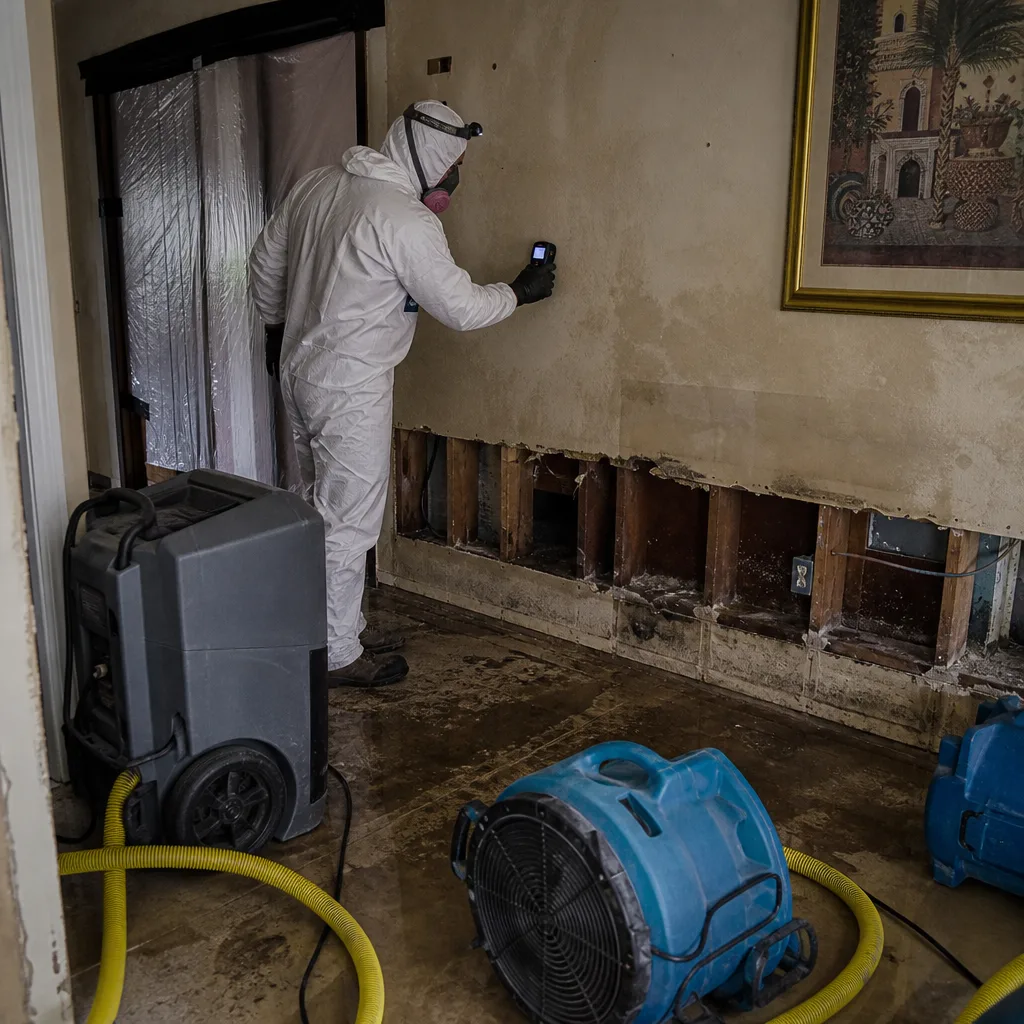 Before
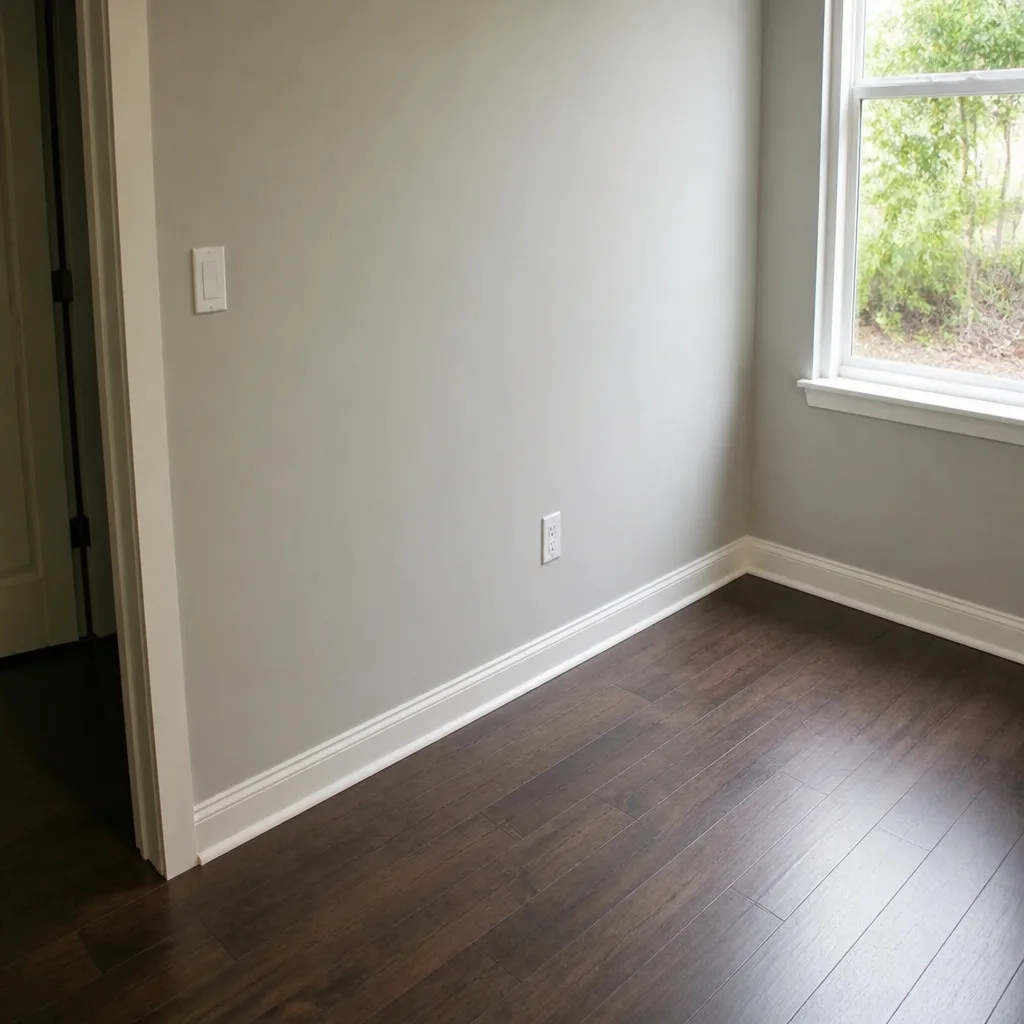 After
After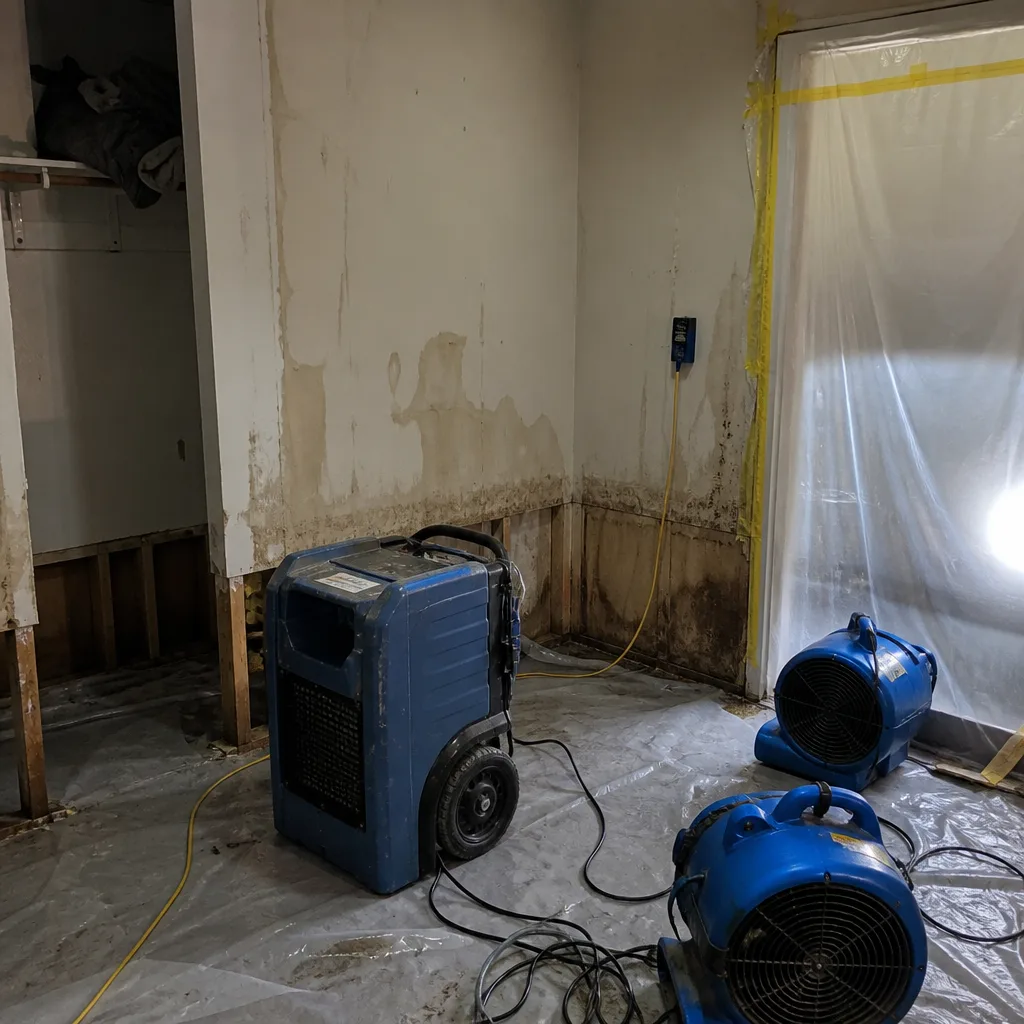 Before
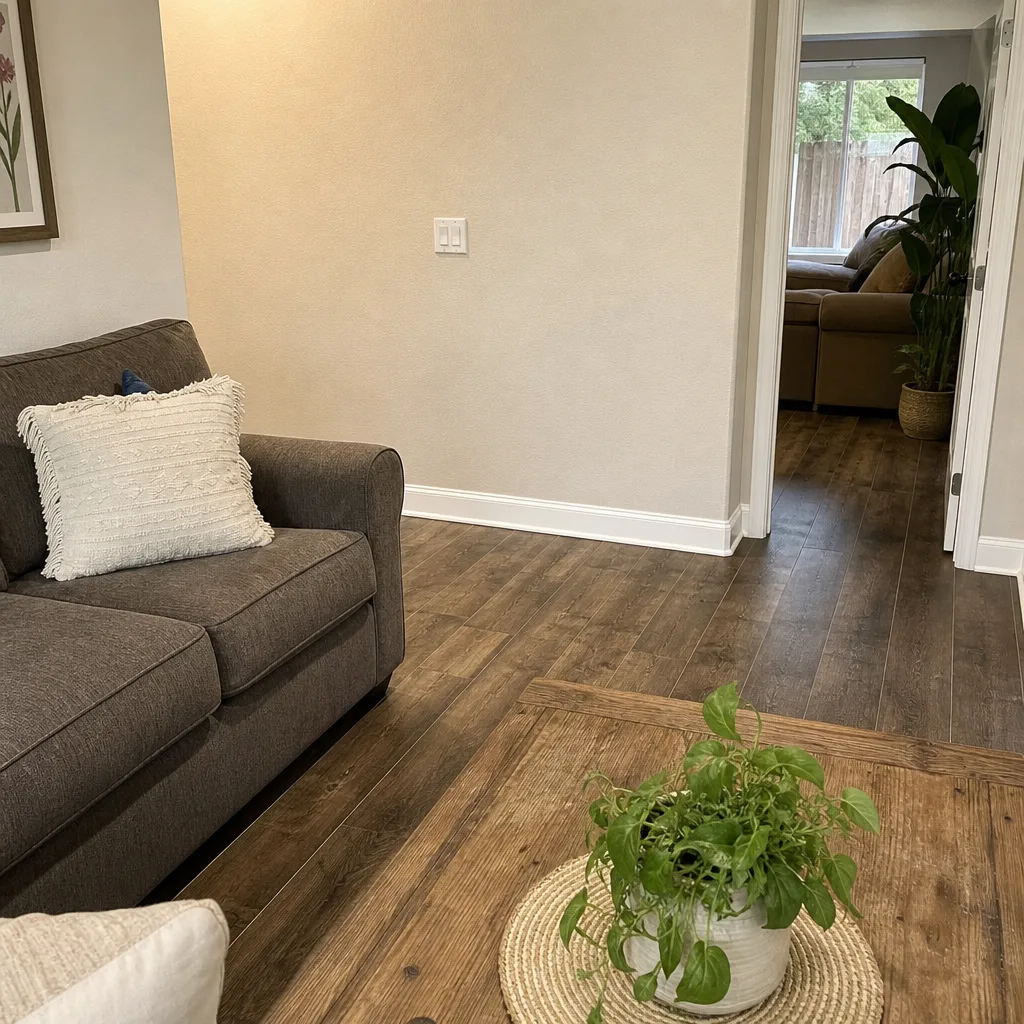 After
After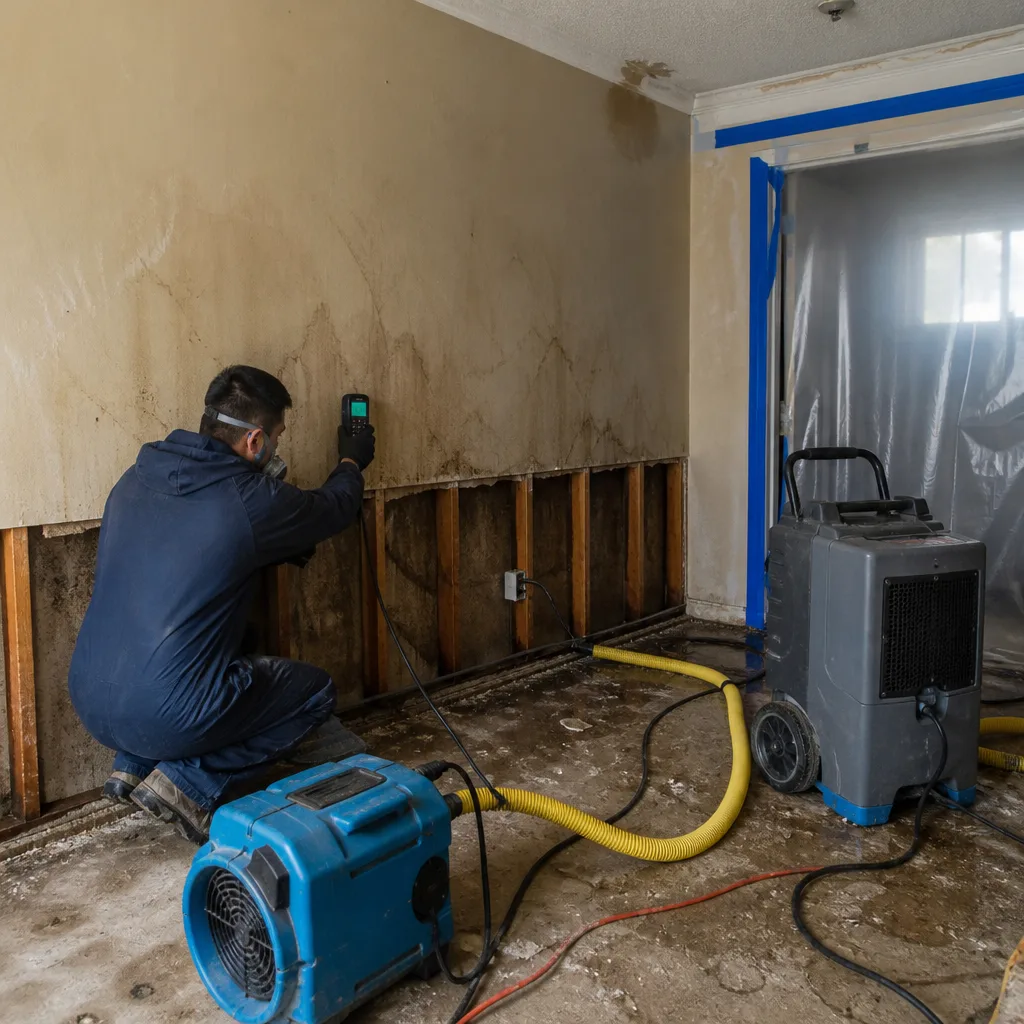 Before
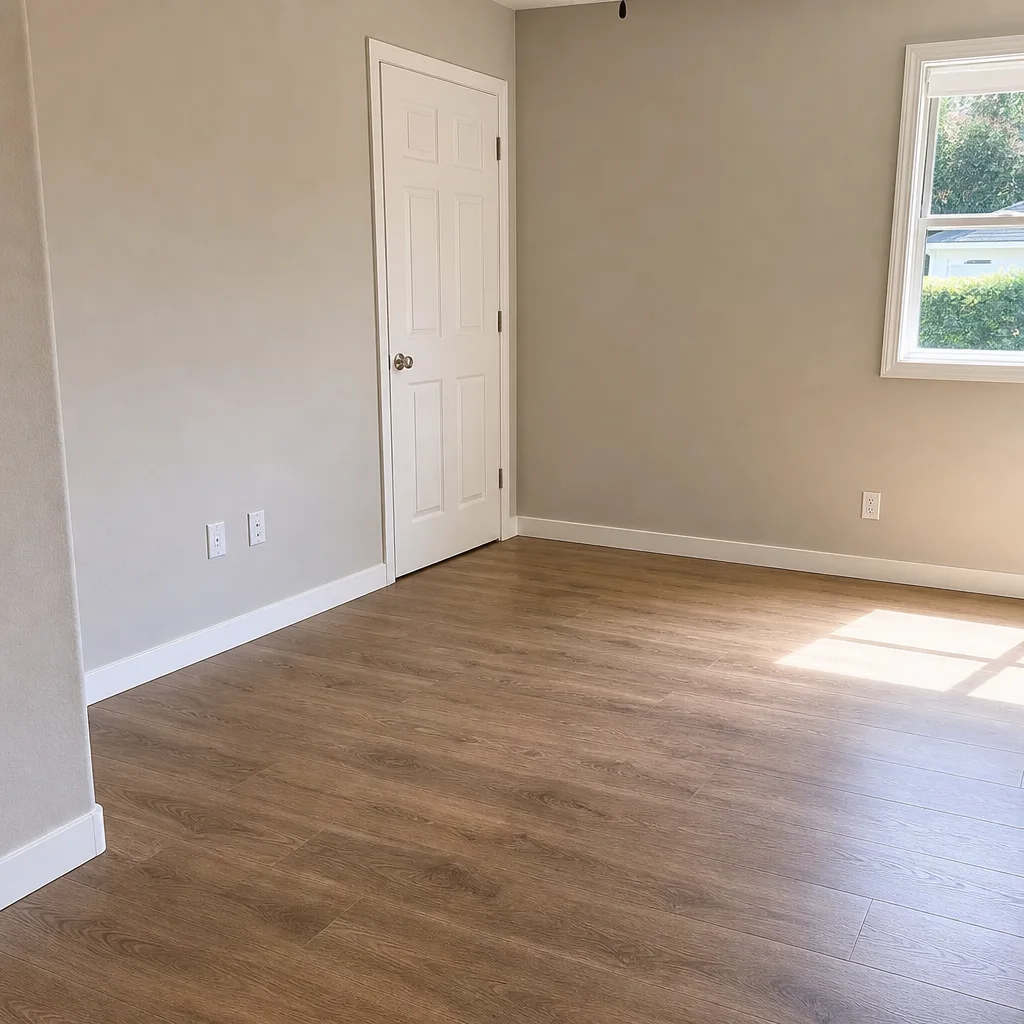 After
After24/7 Emergency Water Damage Restoration in Solana Beach
Water damage restoration in Solana Beach typically costs $2,800-$7,500 for a standard residential mitigation, with emergency extraction starting at $450-$950 and full structural drying running $1,800-$4,200 depending on affected square footage and water category. Most Solana Beach homeowners with burst pipes, appliance failures, or storm intrusion can expect crews on site within 45 minutes and drying equipment running same day. Call (760) 421-5658 now - a live person answers, 24 hours a day, every day, and we dispatch immediately to the Solana Beach area.
The first hour determines whether you’re looking at extraction and drying or full demolition and reconstruction. Water moves horizontally through drywall at roughly one inch per minute, and Solana Beach’s older wood-frame construction - particularly the 1950s-1970s beach cottages near the bluffs - wicks moisture into wall cavities faster than modern engineered builds. Our crews carry thermal imaging cameras, moisture meters, and extraction equipment in every truck, so assessment and stabilization happen in one trip.
Understanding Water Damage Restoration Severity in Solana Beach Properties
Water damage gets classified by contamination level, not just volume. Category 1 is clean water from a burst supply line or overflowing sink - still urgent, but the mitigation window is hours, not minutes. Category 2, or gray water, carries detergents, soil, or light contaminants from dishwashers, washing machines, or sump failures. Category 3 is black water: sewage, seawater intrusion, or ground flooding. Each category changes PPE requirements, demolition depth, and antimicrobial protocol.
In Solana Beach, we see a fourth scenario that doesn’t fit the standard matrix: bluff-face groundwater intrusion, where water weeps through sandstone directly into basement-level garages and utility rooms. The moisture readings track the geological formation, not the plumbing stack. Our techs run moisture mapping - a grid of calibrated readings across wall cavities, framing, and subfloors - to distinguish Category 1 supply-line failures from chronic groundwater seepage that demands a different scope entirely.
Structural drying in Solana Beach requires accounting for the persistent marine layer. Relative humidity off the Pacific often sits at 70-85% even when the sky reads “clear.” A standard drying chamber that works inland stalls here without supplemental dehumidification. We calculate vapor pressure differential - the force that drives moisture from wet materials into drier air - and size Phoenix or Dri-Eaz LGR dehumidifiers to overcome the ambient load. Without that psychrometric math, a 1950s cottage’s enclosed crawl space never reaches dry standard, and mold colonizes within 48-72 hours.
Why Solana Beach Property Owners Choose DryMark Restoration Fallbrook
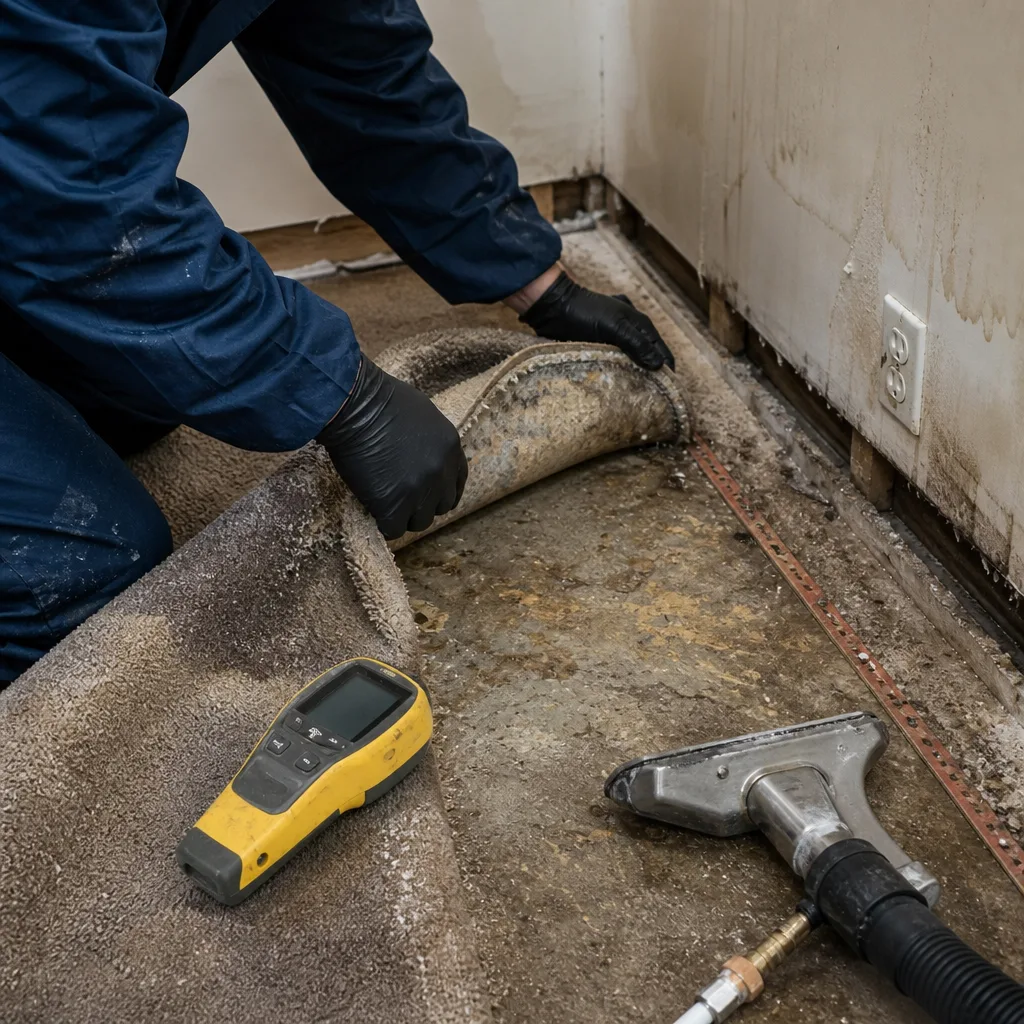
- 45-minute response commitment to Solana Beach - our San Diego office dispatches crews who know the local bluff-access routes and which streets flood first during lagoon backup events.
- 24/7 live answer - a real person, never an automated system or voicemail tree, picks up every call to our emergency line.
- IICRC-certified crews - technicians hold WRT (Water Damage Restoration Technician), AMRT (Applied Microbial Remediation Technician), and FSRT (Fire & Smoke Restoration Technician) certifications, with license numbers documented on every job file.
- Free visual inspection - we assess the loss, identify the water category, and outline the scope before any equipment runs or any signature is required.
- Direct insurance billing - we coordinate with your adjuster, submit line-item estimates in Xactimate format, and handle documentation so you’re not chasing paperwork while your floors warp.
- One team from extraction to reconstruction - no handoffs between mitigation contractors and rebuild crews, no gaps in the documentation chain that insurers use to deny continuity claims.
BeforeAfterOur Water Damage Restoration Process
1. Inspection & Assessment
We arrive with thermal imaging cameras, penetrating and non-penetrating moisture meters, and hygrometers to map the full extent of the water migration. In Solana Beach bluff properties, we specifically distinguish plumbing failures from groundwater intrusion by reading moisture patterns against the sandstone face - a misdiagnosed source means a failed remediation and a repeat call.
2. Extraction & Stabilization
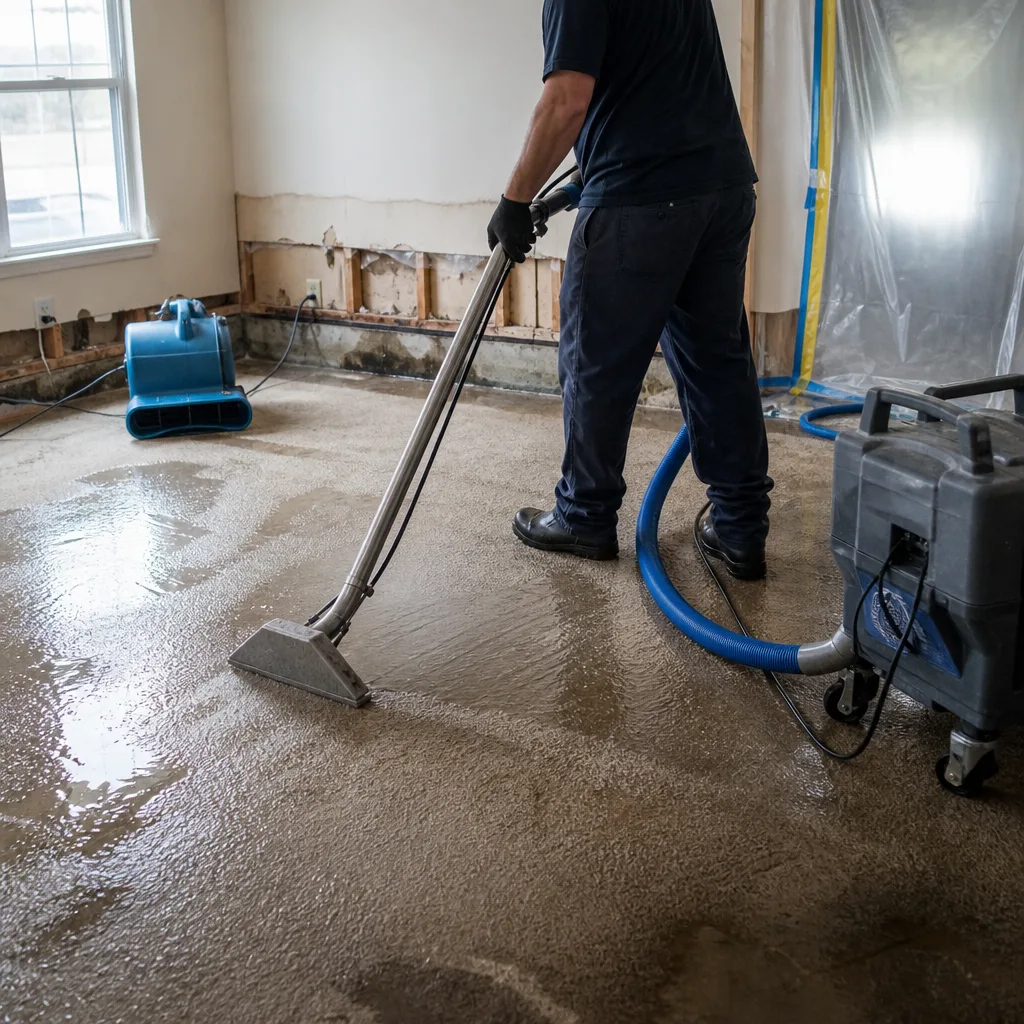
Standing water comes out first, using truck-mounted extraction systems and weighted water claws on carpeted areas. For Category 2 or 3 losses, we establish containment barriers and negative air pressure with HEPA-scrubbed air filtration before anyone opens a wall cavity. The goal is to remove bulk water in hours, not days.
3. Drying & Dehumidification
We deploy air movers, LGR dehumidifiers from Dri-Eaz or Phoenix, and specialized drying systems like Injectidry for hardwood floors or wall-cavity injection. Daily moisture logs track progress against dry-standard targets, adjusted for Solana Beach’s marine-layer humidity baseline. Tertiary drying - the final phase where bound moisture releases slowly from dense materials - often requires an extra 24-48 hours here compared to inland climates.
4. Cleaning & Sanitization
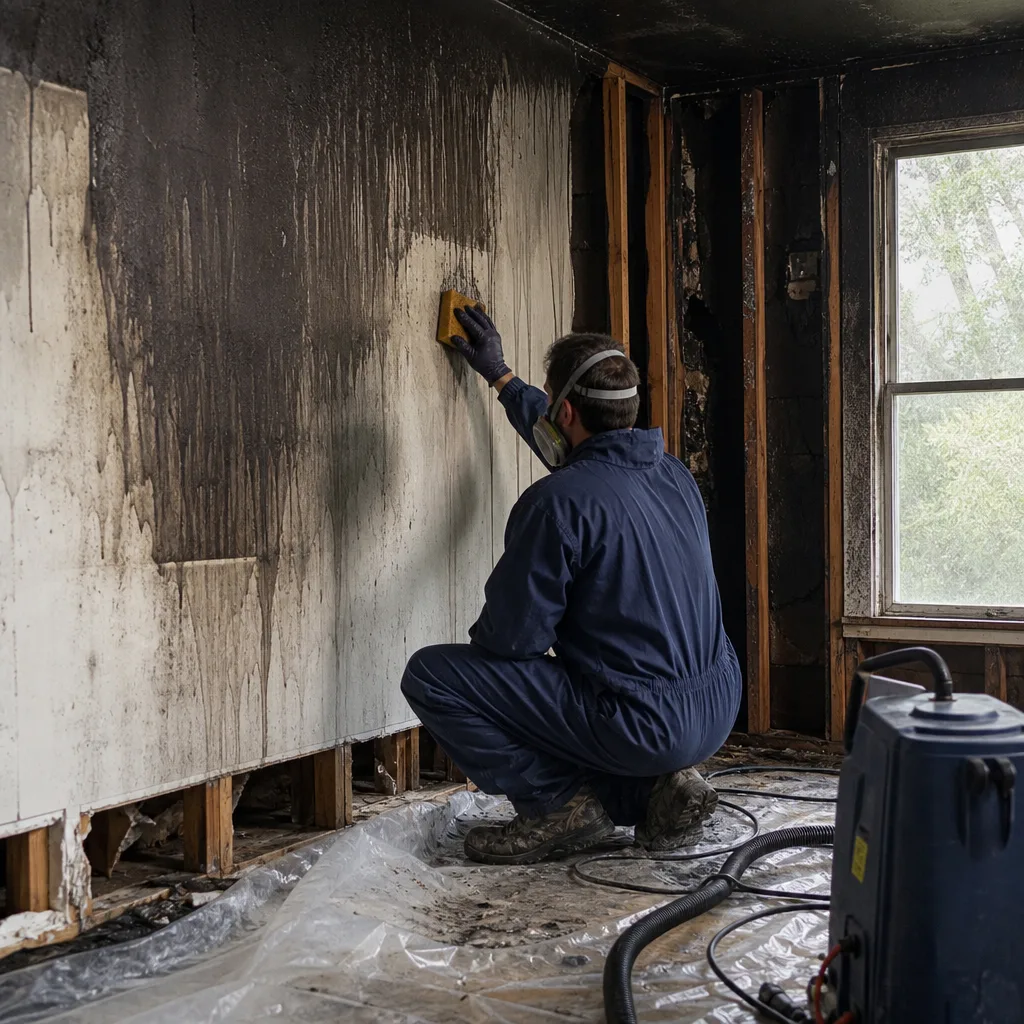
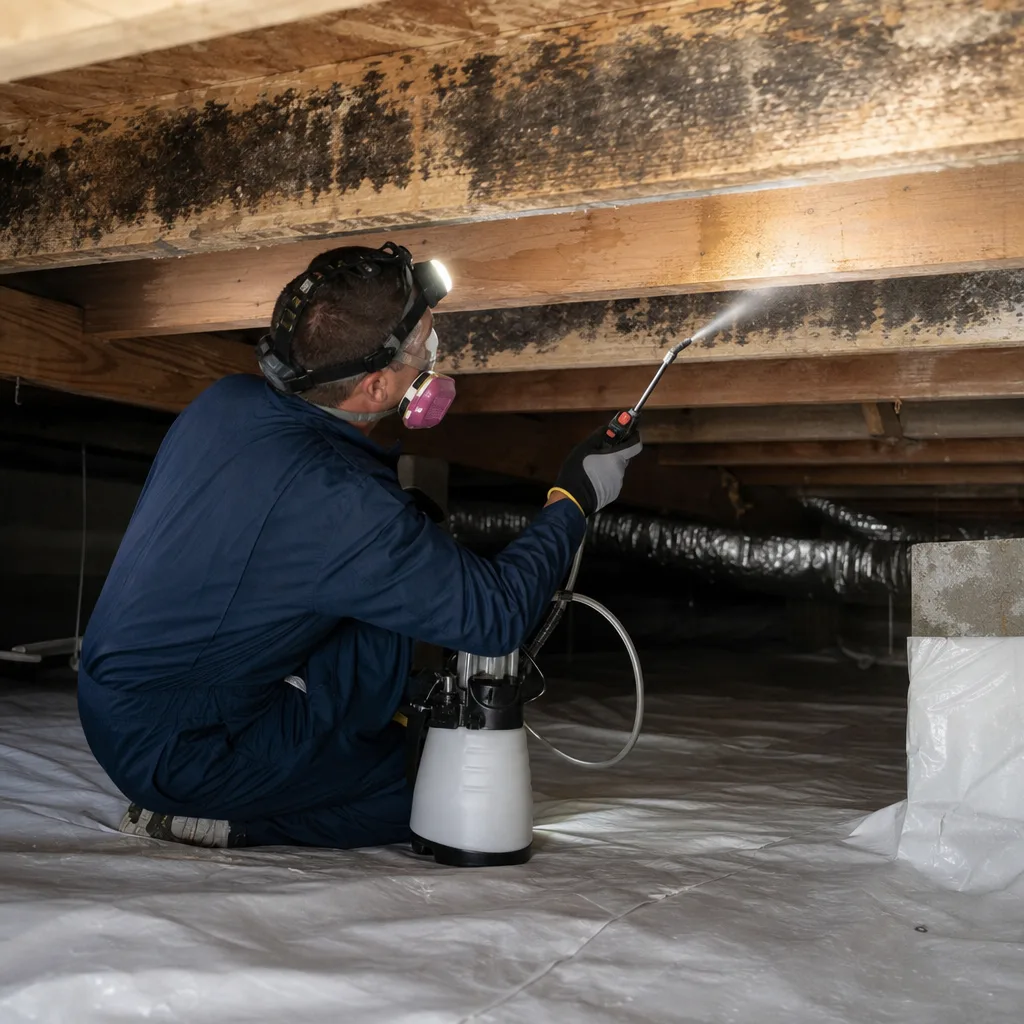
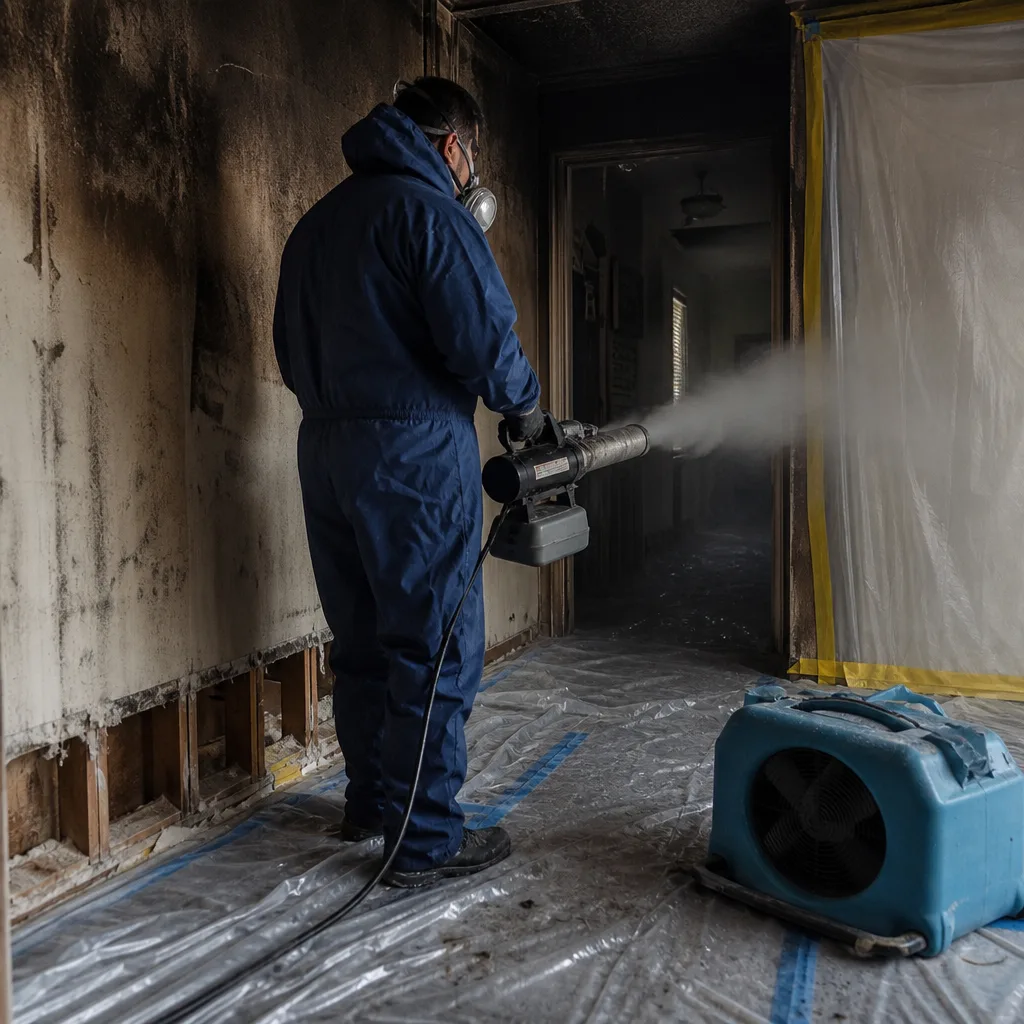
All affected surfaces receive antimicrobial treatment appropriate to the water category. Category 3 losses get full trauma-clean protocol. We document every treated area with photos, material classifications, and product spec sheets - the documentation that turns restoration invoices into payable claims.
5. Bluff-Erosion Source Documentation
For bluff-adjacent properties, we document the geological source of water intrusion separately from standard moisture mapping. This includes photos of efflorescence patterns, sandstone exposure, and foundation conditions. If permitting or geological assessment is required before reconstruction, we flag it in the scope so your adjuster and structural engineer have what they need.
6. Repairs & Restoration
Once dry standard is verified with final moisture readings, our reconstruction crew repairs or replaces drywall, flooring, trim, and finishes to match pre-loss condition. We provide a written price before any rebuild work begins, per Haven Standard, Clause 1, and back all work with our 365-Day Done Right Promise.
Need Emergency Water Damage Restoration in Solana Beach Now?
Crews minutes away, answering live 24 hours a day. The sooner we start, the less it costs.
Working With Your Insurance Company
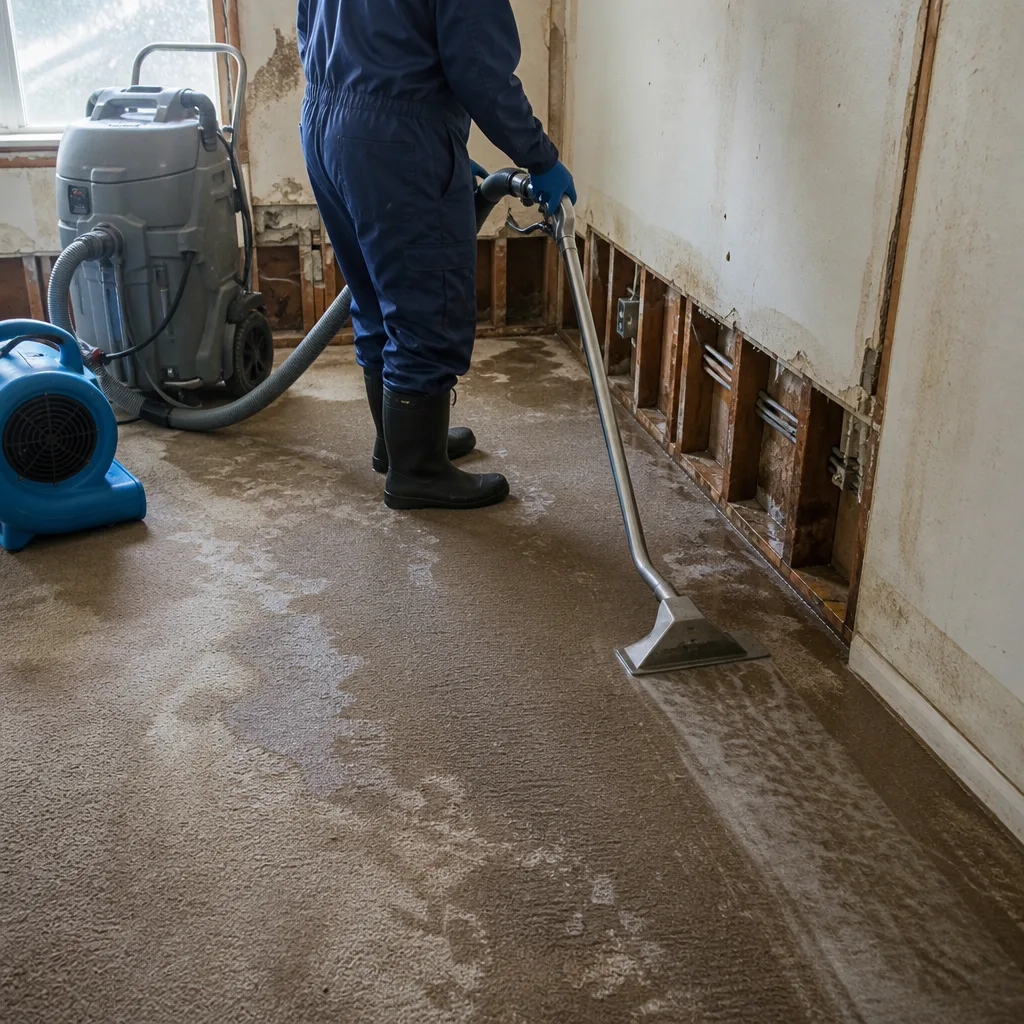
Insurance claims succeed or fail on documentation. We start building your file from the first phone call: photos of the loss scene, moisture readings with timestamps, equipment placement diagrams, and daily drying logs that show psychrometric conditions and progress toward dry standard. Our estimates are written in Xactimate, the industry-standard format adjusters recognize, and we coordinate directly with your carrier’s representative.
Many Solana Beach homeowners discover their water damage during or after an insurance review. If you’ve received a competitor’s estimate, bring it to us - we offer a Free Second Opinion at no charge, and we’ll review their scope against what we find on site. Our photo record on every visit is standard, never an upsell, and it protects you if an adjuster questions whether damage was pre-existing.
What We Provide Your Insurer
- Thorough documentation of the loss
- Photos of all damage, room by room
- Moisture readings and drying logs
- A detailed, line-item scope of work
- Direct coordination with your carrier
Built for Solana Beach’s Loss Calendar
January through March brings El Niño winter storms that hit the sandstone bluffs directly, undermining foundations and driving seawater intrusion into bluff-level structures. The San Dieguito Lagoon at Solana Beach’s southern edge floods when heavy rainfall backs up the river mouth, creating a secondary damage corridor through the commercial and residential pockets along that drainage.
Spring’s mild temperatures mask persistent moisture problems. The marine layer thickens, crawl spaces and wall cavities stay damp, and mold colonizes in structures where winter intrusion wasn’t fully dried. Summer brings “dry” days with 75-85% relative humidity - enough to stall a drying chamber if the dehumidification load isn’t calculated correctly. Fall is wildfire season inland, but for Solana Beach water damage, it’s the calm before the next storm cycle. Smart homeowners use this window for preventive inspections of bluff-face drainage and foundation waterproofing.
Water Damage Restoration Across Solana Beach’s Neighborhoods
Fletcher Cove and the Pillbox corridor present our most complex calls. Bluff-top homes here face chronic groundwater weeping through sandstone, and any water damage mitigation must account for geological assessment requirements before structural repairs begin. We coordinate with city permitting on these jobs because bluff-erosion liability carries constraints no inland property faces.
The Eden Gardens and Solana Beach central neighborhoods hold more of the 1950s-1970s wood-frame cottages, often with original plumbing at end-of-life. Burst pipe restoration here means extracting water from crawl spaces that were never vapor-sealed, then drying against the marine-layer baseline. We see repeat calls when prior contractors didn’t account for that humidity load.
Properties along Lomas Santa Fe Drive and inland pockets shift to mid-century ranch homes and light commercial. The water damage patterns are more conventional - appliance failures, supply-line bursts, occasional roof leaks - but the construction era still means unsealed crawl spaces and minimal insulation that complicates drying.
The bluff-access streets off Pacific Avenue are where we documented that garage seepage case. These basement-level utility rooms carved into sandstone are unique to Solana Beach’s coastal geology. Standard water damage protocol fails here if the scope doesn’t address the bluff face as the moisture source.
Specialized Water Damage Restoration Services We Offer in Solana Beach
Emergency Water Extraction
Standing water gets worse every minute it sits. Our truck-mounted extraction systems remove thousands of gallons per hour, and we prioritize Solana Beach’s bluff-access properties where foundation undermining accelerates damage. Extraction runs $450-$950 for most residential losses in this market.
Structural Drying & Dehumidification
We size Dri-Eaz and Phoenix LGR dehumidifiers to Solana Beach’s marine-layer conditions, not inland dry standards. Daily moisture logs document vapor pressure differential and progress toward dry standard - the evidence your insurer needs to approve continued equipment rental. Typical residential structural drying in Solana Beach: $1,800-$4,200.
Flood Cleanup
San Dieguito Lagoon backup and storm-surge flooding bring Category 3 contamination. Full PPE, antimicrobial protocol, and disposal documentation are mandatory. We coordinate with city flood-management on properties where lagoon overflow and bluff erosion intersect.
Burst Pipe Restoration
Solana Beach’s older copper and galvanized supply lines fail at joints weakened by decades of salt-air corrosion. We extract, dry, and document the line failure for your insurer, then scope the rebuild. Most burst pipe mitigations in 1950s-1970s cottages run $2,800-$5,500.
Basement Water Removal
Bluff-face “basements” are often garage or utility levels carved into sandstone. Water removal here requires submersible pumps rated for potential sediment, then drying equipment sized for continuous groundwater exposure. We document the geological source so your next remediation doesn’t repeat the same failure.
What happens when you call
- 1
A real person answersNo phone trees - you reach a local pro.
- 2
You get an upfront price rangeHonest numbers before anyone is dispatched.
- 3
A background-checked tech heads outLicensed & insured, dispatched right away.
- 4
You approve before work beginsNothing starts until you say go.
Water Damage Restoration Costs in Solana Beach, CA
Here’s what Solana Beach homeowners actually pay, based on local market rates and our 12,000+ jobs since 2011:
| Service | Typical Range |
|---|---|
| Emergency water extraction | $450 - $950 |
| Structural drying & dehumidification | $1,800 - $4,200 |
| Full mitigation (Category 1, residential) | $2,800 - $5,500 |
| Full mitigation (Category 2-3 or bluff properties) | $4,500 - $7,500+ |
| Contents pack-out and cleaning | $800 - $2,400 |
| Mold remediation (if water sat >48 hours) | $1,200 - $3,600 |
What moves the price: water category (clean vs. contaminated), affected square footage, whether the source is plumbing or geological, and whether demolition reaches structural elements. Bluff-erosion jobs often require permitting and geological assessment before reconstruction, adding cost and timeline. Insurance typically covers sudden and accidental water damage; chronic groundwater intrusion may be excluded depending on your policy’s surface water and earth-movement clauses. We review your coverage with you before work begins and provide a written price, per Haven Standard, Clause 1, with no scope-creep additions once our crew is inside.
We Also Serve Cities Near Solana Beach
Our crews respond throughout North County San Diego, including Solana Beach and neighboring communities. We maintain the same 45-minute commitment to Del Mar, Encinitas, San Marcos, and Vista, with localized knowledge of each area’s flooding patterns, building stock, and permitting requirements.
Serving Solana Beach, CA - Our Local Coverage Area
We’re based in the Solana Beach area and know this community well. Use the map below to see our service coverage - if you’re nearby, we can almost certainly help.
Solana Beach Water Damage Restoration Questions, Answered
Why does my bluff-side Solana Beach garage keep weeping water even when nothing is leaking?
Because the water source is the sandstone bluff face itself, not your plumbing or roof. Groundwater migrates through porous sandstone and emerges as efflorescence or liquid seepage in basement-level garages and utility rooms carved into the bluff. Our moisture mapping distinguishes this geological intrusion from supply-line failures, and we document the source in your scope so remediation targets the right problem. Call (760) 421-5658 for a free inspection.
Does the marine layer really change how you dry a house in Solana Beach?
Yes - it changes equipment sizing and drying timelines significantly. The persistent Pacific moisture keeps ambient relative humidity at 70-85% even on clear days, which means standard dehumidifier loads calculated for inland climates stall out here. We size Phoenix or Dri-Eaz LGR units to overcome that baseline and extend drying logs until true dry standard is reached, not just surface dryness. Call (760) 421-5658 to discuss your property’s conditions.
What’s the difference between Category 1, 2, and 3 water when you scope a Solana Beach job?
Category 1 is clean water from burst supply lines or overflowing fixtures - mitigable within hours if extraction starts fast. Category 2 carries detergents, soil, or light contaminants from appliances or sump failures, requiring antimicrobial treatment and faster demolition. Category 3 is black water: sewage, seawater, or ground flooding, demanding full PPE, aggressive demolition, and specialized disposal. In Solana Beach, we also flag bluff-face groundwater as a distinct source requiring geological documentation alongside standard category classification. Call (760) 421-5658 for assessment.
How fast do you need to start drying after water gets into a Solana Beach beach cottage?
Within the first 4-6 hours for optimal outcomes, and never beyond 24 hours if mold prevention is the goal. Wood-frame construction from the 1950s-1970s wicks water rapidly into wall cavities and subfloors, and the marine-layer humidity means mold colonization starts at 48-72 hours even when the house feels “airy.” Our 45-minute response commitment to Solana Beach exists because the first hour determines whether you’re drying or demolishing. Call (760) 421-5658 for immediate dispatch.
Does bluff erosion change what you can do during a water damage mitigation in Solana Beach?
It can change what happens after mitigation. Structural drying and extraction proceed normally, but reconstruction on bluff-adjacent properties may require geological assessment and city permitting related to bluff-erosion liability before repairs begin. We document bluff conditions in every mitigation file so your adjuster and any structural engineer have the evidence needed for that next phase. Starting demolition without this documentation is a common mistake that stalls rebuilds. Call (760) 421-5658 for a properly scoped job.
Will my insurance cover water damage from the bluff groundwater, or is that excluded?
It depends on your policy’s surface water, earth movement, and flood exclusions versus sudden-and-accidental coverage. Groundwater weeping through the bluff is often classified differently from a burst pipe, and documentation matters enormously for the claim outcome. We photograph the source, map moisture patterns, and write the scope to reflect what we found - not what an adjuster might assume. We also offer direct adjuster coordination and a Free Second Opinion on any competitor’s estimate. Call (760) 421-5658 to review your specific loss.
How long does structural drying typically take in a Solana Beach home?
Most residential drying cycles run 3-5 days, but Solana Beach’s marine-layer humidity extends that to 4-7 days for properties where the drying chamber must overcome constant ambient moisture. Tertiary drying - releasing bound water from dense framing or hardwood - adds another 24-48 hours. We don’t pull equipment until daily moisture logs verify dry standard, not before. Call (760) 421-5658 for a timeline based on your property.
Can we stay in the house while you dry it out?
Sometimes, for Category 1 losses limited to one area with contained equipment and acceptable noise levels. For Category 2 or 3 contamination, or when drying equipment must run in bedrooms or common areas, temporary relocation is safer and more comfortable. We discuss this during the free visual inspection and document any inhabitability findings for your insurer if displacement coverage applies. Call (760) 421-5658 to assess your situation.
Water damage in Solana Beach isn’t just about extraction speed - it’s about reading the source correctly, documenting for the claim, and drying against a coastal climate that works against standard protocols. Our Water Damage Restoration team has handled the unique geology of Fletcher Cove, the Pillbox corridor, and every neighborhood between since 2011. Every job gets a written price before work begins, a photo record on every visit, and our 365-Day Done Right Promise backed by The Haven Standard.
Call (760) 421-5658 now. A live person answers 24 hours a day, and we’ll have a crew to your Solana Beach property within 45 minutes.
Written by Alicia Brennan, Owner at Back to Dry Restoration, serving Solana Beach since 2011.
Water Damage Restoration in Nearby Areas