

Free visual inspection and a written scope of work before any mitigation begins - photos, moisture readings, and drying logs go in your claim file
The scope we write is the scope we bill. Anything new gets shown to you, in writing, before we touch it.
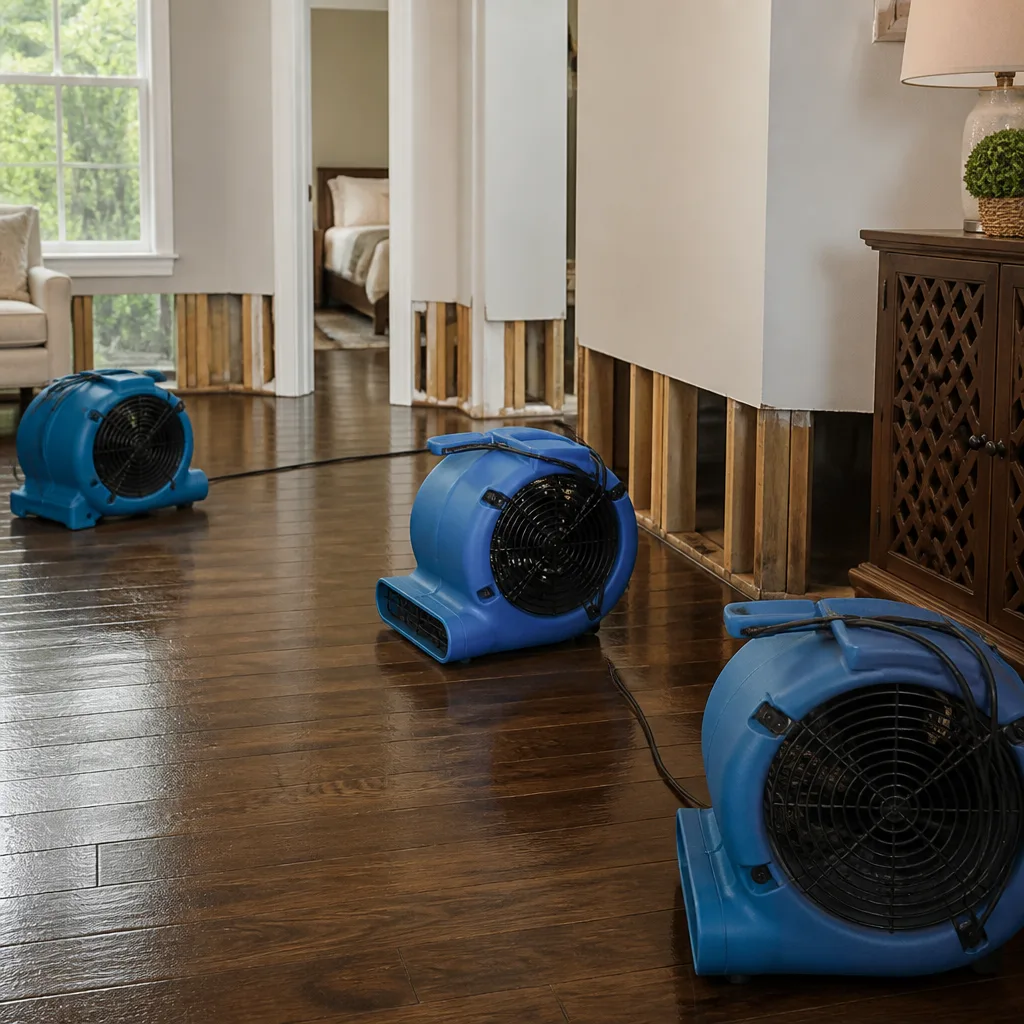
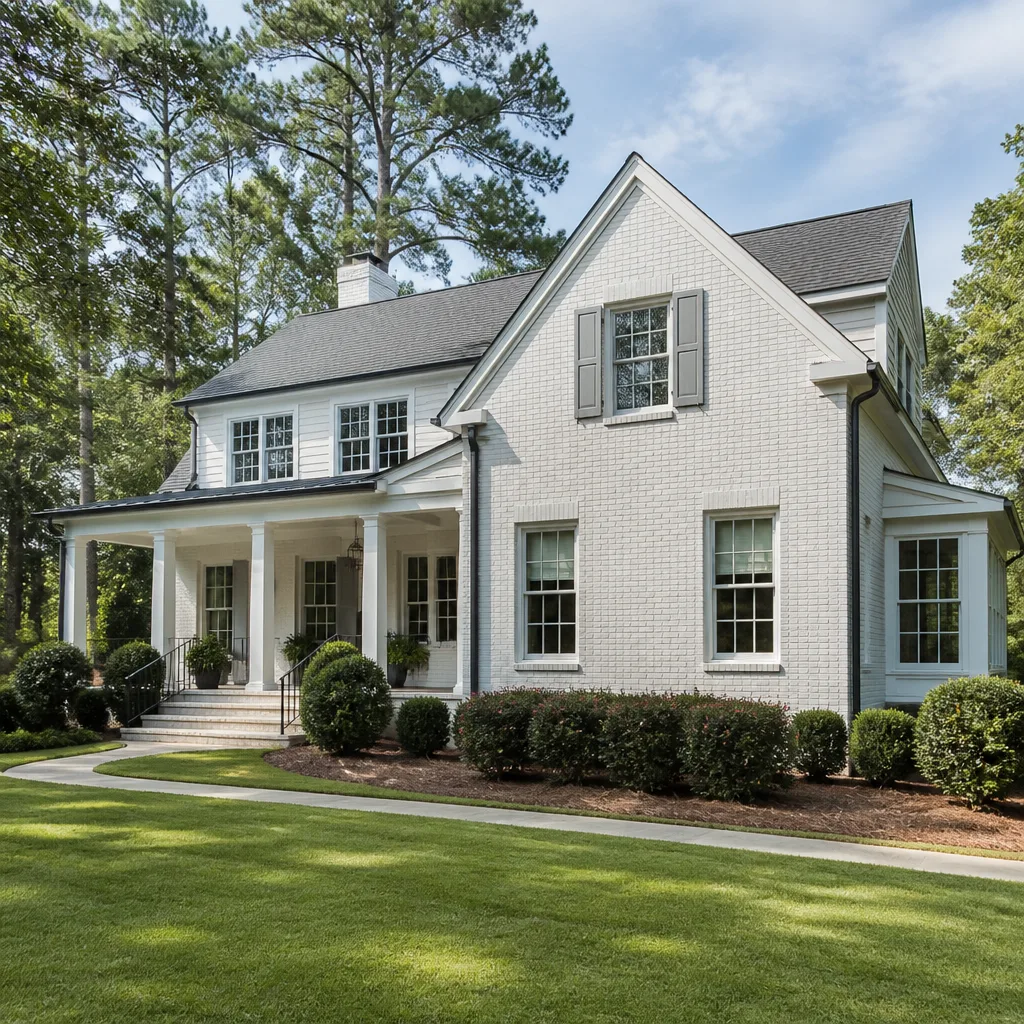
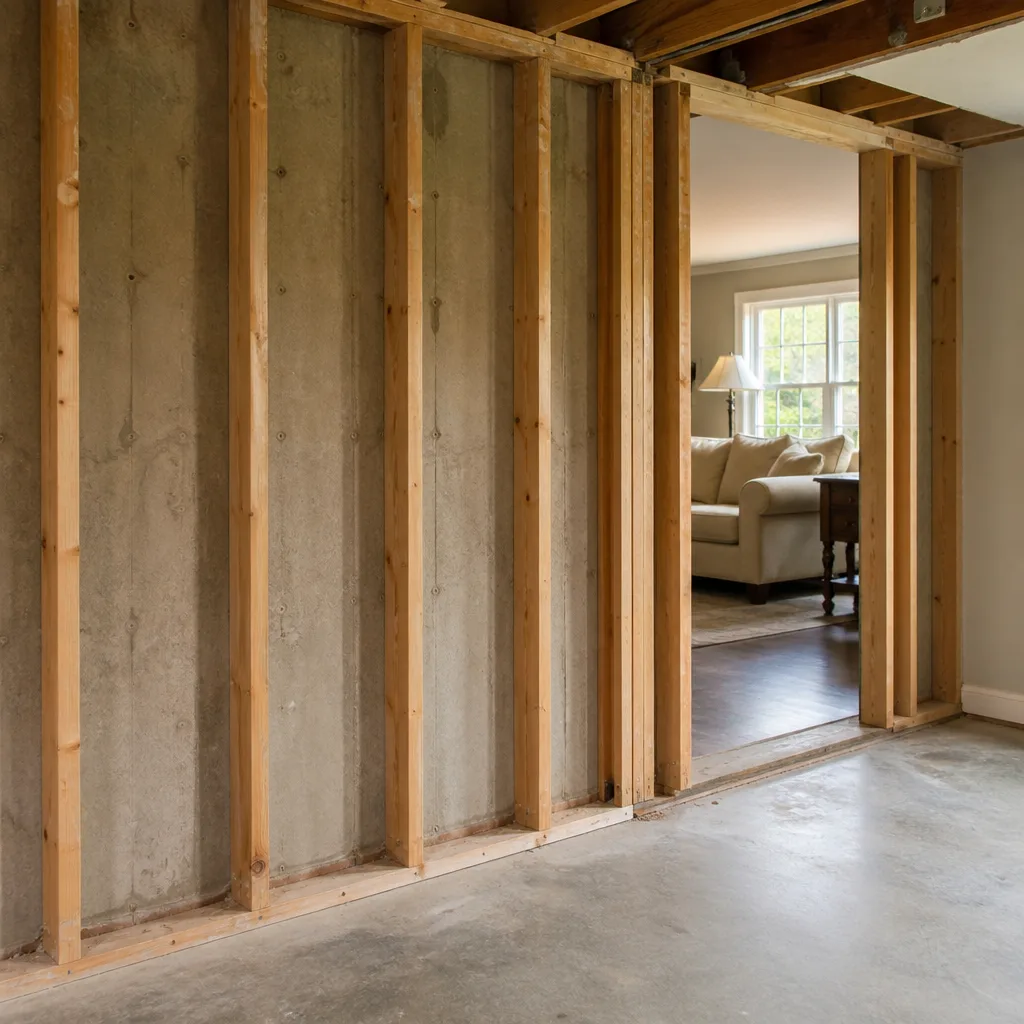
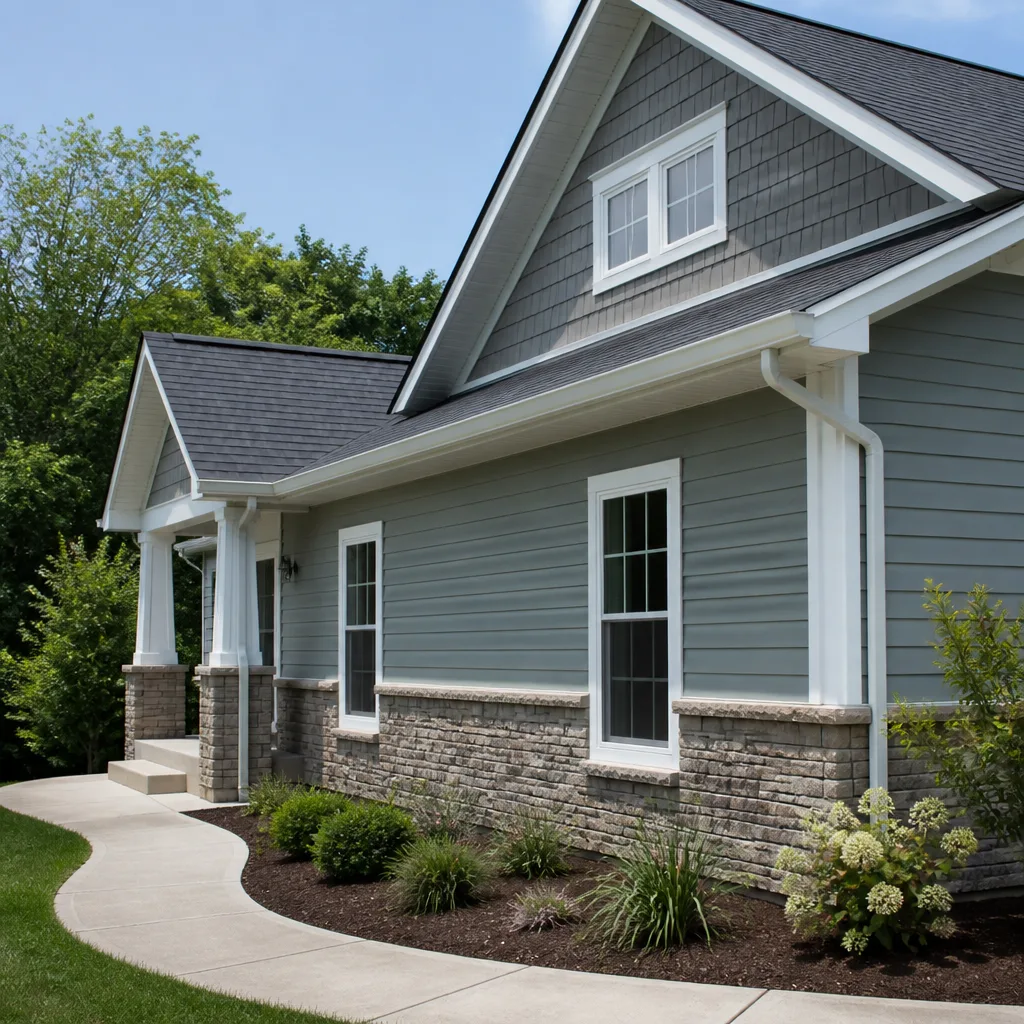
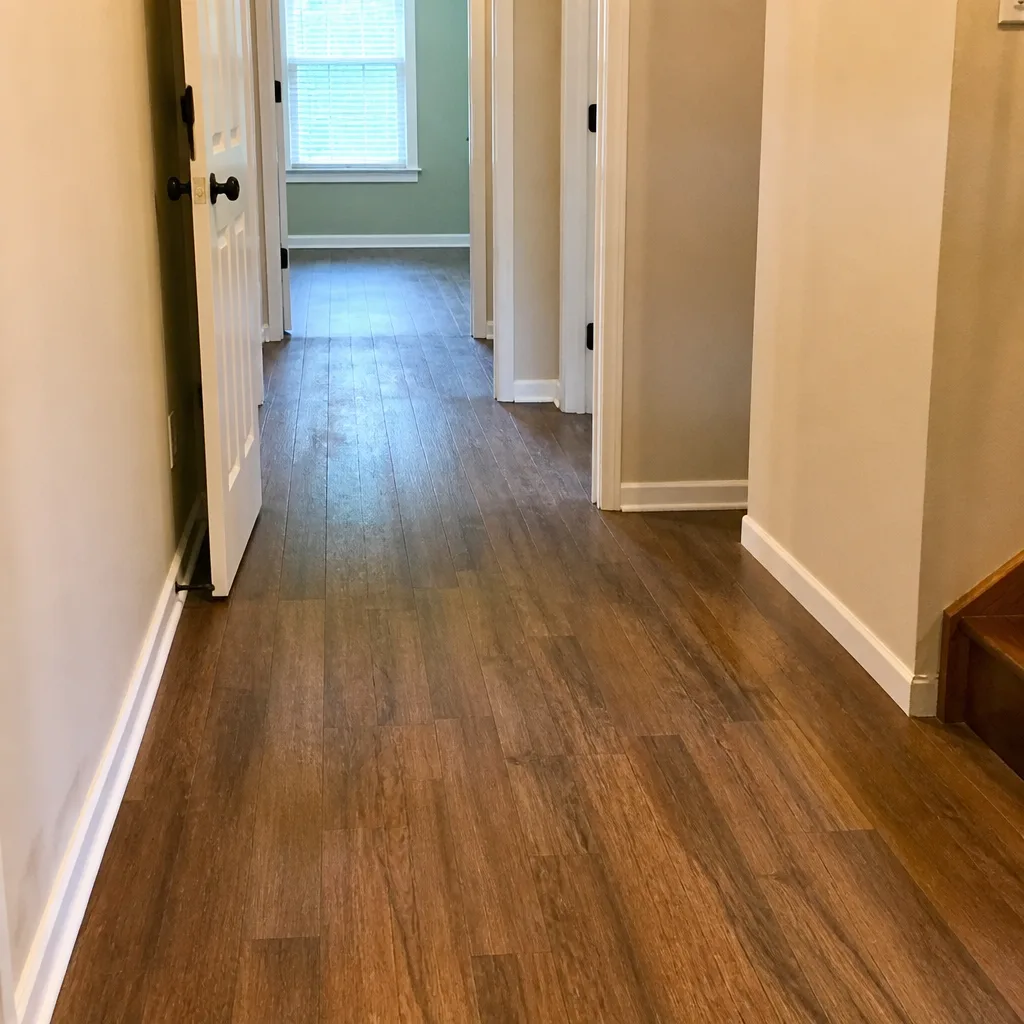

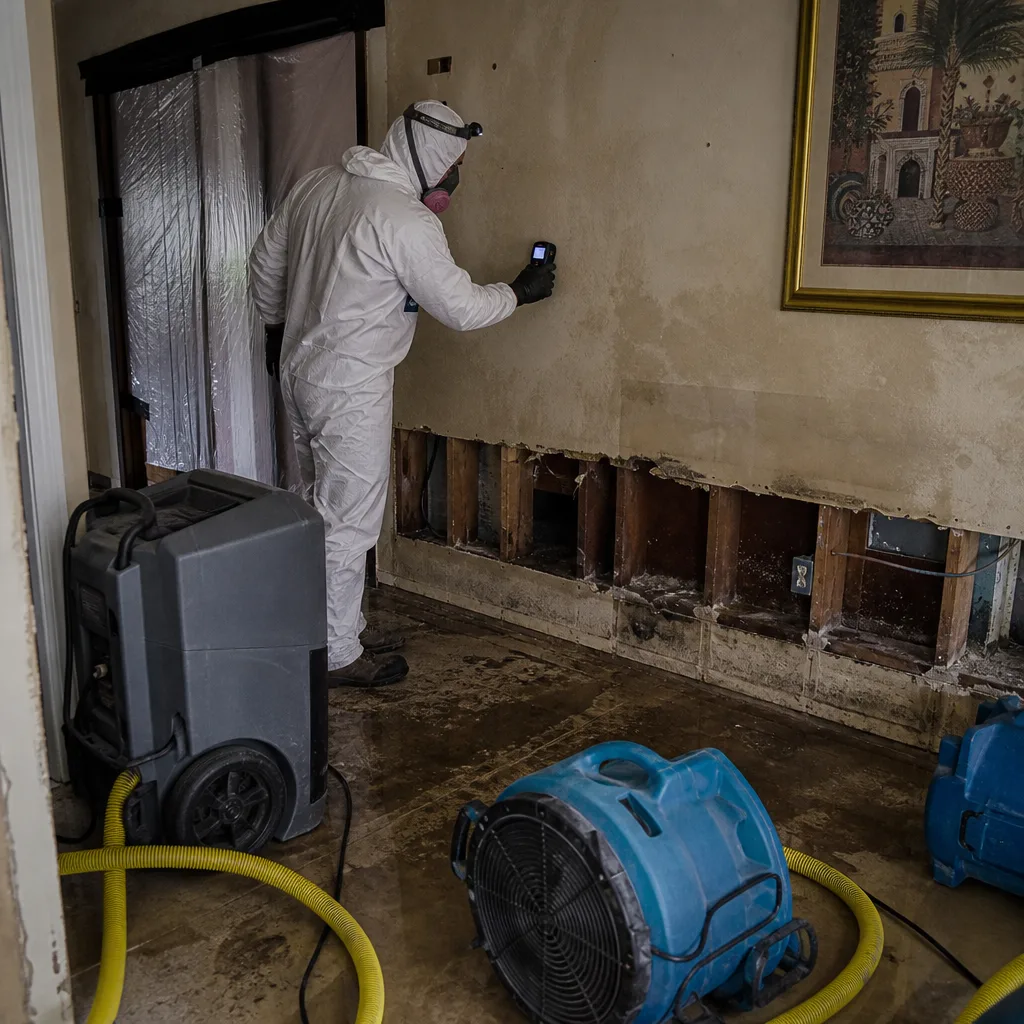 Before
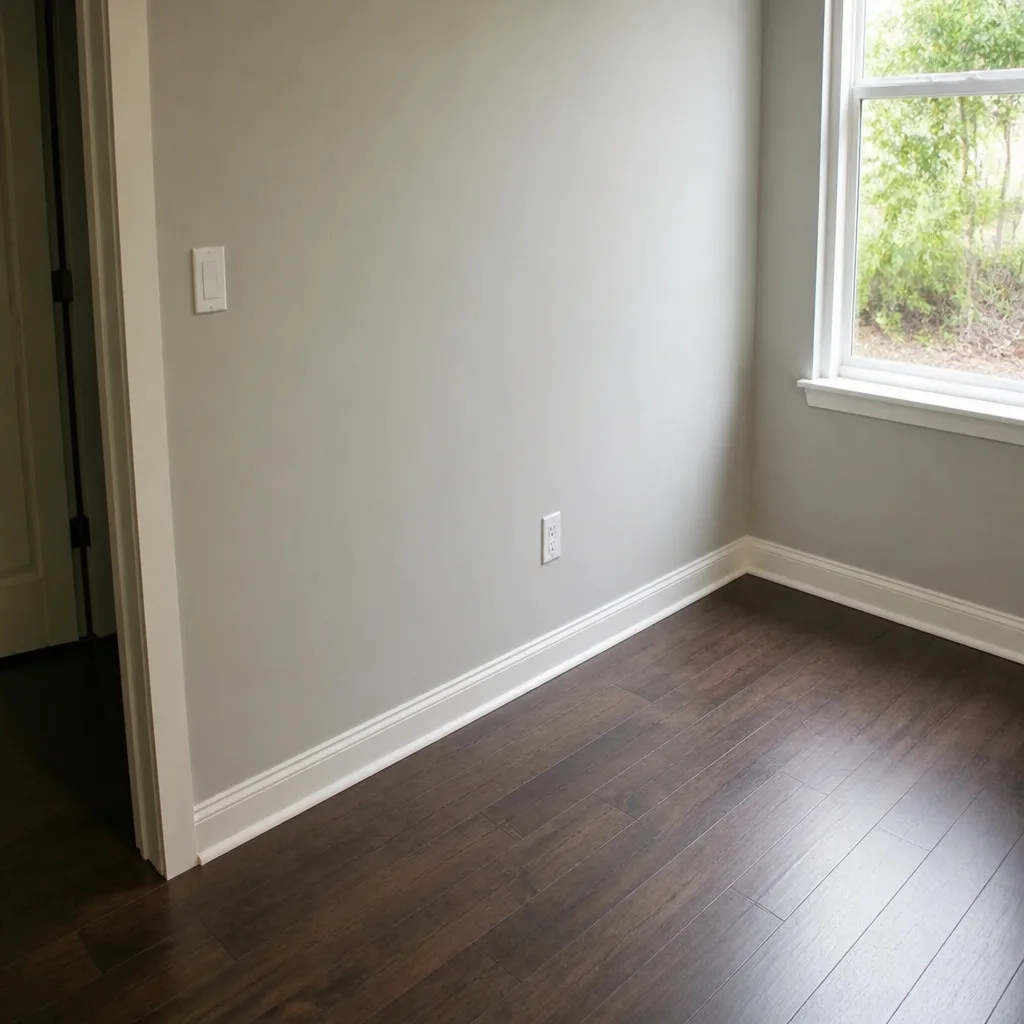 After
After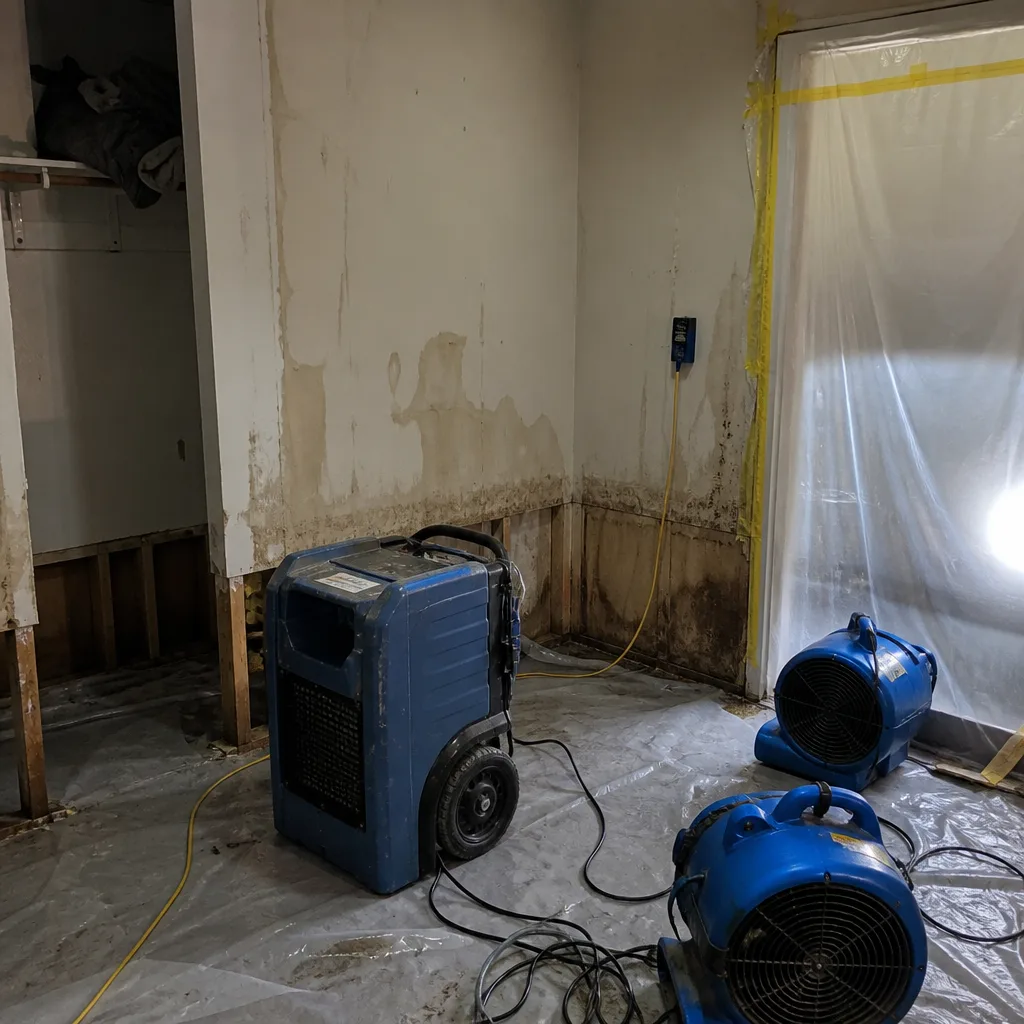 Before
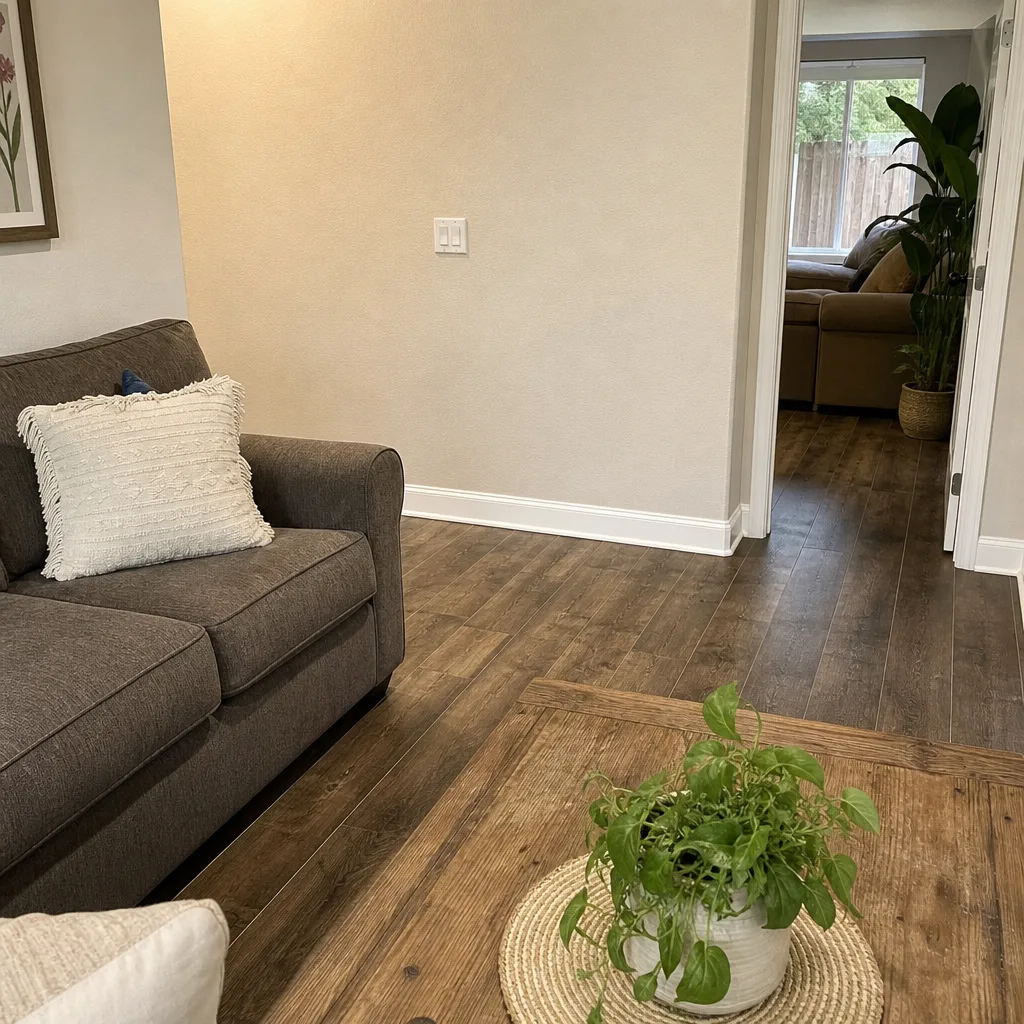 After
After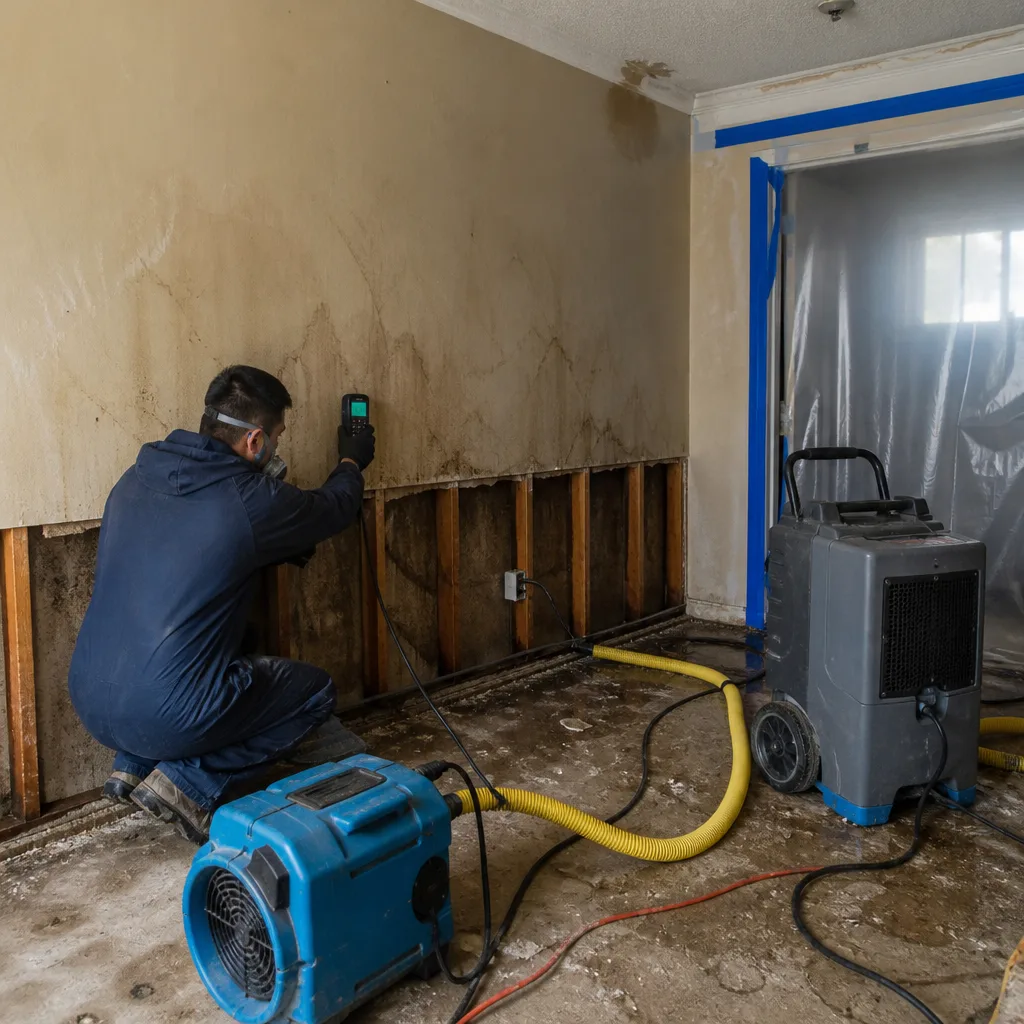 Before
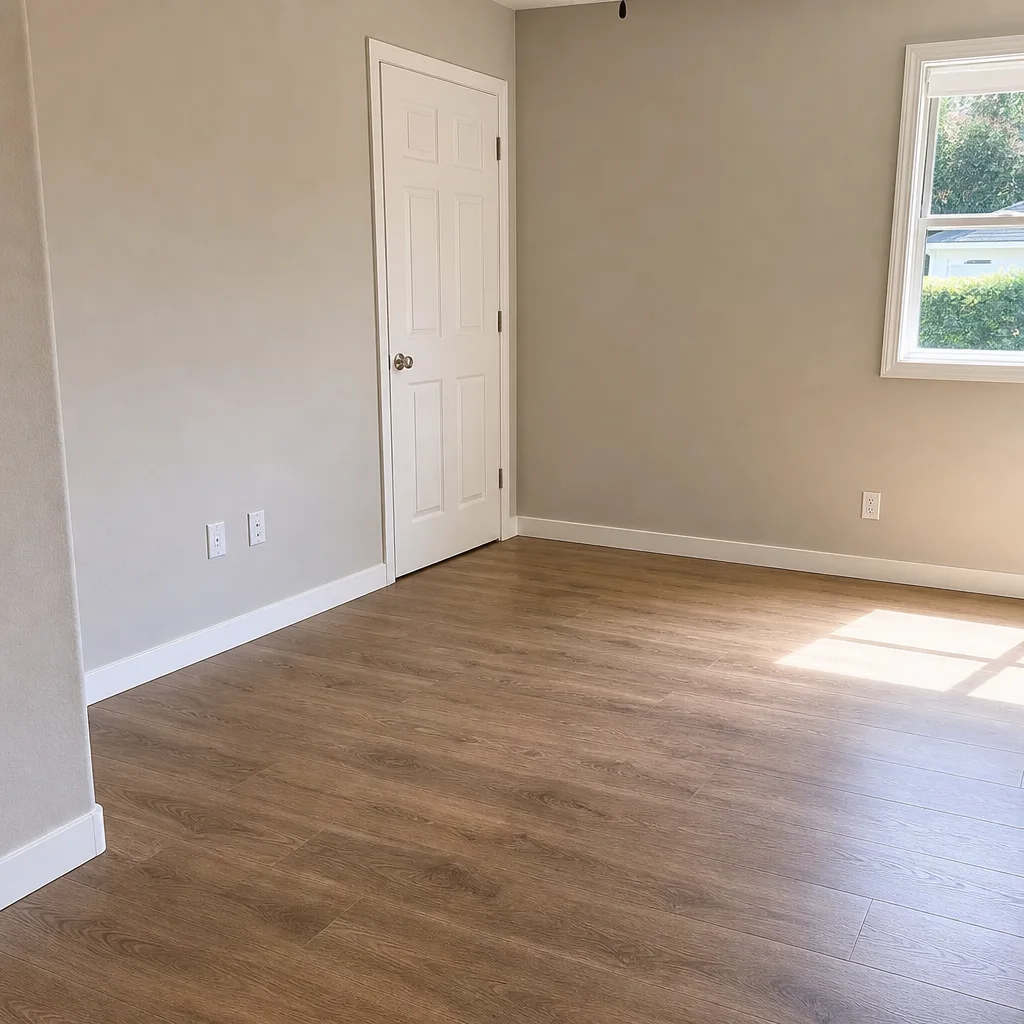 After
After24/7 Emergency Water Damage Restoration in San Marcos
Water damage restoration in San Marcos typically costs $2,800-$7,500 for a standard residential drying job, with emergency extraction adding $800-$1,800 depending on affected square footage. Most slab-on-grade homes in San Marcos can begin structural drying within 45 minutes of our arrival. Call (760) 421-5658 now - a live person answers every emergency line, 24 hours a day, with no voicemail trees while water is still moving through your walls.
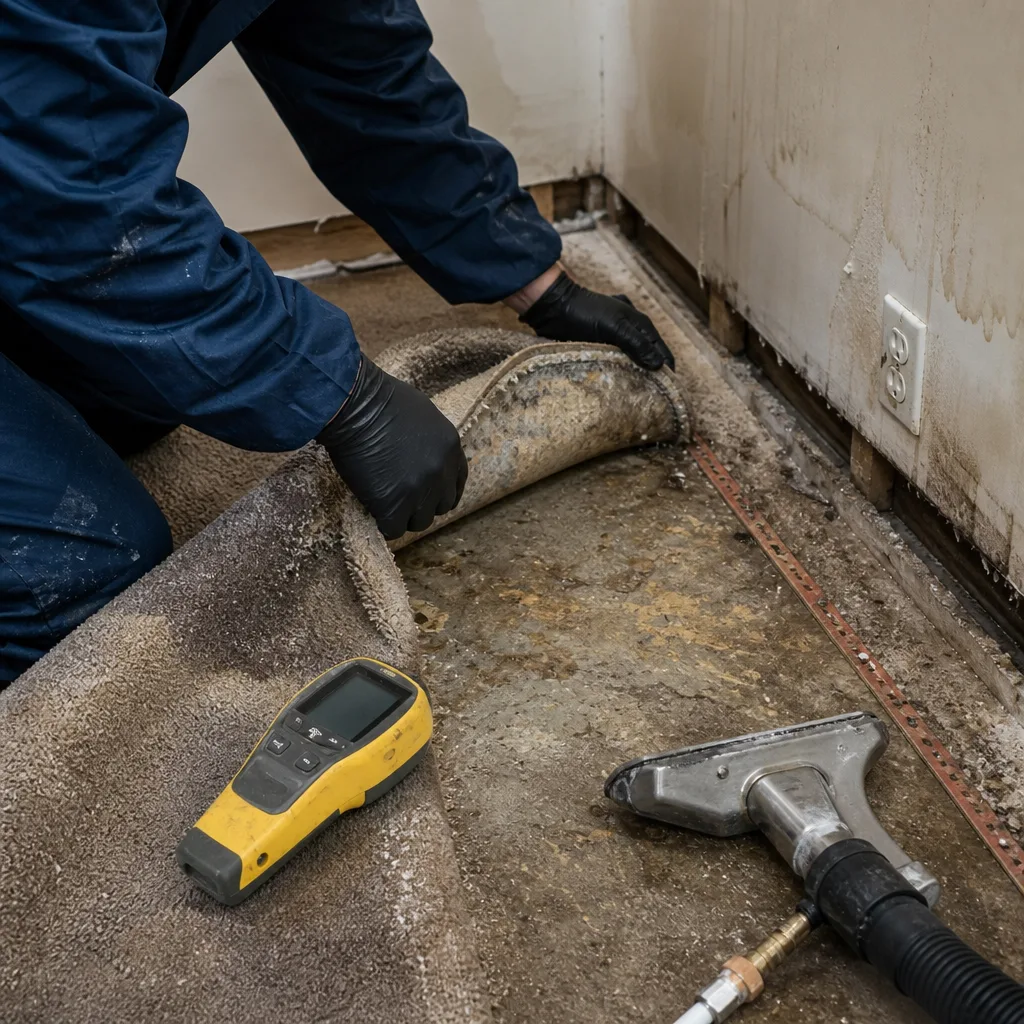
Our crews dispatch from our San Diego coordination office and carry Dri-Eaz and Phoenix dehumidification systems, thermal imaging, and moisture mapping equipment specifically configured for San Marcos’s stucco-over-wood-frame housing stock. The first hour determines whether we’re extracting standing water or later tearing out saturated drywall and base plates. We provide a free visual inspection on arrival, a written scope before any equipment runs, and photo documentation starting with the first moisture reading.
Understanding Water Damage Restoration Severity in San Marcos Properties
Water damage in San Marcos falls into three categories that dictate our response. Category 1 is clean water from a burst supply line or overflowing fixture. Category 2 is gray water with chemical or biological load, common when washing machine drains back up or dishwasher lines fail. Category 3 is black water - sewage intrusion, ground water flooding, or any water that has passed through soil or building materials. San Marcos’s slab-on-grade construction means Category 2 water that reaches the concrete perimeter can become Category 3 within hours as it picks up soil contaminants.
We classify damage by class as well: Class 1 affects a small area with minimal absorption; Class 2 involves an entire room with moisture wicking into walls; Class 3 means water has saturated from above, saturating ceilings, walls, and subfloor; Class 4 is specialty drying for dense materials like plaster, hardwood, or concrete. San Marcos’s 1990s-era stucco homes present a persistent Class 4 challenge - the stucco skin acts as a one-way valve, trapping vapor inside wall cavities while appearing dry from the exterior. Our moisture mapping with penetrating meters and thermal imaging finds what the eye cannot.
Psychrometric data - temperature, relative humidity, and vapor pressure differential - drives our drying strategy. Vapor pressure differential is the force that moves moisture from wet materials to dry air; we manipulate it with controlled dehumidification and strategic air movement. In San Marcos’s hotter inland valley climate, we adjust target equilibrium moisture content downward to account for seasonal expansion and contraction in the wood framing behind stucco.
Why San Marcos Property Owners Choose DryMark Restoration Fallbrook
- 45-minute response commitment to San Marcos addresses - our nearest crew is staged for North County valley calls.
- 24/7 live answer by a real person, never an automated system or next-business-day callback while water spreads.
- IICRC-certified crews holding WRT (Water Damage Restoration Technician) and AMRT (Applied Microbial Remediation Technician) credentials, with license numbers verified before dispatch.
- Free visual inspection on every call - we document what we find before quoting, not after starting work.
- Direct insurance billing with photo-documented estimates that adjusters recognize and approve without dispute.
- One team from extraction through reconstruction - no handoffs between mitigation and rebuild contractors.
BeforeAfterOur Water Damage Restoration Process
1. Inspection & Assessment
We arrive with thermal imaging cameras, penetrating moisture meters, and non-invasive hygrometers to map the full extent of water migration. In San Marcos stucco homes, we pay particular attention to the base of exterior walls where slab-on-grade construction offers no crawl space buffer. You receive a written scope with line-item pricing before any work begins - Haven Standard, Clause 1.
2. Water Extraction & Stabilization
Standing water is removed with truck-mounted extraction systems and weighted water claws for carpeted areas. For San Marcos’s common tile-over-slab flooring, we use squeegee wands and specialized hard-surface extractors. The goal is to remove liquid water before it becomes vapor that must be mechanically extracted - faster extraction means shorter drying times and less demolition.
3. Structural Drying & Dehumidification
We deploy Phoenix 200MAX dehumidifiers and XPOWER X-430 air movers in calculated ratios based on cubic footage and Class of damage. In San Marcos’s dry climate, we monitor for over-drying that can crack stucco and stress framing. Daily moisture logs track progress and prove drying completion to your insurer.
4. Cleaning & Sanitization
All affected surfaces receive antimicrobial treatment appropriate to water category. For Category 2 and 3 events in San Marcos’s slab homes, we treat the concrete perimeter and lower wall cavities where soil contaminants may have migrated. HEPA air scrubbers run during this phase to capture airborne particulates.
5. Moisture Verification & Documentation
We establish dry standard by measuring unaffected materials in your home, then confirm all affected areas return to within 4 percentage points of that baseline. Our daily drying logs, photo records, and moisture readings become the documentation package your adjuster needs - the same documentation that turned our founder’s frustration as a claims adjuster into the Haven Standard in 2011.
6. Repairs & Restoration
Where demolition was necessary, our reconstruction team replaces drywall, baseboards, flooring, and trim to match pre-loss condition. In San Marcos’s post-Cocos Fire rebuild areas, we coordinate any required fire-hardening upgrades and defensible space compliance alongside standard restoration work.
Need Emergency Water Damage Restoration in San Marcos Now?
Crews minutes away, answering live 24 hours a day. The sooner we start, the less it costs.
Working With Your Insurance Company
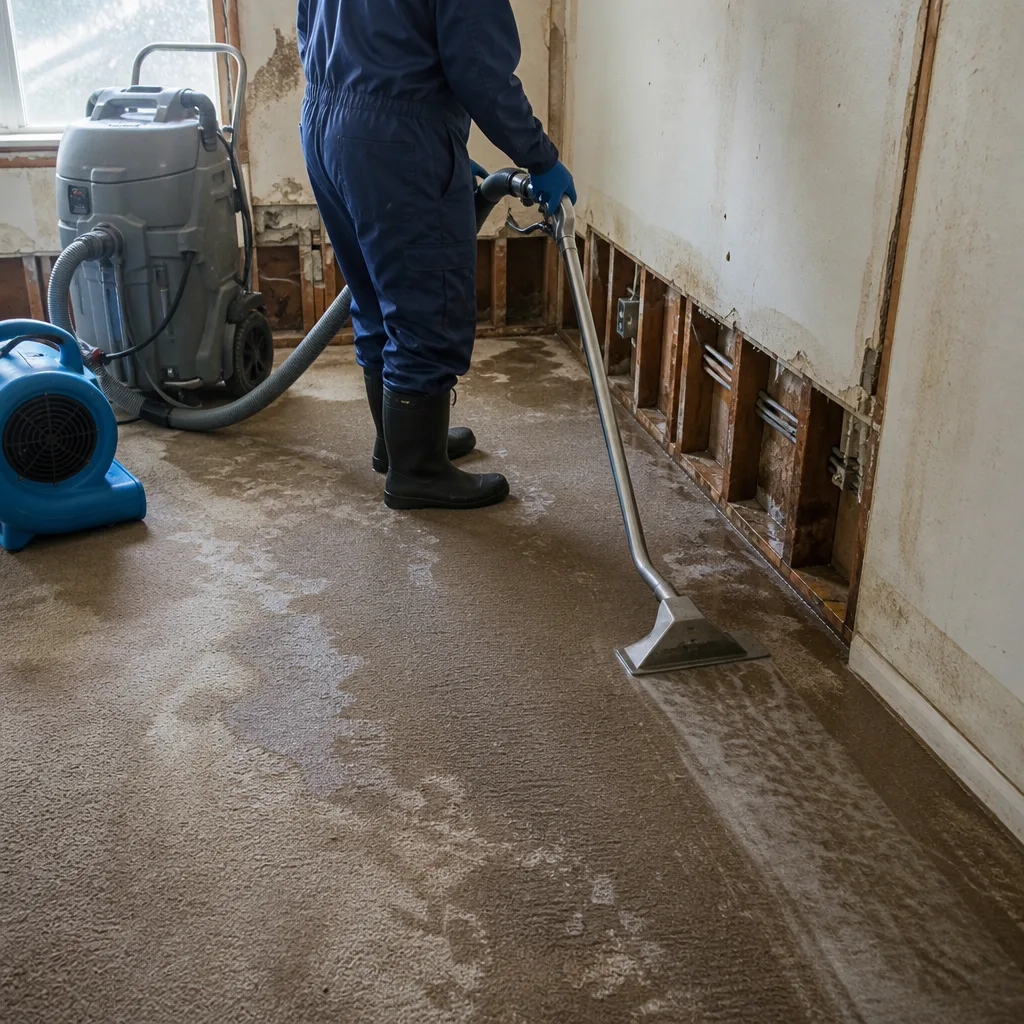
Every water damage claim in San Marcos begins with documentation or dies without it. Our crews photograph every room, every elevation, every moisture reading from the first hour. We write estimates to Xactimate industry standards, the pricing language adjusters speak, and coordinate directly with your carrier’s desk adjuster or field representative. Alicia Brennan built this company in 2011 after watching homeowners lose legitimate claims to incomplete photo records and scopes that lacked line-item detail.
We do not ask you to pay upfront and seek reimbursement. We bill your carrier directly where coverage applies, and we identify any out-of-pocket items in writing before work starts. No scope creep. No surprise additions once our crew is inside your home. Haven Standard, Clause 1.
What We Provide Your Insurer
- Thorough documentation of the loss
- Photos of all damage, room by room
- Moisture readings and drying logs
- A detailed, line-item scope of work
- Direct coordination with your carrier
Built for San Marcos’s Loss Calendar
San Marcos’s water damage season runs inverse to its fire season, but the two are connected. June through October, prolonged heat and negligible rainfall bake hillside soils to hydrophobicity - they repel water rather than absorb it. When winter atmospheric rivers arrive, typically December through March, that water sheets off slopes and concentrates in the San Marcos Creek corridor and low-lying neighborhoods near Richland Road, Knoll Road, and the Discovery Lake area.
January and February bring the highest volume of burst pipe calls, not from deep freeze but from temperature swings that stress aging polybutylene and copper fittings in San Marcos’s 1990s-era tract homes. April sees residual hillside saturation producing foundation seepage. Summer monsoon thunderstorms, though brief, can overwhelm gutters and downspouts on homes where stucco parapets conceal degraded flashing. Our crews maintain drying equipment configurations for each seasonal pattern.
Water Damage Restoration Across San Marcos’s Neighborhoods
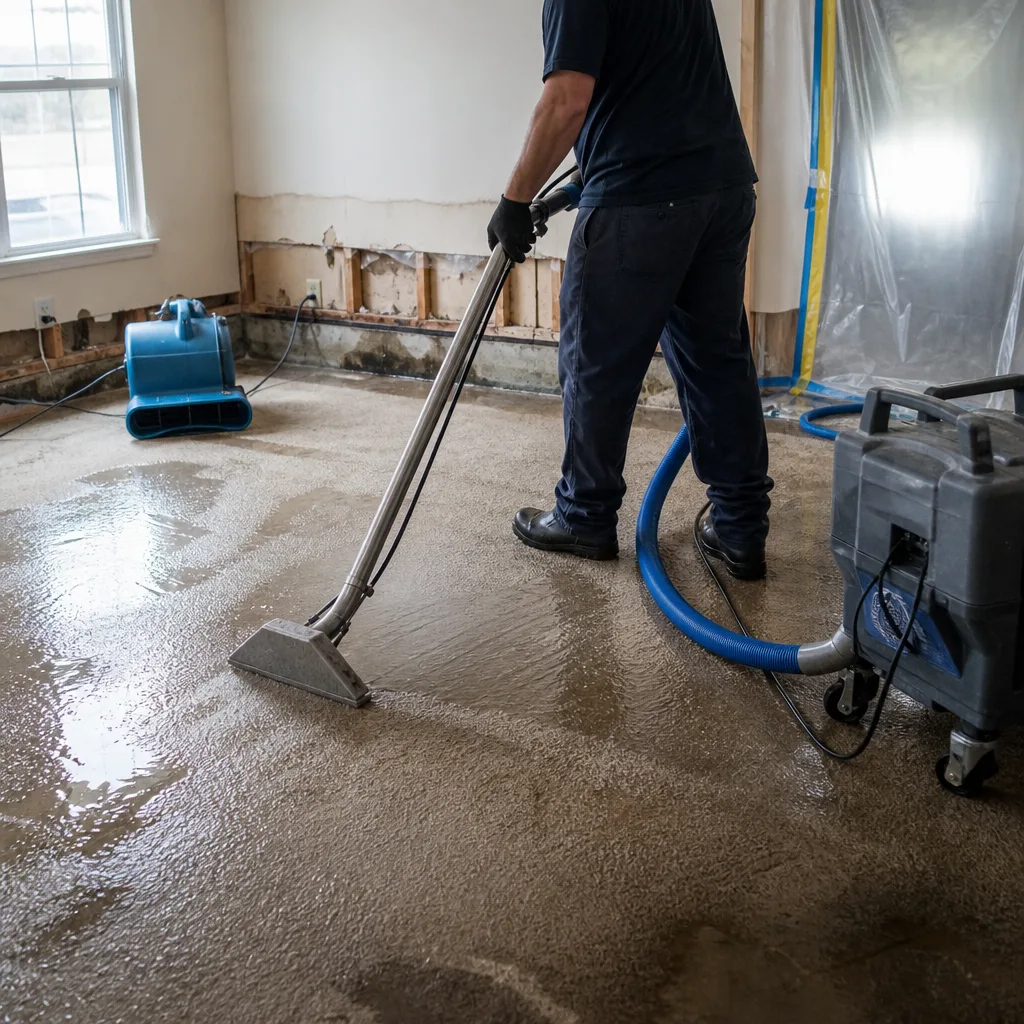
San Marcos is not one housing market but several, and our response varies by terrain and build era.
Discovery Hills and the Lakeview area sit on higher ground with newer construction, but the steep grades channel runoff toward foundations. We see repeated pattern losses on streets where backyard retaining walls were built without adequate drainage - water pressure builds behind the wall, saturates the soil, and finds the slab edge. Our moisture mapping always includes the uphill side of these properties.
The San Marcos Creek corridor near Knoll Road and Mission Road collects flash runoff from the entire watershed. Homes here are older, closer to grade, and often lack the perimeter drainage that newer developments require. After a February atmospheric river stalled over this corridor, we responded to a tract home near Richland Road where the hillside behind the property had shed water straight into the garage. Our tech found the slab-on-grade build had no crawl space buffer, so we ran water extraction and set up containment with Phoenix dehumidification and XPOWER air movers, logging moisture readings in the stucco wall base before any visible staining appeared. The homeowner later told us their neighbor’s place on the same street had the identical failure two winters prior.
Twin Oaks Valley and the CSUSM vicinity include a mix of 1970s ranch homes and 2000s infill. The older stock often has original galvanized supply lines at end of life; we coordinate immediate plumbing replacement with our extraction work when burst pipes are the source. The newer homes present the standard stucco moisture concealment issue.
Post-Cocos Fire rebuild areas near Cocos Drive and the western hills combine modern fire-hardened construction with surviving pre-2014 neighbors. When water damage strikes an older home in these zones, we regularly encounter insurance-mandated defensible space and fire-hardening upgrade triggers that complicate scope. We coordinate these requirements into our drying and rebuild plans rather than discovering them mid-project.
Specialized Water Damage Restoration Services We Offer in San Marcos
Emergency Water Extraction
Standing water begins degrading Category 1 to Category 2 within 24 hours and to Category 3 within 48. Our truck-mounted extraction systems remove thousands of gallons per hour from San Marcos homes, with weighted water claws for carpet and squeegee systems for tile-on-slab. Emergency extraction in San Marcos typically runs $800-$1,800 for residential properties, with the final figure tied to square footage and water depth.
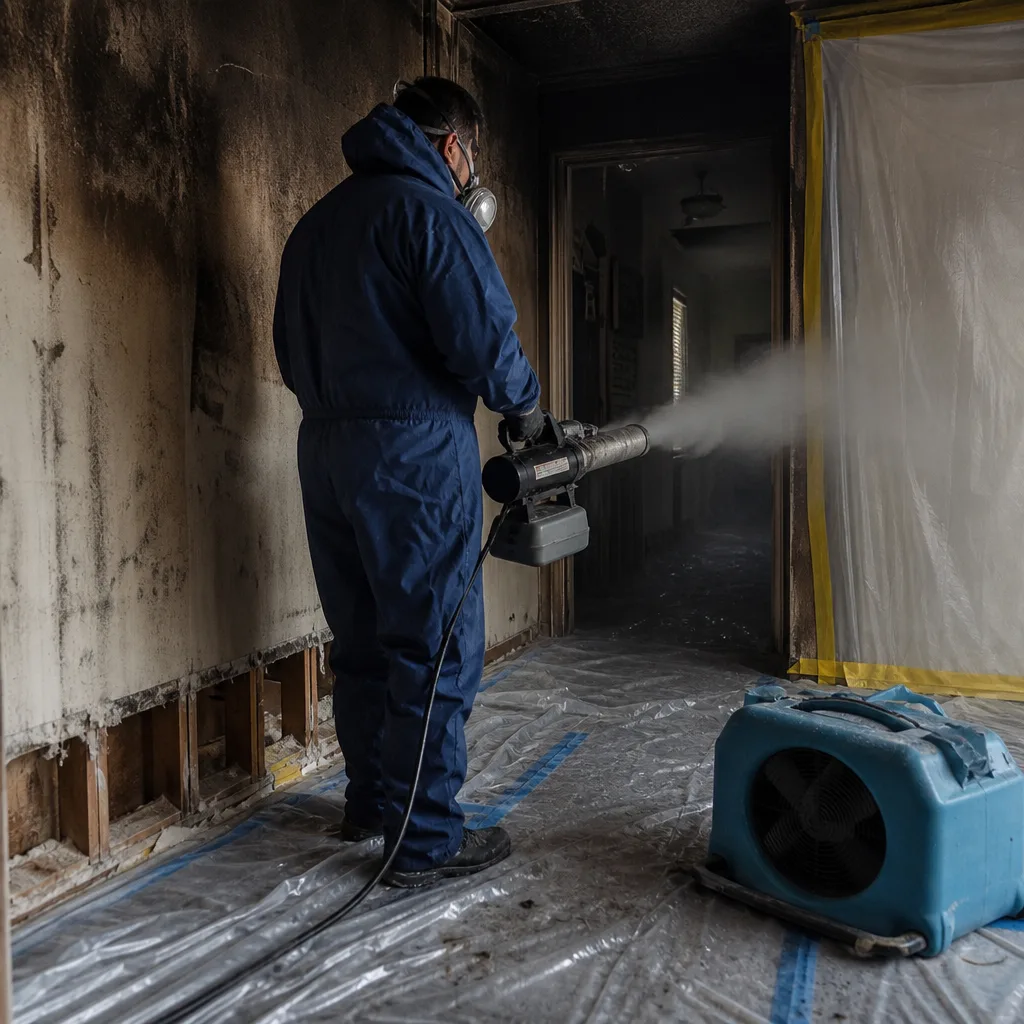
Structural Drying & Dehumidification
This is where San Marcos’s inland climate becomes an asset we control precisely. We calculate dehumidifier capacity using the psychrometric formula: pounds of water to remove divided by the grains-per-pound capacity of our equipment at ambient conditions. Phoenix and Dri-Eaz units are selected and positioned to maintain 40-50% relative humidity while driving vapor pressure differential. Structural drying for a typical San Marcos tract home runs $2,200-$4,500 for a 3-5 day cycle, with daily moisture logs provided to your insurer.
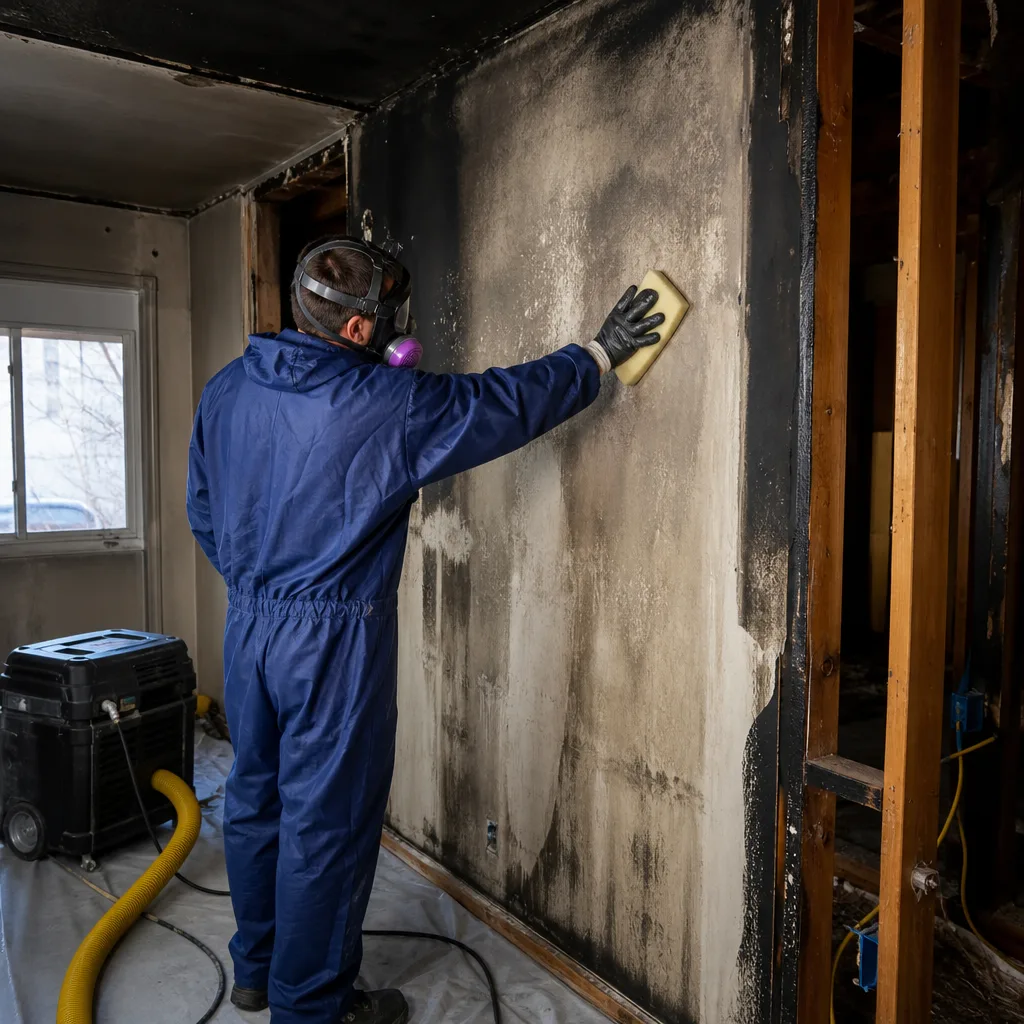
Flood Cleanup
San Marcos’s flash flood pattern - hydrophobic hillsides, concentrated runoff, slab-on-grade absorption - produces Category 3 water events that coastal cities rarely see. Flood cleanup includes extraction, contaminated material removal, antimicrobial treatment of concrete and framing, and HEPA air scrubbing. We document soil contamination levels and coordinate with your adjuster on code-required replacement versus restoration.
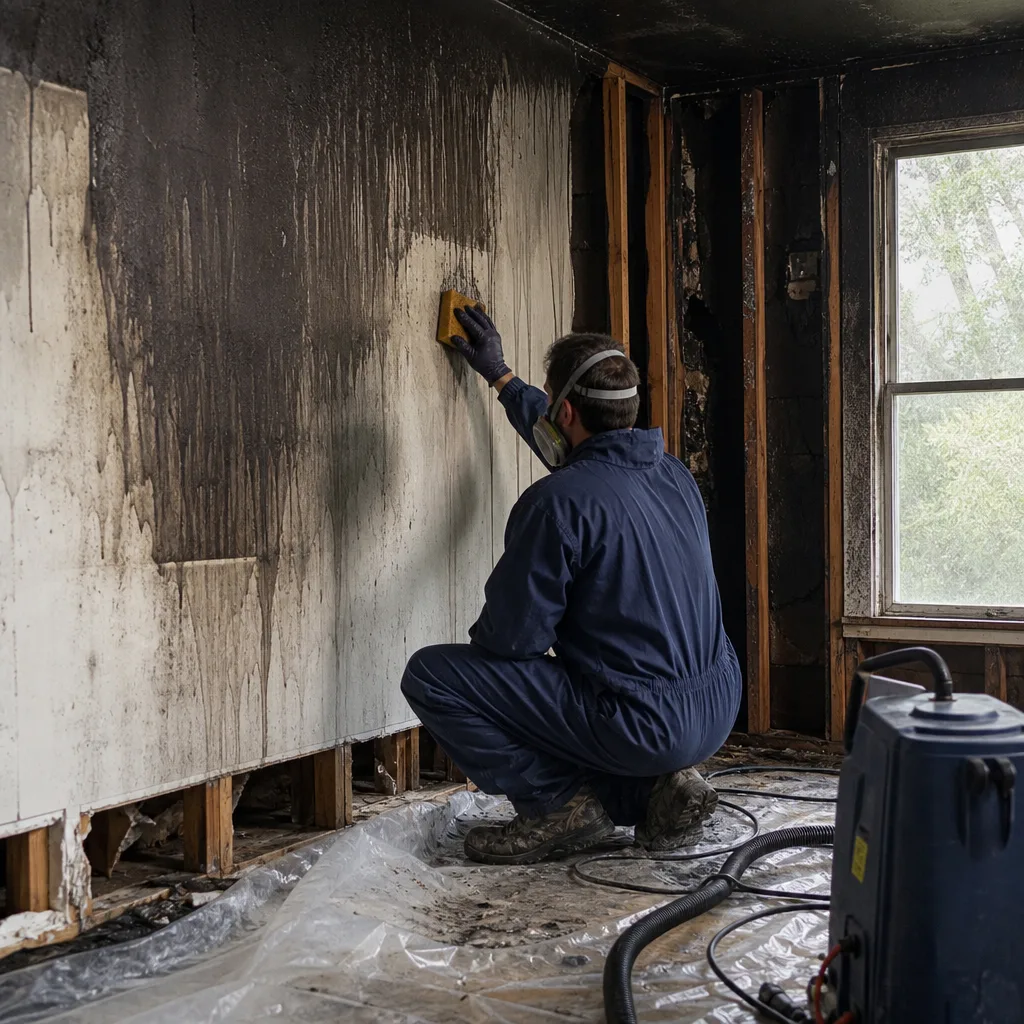
Burst Pipe Restoration
The 1990s and 2000s tract homes dominating San Marcos’s stock often contain original polybutylene or aging copper with pinhole corrosion. We extract water, identify the failed material, and coordinate licensed plumbing replacement before closing walls. Our scope separates mitigation from plumbing so your insurer and you each know what you’re paying for.
Ceiling & Roof Leak Water Damage
Stucco parapets and concealed flashing failures are the leading cause of ceiling damage in San Marcos. By the time staining appears on drywall, the OSB or plywood roof deck above is often saturated. We use thermal imaging to trace the leak path, remove only the ceiling area necessary for drying access, and document the pre-loss roof condition for your adjuster.
What happens when you call
- 1
A real person answersNo phone trees - you reach a local pro.
- 2
You get an upfront price rangeHonest numbers before anyone is dispatched.
- 3
A background-checked tech heads outLicensed & insured, dispatched right away.
- 4
You approve before work beginsNothing starts until you say go.
Water Damage Restoration Costs in San Marcos, CA
Honest pricing for San Marcos’s market, based on 12,000+ homes restored since 2011:
| Service | Typical Range |
|---|---|
| Emergency water extraction (residential) | $800 - $1,800 |
| Structural drying & dehumidification (3-5 day cycle) | $2,200 - $4,500 |
| Full water damage restoration with limited demolition | $4,500 - $8,500 |
| Category 3 flood cleanup with contamination protocol | $5,500 - $12,000 |
| Ceiling/roof leak repair with drying and rebuild | $3,200 - $7,000 |
What moves the price: water category, affected square footage, whether stucco must be opened to access wall cavities, and whether fire-hardening code upgrades apply in post-Cocos Fire zones. Insurance typically covers sudden and accidental water damage; gradual leaks and maintenance-related failures are usually excluded. We identify coverage questions in our written scope before work starts, not after. Bring any competitor’s written estimate and we’ll review it free - Haven Standard, Second Opinion Guarantee.
We Also Serve Cities Near San Marcos
Our crews respond throughout North County from the same staging that serves San Marcos: Vista to the west, with its older ranch-home stock and different soil drainage patterns; Escondido to the east, sharing San Marcos’s inland valley climate but with more hillside construction; Carlsbad to the southwest, where coastal salt air changes the corrosion profile of plumbing fittings; and Encinitas, with its mix of coastal and inland microclimates. Each city gets the same written-price-first protocol and documented drying logs.
Serving San Marcos, CA - Our Local Coverage Area
We’re based in the San Marcos area and know this community well. Use the map below to see our service coverage - if you’re nearby, we can almost certainly help.
San Marcos Water Damage Restoration Questions, Answered
How quickly can you respond to a water damage emergency in San Marcos?
We commit to 45-minute response to San Marcos addresses, with crews staged for North County valley calls and live phone coverage 24 hours a day. Call (760) 421-5658 - a real person answers, never a voicemail tree.
How does San Marcos’s hydrophobic soil affect water damage restoration after a winter storm?
After San Marcos’s dry summers, hillside soils repel water rather than absorb it, so winter atmospheric rivers send runoff sheeting into low-lying homes at volumes coastal cities don’t experience. We respond with higher-capacity extraction and extend moisture mapping to the slab perimeter and stucco base, where water enters before any interior sign appears.
Why does water damage in San Marcos stucco homes sometimes stay hidden longer than in other North County cities?
San Marcos’s dominant housing stock is stucco-over-wood-frame on slab foundations, built in the 1990s and 2000s. The stucco exterior acts as a moisture barrier that traps vapor inside wall cavities while appearing dry outside. By the time drywall stains show, the OSB sheathing and base plates are often saturated. We use penetrating meters and thermal imaging to find concealed saturation that surface inspection misses.
What is different about water damage restoration near the San Marcos Creek corridor compared to coastal cities like Oceanside?
The San Marcos Creek corridor concentrates watershed runoff from the entire inland valley, producing flash flooding that coastal cities with sandy soils and dispersed drainage rarely see. Homes near Knoll Road and Mission Road face Category 3 ground water intrusion, requiring contamination protocols and more extensive antimicrobial treatment than typical clean-water losses. Our crews carry soil-contamination testing supplies specifically for this pattern.
Does San Marcos’s wildfire history affect how you handle water damage restoration jobs today?
Yes. In post-Cocos Fire rebuild areas, water damage mitigation in older surviving homes often triggers insurance-required defensible space evaluations and California fire-hardening code upgrades. We coordinate these compliance layers into our scope from day one, so your rebuild doesn’t stall for a code inspection that should have been anticipated. Neighboring Escondido or Vista jobs encounter this requirement far less frequently.
How quickly can mold start after a water event in a San Marcos slab-on-grade home?
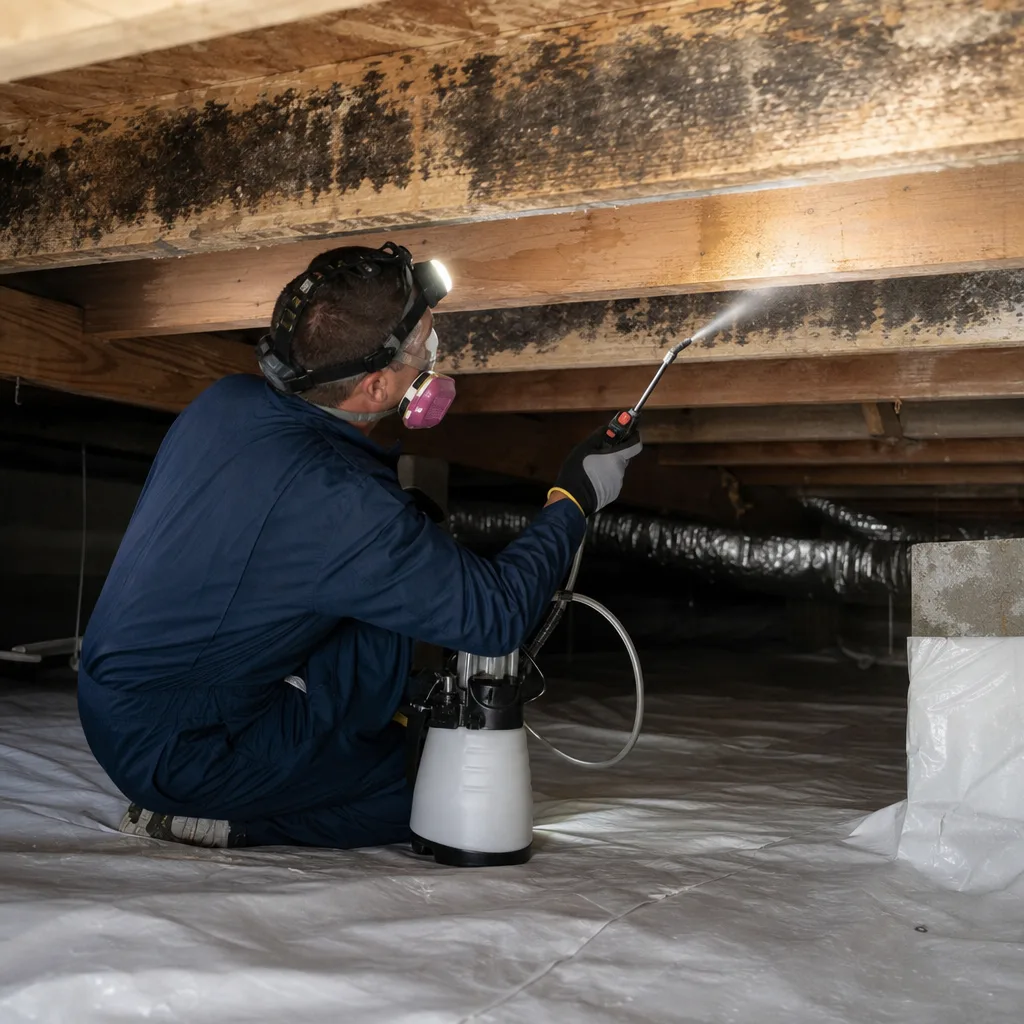
In San Marcos’s warm inland climate, mold colonization can begin within 24-48 hours of water intrusion, faster in summer months. Slab-on-grade construction means no crawl space buffer - water reaches wall cavities and flooring substrates immediately. We begin extraction and set dehumidification within hours, not days, and document moisture readings that prove we stayed ahead of microbial growth. If mold is already present, our AMRT-certified crews transition to containment and remediation protocols.
Will my insurance cover water damage restoration in San Marcos?
Sudden and accidental water damage - burst pipes, appliance failures, storm intrusion - is typically covered under standard homeowners policies. Gradual leaks, maintenance neglect, and flood damage from outside rising water usually are not. We document the loss origin and pre-loss condition in our photo record to support your claim, write Xactimate estimates adjusters recognize, and bill your carrier directly. Call (760) 421-5658 and we’ll review your coverage questions before any work starts.
Do I need full remediation or just water extraction and drying?
It depends on water category, time elapsed, and what moisture mapping reveals. Category 1 water extracted within hours may need only drying. Category 2 or 3 water, or any delay beyond 24 hours, usually requires removal of saturated porous materials and antimicrobial treatment. We don’t guess - we measure, document, and show you the moisture readings that justify our scope. Haven Standard, Clause 1: written price before work begins, every time.
Written by Alicia Brennan, Owner at DryMark Restoration Fallbrook, serving San Marcos and North County since 2011.
Water Damage Restoration in Nearby Areas